Top 10 Poisonous Plants for Pets (11 photos)
These plants pose a potential threat to your furry friends. However, that doesn't mean you have to banish them from your home or garden altogether. By taking a few simple safety precautions, you can keep both your green space and your pets safe and sound. 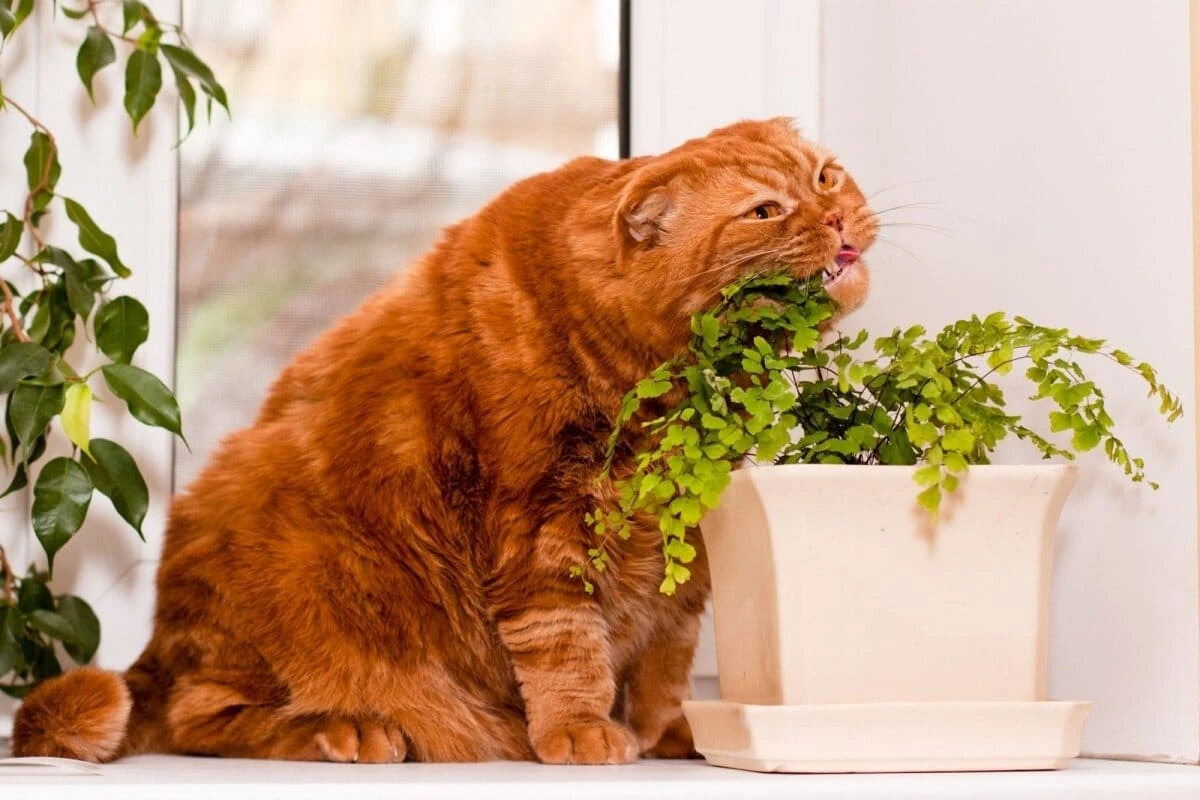
Lilies
While completely harmless to dogs, lilies are extremely toxic to cats. 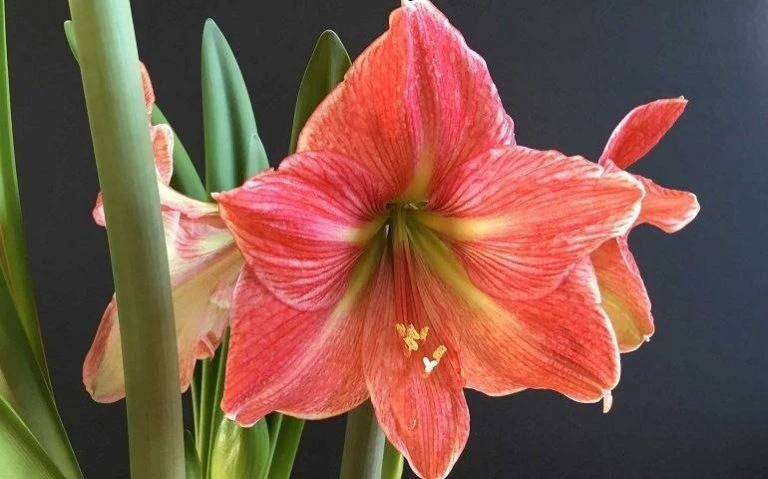
Symptoms of poisoning include vomiting, lethargy, and loss of appetite. Ingesting even a tiny fraction of any part of this plant can trigger kidney and liver failure. Without prompt veterinary care, lily poisoning can quickly prove fatal.
Hyacinths
Hyacinths are beloved for their vibrant beauty and sweet fragrance, but every part of the plant is toxic to both cats and dogs. 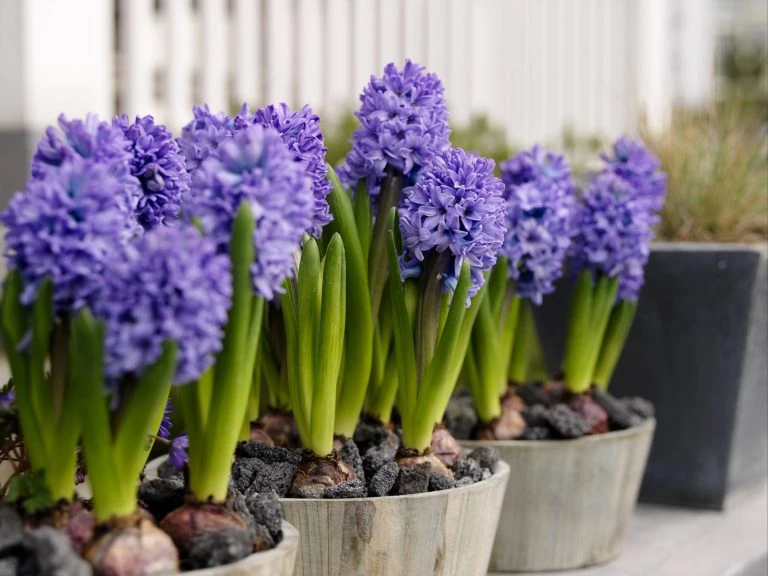
The bulbs are especially dangerous. If you have a dog that loves digging in the garden, keep a close eye on these flowers.
English Ivy
The berries of this plant are highly toxic to pets. Its leaves and stems are also poisonous and can cause severe illness if ingested. 
Ivy is a popular choice for its lush, trailing vines that add a touch of charm indoors and out. When climbing walls, it forms a cool, leafy canopy, while hanging baskets bring romance to living spaces. Beautiful as it is, pet owners should exercise caution.
Caladium
Poisoning causes swelling of the mouth and tongue, leading to severe breathing difficulty. Left untreated, it can obstruct the airways and lead to asphyxiation. 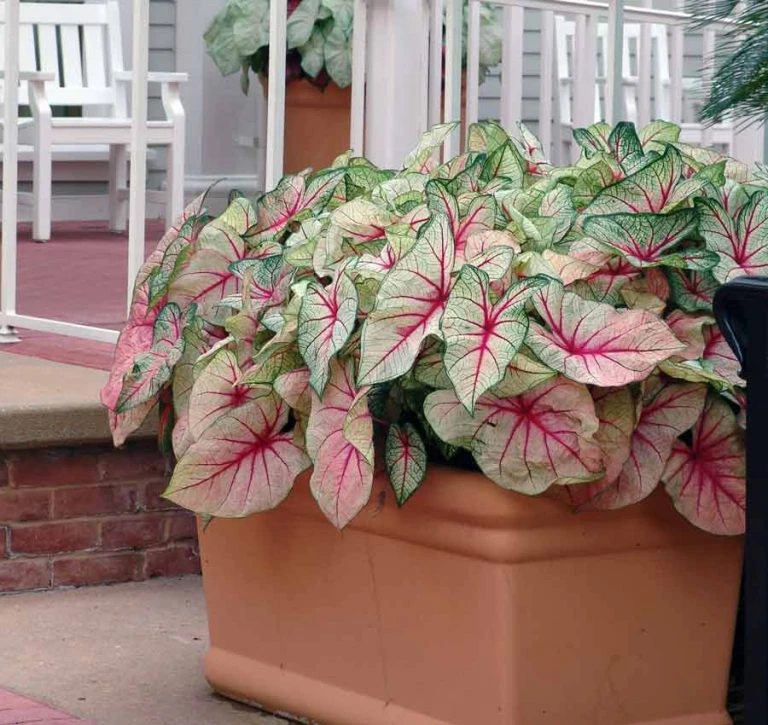
Commonly known as "Angel Wings," caladium features striking foliage in shades of red, pink, and white. Its vibrant colors make it a favorite for home decor.
Larkspur
This eye-catching flowering plant is toxic to both cats and dogs. 
Ingesting the stems or blossoms can cause muscle paralysis and respiratory failure, which can be fatal to pets.
Snake Plant
Snake plants are usually kept on window sills or the floor, putting them right within easy reach of curious pets. 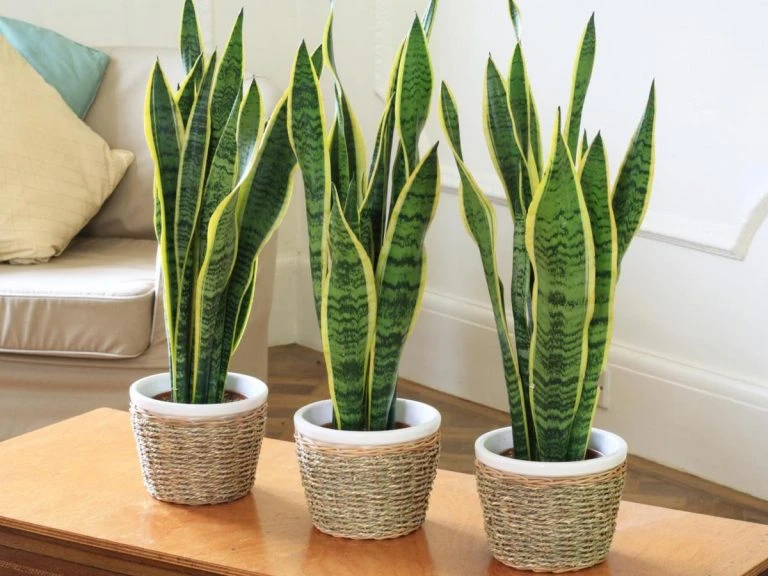
Often believed to ward off negative energy, this stylish exotic houseplant is a popular decor staple. However, behind its striking looks lies a plant that is highly toxic if ingested.
Dieffenbachia
Symptoms of toxicity include excessive drooling, swelling of the tongue, and seizures. 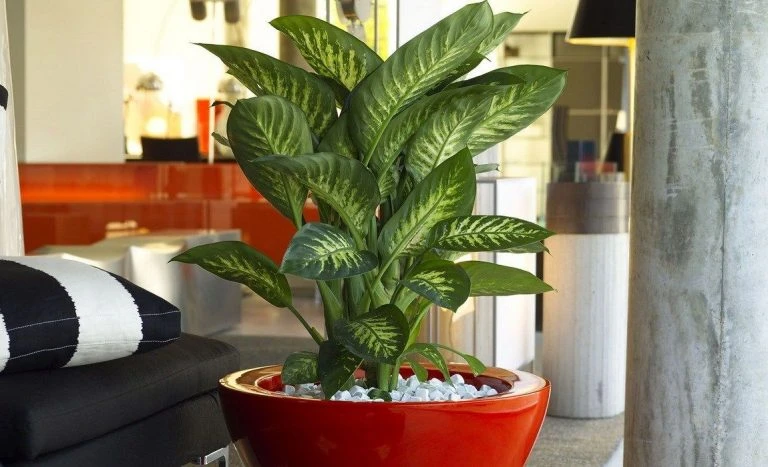
With its bold patterns, dieffenbachia is poetically known as "dumb cane." If eaten by humans or animals, it causes mild to moderate poisoning.
Aloe Vera
Few people realize that this widespread succulent is actually harmful to cats. 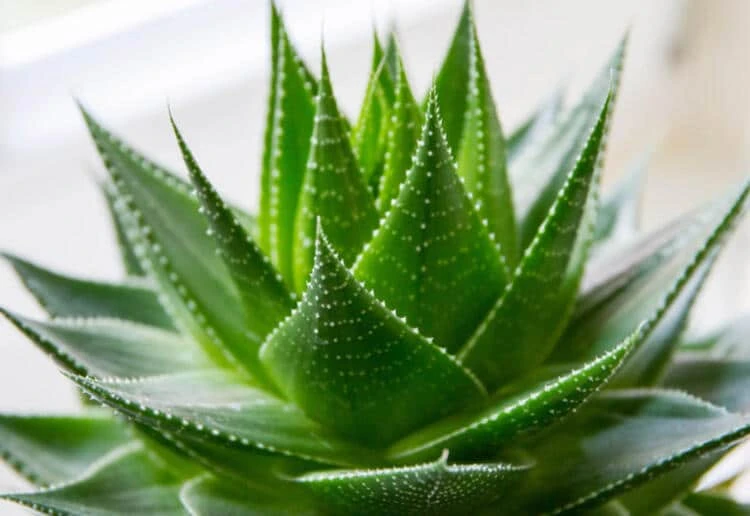
While aloe vera gel is widely praised for soothing burns, the plant itself should be kept far out of your pet's reach. Symptoms of toxicity include vomiting, diarrhea, tremors, and loss of appetite.
Poinsettia
The milky sap of the poinsettia can irritate the skin, while ingesting the leaves typically causes mild gastrointestinal upset. 
As a classic holiday favorite, poinsettias are synonymous with Christmas decor. While they do pose a hazard to pets, severe poisonings are thankfully rare.
Autumn Crocus
Crocuses contain colchicine, an extremely dangerous toxin. 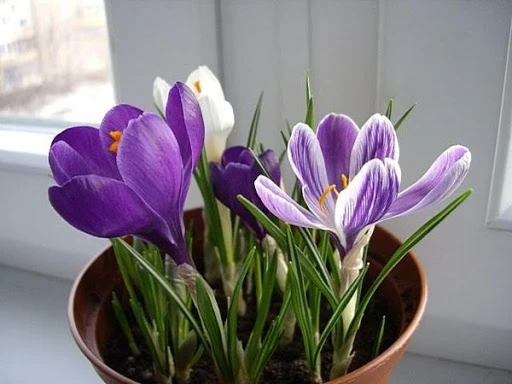
Ingestion can trigger severe vomiting, gastrointestinal bleeding, kidney and liver damage, and respiratory distress.