"There's No Sex in Ancient Rome!": How Past Eras Fought Against Vice (6 Photos)
Human history has always been driven by two opposing forces: the urge for sex, and the crusade against it. We'll leave it to Sigmund Freud to figure out why. Instead, let's take a look at how different eras waged war on vice. 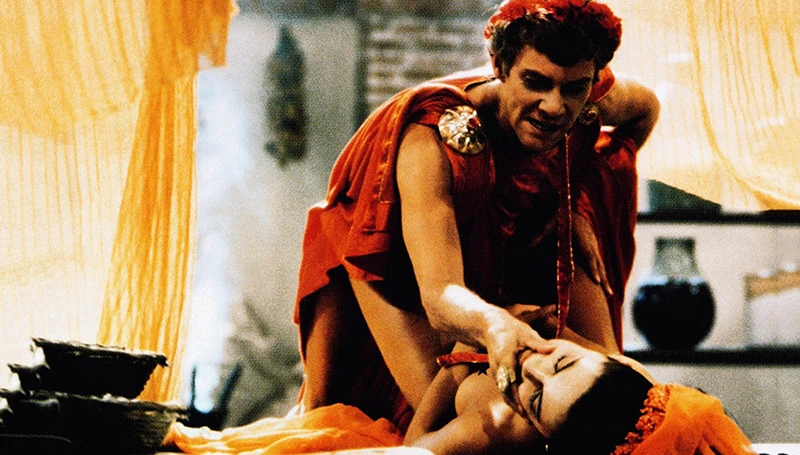
Roman Emperor Octavian Augustus (63 BC – 14 AD)
Emperor Augustus is best known today for giving his name to the last month of summer. He also ended civil wars, dismantled the Republic, and consolidated Roman power. At the same time, he was a staunch conservative who believed the world was going to the dogs, today's youth were incorrigibly decadent, and the only solution was to ban everything. 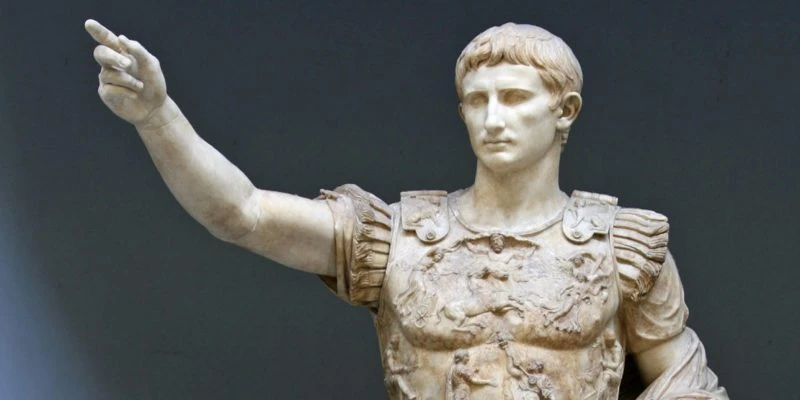
He fought debauchery through decrees—for instance, outlawing women from watching wrestling. Augustus wasn't anti-sports; it was just that wrestlers back then competed in the nude, and proper ladies had no business ogling such vulgarity. Octavian also used heavy fines to enforce family values. A man caught committing adultery had to pay a handsome sum, while his wife could be divorced without bureaucratic delay. A betrayed husband was legally obliged to report the infidelity; if he refused, he was tried as a pimp. A father who caught his daughter in the act with a lover had the legal right to kill the man on the spot. All men under 60 and women under 50 were legally required to be married. Families were large, and inheritances were common, but childless couples could only claim half of a bequest, while bachelors got nothing at all.
The result of these bans was predictable: rampant corruption and bribery. Romans proved adept at finding loopholes. The emperor wanted to boost the birth rate to raise more soldiers, but failed. Besides, Augustus himself was hardly a paragon of virtue: he divorced his wife right after she bore him a daughter, then married another woman whom he snatched from her lawful husband. Historians claim he truly loved her, but that didn't stop the emperor from dallying with young girls and other men's wives. Nor did he manage to raise his daughter or granddaughter with strict values. Both became infamous for their scandalous behavior, with rumors suggesting his granddaughter took it so far as to hold orgies right in the Roman Forum.
Bishop Cyril of Alexandria (376–444)
In the fifth century, neither the Inquisition nor a moral police force existed yet, but Bishop Cyril of Alexandria effectively served as both. Bands of armed monks clashed with pagans, Jews, and other dissidents. In fairness, their opponents were no angels either and frequently staged anti-Christian riots. 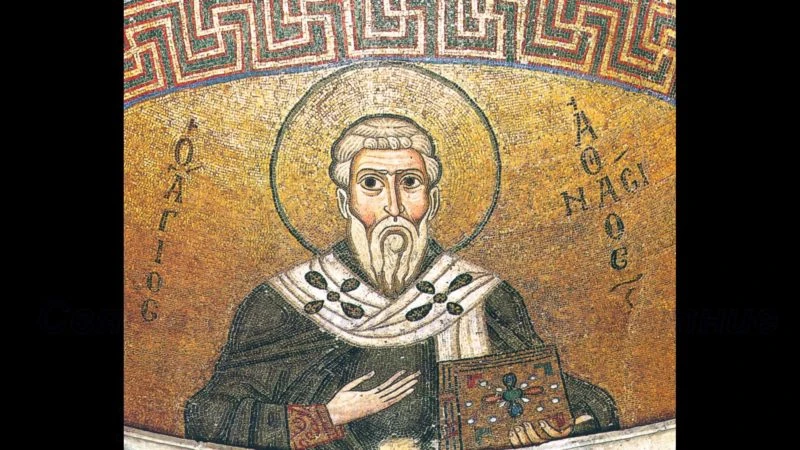
Over time, the bishop's power grew. His followers attacked the prefect (the city governor) and, according to one account, murdered Hypatia, the woman who headed the local philosophical school. A mob of fanatics stripped her naked and flayed her alive.
Savonarola: Italy’s Most Unconventional Theologian (1452–1498)
Savonarola was not just a theologian, but also ruler of the Florentine Republic. A fiery preacher sincerely devoted to Christianity, he had a knack for stirring souls and denouncing sinners. He pulled no punches, sparing not even the Pope. 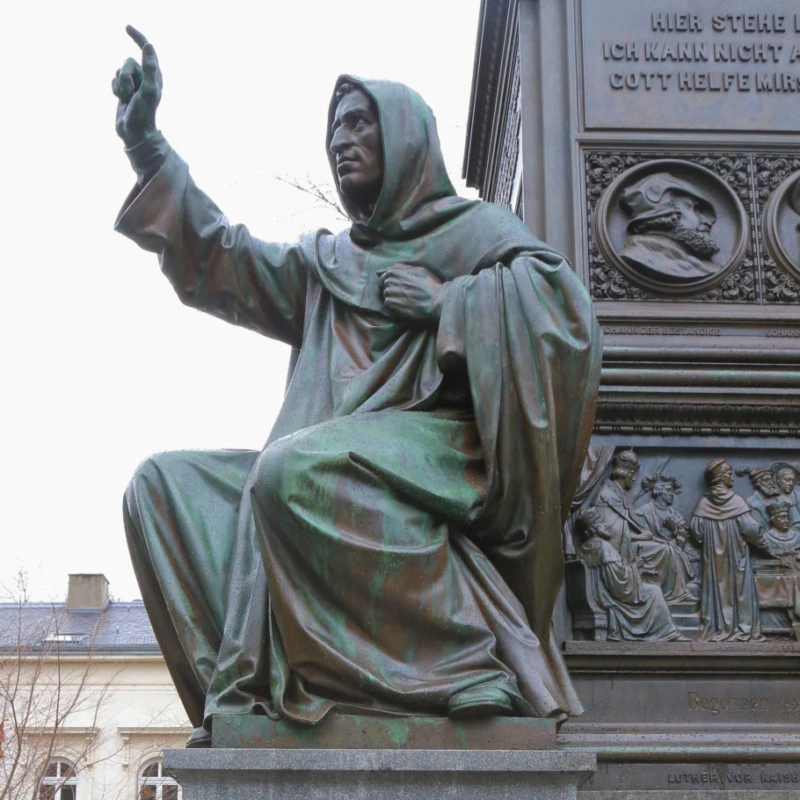
“The sins of Italy,” he declared, “make me a prophet.” He was offered bishoprics and even a cardinal's hat. Such was his popularity that he intentionally scheduled his sermons at the very hours when balls and masquerades were set to take place. Remarkably, crowds flocked to hear Savonarola instead of partying. In short order, this zealous preacher turned gay, pleasure-loving Florence into a virtual monastery.
Savonarola denounced luxury—and women stopped wearing jewelry to church. He criticized frivolous thinking—and Florentines began reading the Bible instead of Boccaccio and Ovid. He banned card games—and bands of volunteer vigilantes patrolled the streets searching for gambling dens. Perfumes, fine clothes, mirrors, paintings—all this “ungodly vanity” was burned in public squares. The painter Sandro Botticelli even threw several of his own masterworks into the flames. The preacher outlawed homosexuality, issuing a decree that offenders be burned alive. In all fairness, only one man was executed for sodomy during his rule, and even then, primarily for robbery rather than his orientation.
Within a single year, vibrant Renaissance Florence was unrecognizable: everyone prayed, fasted, and attended church. Women dressed modestly, psalm-singing replaced street songs, and many citizens retreated to monasteries to atone for their sins. Christ was declared King of Florence, with Savonarola as His chosen vicar. The preacher's reign was brought to an end by Pope Alexander VI—a man who thoroughly enjoyed the finer things in life himself. Savonarola was publicly executed.
Protestant Reformer John Calvin (1509–1564)
It might come as a surprise today, but 500 years ago, Protestants were true zealots. Right in Geneva—today the serene heart of Switzerland—John Calvin enforced strict morality for over two decades, from 1536 to 1564, with alarming success. From the outset, the reformer declared he was founding a new order where power belonged to theologians, led by himself. The populace embraced his ideas, and his authority expanded steadily. 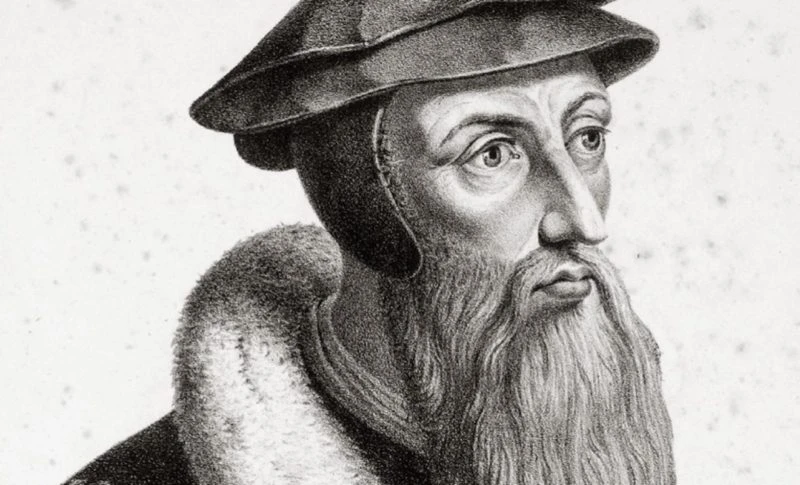
Geneva became a full-blown theocratic dictatorship. Theaters were closed, mirrors smashed, and fancy hairstyles banned. Even minor moral infractions could carry the death penalty. In a single year under Calvin’s rule, 54 people were executed and over 70 banished—numbers that neither Augustus nor Savonarola had ever matched.
Two centuries later, Voltaire quipped that Calvin had opened the doors of the monasteries not to let the monks out, but to drive the entire world in.
Queen Victoria (1819–1901)
The Victorian era was the golden age of the empire on which "the sun never sets." It was also an era defined by prudery and hypocrisy. 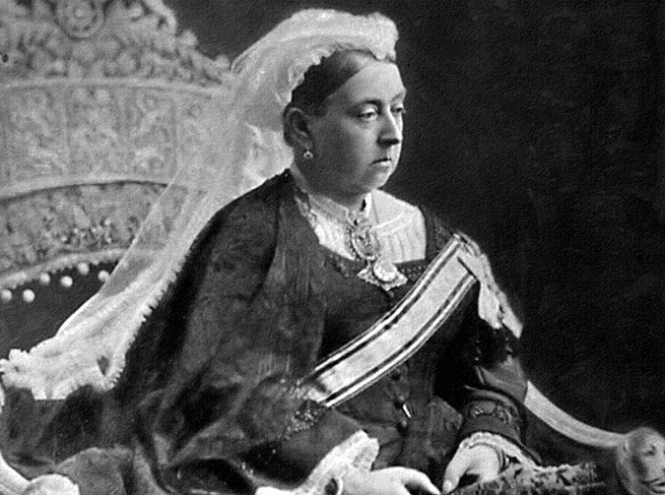
Society waged war on anything remotely connected to sex—or even anything that might evoke it. Eggs were euphemistically referred to as "hen's fruit." Anti-masturbation devices for boys were invented. Even the shapely legs of grand pianos were covered with fabric frills. Books written by men and women were placed on separate shelves unless the authors happened to be married. Offering a lady a chicken leg at dinner was considered vulgar. Sex was completely taboo. People slept—and sometimes even bathed—wearing clothes. A husband was rarely permitted to see his wife unclothed. Pregnancy was a forbidden topic, and expecting mothers were expected to refrain from appearing in public.
Naturally, these rigid rules applied mainly to the upper classes; working-class life was far removed from such niceties. Pregnant women worked right up until childbirth, while brothels and opium dens thrived behind closed doors. Homosexuality continued under a veil of secrecy. Ultimately, the Victorian era went down in history as the ultimate symbol of prudery and hypocrisy—a time when everything was forbidden, yet everything was possible if kept out of sight.