13 Real-Life Castaways Who Survived Desert Islands: From the Real Robinson Crusoe to a Noblewoman Stranded with Her Lover (8 Photos)
Books, movies, and TV shows never tire of telling stories about those who end up stranded on remote islands far from civilization. 
Real-life survival stories may not always match Hollywood's glamour, but they are endlessly fascinating. There is something deeply compelling about a lone human pitted against raw nature, far from civilization, with barely the bare essentials.
Alexander Selkirk 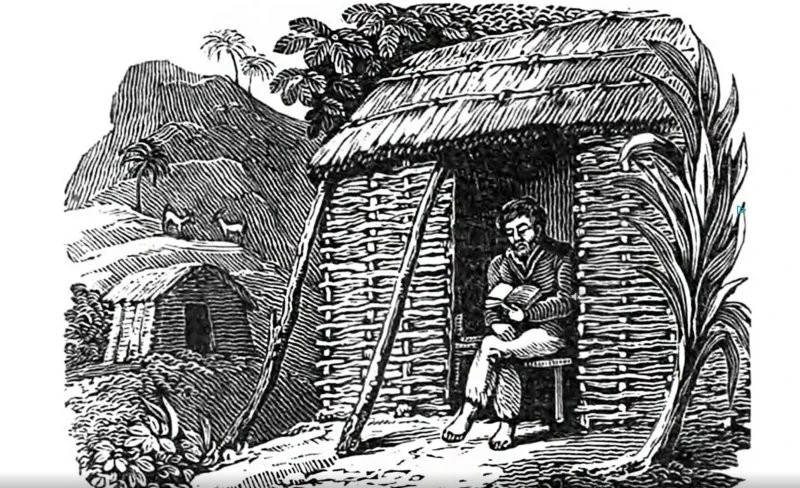
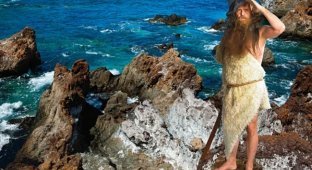
Scottish sailor Alexander Selkirk, who spent four years and four months on the island of Más a Tierra—some 400 miles off the coast of Chile—is widely considered the real-life inspiration for Daniel Defoe’s 1719 novel,
Robinson Crusoe
. In 1704, convinced that his ship, the
Cinque Ports
, was too unseaworthy to continue its voyage, Selkirk demanded to be put ashore. He assumed his fellow crewmates would follow his lead, but the ship sailed away without him and soon sank, taking half the crew down with it.
At first, Selkirk survived using only a musket, an axe, a knife, a Bible, a cooking pot, and the clothes on his back left by the crew. After sea lions drove him further inland, he began milking and slaughtering feral goats, tailoring clothes from their hides, and foraging for wild fruits and vegetables. He was finally rescued in 1709 by the English ship
Duke
. The captain later noted that although the castaway was overjoyed, his condition showed that "solitude and retirement from the world is not such an insufferable state of life as most men imagine." Selkirk returned to England in 1711, becoming a media sensation, before dying of illness—likely yellow fever or typhoid—in 1721.
Fernão Lopes 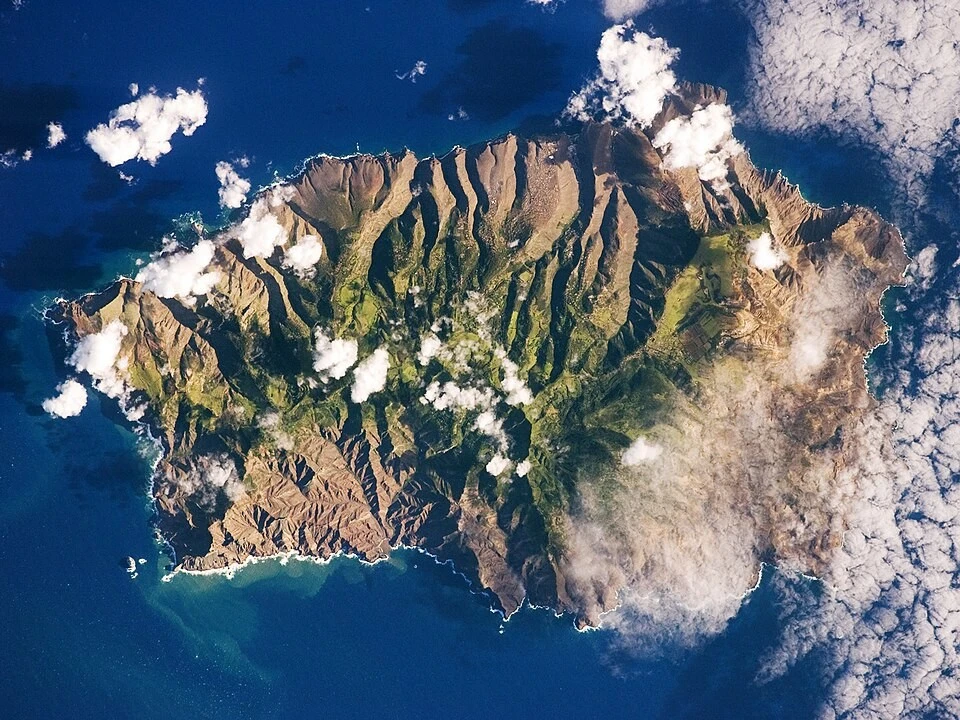
Portuguese soldier Fernão Lopes arrived in India in 1510 and took part in the conquest of Goa. There, he and several comrades defected from Christianity to Islam. When Governor Afonso de Albuquerque learned of the treason, he ordered that the turncoats have their noses, ears, tongues, right hands, and left thumbs cut off. Lopes survived, spent several years living as an outcast, and in 1516 received a royal pardon allowing him to return home. But on the journey back, he disembarked at Saint Helena—an uninhabited speck of land 1,200 miles off the West African coast—unwilling to face a society that viewed him as a traitor.
According to biographical accounts, the island offered plenty of edible plants, fresh water, and fish. Lopes lived there for around 14 years before briefly returning to Portugal, where he was granted an audience with the king and queen. Shortly after, he sailed back to Saint Helena, bringing along pigs, chickens, and goats. He remained on the island until his death in 1545. Incidentally, it was on this very island that Napoleon Bonaparte died in exile in 1821.
Marguerite de La Rocque 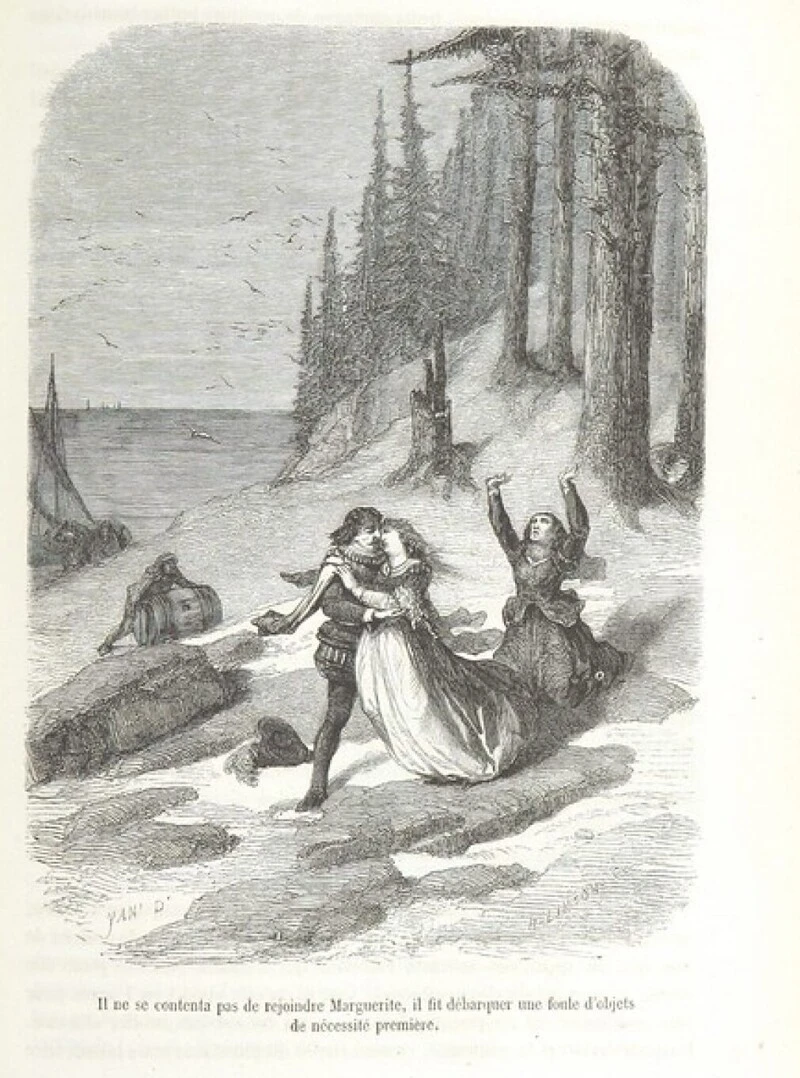
The story of French noblewoman Marguerite de La Rocque is a tale of romance and tragedy in equal measure. In 1542, she set sail for the New World alongside a relative, the adventurer Jean-François de La Rocque de Roberval. En route, Roberval discovered that Marguerite had brought her young lover aboard. Infuriated, the devout Protestant mariner marooned the couple, along with Marguerite's maid, on the Isle of Demons off the coast of Newfoundland.
While stranded, Marguerite gave birth to a child. Before long, both her companions and her infant passed away. Left entirely on her own, she survived by hunting wild animals using firearms left behind by Roberval's crew. One of the primary accounts of her ordeal appears in Marguerite de Navarre's
The Heptameron
(1558), which recorded that La Rocque "spent her time reading, meditating, and praying, keeping a cheerful and contented spirit inside an emaciated, half-dead body." She was eventually rescued by passing fishermen, returned to France, and became a schoolteacher. The date of her death remains unknown. As for Roberval, he was killed in 1560 during the French Wars of Religion.
Philip Ashton 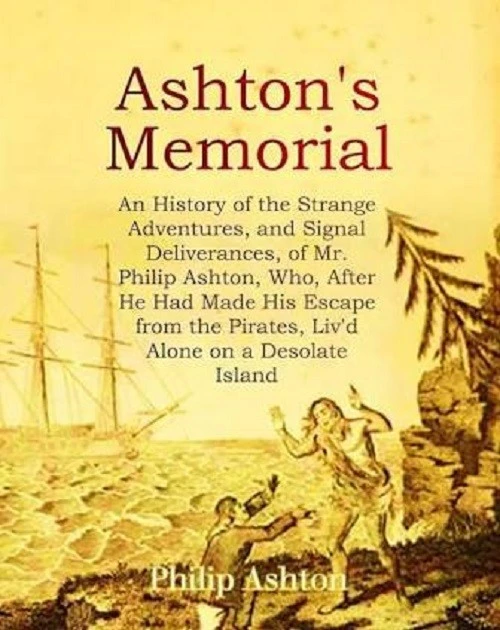
Philip Ashton was near death when he was rescued in June 1724 after 16 months stranded alone on an island off the coast of Honduras. In 1722, pirates led by Edward "Ned" Low captured his fishing vessel off Nova Scotia. Ashton steadfastly refused to join the crew, so the pirates kept him prisoner as they crossed the Atlantic. In March 1723, while the ship anchored near Honduras to replenish fresh water, Ashton escaped ashore in a rowboat and hid in the dense jungle. Lacking food and gear, his health rapidly deteriorated as he subsisted on fruit and raw turtle eggs. In November 1723, an Englishman fleeing Spanish forces landed on the island; though he soon disappeared, he left behind a knife, tobacco, and flint, enabling Ashton to hunt and cook meat. Despite battling fever, blistering heat, snakes, and swarms of mosquitoes, Ashton survived until a British ship rescued him in June 1724. In a 1726 memoir, Ashton recalled the moment of rescue: the sailor "started back, frightened at such a dismal, ragged, lean, pale, forlorn, wild, miserable object near him; but recovering himself, he came up, took me by the hand, and we embraced—he out of surprise and wonder, and I out of an ecstasy of joy." Ashton returned home and passed away in 1746.
Ada Blackjack 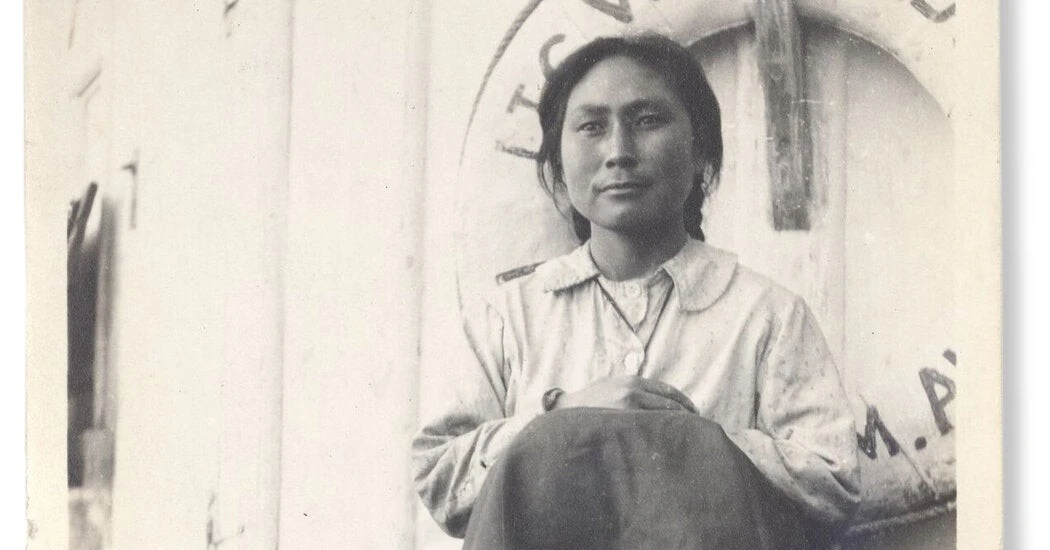
While popular culture usually pictures castaways on tropical islands, Ada Blackjack spent two harrowing years on icy Wrangel Island, high above the Arctic Circle. In 1921, the young Iñupiat woman set out from Alaska on a two-year expedition as a seamstress to mend clothes for four men. The first year went smoothly, but game soon grew scarce, and their supply ship failed to arrive. When the expedition leader fell ill, the other three men set out across the ice toward Siberia to seek help. None of them were ever seen again.
Blackjack remained behind to care for the ailing leader, who passed away on June 23, 1923. Driven by a desperate longing to reunite with her young son Bennett—whom she had placed in an orphanage while he received treatment for tuberculosis—she survived by fending off polar bears, trapping Arctic foxes, and shooting wild birds. In August 1923, a rescue schooner sent to locate the missing expedition finally arrived. Upon meeting her rescuers, Blackjack reportedly said, "There is no one here but me. I am all alone." The press dubbed her the "female Robinson Crusoe," but she shunned the spotlight. She passed away in Palmer, Alaska, in 1983 at the age of 85.
The Tongan Castaways 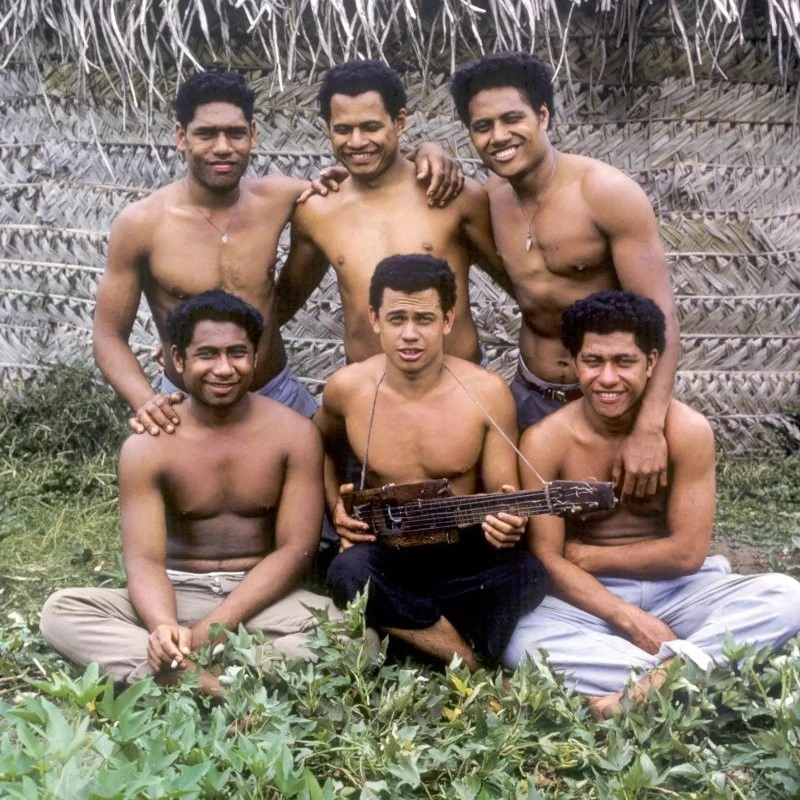
In 1966, the world was captivated by a real-life counterpart to William Golding's 1954 novel
Lord of the Flies
. In June 1965, six teenage boys ran away from a Tongan boarding school, stole a boat, and set sail for Fiji. On their very first night, a sudden storm snapped their anchor rope and tore away the sail and rudder. For eight days, the boys drifted southward until they spotted the uninhabited island of 'Ata and managed to swim ashore. At first, they survived on fish, coconuts, and seabirds, but soon discovered remnants left by former inhabitants who had been abducted into slavery in 1863—including wild taro, banana trees, and chickens whose descendants still roamed the island a century later. The boys built a crude shelter and "started organizing everything on a routine: how to tend the fire, how to pray, how to care for the banana plants," recalled one of the survivors, Sione Filipe Toutai, in a 2021 interview. Unlike the fictional characters in
Lord of the Flies
, he added, "we all worked together, as if we were planning to live on the island for a long time." Tongan storyteller Meleika Gesa-Fatafehi explained in 2020 that their survival stemmed from their culture: "When we meet other Tongans, we stand together. It is deeply embedded in our value system, and it is vastly different from how those fictional boys were raised."
In September 1966, Australian fisherman Peter Warner spotted smoke while sailing near 'Ata, an island he knew to be uninhabited. As he drew closer, the boys spotted his boat, and one of them swam out to explain their plight. When Warner radioed the boys' names back to Tonga, the stunned operator replied, "Those boys were given up for dead long ago." Following a triumphant homecoming celebration, Warner hired all six teens to crew his lobster boat. He remained especially close to Toutai, who regarded him as a father figure.
Joseph Rangel 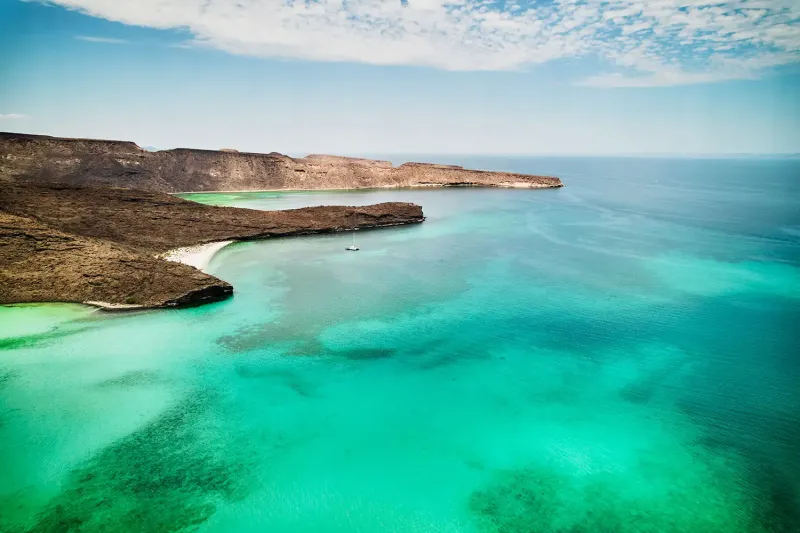
The most recent tale on the list took place in the autumn of 2000. Best friends Joseph Rangel, 51, and Lorenzo Madrid, 50, both California residents, embarked on a weeklong fishing trip in the Gulf of California alongside their 24-year-old guide, José Luis Ramos García. Originally part of a 12-person tour group, the two men took a side excursion with their guide aboard a small boat. When strong winds battered the vessel, the trio attempted to land on an island off Baja California, Mexico, but violent gusts blew them back into open water and capsized the craft. At one point, García attempted to swim nearly 30 miles to get help, but turned back after spotting a shark. Their diet was reduced to crabs, sea snails, and sea cucumbers. Over time, Madrid's strength faded, and on the eleventh day, he succumbed to apparent dehydration and hypothermia. Rescuers located the two remaining survivors less than 48 hours later. Upon returning to safety, Rangel sharply criticized the tour organizers for lacking basic safety measures: "A simple radio would have solved everything—basic safety equipment and a contingency plan for when things go wrong."