6 Real People Who Cheated Death (7 photos)
Let this post serve as yet another reminder that we are all mortal, and our bodies are really just fragile sacks of meat and bones. Of course, we all hope to meet our Maker at a ripe old age after living a rich, exciting life and fulfilling our dreams. Unfortunately, death sometimes comes knocking far sooner than we would like.
You can only die once, as the saying goes. But every now and then, a few lucky souls manage to outsmart the Grim Reaper. Here are six extraordinary stories of people who did just that. 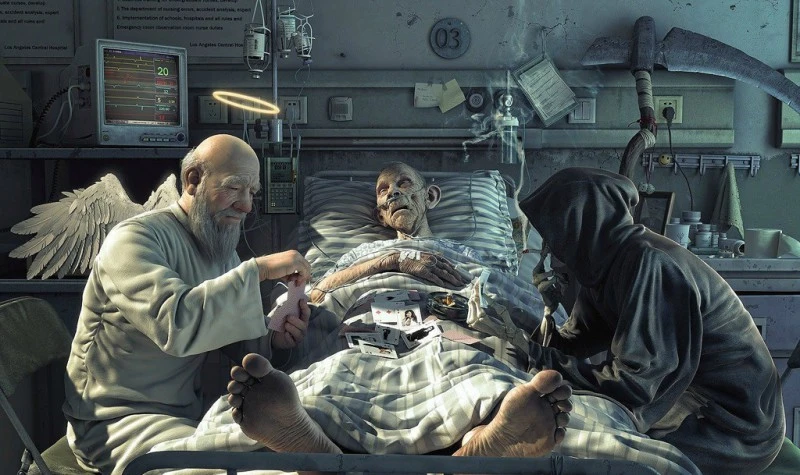
1. How a Set of Car Keys Saved a Woman From a Serial Killer
They didn't nickname him the "Night Stalker" for nothing—Richard Ramirez certainly knew a thing or two about murder. Over a single year in the mid-1980s, the serial killer claimed at least 13 lives. That makes it all the more miraculous that one of his intended victims managed to slip through the deadly clutches of such a relentless murderer. 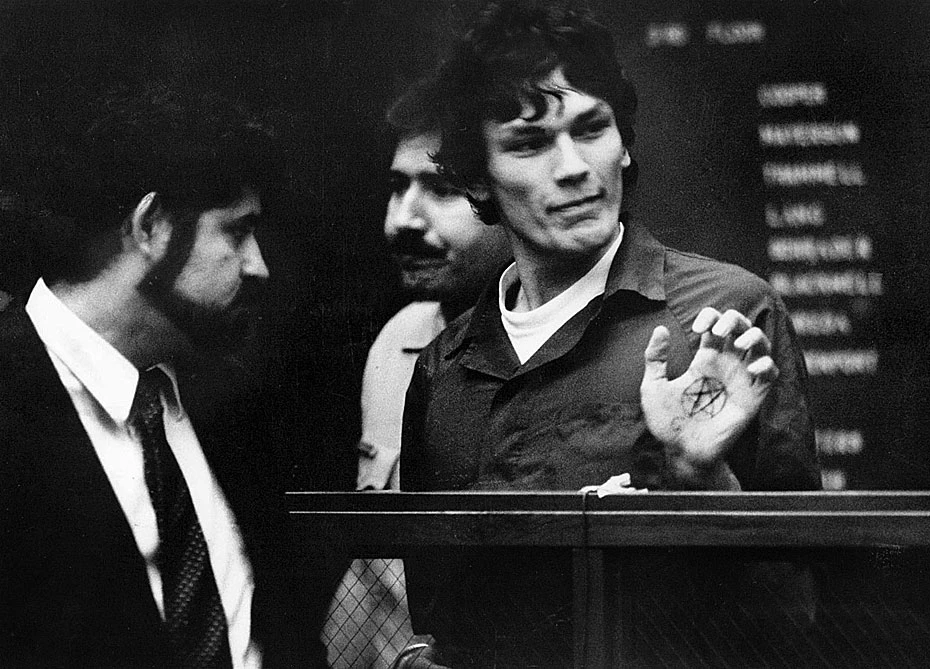
One night, Ramirez crossed paths with Maria Hernandez and followed her from her car toward her house. Hearing a noise behind her, she turned around just as Ramirez shot her in the face. Fortuitously, the bullet ricocheted off the car keys she was still clutching in her hand. She escaped with only a broken finger, but had the presence of mind to drop to the ground and play dead. Convinced he had landed a fatal shot, Ramirez kicked her a few times for kicks before stepping over her body and heading inside her apartment, where her roommate was about to face a far grimmer fate.
Maria managed to get up and stagger back toward the building just as the killer was walking out. She begged Ramirez not to shoot her again—and for some reason, he listened. Perhaps seeing a woman he had every reason to believe was a ghost spooked him into getting out of there. It was a fatal mistake on his part: surviving the attack allowed Maria to give police the very first composite sketch of the killer. The perpetrator was eventually arrested and spent the rest of his life on death row.
2. How Enemas Helped a Family Survive 38 Days at Sea
In 1971, 10-year-old Neil Robertson suggested to his father that they take a risk and sail around the world. The elder Robertson agreed, sold the family farm, and bought a 43-foot schooner named the *Lucette*. The entire family—mother, father, and four children—embarked on a long voyage from Falmouth, England, bound for the Galápagos Islands. 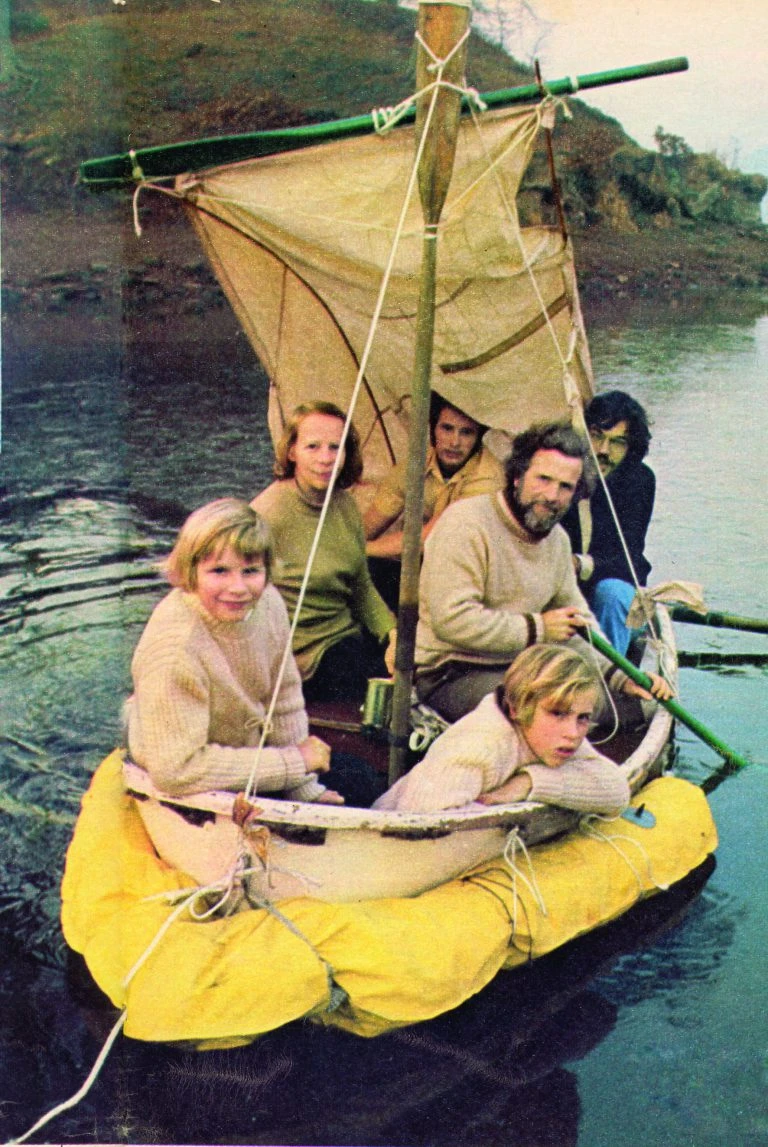
At first, everything went smoothly. The family had been at sea for a year and a half and was getting close to Central America when disaster struck: a pod of killer whales attacked the vessel. The massive orcas breached the schooner's hull, causing it to rapidly fill with water. The Robertsons managed to scramble into their small inflatable dinghy, but quickly realized they had only 10 days' worth of fresh water and even less food. They were stranded in the middle of the ocean aboard a fragile craft. To survive, they converted an oar into a spear to hunt turtles and sharks, drinking their blood to fight off dehydration.
When that was no longer enough, the mother—a former nurse—came up with an ingenious, if stomach-churning, solution. She began collecting rainwater and fashioned the rubber rungs of a rope ladder into improvised enema tubes. She then administered the fresh water to herself, her husband, and their children rectally. Drinking the rainwater directly was impossible because it had turned into a filthy, nauseating slurry mixed with animal blood. However, the colon can absorb liquids directly, allowing the family to stay hydrated without suffering from poisoning or vomiting. This clever little trick kept the family alive for 38 gruelling days until they were finally rescued by a Japanese fishing trawler.
3. How an Acrobat Survived an Airship Crash Simply by Being an Acrobat
Acrobatic skills aren't particularly useful in everyday life. In truth, acrobatics comes in handy for only two things: wild bedroom antics and actual circus performances. As it turns out, though, being an acrobat also makes it a lot easier to escape a burning airship. Joseph Späh proved this firsthand when he survived the catastrophic crash of the famous *Hindenburg* on May 3, 1937. 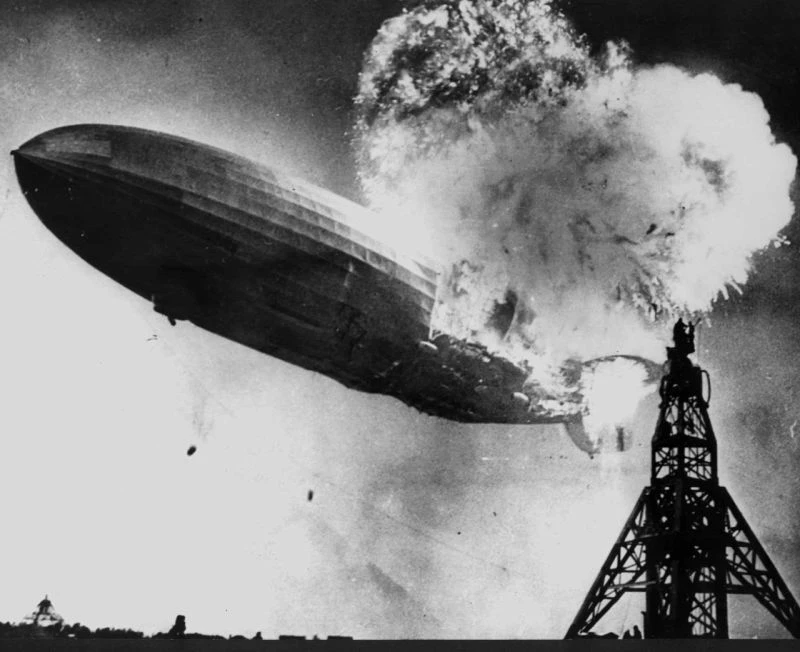
Späh was sitting in the airship's bar, chatting with fellow passengers and eagerly anticipating a reunion with his wife in just a few short minutes. Suddenly, the airship began to plunge... The brave passenger smashed a window and climbed out, but hanging onto the outside of the gondola, he ran out of options. His choices were stark: perish in the flames or drop 40 feet to the ground. After a moment's thought, Späh decided to take his chances with the fall. It's worth noting that Späh was a professional circus artist who performed under the stage name Ben Dova.
An average person would have shattered every bone in their body, but Späh's acrobat training saved his life. He later described his fall: "I braced myself before jumping, landed on my feet, bounced into the air, and fell forward on my face." Späh walked away with nothing more than a sprained ankle. The impact threw him clear of the crash site, which had transformed into the *Hindenburg's* blazing inferno.
The disaster was captured by five newsreel cameramen who had gathered for the *Hindenburg's* arrival. Thanks to their footage, you can see the sheer scale of the tragedy.
4. How 16 People Lost at Sea Survived for a Week on Breast Milk
In the early 2000s, an economic crisis hit the Dominican Republic, prompting many to flee to Puerto Rico. Those who made it were often arrested immediately—if they were lucky enough to survive the voyage at all. Many migrants perished at sea trying to cross the 100-mile stretch between the islands. One day, 16 passengers set off for Puerto Rico, having paid two months' wages for passage on a tiny boat that, unfortunately, had a broken compass. Among them was Faustina Mercedes, a kind-hearted woman who would come to be known as the "Little Sea Angel." 
The boat lost its way in the open sea and drifted aimlessly for 12 days. Food supplies ran out after three days, and the passengers soon began to suffer from severe dehydration. By the fifth day, their condition was critical. That was when Faustina offered her sister a chance to nurse from her breast. Faustina had left her one-year-old daughter back home, whom she had been breastfeeding right up until departure. That breast milk ultimately saved everyone's lives. Eight men and seven women took turns nursing from Faustina over the course of a week. To stay nourished herself, Faustina's sister, Elena, would spit some of the milk back into Faustina's mouth. Miraculously, the current washed their boat ashore on the 12th day.
5. How a Firefighter Used Fire to Escape a Wildfire
Have you ever heard of a fire whirl? It's essentially a tornado made of fire. In August 1949, several of these terrifying whirls trapped a crew of smokejumpers in the mountains of Montana after they parachuted into what they thought was a routine forest fire. 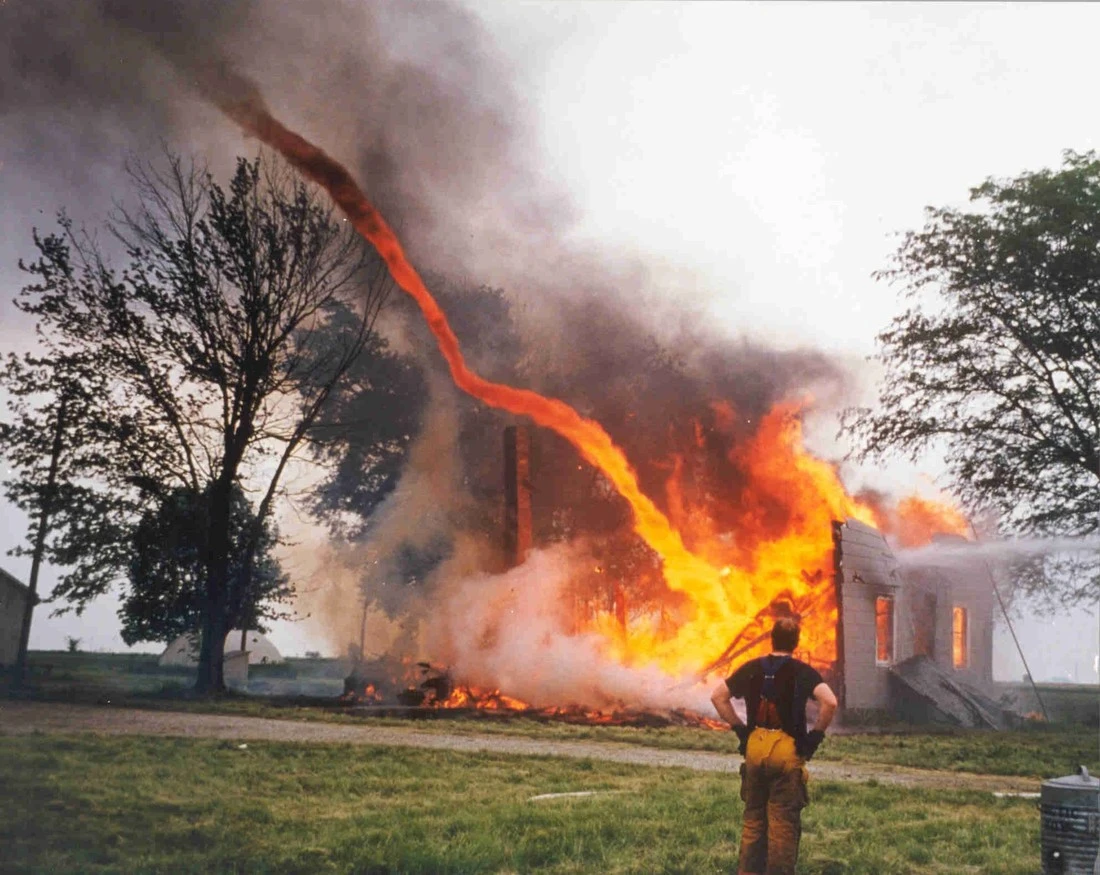
The young firefighters tried to outrun the flames, but the fire kept gaining on them. Running out of options, they scrambled uphill. Of course, had they paid closer attention in physics class, they would have known that fire travels faster uphill. But who are we to judge people fleeing for their lives in a blind panic? In fact, they pushed up the 76-degree incline so fast they may well have set a world record—proving that sheer desperation is a powerful motivator.
As the wall of fire closed in, foreman Wag Dodge headed for a patch of tall grass and struck a match. His idea was to set an "escape fire"—burning off the fuel ahead of the crew to create a safe zone deprived of combustible material and thin out the intense heat. To men surrounded by inferno, lighting *another* fire seemed like madness, so the rest of the crew kept running. Out of 16 men in the crew, only three survived that day—including Dodge.
The other two survivors managed to scramble over a ridge that shielded them from the flames—which, to be fair, was probably the more intuitive plan.
6. How the Real-Life Robinson Crusoe Trained an Army of Cats
Daniel Defoe's tale of the ultimate survivor, Robinson Crusoe, might sound like pure fiction. But you might be surprised to learn that it was based on a real-life story—one that was even wilder than the novel. The real Crusoe was a Scottish boatswain named Alexander Selkirk, and he had a lot more in common with Jack Sparrow than the dull old man portrayed in movie adaptations. For starters, the real Crusoe wasn't shipwrecked. Because of his volatile and rebellious temper, Selkirk was marooned on the uninhabited island of Más a Tierra off the coast of Chile. Nor did he have a companion named Friday—he faced 4 years and 4 months of absolute solitude. 
According to Selkirk's memoirs, he spent much of his time praying and reading the Bible, though he did so more out of sheer boredom than piety. Tormented by isolation, he eventually turned into a sort of animal whisperer. Spanish sailors had previously introduced goats, rats, and cats to the island, and Selkirk put them all to good use. At first, rats were a nightmare for the Scotsman, gnawing on his toes while he slept and plundering his meager supplies. To protect himself, he tamed and trained an army of feral cats.
But Selkirk's true obsession was the wild goats roaming the island. In his quest for food and clothing, he hunted them relentlessly. As his matches and gunpowder ran low, Selkirk devised a brutal but effective tactic: he would catch young kids and slice the tendons in their legs so they could never run fast again. This guaranteed him easy hunting for years to come. Historians even debate just how far Selkirk's obsession with the goats went—some suggest he used them to satisfy his more primal urges.
Ironically, while Alexander was suffering in isolation, the ship he had been dumped from sank with all hands lost. Getting marooned, as it turned out, actually saved his life.