Sea Scorpions: The Most Successful Predators in Earth's History (9 Photos)
The name "sea scorpion" alone sounds delightfully epic. It immediately conjures vivid fantasies of giant, swimming beasts that paralyzed their prey with venomous stingers before dragging them into the abyss with massive claws. It sounds like the perfect premise for a deep-sea creature feature. But what do we really know about these legendary, ancient monsters? 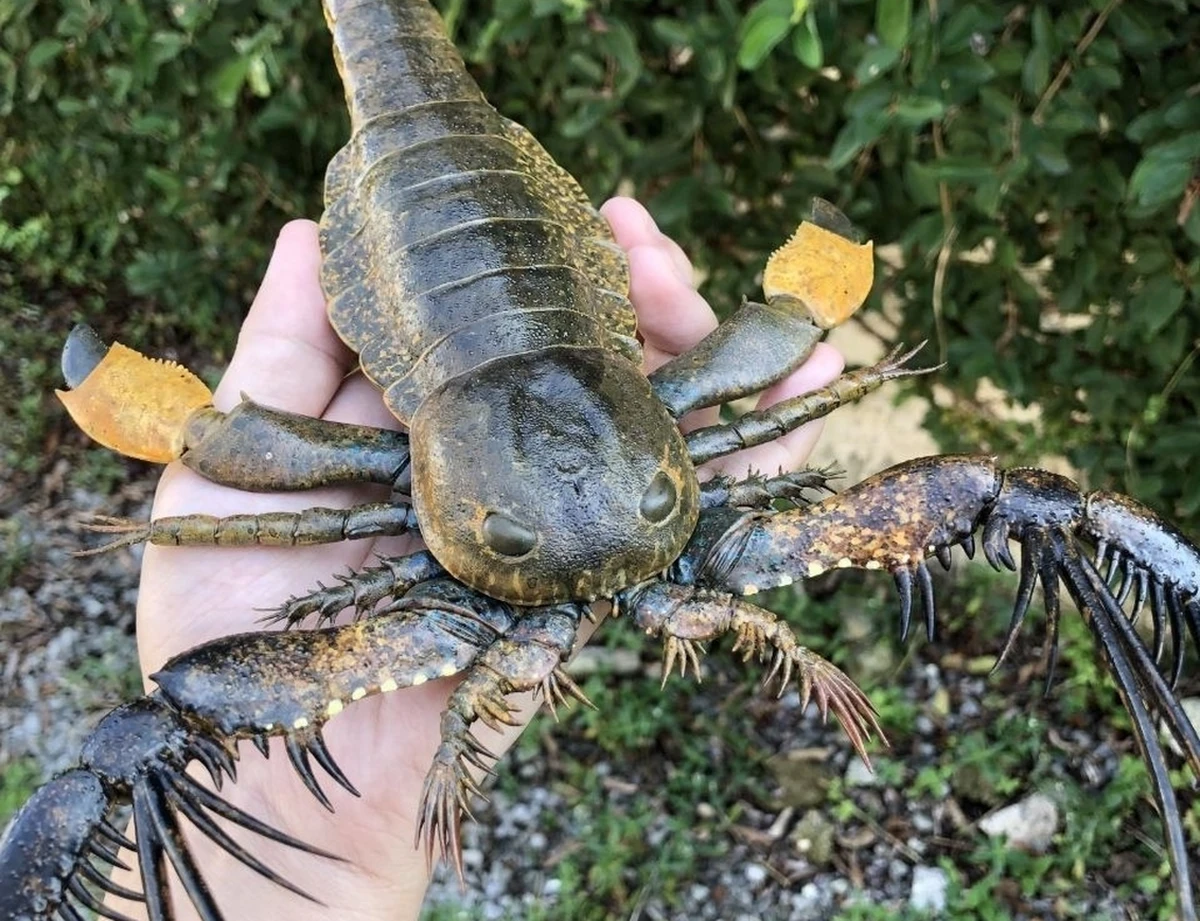
Even today, the largest sea scorpions look genuinely terrifying. Reaching lengths of up to 2.5 meters (over 8 feet), these arthropods glided effortlessly along the seabed, snatching up anything they fancied. Their diet went far beyond trilobites and smaller kin; they chased down agile, darting fish—including the direct ancestors of mammals. 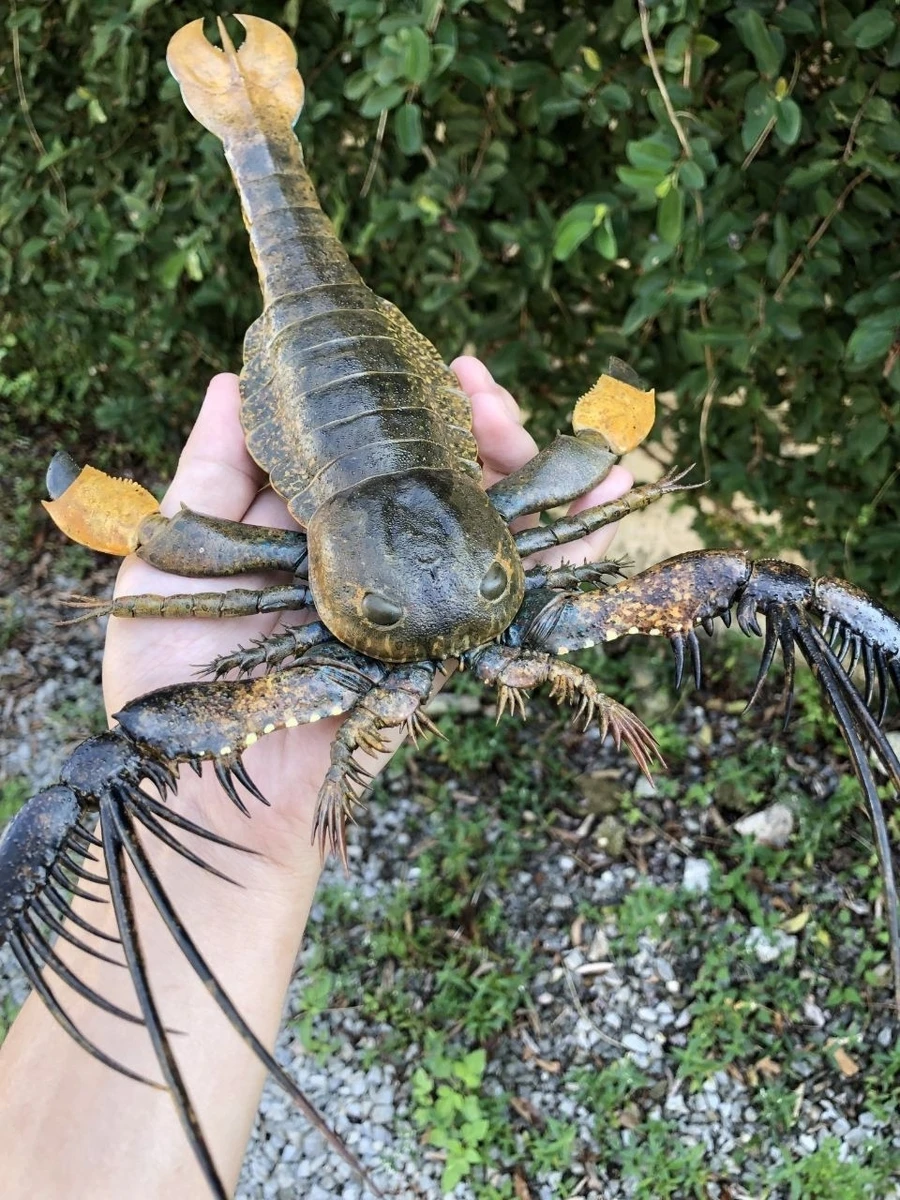
I think I've been good this week. I definitely deserve this exotic pet.
Back then, 400 million years ago, they weren't just scary—they were the largest animals on Earth, fully capable of hunting whatever crossed their path. Surprisingly, they didn’t even need a stinger to get the job done; their tails were largely relegated to self-defense or displays of dominance. 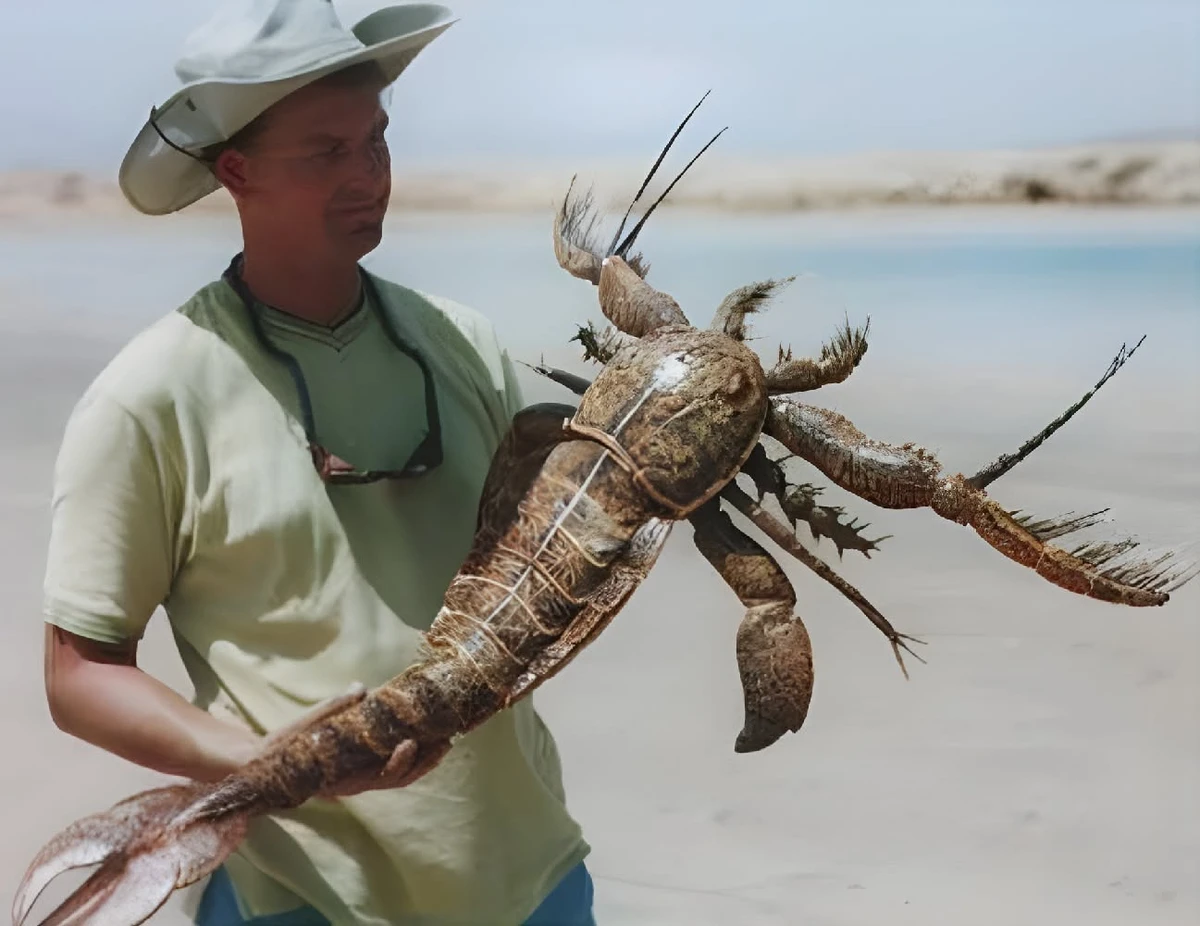
Now picture one of these swimming toward you... only it's the size of a grizzly bear.
In truth, *Jaekelopterus*—the colossal giant we often picture—was merely the poster child of the group. Sea scorpions (eurypterids) were an entire order of arthropods, with most species ranging from just an inch to roughly two feet in length. Yet their impact on ancient marine ecosystems was monumental. 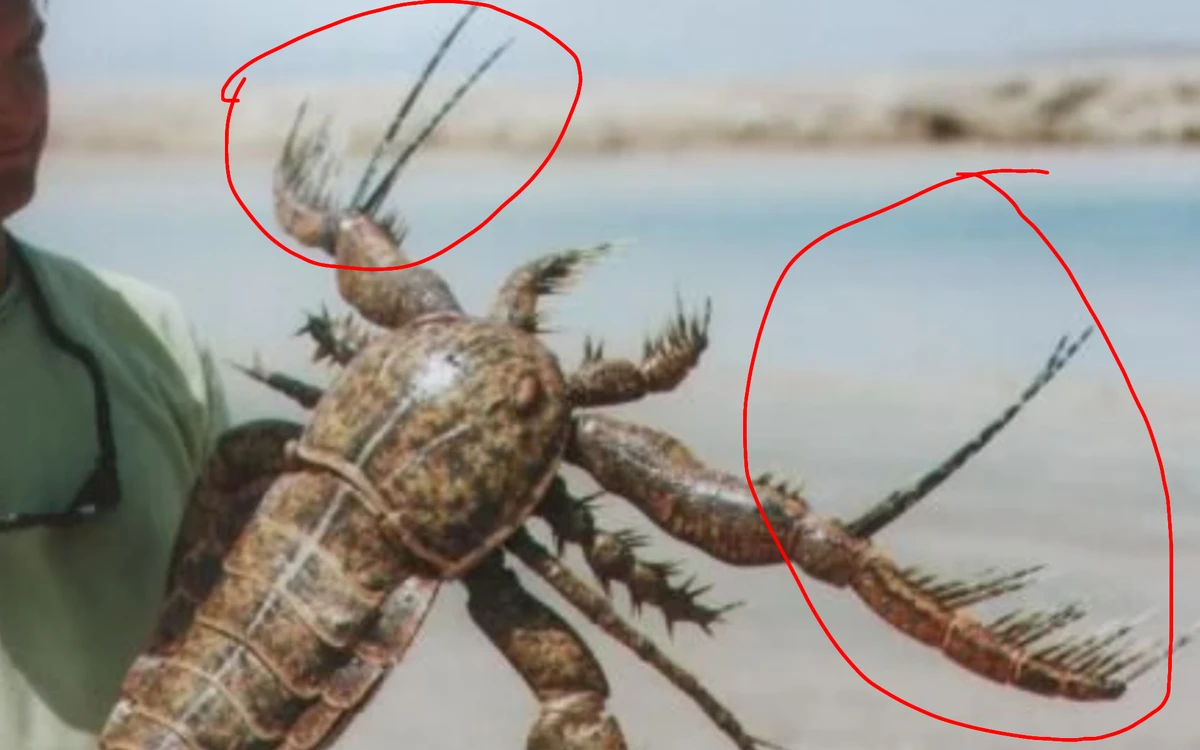
Wondering why sea scorpions had these spines? To get a firmer grip on struggling prey—and tear it to pieces.
At the peak of their evolutionary diversity, eurypterids dominated three distinct ecological niches: apex hunters, scavengers, and bottom-sifters dredging the seafloor for hidden morsels. They were so deeply embedded in the ecosystem that their ultimate disappearance once seemed impossible. 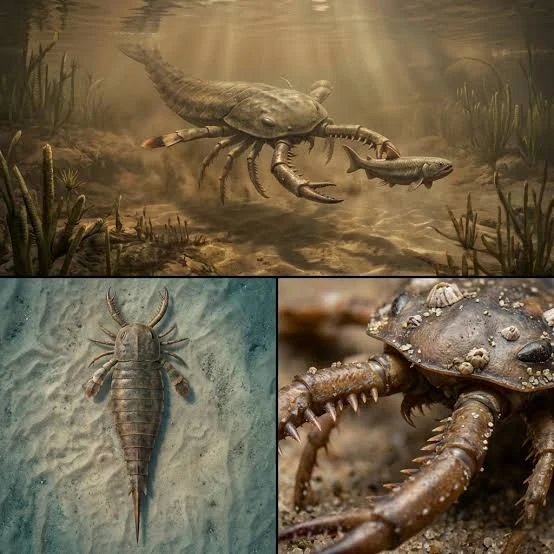
A day in the life: grab a bite, lounge on the sand, stare blankly into the void. Living the dream!
Sea scorpions were also relentless pioneers. They gradually adapted to brackish coastal shallows, then ventured into inland rivers and freshwater lakes. Over time, they grew hardy enough to scuttle across dry land from one body of water to another. Yet, they never truly conquered the shore. Their terrestrial cousins—true scorpions and spiders—had already beaten them to it, occupying prime ecological real estate. Right around that time, the sea scorpions began their long decline. 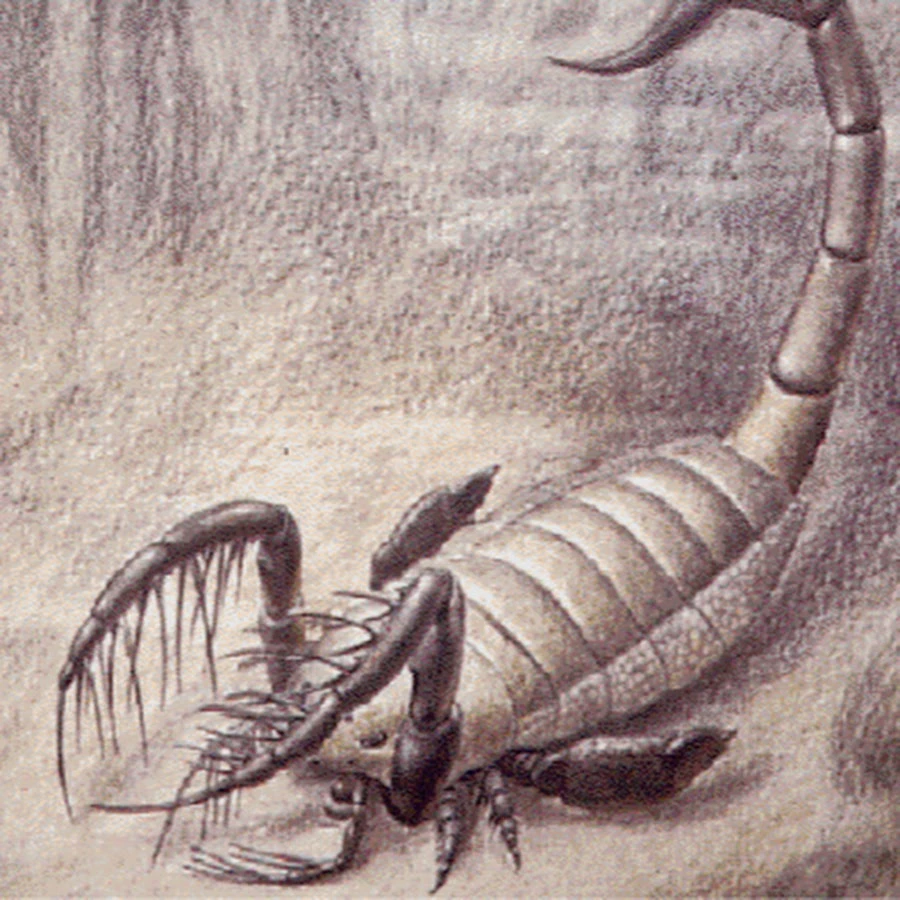
Back when eurypterids were thought to be direct ancestors of modern scorpions, reconstructions looked quite different.
Entire taxonomic orders rarely go extinct overnight; more often, they dwindle in diversity until they're reduced to narrow, specialized niches. Today, not a single sea scorpion survives. While scientists still debate the exact triggers of their downfall, the fossil record makes one thing clear: their demise was a slow burn. 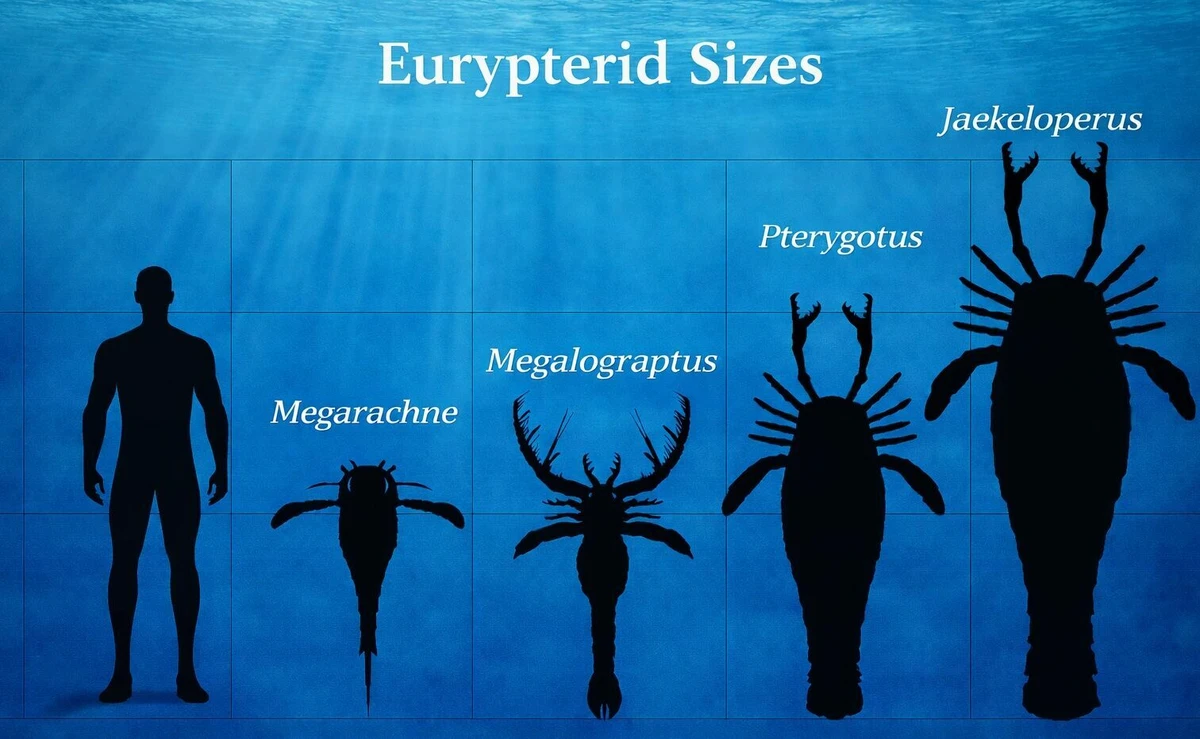
Which flavor of sea scorpion would you like to order today?
Unlike the dinosaurs, whose reign ended relatively swiftly, these resilient arthropods put up a fight that lasted over 120 million years. First, they were dethroned as the ocean's apex predators; later, they were pushed out of marine habitats altogether. The final curtain fell during the Permian–Triassic extinction event—the most devastating mass extinction in Earth's history. Approximately 251 million years ago, nearly 80% of all life was wiped out, and the last remaining eurypterids went with it. The freshwater lakes that had once been the frontier of their evolutionary success became their final resting place. 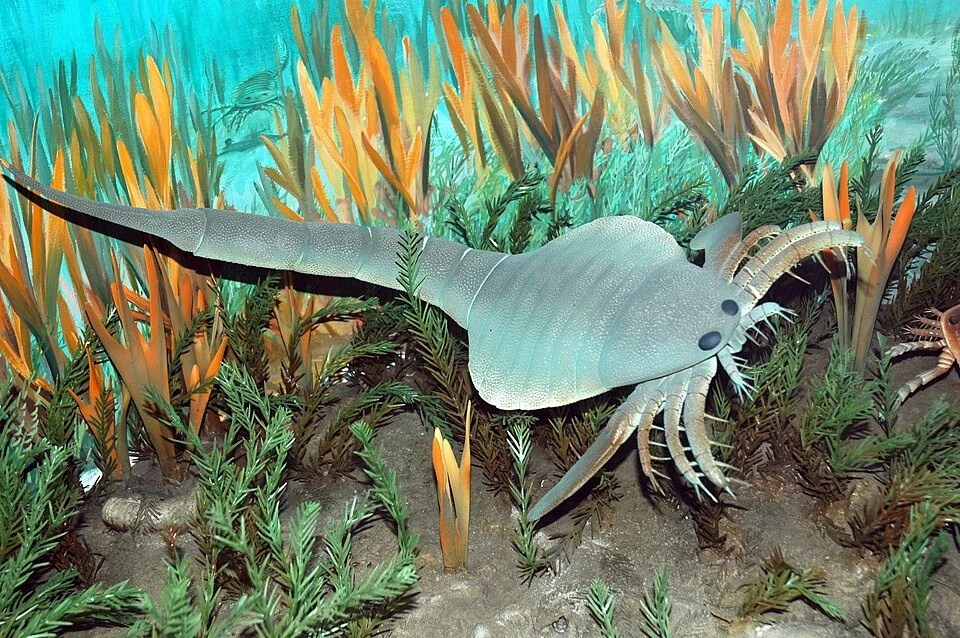
The last eurypterids among coastal shallows. A diorama from the State Museum of Pennsylvania (USA).
They may be gone, but their legacy is etched deep into Earth's history. Their fossilized remains are scattered across rock formations worldwide—silent monuments that will endure long after humanity is gone. 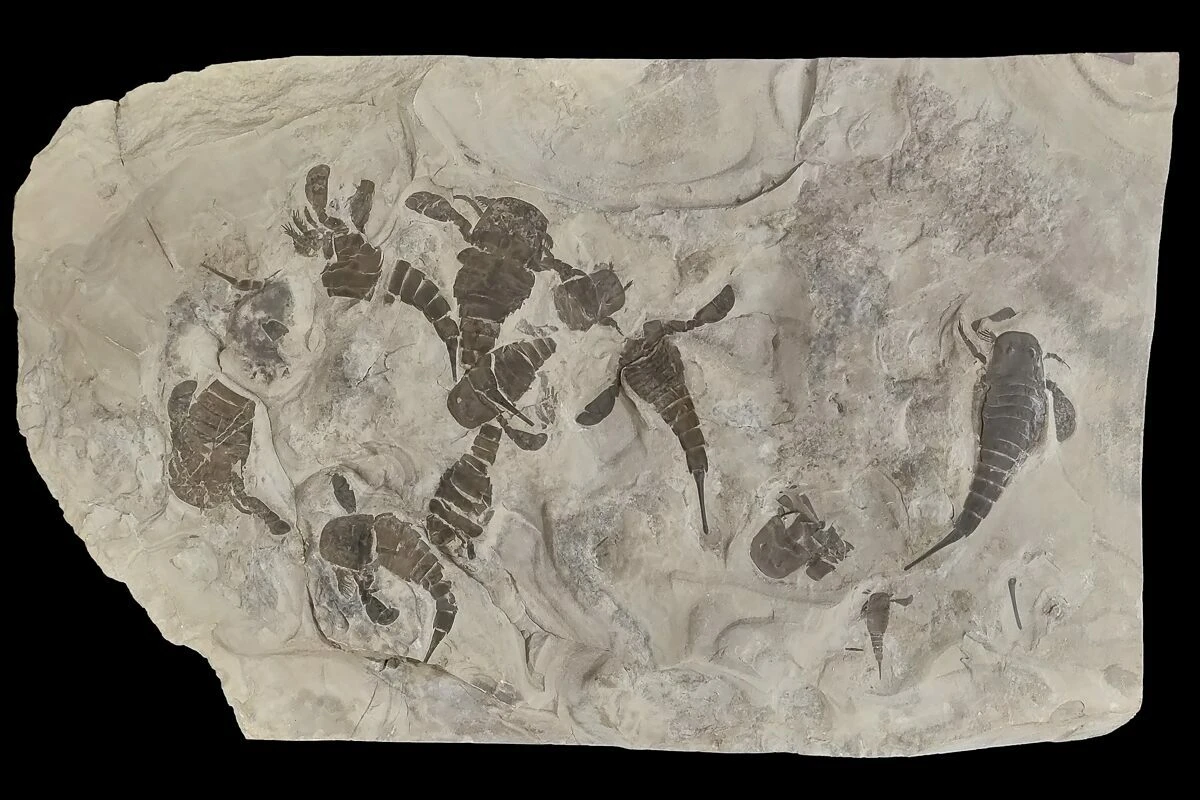
Juvenile sea scorpions once frolicked right here. 300 million years ago.