Why the Dutch Relocated Historic Houses and Windmills into a Single Village (2 Photos)
During the first half of the 20th century, historic wooden houses along the Zaan River were falling into decay. To save them, local preservationists decided to gather the area's most notable structures in one location. This gave rise to Zaanse Schans—a village of historic homes, warehouses, and windmills. 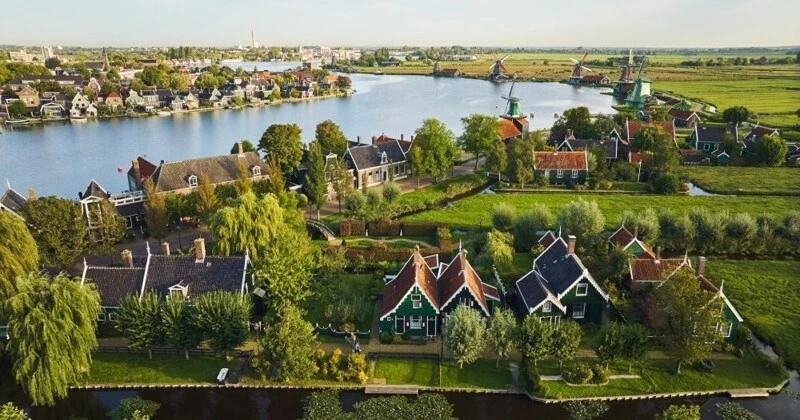
Zaanse Schans on the banks of the Zaan River. Photo: Zaanse Schans Foundation.
Architect Jaap Schipper designed the village to recreate how a local residential and artisan quarter might have looked in the mid-19th century. The first building was relocated in 1959, and a foundation was established two years later to oversee the site's preservation.
The local windmills served various industrial purposes: some extracted oil from seeds, while others sawed timber. The De Kat mill still grinds minerals for paint pigments to this day. 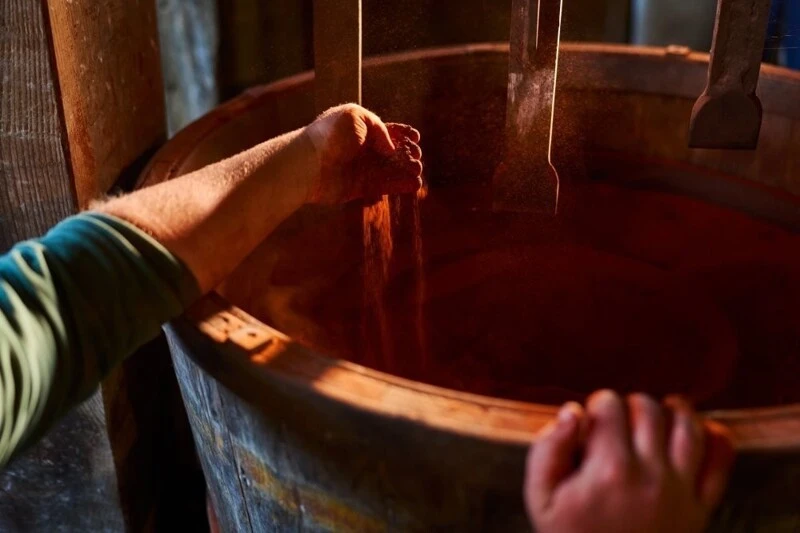
Pigment production at the De Kat mill. Photo: Zaanse Schans Foundation.