10 Lesser-Known Historical Curiosities: From an Agatha Christie Poisoning to a 2,700-Year-Old Case of Ghosting (11 Photos)
History is far more than just dry dates, rulers, and names in textbooks. 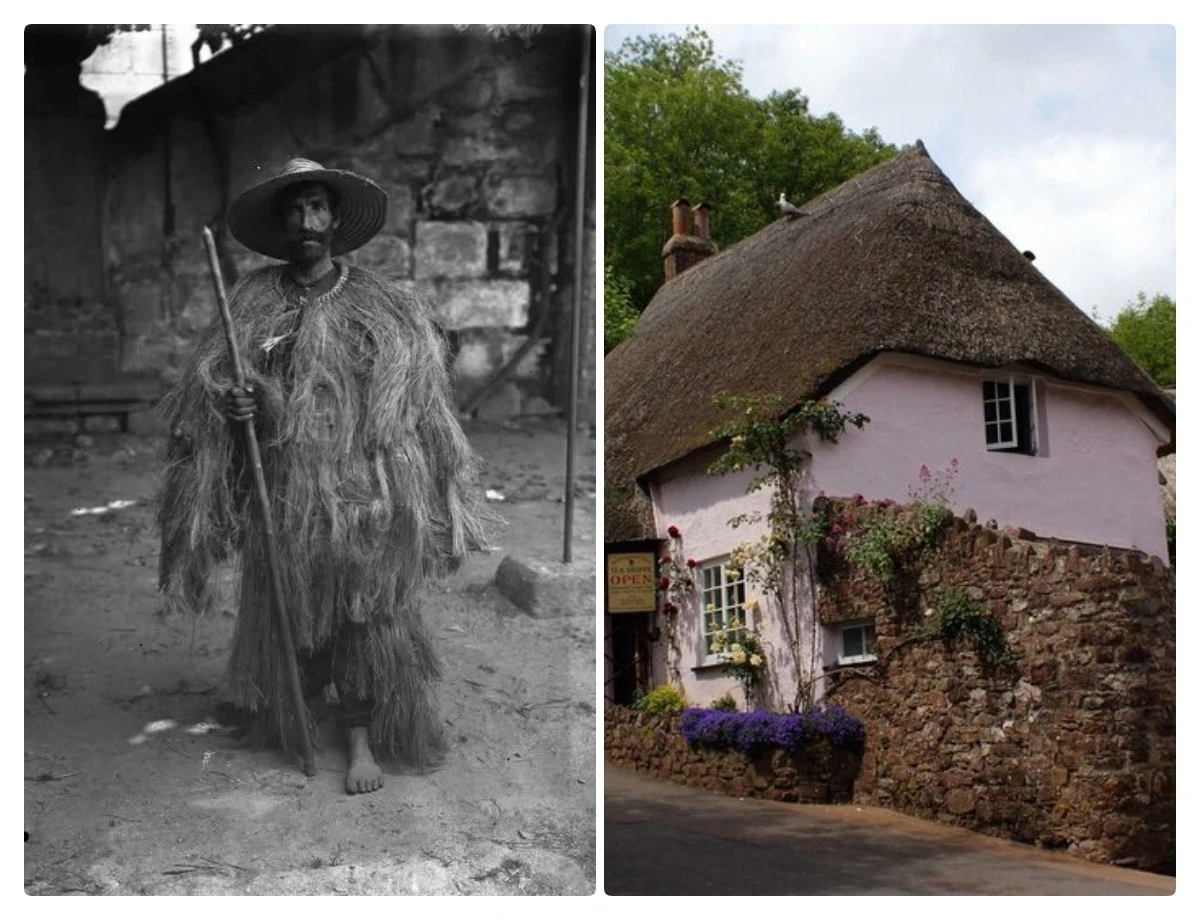
Every so often, it serves up stories stranger than fiction: an Assyrian official left waiting for a reply from his boss nearly three millennia ago; a nurse who saved a toddler's life thanks to an Agatha Christie murder mystery; a cannonball still embedded in the facade of a Venetian church as a memento of a siege; and a Renaissance book wheel designed to let scholars consult several massive tomes at once. Here are ten bizarre yet thoroughly documented historical episodes backed by chronicles, archives, and museum artifacts. Scroll down, prepare to be amazed, and remember that truth is often far stranger than fiction.
1. The Book Wheel 
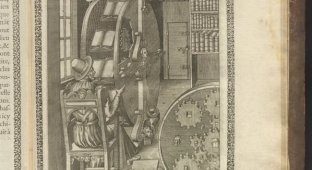
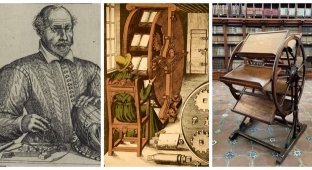
Invented during the Renaissance, the bookwheel (also known as a reading wheel or revolving bookcase) was an ingenious mechanical device that allowed scholars to consult seven or more heavy, open tomes—such as medieval Bibles and illuminated manuscripts—simultaneously without having to walk back and forth between desks.
2. The Cannonball Lodged in a Venetian Church Facade 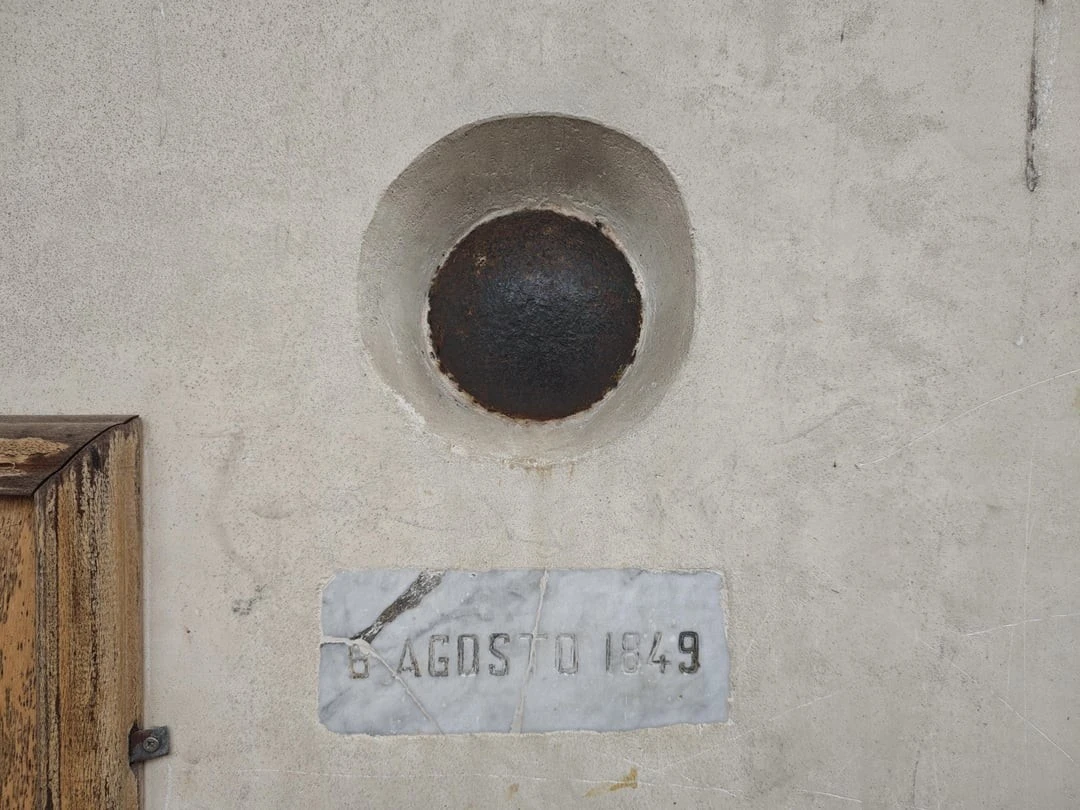
A cannonball remains lodged near the base of the leftmost column of the Church of San Salvador in Venice. It struck the building on August 6, 1849, during the Austrian bombardment that quelled the revolutionary Venetian Republic led by Daniele Manin. Rather than patching the stone, the city left the projectile permanently embedded in the wall as a historic monument.
3. The "Sleeping Beauty" of Sweden 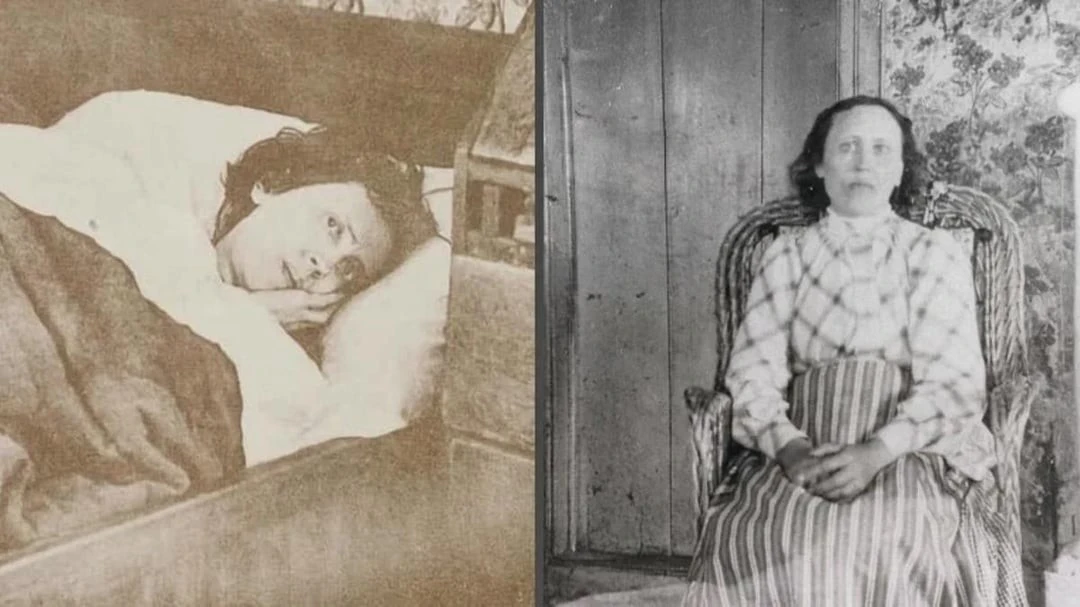
In 1876, 14-year-old Karolina Olsson went to bed and didn’t wake up until 1908, when she was 46 years old—leaving behind one of the most baffling medical mysteries in history. She lived on until 1950, passing away at the age of 88.
The true cause of her prolonged stupor remains unknown. Theories ranged from severe hysteria and rare neurological disorders to genuine lethargy. Psychiatrist Harald Fröderström, who examined her in 1910, noted that several aspects of the family's account defied biological possibility.
One compelling hypothesis suggests that Olsson was not unconscious for the entire 32 years, but rather that her family kept up a facade while she occasionally woke up and ate on her own. That would explain how she managed to survive for decades on what was claimed to be nothing more than two glasses of milk a day.
4. A Man in a Cage 
Ota Benga was captured and enslaved by members of the Baschilele people before being purchased by American missionary Samuel Phillips Verner, who brought him to the United States for display at the 1904 St. Louis World's Fair. In 1906, Benga was housed in the Monkey House at the Bronx Zoo, where he was put on exhibit alongside an orangutan named Dohong. This dehumanizing spectacle lasted several days until vehement protests by African American clergymen forced the zoo to shut down the exhibit.
After his release, he attended a seminary school, learned English, and found work in a tobacco factory. In 1916, overwhelmed by depression and heartbroken at the impossibility of returning to his homeland, Benga took his own life in Lynchburg, Virginia, dying from a self-inflicted gunshot wound to the heart.
5. The World’s Oldest Case of Ghosting 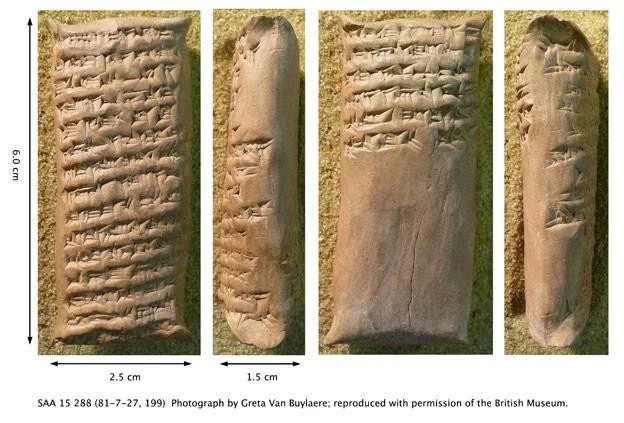
Getting ghosted by a prospective employer is a tradition that dates back at least 2,700 years. The earliest known victim was an Assyrian official named Ashur-resh-uwa, who lived around the 8th to 7th centuries BCE.
Desperate to win back his post, he sent three letters to his superior (the deputy governor), only to be met with total silence. In his fourth dispatch, he pleaded: "Why does my lord keep silent while I am wagging my tail and running around like a dog? I sent my lord three letters. Why does my lord not deign to reply to my letter?"
The letter survived to modern times precisely because no one ever opened it. The Assyrians sealed clay tablets inside protective clay "envelopes." This particular tablet remained sealed until 1881, when it was finally cracked open at the British Museum—roughly 2,700 years after it was sent. Historians suspect the recipient was either sick of the official's persistent begging or the missive was lost in transit. Either way, Ashur-resh-uwa was left waiting forever.
6. The Niagara Ice Bridge Disaster 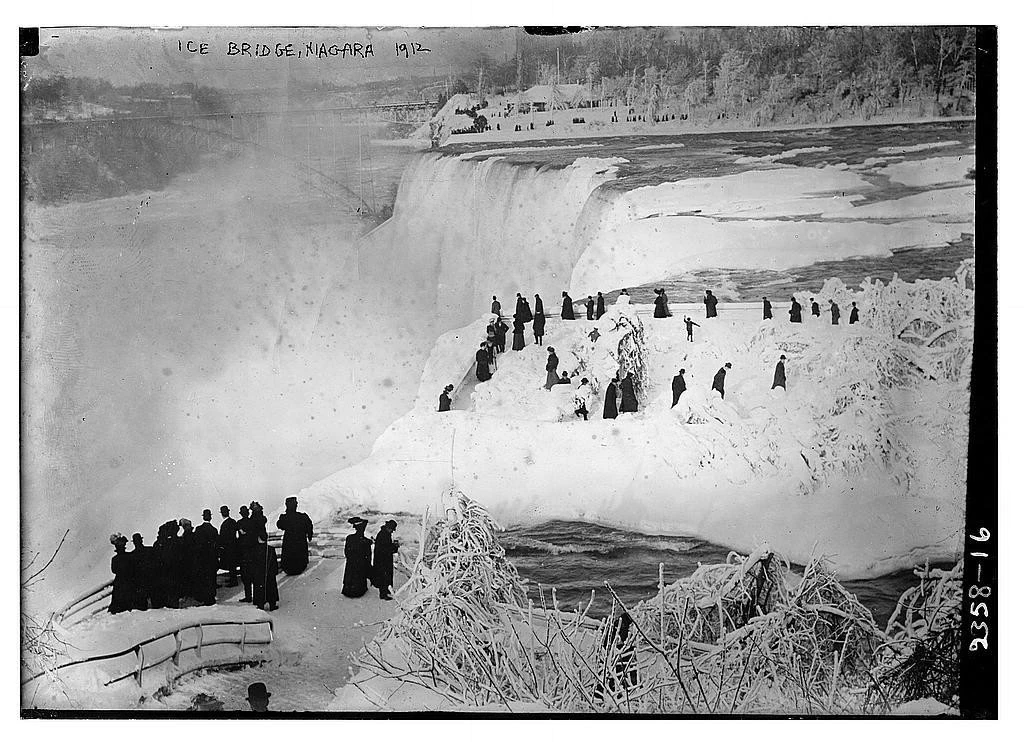
The famed Ice Bridge on the frozen Niagara River below the falls, photographed on Sunday, February 4, 1912. The natural formation was a popular winter day-trip attraction until that fateful afternoon, when the massive ice jam suddenly broke apart while dozens of sightseers were strolling across it. While most managed to scramble to safety, three people were swept away and lost their lives.
7. A Heavenly Jerusalem Carved in Ethiopian Rock 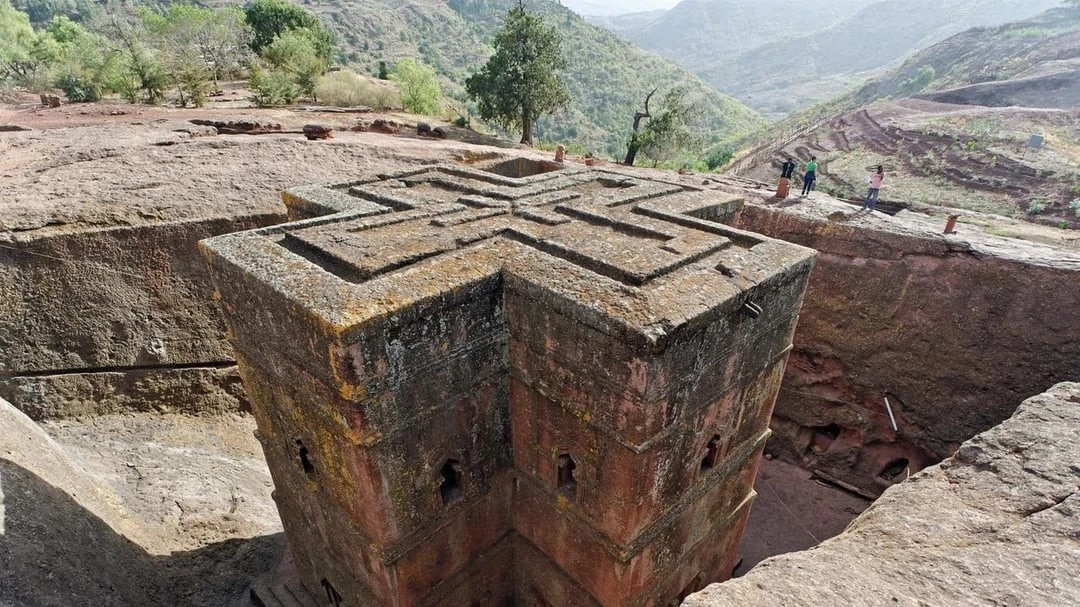
Lalibela is a historic monastic town in Ethiopia's Amhara Region, renowned for the remarkable rock-hewn monolithic churches built during the reign of King Lalibela (late 12th to early 13th century).
Chiseled directly out of volcanic tuff, the structures were carved from the top down into the bedrock rather than built upward from stone blocks. The technique required extraordinary precision, as a single structural error would have ruined the entire project.
The complex encompasses eleven churches arranged into two main groups representing "earthly" and "heavenly" Jerusalem, separated by an artificial trench named after the River Jordan. The standout structure, Biete Ghiorgis (the Church of Saint George), stands isolated in the shape of a Greek cross. Local legend claims that Saint George was so pleased with the work that he rode his horse through the entrance tunnel, leaving behind hoof prints that guides still point out to visitors today.
8. Cockington: The English Village Shaped by One Family for Centuries 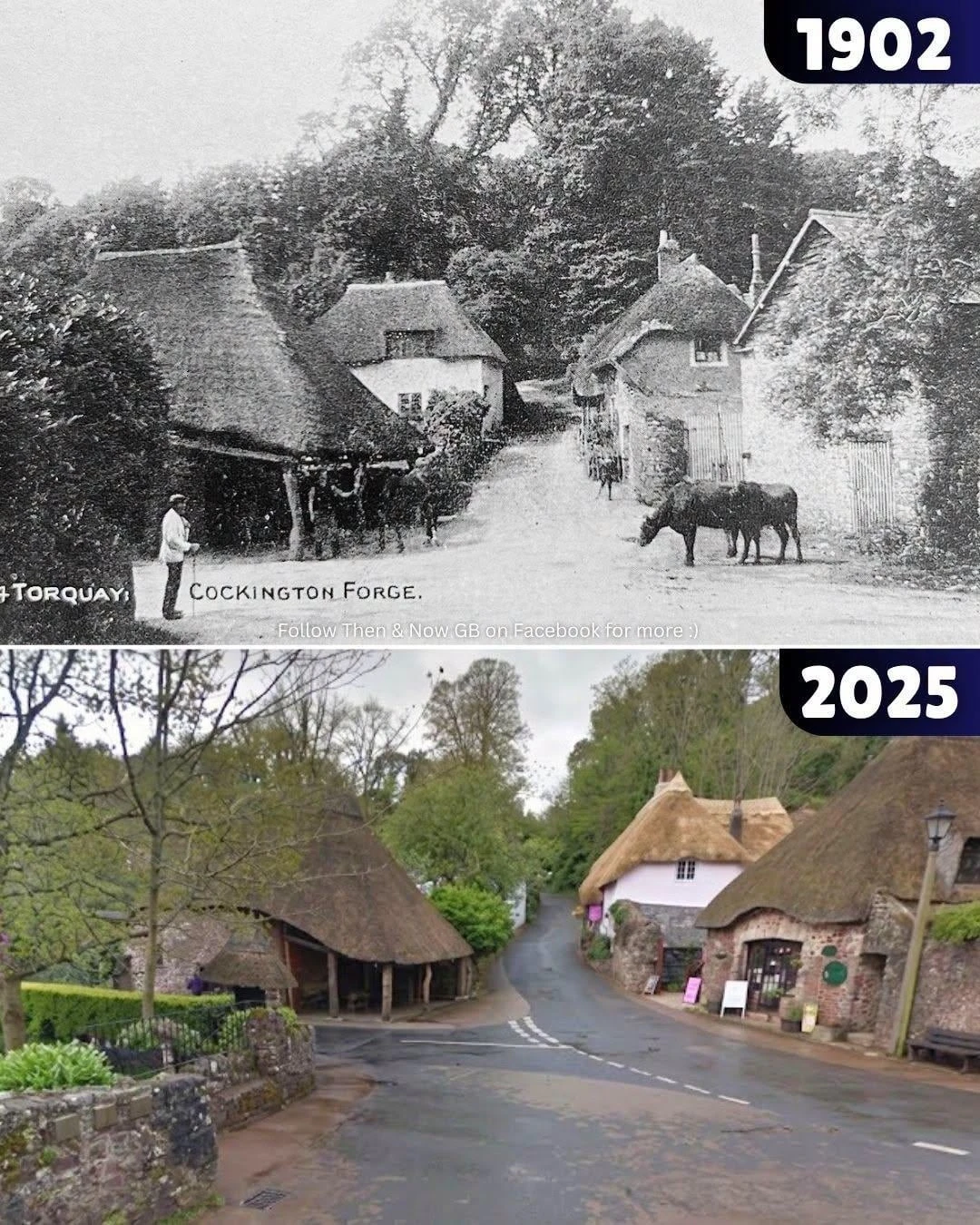
The village of Cockington in Devon is an exceptionally well-preserved slice of rural England with roots that predate the Norman Conquest. For more than 250 years, beginning in the 17th century, the estate belonged to the Cary family, who developed the manor house, landscaped the grounds, and shaped the picturesque, quintessential English village seen today.
9. The Portuguese Straw Raincoat 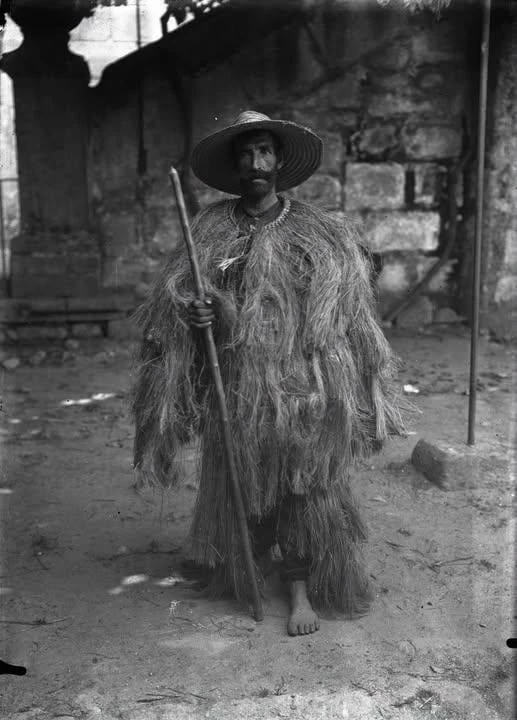
A Portuguese shepherd wearing a croça—a traditional waterproof cloak—photographed in 1900. The croça was a woven straw or reed garment worn by shepherds and farmers across northeastern Portugal to shield against rain, wind, and snow. Known locally by various names, including palhoça, coroça, and caroça, it acted as an all-natural raincoat: rather than providing heavy insulation, the coarse, layered reeds let water run off instantly, keeping the clothes underneath bone-dry.
10. A Diagnosis from a Detective Novel 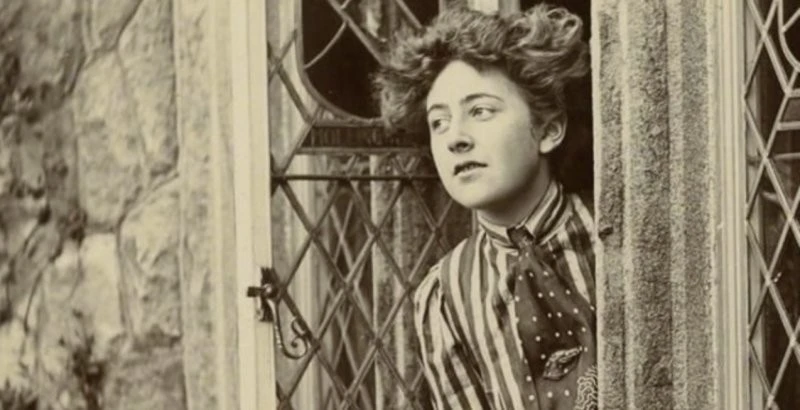
In 1977, a British nurse named Marsha Maitland solved a baffling medical mystery and saved a toddler's life—all thanks to an Agatha Christie novel.
The famous case made headlines in The New York Times and around the world. In June 1977, a 19-month-old girl from Qatar was admitted to London's Hammersmith Hospital in critical condition. Doctors were completely stumped: her blood pressure was climbing, her breathing was failing, and she was on the verge of death.
At the time, Maitland happened to be reading Agatha Christie's mystery novel "The Pale Horse." She noticed that the baby’s unusual combination of symptoms—including sudden hair loss—matched Christie's detailed description of thallium poisoning, and she promptly alerted the physicians.
Because thallium poisoning was exceedingly rare in Britain, the hospital lacked the equipment to test for it. Scotland Yard stepped in to help locate a specialized forensic laboratory, and toxicologists soon confirmed that the girl had ten times the lethal dose of thallium in her system. Thanks to the prompt administration of an antidote, she made a full recovery. Investigators later discovered that thallium had been used as a pesticide against cockroaches and rodents in the family's home in Qatar.