The Hollow Skyscraper: Ponte City Apartments — Africa’s Tallest and Most Troubled Tower (12 Photos)
Johannesburg is South Africa’s largest and most populous city. Home to over six million people, this bustling metropolis houses the headquarters of Africa's corporate giants alongside some of its most dangerous slums. It is a city of extreme contrasts—the wealthiest in the nation, yet also the poorest. It is also home to Ponte City Apartments, Africa’s tallest residential building, which over time turned into one of the city's greatest urban nightmares. 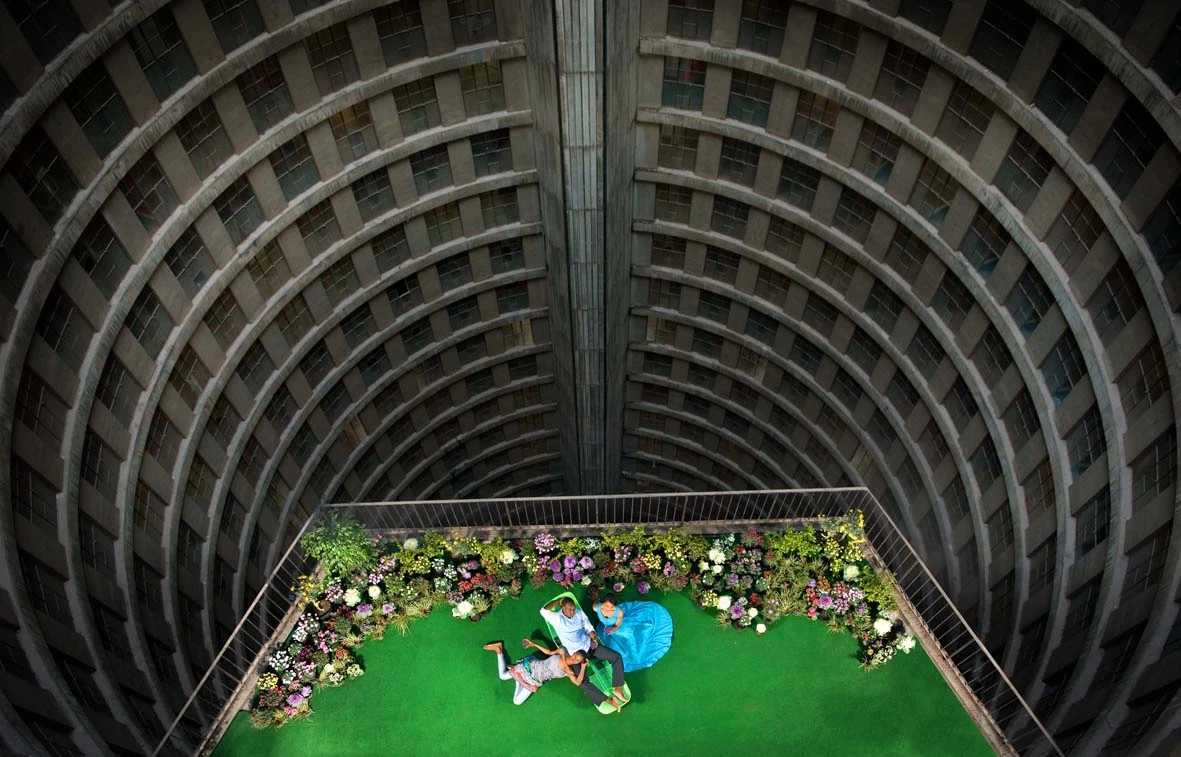
Built in 1975 in the heart of an upscale neighborhood, the 55-story Ponte City Apartments was designed not as an office complex, but as a residential tower housing 470 apartments. Its signature feature was its unique shape: a massive, hollow concrete cylinder. At the core of the atrium lay an open-air courtyard with manicured lawns, a playground, and recreational spaces. 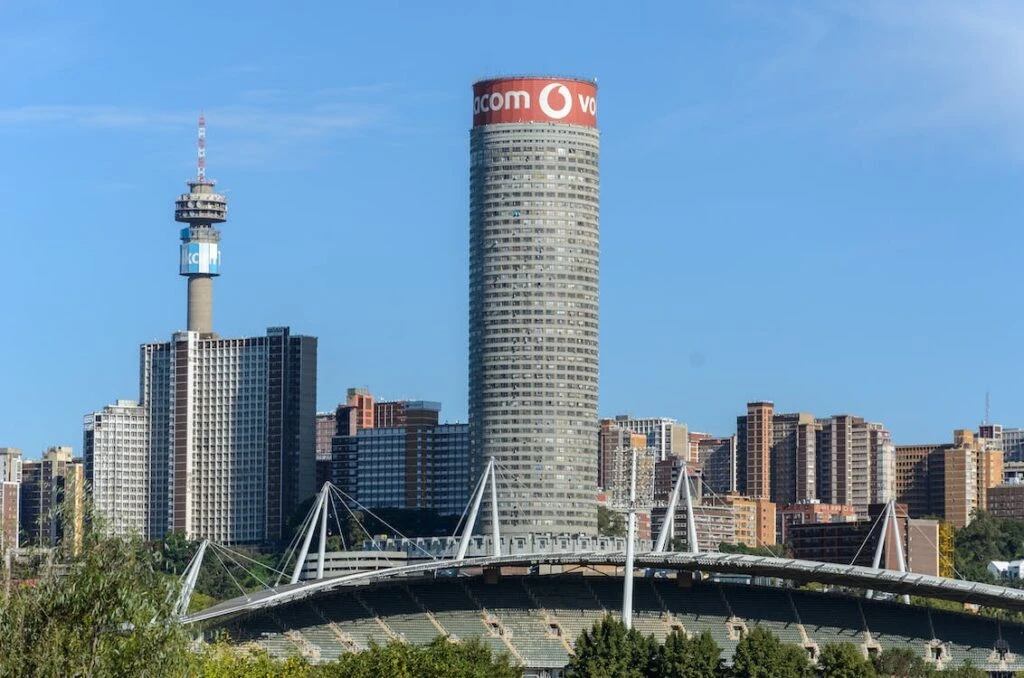
The architects chose this striking design out of practical necessity. South African building codes required every room, including bathrooms, to have a window letting in natural light. Normally, this would call for a complex, sprawling structure with multiple wings. But with land in central Johannesburg commanding top dollar, the designers opted for a space-saving cylindrical tower. 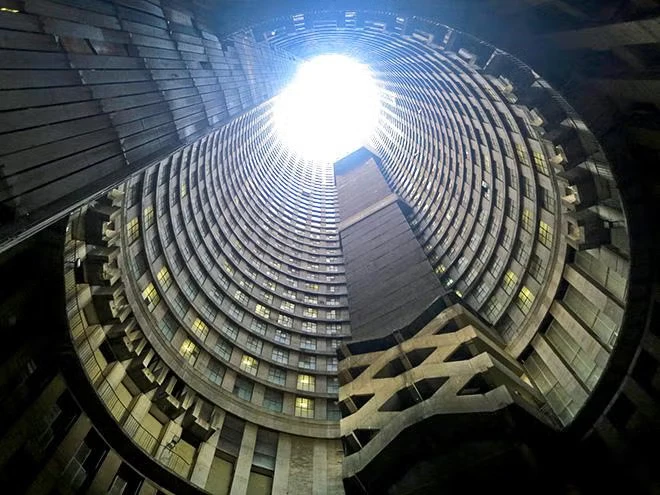
The footprint remained compact, yet every kitchen and bathroom received direct sunlight. Surprisingly, the interior floor plans turned out to be exceptionally well-designed. Apartments in Ponte City sold like hotcakes—but the honeymoon period didn't last long. 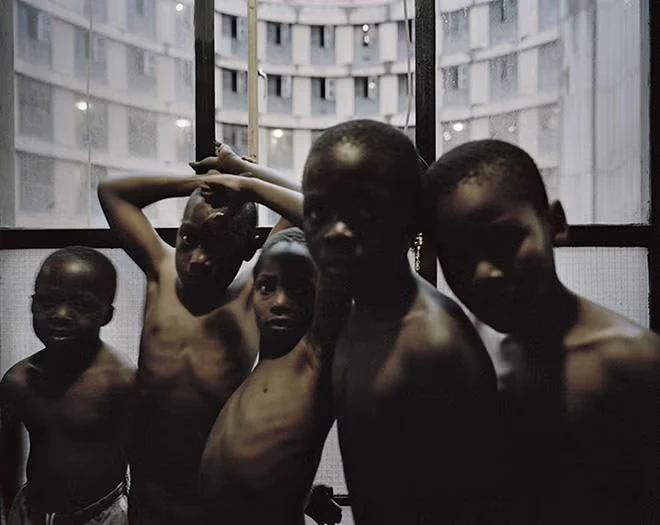
From Luxury Tower to Urban Slum
In the early 1990s, crime rates across Johannesburg soared. The hollow tower quickly fell under the control of local gangs. Residents fled the once-upscale building, abandoning their apartments, while criminal syndicates carved up the floors and sections among themselves. With nobody paying utility bills, municipal services were promptly cut off. 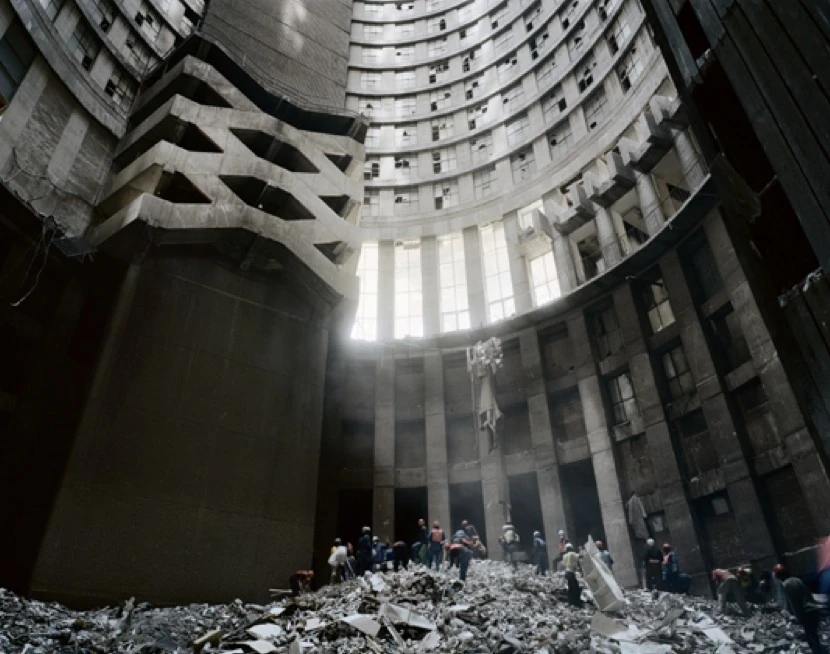
The open-air atrium at the building's core degenerated into a monstrous landfill. The new occupants simply threw their trash over the interior balconies, and before long, garbage had piled up five stories high. Elevator shafts were repurposed as makeshift toilets, accumulating meters of foul waste. 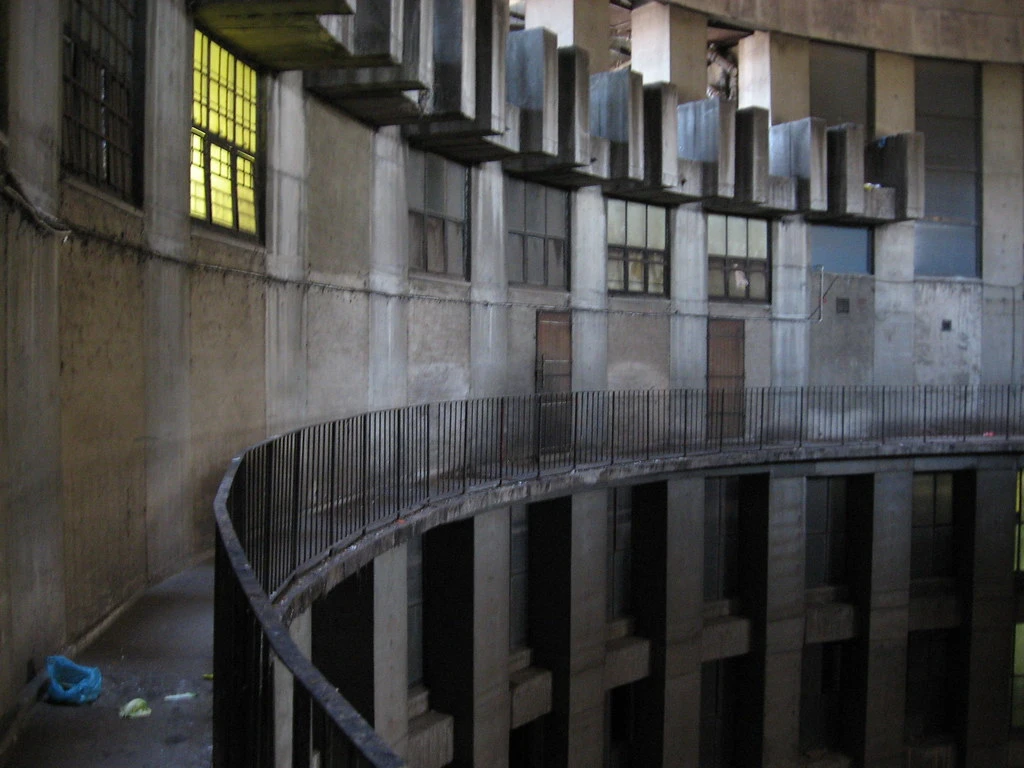
Overnight, the unique circular tower went from being a proud city landmark to one of Johannesburg’s most notorious eyesores. The vertical slum became so dangerous and lawless that even the police refused to step inside. 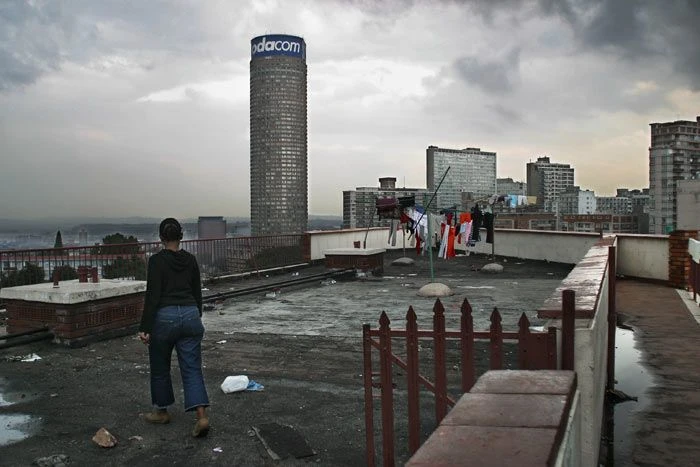
Any fugitive on the run knew all they had to do was reach the tower, visible from anywhere in the city. Safety within its walls was non-existent, but one thing was certain: the long arm of the law couldn't touch them there. 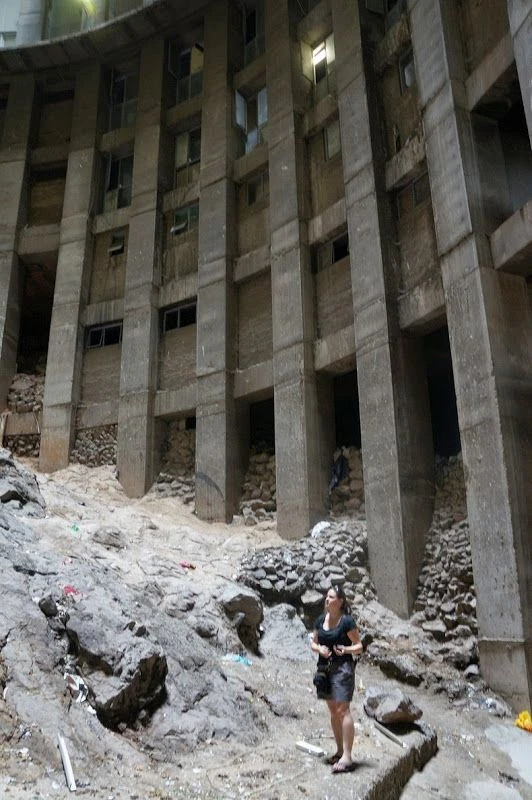
Giving Ponte City a Second Life
City officials made numerous attempts to revitalize the tower and the surrounding business district, reviewing dozens of ambitious proposals. One plan even suggested converting the building into a high-rise prison—ironic, considering many of its inhabitants were already seasoned criminals. The idea wasn't unprecedented; Caracas, Venezuela, had famously converted its abandoned "El Helicoide" shopping mall into a prison. Yet every attempt to fix Ponte City stalled. 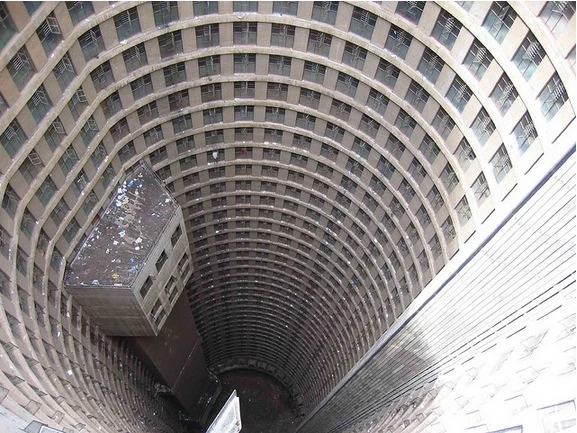
A real breakthrough came in 2007 when new developers acquired the property with serious intentions. Gangs were evicted, and tons of trash were hauled out of the central atrium, elevator shafts, and hallways. The long-neglected infrastructure and utility systems were overhauled from scratch. 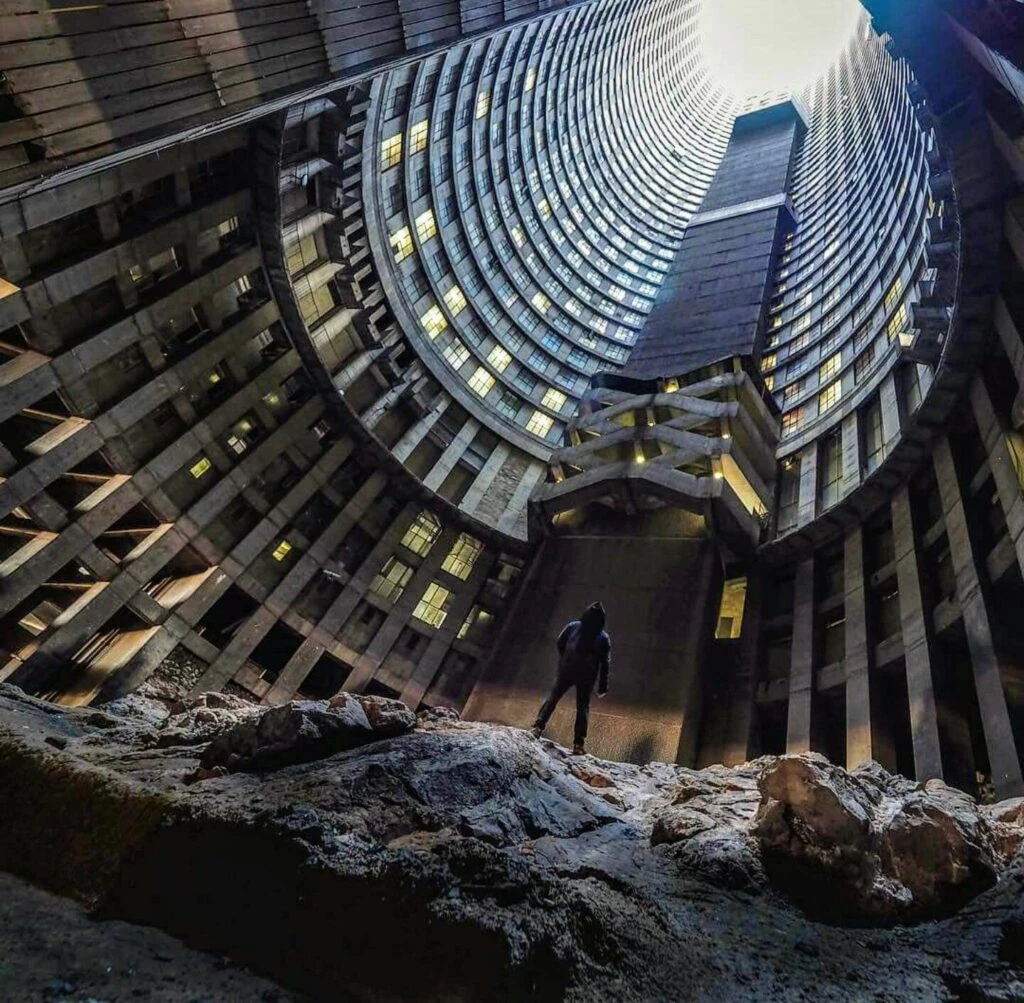
Soon, elevators and ventilation systems were operational once more, supported by 24/7 CCTV monitoring and armed security. Plans were drawn up to redevelop the surrounding neighborhood, with a total budget of 900 million rand. However, the grand vision fell short: the 2008 global financial crisis hit, bringing the project to a screeching halt. 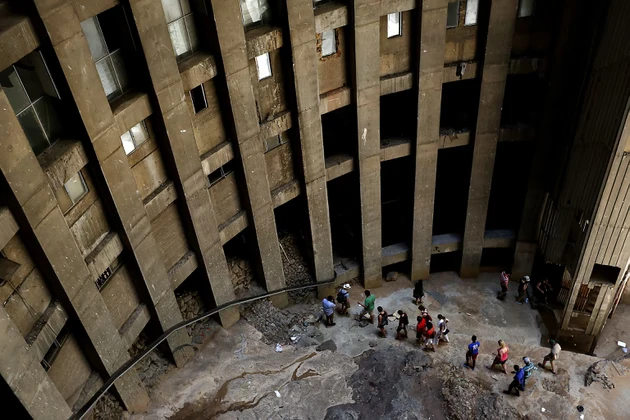
Today, Ponte City Apartments is surprisingly safe and has become a popular spot for urban explorers and tourists. The building is secured, the elevators run, and tenants have begun moving back in. Still, the tower retains a distinctly apocalyptic vibe and requires substantial ongoing investment. 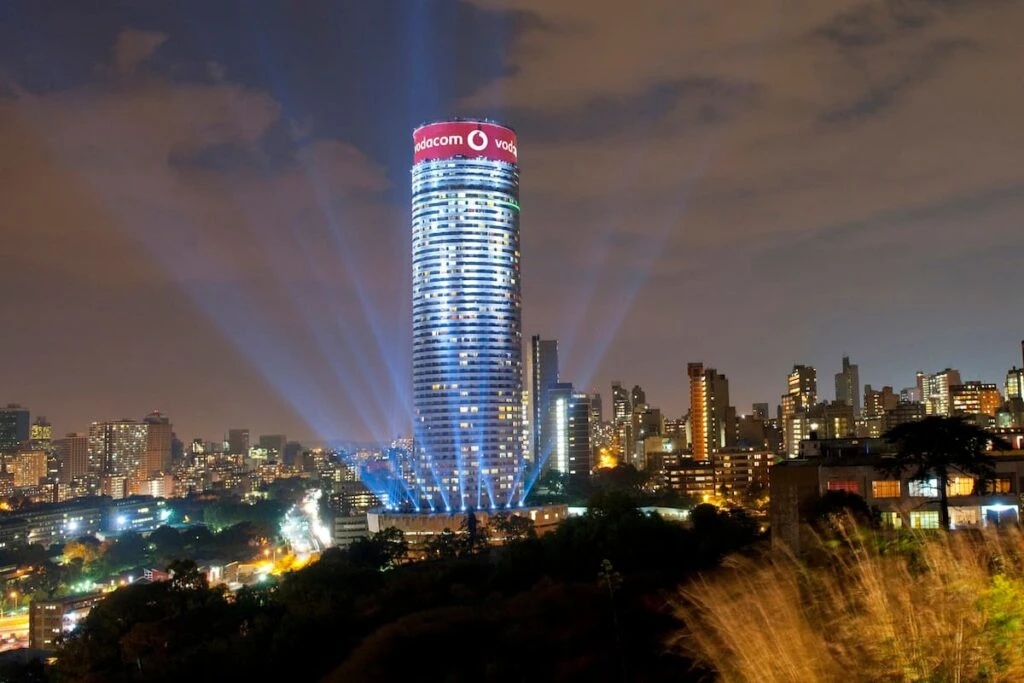
The 55-story landmark’s dystopian aesthetic hasn't gone unnoticed by filmmakers. Management regularly leases the space for movie shoots, and the tower can be spotted in major blockbusters like
Dredd
,
Chappie
,
District 9
, and
Resident Evil: The Final Chapter
.