The Tragic Death of Tyke the Elephant That Changed the Circus Industry Forever (7 photos)
Calls to ban animal exploitation in circuses are growing louder worldwide. Today, 45 countries have already banned trained animals and birds from performing in shows. While this movement began back in the 1970s, it gained massive momentum in the 1990s—largely triggered by the tragic death of a circus elephant named Tyke. 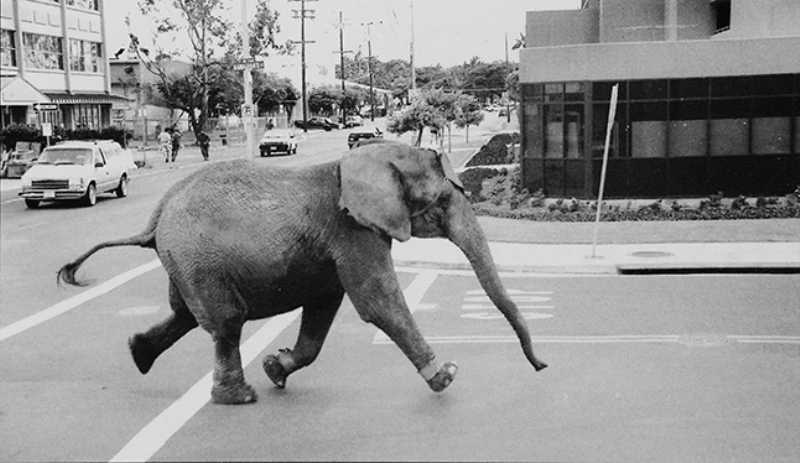
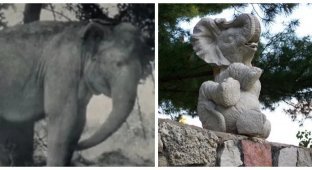
It all began in 1974, when the young elephant was captured in the Mozambican savanna. Animal traders sold her to Circus International in the United States, where she spent nearly 20 years performing under the brutal training methods typical of the industry. By the early 1990s, years of abuse had taken a severe psychological toll on Tyke, driving her to increasingly dangerous behavior.
First Attacks
The first major red flag came on April 21, 1993. During a performance in Pennsylvania, Tyke bolted mid-show, crashing through the exit doors onto the street. She roamed free for several hours before circus staff and police managed to herd her back inside. The rampage caused roughly $14,000 in damage to cars and public property. 
A second incident occurred just months later, on July 23, 1993. While performing at a fair in Minot, North Dakota, the elephant suddenly snapped. She severely injured her trainer and spent 25 minutes running wild through the streets before finally calming down. What was driving an animal that had spent nearly two decades in the circus to act out so violently?
Archives from the U.S. Department of Agriculture (USDA) include a document detailing animal abuse involving an elephant named Tyke in a traveling circus. While it isn't definitively proven to be the same elephant, both the name and several key dates align. 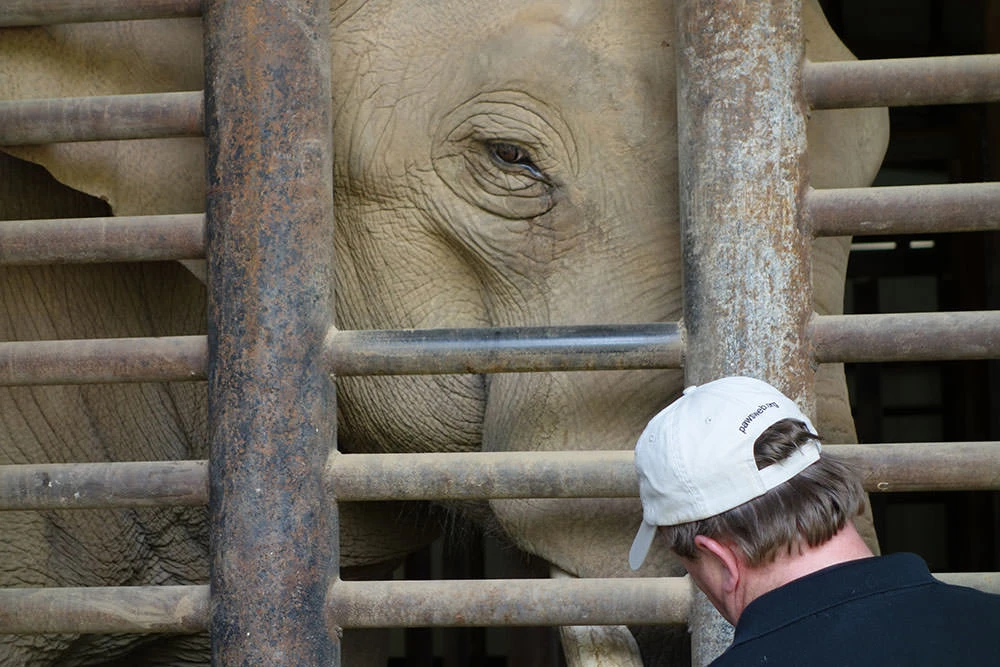
The report describes disturbing incidents during performances:
"The handler publicly struck the African elephant. The animal shrieked loudly and cowered on three legs to avoid the blows. Even when the handler merely walked past, the elephant screamed and dodged away, exhibiting extreme fear."
Even if this involved a different elephant—which is unlikely—the record offers a chilling glimpse into how handlers routinely treated these animals.
Tragedy in Honolulu
The story reached its tragic climax on August 23, 1994. Circus International was touring Honolulu, Hawaii. During a performance, Tyke flew into a rage and grabbed groom Dallas Beckwith with her trunk, throwing him to the ground repeatedly and inflicting severe injuries. 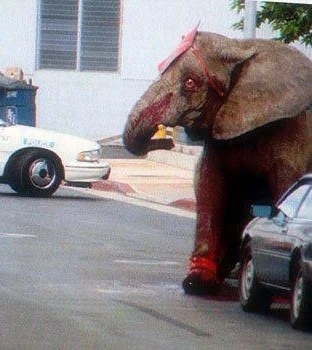
Tyke then turned on her trainer, Allen Campbell, trampling him to death before charging toward the exit of the circus tent. Standing in her path was Steve Hirano, a local journalist. Unaware of the carnage inside, Hirano attempted to block the exit to prevent the elephant from escaping.
Tyke grabbed Hirano with her trunk and violently slammed him against nearby objects. Hearing the commotion, a responding police officer fired several handgun shots at the elephant. The gunfire forced Tyke to drop Hirano—who survived with severe injuries—before she broke out into the streets, running frantically through the city. 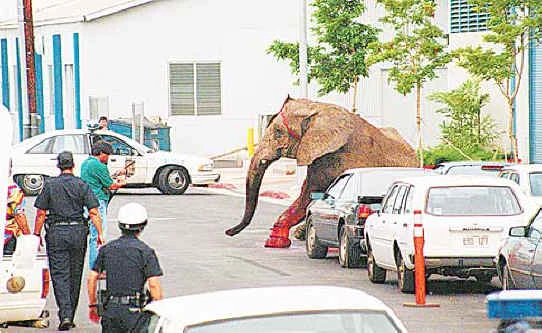
Police pursued the panicked elephant for over half an hour, firing 86 rounds from handguns, shotguns, and automatic weapons. Autopsy reports later revealed that Tyke had been struck by nearly eight pounds of lead. Despite her catastrophic injuries, it took nearly two hours for the animal to die.
The Aftermath
The tragedy in Honolulu sent shockwaves across the United States. Outraged by the event, the public demanded a thorough investigation and accountability. Lawsuits were filed against the City of Honolulu and Circus International owner John Cuneo Jr. 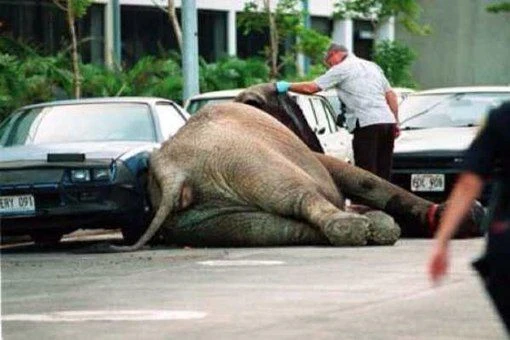
Attorney William Fenton Sink represented the plaintiffs, wielding thousands of claims from traumatized witnesses, including hundreds of children. Unraveling the root causes of the rampages required an extensive investigation.
An autopsy of trainer Allen Campbell revealed that he stood no chance of survival; Tyke had crushed his skull and fractured all his ribs. Toxicological tests detected alcohol and cocaine in his system. Investigators also uncovered testimony from witnesses who confirmed Campbell's long history of cruelty toward animals under his care. 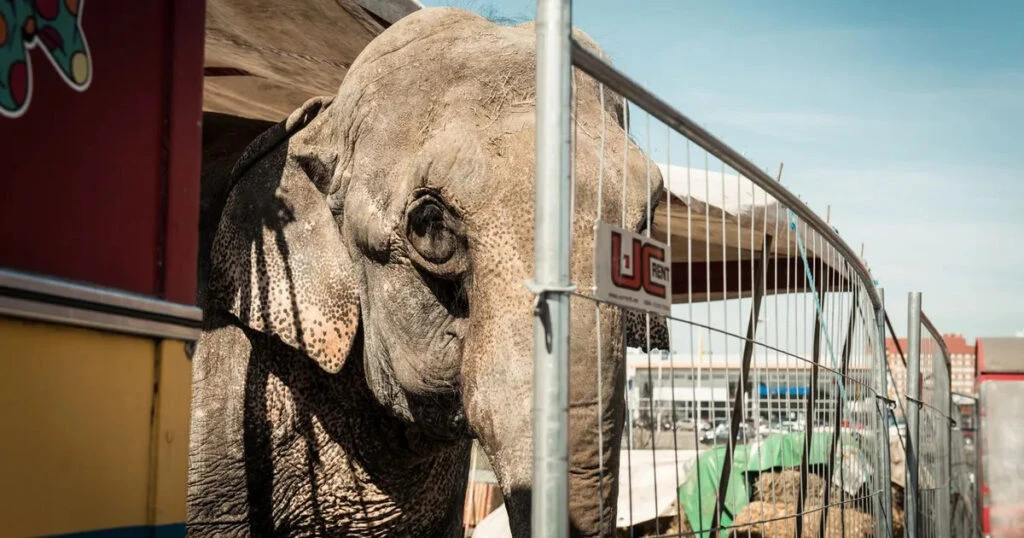
Staff members at the Denver Zoo came forward, recalling how Campbell had brutally beaten elephants and camels in the 1980s. Although charges had been filed against him at the time, the case was swept under the rug. This time, however, there was no hushing up the scandal. The Honolulu tragedy catalyzed major legislative changes across the country; today, performing animal circuses are banned in 22 U.S. states.
Tyke's tragic story is far from unique. In the Soviet Union, for instance, the most infamous elephant incident involved Vova, an elephant who famously escaped from the Yerevan Zoo.