35 of the World's Most Beautiful Vineyards (36 Photos)
Winemaking is a true art form practiced across the globe, and the vineyards behind it create some of the world's most breathtaking landscapes. From Old World estates in Italy and France to New World vineyards in Argentina, Canada, Australia, and the US, these stunning vistas are a must-see. Here is a curated photo gallery of the most spectacular vineyards around the world. 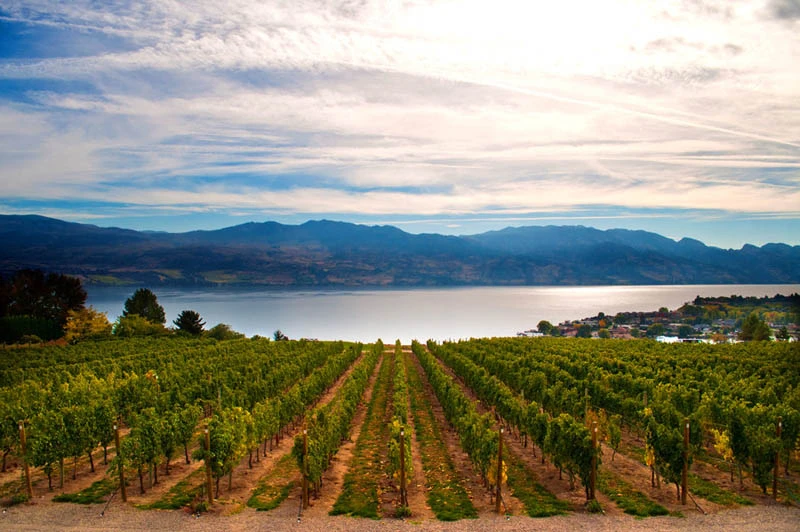
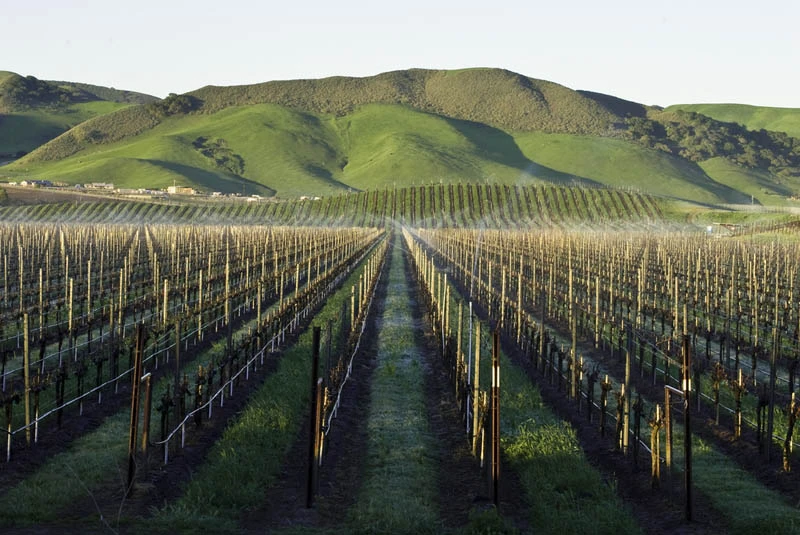
Los Alamos, Santa Barbara. (CHUCK ABBE) 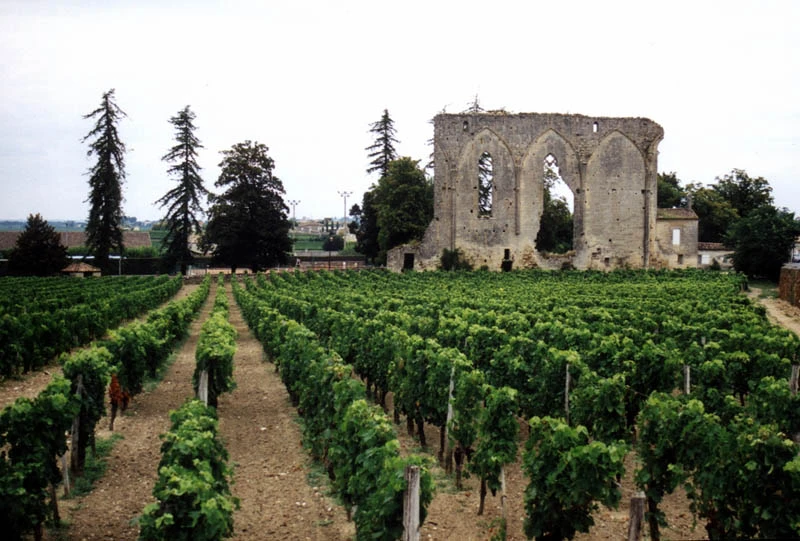
Saint-Émilion, France. (WOODMO) 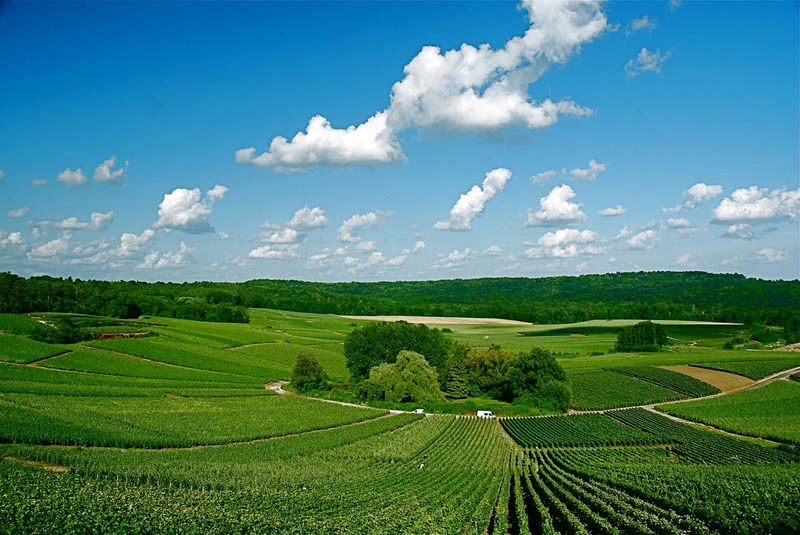
Trigny, Champagne, France. (VERONIQUE COUTIE) 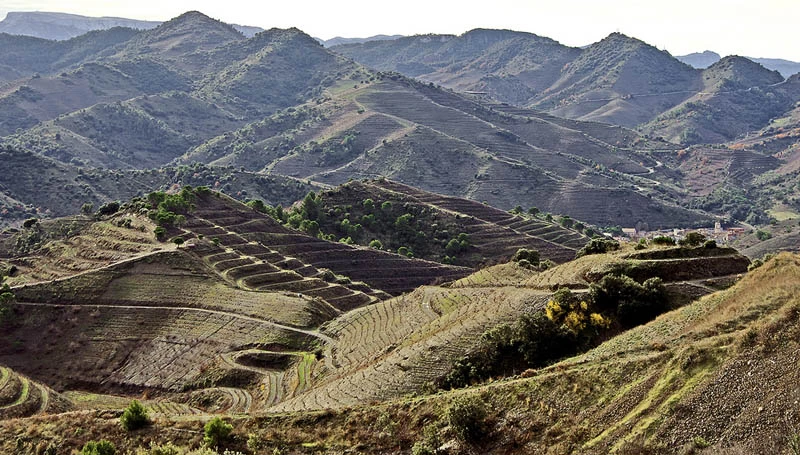
Porrera, Catalonia, Spain. (SBA73) 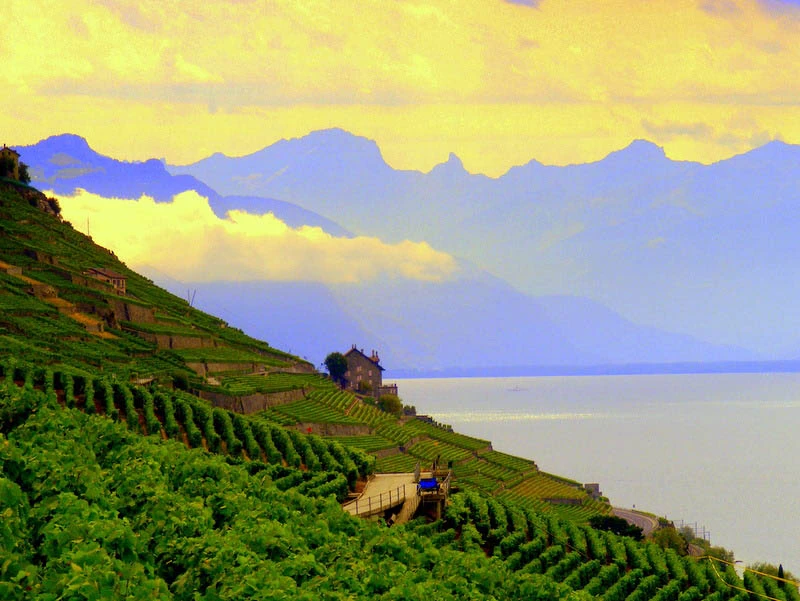
Lavaux, Switzerland. (HOCKENSMITH PHOTOGRAPHY) 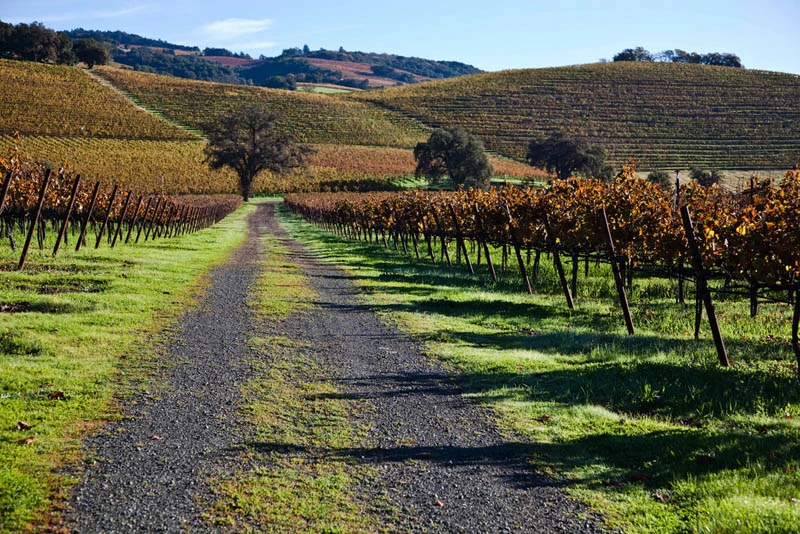
Kunde Estate, California, USA. (TOM MOYER PHOTOGRAPHY) 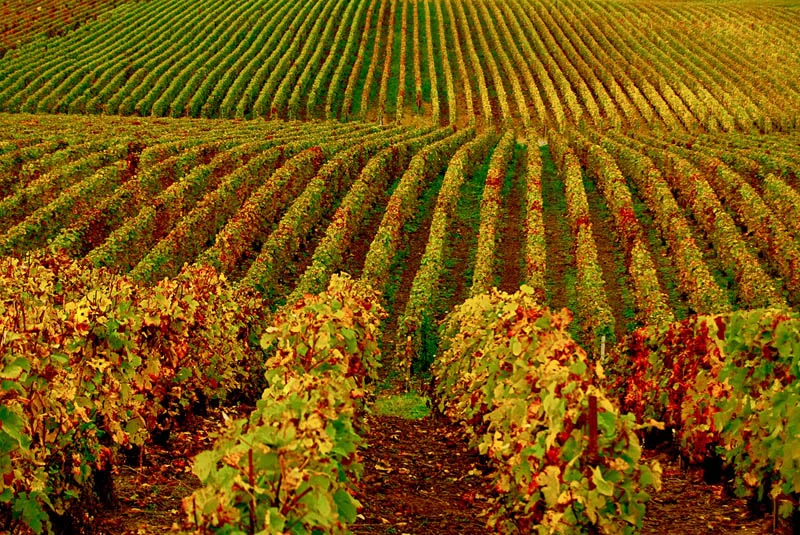
Hermonville, France. (VINCENT BRASSINNE) 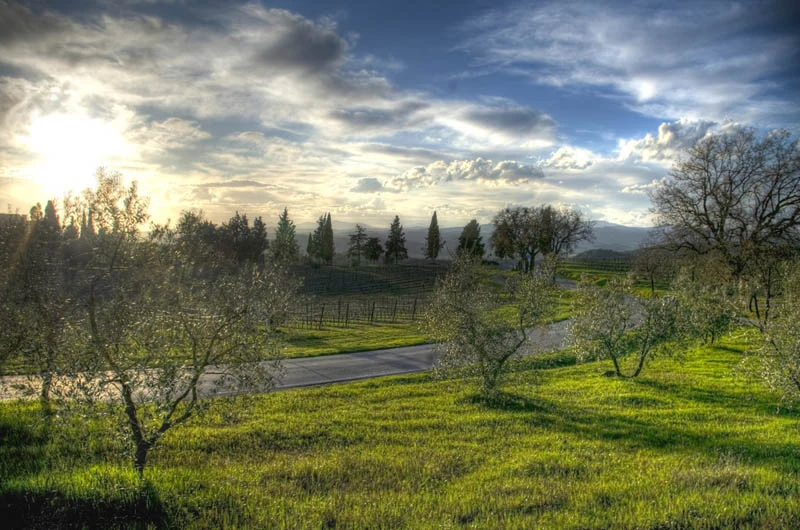
Brunello di Montalcino, Tuscany, Italy. (RICSEN) 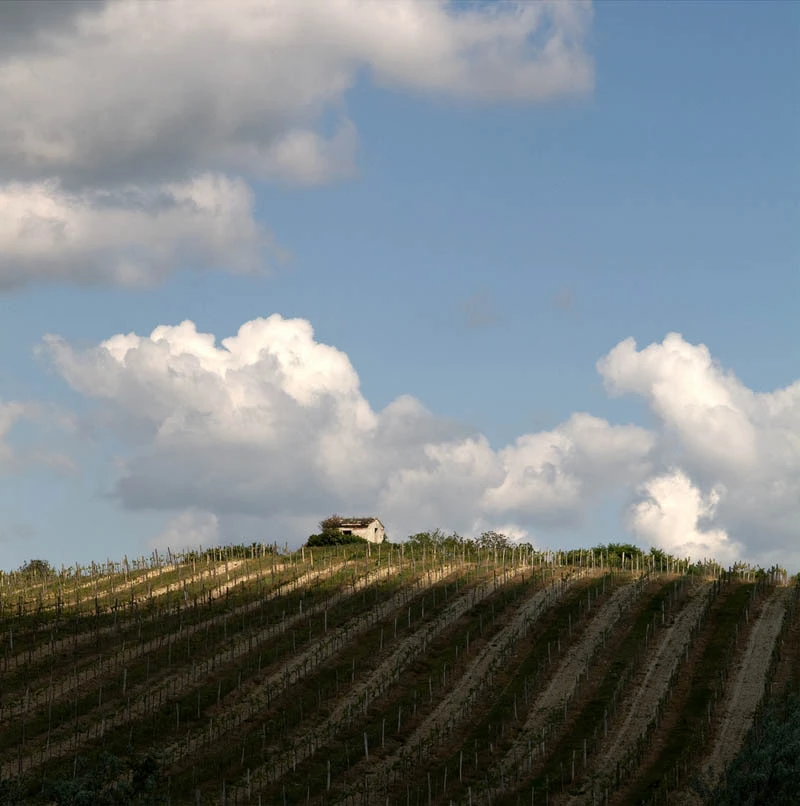
Balf, Hungary. (THOMAS LIESER) 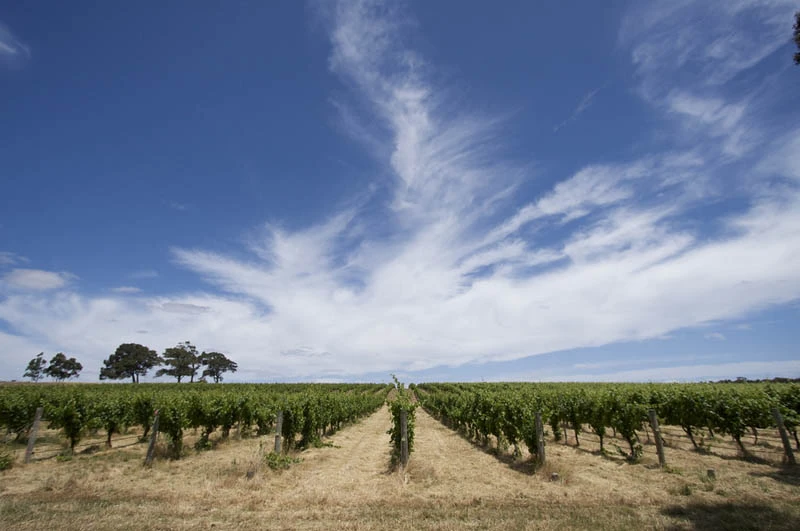
Margaret River, Australia. (CALZEAN)
What Is a Vineyard?
A vineyard is a plantation of grape-bearing vines grown primarily for winemaking, though also for producing raisins, table grapes, and non-alcoholic grape juice. The science, study, and practice of grape production is known as viticulture. Vineyards are often defined by their terroir—a French term roughly translating to a "sense of place"—which encompasses the specific geographical and geological characteristics of the vineyard site. 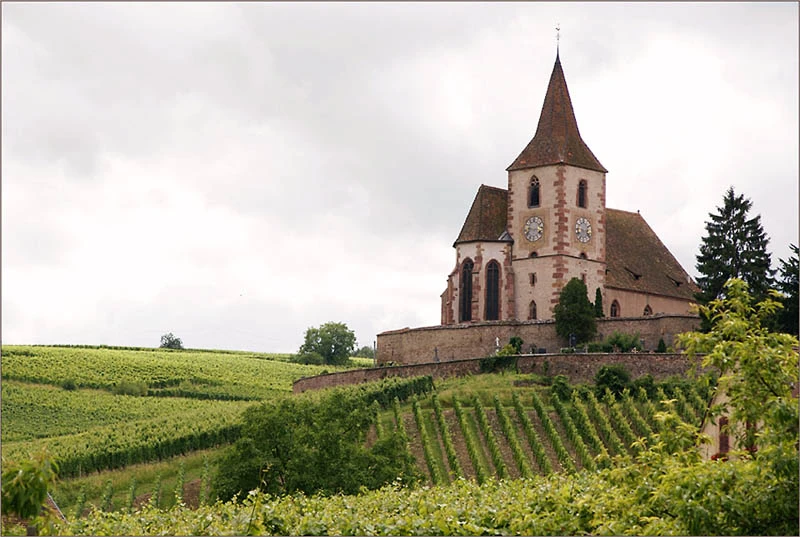
Hunawihr, Alsace, France. (MARTIEN UITERWEERD) 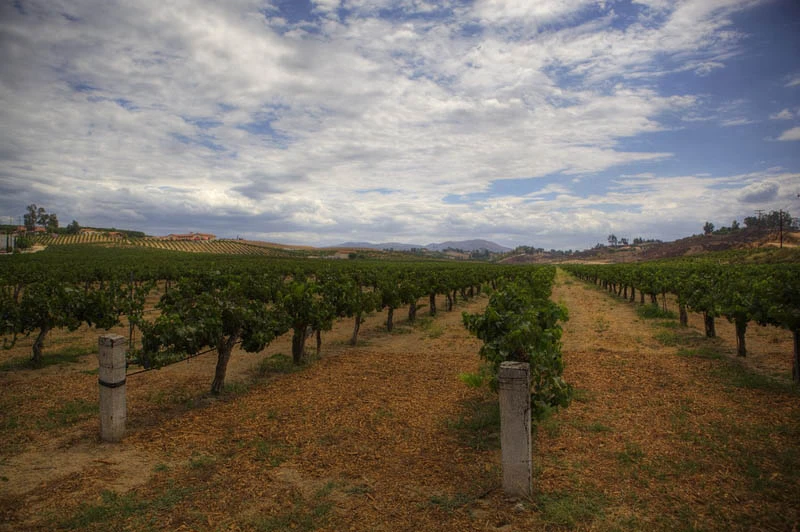
Maurice Car'rie, California, USA. (LASZLO M.) 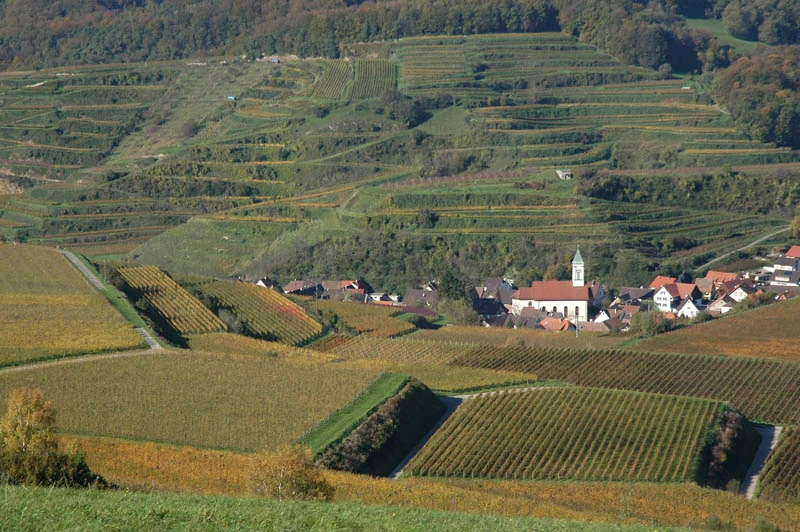
Baden-Württemberg, Germany. (CLAUDE05) 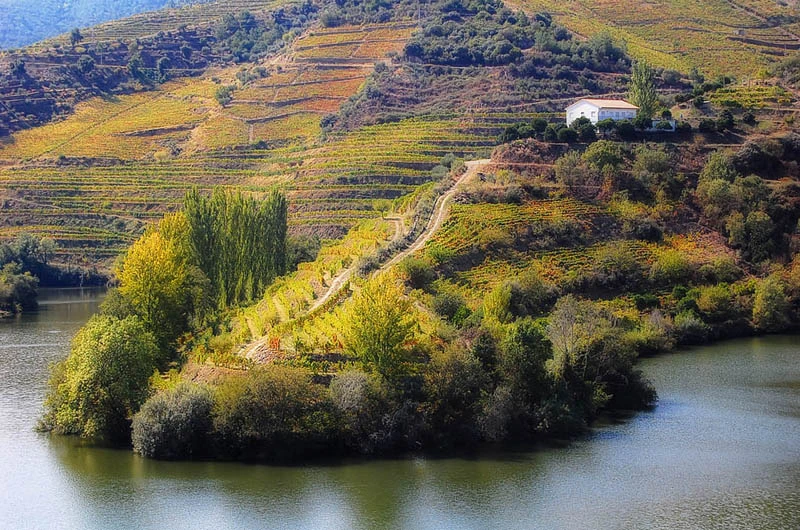
Vineyards along the Tedo River, Portugal. (AL GATOR) 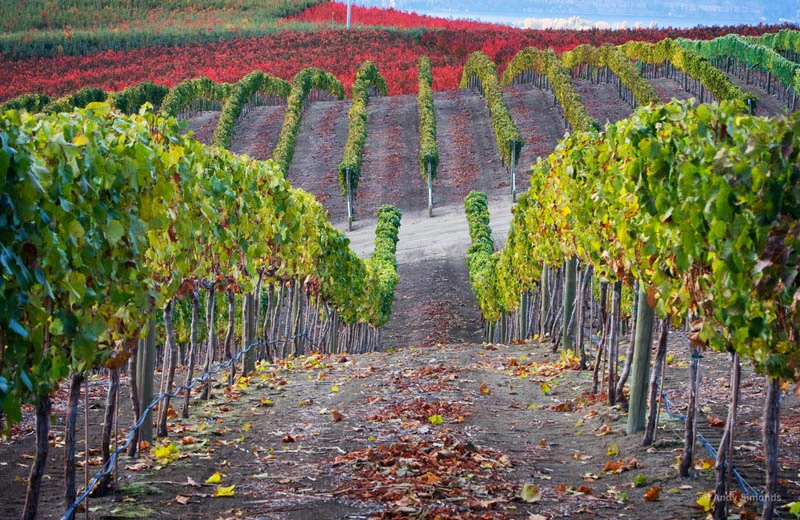
Lake Chelan Vineyards, Washington, USA. (ANDY SIMONDS)
The History of Viticulture
The earliest evidence of wine production dates back to between 6000 and 5000 BCE. Winemaking techniques advanced significantly in ancient Greece, but viticulture as we know it today truly took shape during the late Roman Empire.
Throughout Medieval Europe, the Church remained a steadfast patron of winemaking, as wine was essential for religious services. During the turbulent Middle Ages, monasteries preserved and refined viticultural practices. Possessing the necessary resources, land, and expertise, monks were dedicated to elevating the quality of their wine.
European vineyards were predominantly planted with Vitis vinifera grapevines. However, in the late 19th century, entire vineyards were devastated by phylloxera—an aphid accidentally imported from North America. Native American grape species, such as Vitis labrusca, were resistant to the pest. European Vitis vinifera vines were saved by grafting them onto American rootstocks. To this day, there is no chemical cure for phylloxera, making it an ongoing threat to any ungrafted vine. 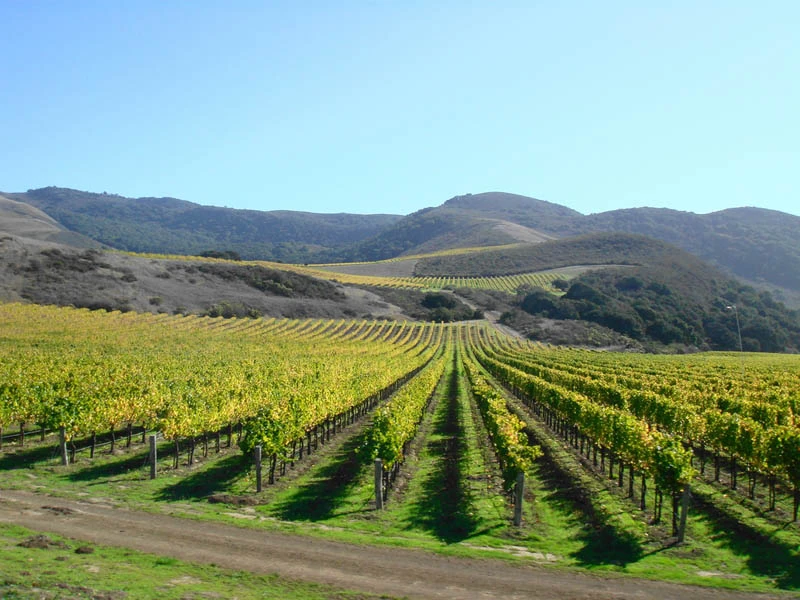
Mission, California, USA. (-DSH-) 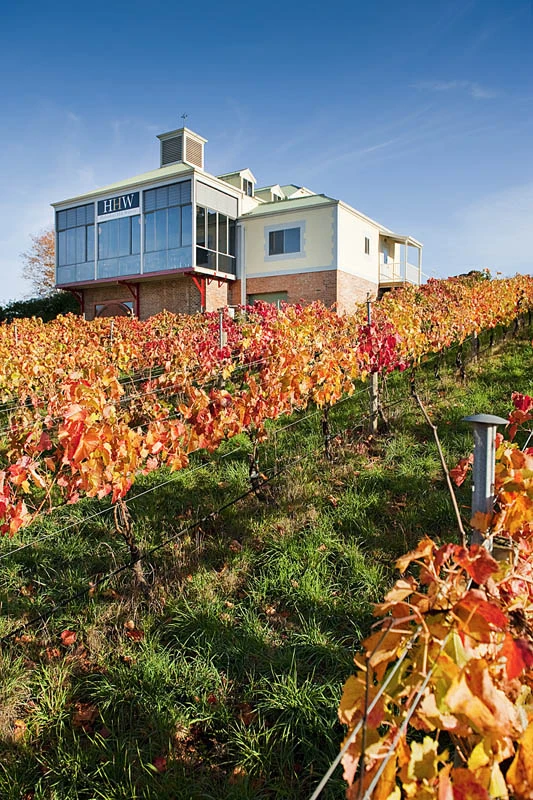
Hahndorf, Australia. (ANDY RASHEED OF EYE FOOD PHOTOGRAPHY) 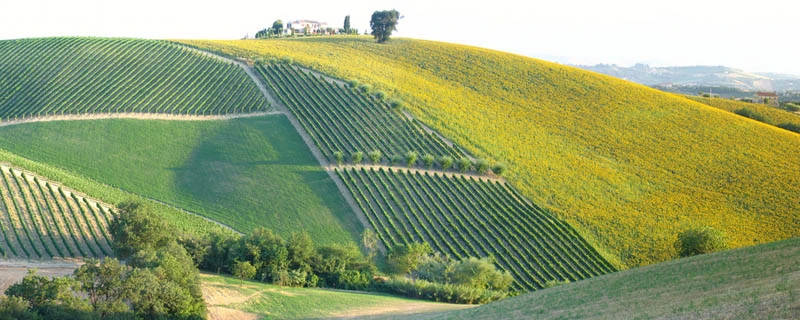
Golden Hill Vineyards, Switzerland. (PIZZODISEVO) 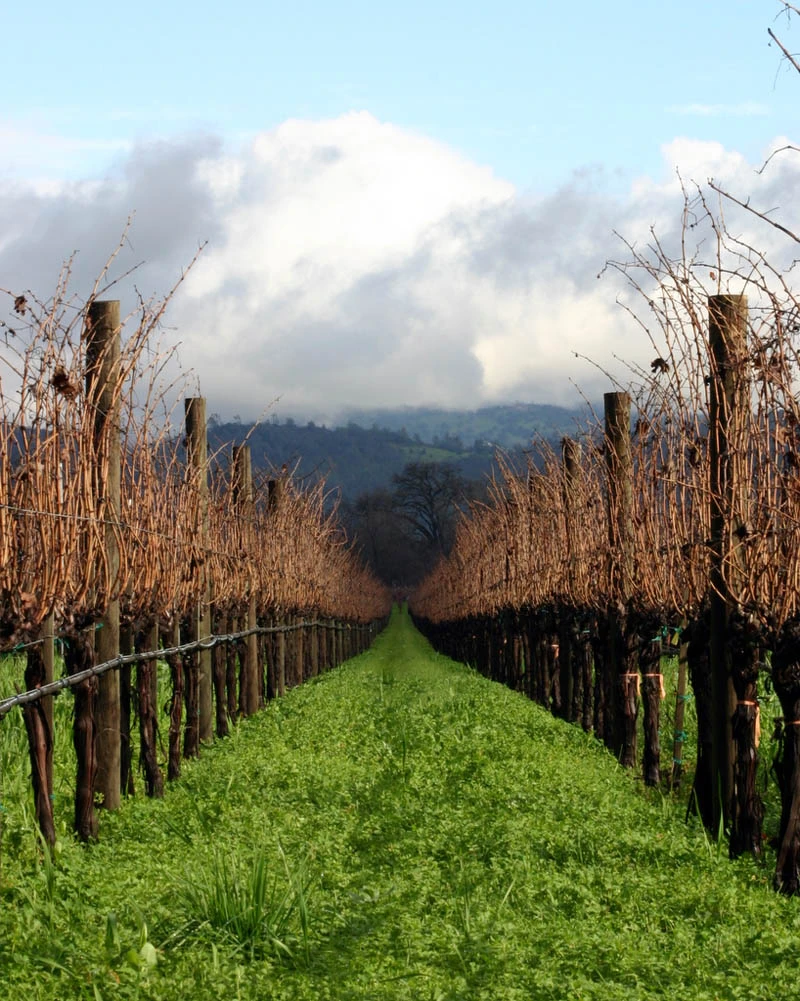
Napa Valley Vineyards, California, USA. (JOSH MAZGELIS) 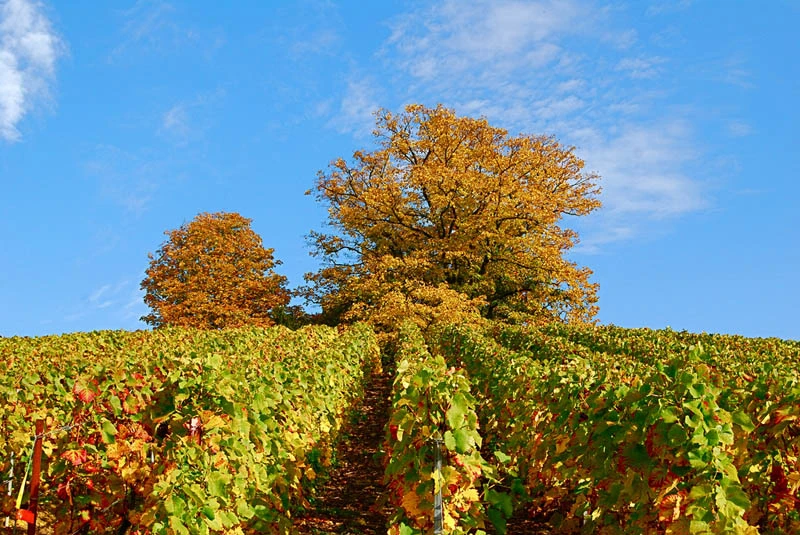
Verzenay, France. (VINCENT BRASSINNE)
Modern Viticulture
The drive to increase vineyard productivity has led to a wide array of training systems and techniques. Given the richer soils of the New World, viticulturists focused heavily on managing more vigorous vine growth. Innovations in trellis training (guiding vine growth along wires) and pruning, as well as canopy management techniques designed to optimize the leaf-to-fruit ratio for local microclimates, have largely replaced traditional concepts focused purely on yield per unit of land in favor of balancing yield and fruit quality.
Other modern techniques include using water sprinklers to protect vines against frost, advanced grafting methods, soil ripping, and mechanical harvesting. These technologies enabled the expansion of winemaking into new regions and countries like Canada. Today, there is a growing emphasis on sustainable and organic viticulture, with biodynamic farming gaining widespread traction. The adoption of drip irrigation has made it possible to cultivate vines in arid regions previously deemed unsuitable, leading to far more consistent annual yields. 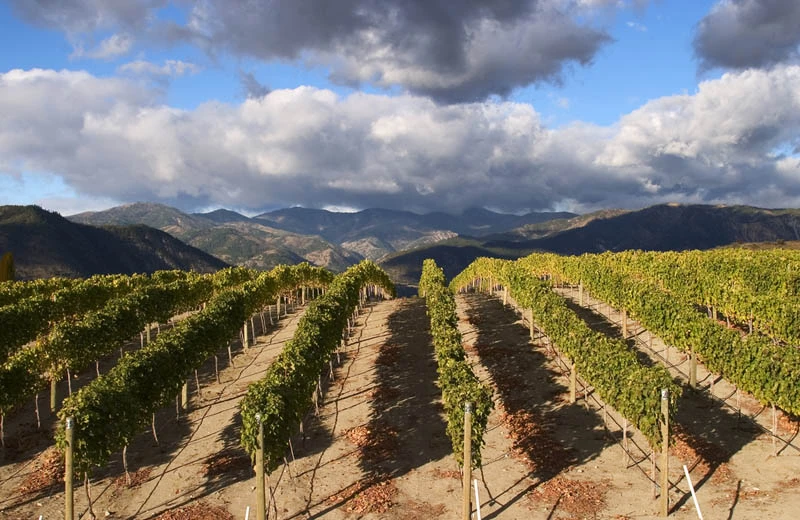
Lake Chelan Vineyards, Washington, USA. (ANDY SIMONDS) 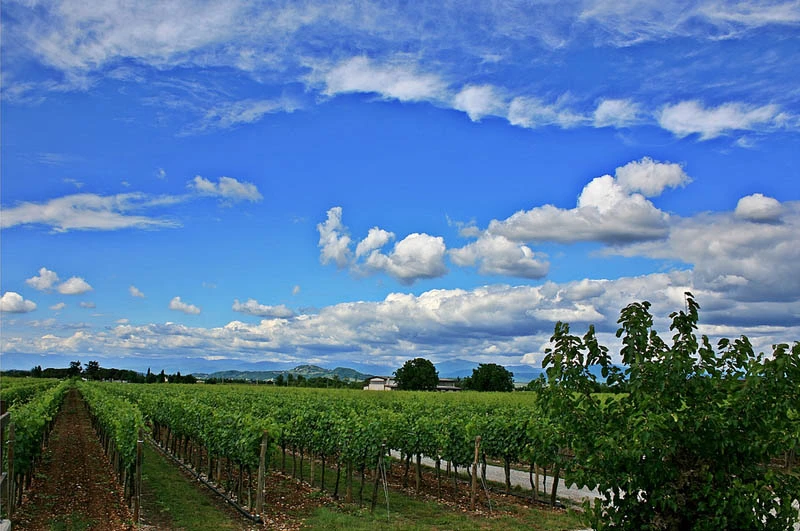
Collio, Italy. (TERRY) 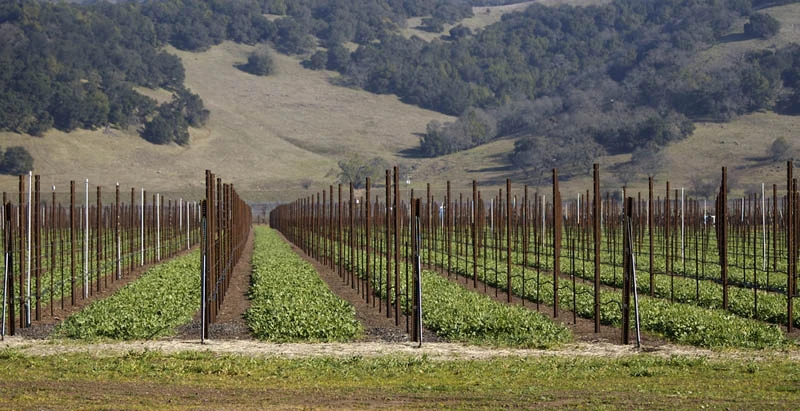
Napa Valley Vineyards, California, USA. (TURBULENTFLOW) 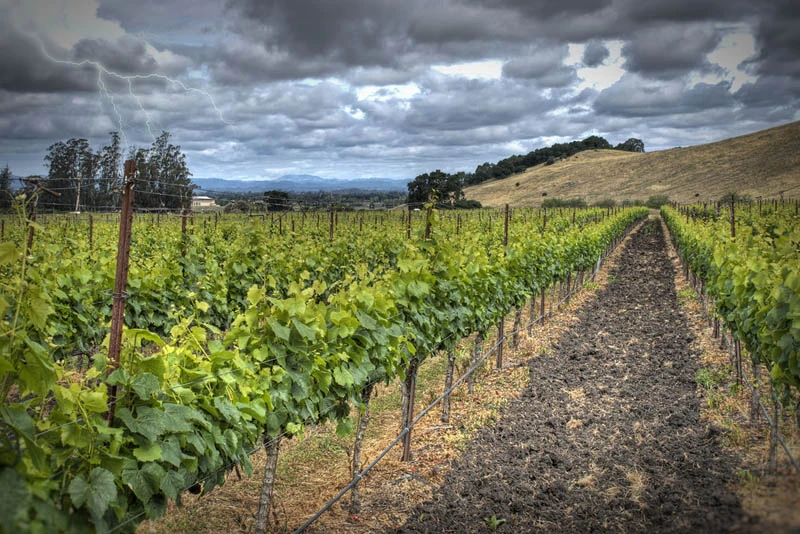
Penngrove, California. (AL THE WOP) 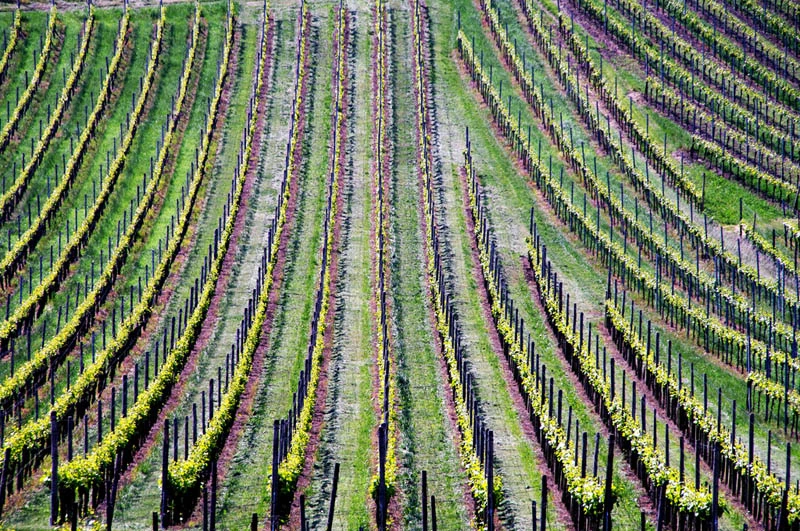
Baden-Württemberg, Germany. (EDDYBOX43)
Terroir
The term terroir stems from the French word terre, meaning "earth" or "land." Originally a concept applied in France to wine, coffee, and tea, it describes how the specific geography, soil, and climate of a site shape its agricultural products. Farms within the same region share similar soil compositions, weather patterns, and farming practices—all of which play a pivotal role in the final harvest.
Terroir is often loosely translated as a "sense of place"—the unique combination of environmental factors that impart distinct character and quality to a yield. The term is typically italicized in English text to highlight its French origin.
At its core is the belief that the specific land where grapes are grown imparts a unique flavor profile characteristic of that region. However, the exact extent of terroir's influence remains a subject of ongoing debate within the wine industry. 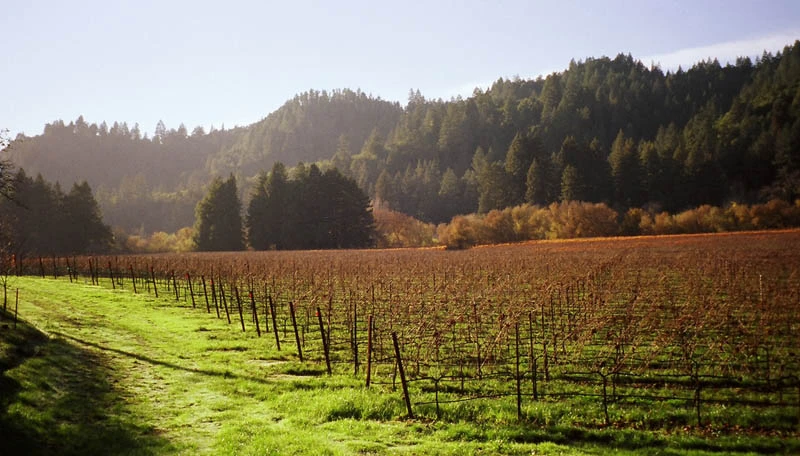
Drakes, California. (GLEN HAYLEY) 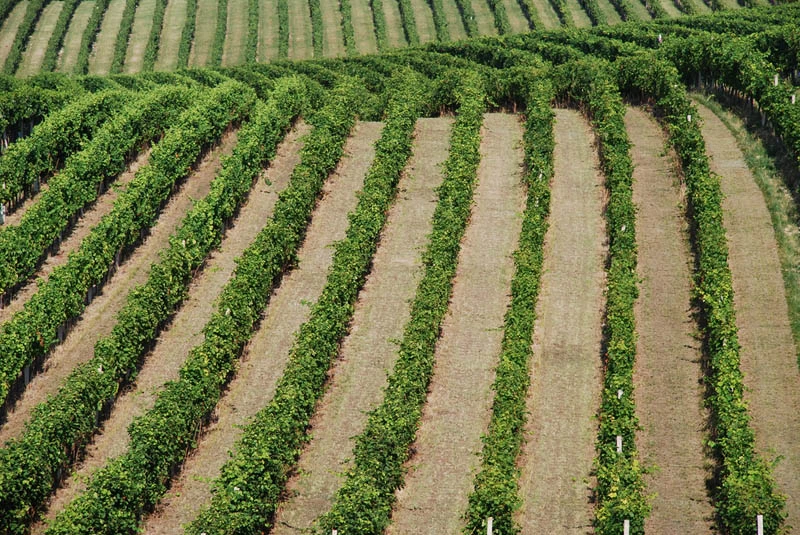
Pálava, Czech Republic. (VASEK KADLEC) 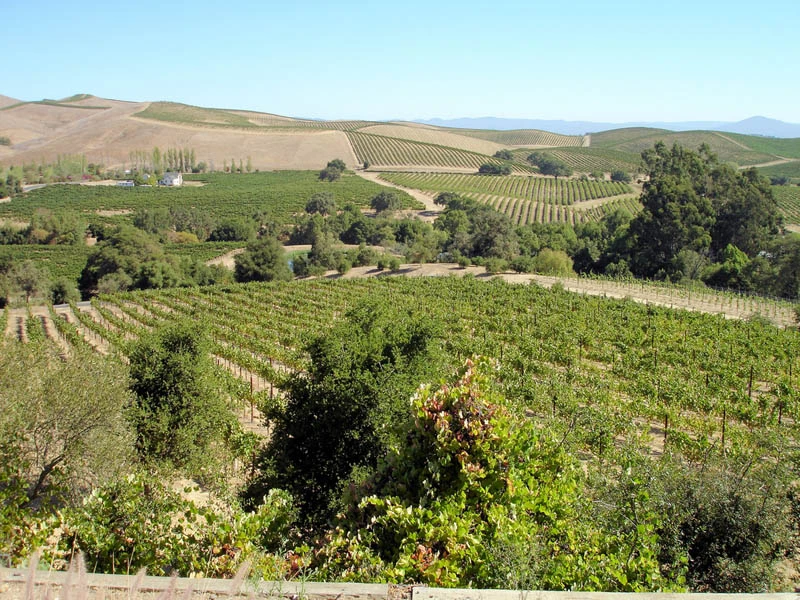
Artesa, California. (JIM G) 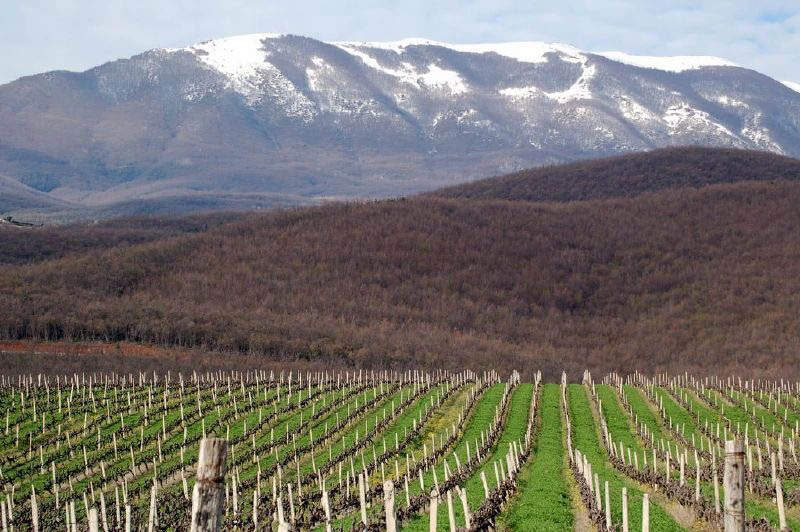
Kir-Yianni, Greece. (ROBERT WALLACE) 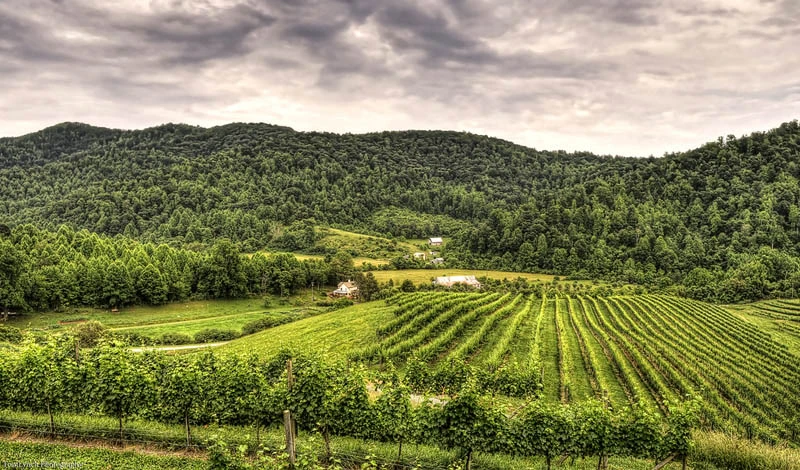
DeFosse, Virginia. (TOMMY LYNCH) 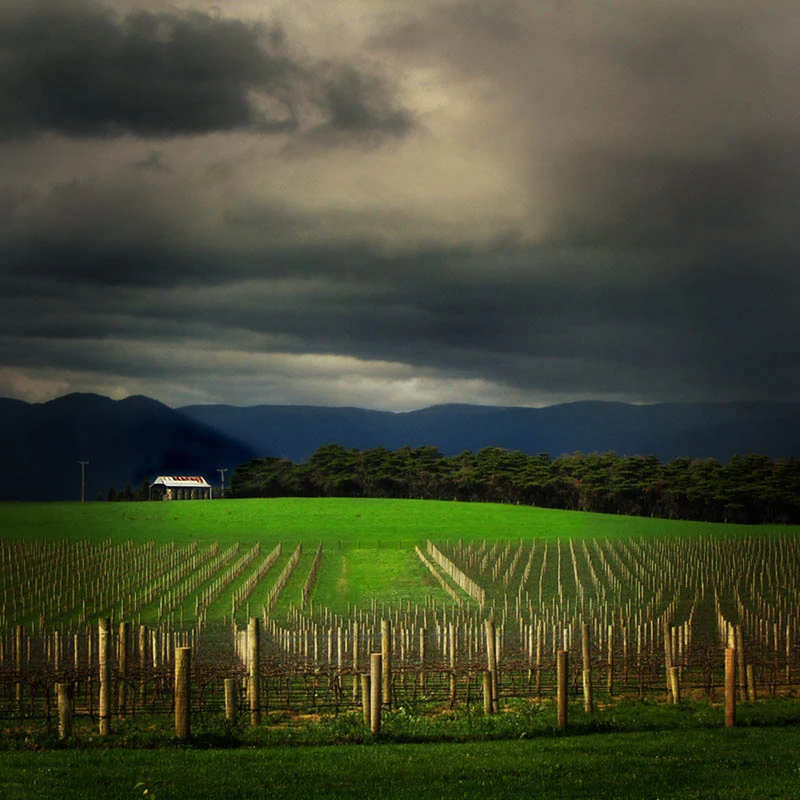
Train Tracks, Australia. (ZAPPED!) 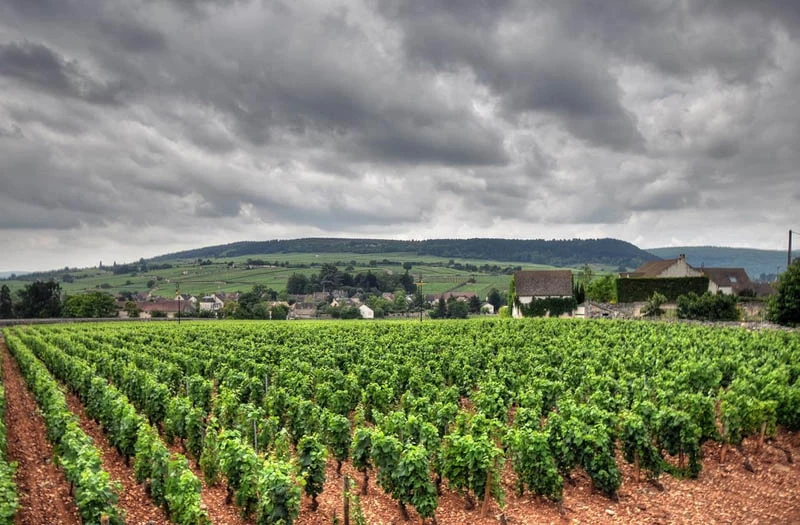
Meursault, France. (AYUSH BHANDARI)
Kelowna, Canada. (SPYHOPGL) 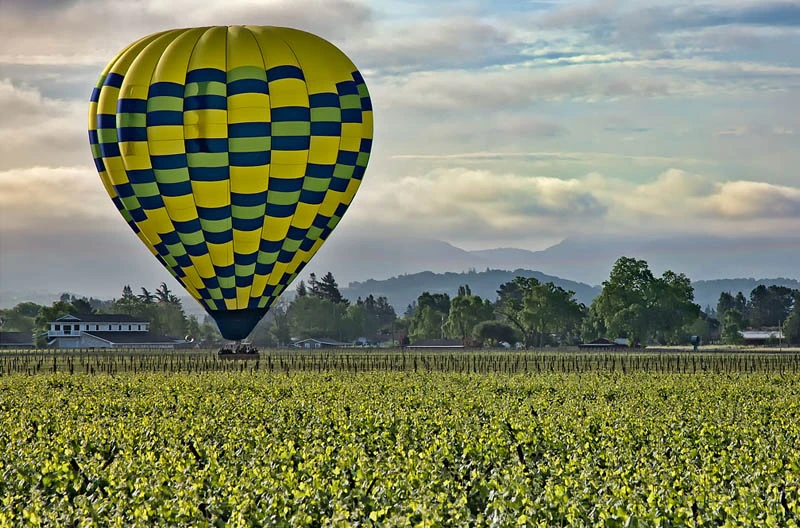
Napa Valley Vineyards, California, USA. (TURBULENTFLOW) 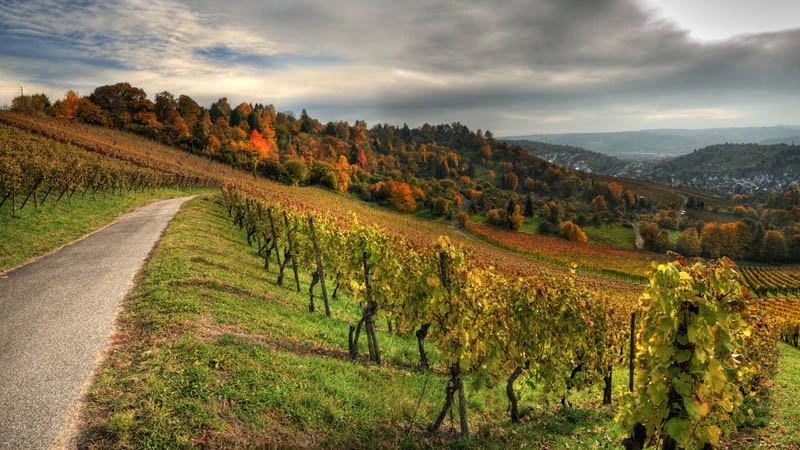
Stuttgart Vineyards, Germany. (FLORIAN FLERLAGE)