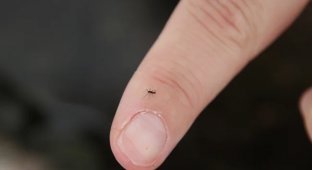
The 5 Stages of a Mosquito's Life: From Egg to Hibernation (6 photos)
Life would be wonderful if it weren't for those tiny bloodsuckers. We wake up in the middle of the night to their annoying high-pitched whine and swat at them during evening walks. Their bites cause unbearable itching and can even transmit dangerous diseases. All in all, for such short-lived creatures, they manage to cause humanity an awful lot of trouble. 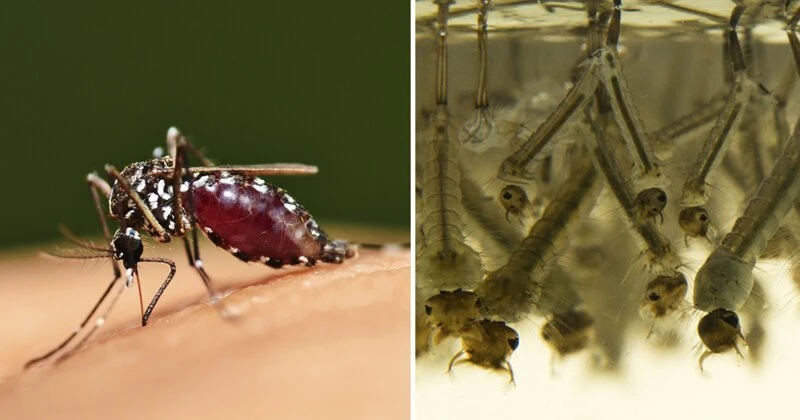
To fight these pests more effectively, it helps to know a bit more about them. Interestingly, a mosquito's lifespan depends directly on its sex, with females posing the real threat. They are the ones that take flight as the evening air cools down, tirelessly hunting until dawn. A mosquito's life unfolds across five distinct stages.
Eggs 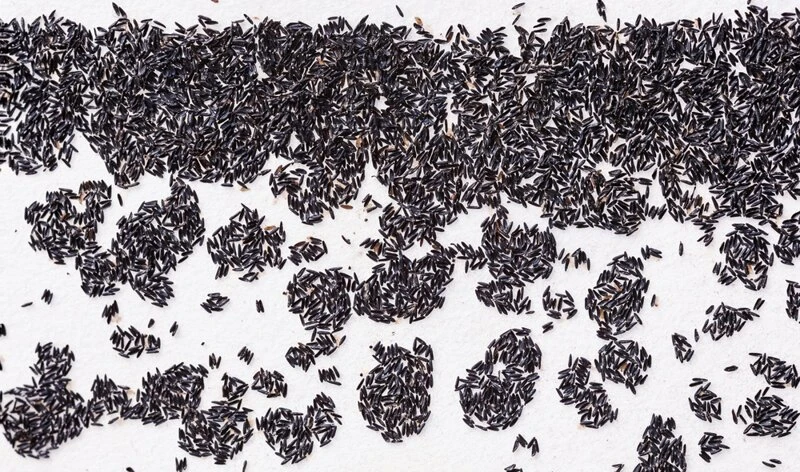
A single female mosquito lays between two and three hundred eggs at a time, attaching them to the undersides of blades of grass and floating leaves. She then coats the clutch with a sticky, protective substance.
Larvae 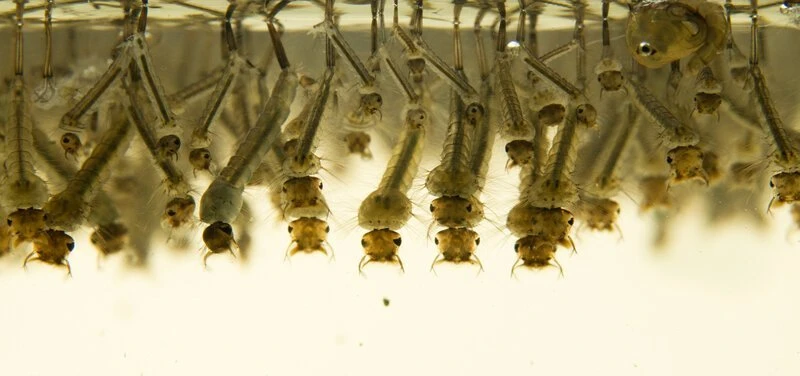
The eggs mature over three days before bursting open to release tiny larvae. At first glance, these developing mosquitoes resemble tiny tadpoles.
The larva drops into the water, extending its siphon tube to the surface to breathe. They are so microscopic that they are nearly invisible to the naked eye. Under a microscope, however, you can see their eyes and tiny mouth brushes. They use these brushes to filter water and trap microscopic organic particles for food.
Pupa 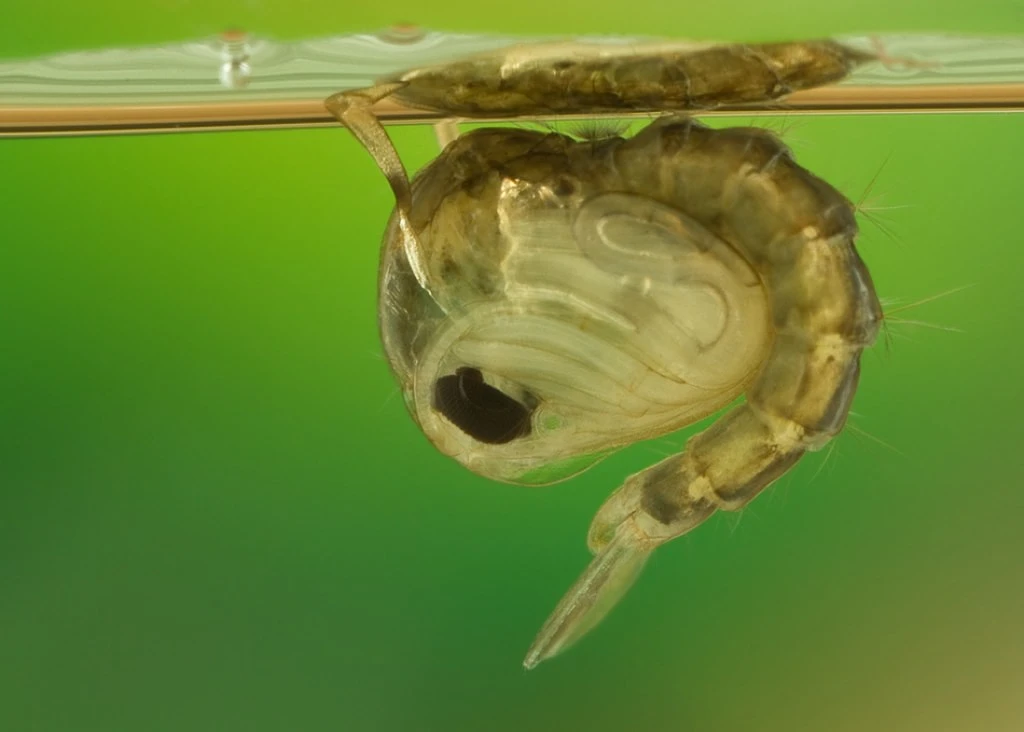
Sitting at the very bottom of the food chain, many larvae never make it to this third stage. But after three weeks of active feeding, the lucky survivors are ready to pupate. The larva encases itself in a hard shell, sheds its breathing tube, and undergoes a dramatic transformation. Periodically, the cocoon floats to the surface so the developing pupa can take in oxygen. 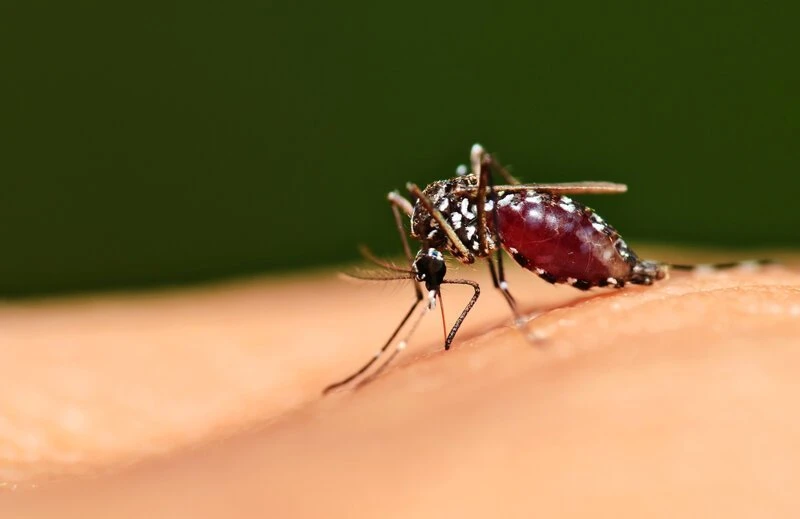
During one of these trips to the surface, the rigid casing cracks open, releasing a fully formed adult mosquito complete with wings, legs, and a proboscis. Unlike females, male mosquitoes are strictly vegetarian. They stay close to bodies of water and feed exclusively on plant sap. Females, however, require blood to nourish their developing eggs, actively hunting warm-blooded creatures—including humans.
The tiny bloodsucker pierces its victim's skin with its proboscis to get the vital meal needed for her eggs to mature. Incidentally, females attract males with the distinct wing-beat frequency that we hear as an infuriating buzz. Once fed and ready to lay her eggs, she returns to the water to start the cycle anew.
Hibernation and Death 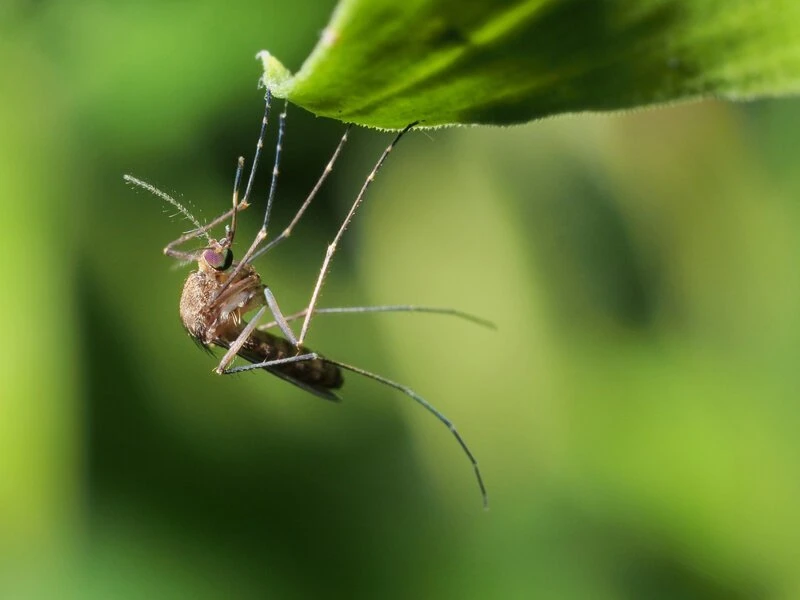
Male mosquitoes live for just a single summer, dying off with the first cold spell. Females, however, must survive the winter so their eggs can mature in the spring. Finding a cozy crack or crevice, she enters a dormant state.
With the arrival of spring warmth, the female awakens. Famished after a long winter, she immediately sets off on the hunt. After taking a blood meal, she finds a suitable leaf or blade of grass hanging over the water to deposit a new clutch of two to three hundred eggs. Having ensured the survival of her species, the female dies. Just three days later, new larvae hatch, and the cycle of mosquito life begins all over again.