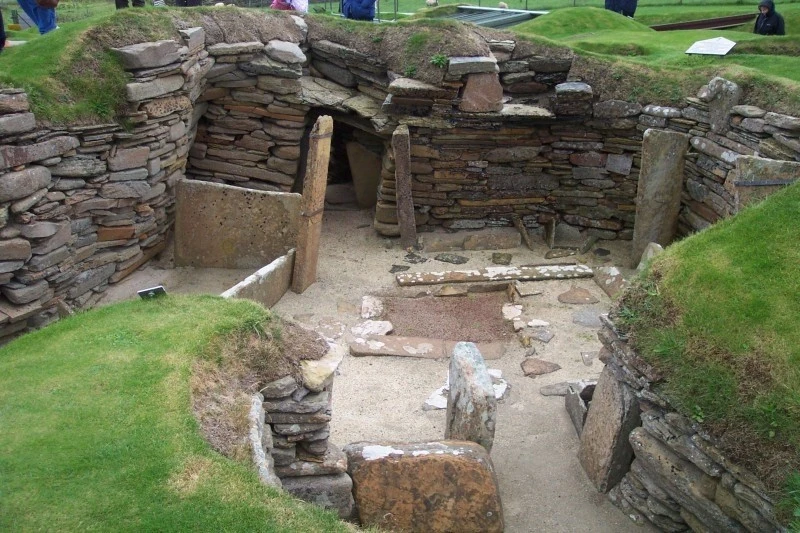
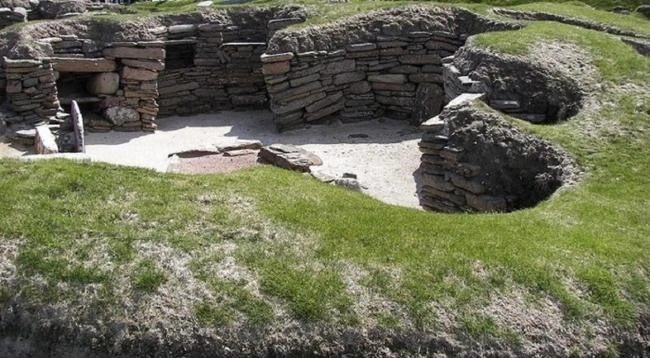
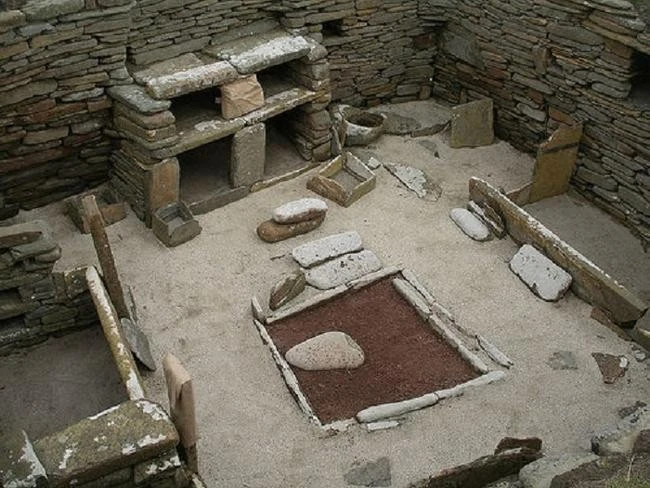
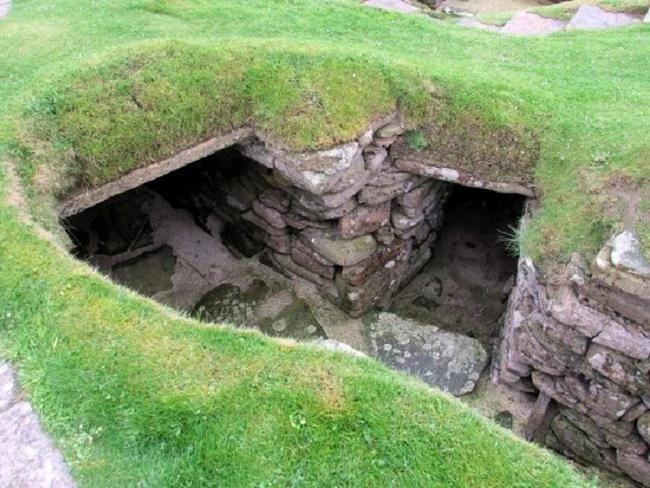
Skara Brae (9 Photos)
Archaeologists often uncover ancient treasures through precise calculations and satellite imagery 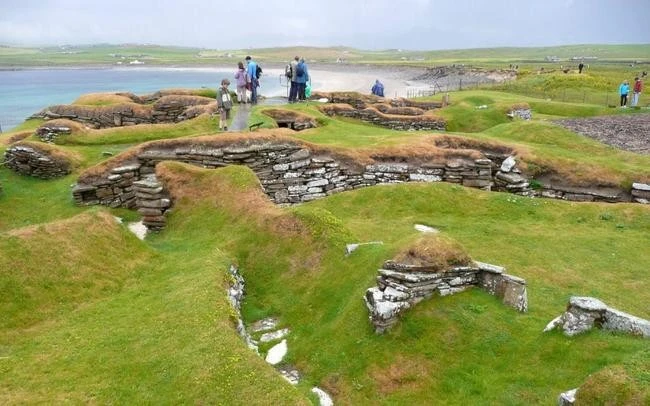
While archaeologists often uncover ancient treasures through precise calculations and satellite imagery, history is full of remarkable discoveries made by sheer luck. One of the most striking examples is Skara Brae, an ancient settlement unearthed on an island off the coast of Scotland.
Secrets of a Coastal Mound
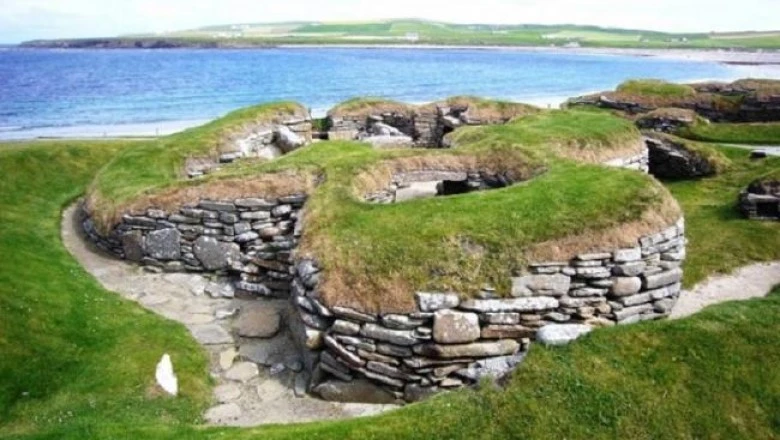
For thousands of years, an ordinary, unremarkable mound stood on Mainland, the largest island of the Orkney archipelago. Then, in 1850, a fierce winter storm stripped away the turf and eroded the soil, revealing strange stone structures underneath. The unusual sight caught the eye of local landowner William Watt.
As he cleared away the stone debris, Watt stumbled upon an intricate network of sandstone walls. It turned out that the mound was concealing a complex multi-room structure—he had uncovered four distinct houses.
At first, the discovery was largely dismissed. Archaeologists assumed it was just another Viking site, common enough across Britain. But after another severe storm hit in the 1920s, full-scale excavations began, completely altering our understanding of the location. The settlement proved to be far older than anyone had imagined. Today, we know it as the Neolithic village of Skara Brae—an extraordinary site older than the Egyptian pyramids.
Stone Age Comfort
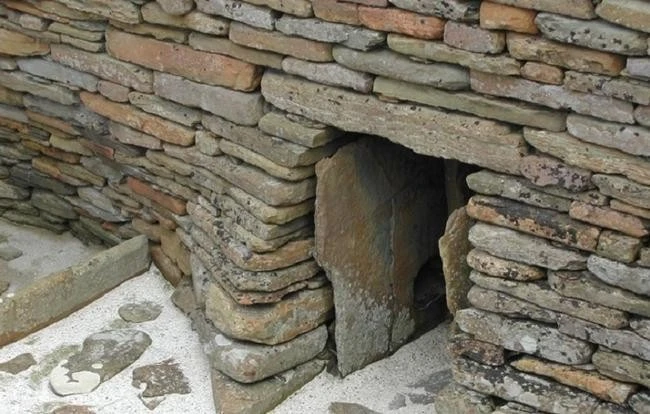
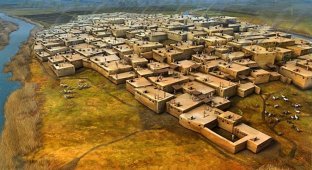
Built over 5,000 years ago, Skara Brae was inhabited for six centuries. The settlement consists of eight dwellings, partially sunken into the earth and connected by covered passageways. Archaeologists estimate that between 50 and 100 people lived here at any given time. Although the roofs—crafted from timber and whalebone topped with turf—vanished long ago, the stone structures themselves remain remarkably intact.
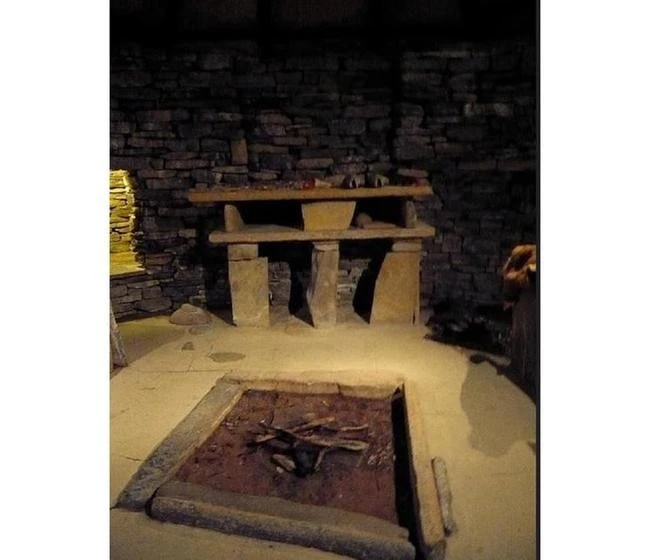
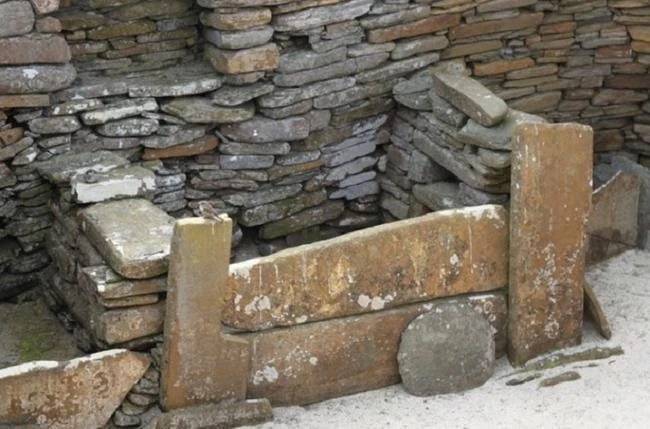
Since timber was scarce on the islands, everything inside was built from stone. The homes were fully furnished with stone dressers, storage chests, seats, and built-in beds. Remarkably, even the drainage and sanitation system was built from stone, giving these ancient homes a strangely rugged sense of comfort.
The villagers relied heavily on the sea. Beyond catching fish and gathering shellfish, they kept special stone tanks, likely used to keep fish alive. Around 2500 BCE, the inhabitants abandoned the settlement, possibly due to a shifting climate. Over time, parts of the site were swallowed by the ocean, while the rest was buried in sand, lying forgotten for millennia until chance brought it back to light.