6 Cute Cat Behaviors and Their Surprising Explanations (7 Photos)
Science suggests that many of the cute, touching things our cats do actually have completely unexpected—and often less-than-charming—explanations. 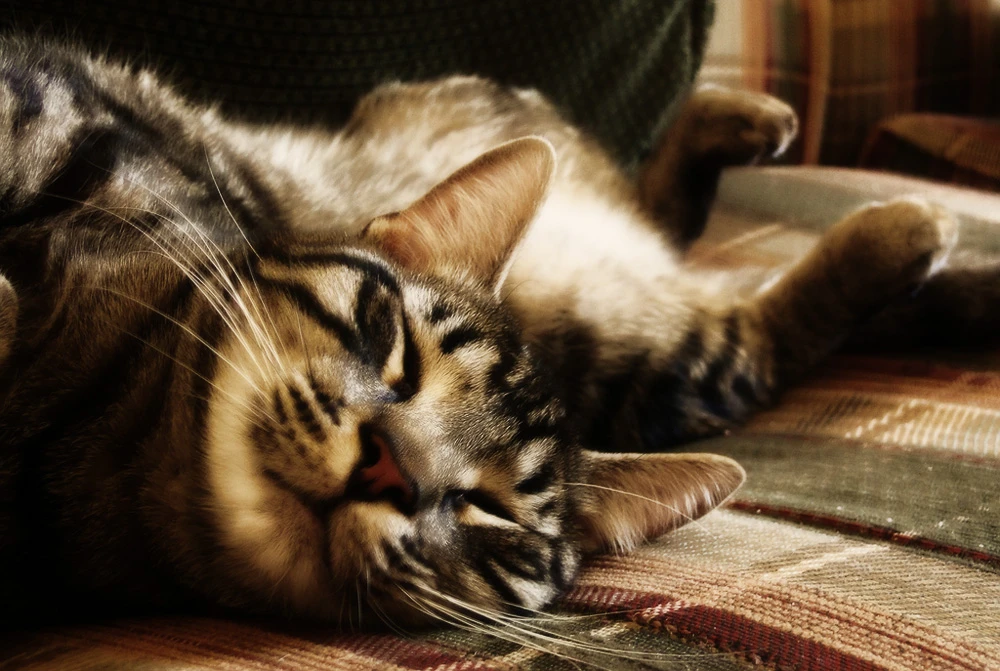
1. They Meow by Mimicking Human Babies Crying
Cats have plenty of ways to communicate, but when they want to tell us "I'm hungry" or "pet me," they usually default to meowing.
Unlike a dog’s one-dimensional bark, feline vocalizations can be tuned in pitch, tone, and volume, boasting an impressive range of melodies. Cats use this sophisticated toolkit for one main purpose: to manipulate us into giving them whatever they want. 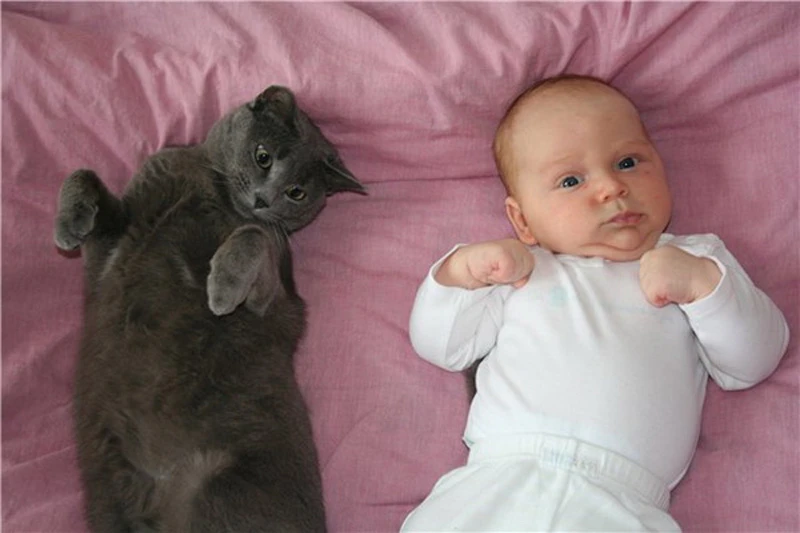
Research shows that humans subconsciously distinguish between a cat’s begging meow and its everyday vocalizations. Participants in studies who listened to cat recordings described soliciting meows as far more demanding and less pleasant than normal meows. That’s because when cats beg, they produce a sound that mimics the cry of a human baby.
Follow-up studies confirmed that when cats demand food or attention, the frequency of their meow closely matches that of an infant's cry. This is no coincidence—it’s pure feline evil genius.
Cats instinctively adjust their purrs and meows to exact frequencies that get their owners to jump to attention as quickly as possible. We end up obeying their demands like well-trained pets. It’s not just because the sound annoys us, but because our hardwired instincts compel us to feed anything that sounds like our offspring—even if it’s covered in fur and named Whiskers.
2. They Assert Dominance by Leaving Poop Out in the Open
One of the perks of owning a cat, compared to a dog or a horse, is that they naturally take to neat little litter boxes, saving their owners from daily walks. On top of that, cats instinctively bury their waste.
Contrary to popular belief, this isn't due to some obsessive obsession with cleanliness. It’s actually an evolutionary leftover from before cats were domesticated, back when the world was full of predators far scarier than a vacuum cleaner. 
By covering their waste, cats hid their tracks from larger predators. But there was another reason: burying poop helped them avoid challenging bigger, dominant cats to a fight. Sensible strategy.
In short, burying waste is a sign of submission to a larger animal. If a cat intentionally leaves a deposit right in plain sight—like on your welcome mat or your bed—without bothering to cover it up, that is an act of aggression. It means your cat considers itself the alpha, and you’re living on its territory under its rules.
In the mysterious world of feline politics, an uncovered pile is a smelly little flag marking territory boundaries. In the wild, apex cats leave these signals to warn others that a force to be reckoned with rules this turf.
The same logic applies under your roof. If your cat leaves its business out in the open, it considers itself the boss—and expects you to do the cleaning up. Which, let's be honest, you probably do.
3. They Rub Against You to Claim Ownership
Cats are hard to read. Unlike dogs, who jump for joy when you come home or slink away guiltily when caught digging through the trash, cats maintain an air of aloof indifference no matter what they’re feeling.
Even so, any cat owner will tell you that cats show affection by purring and rubbing their faces or bodies against your legs. It feels like a warm, loving hug from your furry friend. 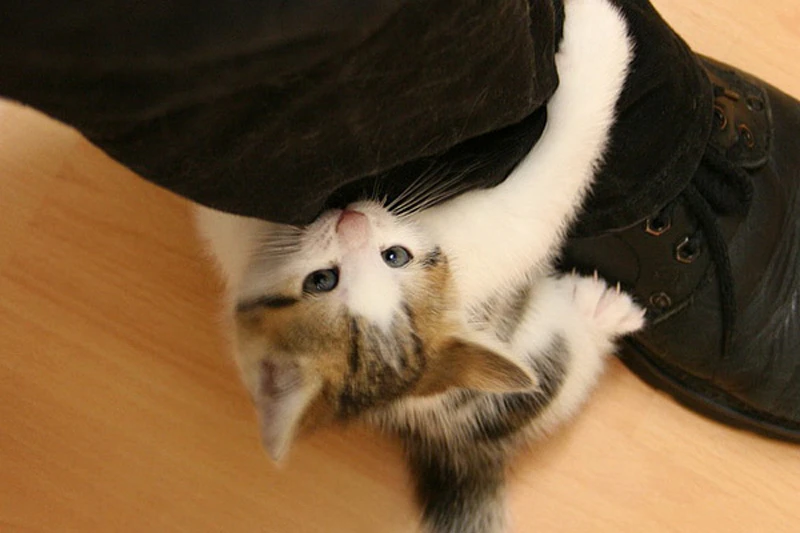
The catch? This behavior has very little to do with affection. It’s actually just your cat marking you as its property.
Like many animals, cats have scent glands that release pheromones, used to communicate things like identity, mating availability, and territorial claims to other felines. The key glands are located on their tails, flanks, and cheeks. When a cat rubs against your legs or nuzzles your hand, it’s slathering you in its scent markers.
Sad as it sounds, what you thought was a cuddle is closer to a gang tattoo. To other animals, it’s a clear sign that you’ve already been claimed. The scent message essentially translates to: "Property of Fluffy" paired with "Single 3-year-old Siamese seeking intact male for good times."
4. They Imitate Snakes to Scare You Off
Anyone who has ever witnessed a cat fight knows the chilling noises these cute animals can make. Aside from guttural yowls, the confrontation always includes a menacing hiss.
Scientists explain that when a cat flattens its ears, bares its fangs, and hisses, it’s actually mimicking a creature most predators actively avoid: a snake. 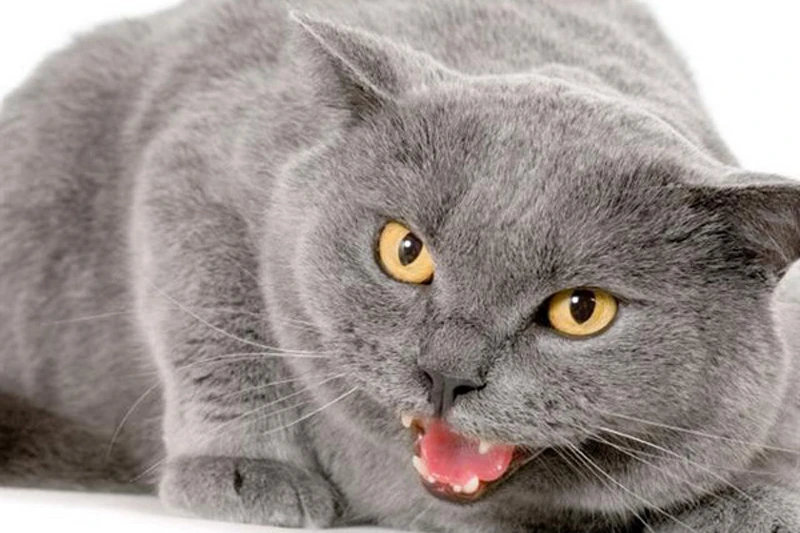
Like many species in the animal kingdom—from spiders to birds—cats instinctively rely on evolutionary mimicry to deter attackers. When threatened, a cat attempts to trick its opponent by pretending to be a far more dangerous creature.
5. They Obsessively Try to Wash Off Your Smell
Think your cat is just obsessed with hygiene, constantly grooming and sprucing up?
Have you ever noticed how frantically it starts licking itself right after you pet it? Did you touch it with greasy hands, or is it allergic to something?
Nope. It’s simply trying to scrub off your smell. 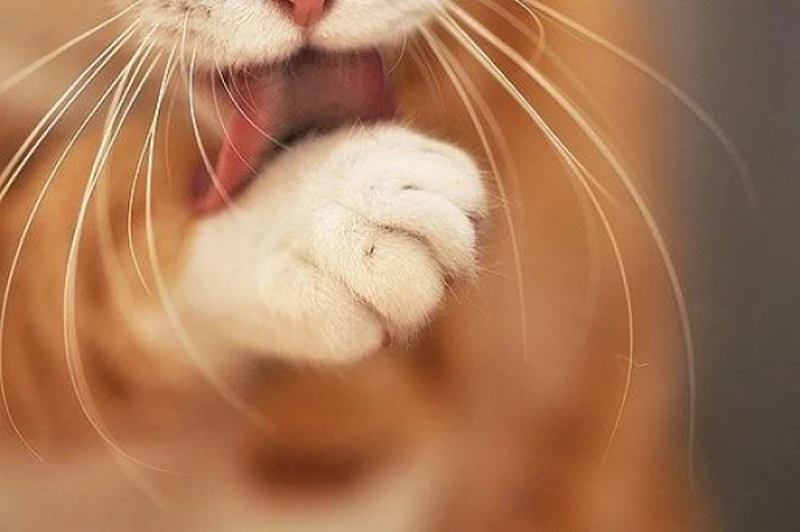
By grooming, cats stimulate their skin glands, releasing their own natural scents. This neutralizes your human smell and restores their own preferred odor.
Cat owners also know what happens when a guest comes over. There's a good chance the newcomer’s shoes or clothes will get sprayed. It’s the exact same drive at work: an urge to eliminate unfamiliar scents from their home territory.
6. They Bring Home Dead Animals to Show Off Their Hunting Skills
At heart, cats are natural predators. Mice, birds, and exposed ankles frequently fall victim to one of the few species on Earth that hunt purely for fun.
That’s why cat owners periodically receive gruesome little gifts. Your cat might drop a bloody bird into your shoe and wait around for you to devour the feast. 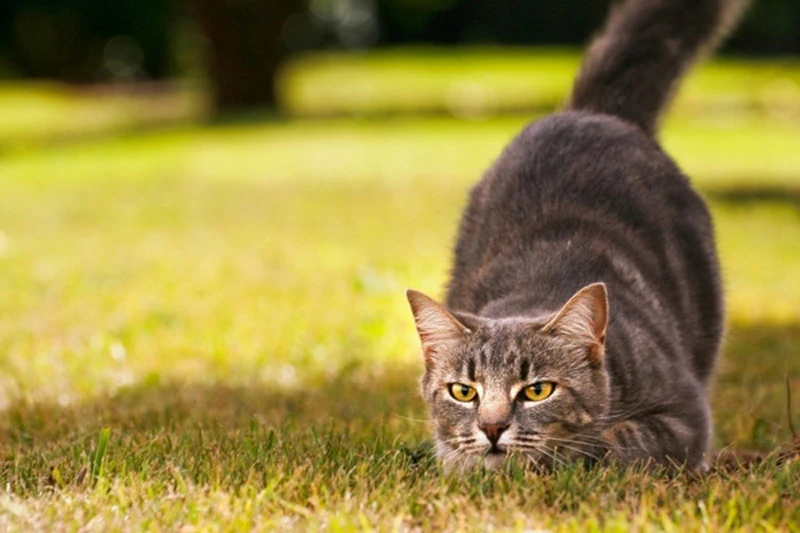
Most cat lovers will agree that even if a cat is completely stuffed, it won’t pass up the thrill of catching something that flies or scurries past.
Once the prey is secured, the cat proudly delivers it to whoever it considers the pack leader—you. Sounds logical, right? But that’s only half the story.
That half-eaten rodent on your pillow isn't just a present—it's an educational intervention. Mother cats bring dead or injured prey to their kittens to teach them how to hunt and feed themselves.
Your cat has simply noticed your total lack of basic survival skills and complete inability to catch your own food. So, it's trying to teach you as if you were a helpless kitten. That’s all there is to it.