A convicted murderer stood on the scaffold three times; three times the noose was tightened around his neck, and three times the trapdoor failed to drop. British justice finally relented and spared his life. He went on to become an Edwardian celebrity before vanishing into thin air, only for historians to discover his grave in Wisconsin half a century later. 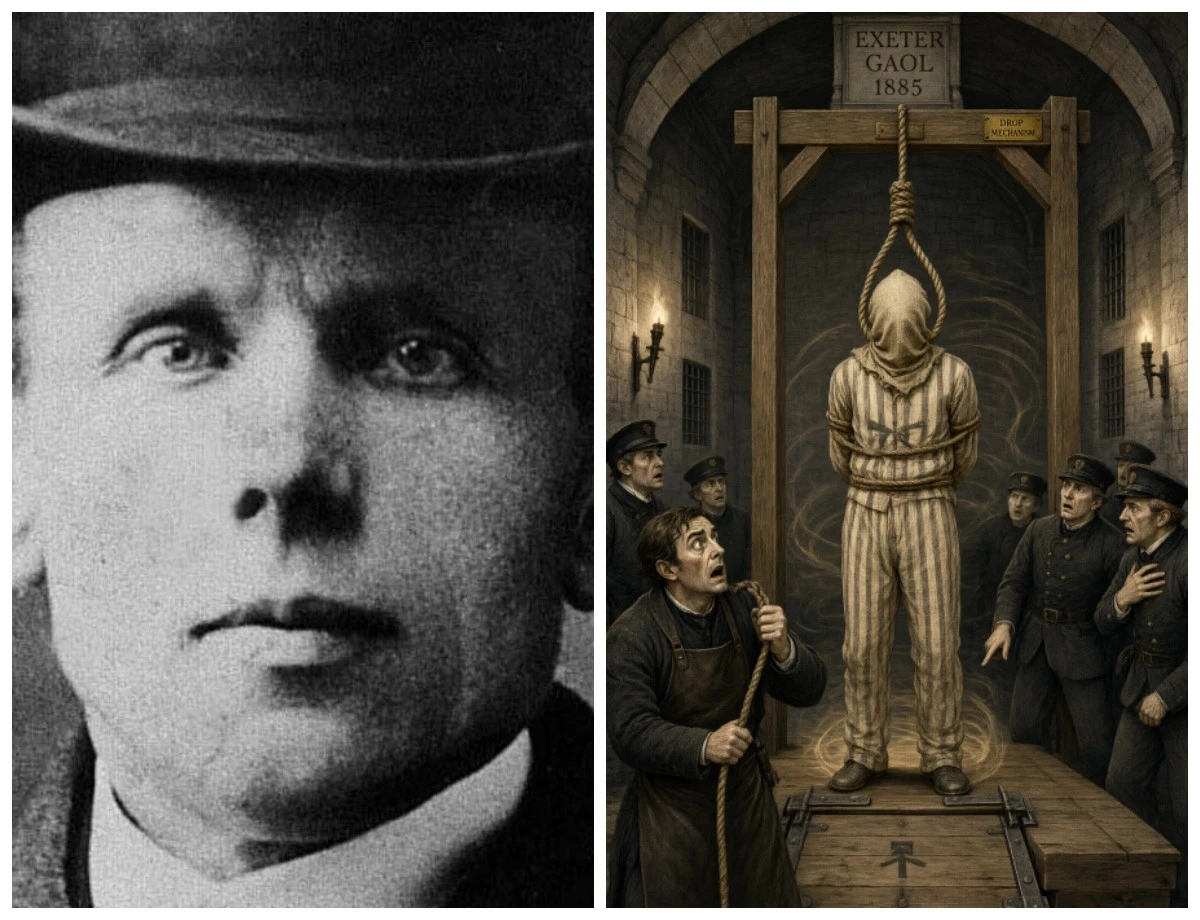
Early on the morning of February 23, 1885, twenty-year-old John Henry George Lee was led through Exeter Prison with his hands bound, heading toward the gallows. He had been convicted of murdering Emma Keyse, an elderly woman who had taken pity on him after a previous stint in prison for theft and hired him as a servant. She was found in her home, beaten with her throat cut; her body had been doused in paraffin and set ablaze. 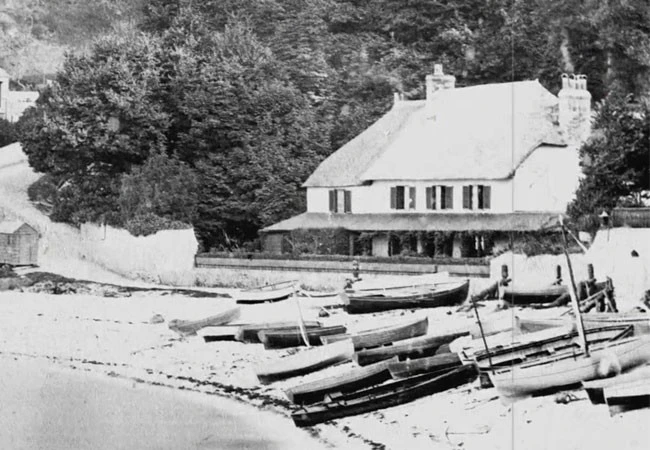
The home of Emma Keyse
From day one, Lee maintained his innocence. The trial lasted three days, with the prosecution’s case relying entirely on circumstantial evidence: he was the only man in the house at the time; he had an unexplained cut on his hand; and a witness claimed to have heard him threaten to "burn the place to the ground." The jury deliberated for just forty-five minutes before returning a guilty verdict.
When the judge asked why he remained so composed, Lee replied, "I am calm because I put my trust in God. God knows I am innocent."
On the day of the execution, executioner James Berry tested the mechanism. Everything worked flawlessly. Lee was stepped onto the trap, the noose adjusted, and the hood drawn over his head. Berry pulled the lever. The trapdoor didn't budge. 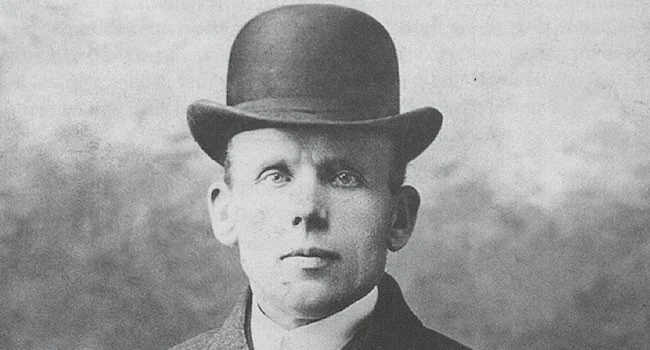
John Lee
Wardens began jumping on the trapdoor boards, which yielded a mere fraction of an inch before jamming completely. Lee was moved aside. A carpenter filed down the wood, tapped the frame, and retested the mechanism. The trapdoors swung freely. Lee was placed back on the scaffold. Berry pulled the lever again. Once more, the trapdoor failed to drop.
The third attempt yielded the exact same result. By then, the prison chaplain had recited the last rites four times. The medical officer refused to participate any further, prompting the deputy sheriff to call off the execution.
Home Secretary Sir William Harcourt commuted the death sentence to life imprisonment, remarking, "It would shock the feelings of anyone if a man had to suffer the agony of impending death twice." 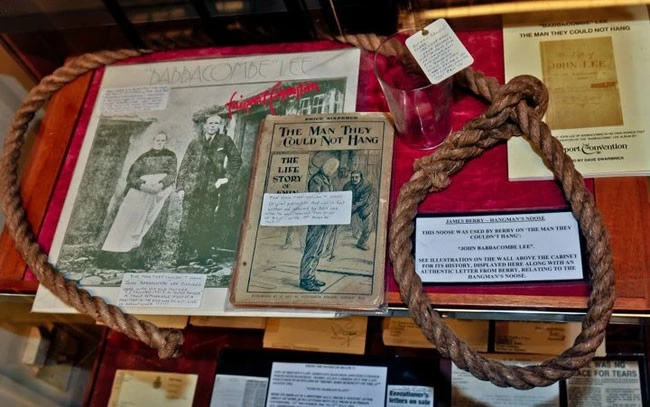
The actual noose intended for John Lee, on display in the "Crime Through Time" collection at Littledean Jail
An inquiry revealed that when the gallows had been dismantled and reassembled years earlier following a relocation, an iron locking bolt had been misaligned by less than an inch. Under Lee's weight, the hinges pressed down on the bolt, causing it to jam. Berry complained in his report that the timber and ironwork were ill-fitted: "When a man of Lee's weight stands upon the trap, the iron catches lock instead of releasing."
Lee served twenty-two years. Released in 1907 at forty-two, he embarked on a nationwide speaking tour recounting his miraculous survival. "The Man They Couldn't Hang" became an Edwardian sensation, even inspiring a silent film. In 1909, he married a respected nurse named Jessie Augusta Bullied, and a year later, the couple welcomed a son.
And then he vanished.
In February 1911, Lee boarded a transatlantic steamer in Southampton bound for America. He left with a woman named Adeline Gibbs, who had abandoned her own husband and registered on the passenger manifest as "Jessie Lee." For a few weeks, Lee sent money home before writing to say he could no longer support them. Jessie was pregnant with their second child. Shortly after giving birth to a daughter, Evelyn, the abandoned mother and her two young children ended up in the Lambeth Workhouse. 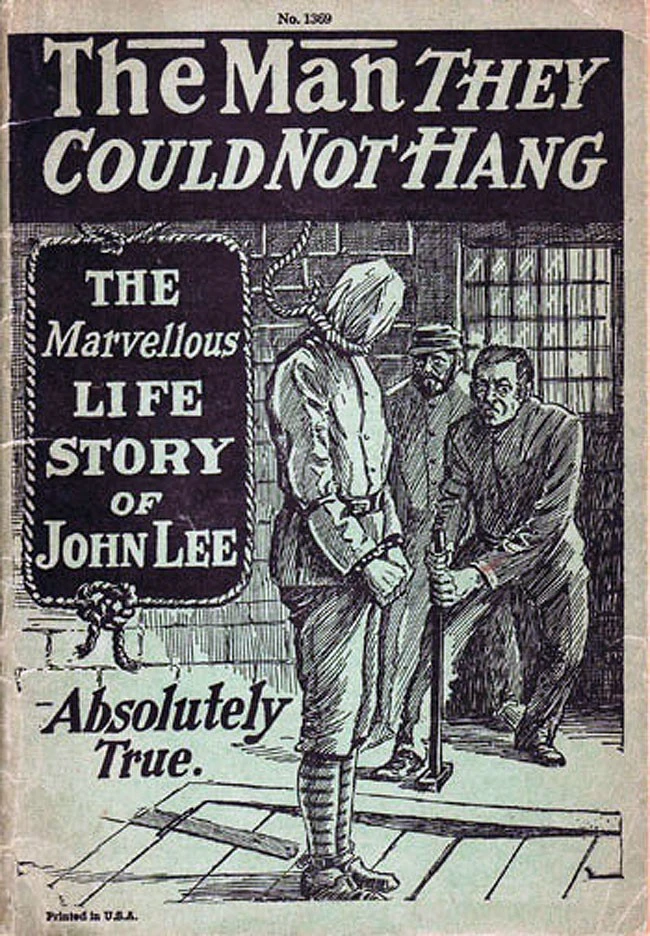
Lee and Adeline settled in Milwaukee. In 1914, Adeline gave birth to a daughter—also named Evelyn. In October 1933, nineteen-year-old Evelyn, who had been working for a week as a maid for Dr. Arthur Kovacs, was found dead on his bathroom floor. She had been cleaning curtains and inhaled fatal naphtha fumes. It was ruled a tragic accident.
A few newspapers erroneously reported that John Lee himself had died, though he would go on to live for another twelve years.
Records from Forest Home Cemetery show that Lee purchased three burial plots in 1937. On March 19, 1945, he passed away at the age of eighty and was laid to rest beside Evelyn. His "widow" reportedly continued living in their home at 454 East Holt Avenue. Adeline passed away in 1967 and was buried alongside her daughter and Lee. 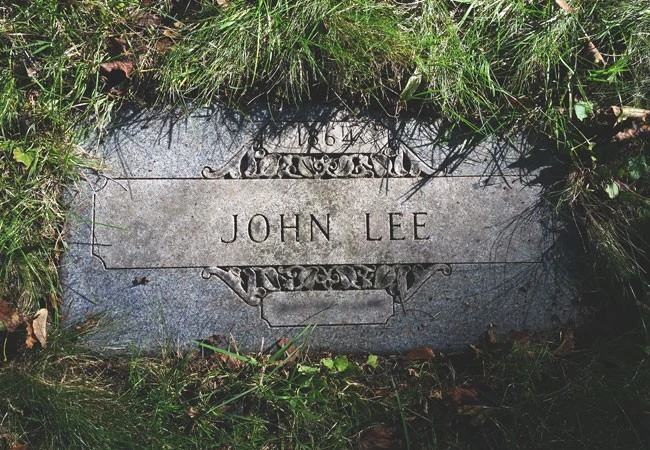
The grave of "The Man They Couldn't Hang" at Forest Home Cemetery, Milwaukee
To the end of his days, Lee insisted on his innocence. He later claimed that his sister Elizabeth had made a deathbed confession of the murder to a Salvation Army officer named Major Pearson. However, researchers have found no record proving such an officer ever existed.
Who actually killed Emma Keyse remains a mystery to this day. The prosecution's case against Lee was laughably weak, but police thoroughly investigated his story about "another man in the house" and dismissed it as pure fiction. Some suspected he was covering for his pregnant sister; others pointed to his defense attorney, Reginald Templer, who took the case the morning after the murder with suspicious haste, only to later lose his mind and die young, muttering about a killing.
Yet all of this remains mere speculation. Only one thing is certain: the state set out to execute a man, the gallows refused to cooperate three times in a row, and the man lived another sixty years—crossing an ocean, changing his identity, and quietly dying of old age.
Add your comment
You might be interested in:













Half-Life played on an old Nokia phone

A Half-Life fan created a working massager in the shape of

The Adventures of John Rambo in Half-Life 2
An empty building in the center of Manhattan that brings in

In the Netherlands, a policeman chased a spy ball (3 photos)

Photos of Haiti in the 1960s–1980s (20 photos)

A Half-Life fan made a headcrab-shaped neck massager (4

Joust's tournament

Japanese man conquers mountains in a three-piece suit to

A single gesture that made someone’s day: a man gives a

How Rowan Atkinson transforms into Mr. Bean

A clear demonstration of the difference between a $1, $5,

Top 10 Foods That Lower Blood Pressure (11 photos)

An American man reveals a bunker he spent 3 years preparing

Witches on roller skates—brooms included

An orchestra plays a prank on their conductor during his

A dad made a realistic WALL-E costume for his daughter

17 Photos of Famous People Goofing Off Like Kids (18 photos)
