The Stoat: The Creature That Gets Pregnant as an Infant (10 Photos)
Picture a newborn kitten: eyes shut tight, wobbly little paws, and barely a patch of fuzz to call fur. Its entire life revolves around three things: sleeping, nursing, and squeaking when things go wrong. Obviously, it’s light-years away from parenthood—it’s just trying to survive until tomorrow! 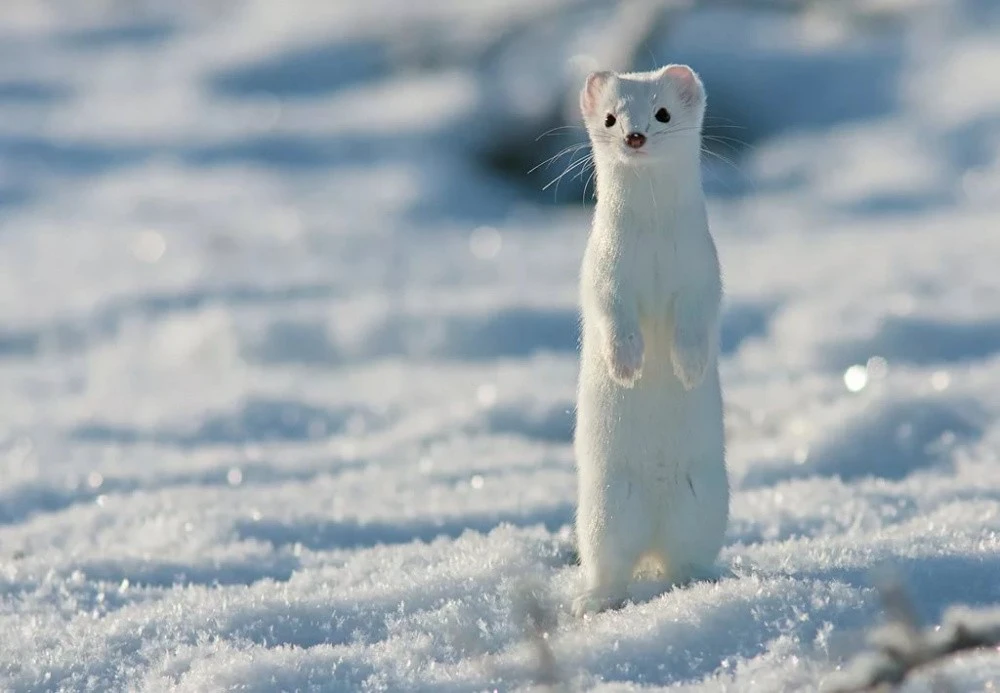
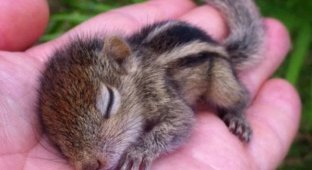
Stoats, however, clearly didn't get the memo. Female stoats can become pregnant when they're just two to three weeks old. They're still blind, completely helpless, and haven't even left the den yet. But mother nature is already prepping them to reproduce... 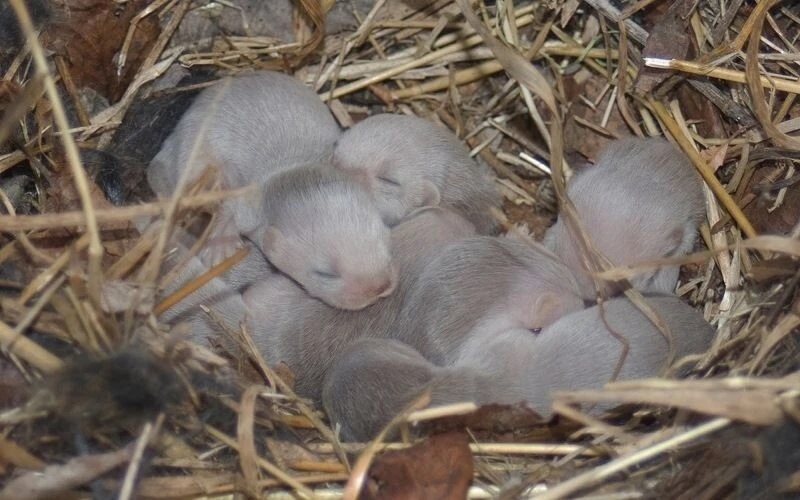
Just born and already expected to start a family :((
First, let's meet our main character. The stoat (or ermine) is a small predator from the mustelid family—basically a furry sausage with legs, razor-sharp teeth, and the attitude of a raving berserker. They usually weigh between 100 and 300 grams, though size varies depending on sex and habitat. They are found across northern Eurasia and North America. In summer, the stoat sports a brown coat, but in cold, snowy regions during winter, it swaps this for a snowy white fur. The only constant is the jet-black tip of its tail. It’s precisely this luxurious winter coat that made the ermine a favorite among royalty and luxury lovers for centuries. 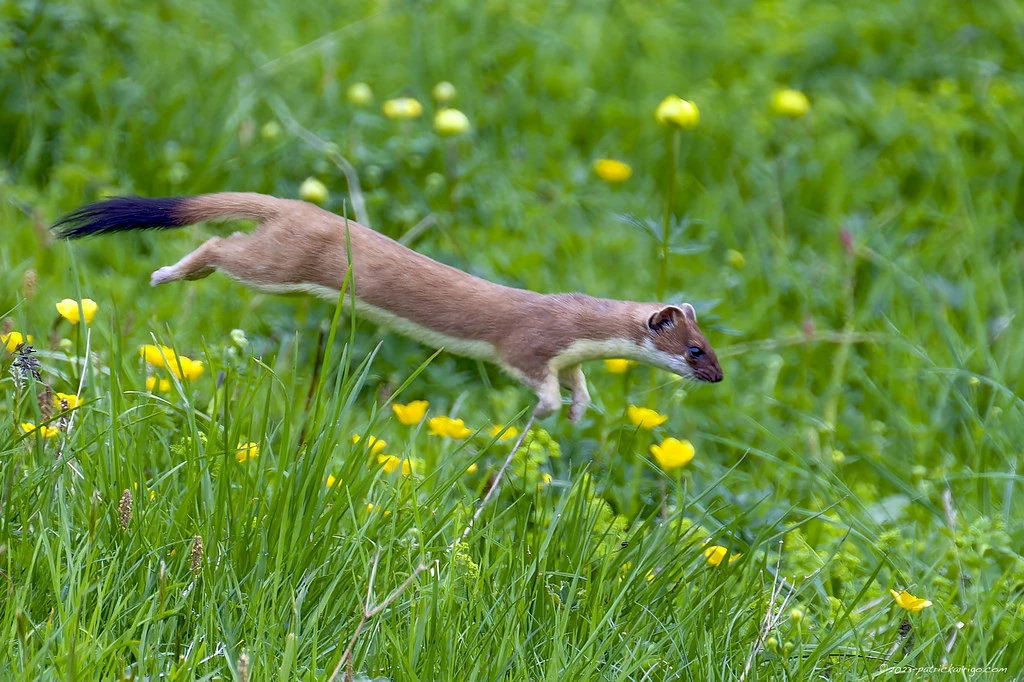
A stoat in summer. 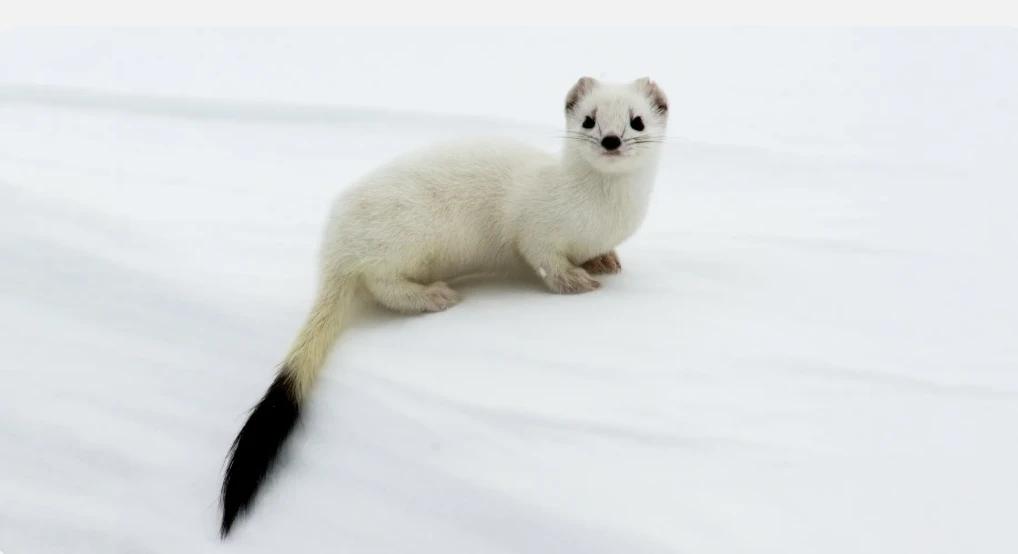
A stoat in winter.
Yet behind this regal exterior lies a ruthless killing machine. Stoats specialize in hunting mice and voles, chasing them right down into their underground burrows. Given the chance, they won't pass up a bird, eggs, or a baby rabbit. In fact, this pocket-sized killer is capable of taking down prey far larger than itself. 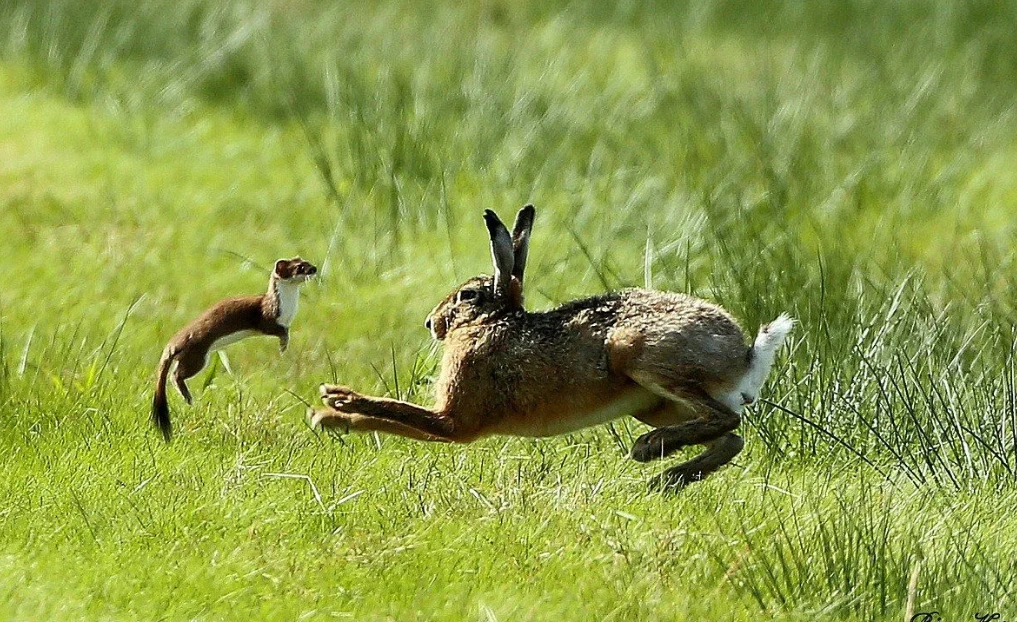
For instance, stoats can easily bring down rabbits five to six times their own size.
However, the most mind-boggling things happen not during the hunt, but in the creature's love life. While male stoats reach sexual maturity at around one year old, females manage to get started almost right out of the womb. Cases of successful mating have been documented in females as young as 17 to 20 days old. Adult males will invade dens where mothers are raising kits and mate with the tiny infant females. Yes, it sounds completely wild, but scientists have actually observed this behavior and studied embryo development in these remarkably young females. 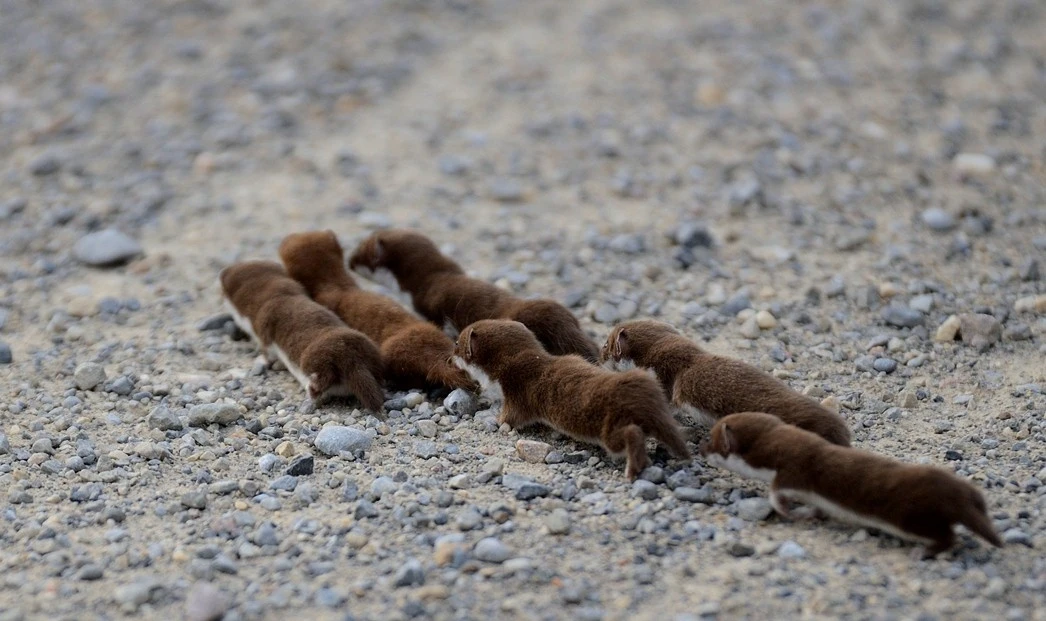
When playing house goes way too far.
This naturally raises a question: how can a creature that can barely walk—and hasn't even opened its eyes yet—become pregnant? It's literally an infant! Is a tiny baby stoat forced to give birth while she's still the size of a cucumber? Thankfully, no. Nature pulls an absolute ace out of its sleeve here: stoats can put their pregnancy on pause for a staggering 8 to 10 months! 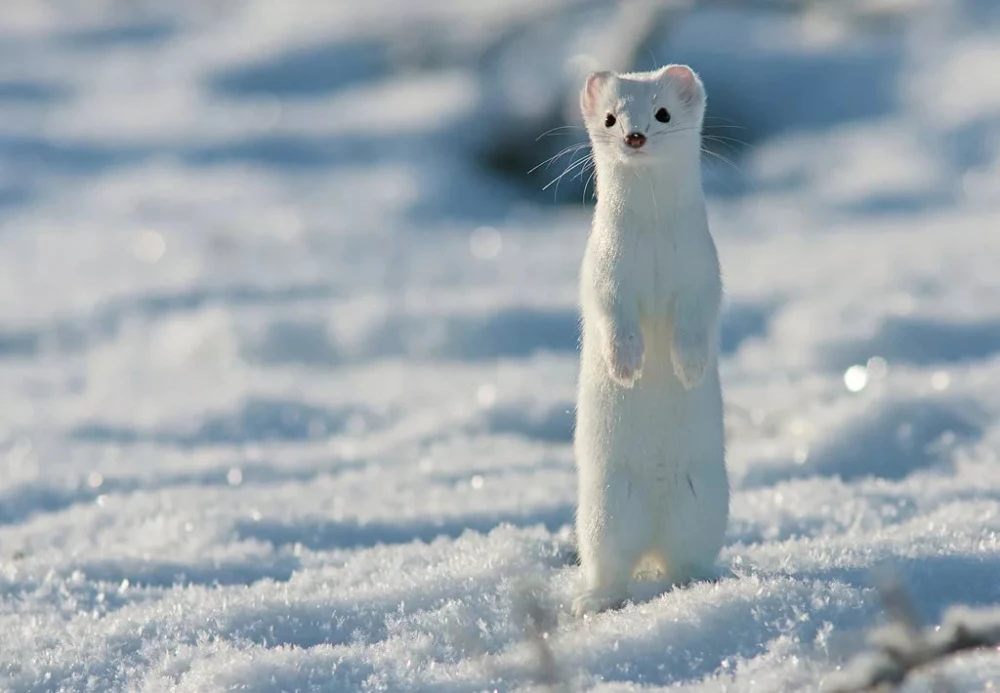
“Come on, Mom, he’s only a year older than me!”
This phenomenon is known as embryonic diapause, or delayed implantation. After fertilization, the embryo starts dividing into a microscopic ball of cells—a blastocyst. But instead of implanting into the uterine wall and continuing to grow, it simply hits pause. One month passes, then two, then three. The young female has time to grow up, learn to hunt, leave her mother's den, and strike out on her own. Autumn comes, then winter, while her future offspring remain frozen at the earliest stage of development. 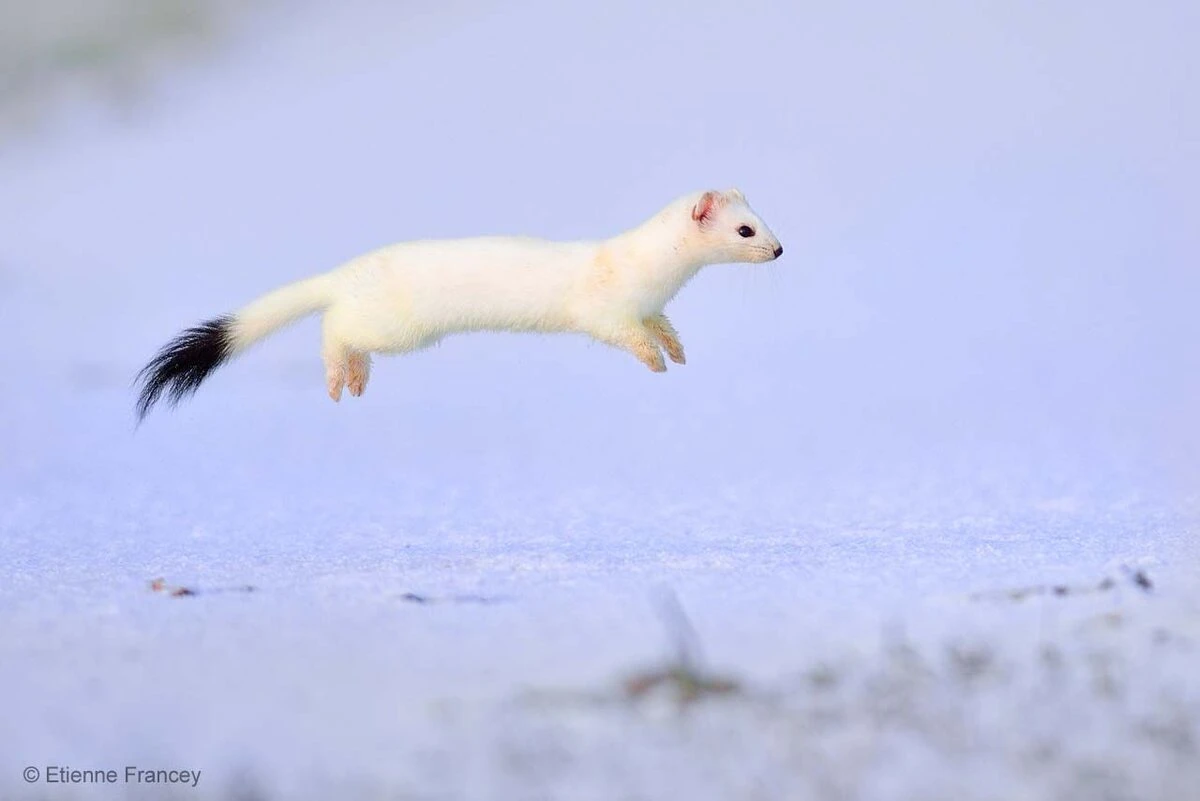
“Honestly, I'm so over him! Living my best life now.”
Only as spring approaches do the embryos finally implant into the uterus and resume rapid growth. About four weeks later, a new generation of stoats is born. It creates a mind-bending scenario: a female can mate when she is just a baby, but won't actually give birth until she is almost a year old. For most of that time, she carries dormant embryos inside her. 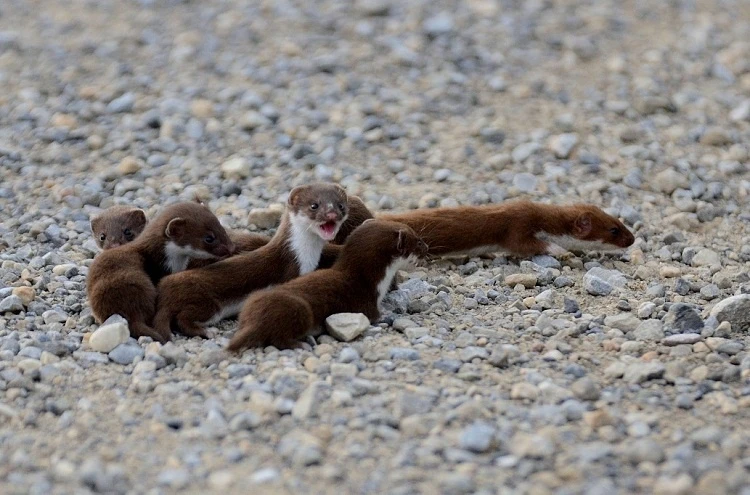
“Mom, is it true Dad's an astronaut who went to Jupiter to get milk?”
Why would evolution come up with such a bizarre pregnancy schedule? It actually makes perfect sense. Stoats live in regions with harsh seasonal changes, and winter is the worst time to bring tiny, helpless predators into the world. Thanks to delayed implantation, stoats can mate in spring and summer but hold off on giving birth until the following spring. That leaves them with months of warm weather for the kits to grow strong and learn to hunt. Add in the fact that stoats have brief lifespans—often lasting only a year or two in the wild—and early mating allows the species to quickly replenish its numbers. 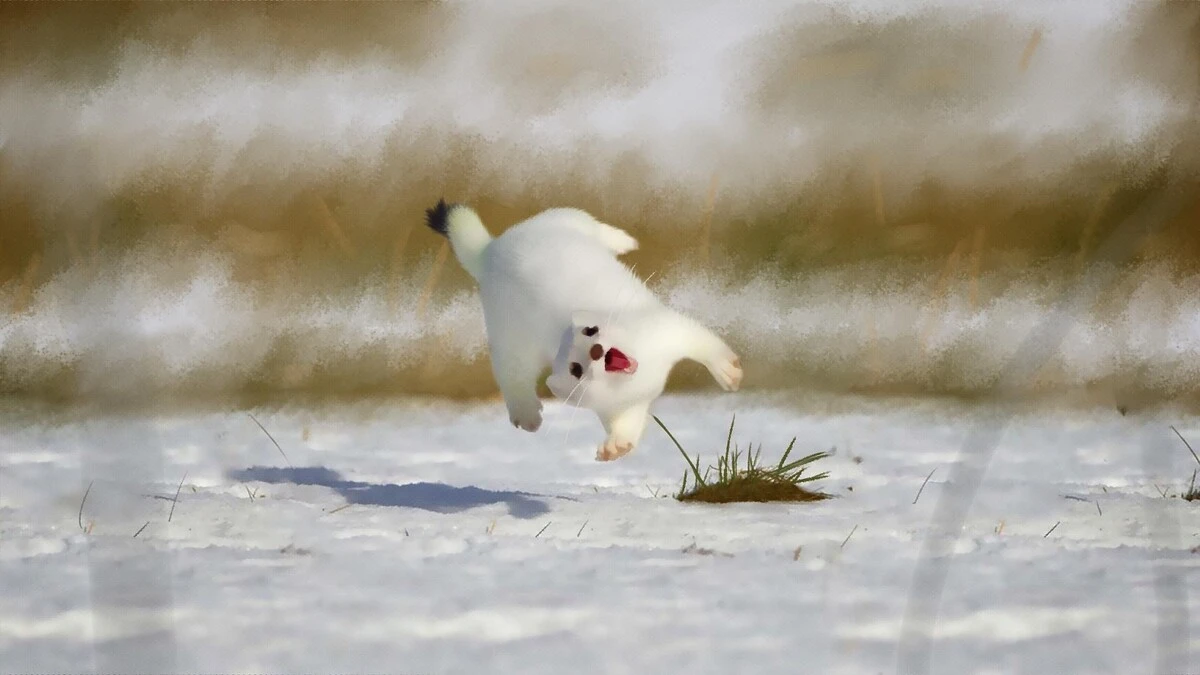
Party like there's no tomorrow!
Of course, stoats aren't the only animals capable of putting embryo development on hold. Badgers, martens, wolverines, and even roe deer use similar mechanisms. But stoats take the combination of infant mating and delayed pregnancy to an absolute extreme. So while human babies at three weeks old are just learning to focus on their mother's face, a baby stoat might already be carrying her future litter. At least she doesn't have to deliver right away.