Behind the Scenes of 'Ghost': How the Classic Film Was Made (31 Photos)
In 1990, *Ghost* hit theaters and instantly became a massive blockbuster. 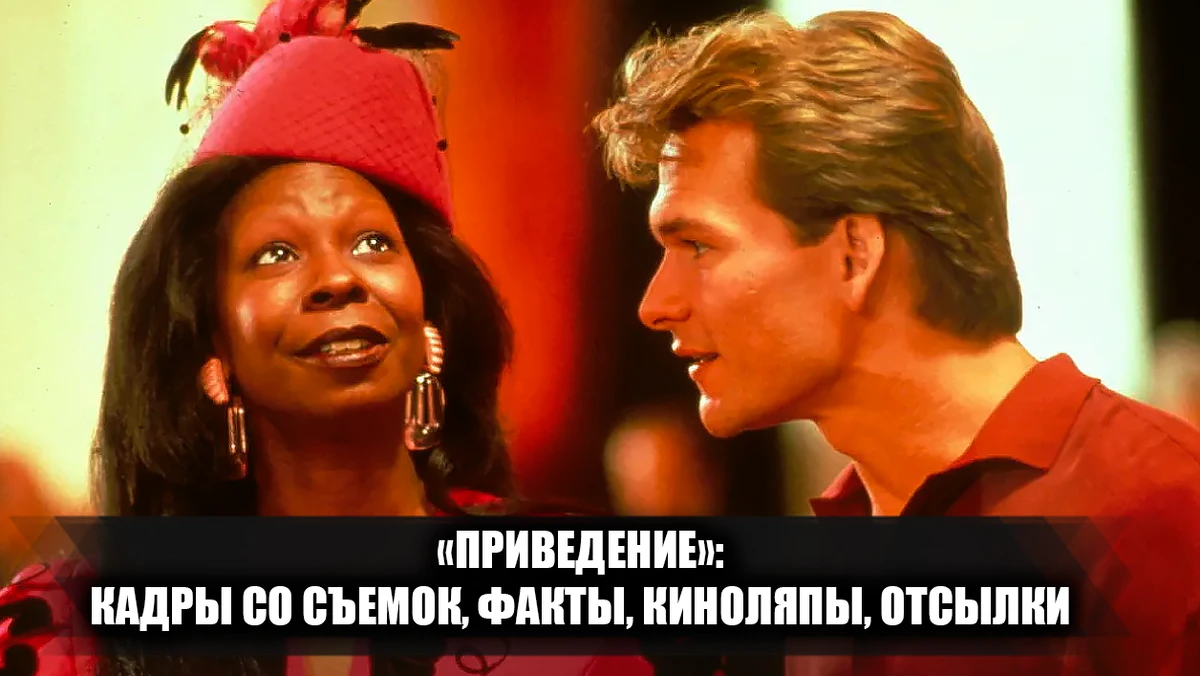
Today, I’d like to take a look behind the scenes of *Ghost*, share some rare set photos, and break down a few absurd plot holes and movie mistakes along the way.
1. The screenplay was written by Bruce Joel Rubin, who drew inspiration from Shakespeare's *Hamlet*—specifically the iconic scene where Hamlet speaks to his father's ghost. 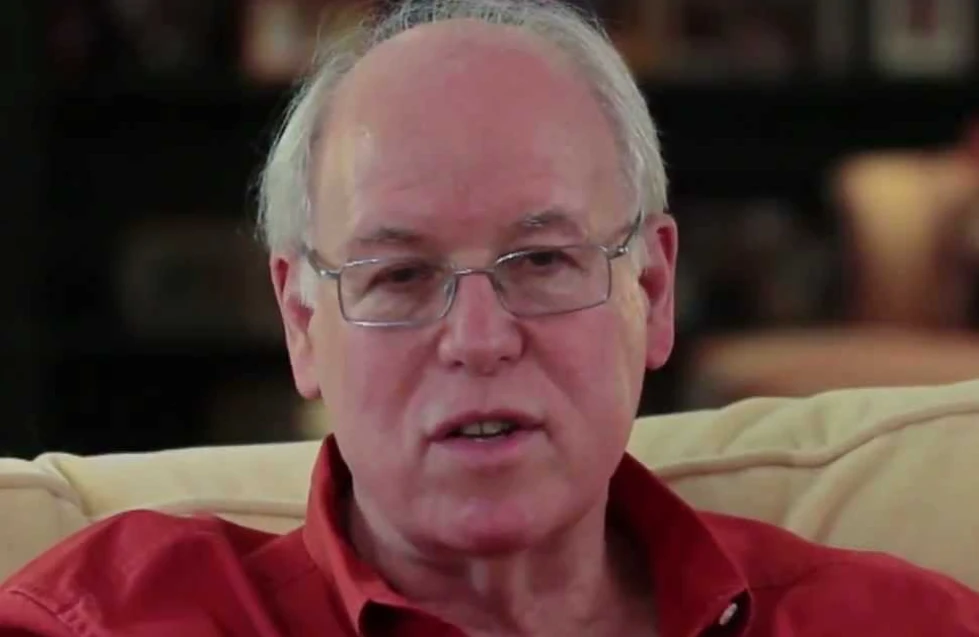
In 1984, he drafted a script centered on a protagonist who becomes a ghost. But unlike Hamlet's father, he doesn't ask someone else to avenge him; he tries to take matters into his own hands—with a little help from Oda Mae Brown, a hilarious psychic. 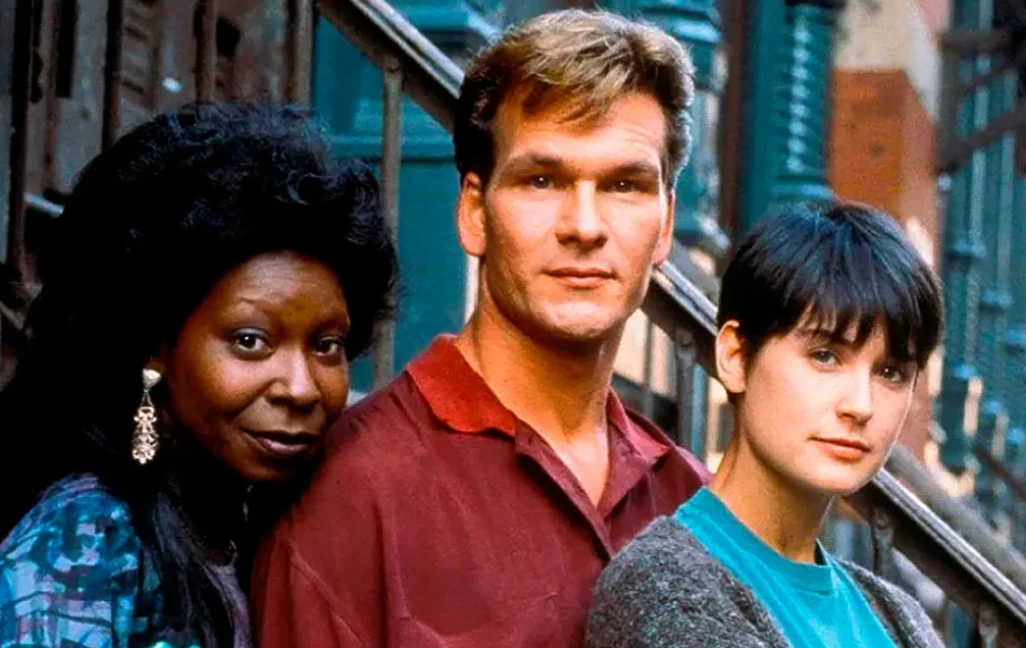
However, studios initially turned Rubin down, writing off the script as overly sentimental or even childish. But Rubin didn't give up. When he pitched it to Paramount Pictures, executives loved the concept and greenlit the project. 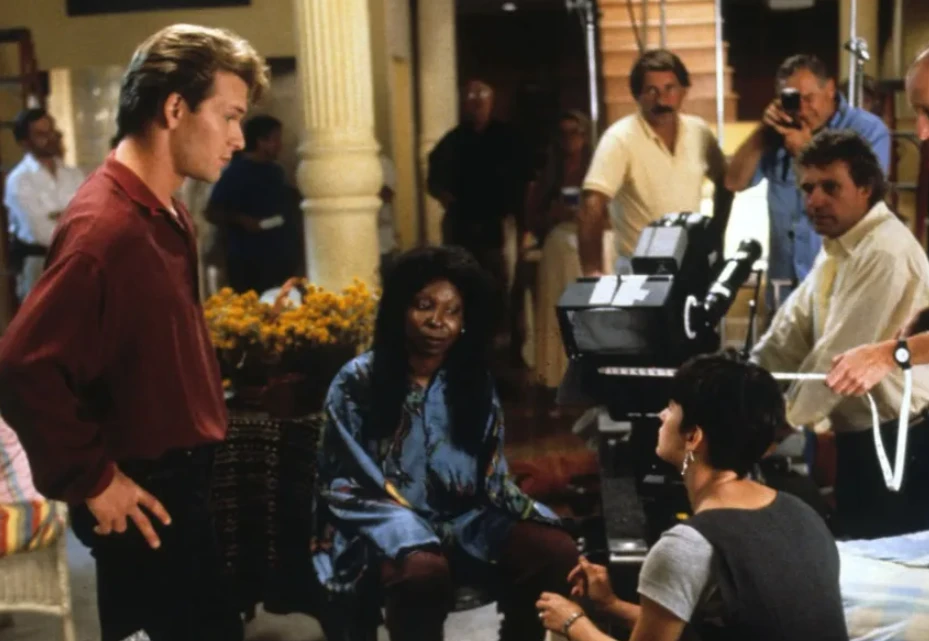
2. Jerry Zucker took the director's chair—a surprisingly bold choice, given that Zucker was known primarily for slapstick comedies and parodies. 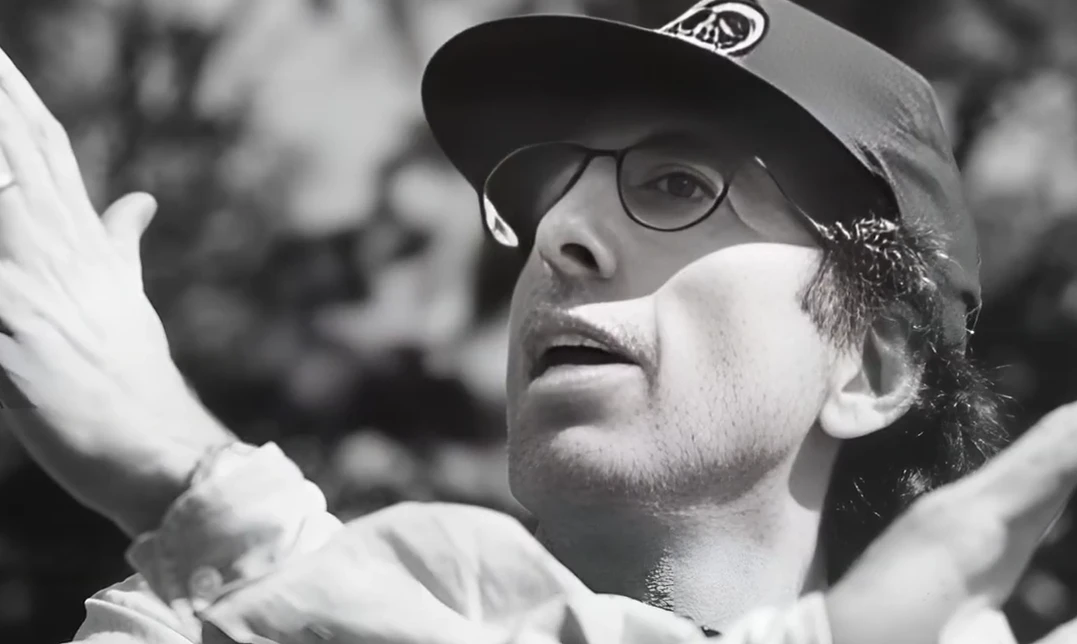
Along with his brother, he was behind iconic spoofs like *Airplane!* and *The Naked Gun*. Despite his comedic roots, Zucker handled the dramatic story brilliantly. 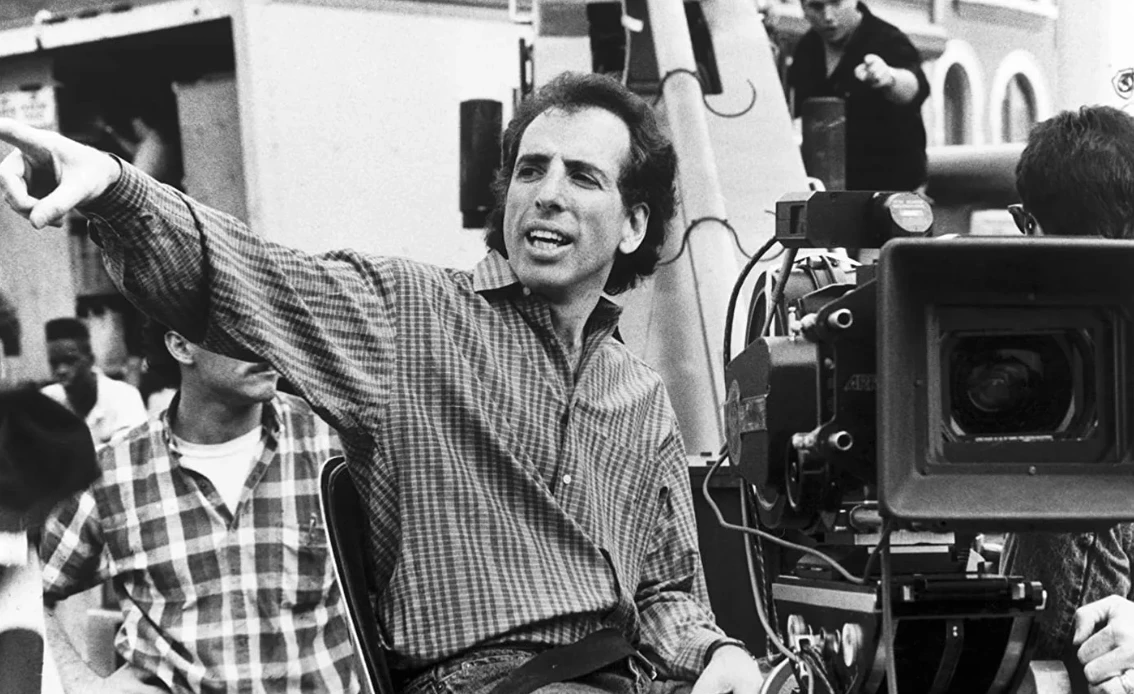
Screenwriter Bruce Joel Rubin later admitted he broke down in tears when he heard a comedy director was taking the helm, convinced his vision was about to be flushed down the drain.
3. The original script was far too grim, so Jerry Zucker and Bruce Joel Rubin worked together to rewrite it, striving for a delicate mix of supernatural thriller, romance, drama, and comedy. It took 19 drafts to hit the sweet spot, but the effort paid off—Rubin went on to win an Academy Award for Best Original Screenplay. 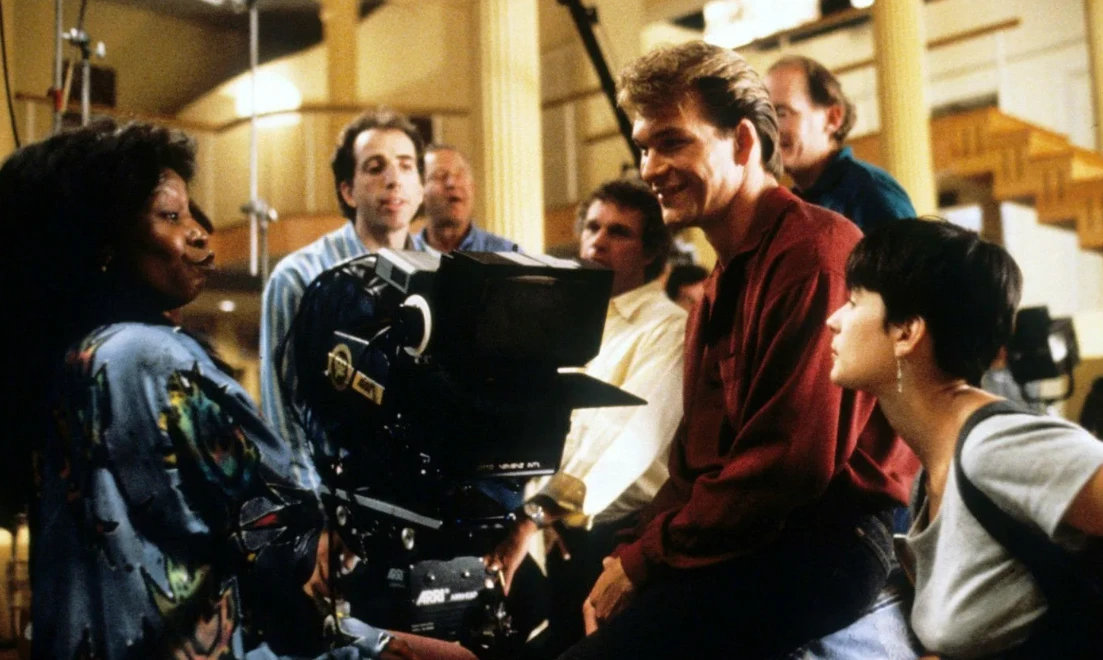
4. Many Hollywood stars auditioned for the lead role of Sam Wheat, including Tom Cruise and Alec Baldwin. The part was also offered to Bruce Willis, who turned it down after reading the script. Frankly, it’s hard to imagine Willis in the role anyway. 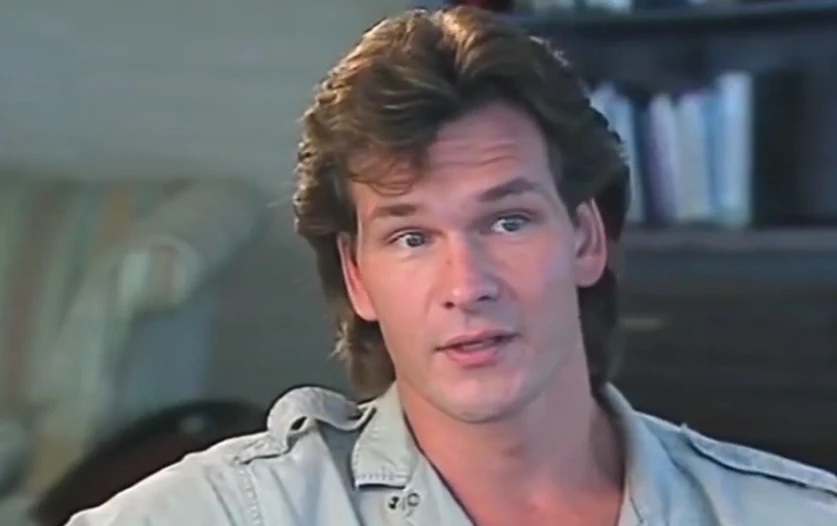
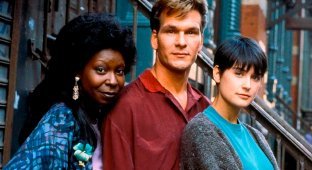
Rubin championed Patrick Swayze for the role after seeing him tear up in an interview while talking about his late father. Rubin realized Swayze wasn't just the tough guy from *Road House* or the heartthrob from *Dirty Dancing*, but a deeply sensitive actor. 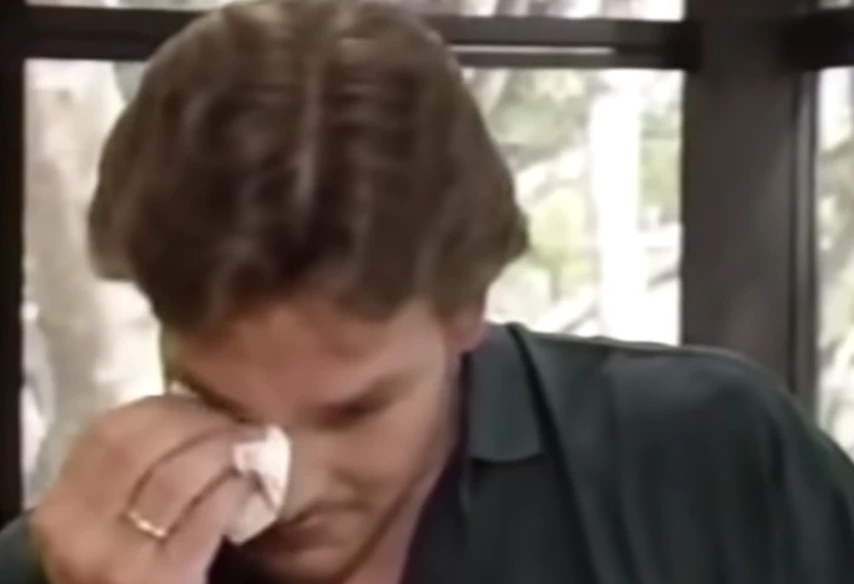
Zucker was initially skeptical—especially after watching *Road House*. But Swayze begged for an audition, and his emotional read was so powerful that Zucker himself was moved to tears. 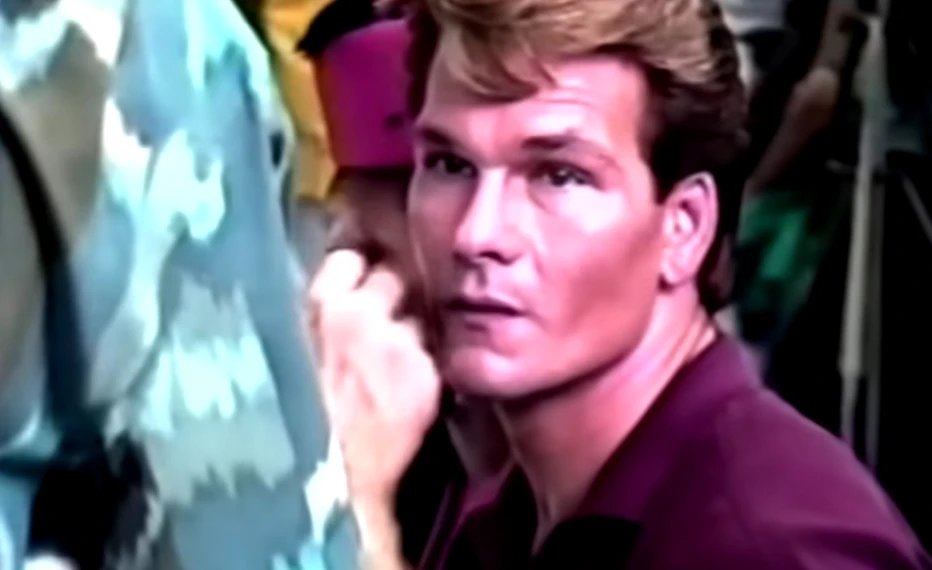
5. A long list of leading ladies auditioned for Molly, including Nicole Kidman and Julia Roberts, but the role ultimately went to Demi Moore. Like Swayze, Moore possessed the rare ability to cry on cue, which won the director over. 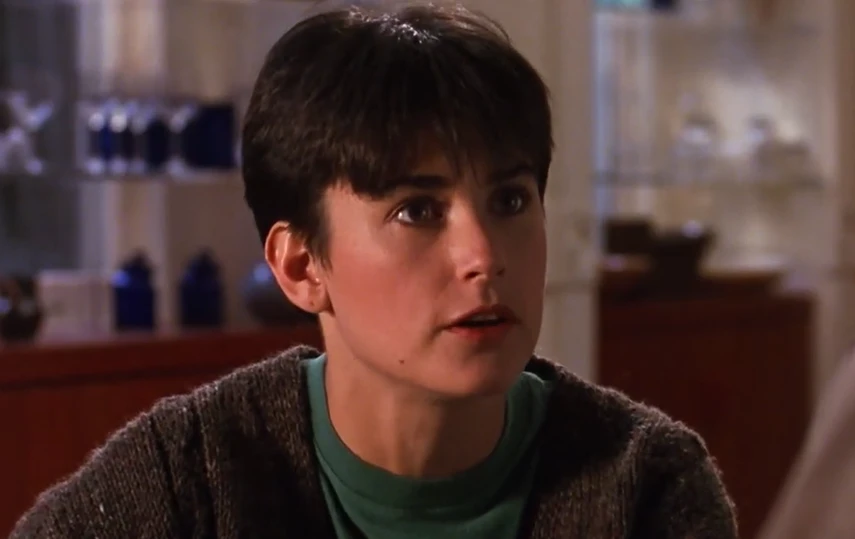
Zucker had originally offered the part to Michelle Pfeiffer, but she turned it down.
6. Zucker initially wanted Oprah Winfrey for Oda Mae Brown, but after Oprah lost a significant amount of weight, she no longer fit the vision for the character. The role was then offered to Whoopi Goldberg. 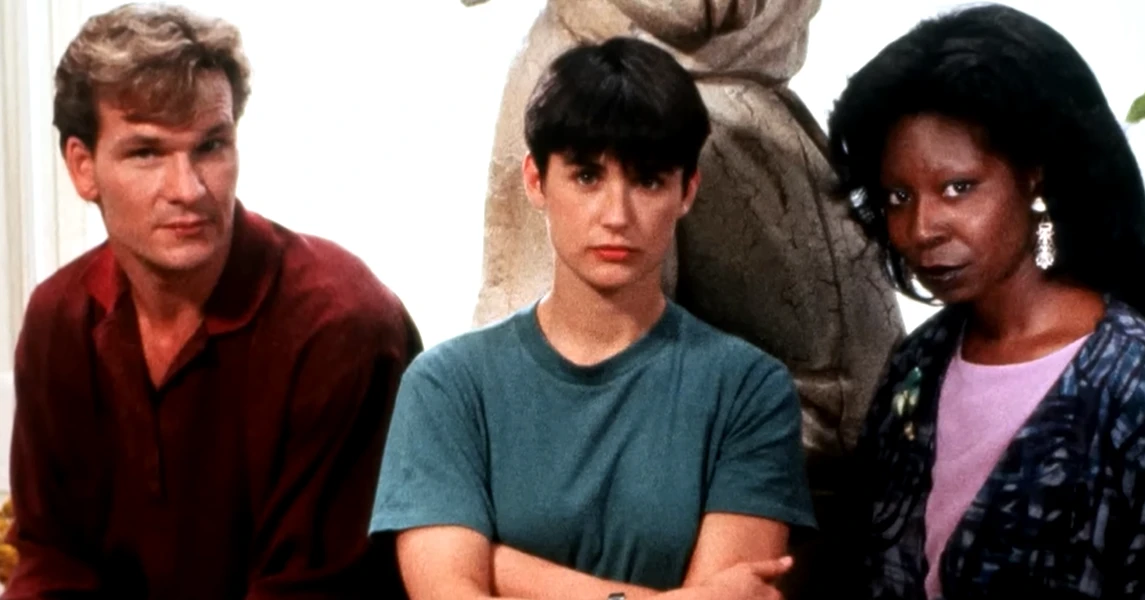
And what a performance she delivered! Goldberg injected a brilliant spark of comedy into the movie's heavy drama. The scene where she reluctantly hands over a multi-million-dollar check to charity is comedic gold—and my personal favorite moment in the entire film. 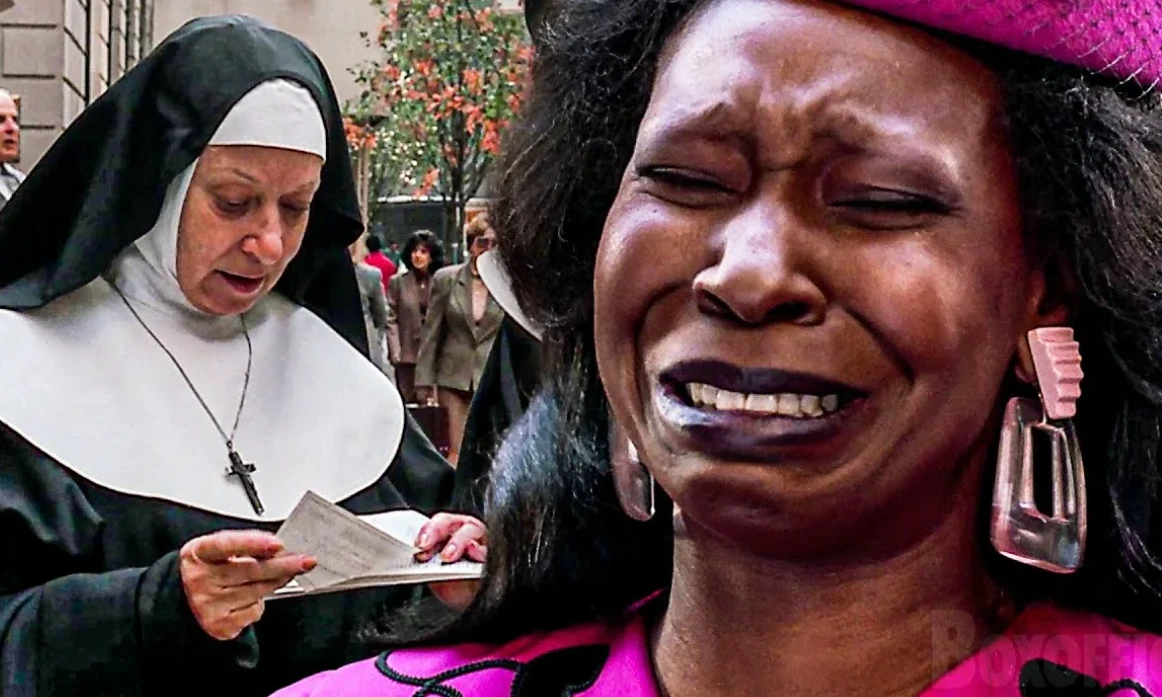
It’s no surprise Whoopi Goldberg walked away with the Academy Award for Best Supporting Actress. She thoroughly deserved it.
In doing so, Goldberg became only the second Black actress in history to win an Oscar, following Hattie McDaniel’s iconic win for her role as Mammy in *Gone with the Wind* (1939).
7. When Demi Moore showed up on set sporting a pixie cut, Jerry Zucker was furious—she had auditioned with long hair, and the sudden makeover threw off his plans. But once filming started, Zucker admitted that the shortcut suited her perfectly and gave Molly an iconic look. 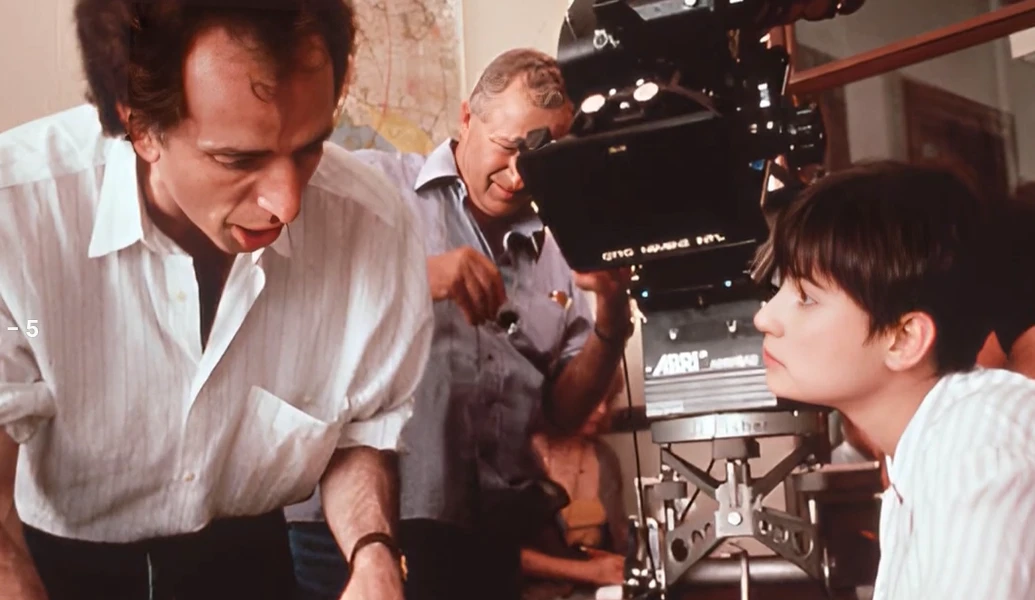
8. Tony Goldwyn snagged the role of Carl, Sam's scheming friend who betrays him to steal millions.
Both Zucker and Rubin were skeptical about casting Goldwyn, but he delivered a compelling audition that earned him the part. And he knocked it out of the park. 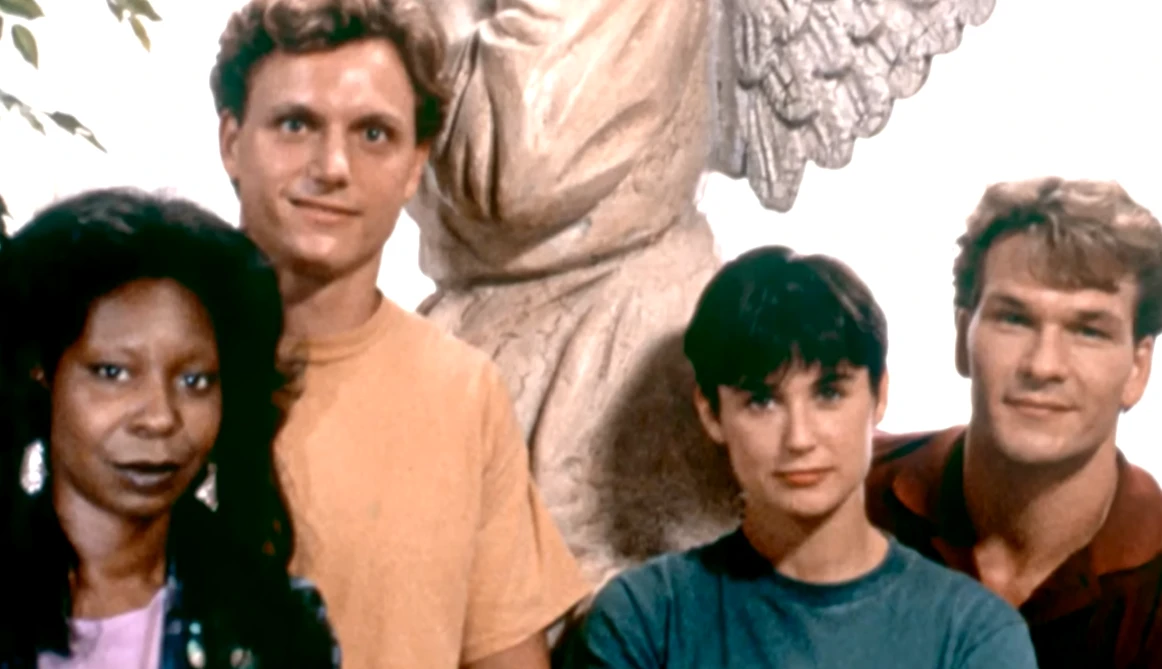
Incidentally, Goldwyn’s wife also worked on the film—not as an actress, but as the production designer.
Goldwyn later recalled an incident after the film's release: he walked into a diner for lunch, and the waitress glared at him and refused to serve him after realizing he was "that guy" who betrayed Sam in *Ghost*. 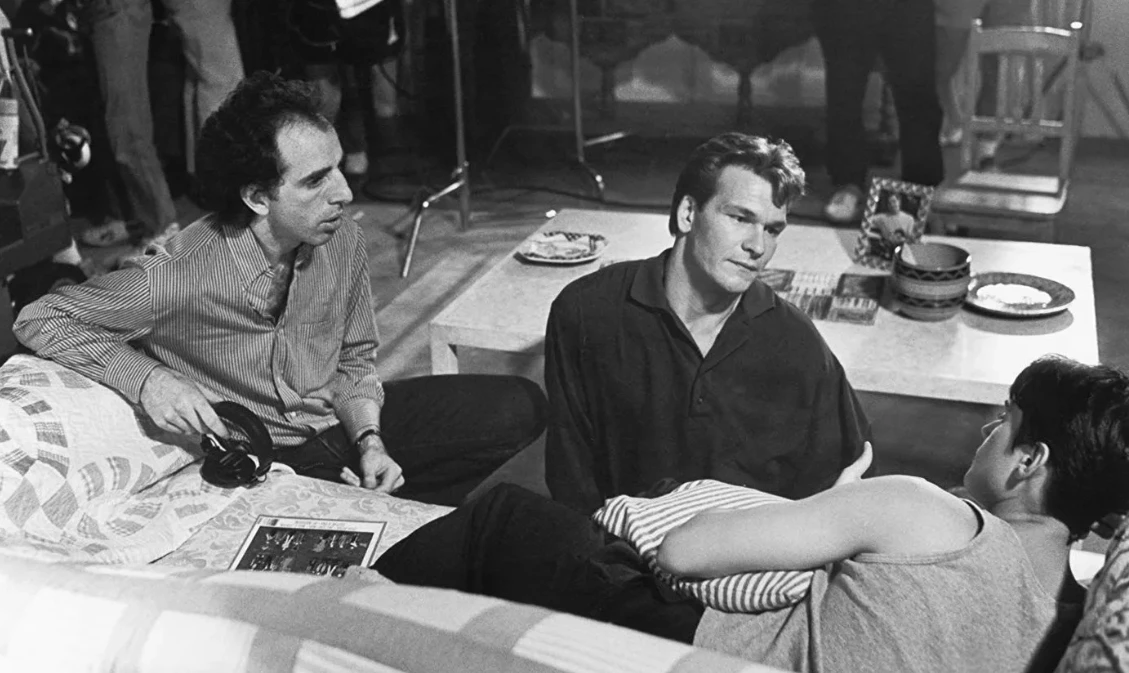
It’s always baffling when people confuse actors with the characters they play. Onscreen villains are often the sweetest people in real life, but some fans just can't separate fiction from reality—and many actors have suffered real emotional backlash because of it.
9. Because Sam is a ghost, he had to wear the exact same thin burgundy shirt throughout most of the film. The set was freezing, and Swayze eagerly looked forward to breaks between takes just to bundle up in warm clothes. 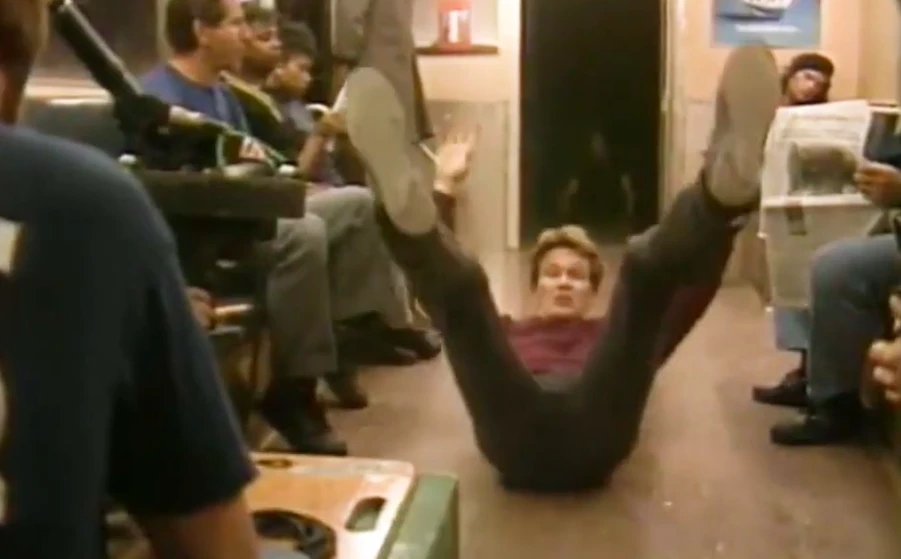
10. In the world of *Ghost*, wicked souls are dragged off to hell by terrifying shadow creatures that emit a bone-chilling screech. To create the shadow demons, stunt performers dressed in white robes were filmed and then digitally inverted and animated. Shooting these scenes required long exposures, so filming them took over two months—even though they only appear on screen for a few seconds. 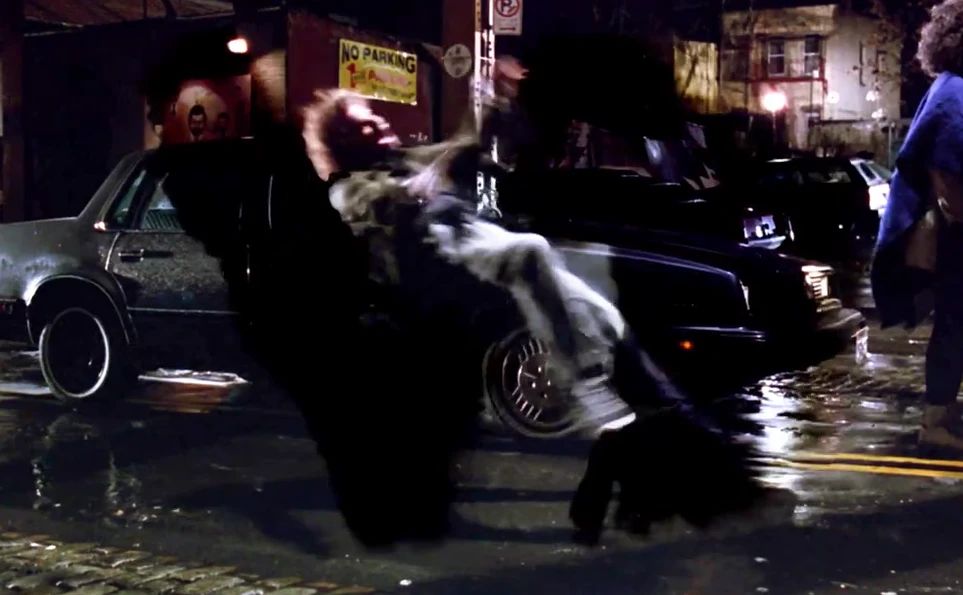
What followed was a painstaking process of animation, color inversion, and editing to make the shadowy phantoms look convincingly eerie. 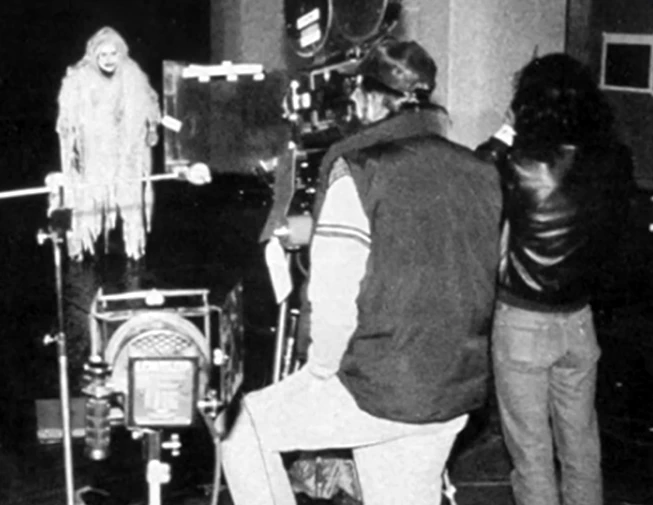
The creepy screeching sound effect was actually created by taking recordings of crying babies, slowing them down, lowering the pitch, and playing them in reverse.
11. Both Jerry Zucker and Bruce Joel Rubin took the opportunity to cast their mothers in cameo roles. Zucker’s mother played the bank teller, while Rubin’s mother played one of the nuns receiving the donation check from Oda Mae. 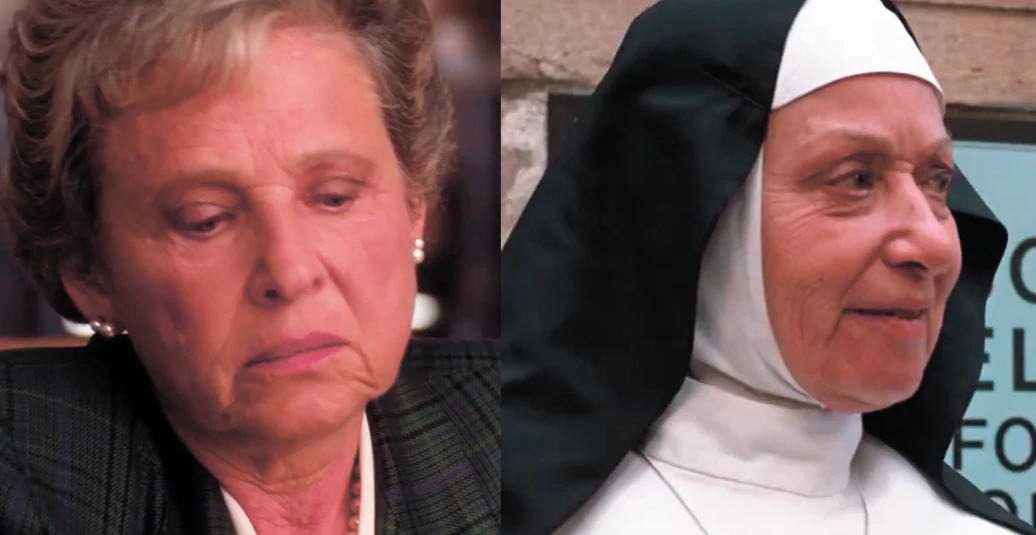
12. Since Sam is a spirit, his breath shouldn't be visible in the cold air. But because New York was freezing during exterior shoots, everyone's breath was fogging up heavily.
To prevent this, poor Swayze—who was already shivering in his thin shirt—had to chew on ice cubes right before every take.
13. The movie had a modest budget of around $22 million. Yet it went on to become a colossal box-office sensation, grossing over $505 million worldwide—more than 23 times its budget. Factoring in home video sales, the total earnings were astronomical. 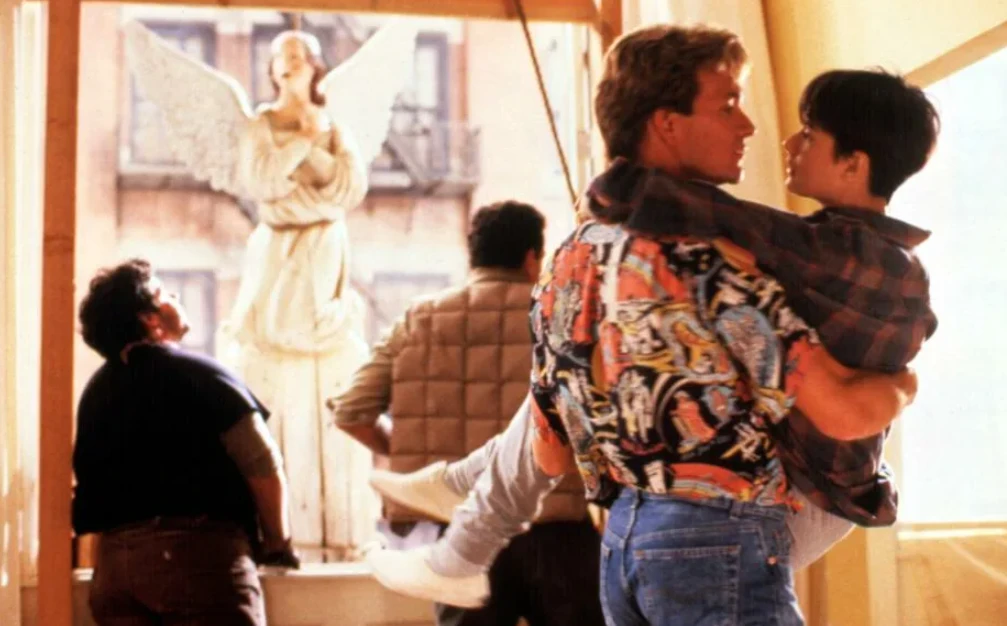
14. Following its massive success, talk of a sequel naturally arose. However, neither Jerry Zucker, Bruce Joel Rubin, nor the lead actors were interested, feeling the story was complete. And I couldn't agree more.
15. During the famous pottery wheel scene, the clay pot wasn't actually supposed to collapse. But when it did, Swayze and Moore stayed in character and kept playing the scene, making the moment even more intimate and magical. 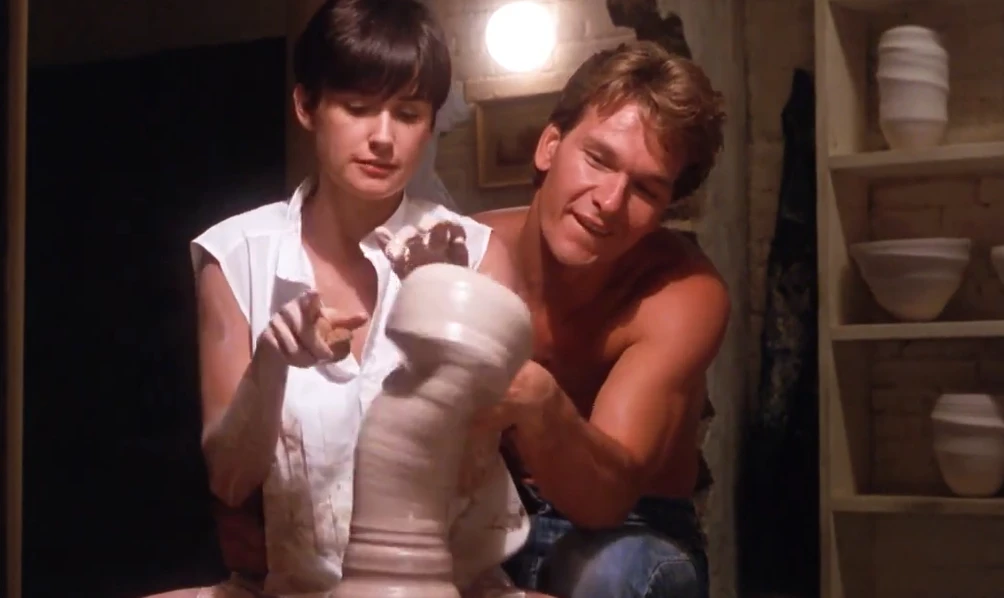
16. The final scene where Sam ascends into the light was filmed using clever practical techniques. The background was a custom backdrop, combined with foil reflectors to catch natural light and dynamic stage lighting. 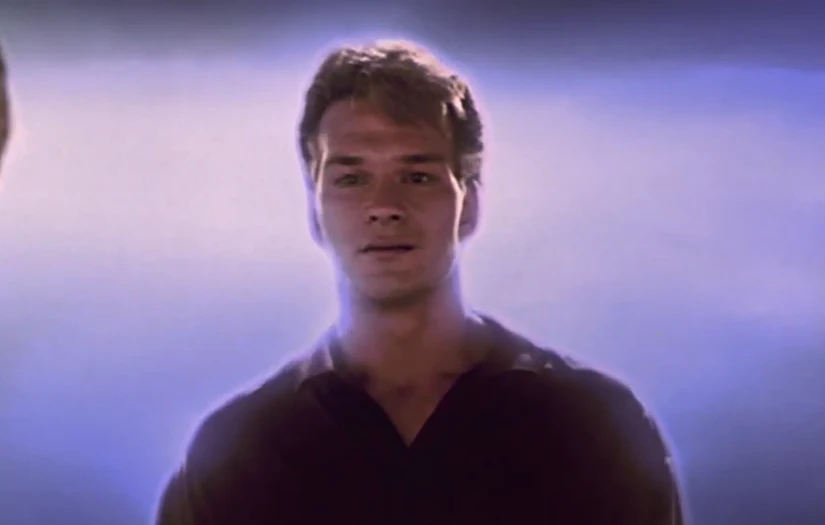
17. The subway train sequence was also crafted with creative camera tricks. Swayze was filmed against a blue screen, and footage of the moving train was composited over him, creating the illusion that he was phasing through the cars. 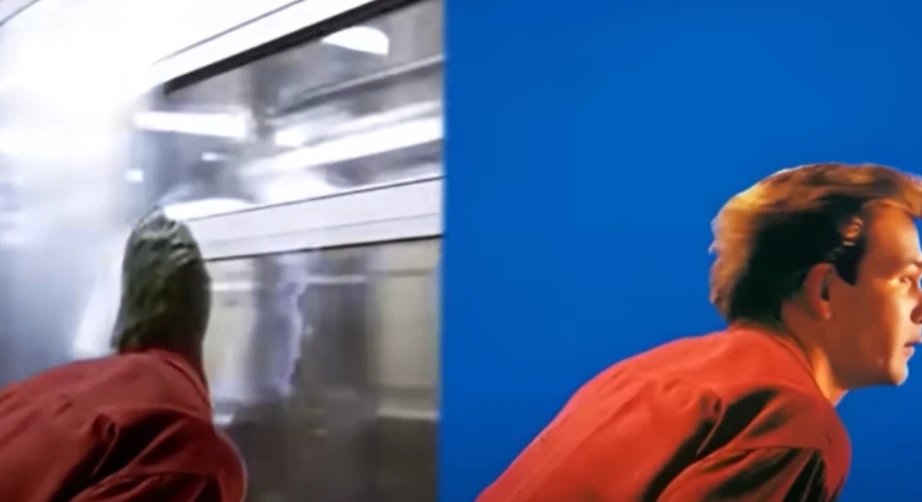
To film Sam jumping into the train, Swayze jumped off a springboard in front of the blue screen. The train itself was a detailed miniature model built specifically for the shot. 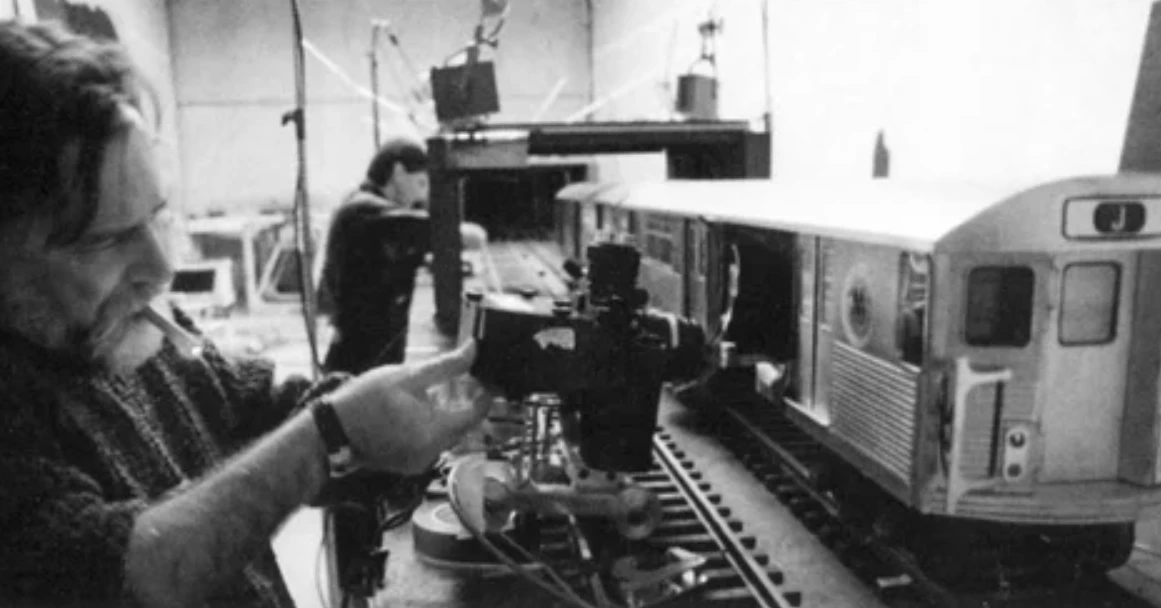
Movie Mistakes & Continuity Errors
Now let's take a quick look at a few movie mistakes and goofs in *Ghost*. Mind you, this isn't to bash the film or put down its quality—it's just a fun look at some cool movie trivia.
1. While the filmmakers made sure Sam’s breath wasn’t visible, they forgot to edit out his reflections in the puddles as he chases Willie right after his death. You can even see him splashing through the water. 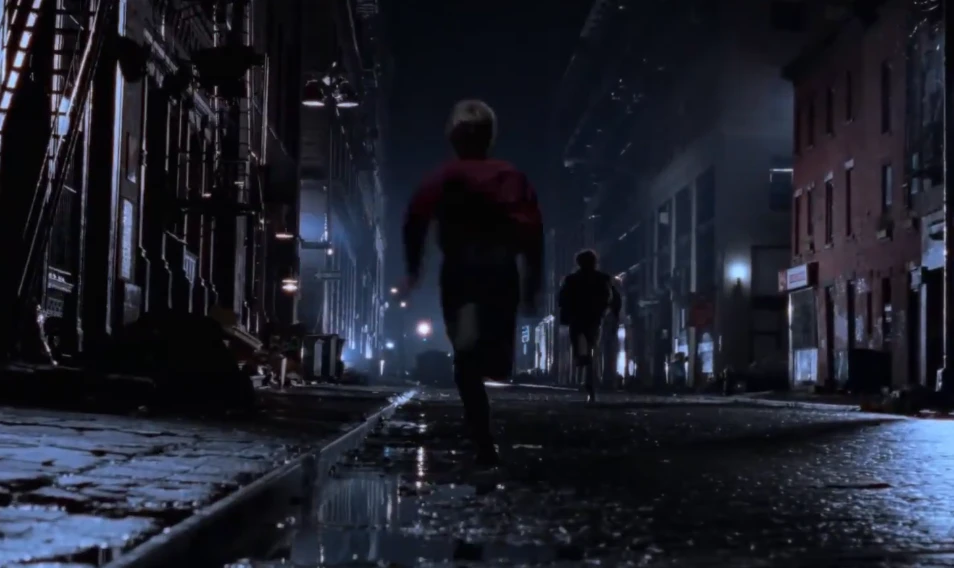
2. As a ghost, Sam can’t physically touch objects—at least not until the Subway Ghost teaches him how to focus his energy to move things.
So why can Sam walk up stairs and step onto elevated platforms? Technically, if he passes straight through solid matter, he shouldn't be able to stand on steps—he would fall right through them or float entirely. 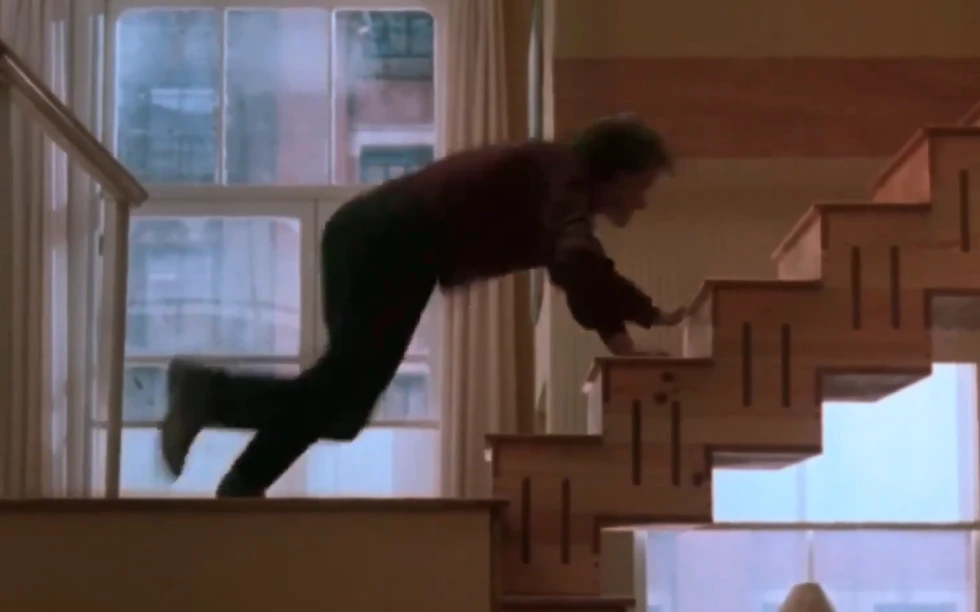
3. In the iconic pottery scene, Sam and Molly's hands are completely covered in wet clay. But in the very next shot, their hands are nearly clean, and whatever clay is left appears completely dry. 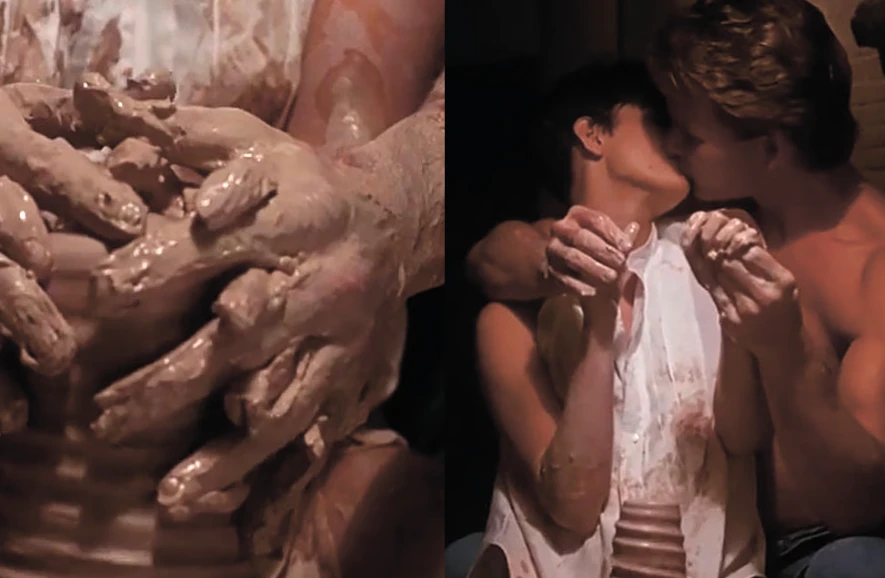
4. When Oda Mae heads over to Molly's apartment at Sam's insistence, she is wearing black shoes. In a quick cut shortly after, her footwear magically turns white. 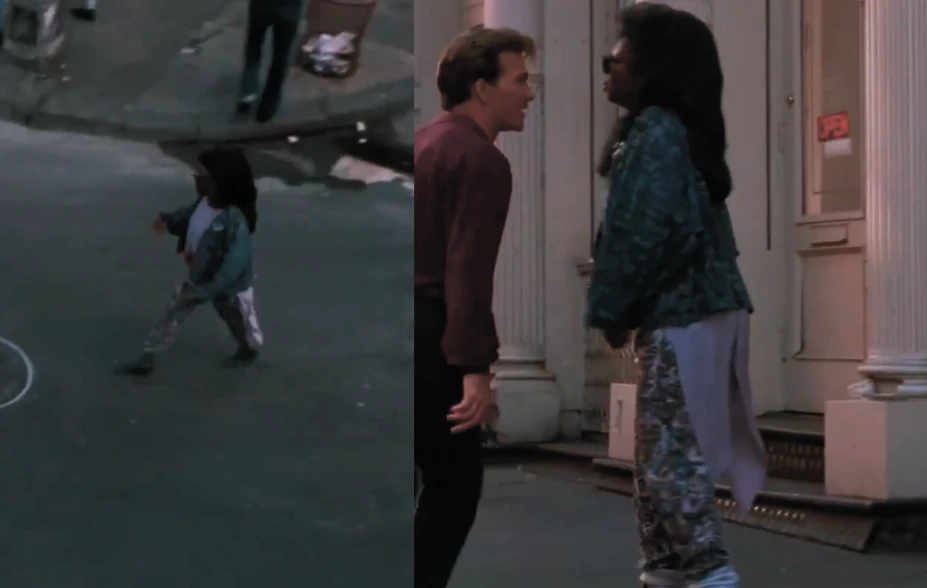
5. While Sam is practicing moving a can in the subway, he trips and falls onto his back. In the next frame, however, he is suddenly lying face down. 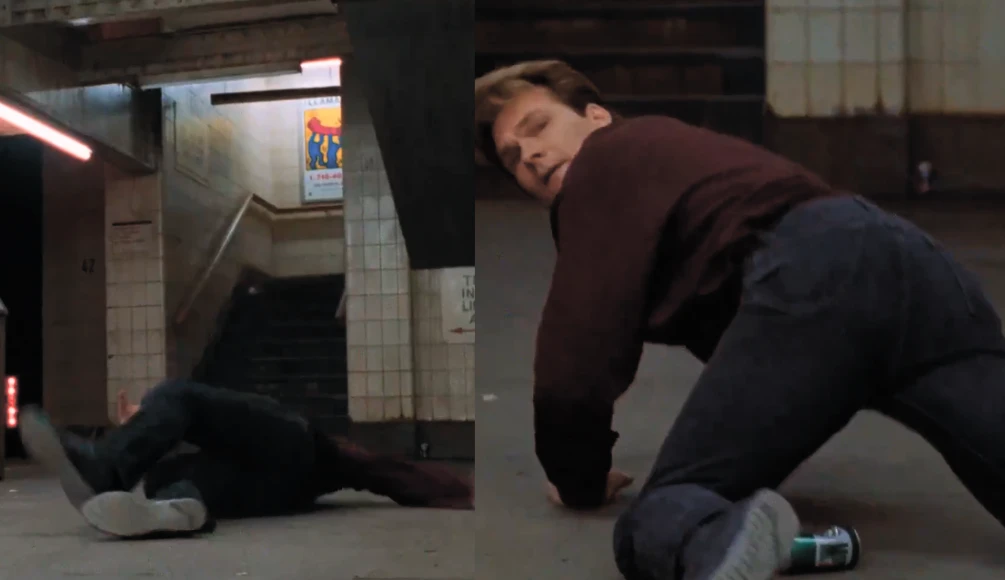
A Nod from Zucker
As mentioned earlier, Jerry Zucker and his brother David created the parody hit *The Naked Gun*. In 1991, David Zucker directed *The Naked Gun 2½: The Smell of Fear*, which features a hilarious spoof of the iconic pottery scene from *Ghost*—a great homage to his brother's work. 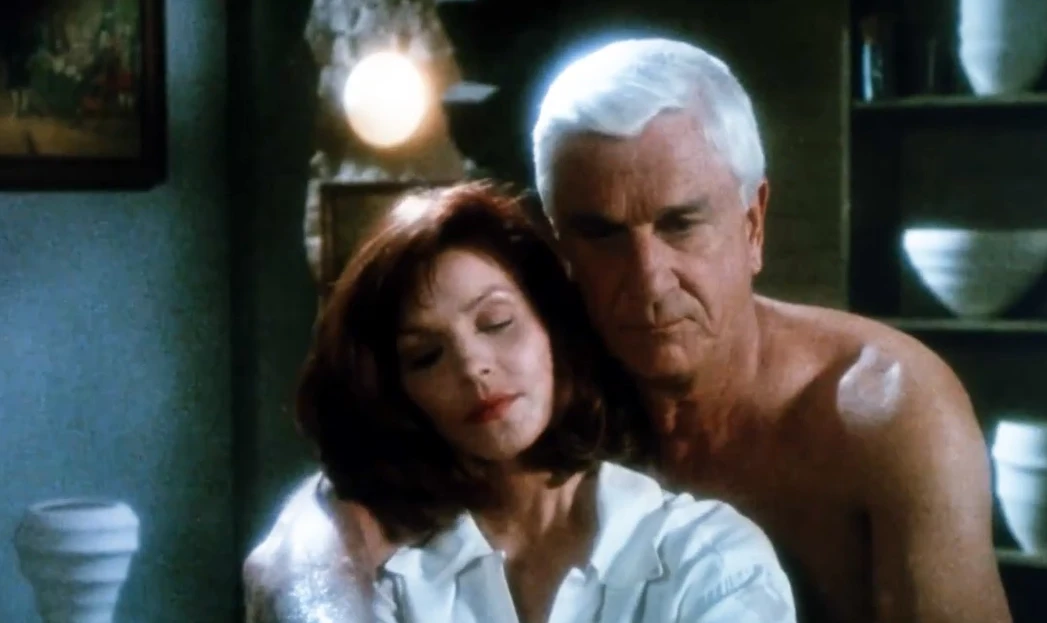
That pottery scene became so iconic that it has been parodied in countless other TV shows and movies, including *Euphoria*, *Family Guy*, *Two and a Half Men*, and many more.