How Long Would You Survive in Each of Earth’s Geological Eras? (15 Photos)
For most of Earth’s history, you wouldn't even survive long enough to encounter a predator: your first challenge would simply be finding breathable air and something to eat. 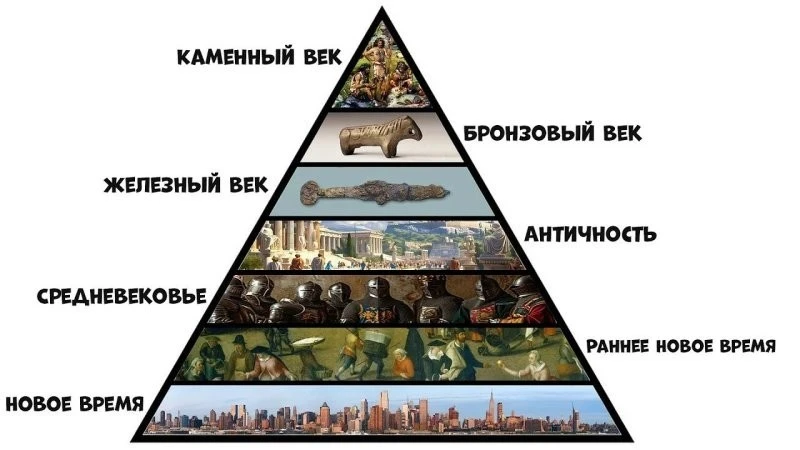
Let's trace Earth's timeline from a young, volatile planet to the ice ages and figure out where a modern human would last just a few hours—and where you might actually build a life.
The Precambrian: Dead on Arrival 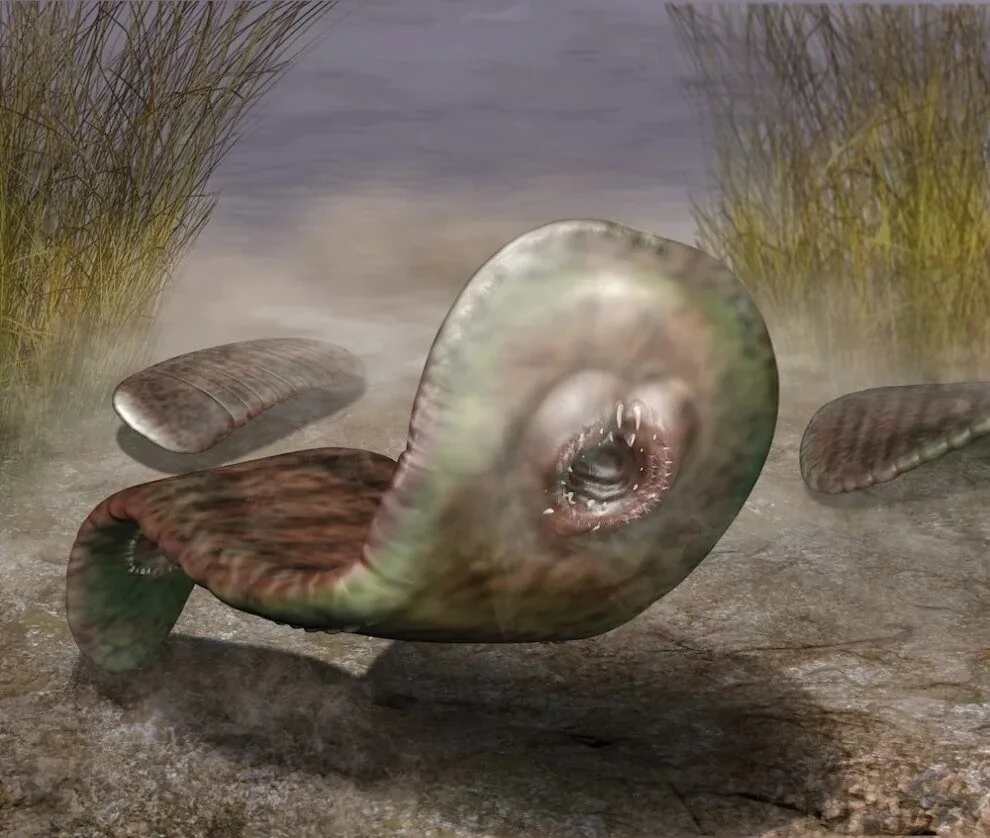
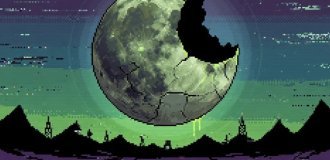
The Precambrian spans a massive stretch of Earth’s history, during which conditions shifted radically. On the young Earth, the surface is still cooling, while constant asteroid impacts reshape the landscape. There is no breathable, oxygen-rich atmosphere.
Eventually, oceans, life, and oxygen emerge, but a world where a human could settle down without specialized gear is still eons away. By the Proterozoic Era, global glaciations compound the atmospheric issues. Wherever you land, you'll face an environment your body is completely unequipped to handle.
The Cambrian: Dinner Is Under the Waves 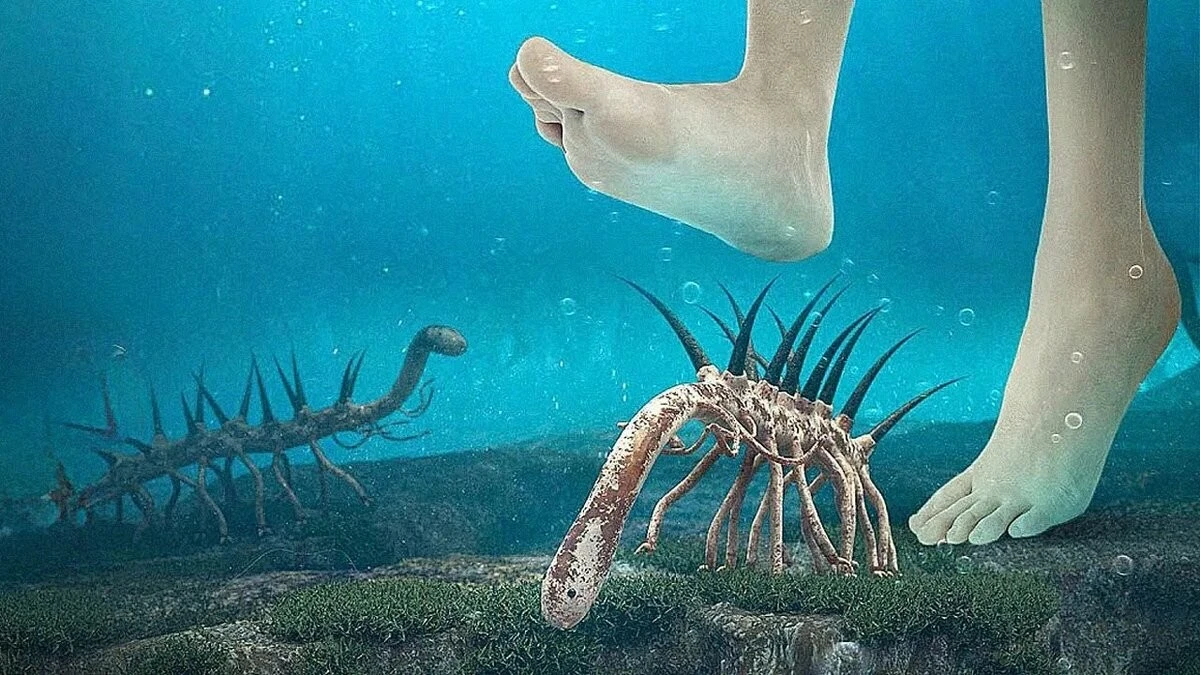
Cambrian land is virtually barren—no forests, no familiar terrestrial animals. Oxygen levels are significantly lower than today's, so even moderate exertion under mild temperatures will leave you gasping for air. An empty stomach will soon force you toward the sea.
In the intertidal zone, you could try foraging for trilobites—hard-shelled marine arthropods. They at least resemble familiar crustaceans, but gathering enough of them would be a non-stop effort. The apex predator of the period,
Anomalocaris
, looks terrifying, but your biggest immediate threat remains the suffocating lack of oxygen.
The Ordovician: A Coastal Diet 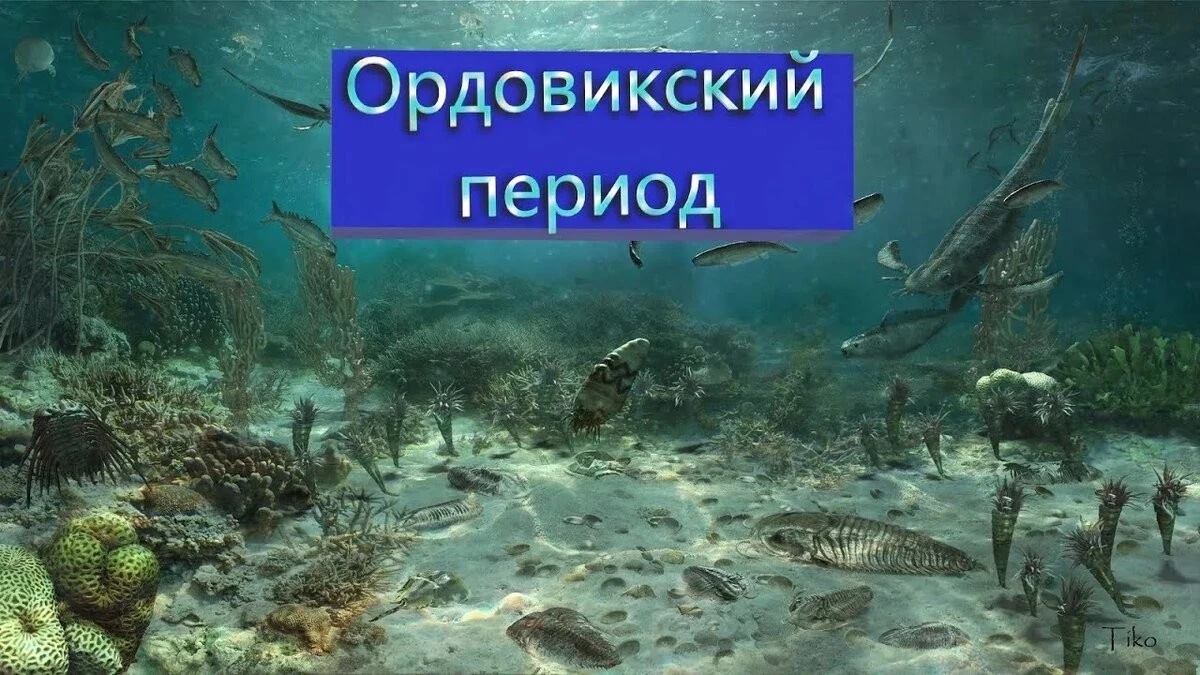
Breathing gets a little easier in the Ordovician, though oxygen levels are still well below what our bodies prefer. Tiny plants begin to colonize land, but they offer neither shade nor firewood.
Once again, shallow-water creatures are your best bet for food. Venturing out deeper is a risky move: the oceans are dominated by giant, straight-shelled cephalopods armed with tentacles and sharp beaks. Toward the end of the period, a brutal ice age sets in. On this grueling coastal diet, you'd be counting your remaining days on one hand.
The Silurian: The First Hope of a Campfire 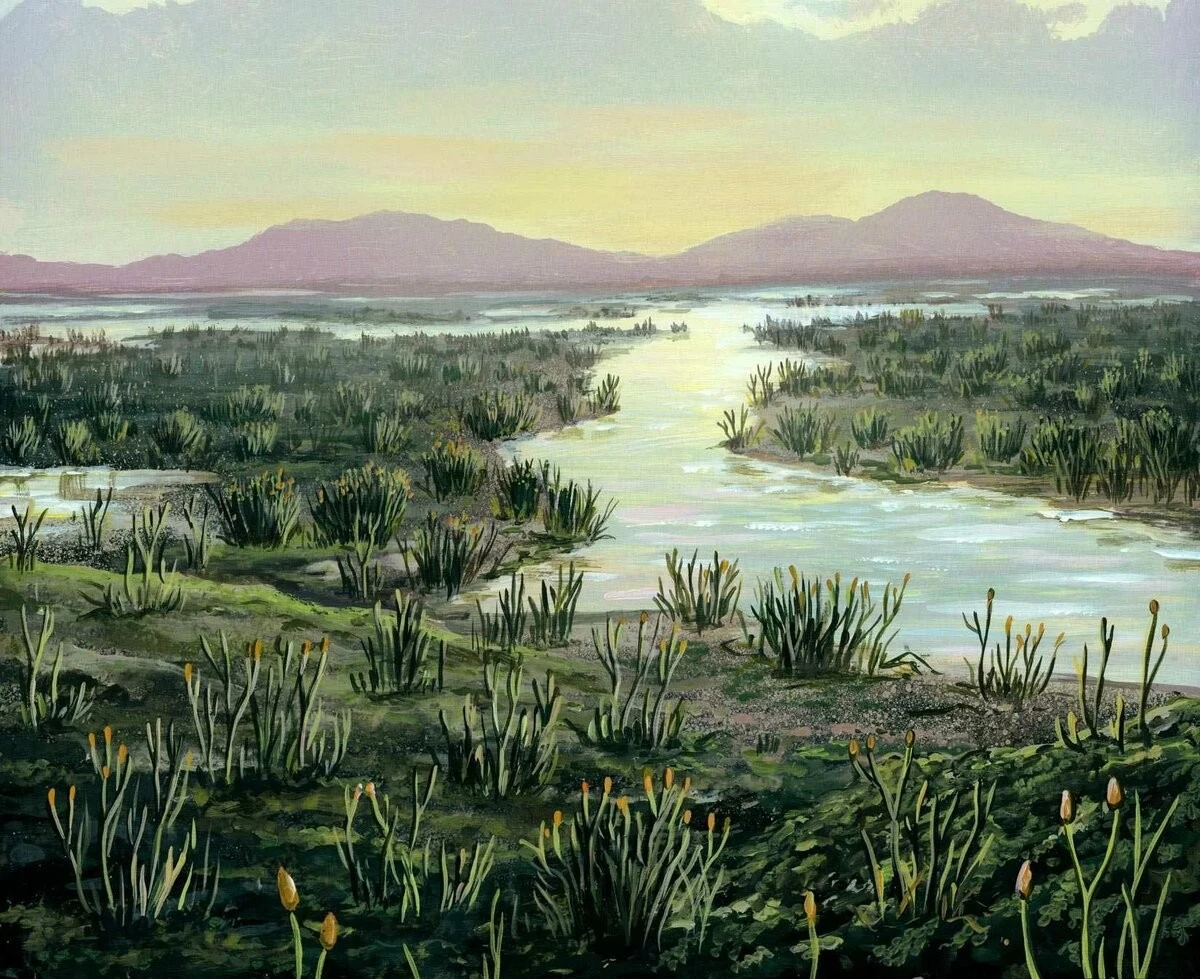
Life is slowly conquering land in the Silurian.
Cooksonia
, tiny plants with branching stems, sprout across the landscape alongside early terrestrial arthropods. For the first time, there's a faint hope of gathering fuel for a fire—though real firewood is still a long way off. Meanwhile, tiny centipedes and arachnids won't do much to solve your food problem.
The sea offers better dining options, but it's home to massive sea scorpions like
Pterygotus
and
Acutiramus
.
Some reached nearly two meters in length, and testing their appetite on a swimmer is a terrible idea. Primitive soils are forming on land, meaning any minor scrape risks infection. Your outlook remains grim: a few days of relentless foraging.
The Devonian: Trees at Last 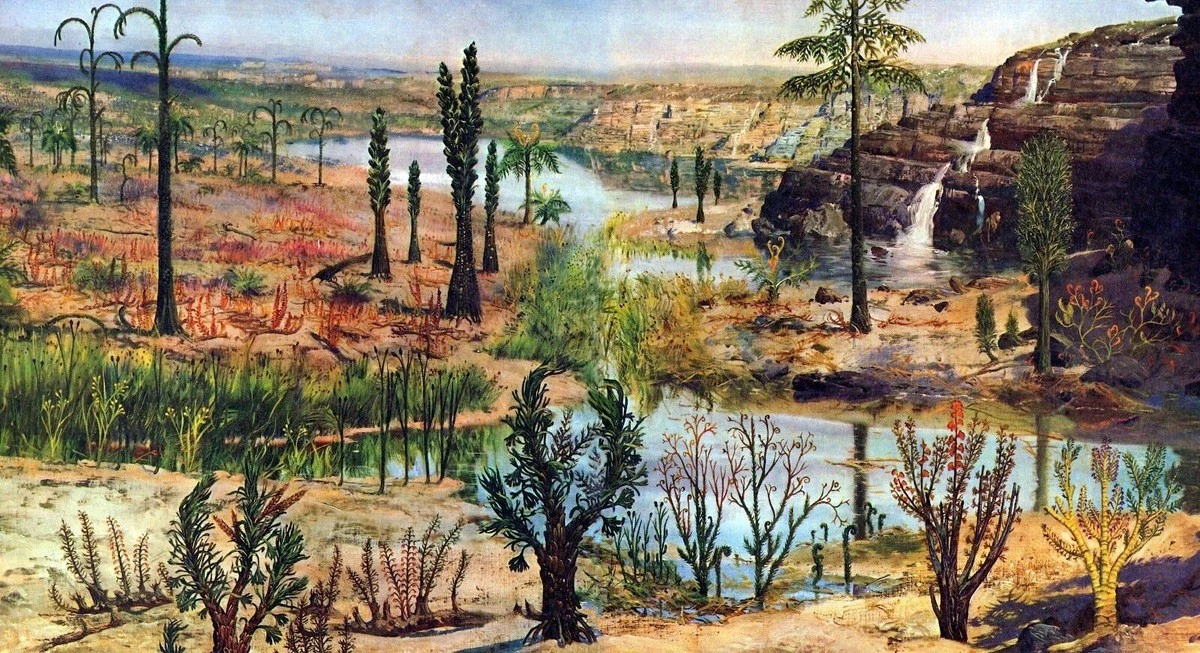
In the Devonian, your journey finally starts to resemble standard wilderness survival. Large trees offer timber for shelter and fuel, and atmospheric oxygen approaches modern levels. Fresh water teems with fish. If you can craft basic fishing gear and start a fire, you could realistically survive for several weeks.
Freshwater isn't entirely safe, however. The giant sea scorpion
Jaekelopterus
inhabited these environments and could grow up to 2.5 meters long. You can avoid the marine predator
Dunkleosteus
simply by staying ashore, but freshwater fishing comes with its own terrifying surprises.
The Carboniferous: Giant Centipedes and Wildfires 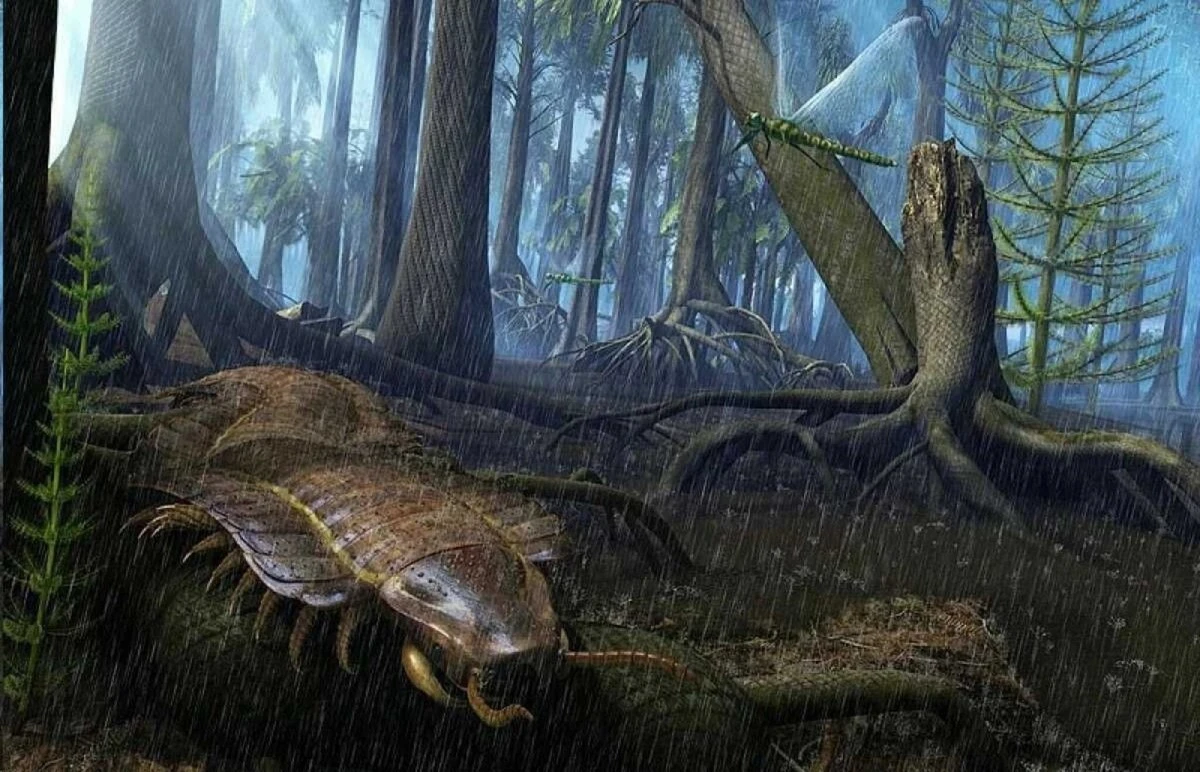
Over two meters long,
Arthropleura
crawls across the forest floor while
Meganeura
, a dragonfly with a 70-centimeter wingspan, swoops overhead. If modern bugs make you squeamish, this era will be a nightmare. Fortunately, despite their terrifying size, these arthropods aren't actively hunting humans.
Atmospheric oxygen levels are sky-high, making forest fires an ever-present threat. Swamps yield plenty of fish and amphibians, though you won't find familiar fruits or grains anywhere. The waters are also stalked by massive predatory fish like
Rhizodus
. With a good campsite, you might survive for months, though a monotonous diet and swampy conditions will quickly take a toll on your health.
The Permian: Danger Comes Ashore 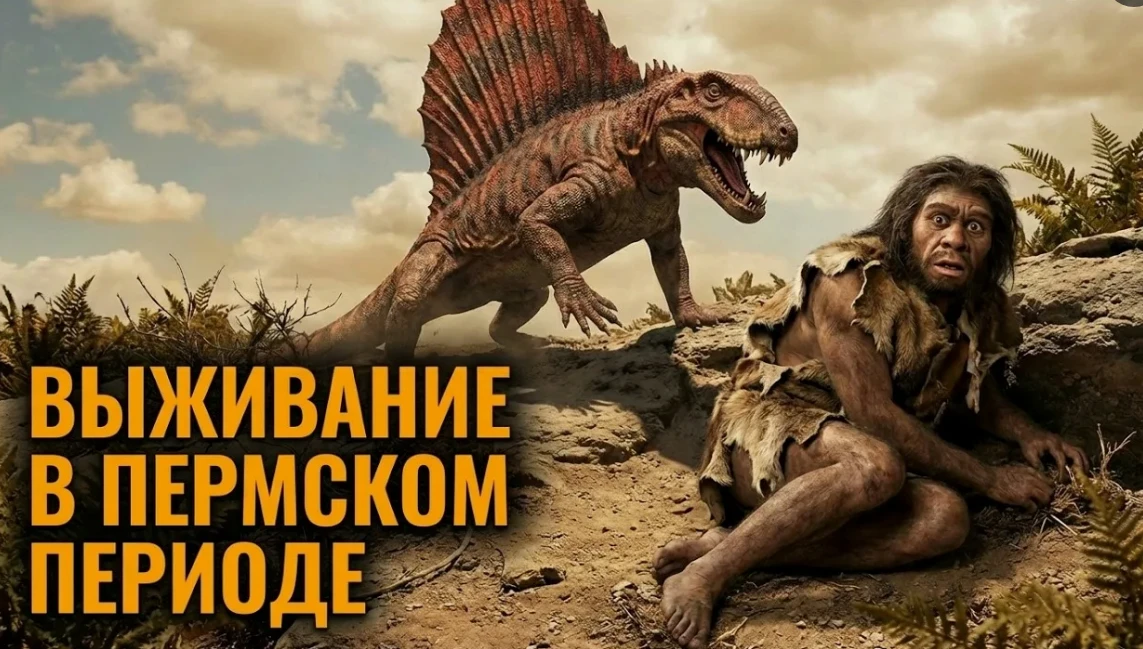
During the Permian, Earth's landmasses merge into Pangaea. The vast interior of this supercontinent gets little moisture from the oceans, making stranding inland far worse than settling near a river. Conifers, ferns, and seed ferns dominate the landscape, but edible fruit is non-existent.
Fish and small game could keep you fed, but camping now requires constant vigilance. Land is prowled by gorgonopsians—large, saber-toothed mammal relatives. Expect to last a few weeks at best; finding a quiet spot near water would matter far more than any scenic view.
The Triassic Period 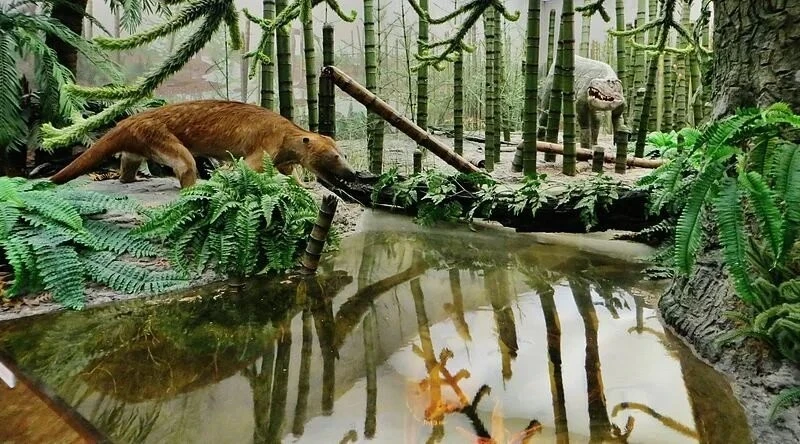
The Early Triassic opens in the wake of the Permian mass extinction. Eruptions from the Siberian Traps trigger severe climate change, leaving vast swathes of land inhospitable due to scorching heat and collapsed ecosystems. Finding water, food, and relief from the heat all at once is a monumental challenge.
That makes the survivors all the more remarkable.
Lystrosaurus
, tusked herbivorous synapsids, became widespread, while small cynodonts like
Thrinaxodon
survived by burrowing underground.
As the oppressive heat subsides and ecosystems recover, your survival odds improve. The earliest dinosaurs are relatively small, but large predators like
Postosuchus
—resembling a long-legged crocodile—are a serious cause for concern.
With a well-chosen campsite, you could potentially hang on for several weeks, though gathering firewood will never be a peaceful stroll.
The Jurassic: Danger Around Every Corner 
Lush forests provide shade and fuel, the climate is hospitable, and fish, eggs, and small animals offer a steady supply of food. The catch? Stepping out of your shelter to hunt or forage means running into predators like
Allosaurus
and
Torvosaurus
.
A human is just large enough to look like a decent meal to these carnivores, yet completely unequipped for a close encounter. Starting a fire will help cook food, but carrying a torch everywhere isn't practical.
Surviving a few weeks would be a major accomplishment, heavily dependent on finding a shelter inaccessible to large predators.
The Cretaceous: Better Menu, Worse Neighbors 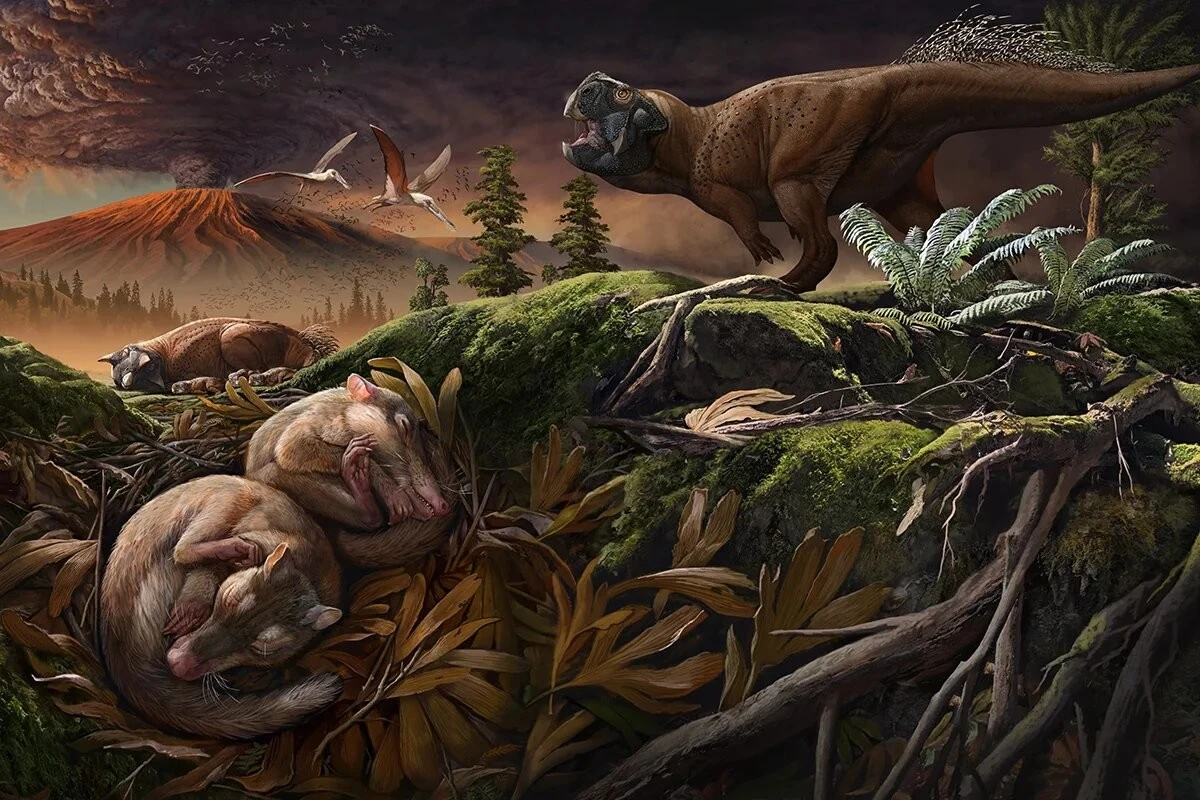
Flowering plants spread across the globe in the Cretaceous, bringing a variety of fruits. Foraging becomes easier, though you'll still need to be careful about what's edible.
Depending on where and when you land, you could encounter
Tyrannosaurus
,
Spinosaurus
, or
Giganotosaurus
. Then there's
Quetzalcoatlus
, a terrifyingly huge pterosaur that stood as tall as a giraffe on the ground. If you manage to dodge these nightmare neighbors, you might just last a few months.
The Paleogene: Heat Reaches the Poles 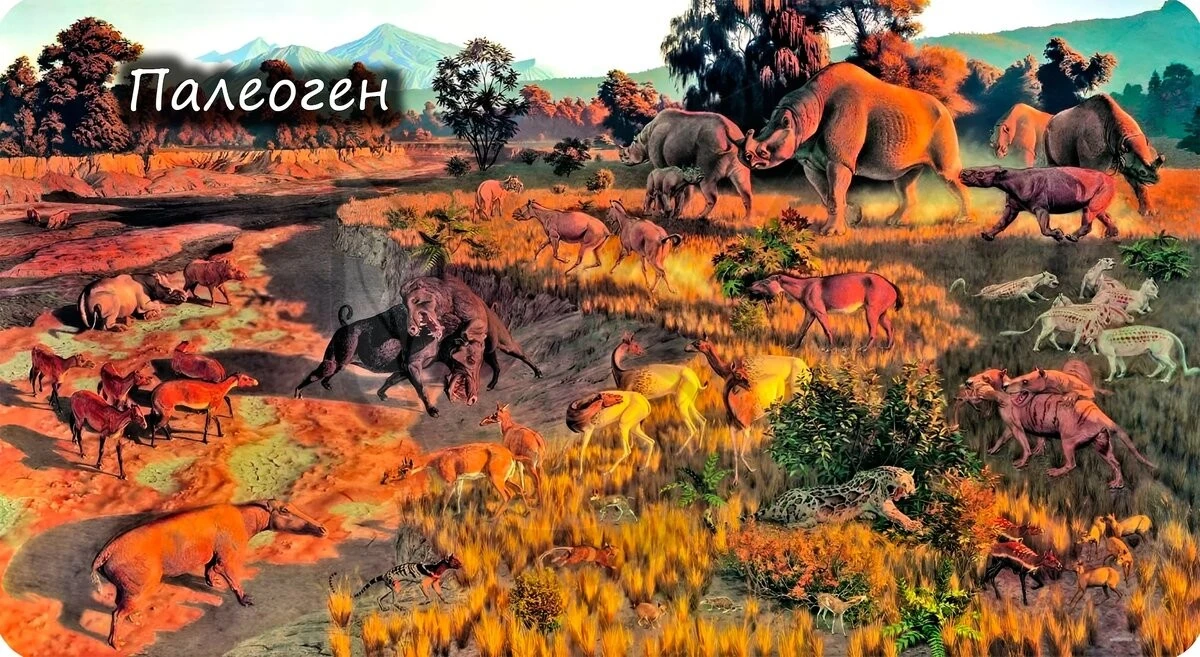
In the Paleogene, long after the asteroid impact, mammals stepped up to fill vacant ecological niches. Fruit species diversified, making it far easier to assemble a nutritious diet.
However, around 56 million years ago, a spike in global temperatures occurred. Heatstroke could pose a bigger threat than starvation, making northern latitudes a much wiser choice.
The planet was so warm that crocodilians thrived even in the Arctic. Various regions were home to entelodonts, giant terror birds, and, in the tropics, the massive snake
Titanoboa
. Surviving several months is plausible—if you choose the right climate and stay clear of apex predators.
The Miocene: A Near-Familiar Earth 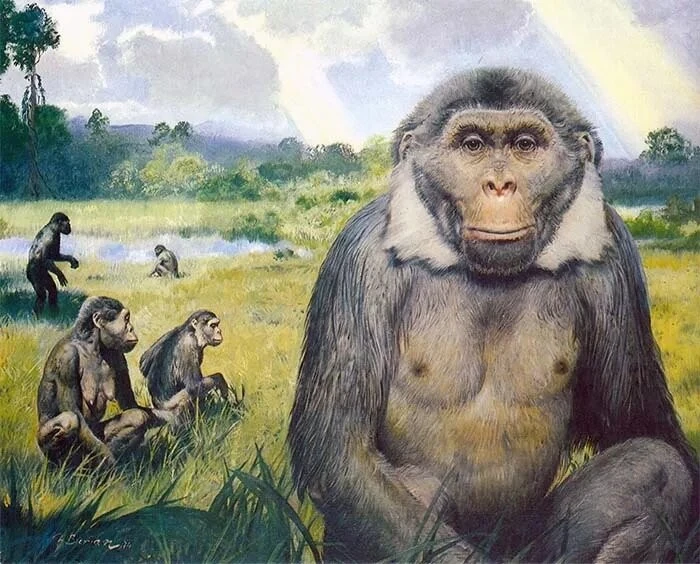
Grassy plains populated by herds of animals expand across the Miocene landscape as the climate grows cooler and drier. Earth's geography closely resembles today's, and crafting crude tools would greatly boost your hunting success.
Still, saber-toothed cats and amphicyonids—known as "bear-dogs"—prowl the wilderness. With a secure campsite and fire-making skills, you have a solid chance of lasting most of a year.
The Pliocene: Your Best Chance to Settle Down 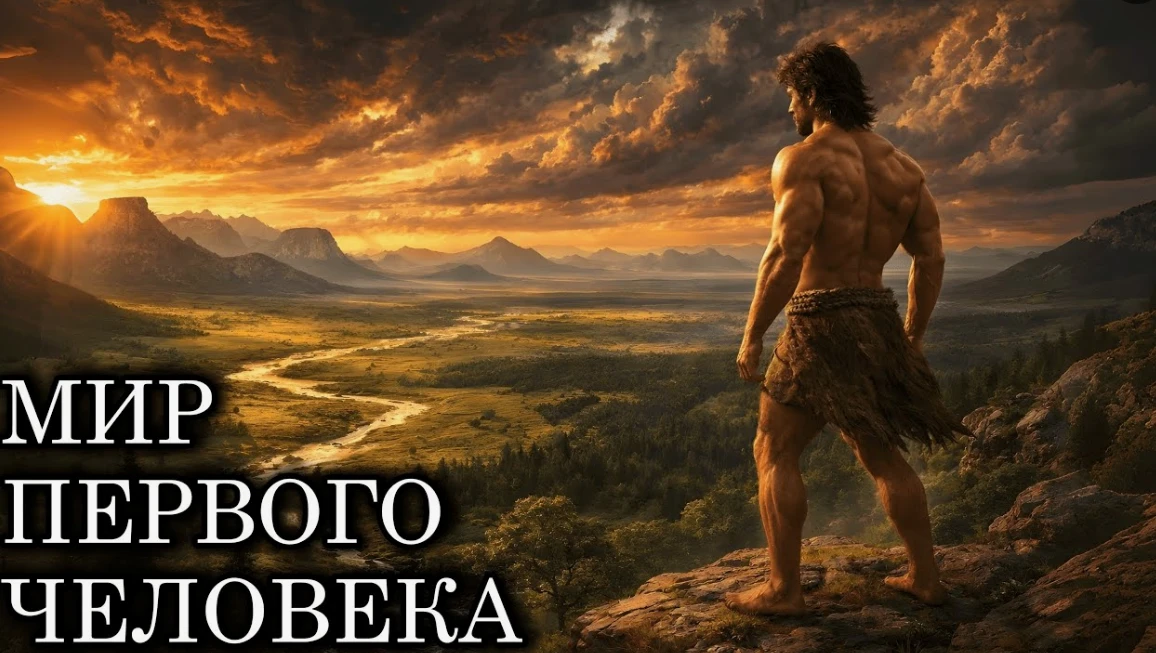
A mix of open woodlands and savannas gives humans an ideal setting to thrive.
You can forage for fruits and nuts in forested pockets while relying on open plains for game.
Australopithecus
already walks the Earth, creating an environment remarkably close to the one in which early hominins evolved. Out of all your options, this is your best bet for long-term survival.
Predators are still a reality, of course—saber-toothed cats and giant hyenas are on the hunt. You'll need to purify water, secure food regularly, and place your camp well away from hunting trails. Nevertheless, building a stable life here is entirely feasible.
The Pleistocene: Ancient Humans Next Door 
People often picture the Pleistocene as a barren ice world filled with mammoths. In reality, conditions varied dramatically by region and era, with plenty of areas offering hospitable living conditions. Familiar plant life and abundant fauna significantly boost your odds. Our ancestors thrived here thanks to fire, tools, and strength in numbers.
As a solo traveler, you won't have a tribe to back you up. In Australia, you might encounter the giant monitor lizard
Megalania
, while elsewhere you'll need to watch for megafaunal carnivores and early human groups. Locals will have established territories and survival tactics, so encountering them could make or break your survival.
In the right region, surviving for many months is completely realistic. Near a glacier without clothing, your story would end much sooner.
All things considered, the Pliocene stands out as the most hospitable stop on our tour. The Miocene and milder regions of the Pleistocene also offer great odds, whereas the early Earth and harsh conditions of the Early Triassic leave virtually no room for survival.
Ultimately, a time traveler's greatest stroke of luck would simply be breathing clean air, finding fresh water, and securing enough to eat every single day...