History Brought to Life: 22 Rare Archival Photos That Take Us Back in Time (23 photos)
Old photographs are like time machines that fit right onto your phone screen. Here is an elegant woman in 1940s London dropping a letter into a mailbox on a bombed-out street—a letter that would make it to its destination. There is a wild-eyed Danish explorer who spent three winters at the edge of the world and returned to write a book about it. And here is a teenage Native American girl in 1894, smiling just because. Check out this collection of 22 historical photographs and the stories behind them, with a detailed look at what makes each shot so special. 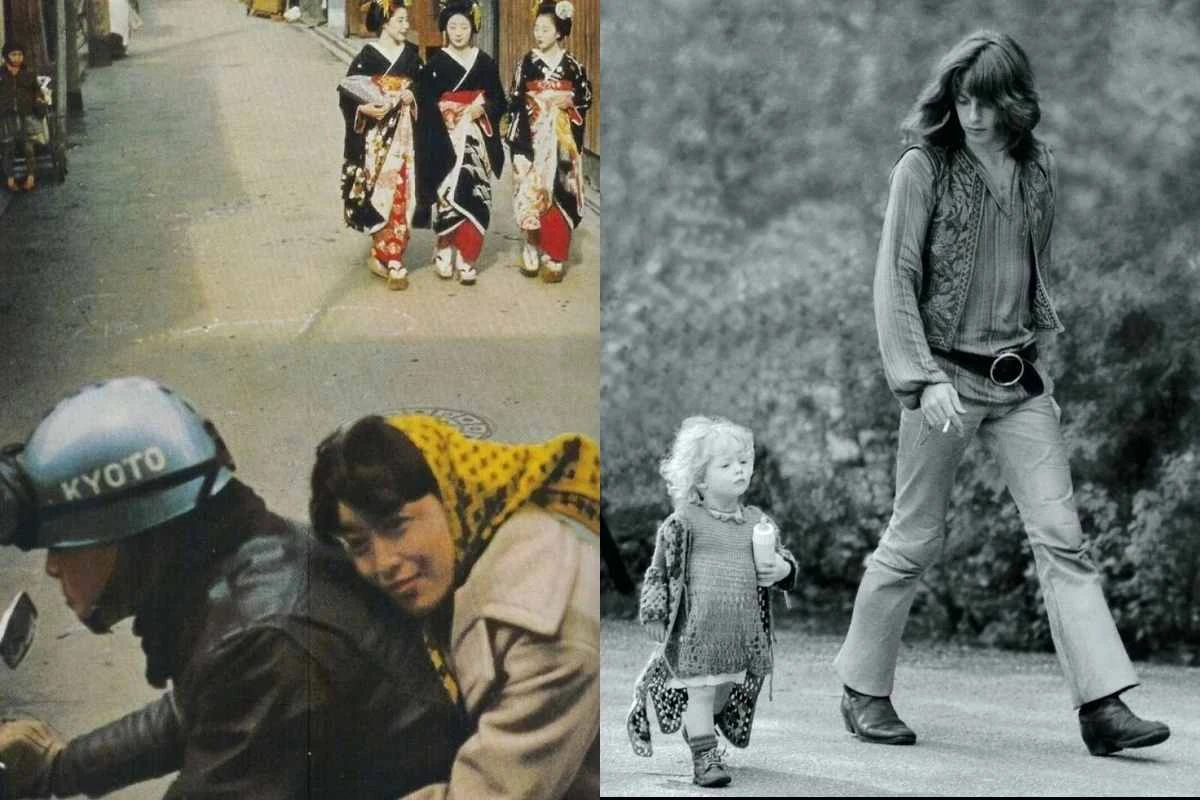
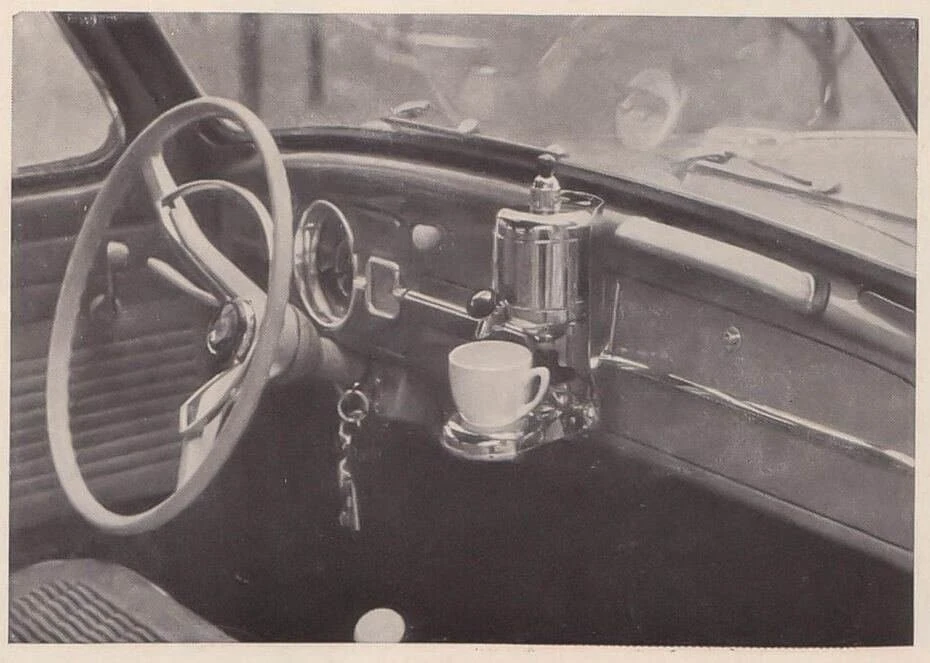
The Hertella Auto Kaffeemaschine coffee maker mounted directly to the dashboard of a Volkswagen Beetle and ran off the cigarette lighter
Released in 1959 as an official accessory for the Beetle, it didn't even have a power switch: plugging it into the socket immediately started the brewing process. Coffee was poured into metal cups that attached magnetically to the unit's frame. It stands as one of the earliest examples of in-car gadgets for drivers. 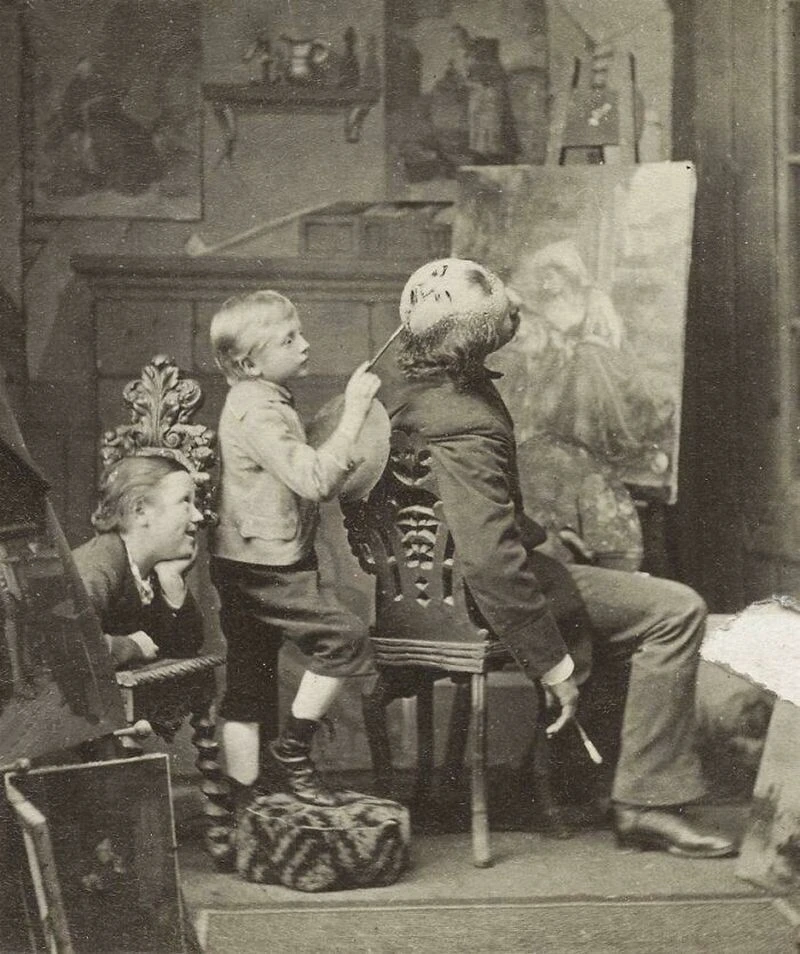
Victorian England, 1877. Candid, unposed shots from this era are an absolute rarity
Back then, photography was a costly luxury—a single portrait could cost a worker a full day's wage. To capture an image, subjects had to freeze for dozens of seconds, which is why people in early photos often look stiff and stern. That makes candid snapshots like this, which caught a genuine moment in time, all the more precious. 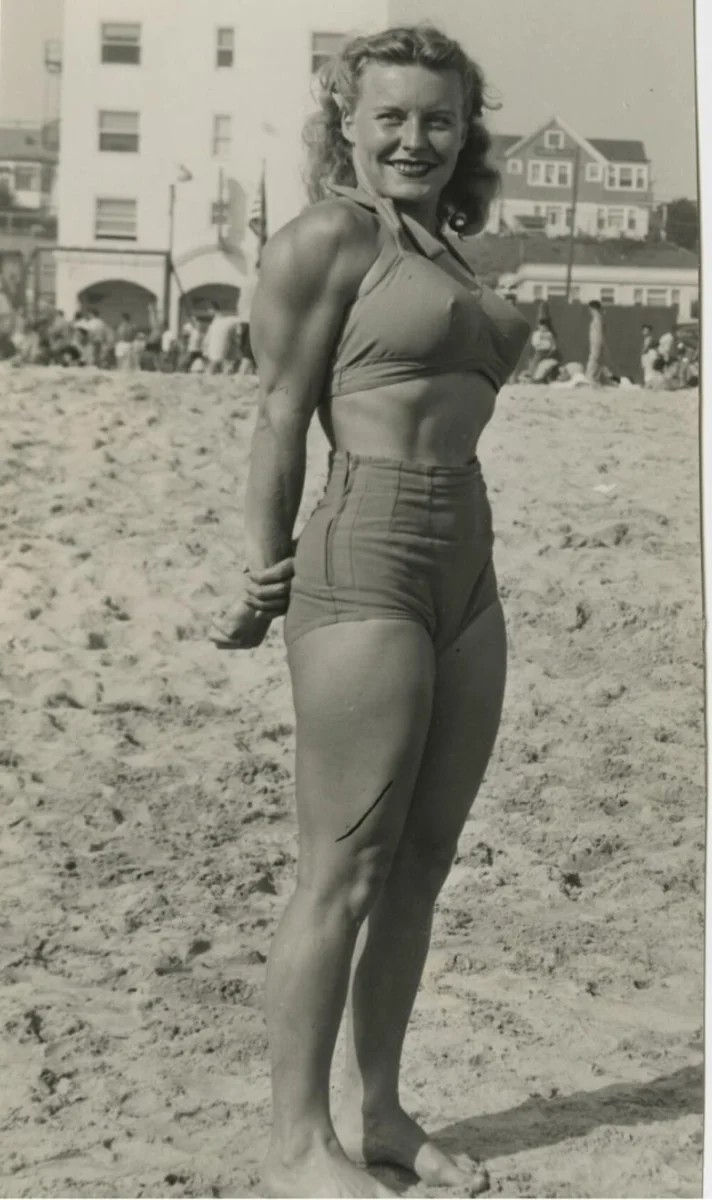
Abbye "Pudgy" Stockton at Muscle Beach in Santa Monica. By the late 1940s, her image had graced the covers of 42 magazines
Stockton (1917–2006) started out as a telephone operator. When her future husband handed her a pair of dumbbells, it sparked a career that would transform her life. In the 1940s, Abbye became a sensation at Muscle Beach, performing feats like lifting a barbell overhead while balancing on her husband's hands. By 1944, she was writing a women's fitness column for a premier American health magazine, and in 1947, she organized Los Angeles's first sanctioned women's weightlifting contest. She was widely remembered as the "First Lady of Iron." 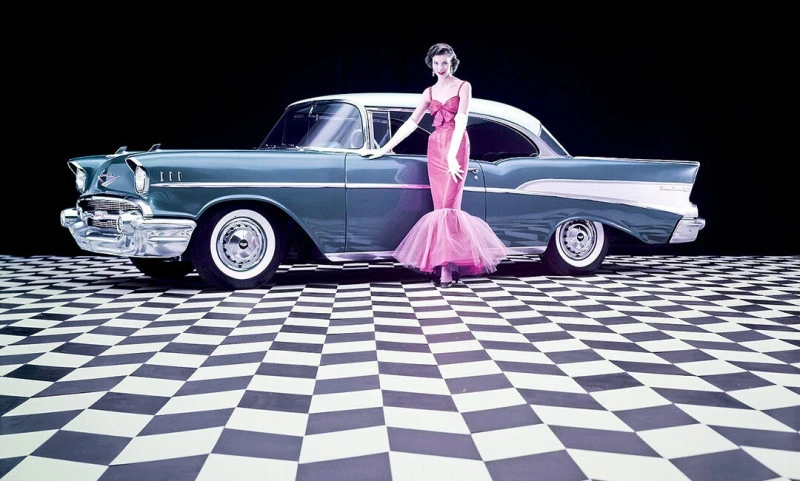
The 1957 Chevrolet Bel Air—its chrome tailfins drew inspiration from Cold War-era jet fighters
The fishtail—or mermaid—gown emerged around the very same time. General Motors designers and high-fashion couturiers independently hit upon the exact same silhouette: sleek and elongated, flaring gracefully at the base. Together, the car and the dress came to define 1950s style—a total coincidence, but a match made in heaven. 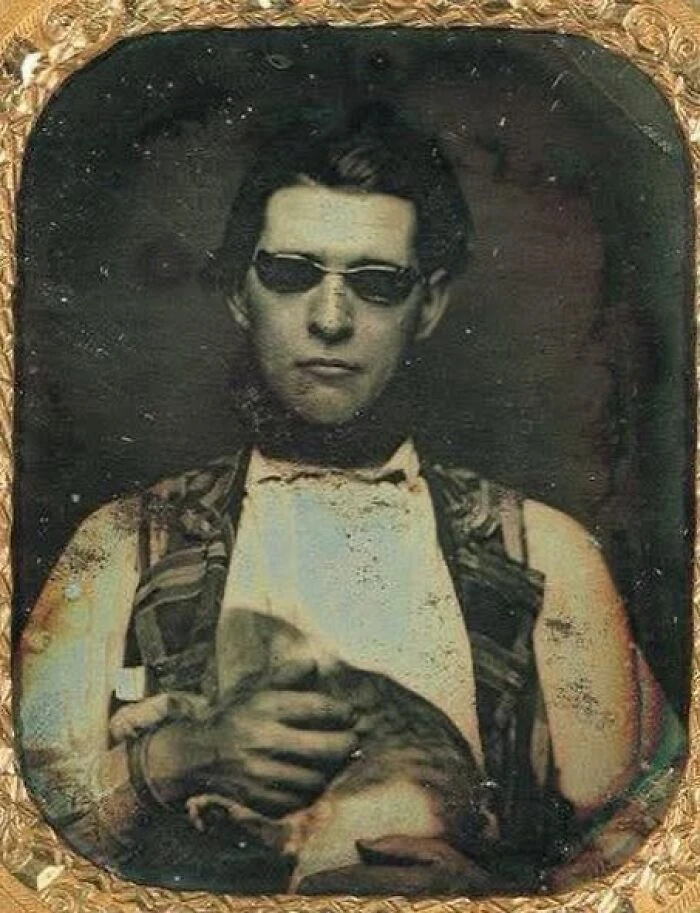
A daguerreotype from around 1850. Exposure times ranged from 15 seconds to several minutes, making this cat's willingness to hold still truly remarkable
Invented in 1839, the daguerreotype was the first commercially successful photographic process. Capturing living subjects was notoriously difficult, as even slight movements caused motion blur. That is why early pet portraits remain exceptionally rare and prized by collectors. 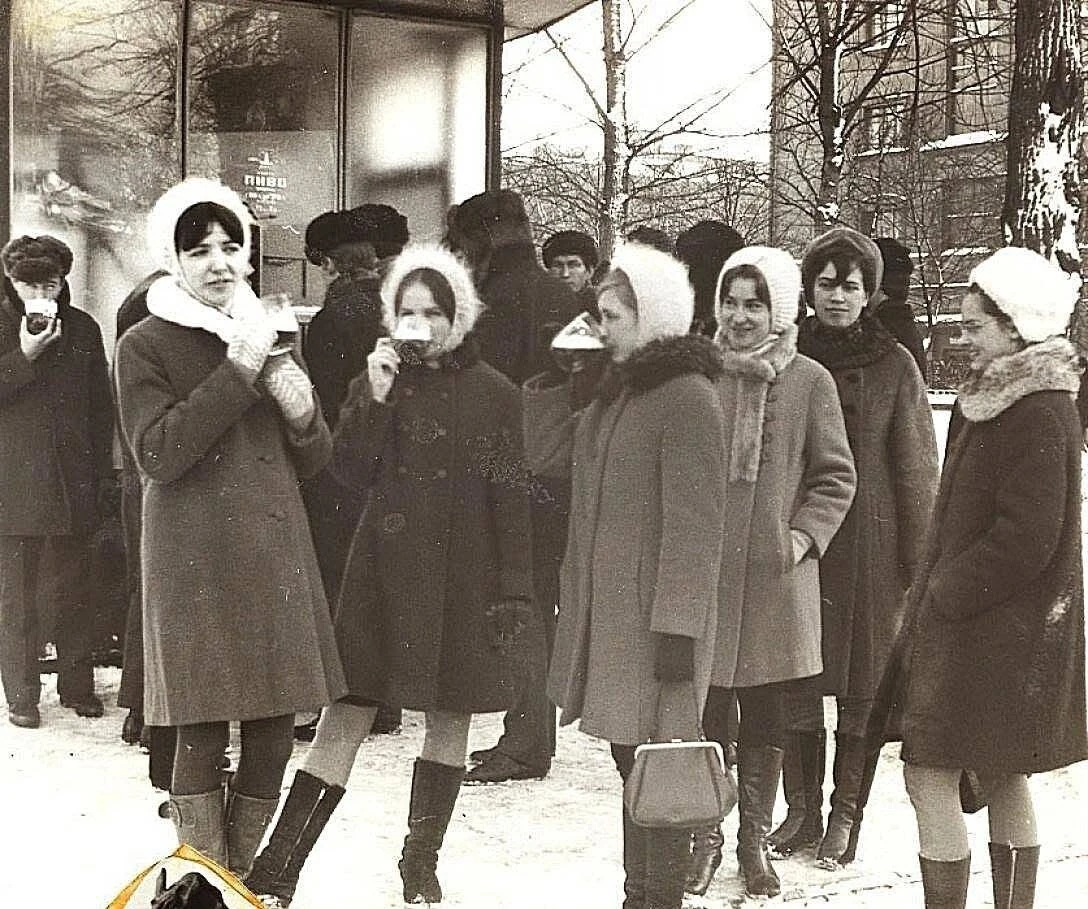
Kantemirovskaya Street, Leningrad, winter 1972
Beer kiosks were a staple of Soviet urban life, with thousands scattered across the country in the 1970s. Beer was served in glass mugs or poured to-go into three-liter glass jars that customers brought along. Contrary to the popular belief that these establishments were strictly a men's domain, it was perfectly normal for women to stop by as well. 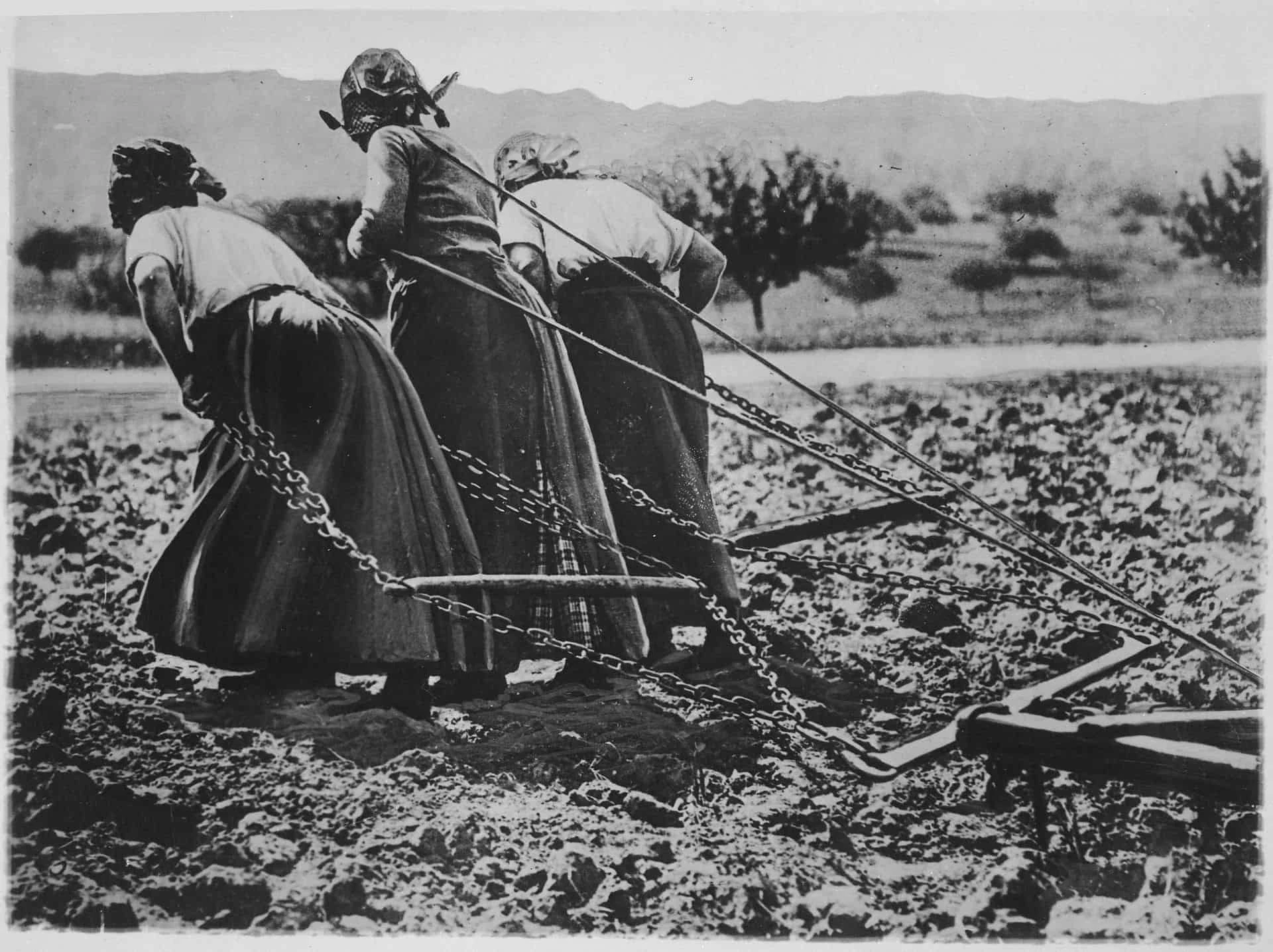
France, 1915. The military requisitioned one out of every four horses in the nation, stripping the countryside of both draft power and men all at once
French women shouldered the burden of agricultural labor, keeping the country fed throughout the four long years of war. By some estimates, women were performing over 50% of all farm work by 1915—working without machinery and with hardly any horses left. 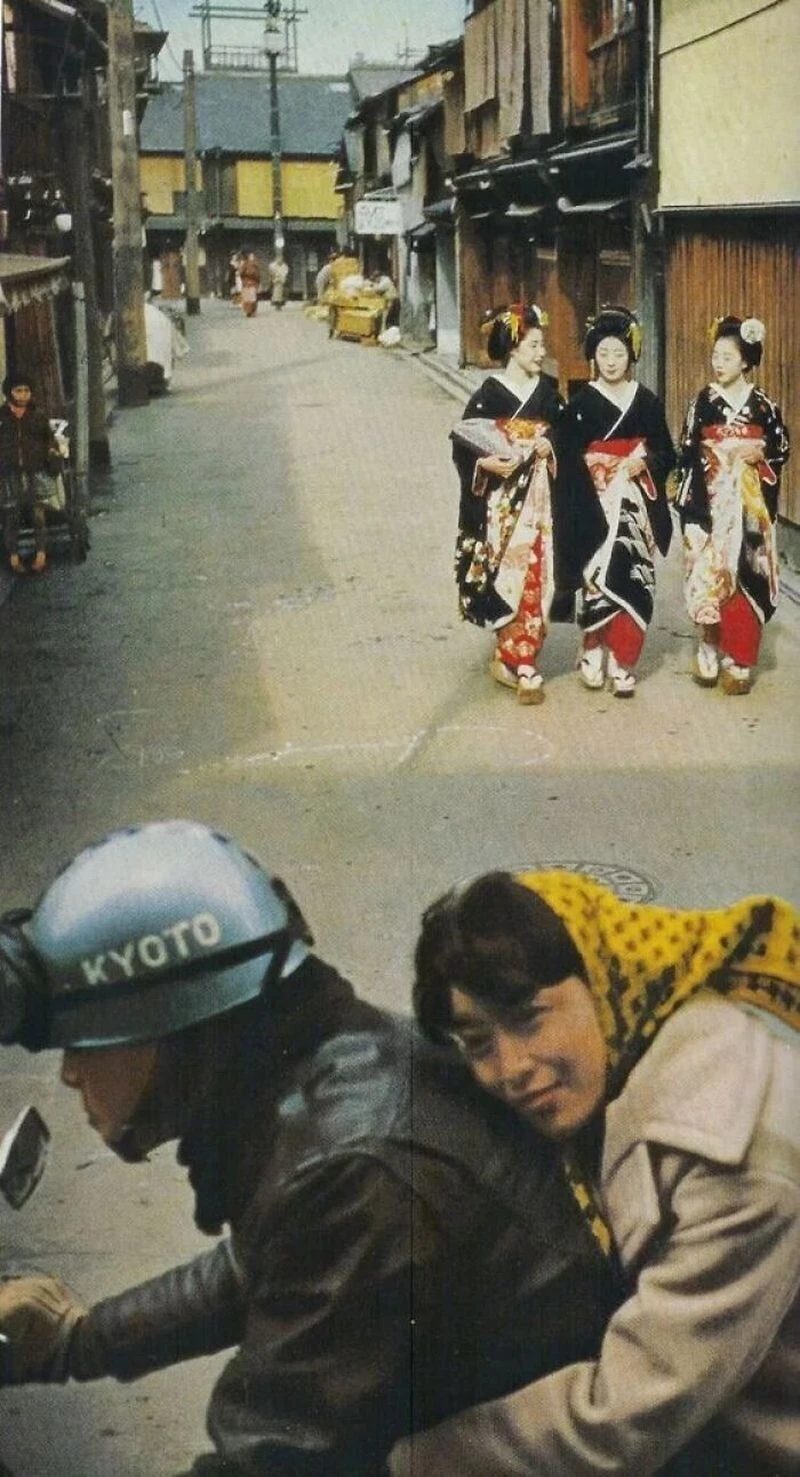
Kyoto, 1960. Traditional wooden townhouses, known as machiya, stand alongside the early hallmarks of Japan's post-war economic miracle
Kyoto was famously spared from atomic bombing targets by the U.S. in 1945 due to its immense cultural heritage. By 1960, Japan had emerged as one of the world's top five economies, yet traditional neighborhoods like this managed to endure much longer here than in Tokyo. 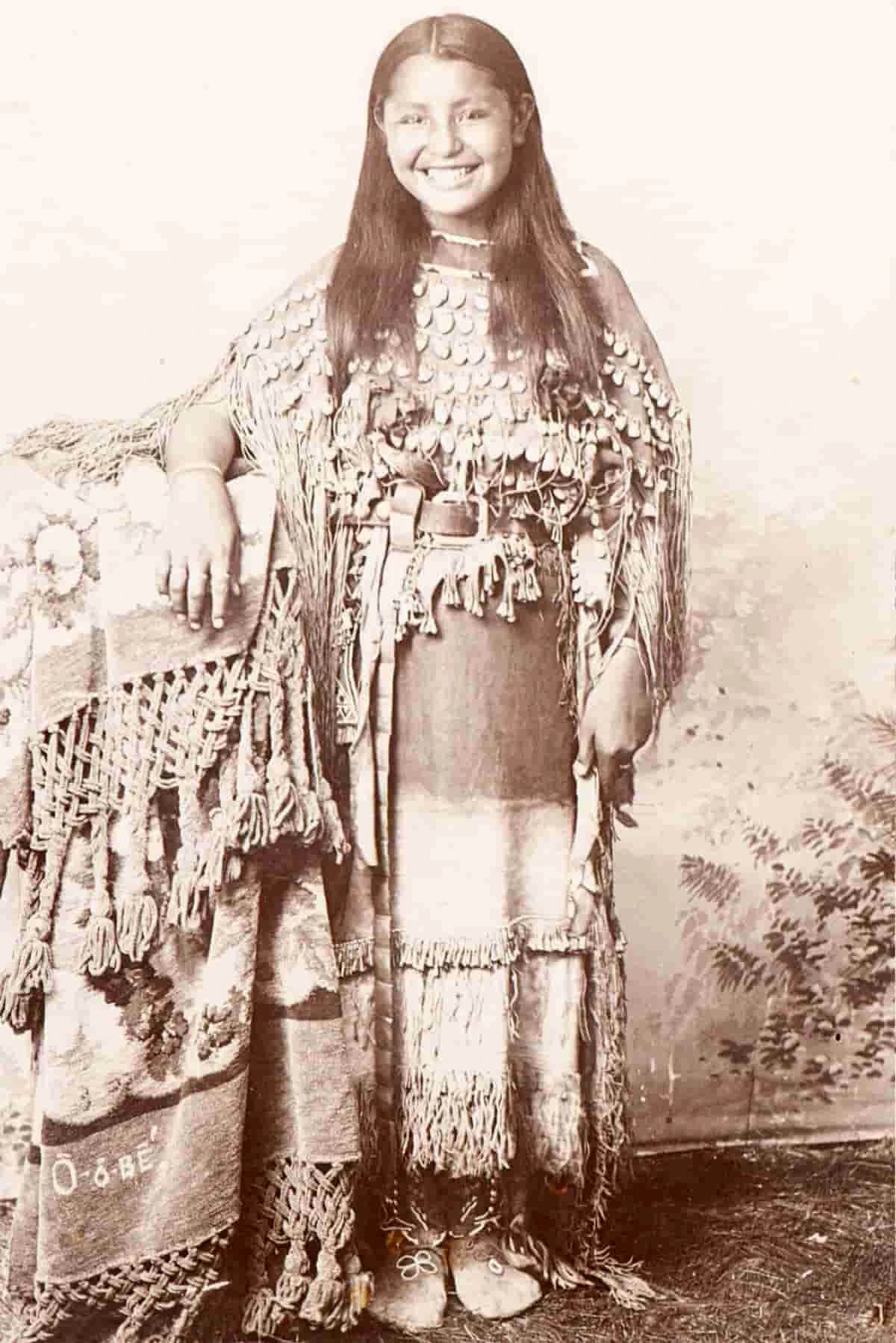
A Kiowa girl, 1894. Smiling in photographs was uncommon at the time—for both technical and cultural reasons
Long exposure times meant smiles easily blurred, while a serious expression was viewed as a sign of dignity. The Kiowa, an Indigenous people of the Great Plains, had been forced onto reservations by 1894 following decades of conflict with the U.S. military. The fact that this young woman gazes into the camera so openly and relaxed makes this portrait remarkably rare for its time. 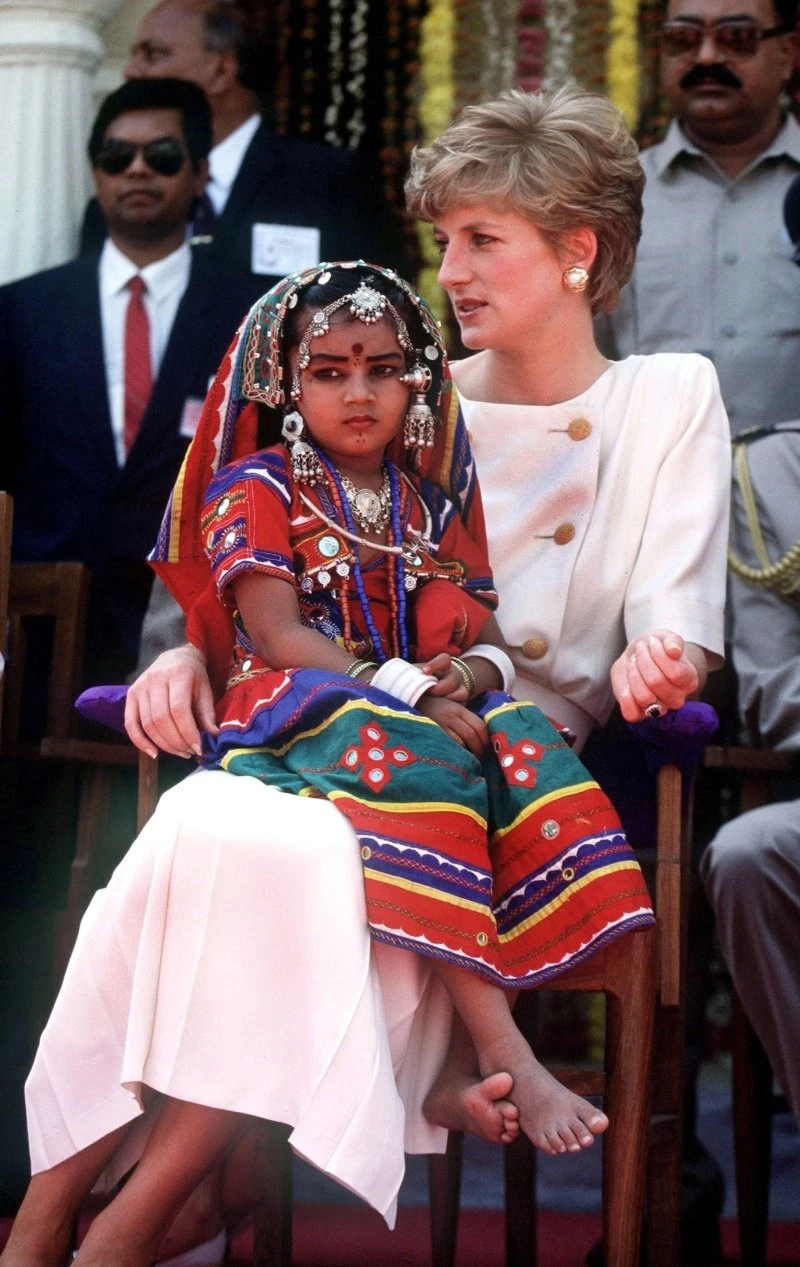
Princess Diana in India, February 1992. She was 30 years old
This was one of her final public trips before the scandal broke. In June of that year, Andrew Morton's bombshell biography hit shelves, drawing from Diana's own secret audio recordings. It became an instant sensation and forever shifted the public's perception of the royal family. 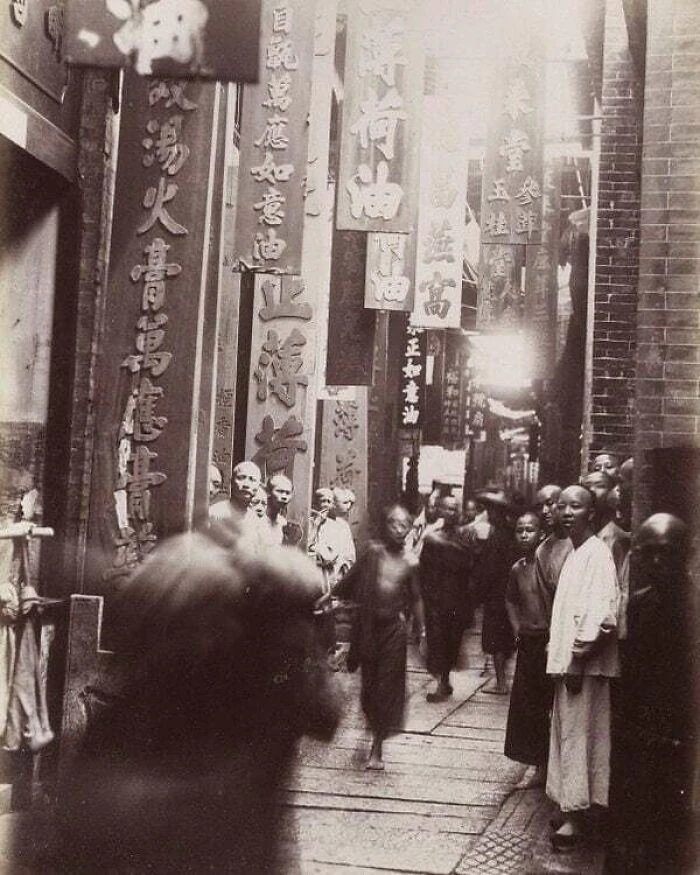
Guangzhou (Canton), 1880—one of the few Chinese treaty ports open to foreign photographers during the Qing dynasty
It was here that China's pioneering professional photographers operated; Lai Afong opened his studio in Guangzhou as early as 1859. Locals were often wary of cameras, meaning street photography required considerable tact and patience. 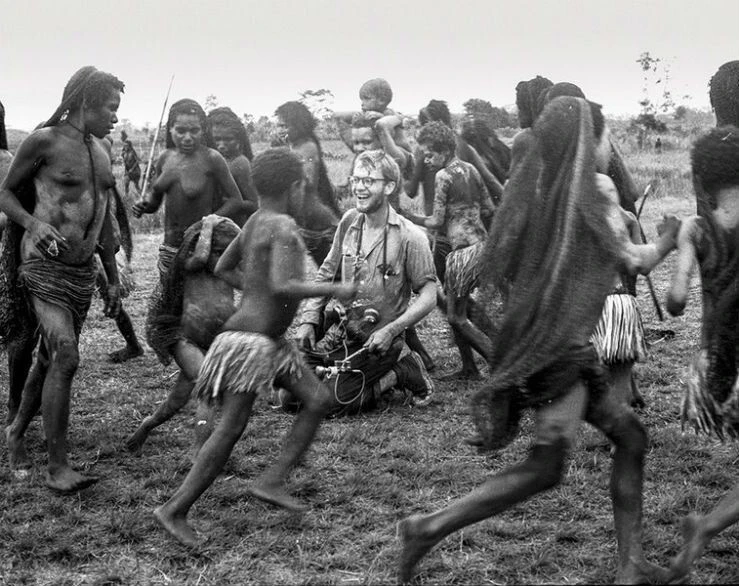
Twenty-three-year-old Michael Rockefeller, who vanished on November 19, 1961, off the coast of New Guinea
The son of the governor of New York traveled to the Asmat region to collect indigenous art for his father's museum. When his catamaran capsized near the shore, he told his companion, "I think I can make it," before swimming off. He was never seen again, and his body was never recovered. A court officially declared him dead in 1964. 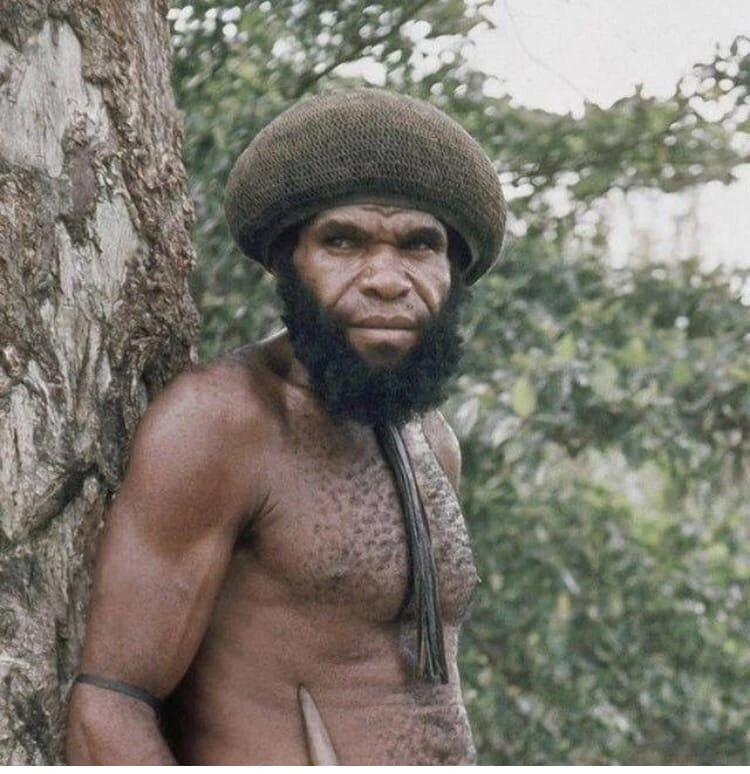
Dne, a prominent Asmat warrior from Papua province, Indonesia, who later claimed to have killed and eaten Rockefeller
Asmat culture was steeped in ritual vengeance: a life required a life. According to journalist Carl Hoffman's 2014 book Savage Harvest, Rockefeller reached the shore alive, only to be slain in retaliation for the deaths of five villagers during a 1958 Dutch colonial raid. The official ruling, however, remains death by drowning. 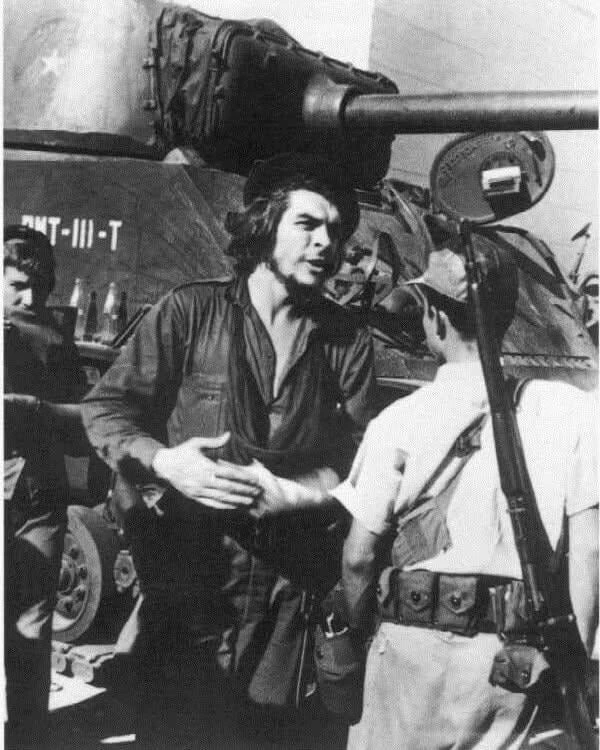
Ernesto "Che" Guevara beside a captured tank from Batista's army in Santa Clara, December 1958
The Battle of Santa Clara began on December 28, 1958. Guevara's force of roughly 340 guerrilla fighters routed government troops outnumbering them nearly ten to one. The turning point came when they derailed an armored supply train using a bulldozer and Molotov cocktails. Fulgencio Batista fled Cuba on the night of January 1, 1959. 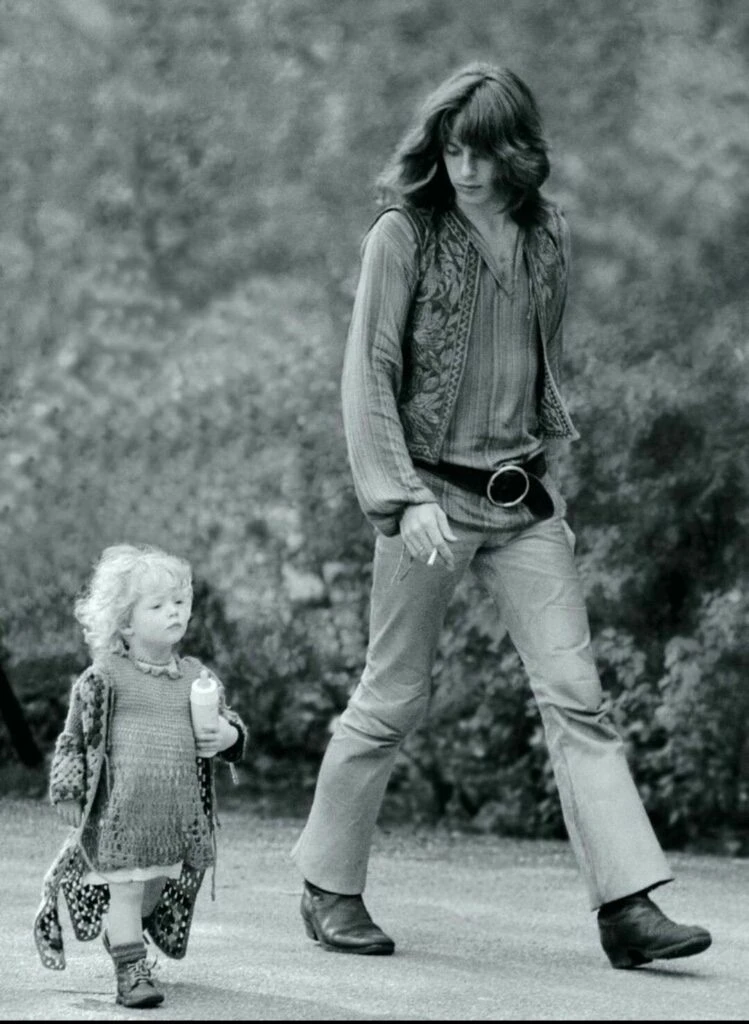
Dutch actor Sandy van der Linden with his daughter, Amsterdam, 1972
In the early 1970s, Amsterdam was emerging from the countercultural wave of the Provo movement and the height of hippie culture. Bicycles, canals, and leisurely strolls—the iconic image of the city took root during this era and has changed remarkably little since. 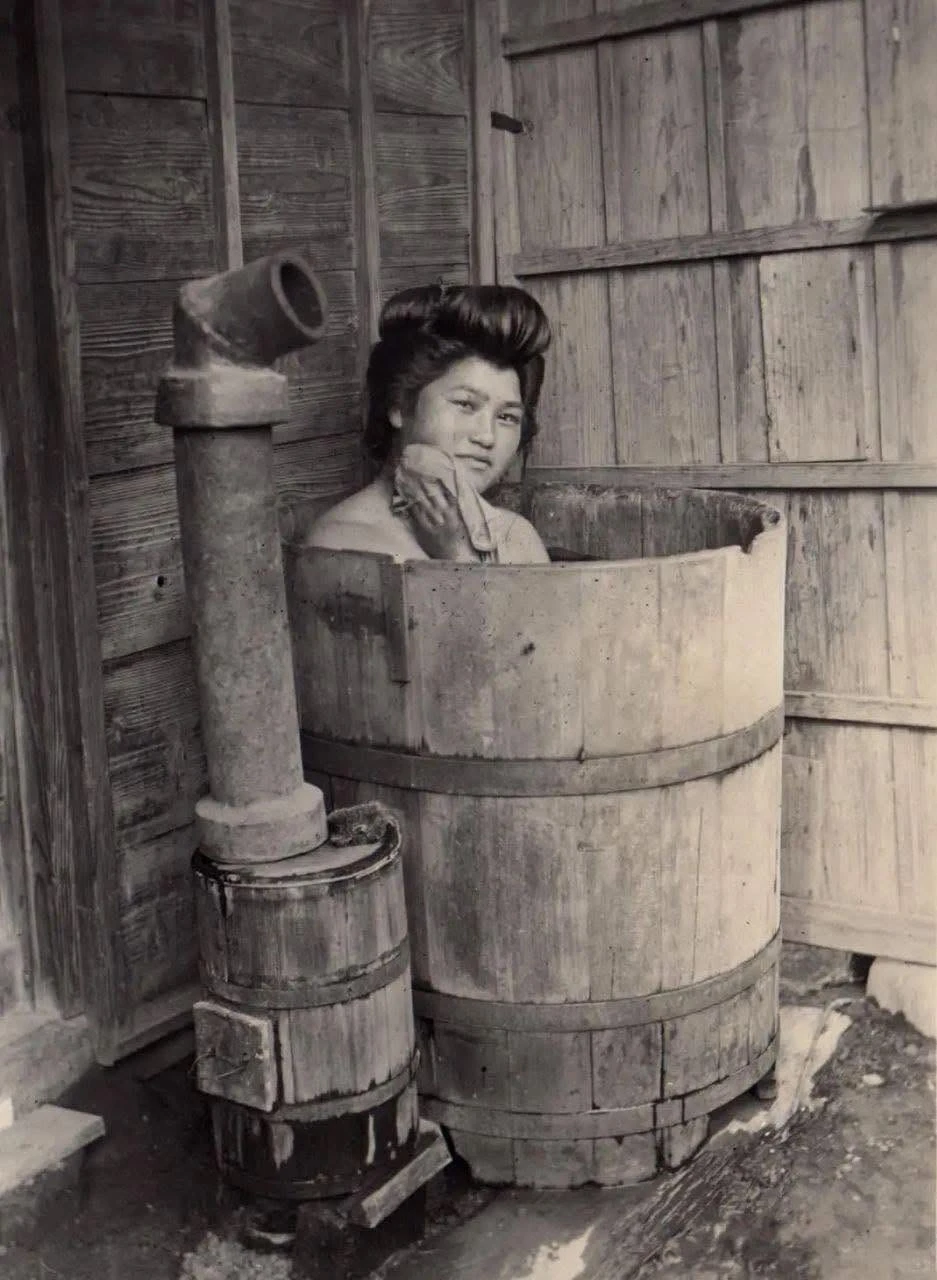
An ofuro—a bath meant for relaxation rather than hygiene: bathers clean themselves before soaking. 1911
Water in an ofuro was heated to 40–42 °C and reused by family members one after another. This tradition dates back over a thousand years and remains vibrant today. By 1911, ofuro tubs were commonplace in Japanese households, whereas private bathrooms in Europe were still a privilege reserved for the wealthy. 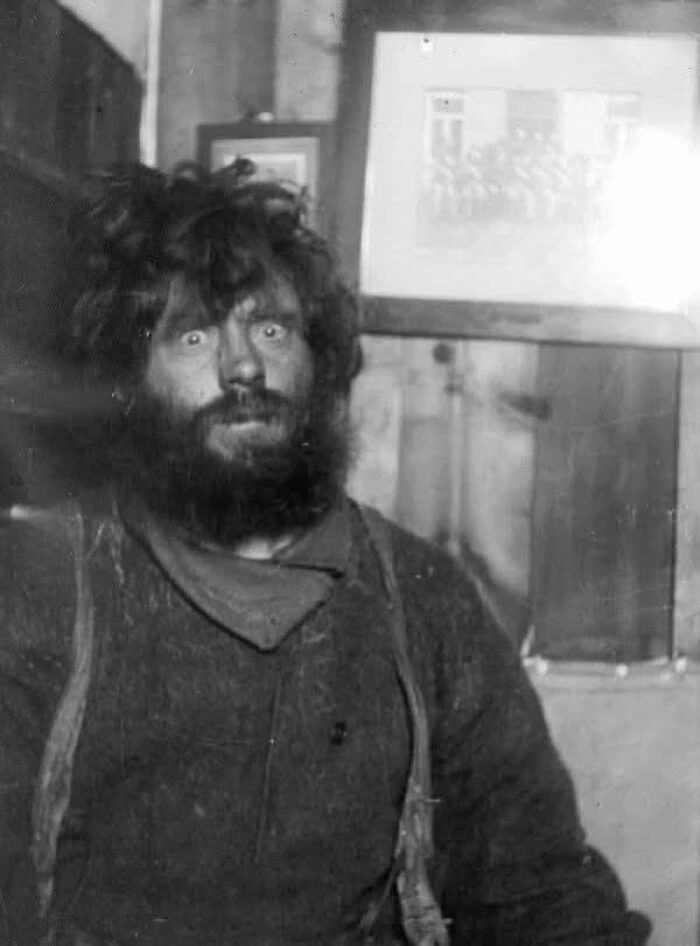
Ejnar Mikkelsen in 1912. Behind him were three winters stranded in Greenland; ahead lay his book Lost in the Arctic
In 1909, Mikkelsen set off for Greenland to recover the lost journals of Ludvig Mylius-Erichsen's ill-fated expedition. Though he found the records, ice crushed his ship, and the rest of his crew departed on a passing vessel. Mikkelsen and his engineer, Iver Iversen, survived three grueling winters in a makeshift hut before being rescued by Norwegian whalers in a state of severe exhaustion. 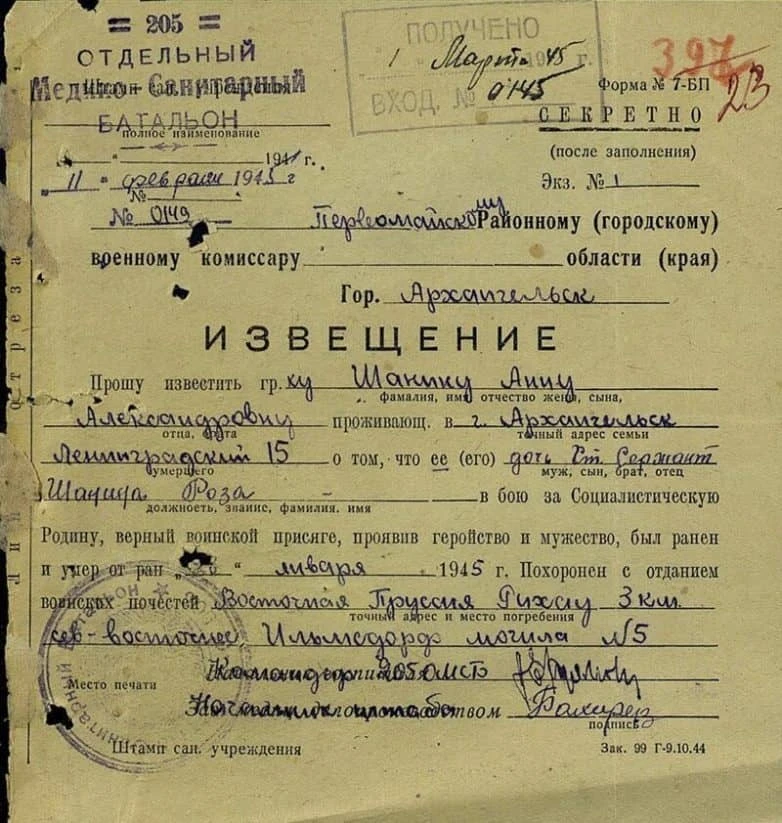
The casualty notice sent to the mother of Soviet sniper Roza Shanina, delivered in February 1945
Roza Shanina was killed on January 28, 1945, shielding a severely wounded officer during the East Prussian Offensive. She was just 20 years old and had 59 confirmed kills to her name. Canadian newspapers dubbed her "the unseen terror of East Prussia." Her brother later recalled the moment their mother received the official death notice: "Her eyes couldn't even weep anymore. 'That's it, that's everything,' was all she kept repeating." 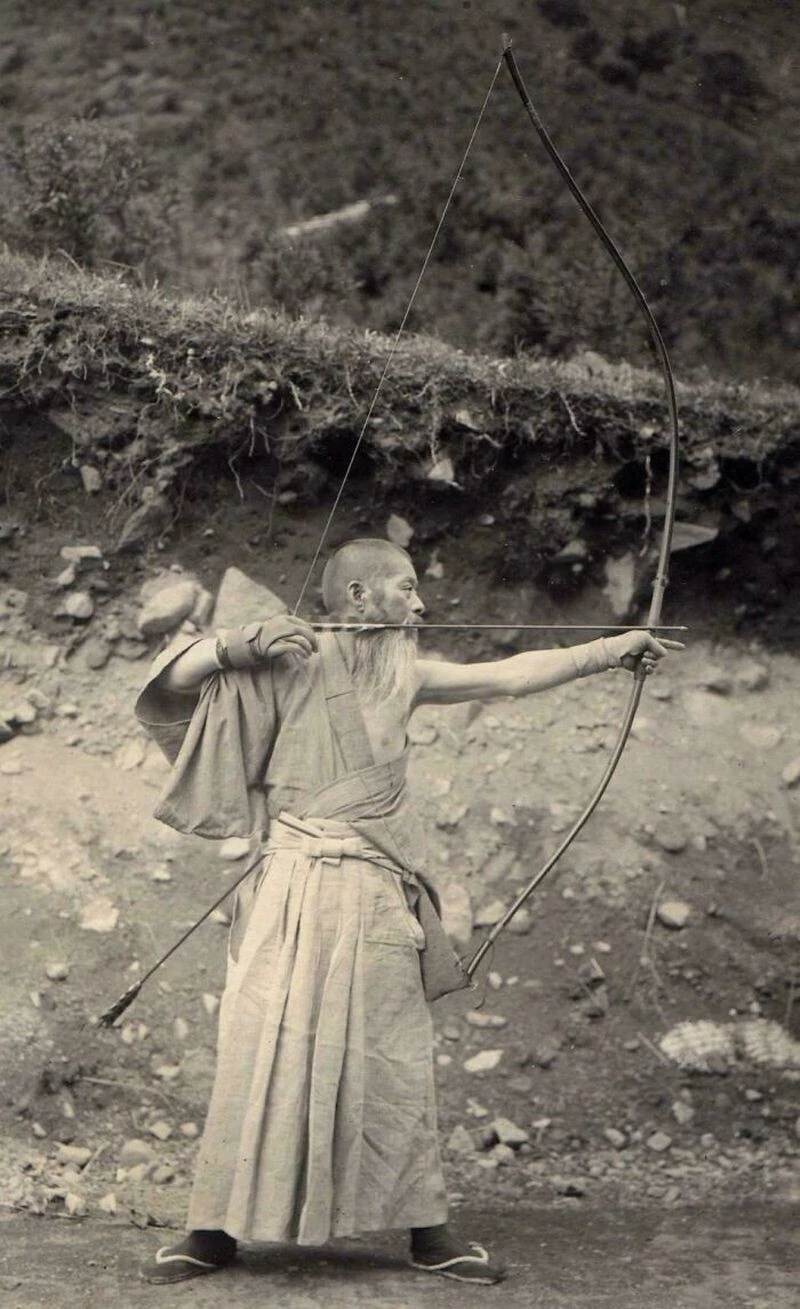
Kyudo, or "the way of the bow"—a Japanese martial art where accuracy is seen as a natural byproduct of inner composure. 1910s
Kyudo roots trace back to the samurai traditions of the Heian period (794–1185). By the 1910s, it had evolved from a battlefield skill into a meditative discipline for spiritual growth. Unlike Western archery, the execution of the shot itself is considered far more vital than hitting the bullseye. 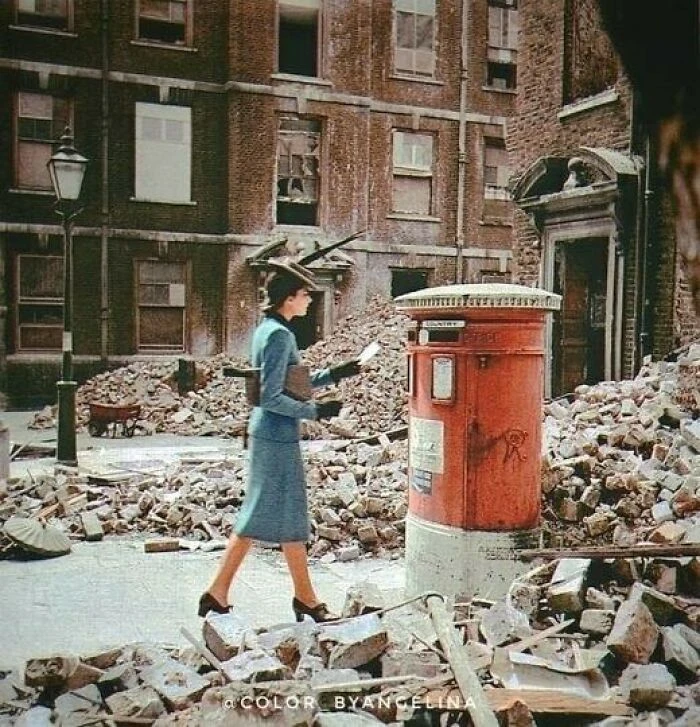
London, 1940. Photographed by Cecil Beaton. The German Blitz devastated the city from September 1940 to May 1941
Over those months, roughly 30,000 tons of bombs rained down on London, claiming the lives of over 43,000 civilians. Yet Britain's Royal Mail kept delivering even through the darkest nights—a deliberate policy by authorities to show that life went on regardless. 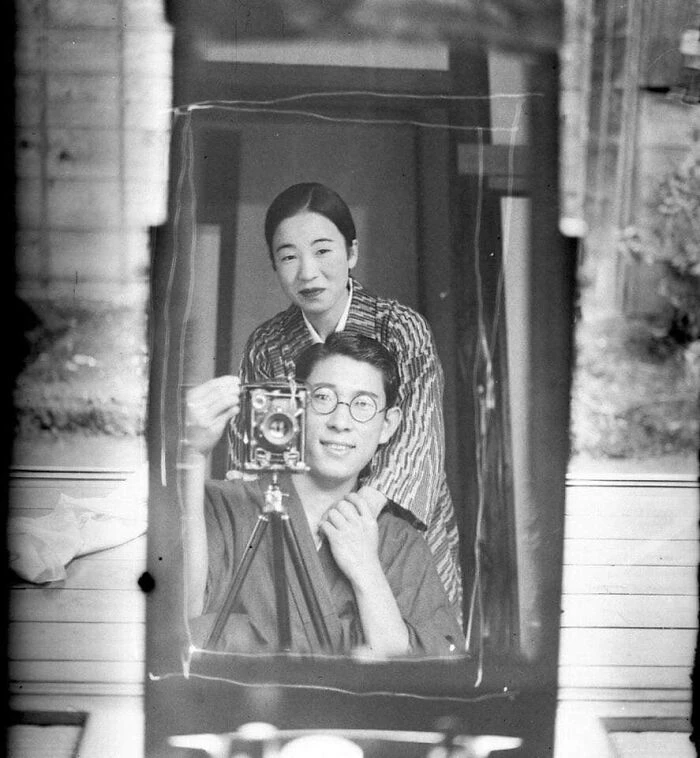
A mirror self-portrait, Japan, circa 1926. Capturing this required precise camera angles and careful lighting
Studio photography flourished in 1920s Japan as the country embraced Western techniques while crafting its own distinct aesthetic. The Taisho era (1912–1926) was a vibrant period of liberalization and booming urban culture, making personal portraits accessible to the middle class for the first time. 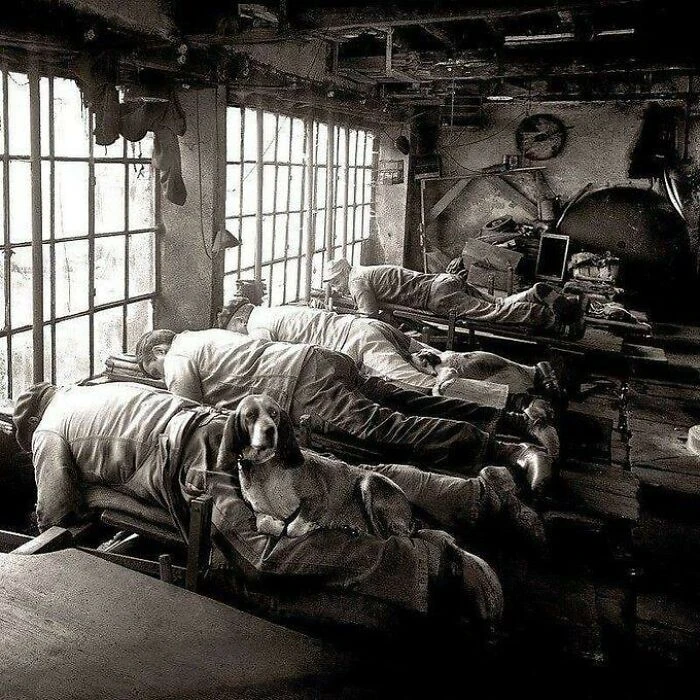
French knife grinders, 1902. Lying face down on horizontal rigs relieved back strain during grueling, hours-long shifts
This trade was common across Europe; in France, it was largely practiced by seasonal migrants from the mountainous Auvergne region who moved to cities for the winter and returned home in the spring. By the early 20th century, street grinders were increasingly being phased out by permanent workshops.
Which of these photographs surprised you the most?