Life Underground in Coober Pedy: The Subterranean Town You’ve Definitely Seen in Movies (23 Photos)
Deep in the South Australian outback, halfway between Adelaide and Alice Springs, lies the small town of Coober Pedy. Known for its rich opal mines and recurring appearances in Hollywood blockbusters, this desert town holds a truly unique claim to fame: most of its residents live entirely underground. 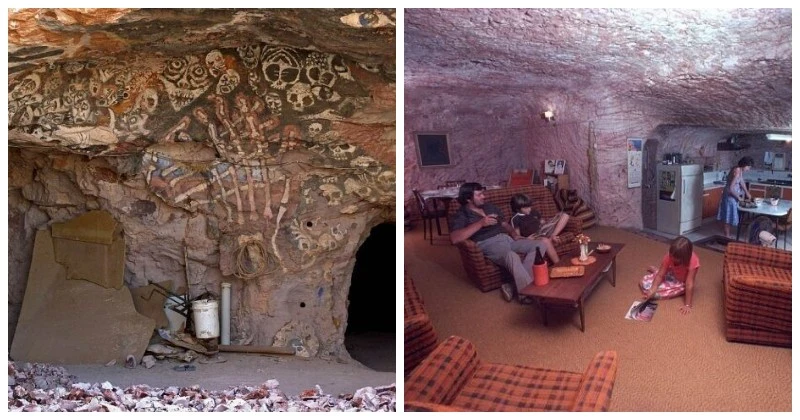
The history of Coober Pedy is deeply intertwined with that of the local Indigenous people. It sits on the traditional lands of the Arabana people, while the Yankunytjatjara and Kokatha peoples also recognize the area as part of their ceremonial lands. 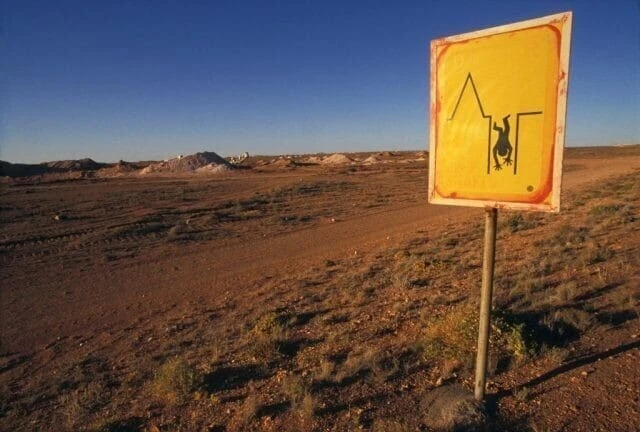
The first European explorer to reach the area was John McDouall Stuart in 1858. Yet even after his expedition, the region remained largely uncharted by Western scholars. That changed in 1915 when 14-year-old Willie Hutchison discovered opal while on a prospecting trip with his father. 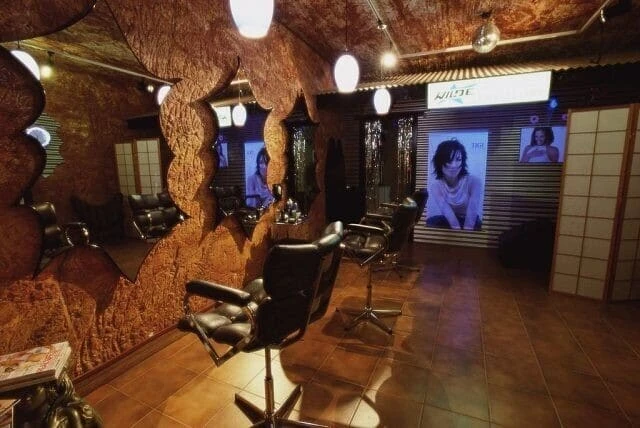
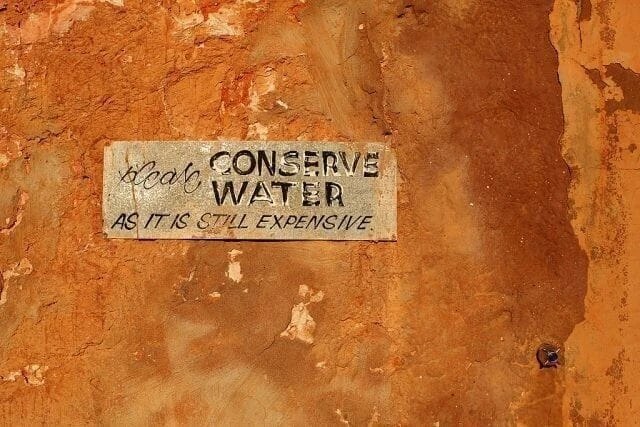
By 1916, a population boom was underway as miners flocked to the area. Notably, many of the early settlers were World War I veterans who had become expert diggers after months in the trenches. Before long, the town was home to people from more than 50 different nationalities. 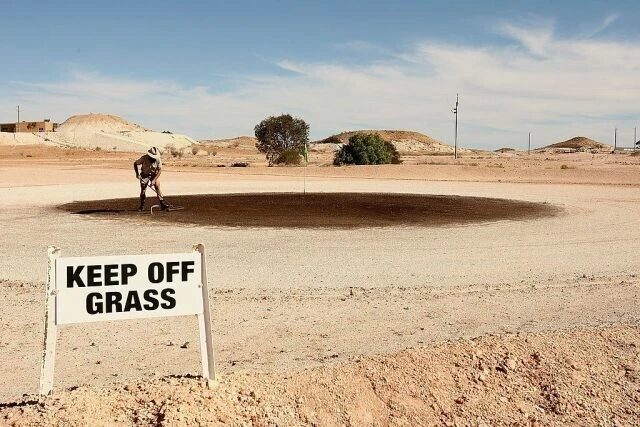
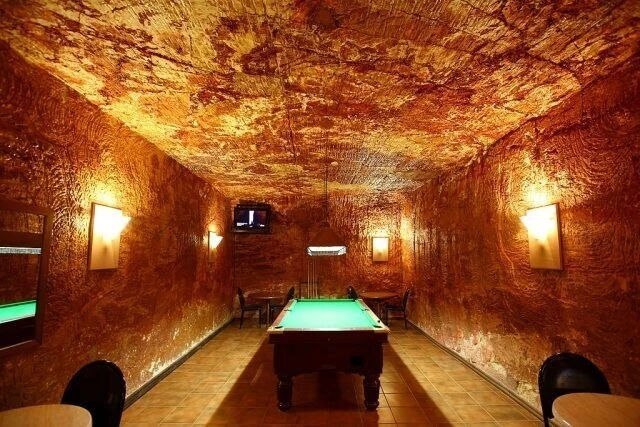
Decades of mining left the surrounding landscape dotted with over 250,000 mine shafts by 1999. The sheer density of opal mines eventually prompted local authorities to pass laws limiting mining activity. Since then, the field has become a mecca for prospectors and treasure hunters seeking permits to try their luck. 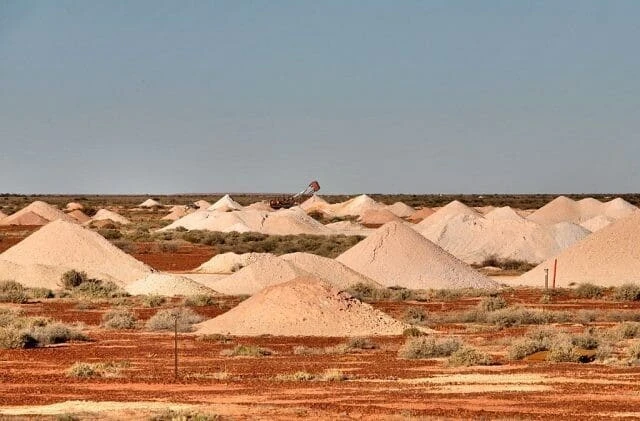
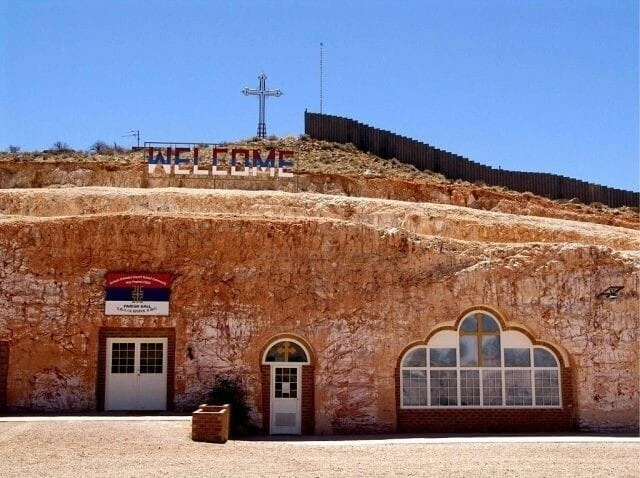
Coober Pedy accounts for roughly 70 percent of the world’s opal production, earning it the title of the "Opal Capital of the World." Most of its residents are tied to the gem trade, working across more than 70 active opal fields.
Extreme heat is the single greatest challenge for the residents and miners of Coober Pedy. Situated on the edge of the Great Victoria Desert, temperatures here frequently soar past 40 degrees Celsius. 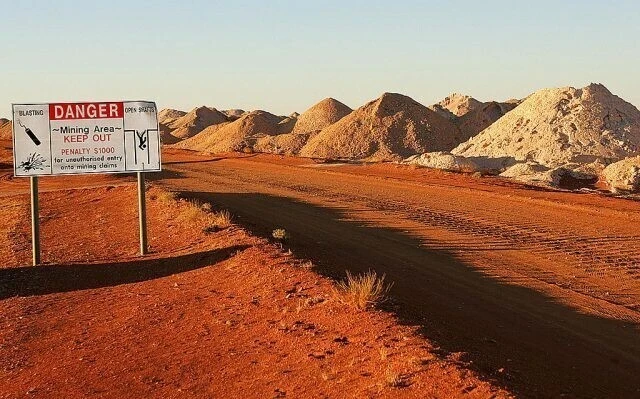
The town sits along the edge of the Stuart Range escarpment, a formation of siltstone and sandstone extending nearly 30 meters deep. This harsh geology, coupled with blistering heat, makes plant life virtually impossible. Before local greening initiatives encouraged residents to plant trees, the tallest tree in Coober Pedy was famously welded together out of scrap metal. 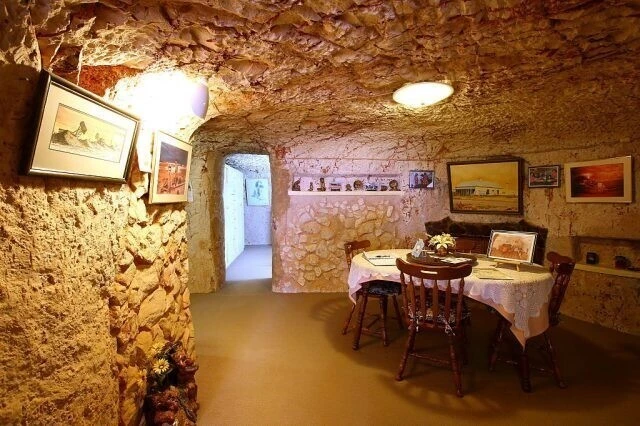
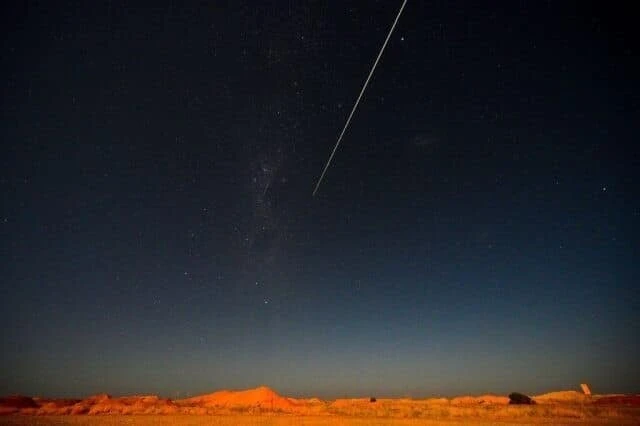
The relentless heat and lack of rainfall also cause nearby Kati Thanda–Lake Eyre, Australia's lowest natural point, to dry up periodically. When dry, the lakebed glimmers with salt crystals, turning the landscape into a striking white desert expanse.
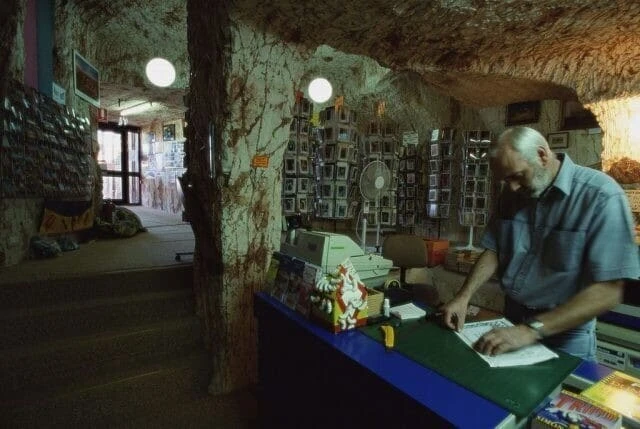
To escape the scorching temperatures, early residents came up with an ingenious solution: move underground. Using basic mining tools, pioneer prospectors carved subterranean homes—known as "dugouts"—into the hillsides. 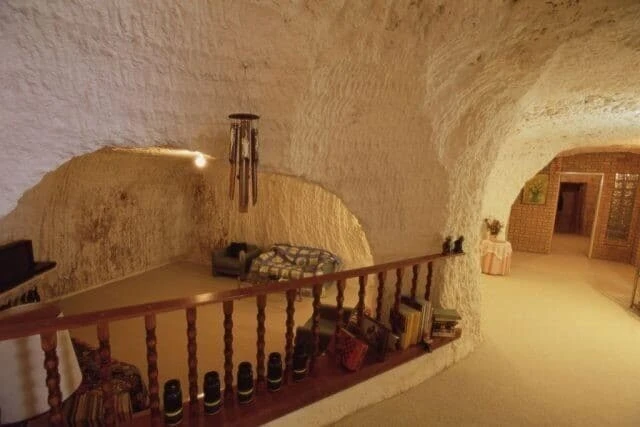
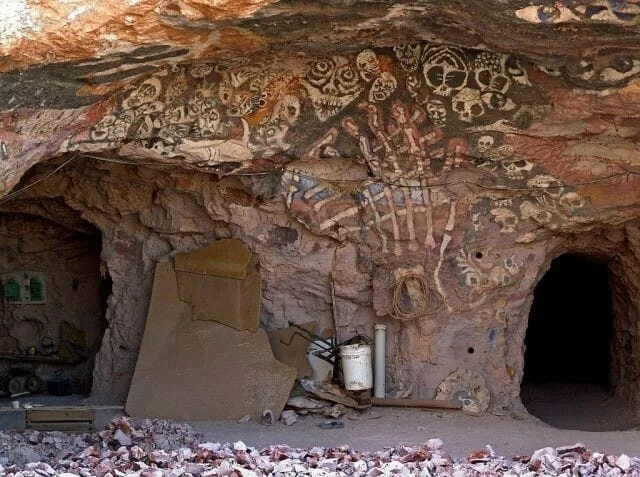
The idea took hold, and today roughly half the town's population lives underground. For the price of a standard surface home, residents can excavate a spacious underground property complete with three bedrooms, a bathroom, a living room, and a kitchen. These subterranean dwellings offer a major advantage: they stay naturally cool year-round, eliminating the need for air conditioning. 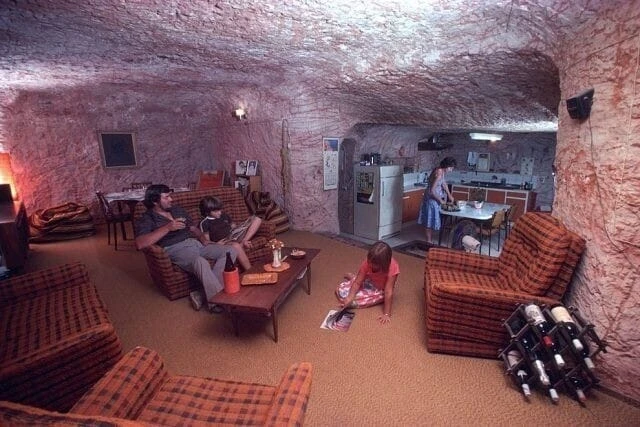
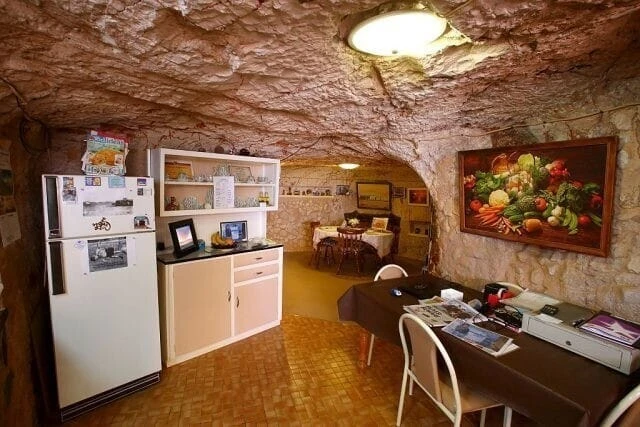
To guarantee resident safety, municipal regulations require subterranean homes to feature emergency lighting, adequate ventilation, roof depth of at least 2.5 meters, and a secondary escape route. Local emergency services include a volunteer fire brigade and a 15-officer police force. 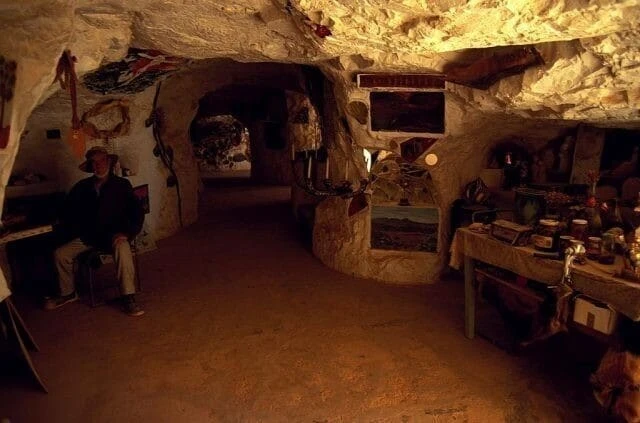
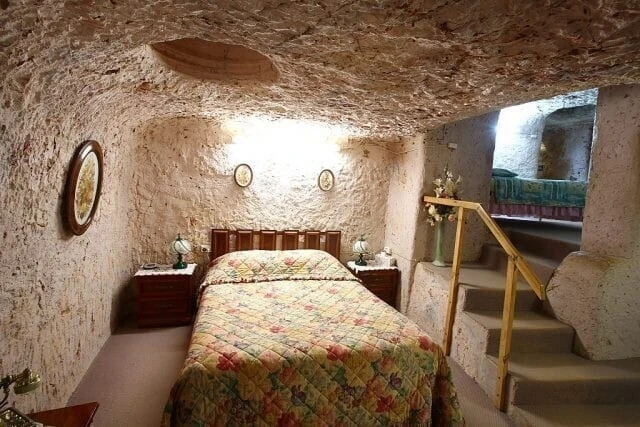
Whether living above ground or below, residents enjoy the modern amenities typical of any township. Landline telecommunications arrived in the 1960s and 70s, television followed in 1980, and mobile networks became widespread in the 1990s. 
Today, tourism is as vital to the local economy as mining. Each year, thousands of travelers journey down the Stuart Highway to explore Coober Pedy’s unique attractions, from working mines and local cemeteries to striking underground churches, including a Serbian Orthodox church featuring intricately carved stone walls. 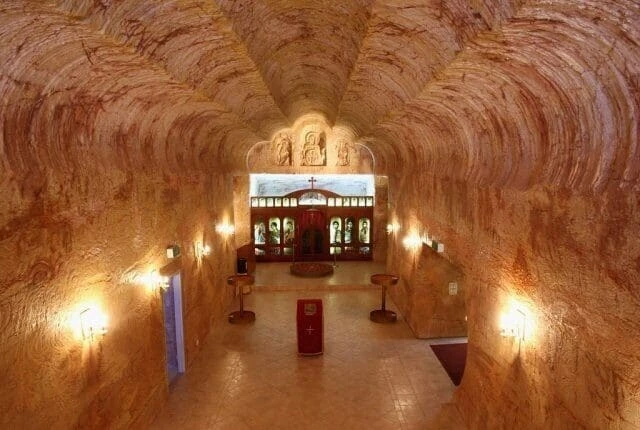
Visitors keen to delve into the town's mining heritage can explore the Umoona Opal Mine and Museum or take part in the annual Coober Pedy Opal Festival. Travelers can even camp out in subterranean caverns or enjoy a stay at the upscale Desert Cave Hotel. 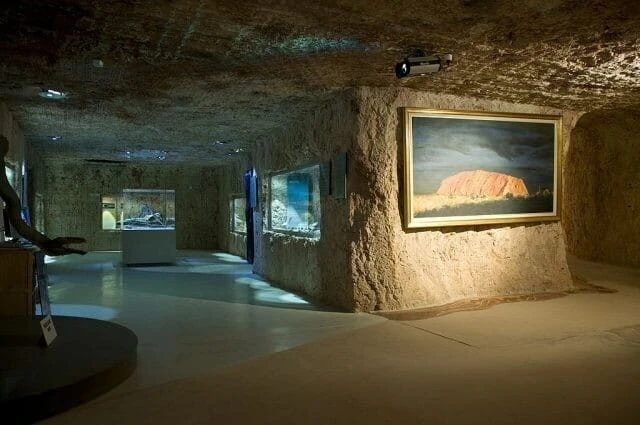
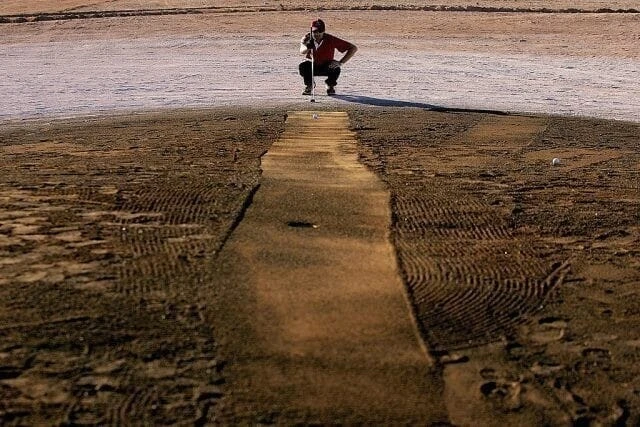
Above ground, visitors can view the nearby Dingo Fence, which stretches over 5,000 kilometers. Originally built to protect livestock from predators, it remains one of the longest continuous structures in the world, spanning from Queensland's east coast all the way to the Nullarbor Plain. For a truly unique experience, golf enthusiasts can play a round at the local night golf course using glow-in-the-dark balls to dodge the blistering daytime heat. 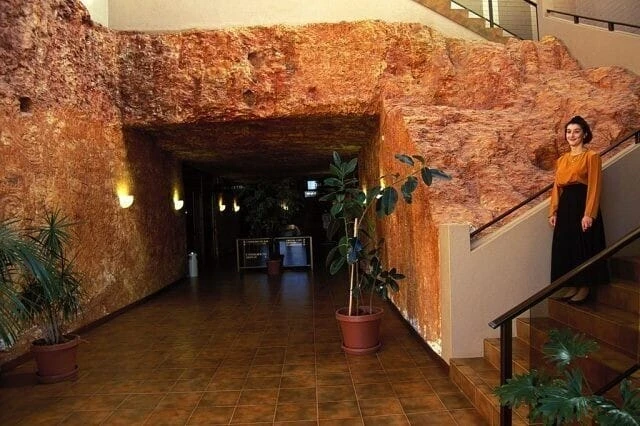
Over the years, Coober Pedy has also become a favorite location for filmmakers, drawn to its stark, otherworldly terrain. Major blockbusters like Mad Max Beyond Thunderdome and Red Planet were filmed here, earning Coober Pedy the nickname "Hollywood of the Outback."