33 Stunning Artifacts from the Past: From a Mechanical Tiger to a Fasting Buddha (34 photos)
In the Middle Ages, master jewelers worked without magnifying glasses or electric lighting—yet still created pieces of breathtaking precision. Three thousand years ago, an Egyptian schoolmaster corrected a child's homework in red ink. A Roman glassblower crafted a fish-shaped vessel with a gold stopper. A court mechanic to an Indian sultan built a roaring wooden tiger. This collection features 33 relics across different eras and cultures, each proving one thing: true talent transcends time. 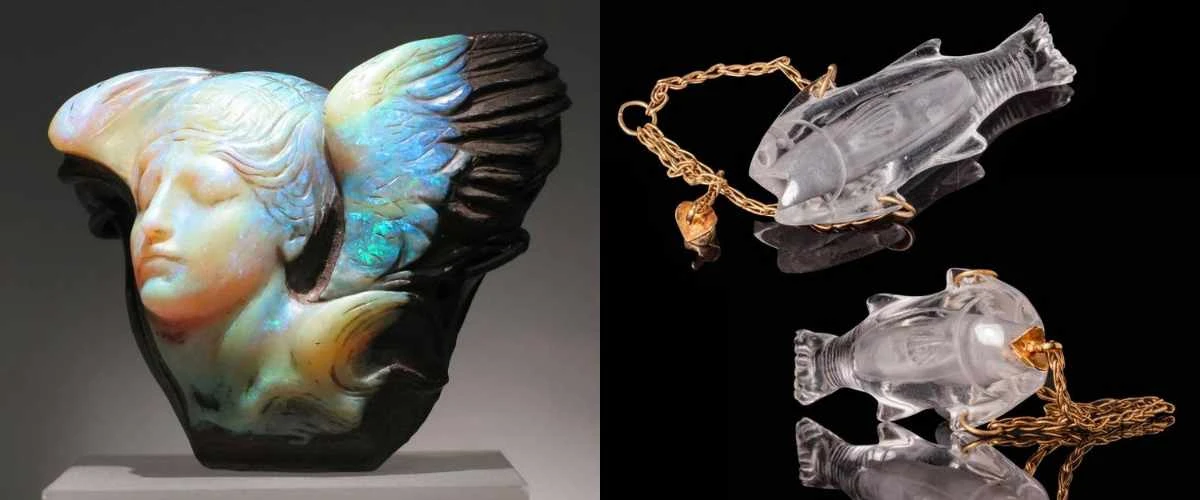
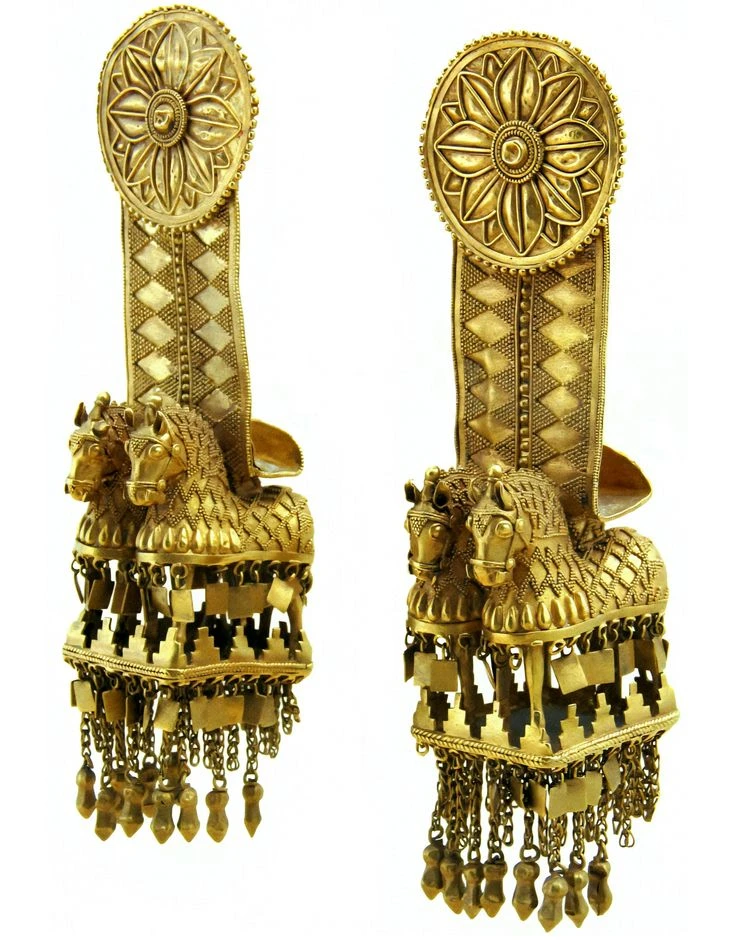
Gold temple pendants from Georgia, ca. 350 BC—an exceptionally delicate piece of Scythian-era jewelry. 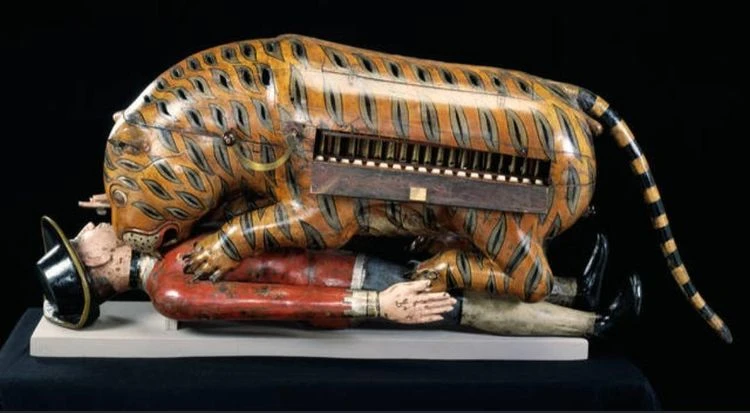
Tipu's Tiger—a life-sized wooden automaton from 18th-century India depicting a tiger attacking a British soldier, complete with roaring sounds when wound up. 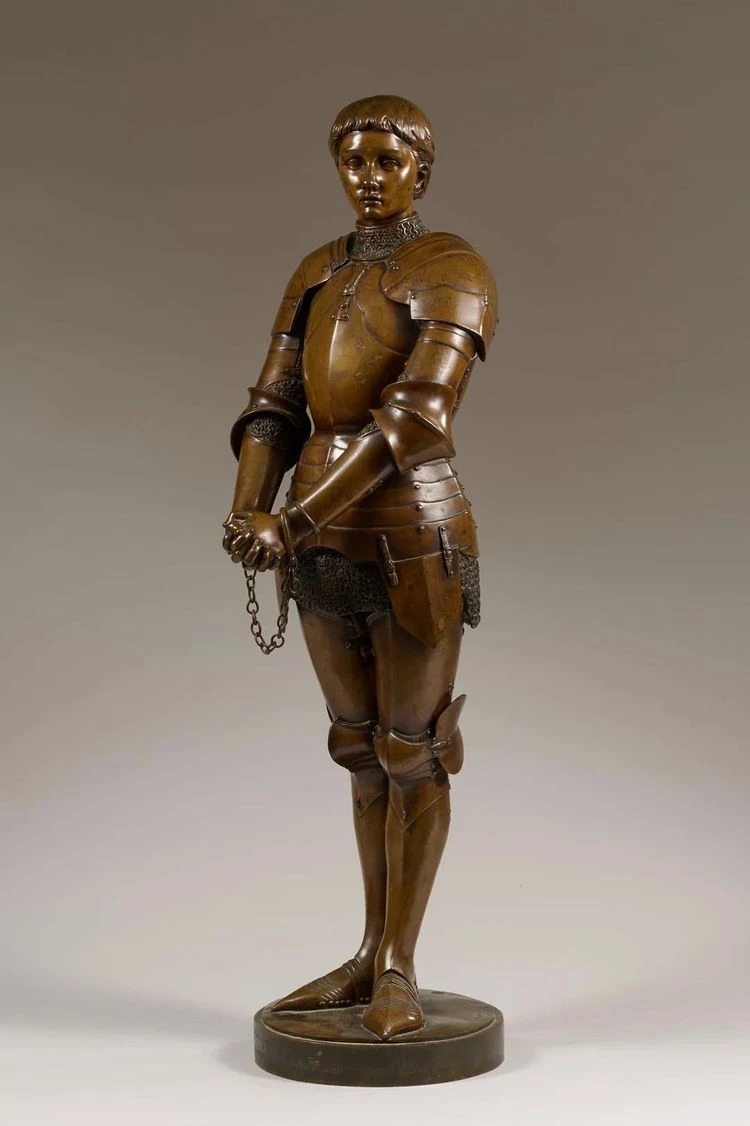
A statuette of Joan of Arc by French sculptor Louis-Ernest Barrias, 1892. 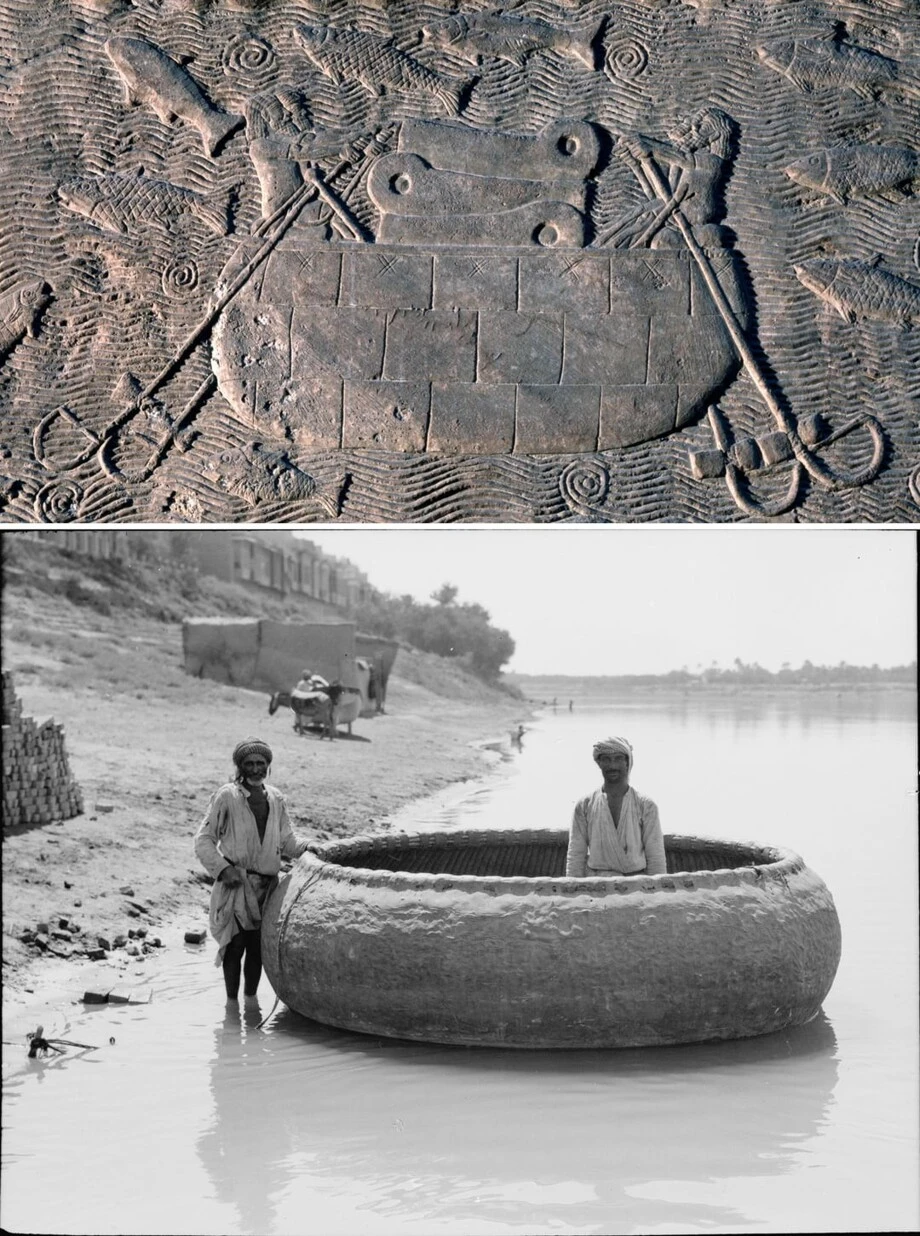
A quffa—a circular coracle woven in Mesopotamia. These vessels plied the Tigris and Euphrates rivers from antiquity until the 20th century. 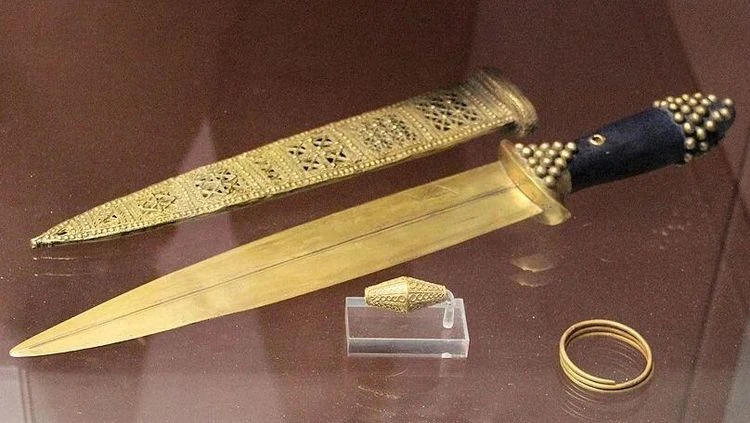
The gold dagger of Aannepadda, king of the First Dynasty of Ur. Discovered in a royal tomb at the Royal Cemetery at Ur, ca. 2350 BC. 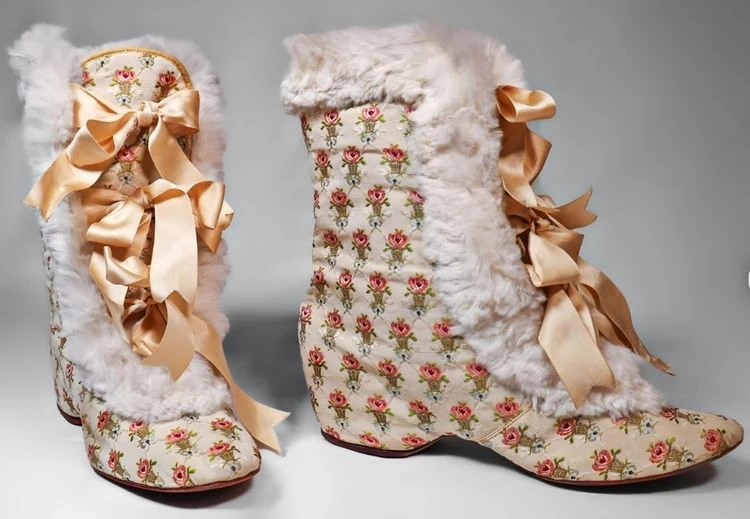
Victorian women's travel boots, crafted around 1890–1895. Originally owned by Mrs. Antoinette Lapham. 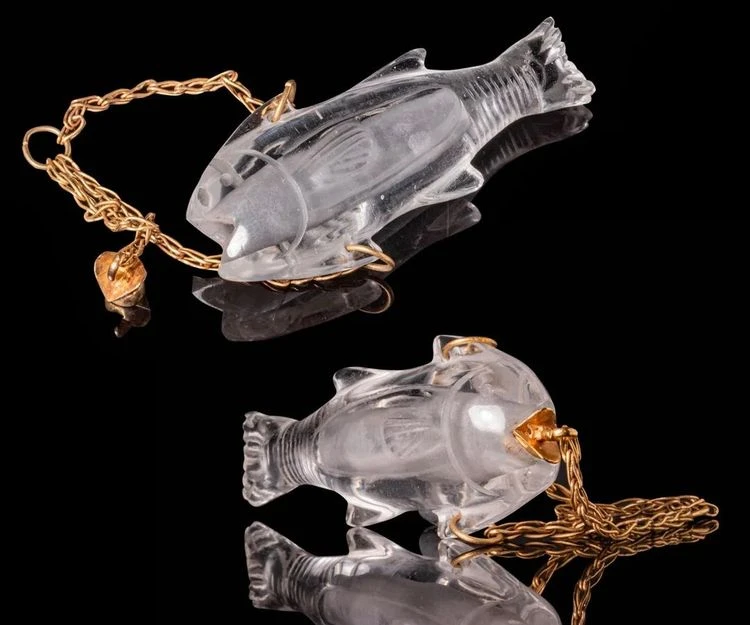
A Roman rock crystal fish-shaped flask with a gold stopper, ca. AD 100–300—a top-tier luxury item. 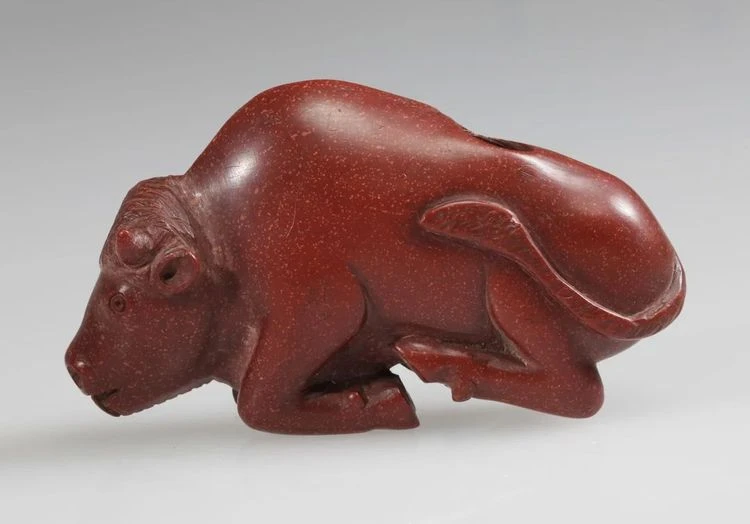
A catlinite pipe bowl carved in the shape of a buffalo—crafted by Sioux artisans and found in South Dakota in 1872. 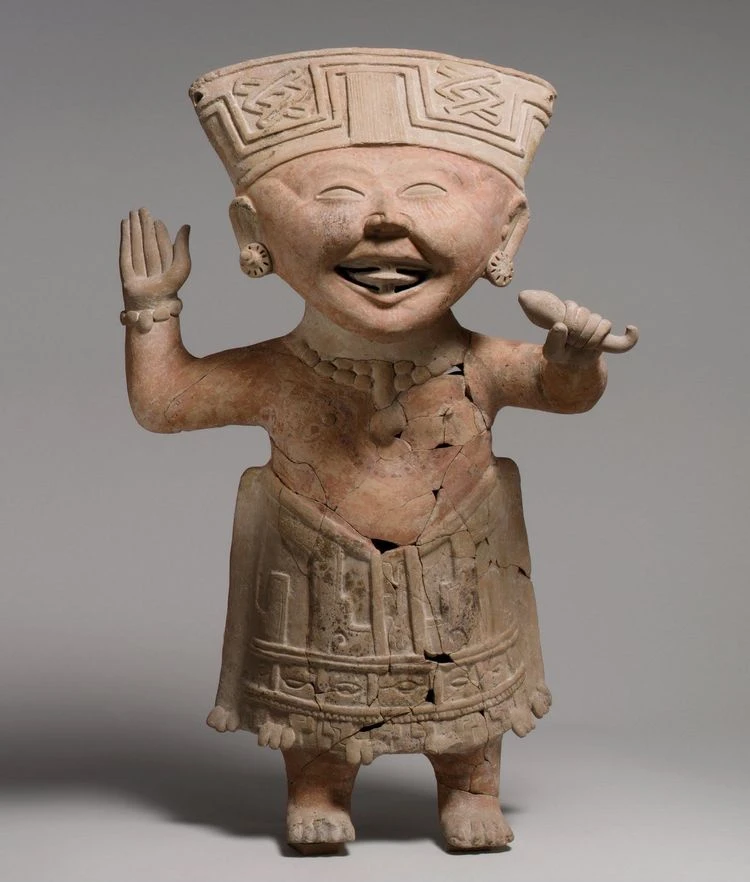
A "smiling figure" from Veracruz, Mexico—a 7th–8th century ceramic artifact, and one of the few genuinely cheerful sculptures from the ancient world. 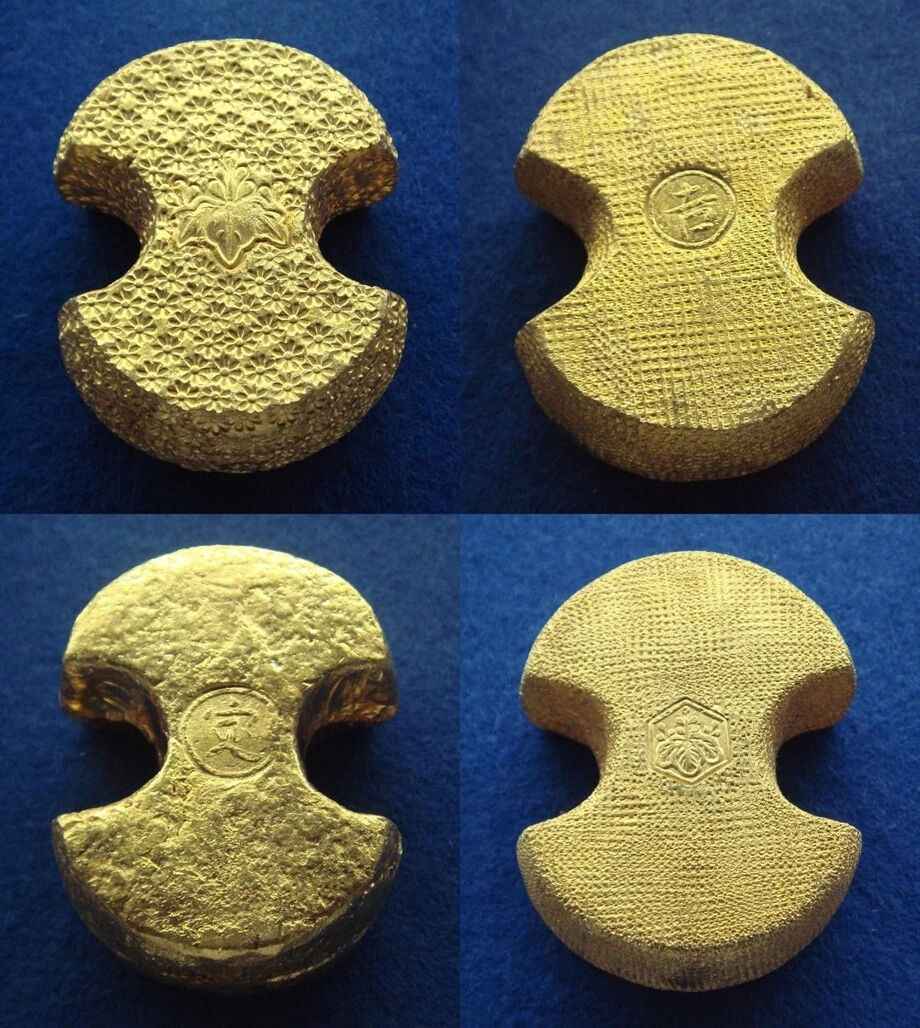
Four gold bullion bars belonging to the Tokugawa clan, Japan's most powerful shogunal dynasty, 16th century. 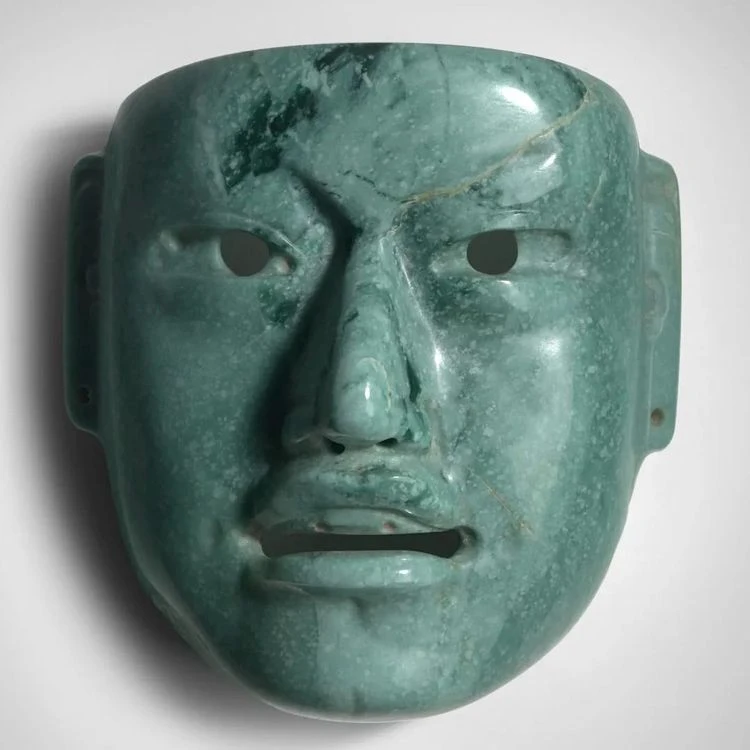
An Olmec jade portrait mask from Guerrero, Mexico, dating to 1200–800 BC. 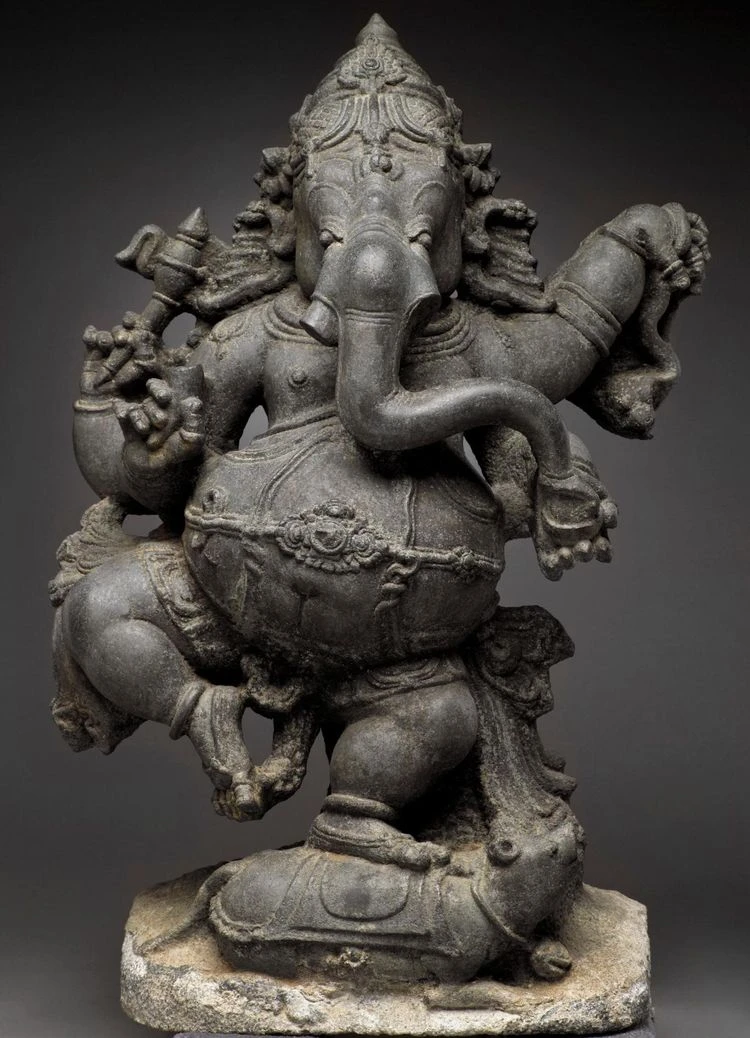
Dancing Ganesha—a 13th-century Indian sculpture depicting the god of wisdom and prosperity performing a celestial dance. 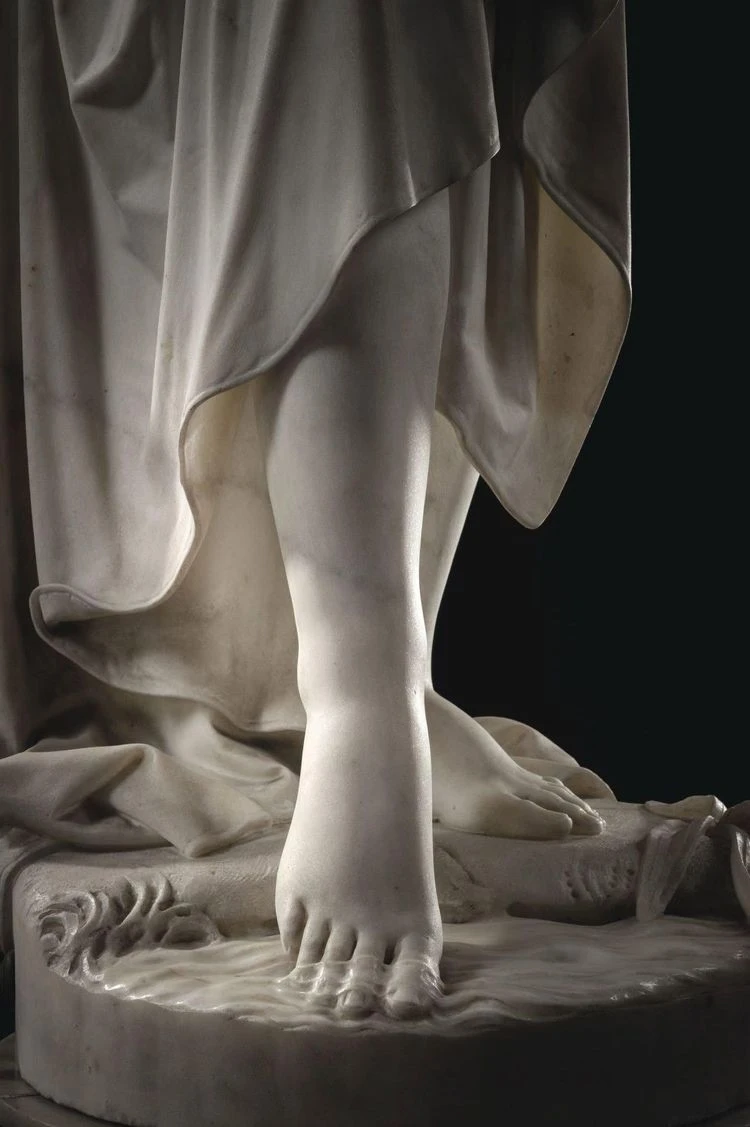
A detail of the sculpture "Nymph" by Giovanni Battista Lombardi, 1858: marble carved with uncanny resemblance to real skin. 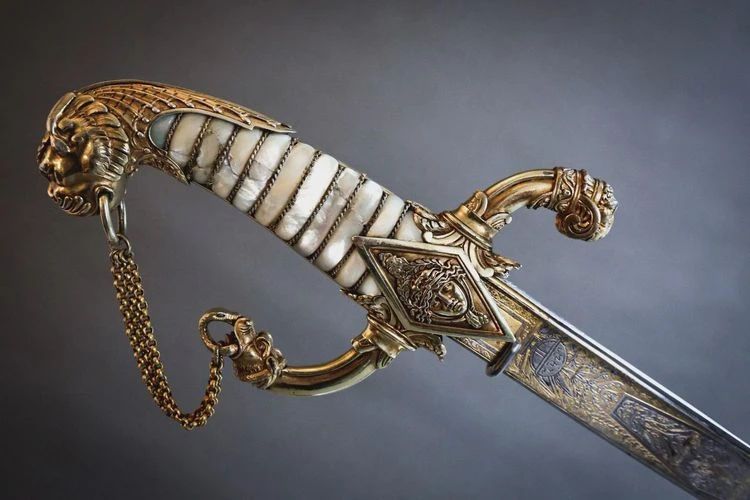
The Marengo gold sword once belonging to Napoleon Bonaparte. France, ca. 1800—both a functional weapon and a symbol of power. 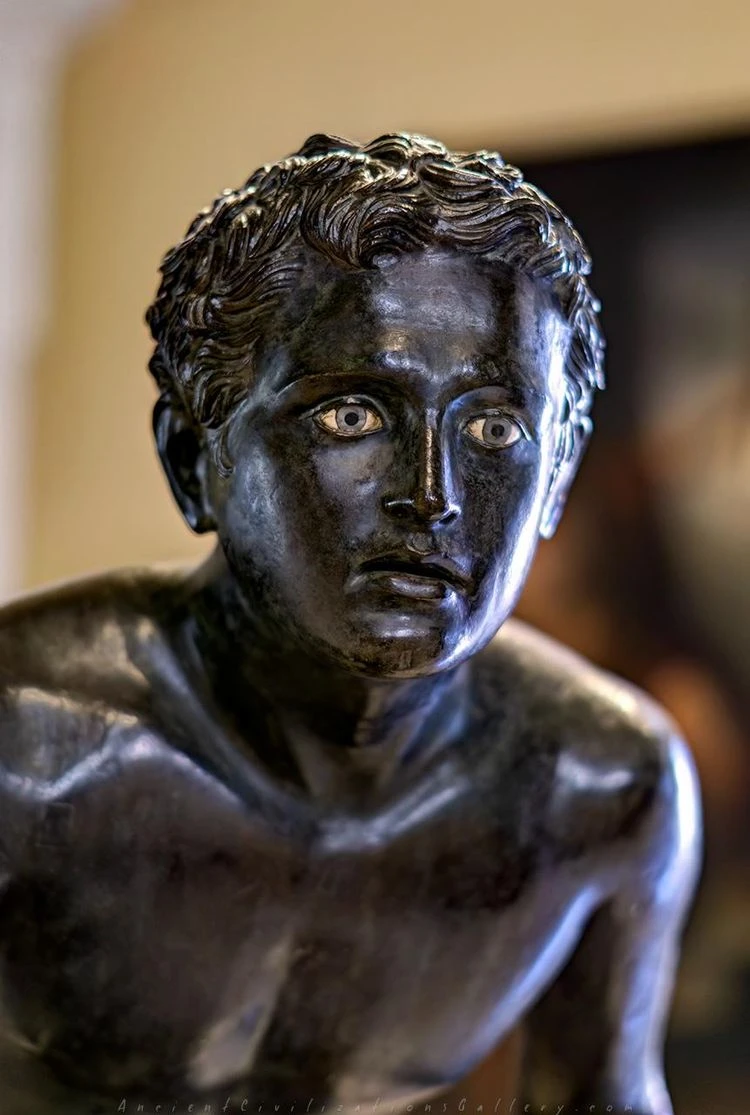
Detail of one of the "Runner" bronzes from Herculaneum, featuring eyes inlaid with bone and stone. 1st century BC – 1st century AD. 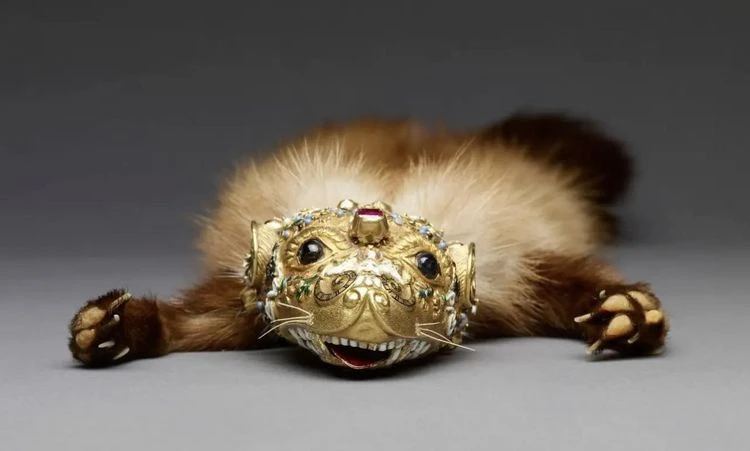
A marten head girdle attachment made of gold, enamel, rubies, garnets, and pearls, ca. 1550–1559. 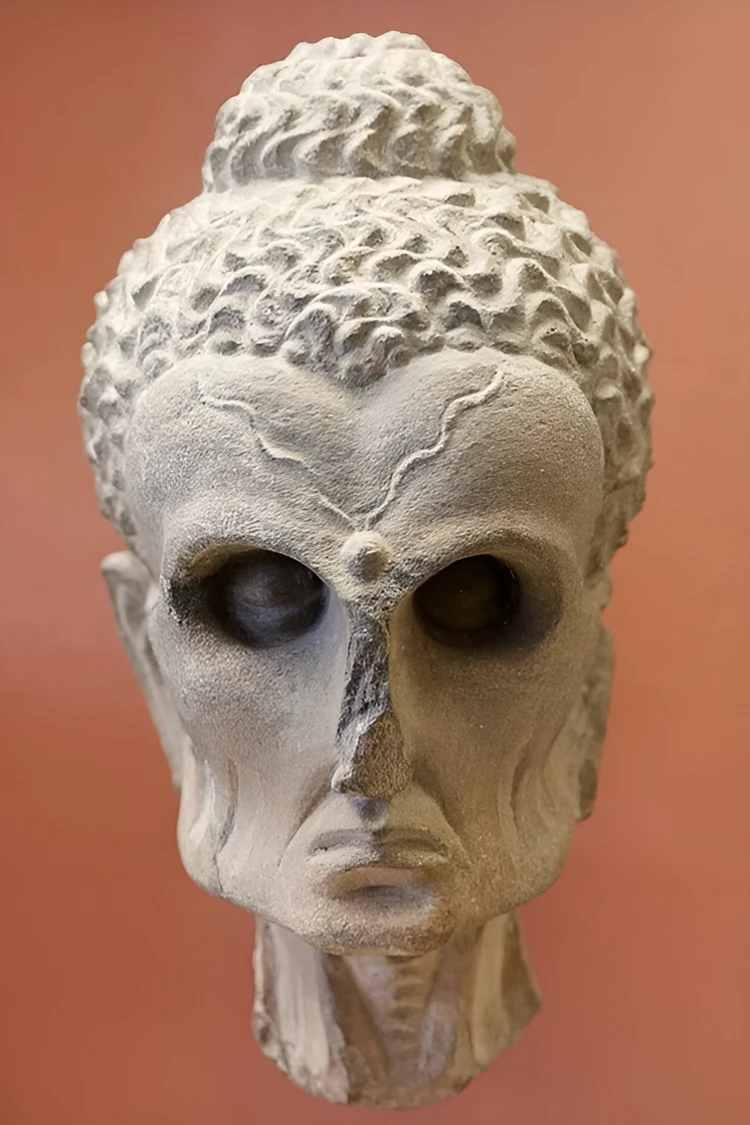
Head of a Fasting Buddha from Rawalpindi, 2nd–3rd century AD. The emaciated face is rendered with anatomical precision extraordinary for its time. 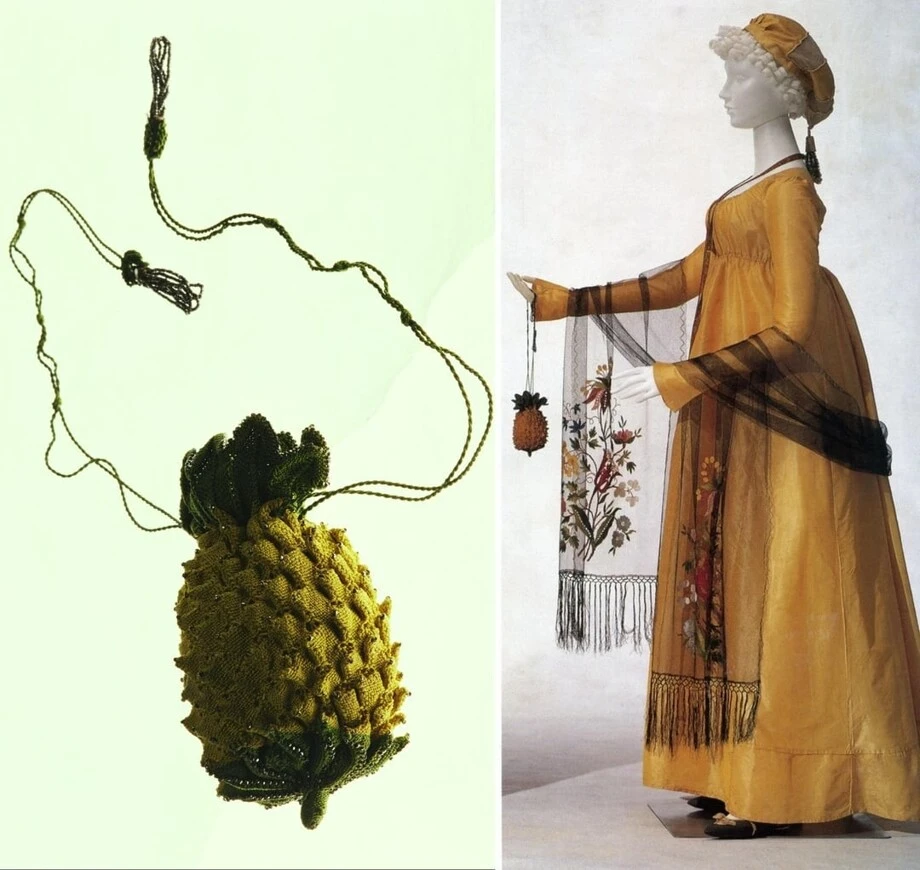
A pineapple-shaped reticule handbag, knitted from yellow and green silk and trimmed with silver beads and tassels. 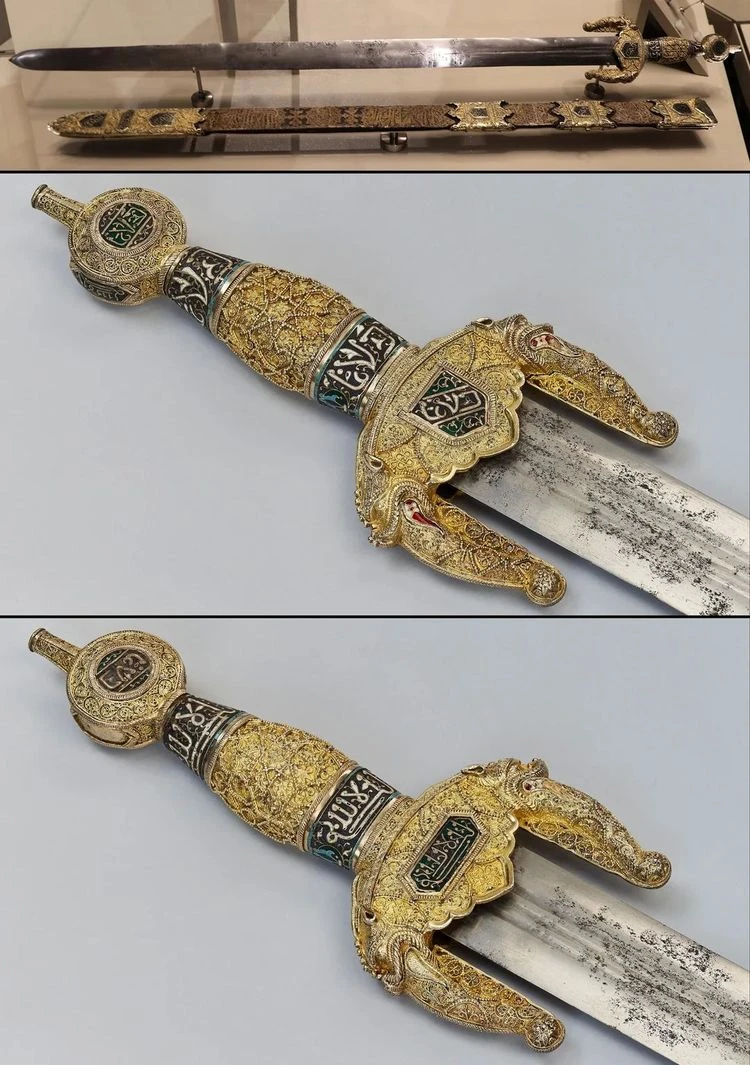
A sword belonging to Boabdil, the last ruler of the Emirate of Granada, who surrendered the city to the Catholic Monarchs in 1492. Spain, ca. 1480. 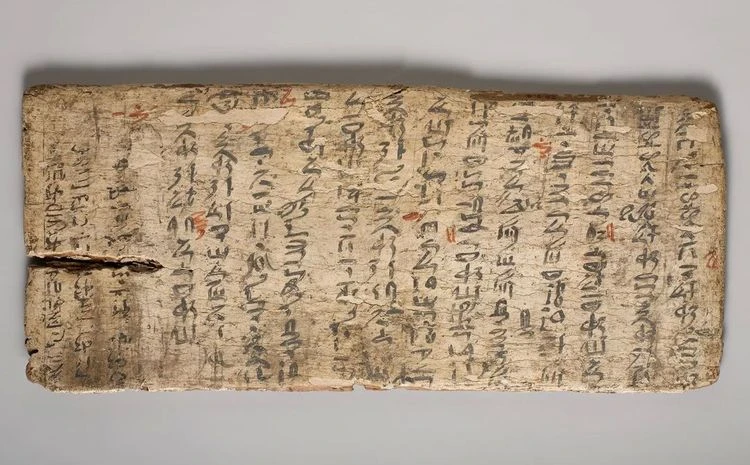
An ancient Egyptian student's writing board showing corrections marked in red ink by the teacher. Middle Kingdom, 1981–1802 BC. 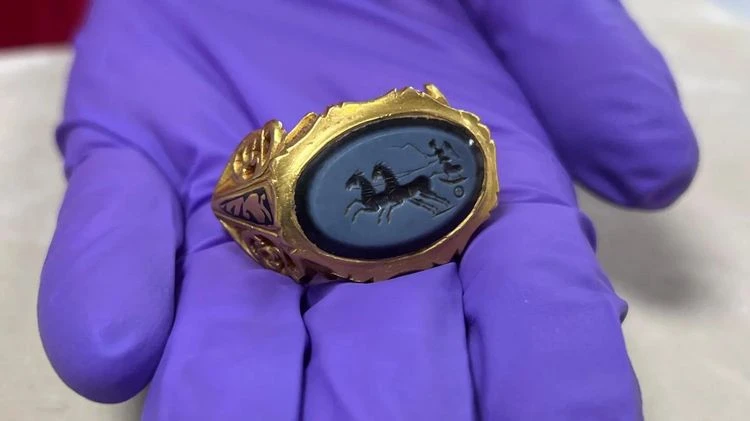
A 3rd-century AD gold ring set with an intaglio depicting the goddess Victoria in a chariot, discovered in England by a metal detectorist in 2018. 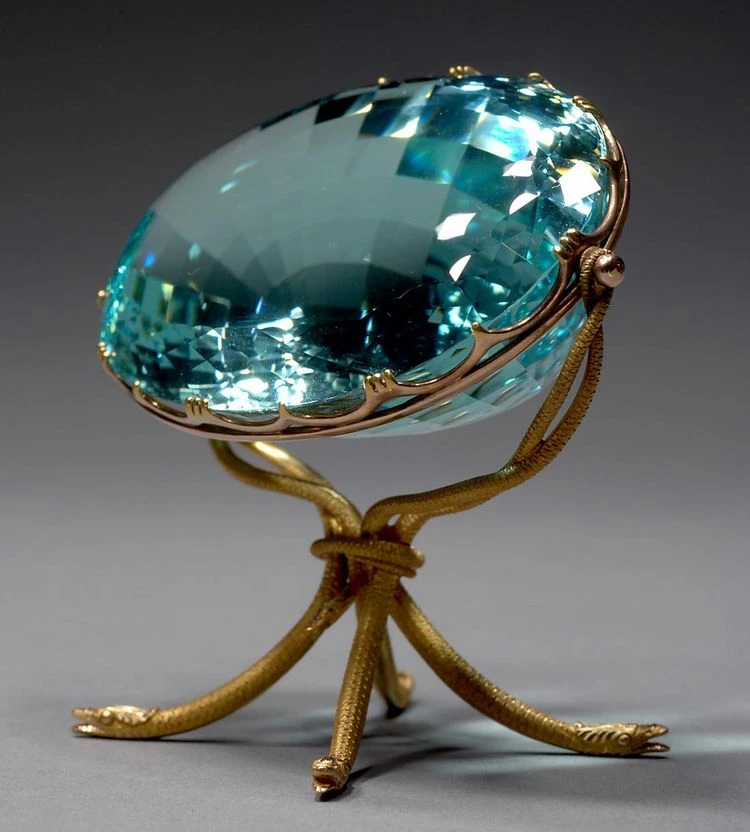
An aquamarine stone mounted on an intricately crafted gold stand. Vienna, Austria, ca. 1800. 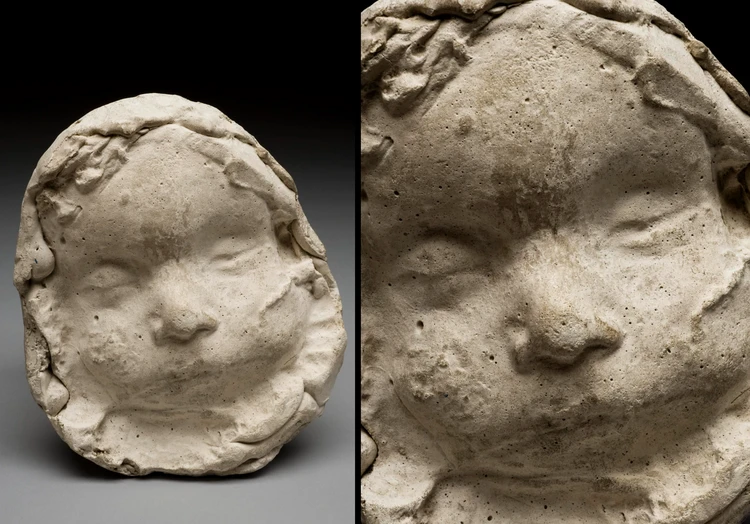
A Roman infant's death mask from the 1st century AD, discovered by chance—a poignant reminder that parental love has endured across millennia. 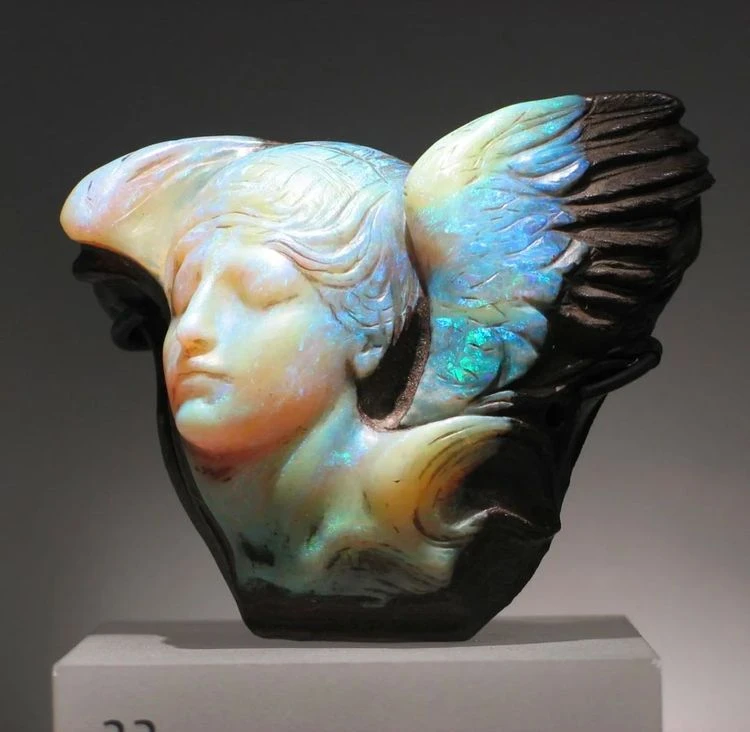
"Cloud of Dreams"—a carved opal featuring a winged female bust, created in 1915. 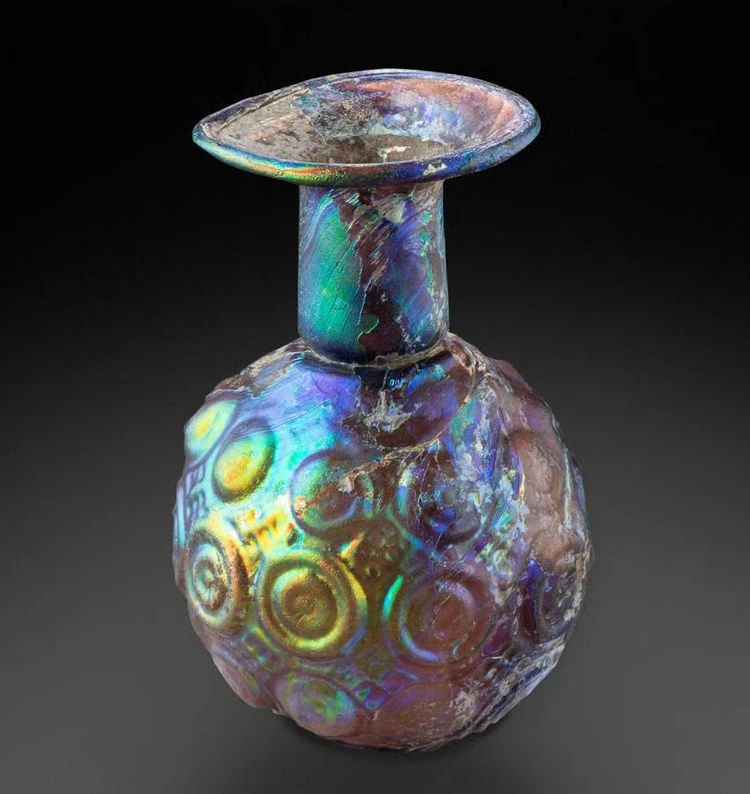
A Roman Empire glass flask, 3rd–4th century AD. Roman glassblowers mastered techniques that remained unmatched through much of the Middle Ages. 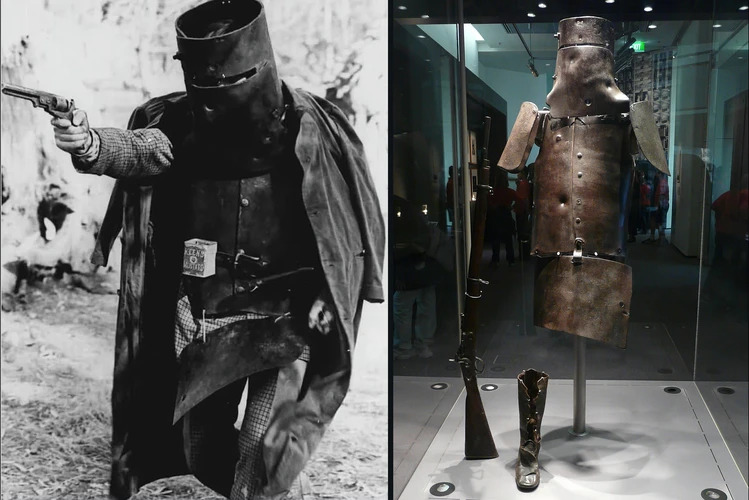
The makeshift armor of Ned Kelly, the 19th-century Australian bushranger. Weighing 44 kg (97 lbs), it was forged from plowshares in 1879. 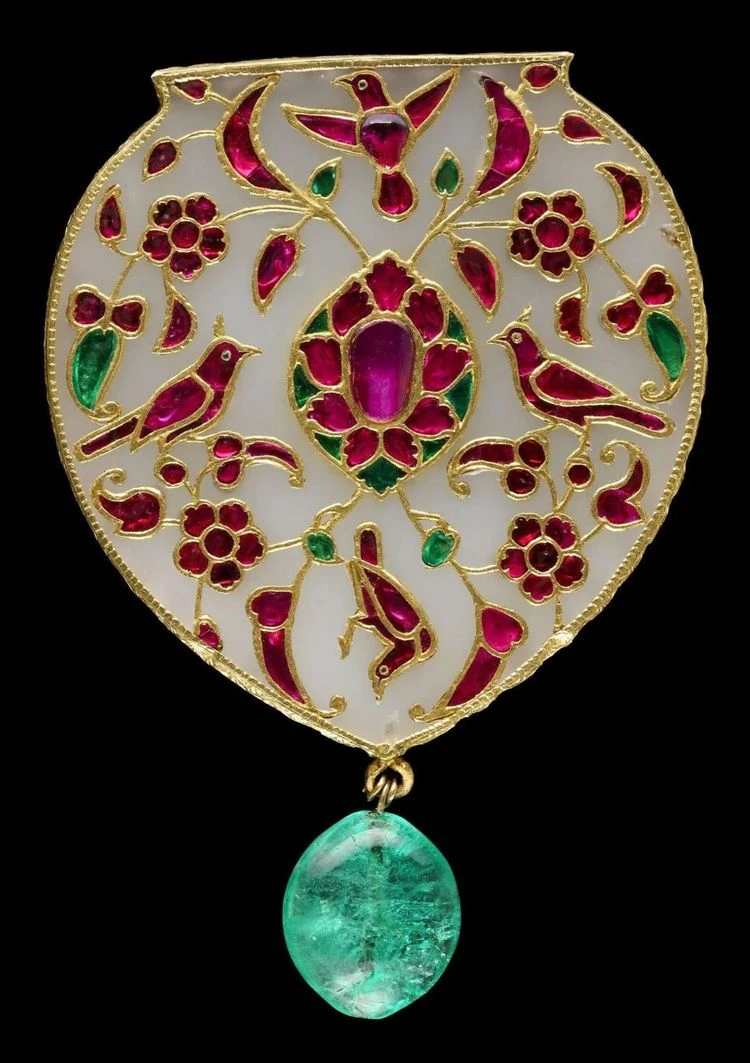
A Mughal white jade pendant set with rubies and emeralds in gold, India, ca. 1610–1620. 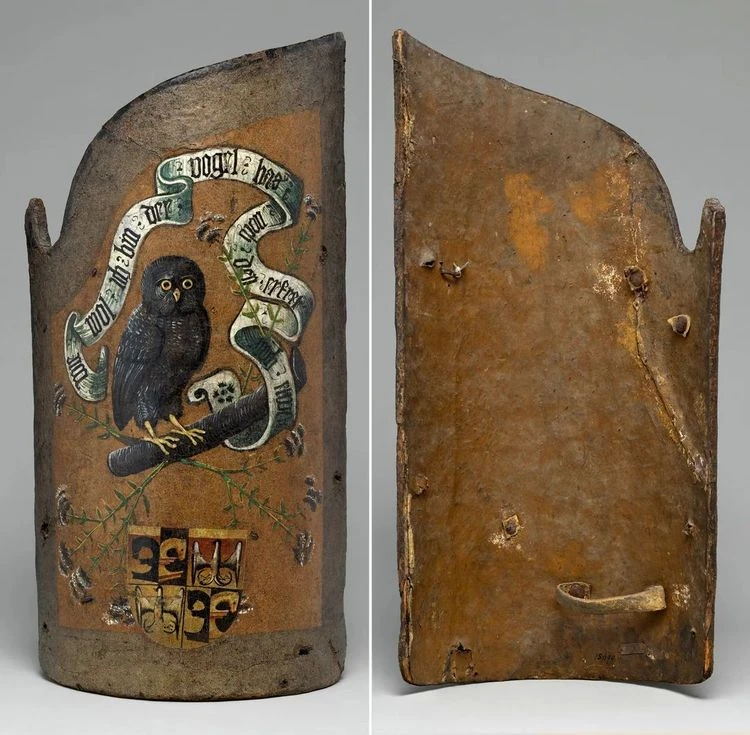
A jousting shield depicting an owl. Germany, 1500—designed for tournament pageantry rather than battlefield combat. 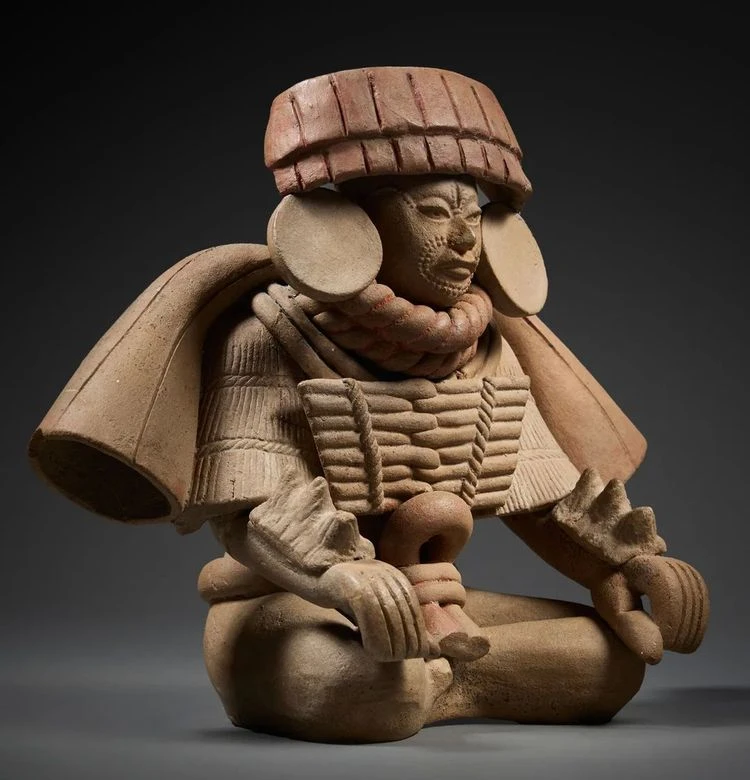
A ceramic figurine of a seated woman in ceremonial attire from Veracruz, Mexico, AD 550–950. 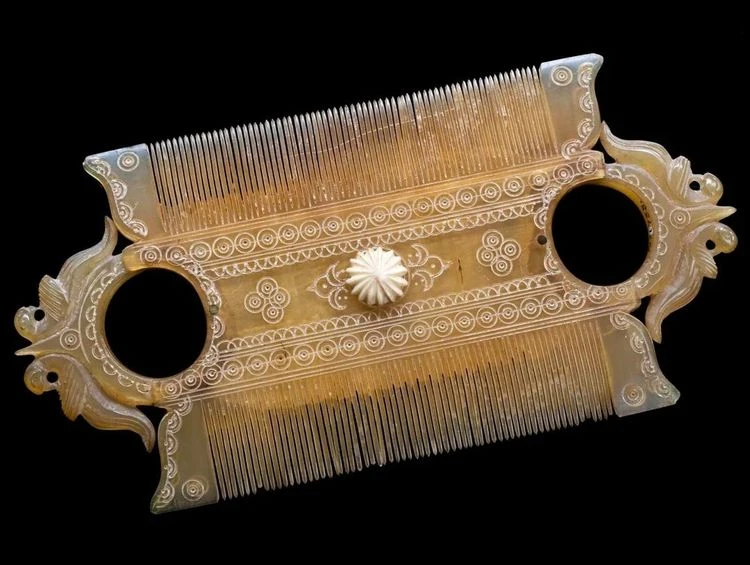
A carved horn nit comb from 19th-century India—an everyday household item crafted with remarkable attention to detail. 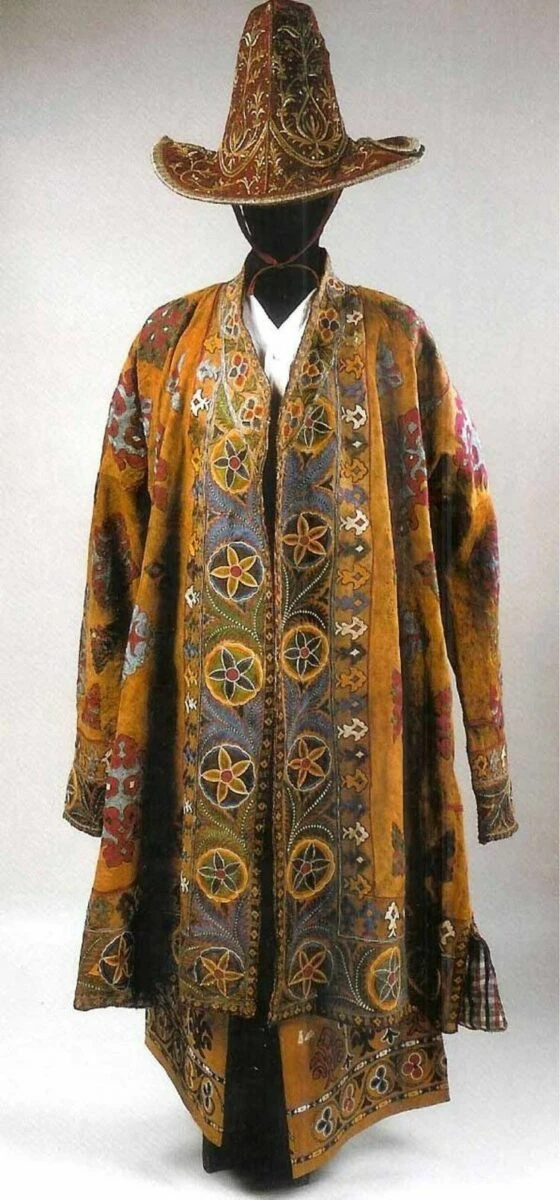
A mid-19th-century men's ceremonial attire from Kazakhstan, featuring embroidered felt and velvet once worn by steppe nobility. 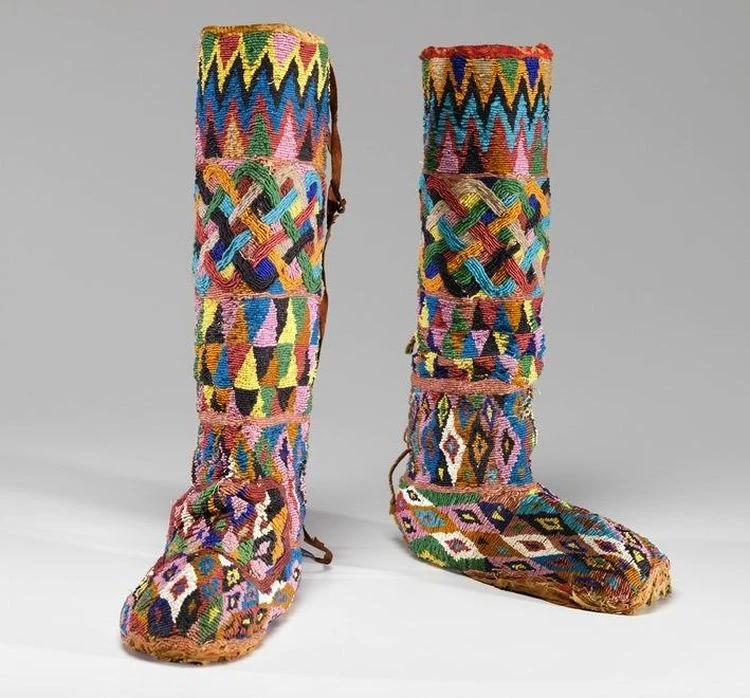
Royal boots crafted from glass beads, fabric, and leather. Yoruba culture, 19th century (present-day Nigeria, Benin, and Togo). 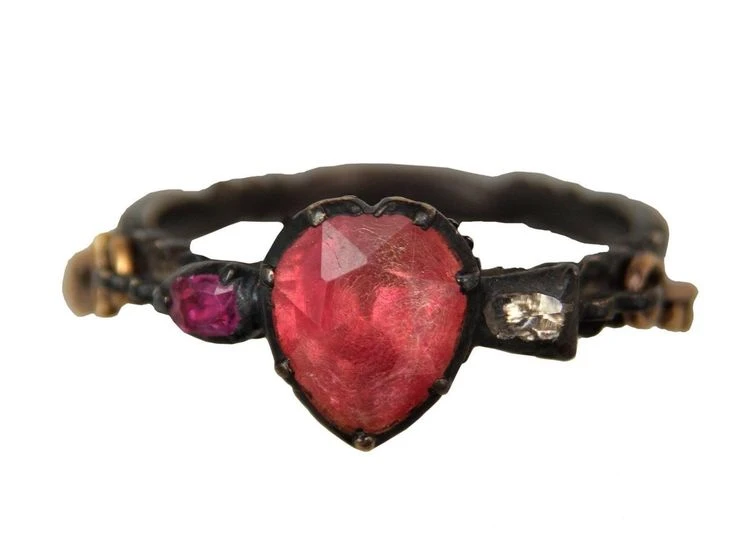
A ruby ring featuring a gold key and lock, left with a baby abandoned at the London Foundling Hospital in 1752—the child's only token of its parents.
Which of these artifacts fascinated you the most—and why?