Researchers have long known that male chimpanzees are prone to infanticide. For decades, experts floated various theories to explain this grim phenomenon, but only recently has a scientific consensus emerged. After analyzing 24 years of primate field observations, zoologists have finally cracked the case. 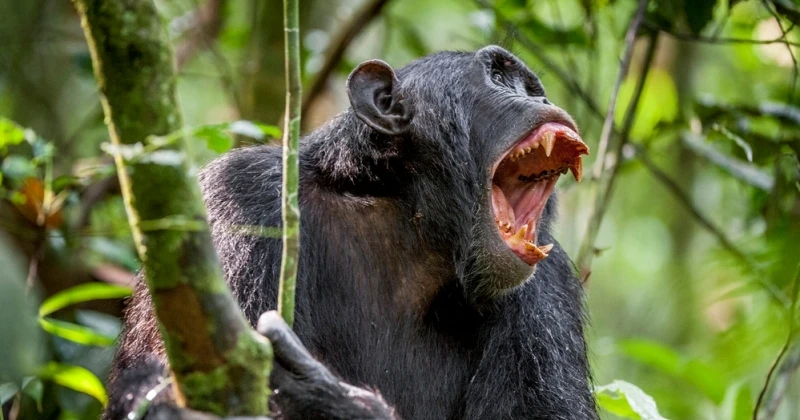
Historically, there were four competing hypotheses explaining why male chimps slaughter infants fathered by others. The first pointed to sexual rivalry, suggesting males weed out other males' offspring to eliminate future rivals for female attention. The second framed it as a battle over resources: chimps frequently face food shortages, and killing young was seen as a ruthless way to cut down on extra mouths to feed. 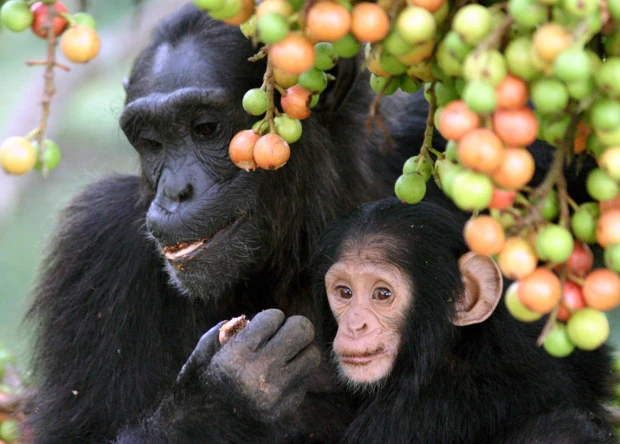
A third theory posited that adult males simply view infants as easy prey. Chimpanzees are omnivores and routinely hunt smaller primates—most notably colobus monkeys (Colobus), whose defenseless, slow-moving young often fall victim to their predatory raids.
However, it was the fourth hypothesis that proved correct, tracing the behavior back to female reproductive biology. Female chimps nurse their young for an exceptionally long time, often four to five years. Throughout this nursing period, the females do not ovulate and refuse to mate with males. 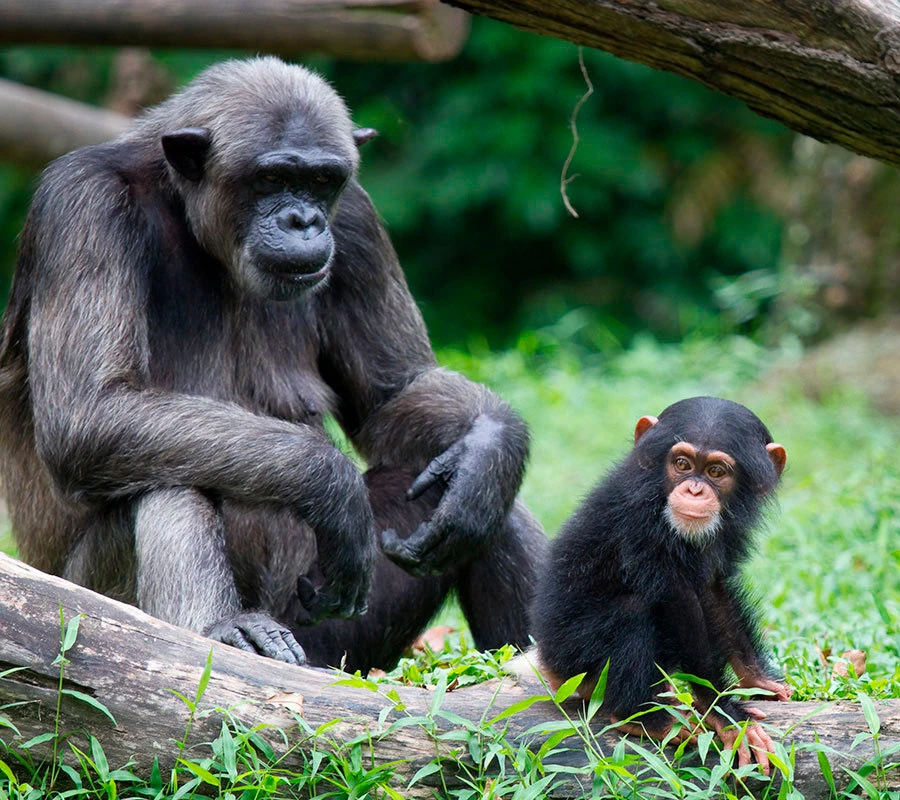
Zoologists concluded that chimpanzees kill infant group members to bring their mothers back into estrus sooner. The study was conducted by an international team of researchers from the UK, Switzerland, and Uganda. They spent 24 years monitoring a 60-member chimp community living in a single troop in Uganda's Budongo Forest Reserve.
Grim Statistics
Over the course of the study, researchers recorded 33 attacks on infants, 30 of which proved fatal. While that figure might not seem staggering for nearly a quarter of a century, chimpanzees reproduce at an exceptionally slow rate. Only 103 infants were born into the troop over the entire observation period. That means infanticide claimed 23 percent of all newborns—accounting for a staggering 63 percent of total infant mortality during that time. 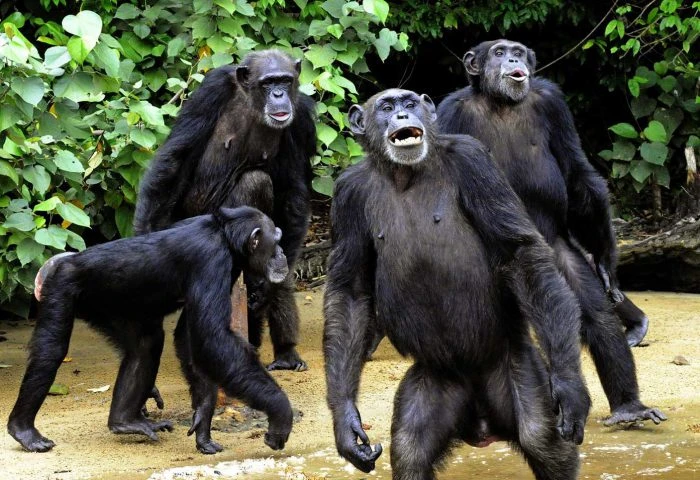
Interestingly, when scientists analyzed the attackers, they were surprised to find that females also engage in the practice. Males were responsible for 12 attacks, while females carried out 5; the attacker's sex could not be determined in the remaining fatal encounters. The data also revealed that male infants were targeted far more often than females—19 male victims compared to just 7 females. Almost all victims were exceptionally vulnerable, under six months old. In six gruesome instances, the slaughter also culminated in cannibalism.
The fact that male infants die more often might seem to support the rivalry theory, but researchers caution against jumping to conclusions. Zoologists have yet to establish the exact sex ratio of infants born into the troop; it may simply be that more males are born overall, making them statistically more likely to fall victim. 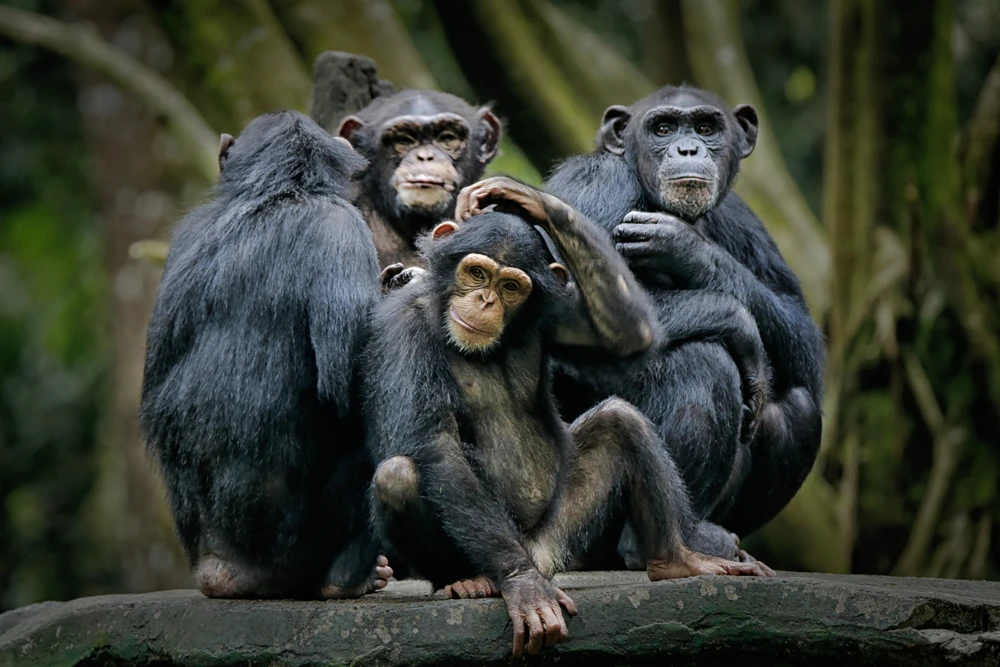
Chimpanzees have a knack for keeping the scientific community guessing. For instance, researchers spent years trying to unravel another curious primate habit: why these apes seem to love flinging their own feces.
Add your comment
You might be interested in:












Why Do Chimpanzees Fling Their Poop? (6 photos)

Unseen Beach Photos of Marilyn Monroe Taken by Her Lover

Now we know what the "face" of ChatGPT looks like

An Offspring song played on a xylophone

Even primates know how to treat the ladies! 14 GIFs that

27 unusual photos from Google Street View (27 photos)

What Liverpool Was Like in the Early '80s: Candid Photos by

22 Photos That Demonstrate the True Power of Time (23

Face ID helps find the owner of the phone

The Serial Killer Who Thought 'No Body, No Crime' Would

'Jaws': Behind the Scenes (10 Photos)

200 Watches Hurled from a Third-Floor Window (3 Photos)

Lucy Lawless Never Planned on Becoming Xena (9 Photos)

Executioners: How They Lived, What They Earned, and Why

Winona Ryder Turns 55: The Actress's Best Photos (11 Photos)

French Shopkeeper Turns into a Meme After Trying to Defend
Rescuing a Chubby Raccoon (3 Photos)

Turns Out Ostriches Love Bald People (7 Photos + Video)
