Rice and Fish as Part of the Curriculum: How Japanese Kids Learn Healthy Eating Habits (11 Photos)
In Japan, school lunches look nothing like what many of us grew up with. While our school cafeteria food was edible enough, it often left you guessing whether that mystery dish was supposed to be meat or fish.
In Japanese culture, food is considered a vital part of education. From an early age, children are taught that what they eat affects not just their bodies, but their minds and overall well-being. “The government’s stance is that school lunch is an integral part of education, not a break from it,” said Masahiro Oji, a government official specializing in school health. 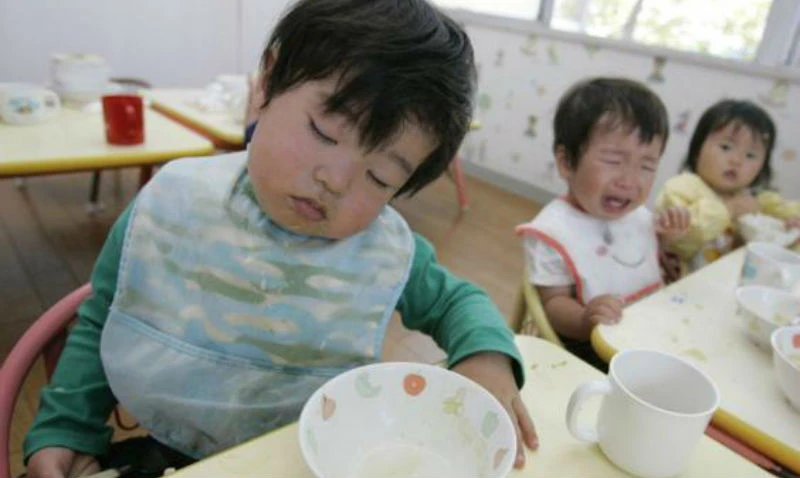
If parents can’t afford the meal (which costs around $2.50), students are offered free or reduced-price lunch programs. 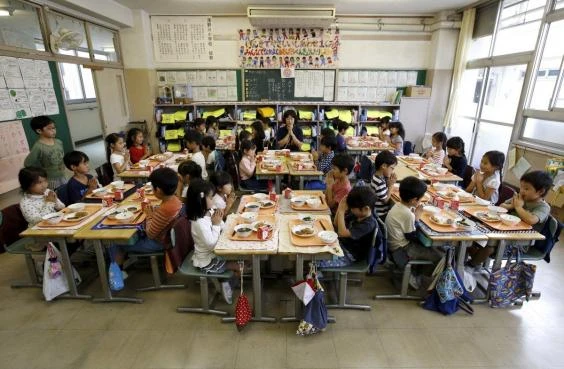 In Japan, lunchtime is practically sacred. No one rushes the kids, giving them plenty of time to sit back and savor their food.
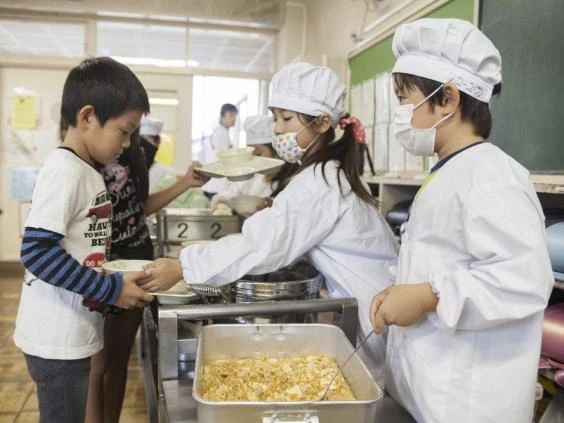
Students serve lunch to each other—a practice meant to foster independence and responsibility. Many schools don’t even employ janitors; the students clean up after themselves. 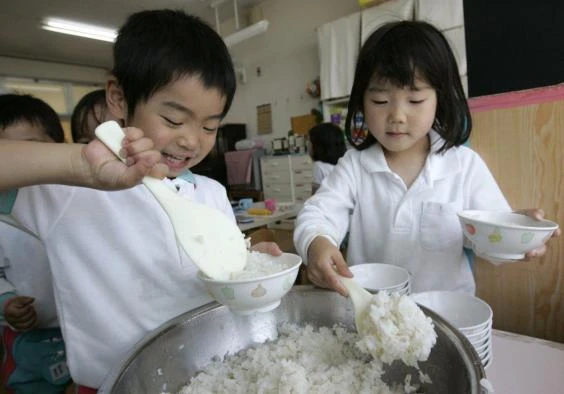 Rice is the cornerstone of the Japanese diet.
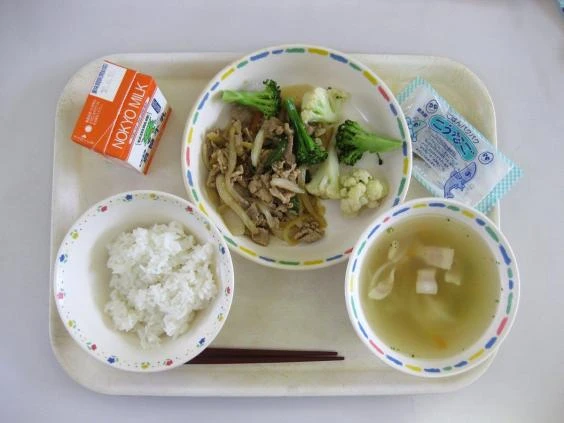 A meal typically consists of a main dish, rice, and soup. Pictured here: miso soup, dried fish, milk, rice, and stir-fried pork with vegetables.
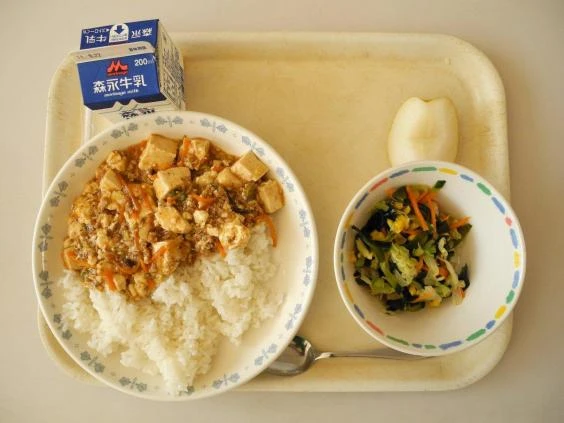 Another variation: tofu with meat and rice, a salad, an apple, and a carton of milk.
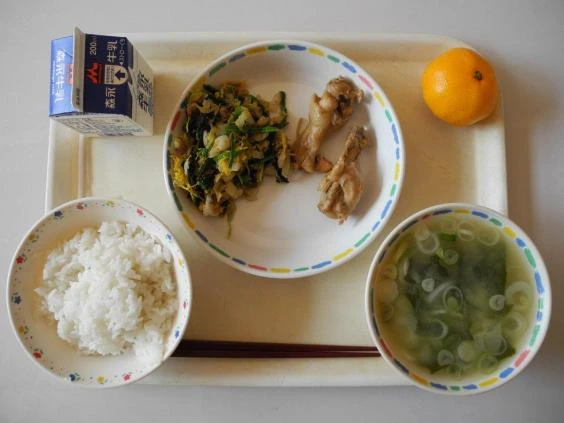 At Jinego Elementary School in Akita Prefecture, a typical lunch includes chicken, rice, miso soup with wakame, vegetable salad, milk, and a tangerine.
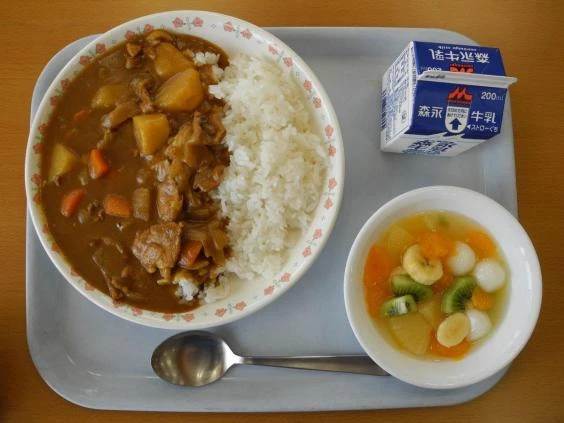 Curry and rice, milk, and fruit salad. Many schools serve Korean or Italian dishes once a week.
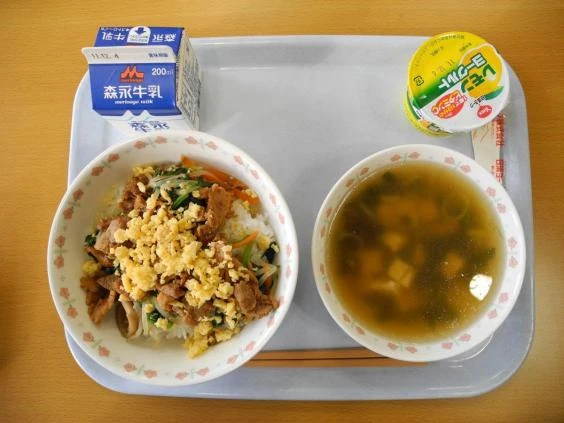 At Yashima School: rice, pork and egg, lemon yogurt, tofu and seaweed soup, and milk.
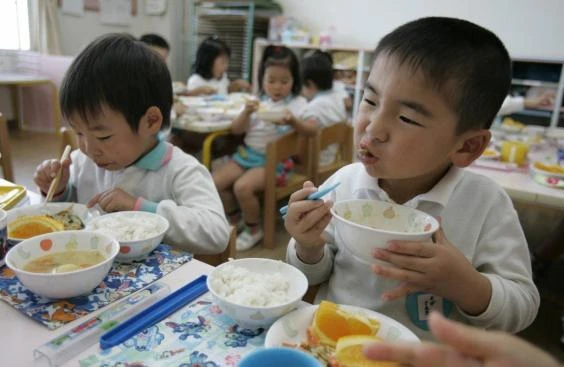 As a result, Japanese children not only develop healthy bodies, but also learn to make mindful, responsible food choices. Japan boasts one of the highest life expectancies in the world, along with remarkably low obesity rates.
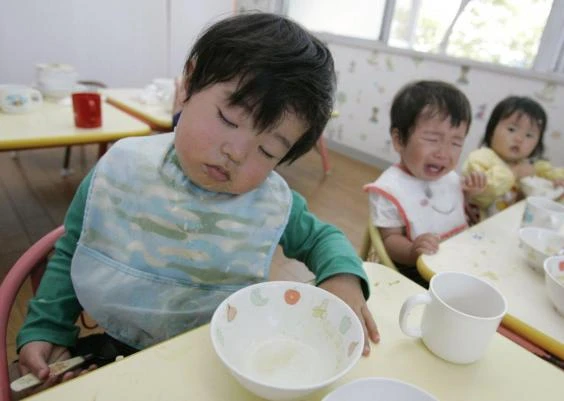 And after a good meal, a nap is all but inevitable.