10 Facts That Will Make You Question Everything You Know About the World (11 Photos)
Which is harder to wrap your head around: walking 84 kilometers a day for seven years straight while enduring nine-day fasts without food, water, or sleep—or learning that 18th-century society treated reading as a dangerous epidemic, and Hong Kong legally allowed concubines right up until 1971? 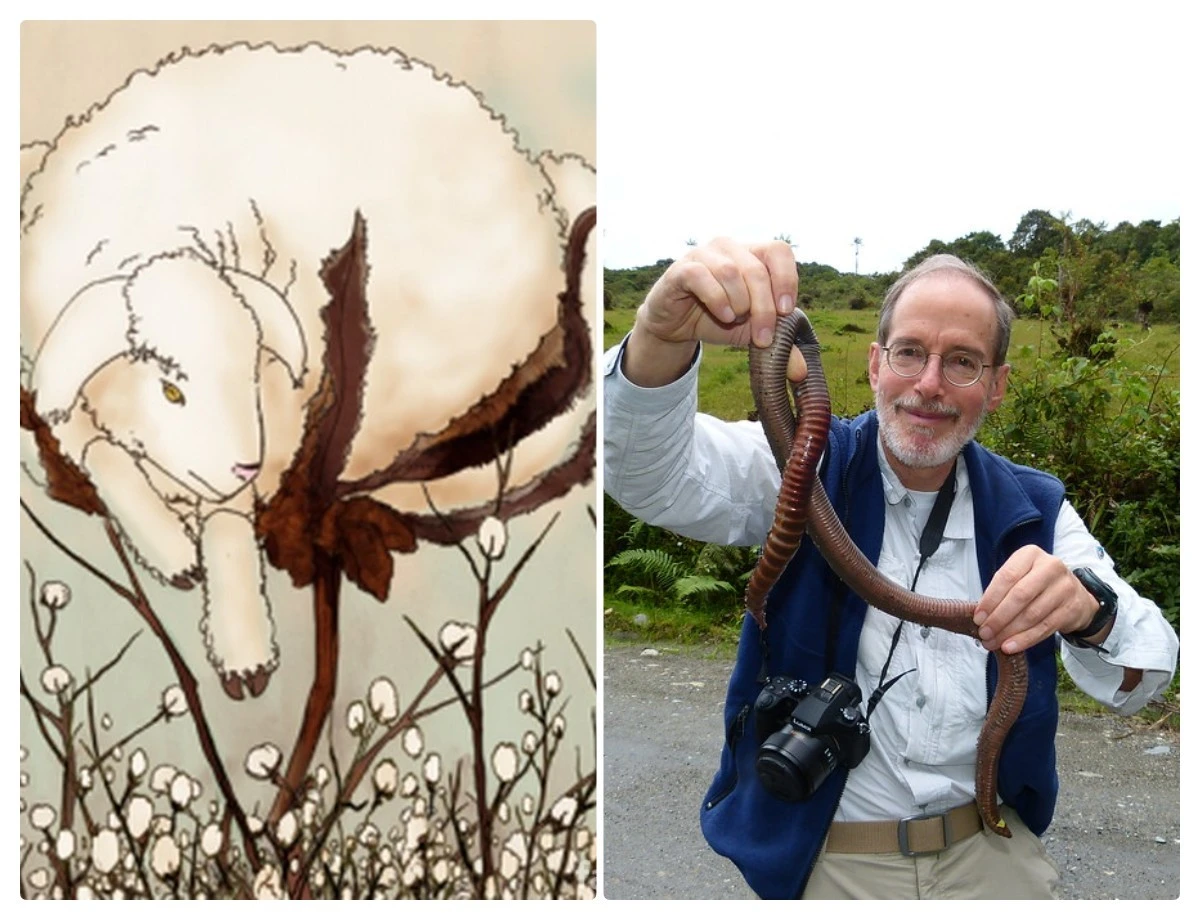
The world around us is far stranger than it seems. From a bacterium that could survive nuclear fallout to gorillas dismantling poachers' traps and a crime novel so detailed it ended up convicting its own author—these 10 facts sound like fiction at first, but will leave you double-checking the history books. Scroll down to see how many of them you already knew.
1. A Seven-Year Pilgrimage on the Brink of Death 
Kaihogyo is a grueling ascetic practice undertaken by Tendai Buddhist monks in Japan. Spanning seven years, it requires monks to walk up to 84 kilometers a day for months on end, culminating in a harrowing nine-day ordeal without food, water, or sleep. Historically, anyone who failed to complete the challenge was bound by honor to commit suicide. While that rule is purely symbolic today, the slopes of Mount Hiei—home to the Tendai school's head temple—are still dotted with unmarked graves of monks who perished along the way.
2. The Lamb That Grew on a Stalk 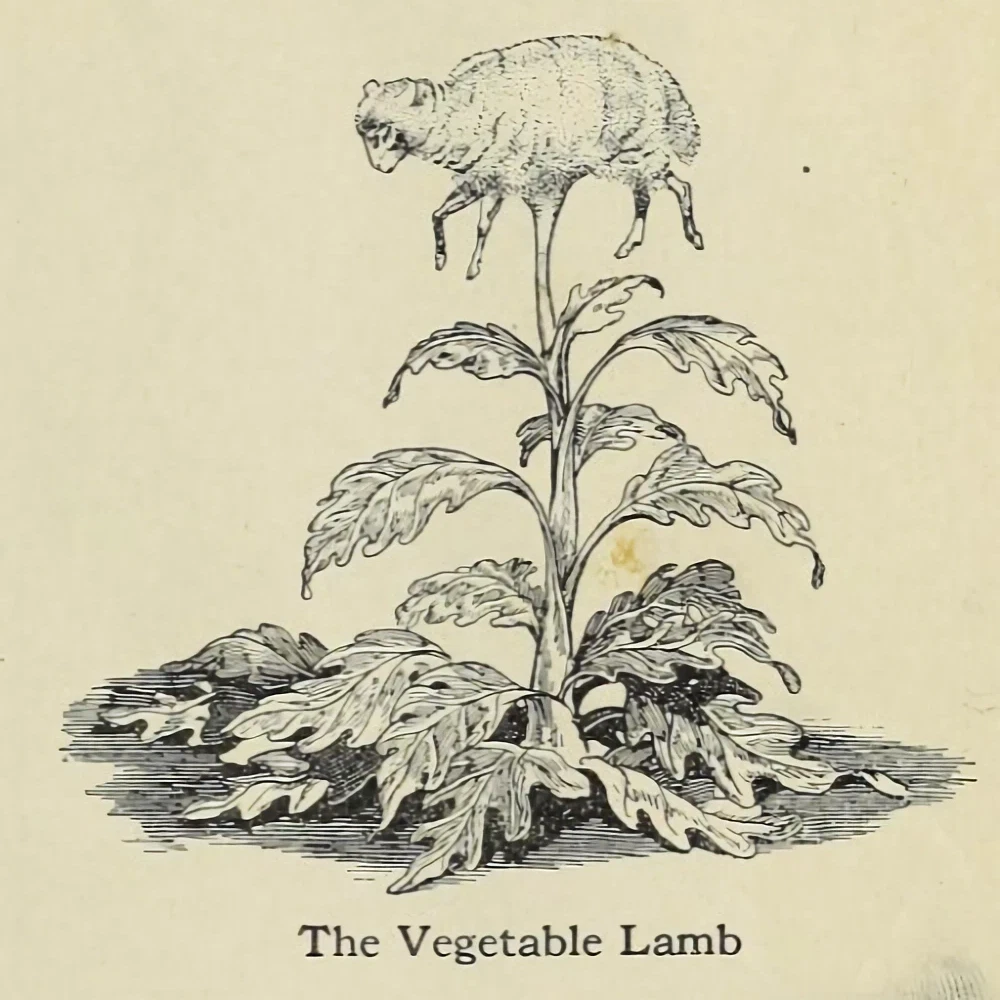
The Vegetable Lamb of Tartary (also known as the Scythian Lamb, or
Planta Tartarica Barometz
/
Agnus scythicus
) is a legendary zoophyte—a mythical creature part plant and part animal. According to medieval lore, the plant bore full-grown sheep as its fruit.
Descriptions depicted a lamb covered in golden wool, complete with a head, legs, and tail, tethered to the main stem by a flexible umbilical cord. This stem allowed the lamb to graze on the vegetation surrounding its roots.
Once it devoured all the grass within reach, both the lamb and the plant would starve and die. Severing the stem meant instant death for the creature.
Travelers claimed the creature possessed real flesh, bones, and blood that tasted as sweet as honey. Its golden fleece was purportedly harvested to make hats and garments, and its only natural enemies—aside from humans—were wolves.
In the 18th century, Irish naturalist Sir Hans Sloane suggested the myth stemmed from the woolly fern
Cibotium barometz
. When trimmed, its wool-covered rhizome closely resembles a small lamb, with the severed frond bases looking like legs. Other theories propose that early encounters with cotton plants or watermelons gave rise to the bizarre legend.
3. The Radiation-Proof Super-Bug 
The extremophile bacterium
Deinococcus radiodurans
holds a Guinness World Record as the world's most radiation-resistant organism. It can withstand up to 500,000 rads of ionizing radiation with virtually no loss of vitality.
4. The 18th-Century "Reading Epidemic" 
During the 18th century, social commentators and authority figures were deeply alarmed by a sudden "epidemic" sweeping through the youth: reading too many books. The condition was treated as a dangerous psychological affliction and labeled "reading rage," "reading fever," "reading mania," or "reading passion."
This moral panic was driven by several key factors:
The rise of the novel. The modern novel emerged as the primary target of criticism. Critics claimed fiction inflicted severe psychological harm, moral disorientation, and irrational behavior on individual readers and society at large.
Anxiety over youth vulnerability. Young people were viewed as impressionable, immature, and emotionally fragile. Reading—especially sensational fiction—was blamed for corrupting their mental health and moral principles.
Medicalization of the habit. Scholars and moralists equated excessive reading to a high fever, lust, or substance addiction, framing it as a destructive, obsessive sickness.
High-profile tragedies. A wave of copycat suicides following the publication of Johann Wolfgang von Goethe's
The Sorrows of Young Werther
(1774) fueled public hysteria. The novel, centered on unrequited love and suicide, was directly linked to real-world deaths.
By the late 18th and early 19th centuries, medical arguments joined the moral crusade. Physicians began asserting that intense reading physically drained the body, disrupted sleep, triggered severe melancholy, and led to chronic illness.
5. The 10-Foot Underground Monster 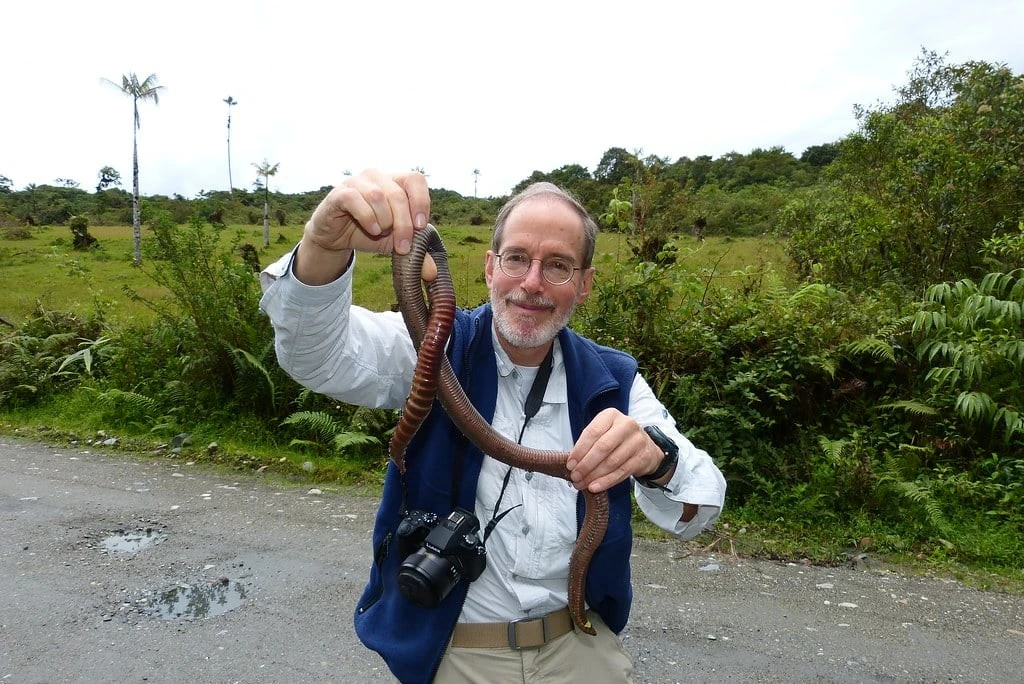
Australia's Giant Gippsland earthworm is one of the largest earthworm species on the planet. While average specimens measure around one meter long, exceptional individuals can reach up to three meters (nearly 10 feet).
6. Picky Eating Is an Actual Disorder 
Avoidant/Restrictive Food Intake Disorder (ARFID) is a recognized eating disorder characterized by a conscious refusal of specific foods due to texture, color, smell, taste, or past traumatic experiences with eating.
Primary symptoms include severe food avoidance, difficulty swallowing or digesting, eating extremely small portions, a highly restrictive diet, persistent lack of appetite, fear of eating, unexplained weight loss, and choking or gagging while eating.
7. Hong Kong's Concubine Laws Survived Until 1971 
Chinese men in Hong Kong could legally take concubines under Qing Dynasty legal codes until 1971. While concubinage was officially abolished in mainland China after the fall of the empire and the founding of the Republic in 1911, British-ruled Hong Kong retained aspects of traditional Qing law, allowing concubinage and custom polygamous marriages (
kim-tiu
) to remain legally recognized for decades.
Fascinatingly, the Qing code continued to surface in Hong Kong courtrooms long after 1971. To settle inheritance disputes involving surviving concubines and their offspring from pre-1971 unions, judges routinely cited centuries-old Qing laws well into the modern era.
8. Gorillas Outsmarting Poachers 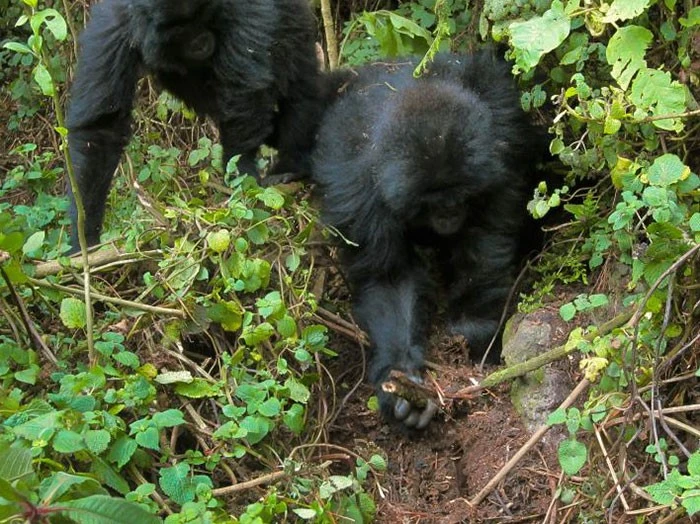
Researchers at the Dian Fossey Gorilla Fund's Karisoke Research Center in Rwanda witnessed an incredible display of animal intelligence: two four-year-old gorillas (Dukore and Rwema) and a juvenile male (Tetero) teamed up to dismantle poachers' snares.
On July 17, 2012, in Volcanoes National Park, a gorilla troop approached a hidden snare. As a tracker stepped forward to disarm it, a dominant silverback grunted a warning, ordering him back. Immediately, the young gorillas rushed the trap: jumping onto the bent sapling to release the tension, they systematically removed the noose. Moments later, they spotted a second snare and dismantled it using the exact same technique.
It was the first time researchers had ever observed gorillas actively neutralizing poacher traps. The discovery was especially bittersweet—just two days earlier, a young gorilla named Ngwino had been killed by a snare in the same region.
9. The Mallampati Score 
The Mallampati score is a medical grading system used to assess airway anatomy by measuring the visible distance from the base of the tongue to the soft palate. Named after Indian-American anesthesiologist Seshagiri Mallampati, who introduced it in 1983 (and later expanded by Samsoon and Young in 1987 to include Class IV), the test helps doctors predict difficult intubations. Higher scores also correlate strongly with a higher risk of sleep apnea.
10. The Novel That Became Evidence in a Murder Trial 
In 2000, Polish businessman Dariusz Janiszewski mysteriously vanished from Wrocław. His body was later pulled from the Oder River—bound, starved, and with a loop around his neck. Three years later, author Krystian Bala published a novel titled
Amok
, featuring a fictional murder with eerily identical details, including the killer selling the victim's belongings online. Investigators discovered that Janiszewski's mobile phone had indeed been sold on an online auction site via Bala's account just four days after the disappearance. Driven by jealousy over the man's connection to his ex-wife, Bala was convicted of murder in 2007 and sentenced to 25 years. While the novel sparked national intrigue, the court relied on circumstantial evidence rather than the book itself to secure the conviction.