From Orange-Seller to Royal Mistress: The Story of Nell Gwyn, the Darling of London (15 photos)
She grew up in a brothel, hawked oranges in a playhouse, and once picked up the dinner tab for the King of England when he found himself short of cash. Nell Gwyn lived just 37 years, became the favorite mistress of Charles II, and went down in history as the only royal paramour the English public didn't despise, but genuinely adored. 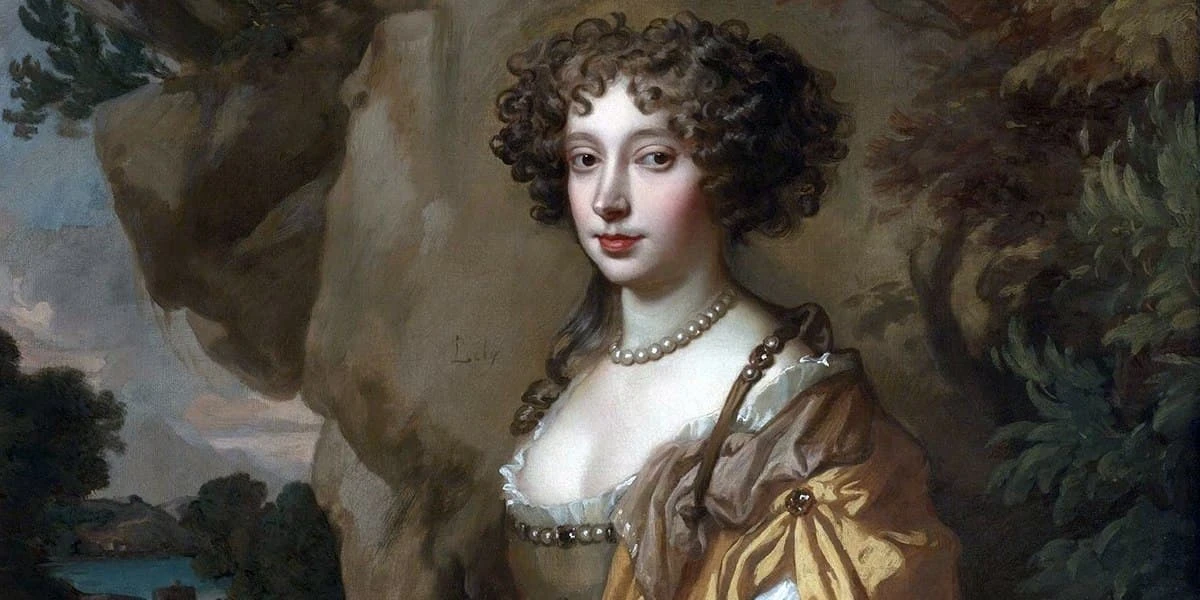
A Brothel Childhood
Eleanor Gwyn was born on February 2, 1650—presumably in Hereford, though she grew up in London’s Covent Garden. Historians still dispute her birthplace, with London, Hereford, and even Oxford laying claim. The exact hour, however, is recorded: a horoscope cast for Nell later in life pinpointed Saturday, February 2, 1650, at six o’clock in the morning. Her father, a Welsh army captain, languished and died in an Oxford debtors’ prison when Nell was just a child. Her mother, known to neighbors as “Madam Gwyn,” ran a bawdy house and drank heavily. 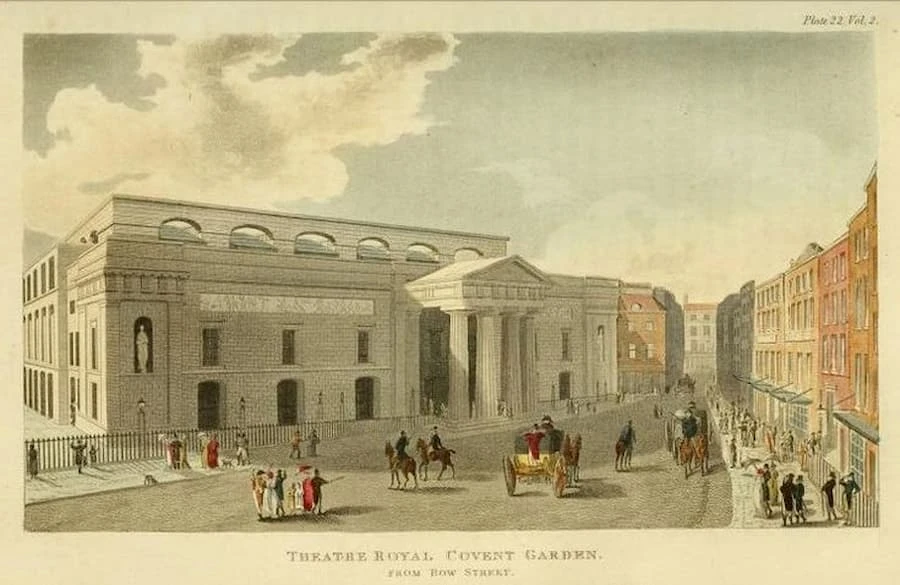
Seventeenth-century Covent Garden, where Nell spent her childhood and began her rise to fame
From an early age, Nell and her older sister, Rose, served customers in their mother’s establishment, pouring brandy and cleaning rooms. In the streets of Covent Garden, Nell hawked herrings, oysters, and turnips. The family lived in Coal Yard Alley, a squalid slum off Drury Lane. In 1679, Nell’s mother drowned in a pond in Chelsea after tumbling into the water during a drunken stupor. 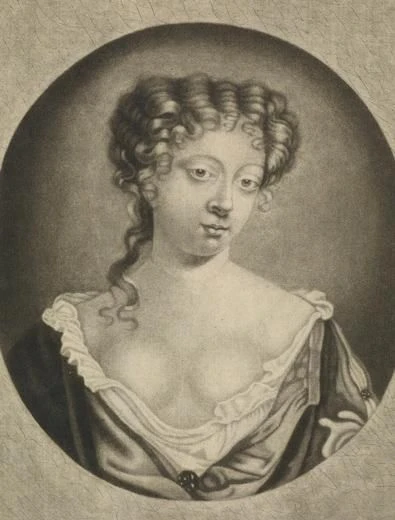
Nell Gwyn, painted by Sir Peter Lely, c. 1675
When Nell was around twelve, a man named Duncan entered her life. He rented her a room at a tavern in Maypole Alley and found her work selling oranges at the newly opened Theatre Royal on Bridges Street—the playhouse that would later become the famed Drury Lane.
The Orange Girl
In the 1660s, oranges were an exotic luxury in London. “Orange girls” sold them in the pit for sixpence each. Yet peddling fruit was only part of the trade; the girls also carried secret notes from wealthy gallants in the audience to actresses backstage. It was this go-between role that caught the attention of the theatre's managers.
Nell landed the job through Mary Meggs, a former prostitute known as “Orange Moll” and a friend of her mother’s. Meggs held a royal patent to sell “oranges, lemons, fruit, sweetmeats, and all manner of fruiterers’ wares” inside the theatre. She hired Nell along with her sister, Rose. 
The Theatre Royal, Drury Lane, where Nell started out with a fruit basket and ended up the darling of the stage
Nell soon stood out from the crowd of vendors. With chestnut curls, hazel eyes, a heart-shaped face, and, above all, a razor-sharp wit, she didn’t just sell fruit—she served each orange with a witty quip. King Charles II was a regular patron, which meant London’s entire high society followed suit. For a gutter child from Coal Yard Alley, this was the chance of a lifetime.
The company’s leading actor, Charles Hart, noticed her magnetic charm and took her under his wing. The troupe’s patentee, Thomas Killigrew, set up an acting school within the theatre, and Nell was accepted. Less than a year after first stepping through the stage door with a basket of fruit, she made her acting debut.
Star of the Restoration
Nell was illiterate; her lines had to be read aloud for her to memorize. For the rest of her life, she signed her correspondence with an awkward “E.G.,” relying on scribes to pen her letters. Hart trained her in the craft of acting, while the comic actor John Lacy taught her to dance. In March 1665, Nell debuted in John Dryden’s
The Indian Emperour
, playing Montezuma’s daughter. Samuel Pepys, who saw the production later, thought her unconvincing in tragic roles. But that hardly mattered: comedy was where she truly shone.
On April 3, 1665, Samuel Pepys—the naval administrator whose diaries immortalized Restoration London—noted that the King attended the Theatre Royal with his mistress Barbara Villiers, and sitting nearby was “pretty, witty Nell.” Just her first name, no surname needed—a sure sign that she was already a household name. 
Nell Gwyn as Cupid. Samuel Pepys kept a copy of this engraving in his home
By 1667, Nell was the company’s leading comic actress. John Dryden wrote roles tailored specifically to her talents—sparkling comedies featuring sharp-tongued, spirited heroines. After seeing her in Dryden’s
Secret Love
, Pepys remarked that he had never in his life seen such a comedic performance from man or woman. Every performance featuring Nell sold out instantly.
The Three Charleses
Before the King, Nell had two lovers who shared his Christian name. The first was Charles Hart, her mentor and stage partner. The second was the aristocratic Charles Sackville, Lord Buckhurst, with whom she slipped away to Epsom in the summer of 1667. When King Charles II entered her life in 1668, Nell cheekily dubbed him her “Charles the Third.” 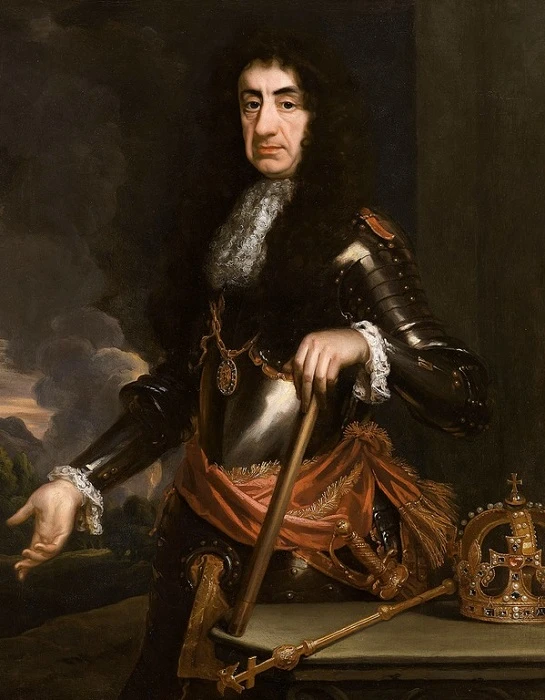
Charles II, the “Merry Monarch”—gregarious, pleasure-loving, and proud father to 14 acknowledged illegitimate children
Their paths crossed in April 1668 at Lincoln's Inn Fields Theatre. Nell was in the audience, not on stage, watching George Etherege’s
She Would If She Could
. The King sat in an adjoining box and spent far more time flirting with the witty actress than watching the play. Afterward, Charles invited her to supper along with his brother, the Duke of York. When the bill arrived, neither the King nor his brother had a penny between them. Nell paid out of her own pocket. It was an astonishing tableau: the daughter of a brothel keeper footing the bill for the King of England. 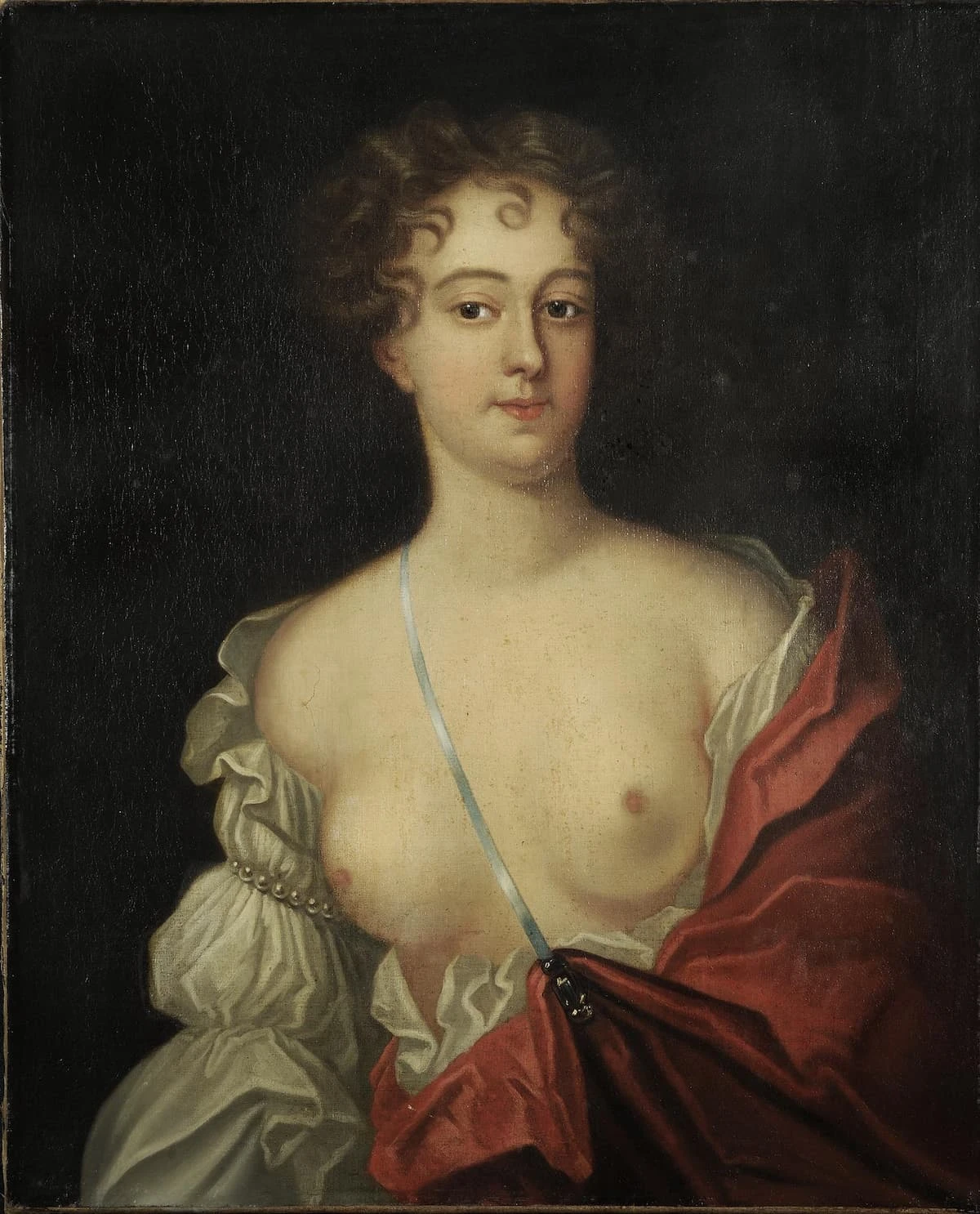
Nell Gwyn, portrait attributed to Sir Godfrey Kneller
Charles II was affectionately remembered as the “Merry Monarch.” He loved the theatre, hunting, and women—making little effort to hide any of his passions. Among his many mistresses, Nell held a unique place: she never demanded titles or riches for herself, steered clear of court politics, and never subjected him to jealous rants. Historians note that this unpretentious nature made her truly indispensable.
“I Am the Protestant Whore”
Nell’s chief rival at court was Louise de Kérouaille, a French aristocrat dispatched to London by Louis XIV in what amounted to an espionage mission to keep an eye on the English king. Louise was haughty, power-hungry, and a devout Catholic—which, in Protestant England, was more than enough to earn the public's fury. The common folk branded her a French spy and despised her openly. 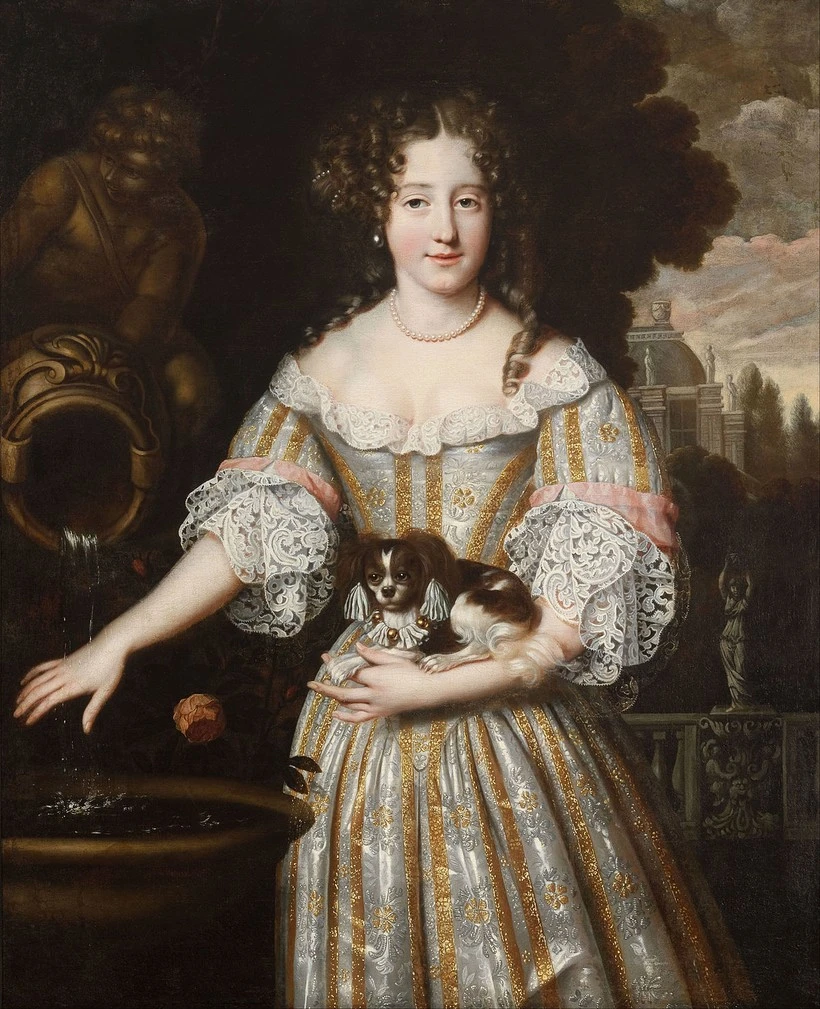
Louise de Kérouaille, Duchess of Portsmouth—loathed by the public as a Catholic and a French spy
Nell and Louise shared only one thing: their royal patron. In every other way, they were polar opposites. Nell concocted biting nicknames for Louise, and Louise returned the favor. They jockeyed for the position of paramount mistress, occasionally sitting at the same table to keep up courtly appearances. 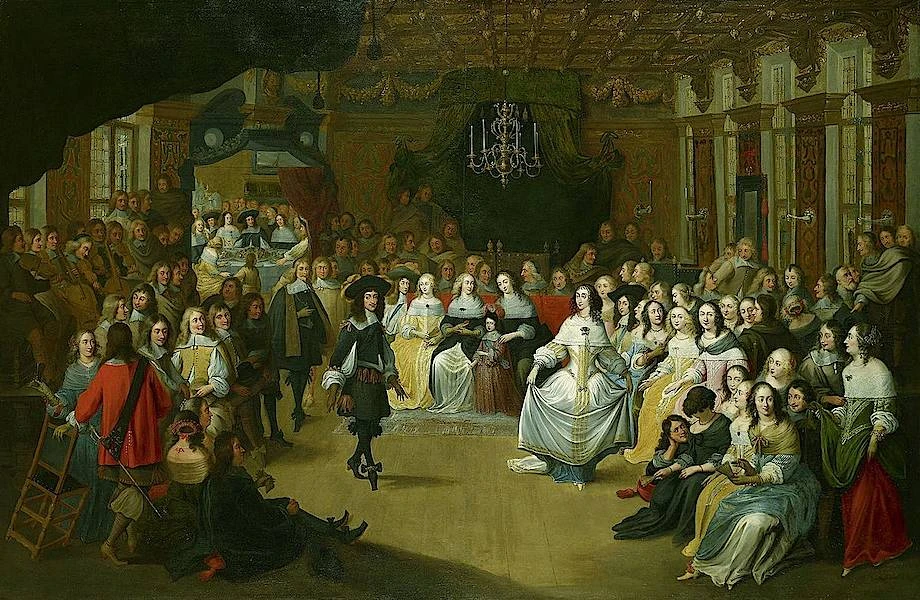
The Restoration court of Charles II: hedonistic, licentious, and steeped in intrigue
The most legendary clash between the two occurred when Nell’s coach was besieged by a furious mob that mistook her for the despised Catholic, Louise. Leaning out of the carriage window, Nell famously cried: “Pray, good people, be civil! I am the Protestant whore!” The crowd erupted into laughter and dispersed. The quip went down in history as one of the great lines of English wit.
Mother to Royal Sons
On May 8, 1670, Nell gave birth to a son, christened Charles after his father. She continued performing on stage even after becoming a mother, but retired at the peak of her fame in 1671. Her departure was spurred by another pregnancy: on Christmas Day, 1671, she gave birth to a second son, James.
Charles gifted Nell a townhouse at 79 Pall Mall, right in the heart of London. The residence buzzed with company: card games, lively artistic chatter, and late suppers with guests. In her bedchamber stood a headboard of solid embossed silver, adorned with figures of eagles, cherubs, and the King himself. 
Pall Mall, London, in an engraving from 1763. Nell's townhouse stood here from 1671 onward
The only favor Nell ever pressed the King for was titles for her boys. In 1676, her elder son, Charles, was created Baron Heddington and Earl of Burford, and later Duke of St Albans. Nell herself remained an untitled commoner to the end of her days, but her son joined the highest ranks of the English peerage. Tragic news struck in 1680 when her younger son, James, died at the age of eight while studying at school in France. 
Nell Gwyn, portrait by Simon Verelst
Another enduring London legend credits Nell with urging Charles II to found the Royal Hospital Chelsea in 1682 as a home for elderly and wounded soldiers. Though documentary proof is lacking, the tale has endured for centuries. That alone speaks volumes about how Nell was perceived by her contemporaries: as a woman who used her influence with the Crown to champion those without power or a voice.
“Let Not Poor Nelly Starve”
Charles II died on February 6, 1685. On his deathbed, he urged his brother James: “Let not poor Nelly starve.” James, ascending the throne as James II, honored the dying wish: he cleared Nell’s substantial debts and granted her an annual pension of £1,500—equivalent to around £150,000 today.
Nell outlived Charles by less than three years. In March 1687, she suffered a stroke that left her paralyzed on one side. A second stroke in May confined her to bed at her Pall Mall residence. On November 14, 1687, Nell Gwyn passed away at just thirty-seven. 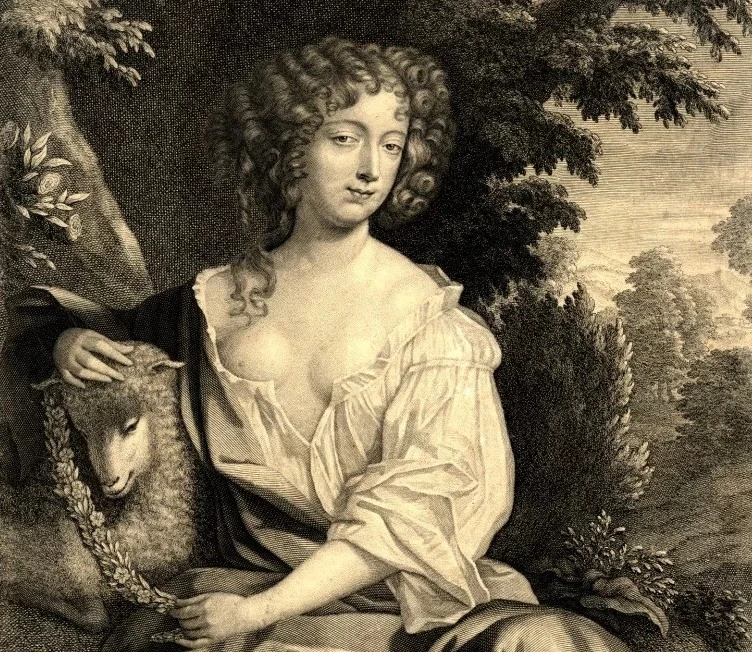
James II cleared Nell Gwyn’s debts at the behest of his late brother
Nell’s last will and testament struck a chord across London. She left £50 to be distributed every Christmas to free poor debtors from prison, along with £100 for the needy of St Martin-in-the-Fields parish. Her own father had perished in a debtors’ cell, and she had never forgotten.
A Farewell Mourned by a Nation
On November 17, 1687, Nell was laid to rest at the Church of St Martin-in-the-Fields near Trafalgar Square. Her funeral sermon was delivered by Thomas Tenison, the vicar who had helped her distribute anonymous alms during her life; he would later become Archbishop of Canterbury. Ordinary Londoners flocked in droves to bid her farewell—the church was packed to the rafters, with hundreds more spilling into the streets outside. 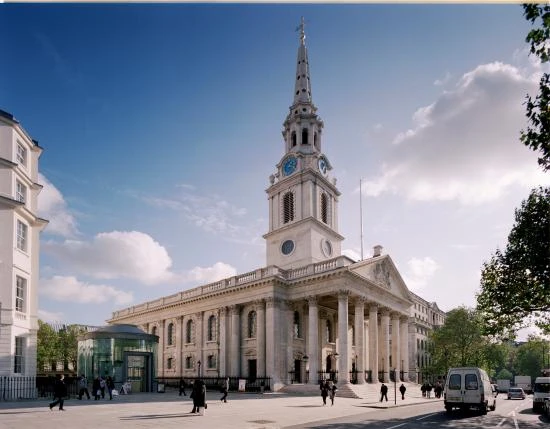
St Martin-in-the-Fields Church, where so many turned out to mourn Nell Gwyn that the sanctuary could not hold the crowd
Through her son Charles, the Dukedom of St Albans carried her lineage down to Samantha Cameron, wife of former British Prime Minister David Cameron. In 1937, the Art Deco apartment block Nell Gwynn House was erected in Chelsea, featuring a statue of Nell above the entrance flanked by a Cavalier King Charles Spaniel—the breed beloved by Charles II. Since 1953, Gilbert Ledward’s Venus Fountain has graced Sloane Square, its base sculpted with the figures of Charles II and Nell. 
The Nell Gwynne Tavern near Covent Garden, in the neighbourhood where she grew up and launched her career
To this day, a pub bearing her name still welcomes patrons in Covent Garden, near the streets where she ran barefoot as a girl. Nearly three and a half centuries later, the legend of Nell Gwyn remains a story London never tires of telling.
A Living Legend
In 1934, the film
Nell Gwyn
was released, starring Anna Neagle in a vehicle directed by Herbert Wilcox for his future wife. The film ran afoul of American censors for staying too faithful to the historical reality of royal mistresses. Nell Gwyn has been portrayed on screen by over a dozen actresses—from Mary Pickford in 1915 to Emma Pierson in the 2003 television series. Her spell on the cultural imagination remains unbroken. 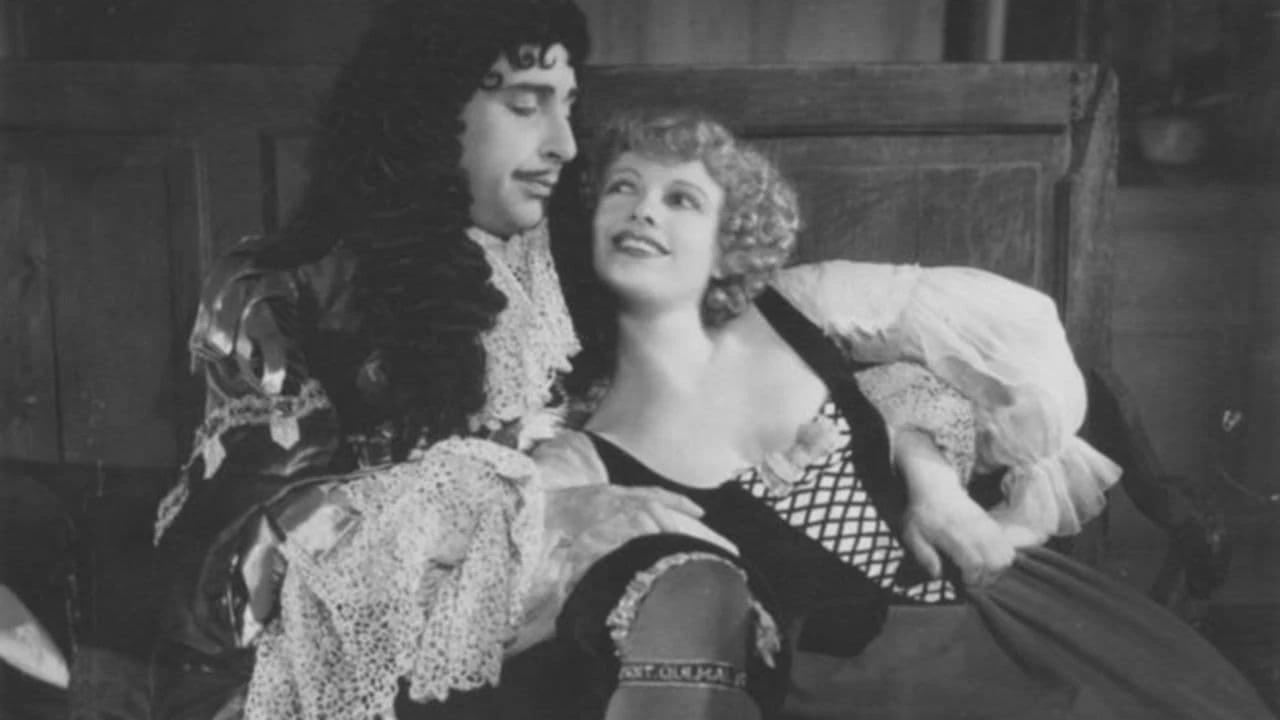
A still from the 1934 film
Nell Gwyn
, starring Anna Neagle, which caused a stir among American censors
Nell Gwyn lived just thirty-seven years—less time than most people take to find their footing in life. She rose from a fruit basket in a squalid alley to a mansion with a silver bed, with the King at her feet and the whole of London in her corner. Not because she was more cunning or scheming than the rest, but because she never pretended to be anything other than what she was.
Other royal mistresses schemed for vast estates, peerages, and political sway. Nell asked for just one thing: that her sons would not grow up without a name. And as Charles lay dying, his thoughts turned not to affairs of state or dynasty, but to her. What do you think: was Nell truly an exception—or simply the only one brave enough to never conceal her true self?