The Lee Kuan Yew Miracle: How Singapore Defeated Corruption and Became Asia's Financial Hub (9 photos)
Singapore wasn't always a prosperous nation. Today, it is celebrated as an economic miracle, drawing millions of tourists and entrepreneurs for business and leisure alike. Yet not so long ago, the vast majority of this small island nation lived in dire poverty. That all changed with Lee Kuan Yew, whose vision and determination transformed an impoverished country into one of the most advanced nations in the world. 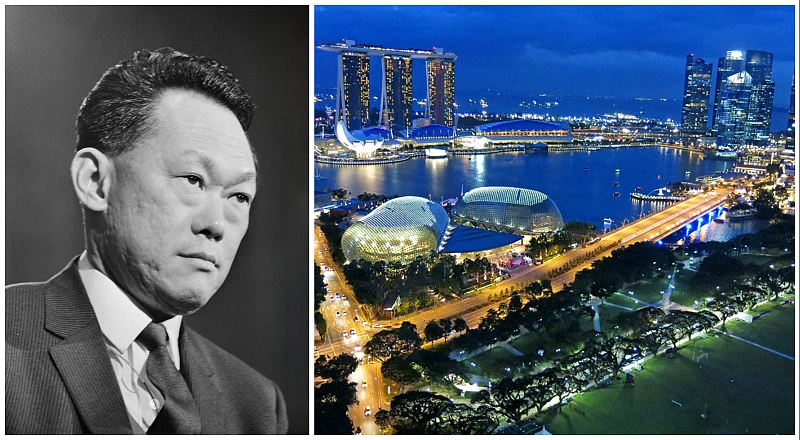
Read on to discover how Prime Minister Lee Kuan Yew achieved the impossible—wiping out organized crime and corruption, and funneling global investment into a once-destitute land. 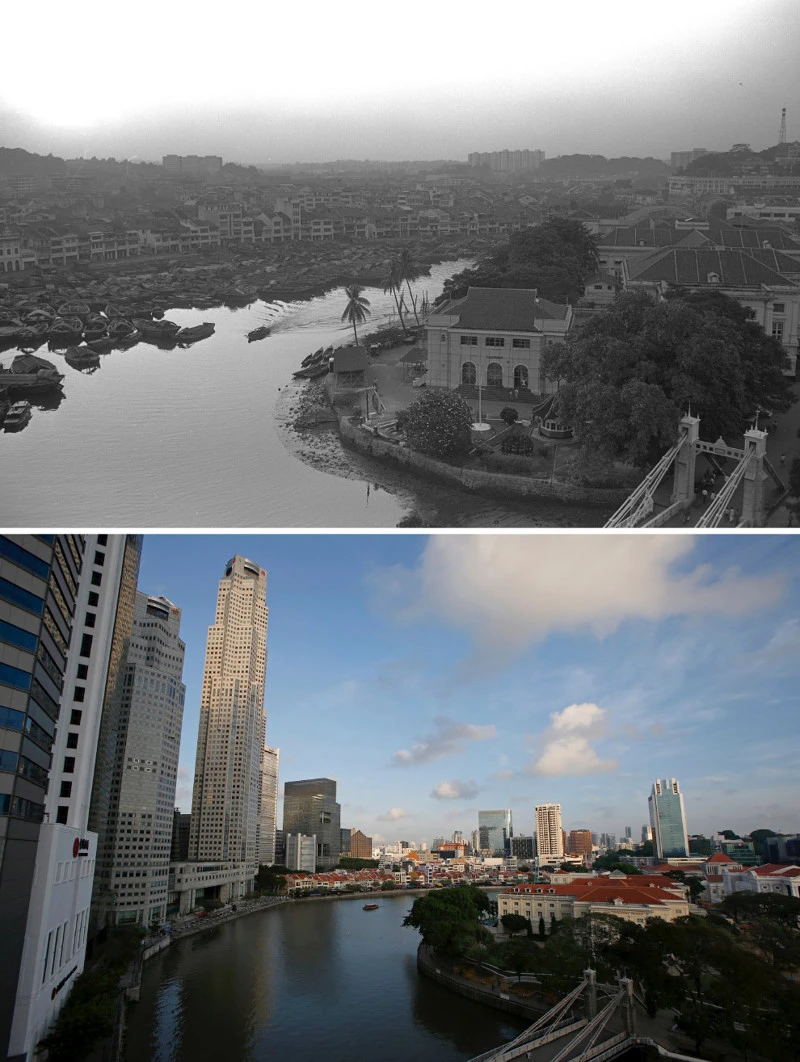
Singapore: Past and Present
Stamping Out Corruption
Bribery and nepotism are the bane of bureaucratic systems worldwide. As the architect of Singapore's "economic miracle," Lee Kuan Yew famously stressed that defeating corruption requires absolute ruthlessness—including a readiness to send friends and family to prison if they take bribes.
Lee spared no one. Multiple government ministers were jailed for bribery—including one of his closest personal friends. 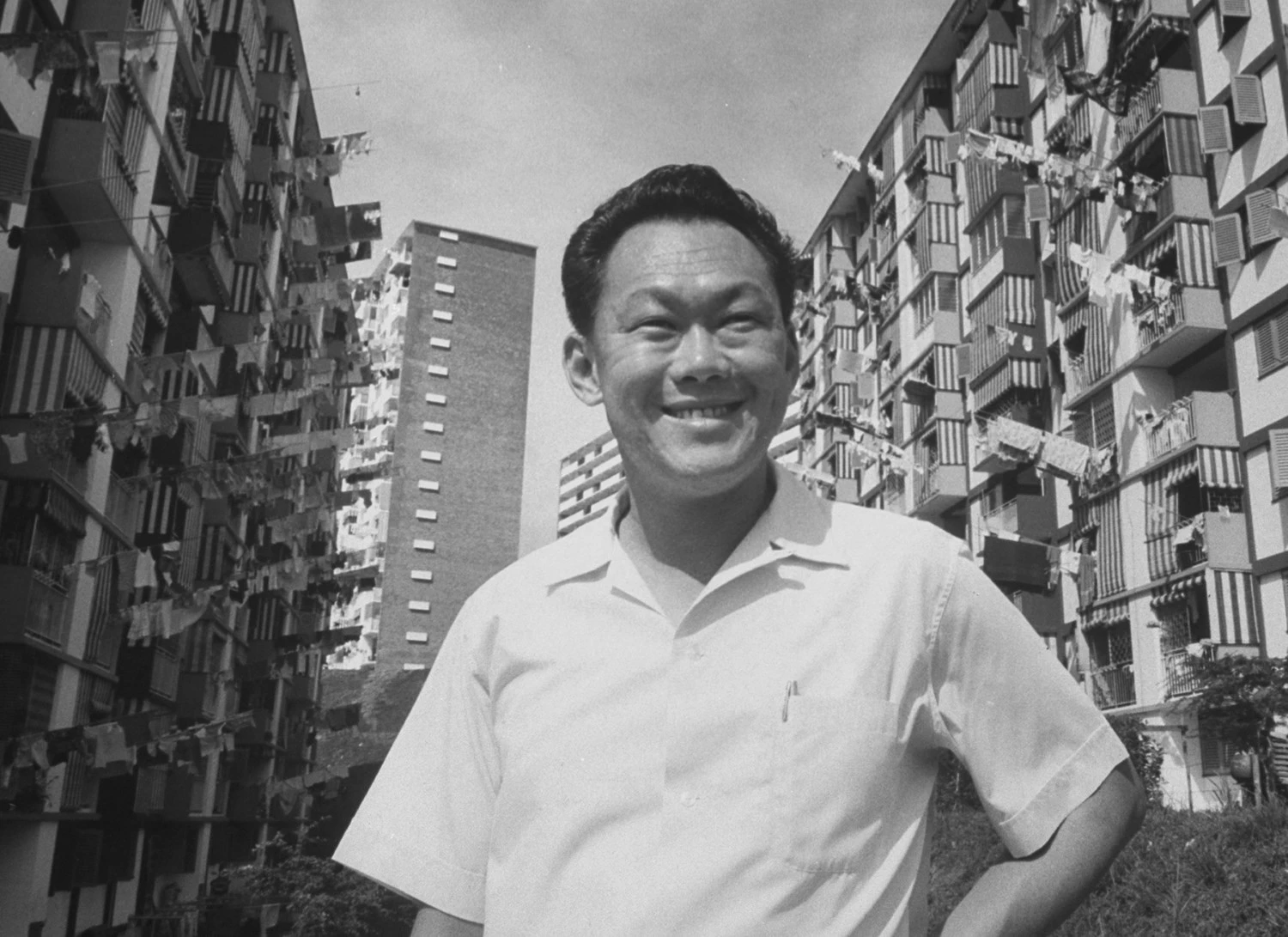
Lee Kuan Yew in his youth
Today, Singaporean public servants earn high enough salaries to resist temptation and avoid abusing their positions. Independent media in Singapore was empowered to act as a genuine fourth estate, with journalists closely scrutinizing the lifestyles, incomes, and expenditures of officials, their families, and associates. 
Time and again, investigative reporters exposed public figures living beyond their means. A corrupt official risked far more than losing their job and privileges; they faced imprisonment and financial ruin after paying exorbitant fines running into hundreds of thousands of dollars.
“If you want to defeat corruption, start by putting three of your friends in jail. You know exactly why, and so do they,” Singapore’s founding father famously declared.
Lee Kuan Yew recalled having two choices when leading the nation: steal, lining his own pockets and those of his circle to join the ranks of the world's richest people while leaving Singaporeans in poverty; or serve the public and propel Singapore into the top ten developed countries on Earth. 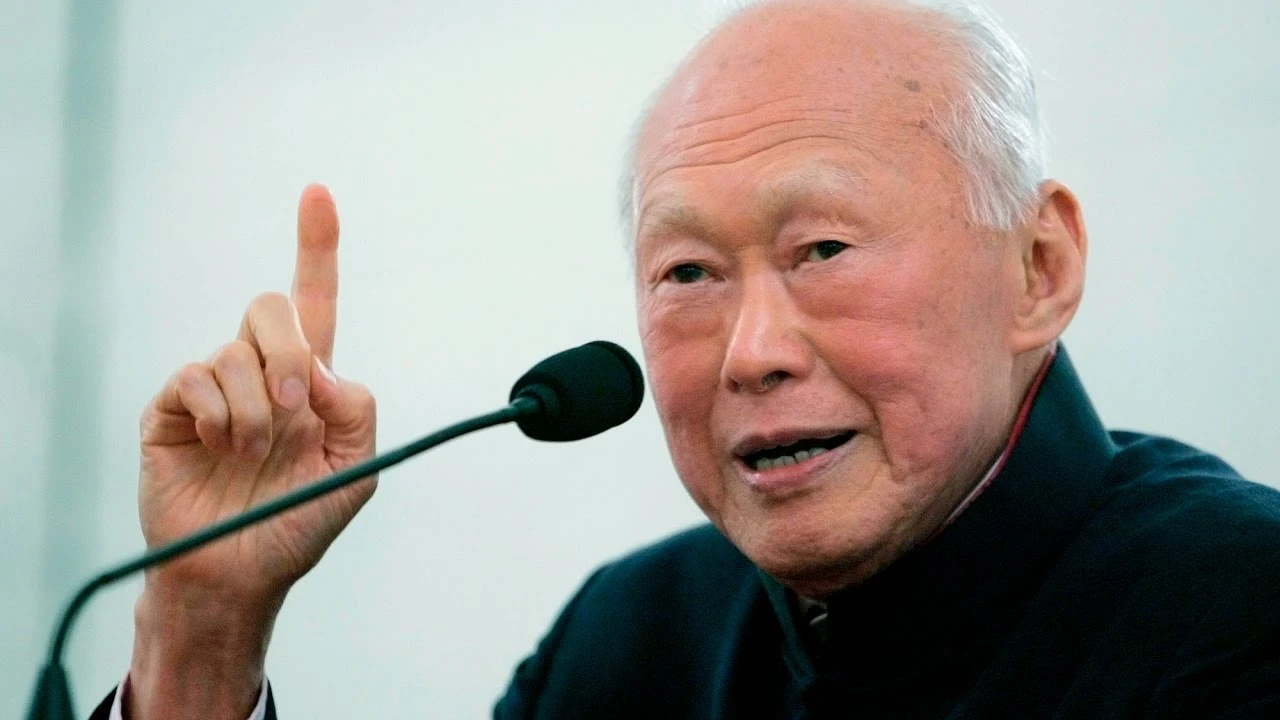
He chose the latter, becoming one of the world's most successful statesmen and leading his nation to remarkable prosperity.
An Unforgiving Penal System
Singaporeans remember their founding father as a tough but fair leader. The country maintains a notoriously strict justice system. Capital punishment records show that Singapore once had one of the highest execution rates per capita in the world, reserving the gallows primarily for murderers and drug traffickers. 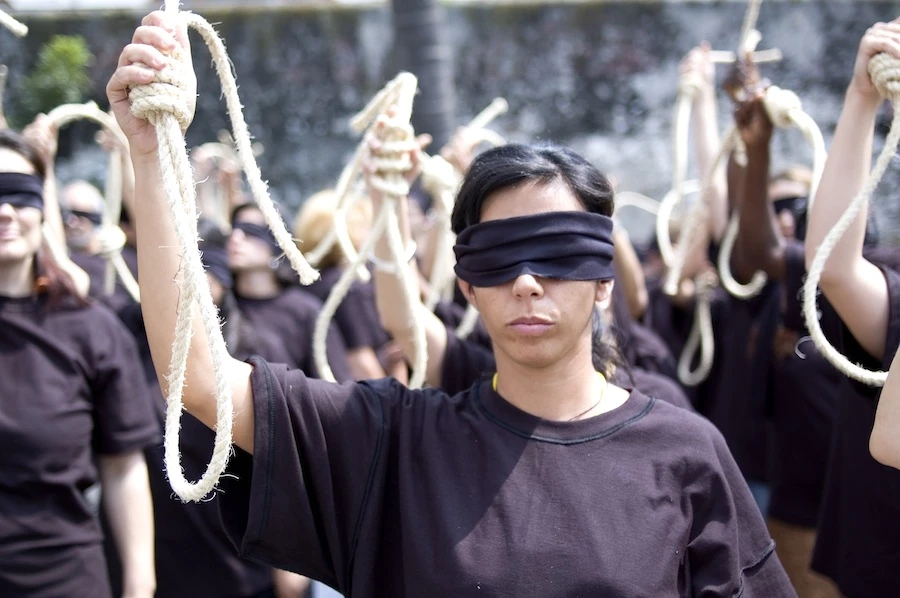
Singapore also employs caning as a form of judicial punishment—a practice supported by the vast majority of its citizens. Minor offenses carry heavy fines and lengthy prison terms. Unsurprisingly, this zero-tolerance approach has kept crime rates exceptionally low.
Attracting Foreign Investment
The impoverished country was desperate for capital. Singapore had no natural resources to build a traditional industrial base, while its tropical climate and severe fresh water shortage hindered agricultural development. Foreign investment was the tiny nation's only lifeline. 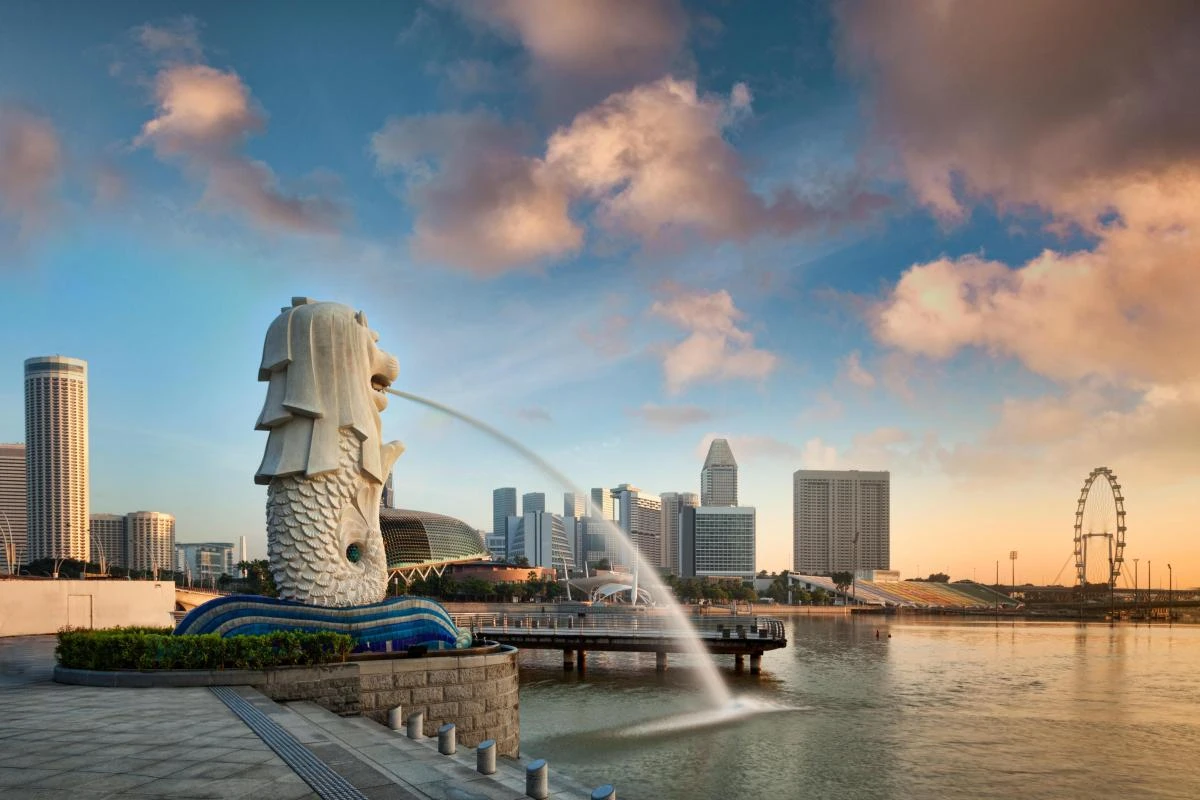
In the 1960s, China closed its borders to foreign capital, creating a huge opportunity for neighboring Asian economies like Singapore, South Korea, and Hong Kong. Lee Kuan Yew’s government moved aggressively to lure international business by creating an exceptionally investor-friendly climate.
This win-win strategy created thousands of local jobs while offering Western corporations low-cost labor and generous tax breaks. Unwavering non-intervention policies guaranteed a steady inflow of foreign capital.
Overhauling Education
Singapore's founding father set a clear objective: nurture a new generation of educated, capable decision-makers. Lee Kuan Yew launched sweeping education reforms, putting high-tech innovation at the core of the curriculum at every level of schooling. 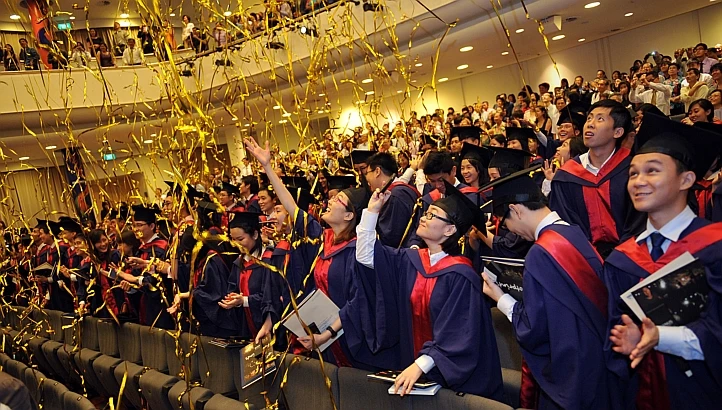
Armed with fresh degrees, young Singaporeans joined multinational corporations to absorb cutting-edge industry practices. Before long, local talent was competing directly on the global market. Today, Singapore is a premier global hub for high-tech electronics manufacturing.
High-Performing State Enterprises
State-owned enterprises still account for a substantial portion of the national economy. Singapore Airlines was among the country's first state enterprises, established with a single-minded focus on passenger comfort. Every detail was meticulously engineered, from ergonomic seating to interactive entertainment—earning it a well-deserved reputation as the world's best airline. 
Modern Singapore is the product of Lee Kuan Yew’s three-decade leadership. The visionary statesman transformed a Third World nation into a premier global power that consistently tops international benchmarks. The father of Singapore remains an enduring model of patriotism and leadership.
Do you think an economic miracle like this could ever happen in our country?