Not Quite What They Seem: The World's Most Famous Fake Tourist Attractions (29 Photos)
How do you make money out of thin air, water, woods, or old stories? Some tourist attractions exist purely thanks to charming legends and gullible visitors. Here is what tour guides gloss over and guidebooks conveniently leave out: these landmarks are questionable at best and outright fakes at worst, yet they continue to draw travelers from every corner of the globe. 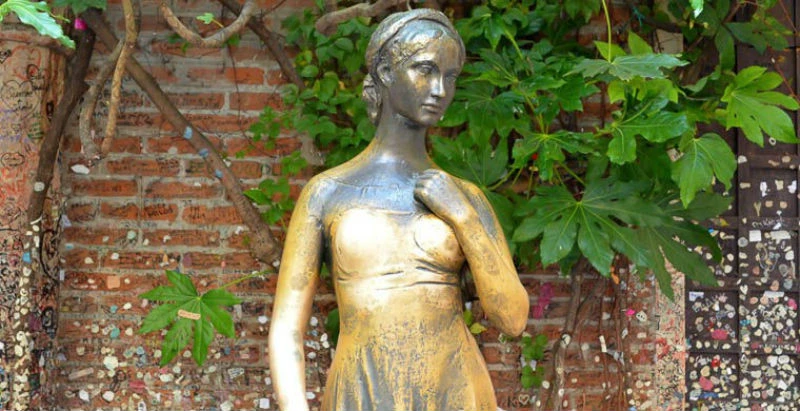
The Six Birthplaces of Columbus 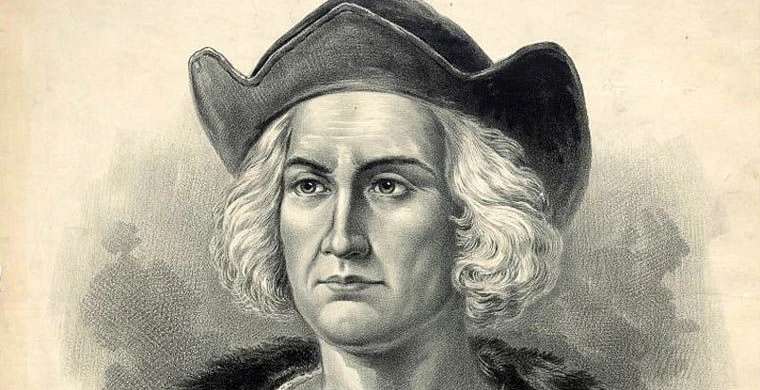
In Genoa, guides will happily show you the boyhood home of Christopher Columbus. The snag? The building was constructed in the 17th or 18th century, whereas Columbus was born in 1451. But that minor oversight is only half the story. No fewer than six cities across Spain and Italy lay claim to being the birthplace of the famed explorer, and there is zero concrete evidence that he was born in Genoa—let alone in a house that isn't even original, but merely a modern reconstruction.
The original structure was destroyed by French forces in the 17th century. You might just as well visit the "Columbus House" in Las Palmas de Gran Canaria, Spain, which houses a museum dedicated to famous voyages of exploration. At least Columbus actually stayed there—albeit only once, in 1492, while waiting for his ship to be repaired. But even that building is a 1777 rebuild, meaning its walls can hardly claim to remember the great navigator either. 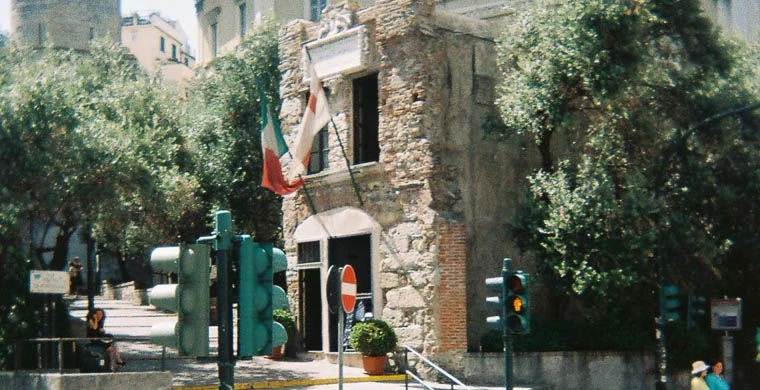
Columbus House in Genoa, Italy 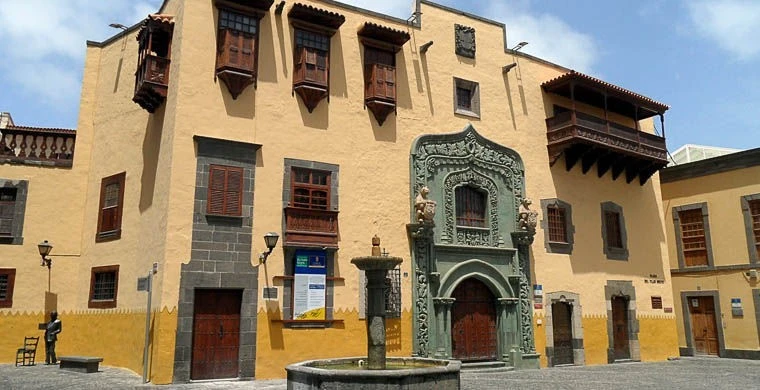
Columbus House in Las Palmas de Gran Canaria, Spain
Five Tombs of Jesus Christ 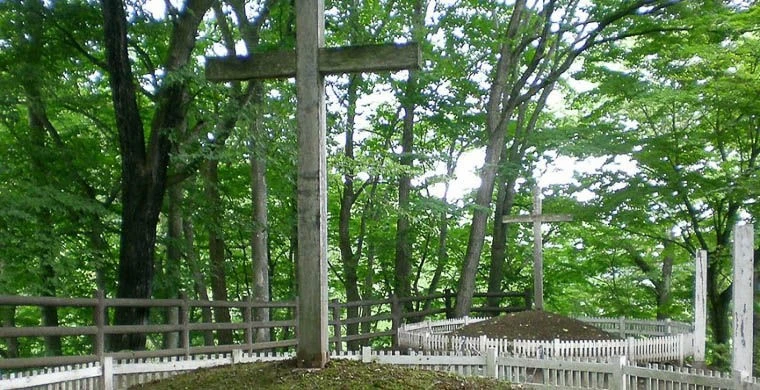
The Tomb of Jesus Christ in Shingō village
Japan is home to a location that might strike most Christians as rather unusual: the Tomb of Jesus Christ. Located in the northern village of Shingō, the site features two crosses—one representing Christ, and the other his brother, Isukiri. According to local lore, Jesus didn't die on the cross; instead, his self-sacrificing brother took his place in Jerusalem. The Son of God had supposedly spent his early years near Tokyo, traveled to the Middle East where Biblical events unfolded, and then escaped back to Japan via Siberia and Alaska following his brother's crucifixion, peacefully living to the age of 106 in Shingō. 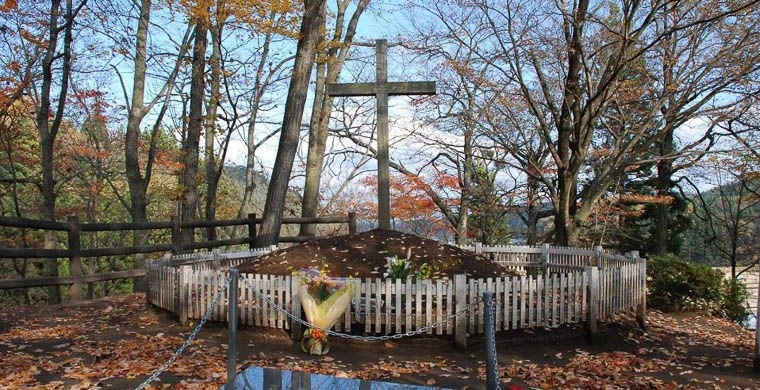
There are at least four other claimed tombs of Christ around the world: three in Jerusalem and one in the Indian region of Kashmir. 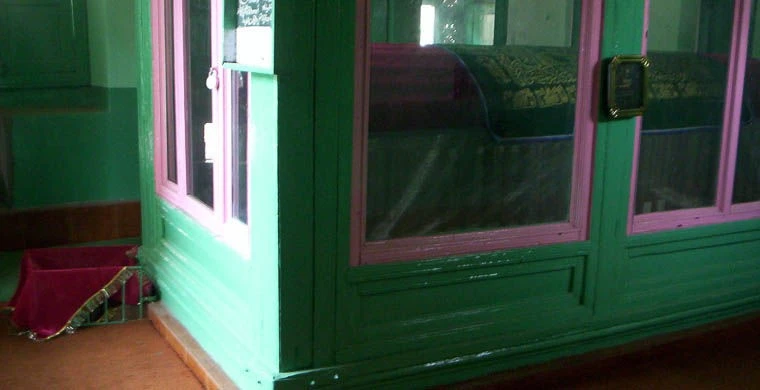
View of the sarcophagus inside the tomb of Jesus, Srinagar, Kashmir
A 20th-Century Rebuild: Stonehenge 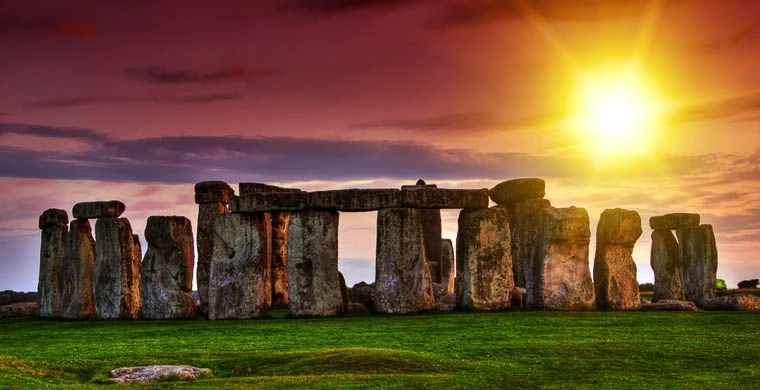
Tour guides present Britain's Stonehenge as an ancient megalithic monument—one of the most famous and enigmatic archaeological sites on the planet. 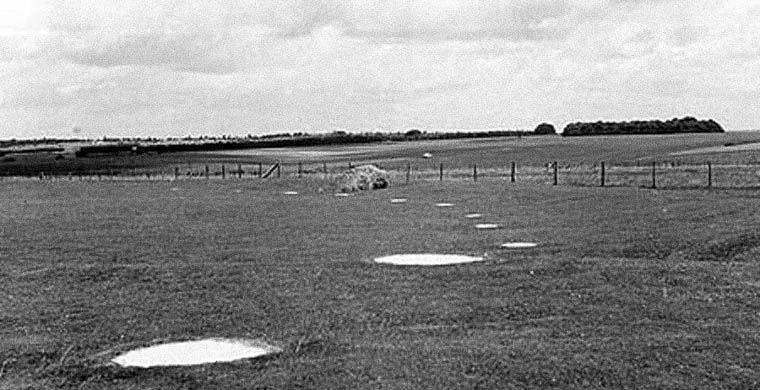
Researchers frequently publish studies speculating on how and why ancient peoples arranged these giant megaliths in a circle. 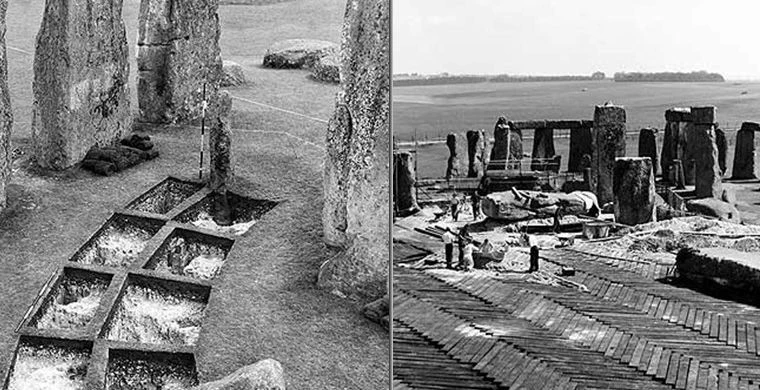
Theories abound: Stonehenge has been cast as a Druid sanctuary, an astronomical calendar, a burial ground, and a hub for spiritual healing. What guidebooks rarely mention—or show pictures of—is the massive 20th-century restoration that completely overhauled the site. 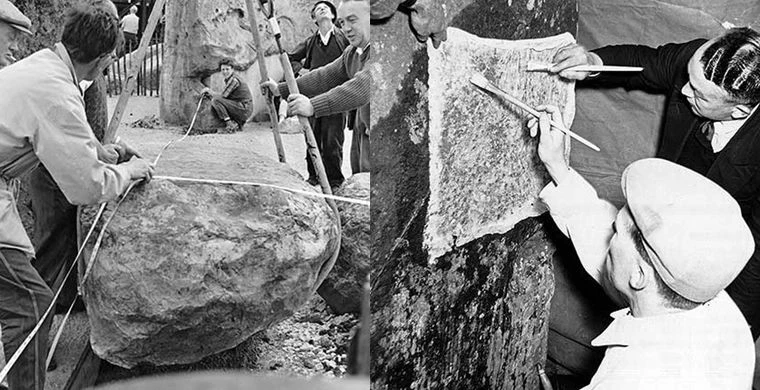
These photos, which recently circulated online and sparked much debate, reveal that Stonehenge is far from untouched ancient history. 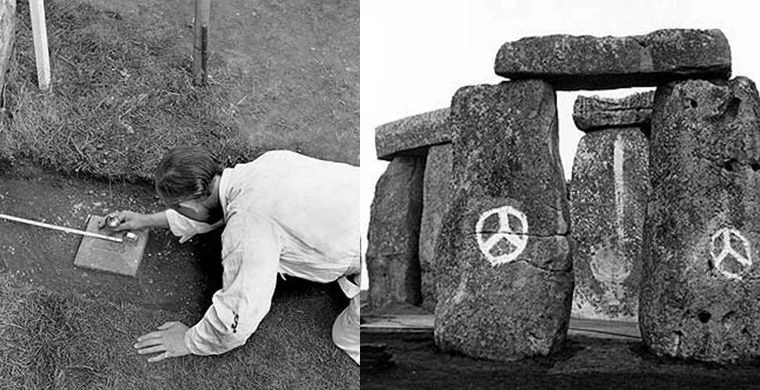
In 1958, the monument was virtually dismantled and re-erected using modern cranes, heavy equipment, and concrete. Similar restoration attempts had been taking place since 1901. 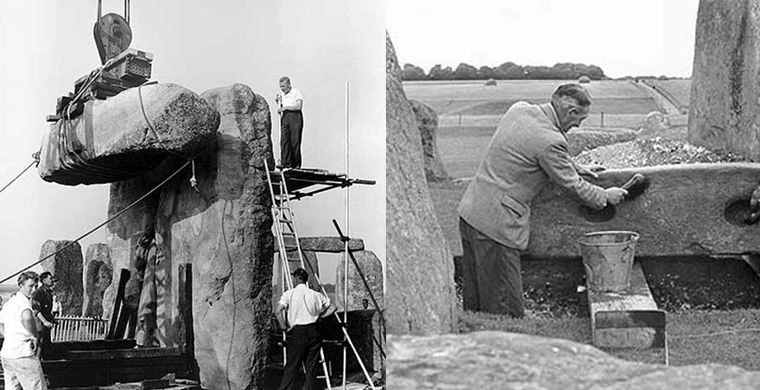
Archaeologists raised fallen stones and repositioned them according to their own theories, making it a stretch to call the present-day structure an untouched ancient monument. 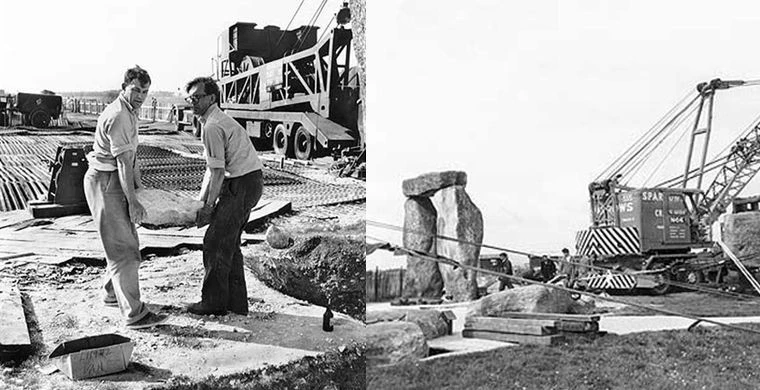
Today, it is essentially a well-executed reconstruction and a masterclass in tourist marketing. 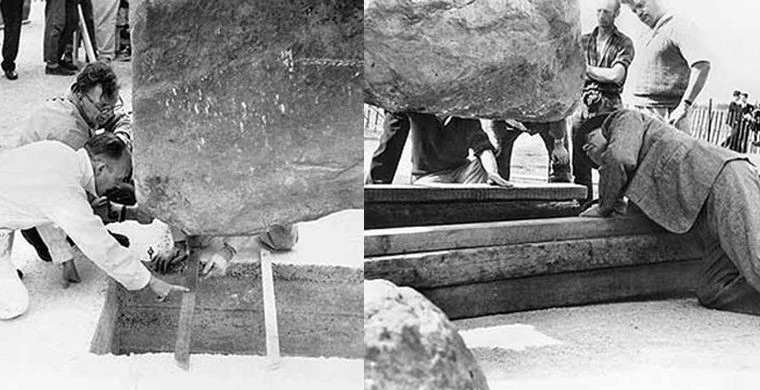
Two "Poles of Cold" 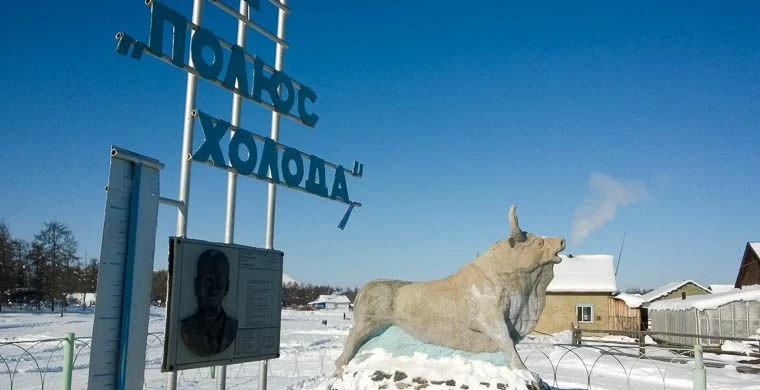
The Yakutian village of Oymyakon markets itself as the "Pole of Cold"—the coldest permanently inhabited place on Earth. This title draws scores of adventure seekers and thrill-seekers to the remote northern settlement. 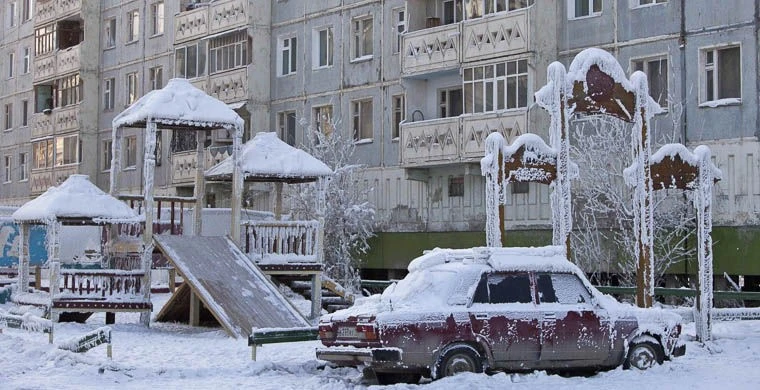
The village of Oymyakon, Yakutia 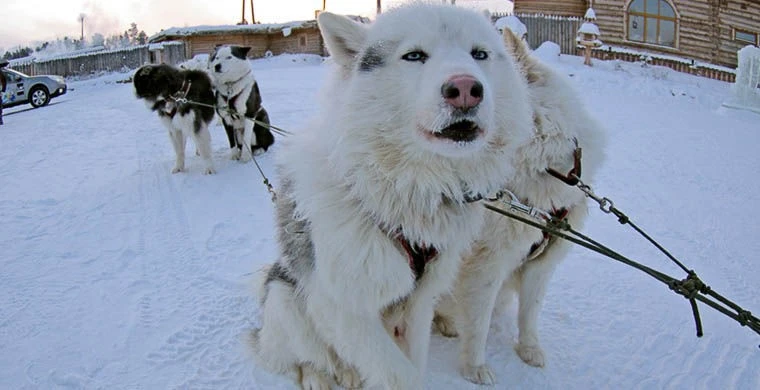
Travel agencies in Yakutia cash in on tour packages billed as "Expeditions to the Pole of Cold." Locals are heavily involved in tourism, introducing visitors to northern traditions, rituals, and nature, while hosting events like the "Oymyakon – Pole of Cold" festival and the traditional Yakut Ysyakh celebration. 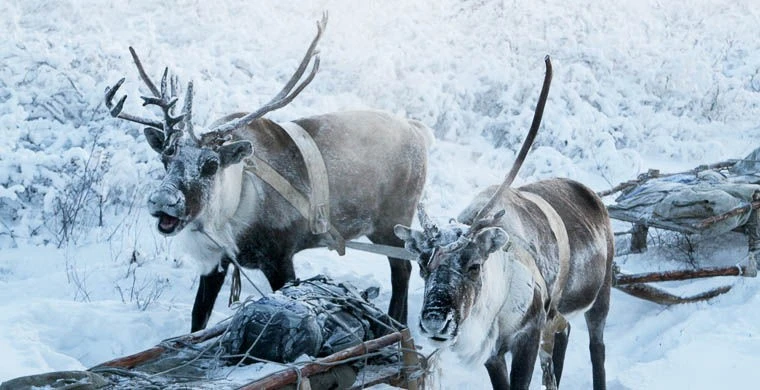
In reality, the title remains a hotly contested debate between Oymyakon and nearby Verkhoyansk. Strictly speaking, Verkhoyansk actually holds the official record: its lowest recorded temperature was 0.1 °C lower than Oymyakon's, plummeting to –67.8 °C in 1885. 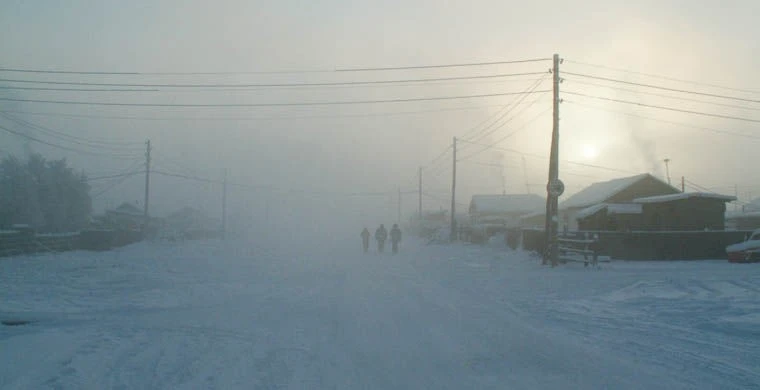
Verkhoyansk 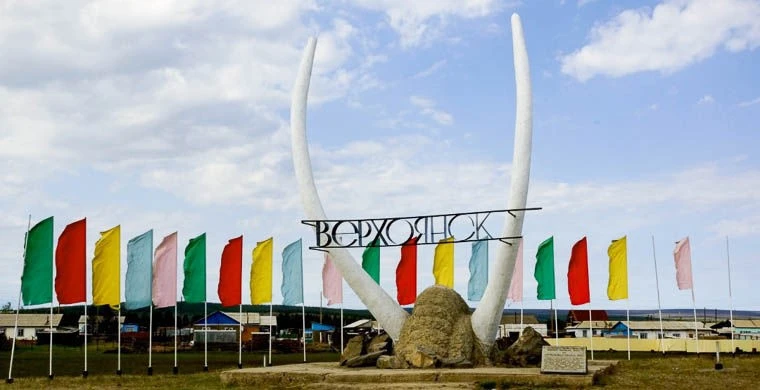
The local history museum in Verkhoyansk is officially named the "Pole of Cold" District Museum, and commemorative "Pole of Cold" monuments stand proudly in both towns.
Loch Ness: Monetizing a Myth 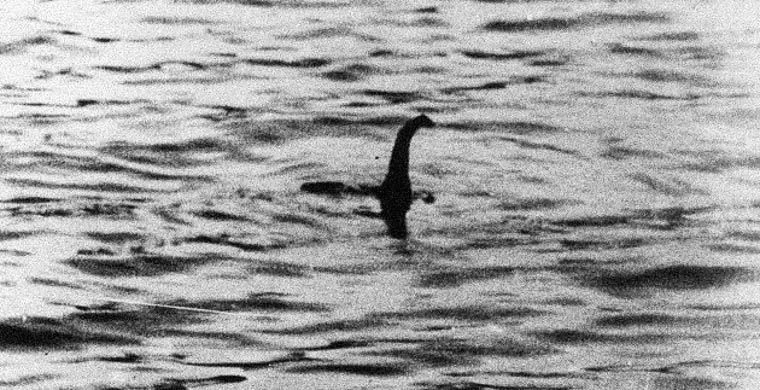
Would Scotland's Loch Ness ever have achieved global fame without the legend of its elusive monster? Every year, tourists from all over the world flock to its shores, guided tours in tow, hoping for a glimpse of Nessie. 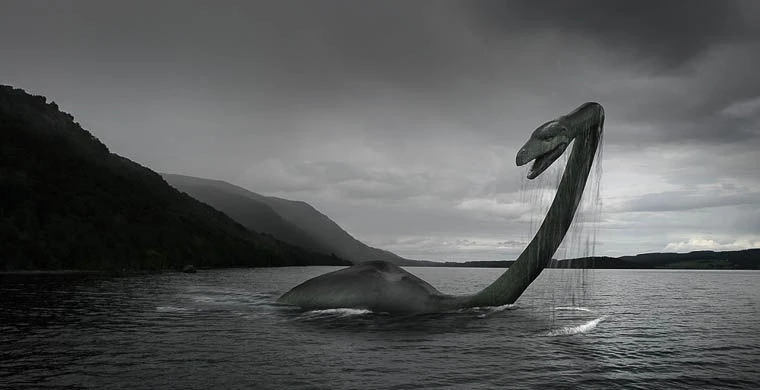
An entire industry has sprung up around the mythical beast, complete with hotels, restaurants, boat cruises, and travel agencies carrying the monster's name. 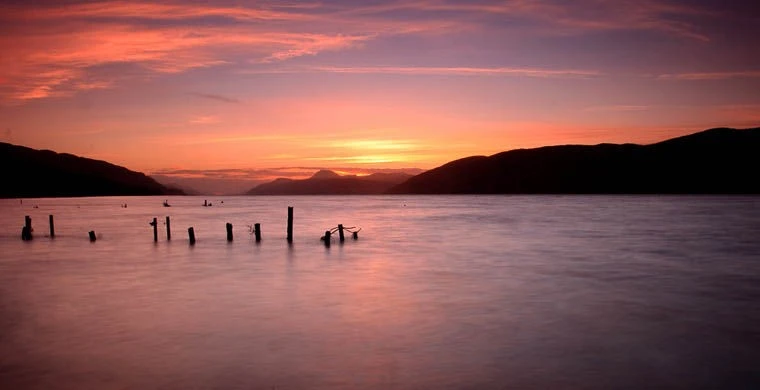
The endless stream of Nessie-themed souvenirs sold each year generates millions. 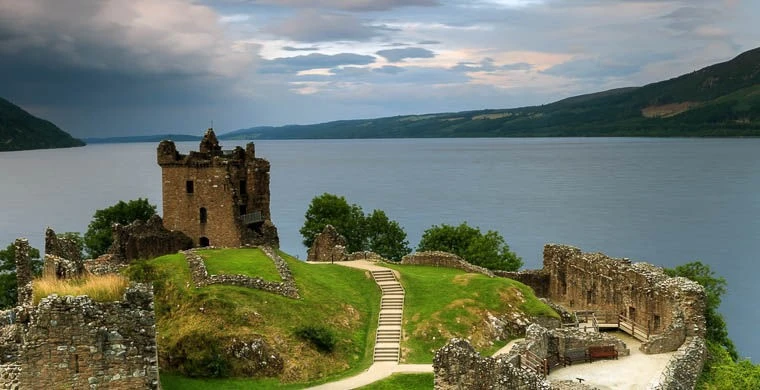
Yet many visitors leave feeling underwhelmed. Expecting something magical and extraordinary, they are met with a fairly ordinary lake set in a quiet landscape—and, unsurprisingly, no sign of a monster.
The City of Romeo and Juliet 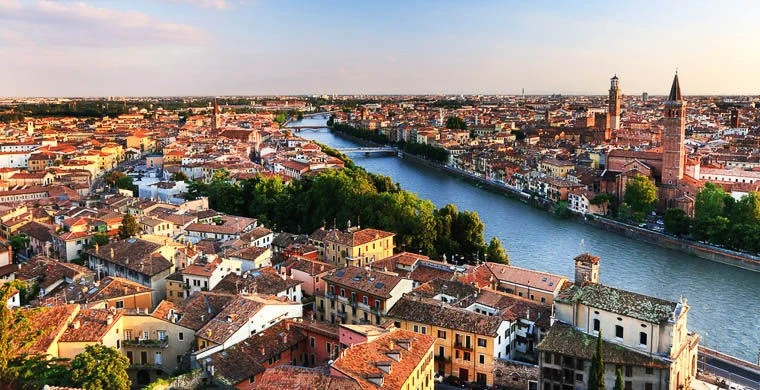
When William Shakespeare wrote
Romeo and Juliet
, could he have guessed he was securing centuries of prosperity and fame for Verona? Millions of tourists flock to northeastern Italy to visit Romeo's House and Juliet's House, where guides point out "the very balcony" from the play's iconic love scene. 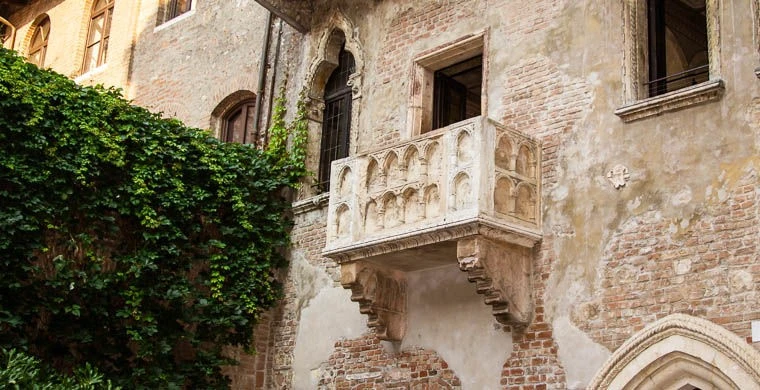
A visit to Juliet's Tomb is another fixture on the tourist itinerary, drawing a steady stream of pilgrims for centuries. 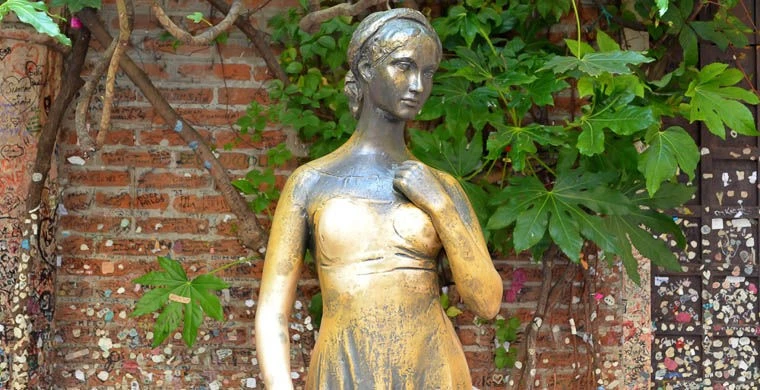
“The transition from the House of Juliet, to the Tomb of Juliet, is as natural to the visitor as to poor Juliet herself…” wrote Charles Dickens in
Pictures from Italy
in 1846. “Guided by a woman with bright eyes… she showed me a stone cistern, or water-trough… wiping her hands upon her apron, said: ‘La tomba di Giulietta la sfortunata’ (‘The tomb of unfortunate Juliet’). With all the willingness in the world to believe, I could only believe that she believed it. So I gave her credit for her faith, and paid her for it in bright soldi.” 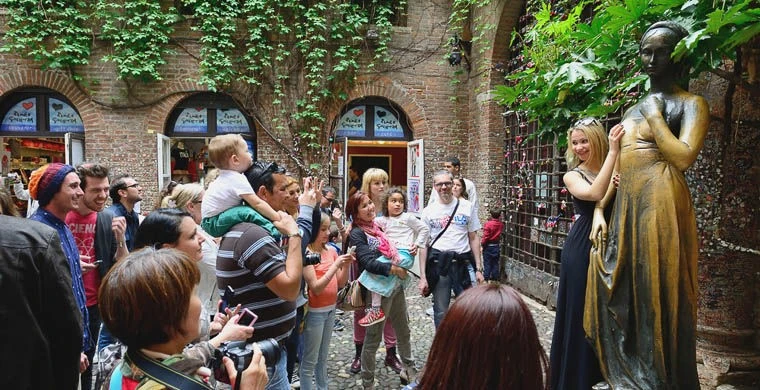
Much the same scenario plays out today, and few visitors bother to remember that Romeo and Juliet never actually existed.