The History of Toyota: From Looms to Automobiles (11 photos)
On August 28, 1936, the Toyota Motor Company was officially founded. Today, Toyota stands as one of the world's largest automotive brands, trusted and driven by millions worldwide. Yet few realize that the automaker’s journey didn't start with cars. The story of Toyota is an extraordinary rise from manufacturing automatic weaving looms to building some of the most popular vehicles on the planet. How did it all begin? 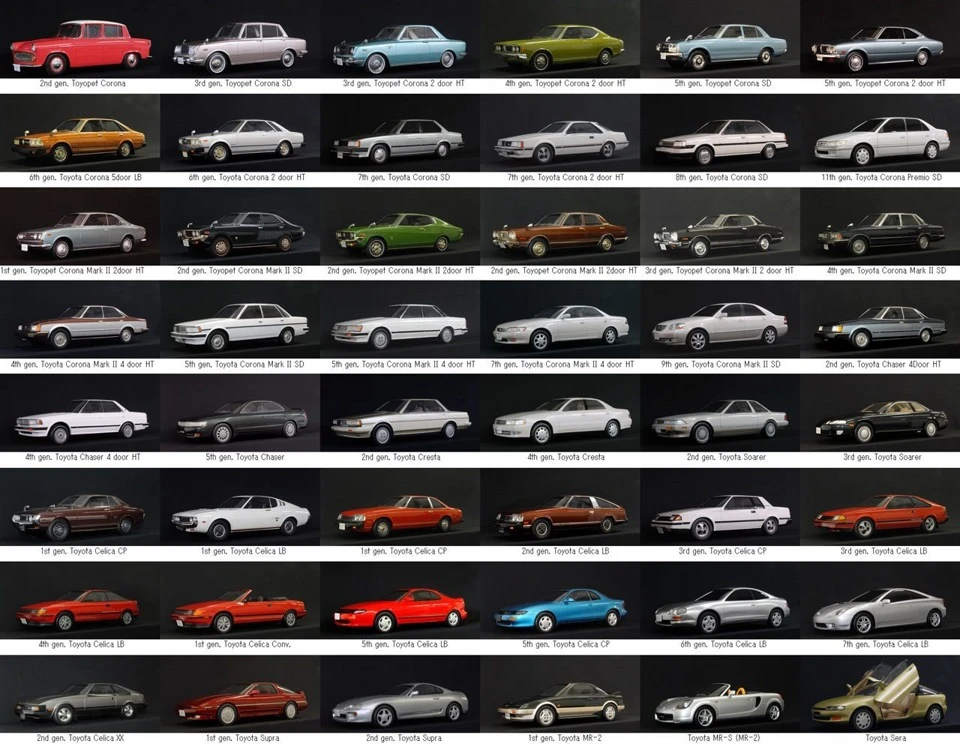
The Early Years: From Looms to Cars
The Toyota story began with Sakichi Toyoda, a brilliant Japanese inventor whose weaving looms played a pivotal role in Japan's Industrial Revolution. In the 1890s, he developed the country's first power loom, followed by an automated version that stopped operating instantly if a thread snapped. This innovation not only boosted manufacturing efficiency but also laid the groundwork for Toyoda Automatic Loom Works—the parent company behind the famed automaker. 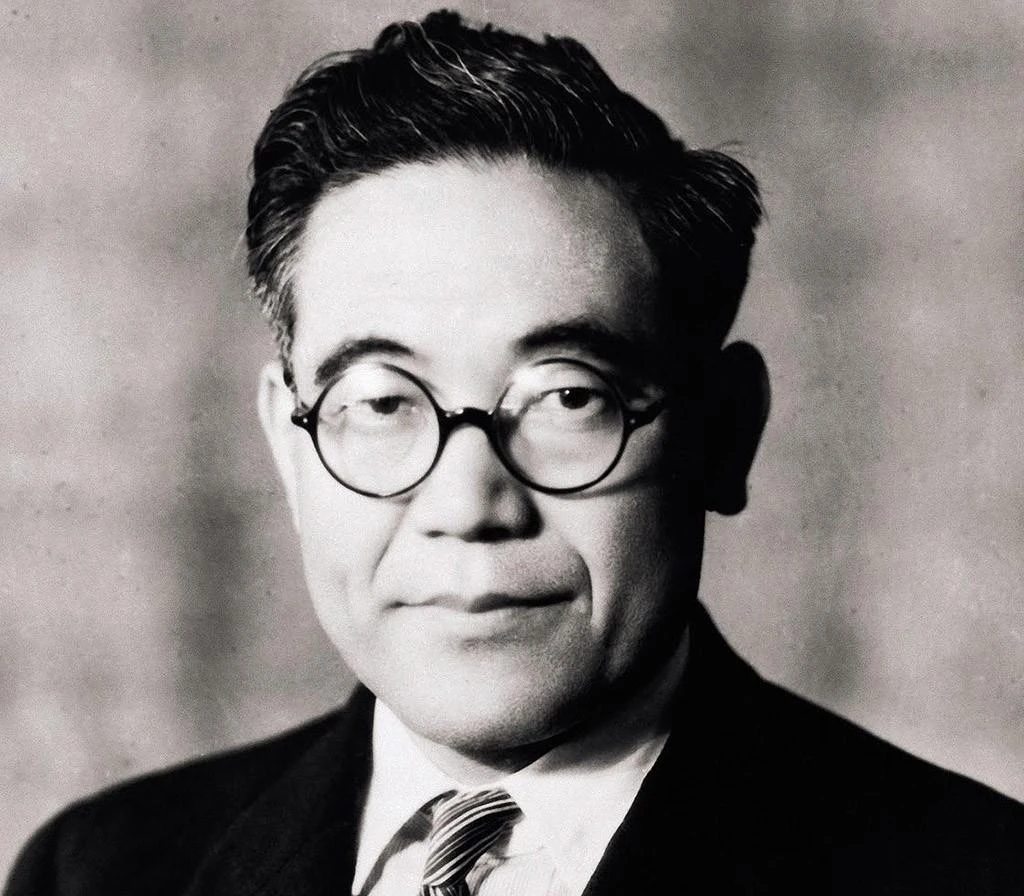
Kiichiro Toyoda — founder of Toyota Motor Corporation
The vision to enter the automotive industry came from Kiichiro Toyoda, Sakichi's son, following a trip to Europe and the United States in 1929. Impressed by the advanced state of Western car manufacturing and the market's vast potential, Kiichiro recognized that the future belonged to the automobile. He persuaded the management at Toyoda Automatic Loom Works to diversify into car manufacturing and build their first engine. With strong backing from the Japanese government, this bold gamble unlocked a new era for the business.
Early Milestones: The Type A Engine and Model AA
By May 1934, the company produced its first engine, the Type A, which powered their prototype A1 passenger car and the G1 truck. These early vehicles proved vital in establishing the foundation for Toyota as an auto brand. 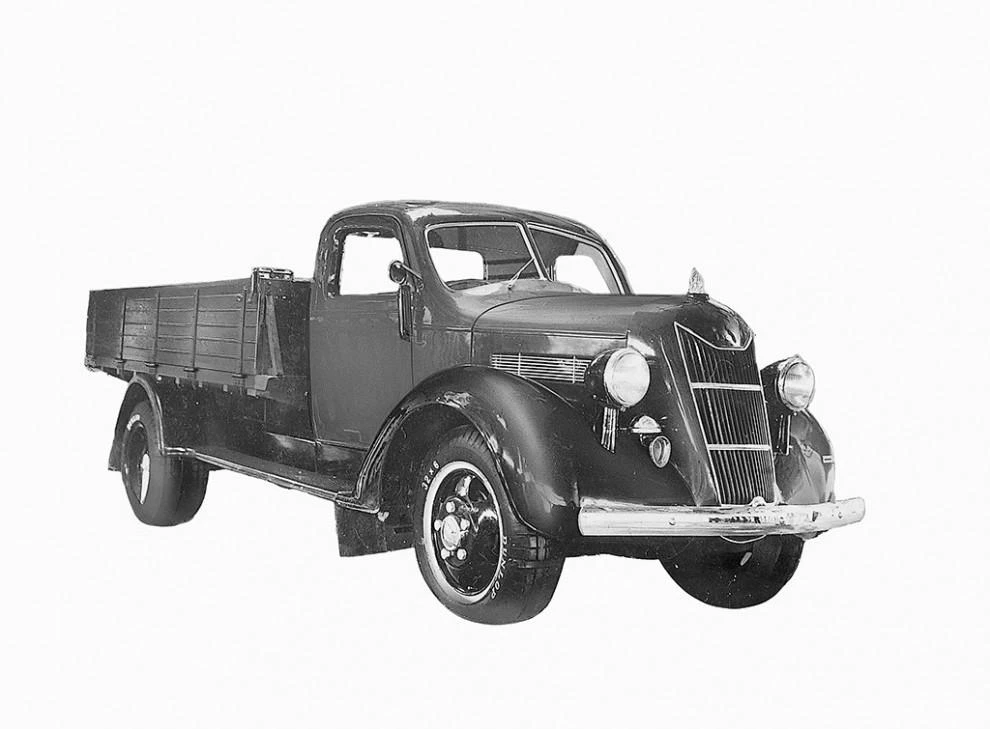
1935 Toyota G1 flatbed truck
Production of the Model AA passenger car kicked off in 1936, the same year Toyoda Automatic Loom Works spun off its automotive division into Toyota Motor Co., Ltd. The company subtly changed its name from Toyoda to Toyota—a tweak that required eight brushstrokes in Japanese kanji, a number associated with good fortune. 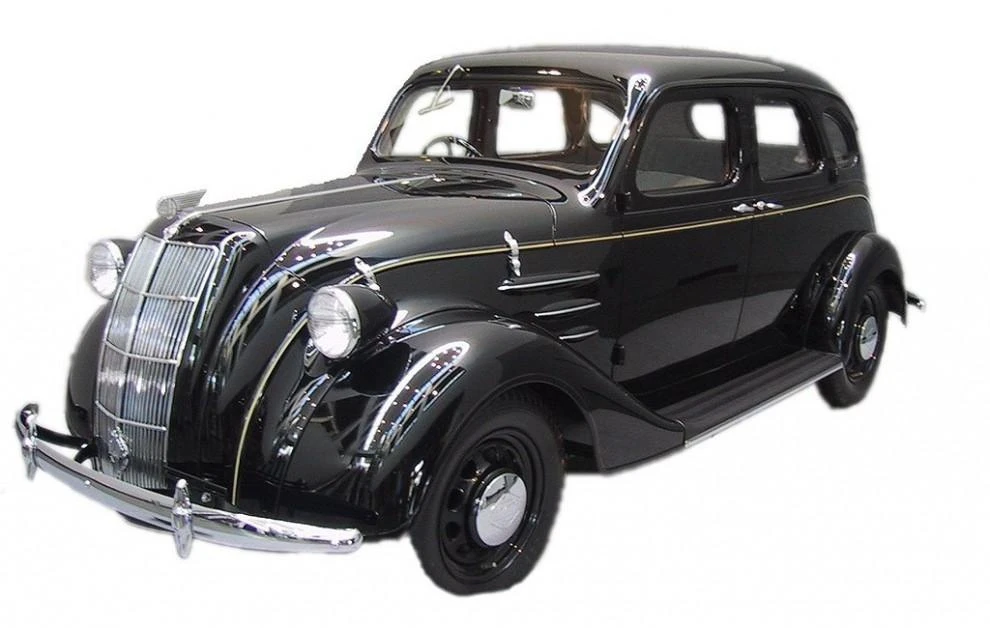
The Model AA marked the company’s official debut in the automotive world. Blending cutting-edge technology of the era with high build quality, it immediately established the brand’s presence in the market. Despite stylistic similarities to contemporary American models from Dodge and Chevrolet, the vehicle became a testament to reliability and Japanese engineering prowess.
Wartime, Rebuilding, and Global Expansion
During World War II, like many Japanese industries, Toyota pivoted to wartime production, focusing primarily on military trucks for the Imperial Army. Post-war recovery proved daunting: the nation lay in ruins, and domestic demand for cars plummeted. Despite severe economic hardships, perseverance and innovation paved the way for Toyota's resurgence. 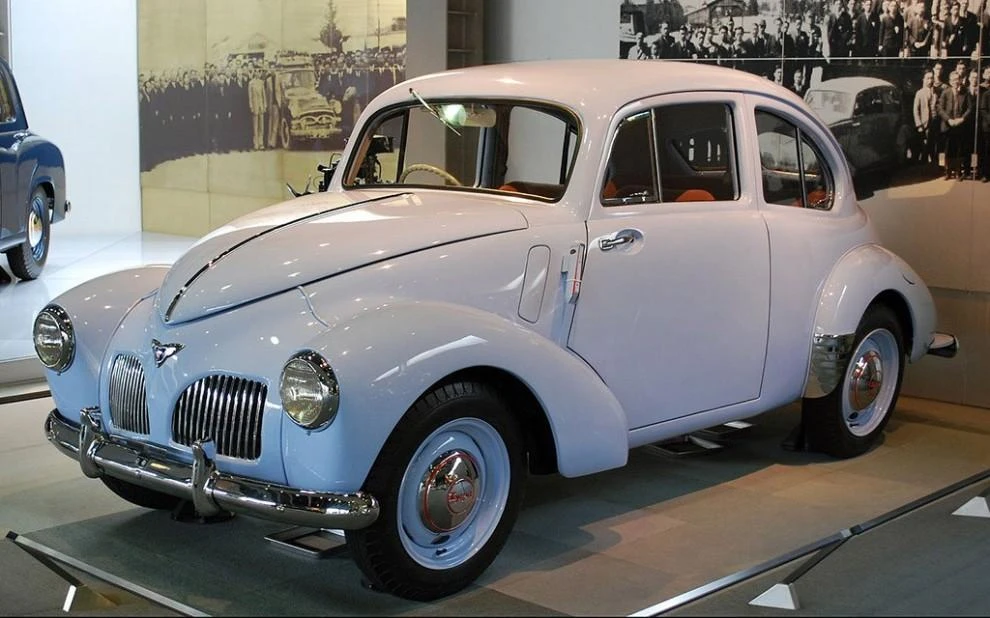
1947 Toyopet Model SA
The manufacture of commercial passenger vehicles resumed in the late 1940s. A key turning point came in 1947 with the launch of the Toyota Model SA, affectionately named "Toyopet." This compact, affordable car came to symbolize the revival of both the company and Japan's broader automotive industry. By the 1950s, Toyota had begun exporting overseas, setting the stage for global expansion. 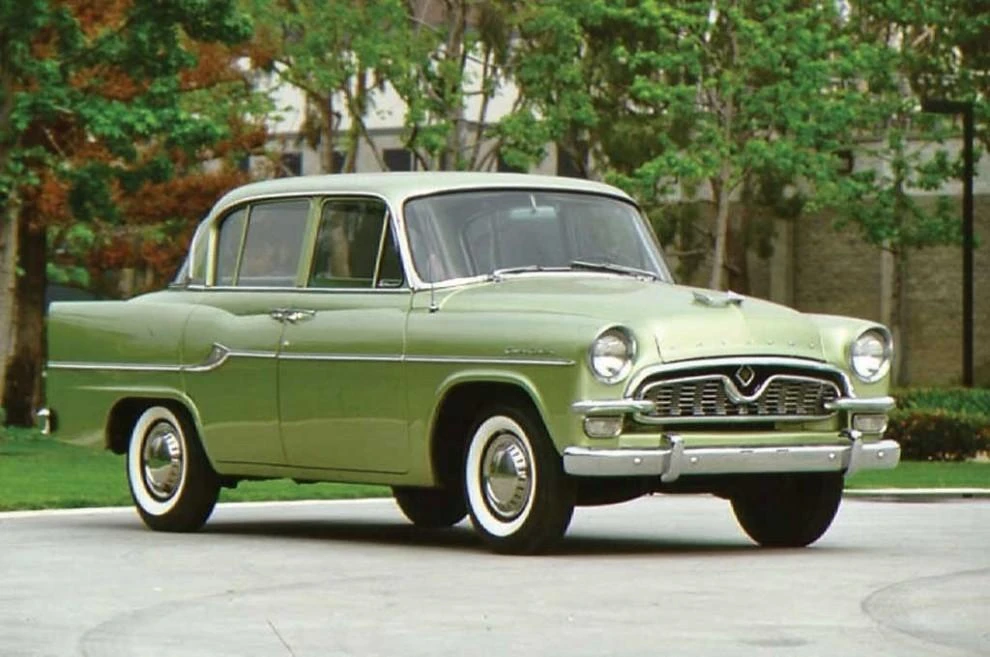
1955 Toyota Crown
Exporting vehicles in the 1950s opened lucrative new markets and drove rapid growth. A major milestone occurred in 1957 when the Toyota Crown became the first Japanese passenger car sold in the United States, cementing Toyota’s position on the global stage. 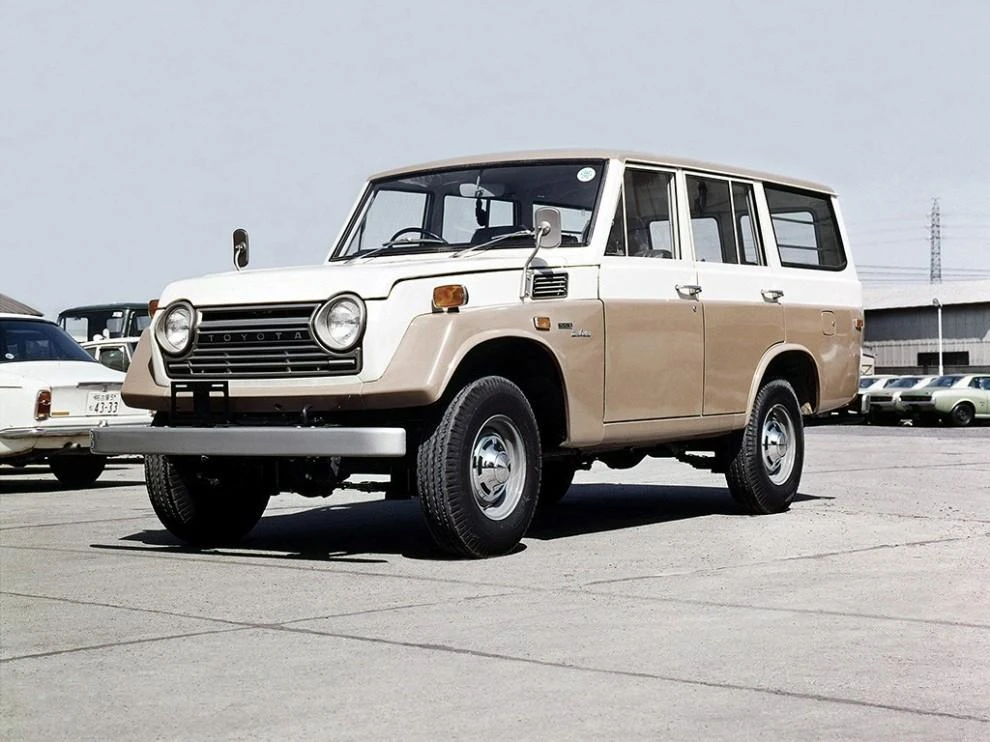
1978 Toyota Land Cruiser
Operations expanded at a breakneck pace: in 1963, the first overseas Toyota was assembled in Melbourne, Australia, followed shortly by international rollouts of iconic vehicles like the Land Cruiser.
Global Bestsellers and Worldwide Success
A defining moment came in 1966 with the introduction of the Corolla. Designed as an affordable, reliable car for everyday drivers, it rapidly turned into a runaway bestseller. To this day, every successive generation of the Corolla has maintained a dominant presence on the global market. 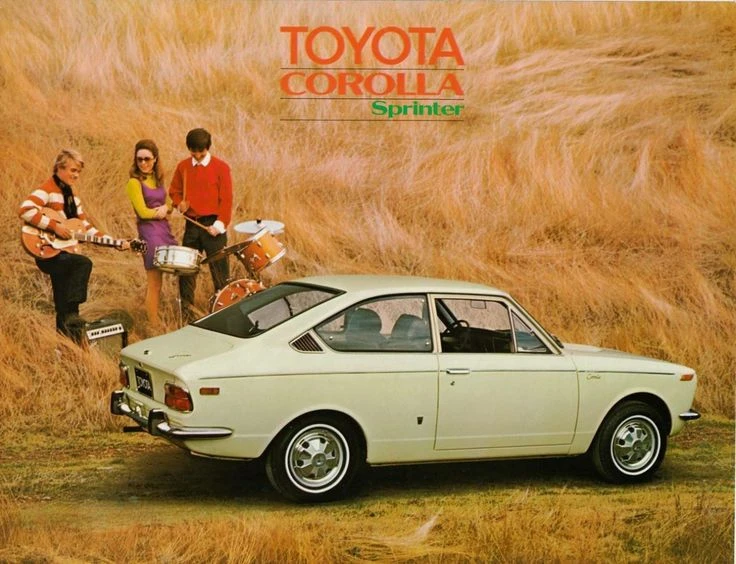
Another major milestone came in 1982 with the launch of the first-generation Toyota Camry, which quickly became another global hit. By 1988, Toyota entered the North American luxury market with the launch of Lexus. Meanwhile, rugged SUVs like the Land Cruiser and RAV4 set benchmark standards for durability and off-road performance. 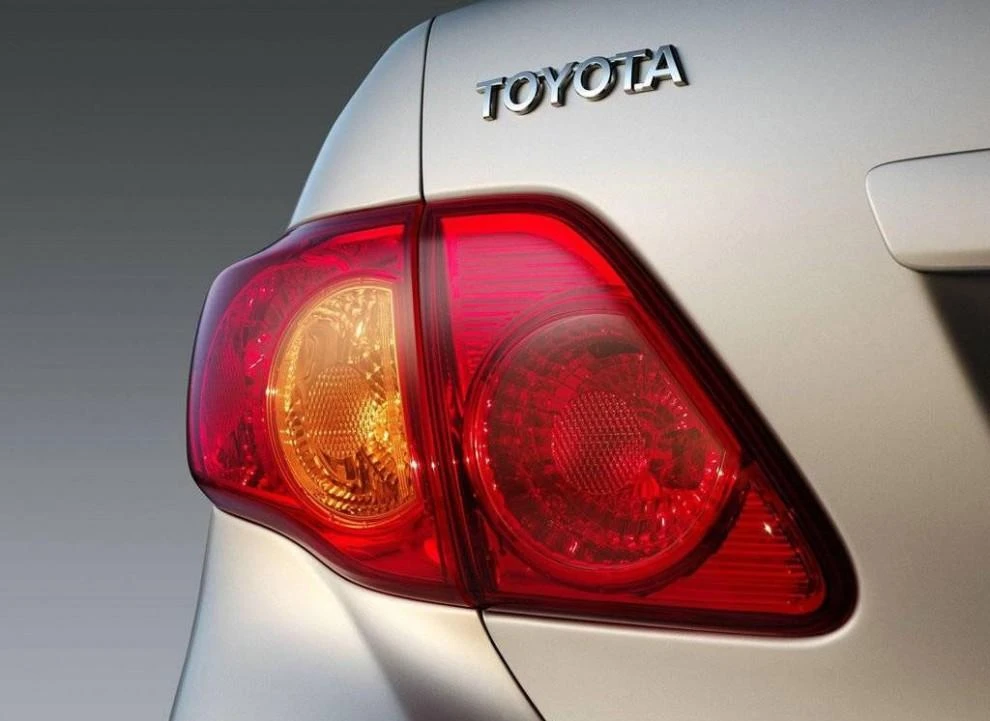
Today, Toyota is more than just a carmaker—it is a global benchmark for quality and reliability. Classics like the Corolla, Prius, and Land Cruiser defined their respective eras and dominated their segments. In recent years, Toyota has doubled down on hybrid and electric technologies, prioritizing sustainability and eco-friendly mobility as it continues to set industry standards.
Pioneering Manufacturing Innovations
A cornerstone of Toyota's legendary success was the development of Lean Manufacturing and the philosophy of *kaizen* (continuous improvement). Every employee, regardless of rank, is empowered to suggest improvements, fostering a culture of shared responsibility and relentless drive toward efficiency. 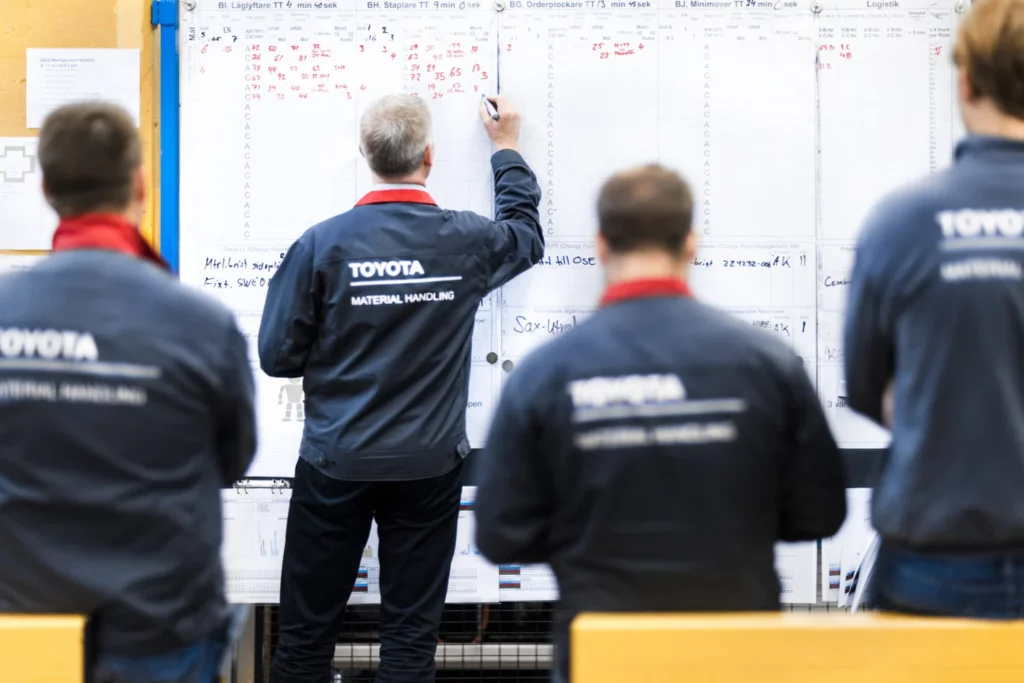
This approach allowed Toyota to streamline production, drive down costs, and elevate product quality. The Toyota Production System ultimately became a gold standard copied by manufacturers worldwide, revolutionizing the modern automotive industry. 
Andon board system at the Kamigo Engine Plant, 1960s
Another groundbreaking innovation was pioneering "Just-In-Time" (JIT) manufacturing. By minimizing inventory overhead and streamlining assembly, Toyota drastically reduced costs while speeding up production times. JIT also gave Toyota unmatched flexibility to adapt quickly to shifting market demands.
The history of Toyota is a masterclass in how persistence, innovation, and an unwavering commitment to excellence can transform a modest loom factory into the world's leading automaker. The road from weaving looms to assembly lines was long and challenging, but it forged Toyota into the automotive giant recognized and respected worldwide today.