No Fruit and Bedtime Morphine: Wild Victorian Parenting Advice (8 photos)
Guess what modern parenting has in common with the Victorian era? You’d never guess, but we share a surprisingly large number of bizarre parenting tips from "renowned experts" with 19th-century Britain. While today’s parents and grandparents get their wisdom online, back then advice came in bestselling books that flew off the shelves.
We’ve rounded up some of the most exotic recommendations that Victorian "experts" believed would help raise a healthy, intelligent child. 
Victorian "Healthy Eating"
In the 19th century, just like today, parents were advised to pay close attention to their children's diet. Medical experts of the day rightly believed that a poor diet led to indigestion, colic, and other ailments. However, some of the foods on their banned list were downright surprising. 
George Henry Rohé’s popular 1890 manual,
A Text-Book of Hygiene
, strictly forbade giving children candy, pies, jam, and pickles. Hard to argue with that—but don't praise the author just yet. The blacklist unexpectedly included nuts and, believe it or not, all fresh fruit.
You read that right: parents were warned to keep toddlers away from apricots, peaches, plums, raisins, and cherries. So what did Dr. Rohé recommend for a balanced, healthy diet? His short list of approved foods consisted of oatmeal, barley porridge, bread, and boiled potatoes.
Victorian children certainly had it tough. On top of everything else, this leading expert insisted that food should be served neither hot nor cold; everything given to a child had to be lukewarm. Snacking was frowned upon in those rigid times, though parents were permitted, as a rare exception, to give a child a crust of dry bread.
The Ban on Green Foods
One of the stranger pillars of Victorian child-rearing was a strict prohibition against anything green. In her 1831 guide
The Mother's Book
, Lydia Maria Child warned that teething infants should never be given green foods or drinks. 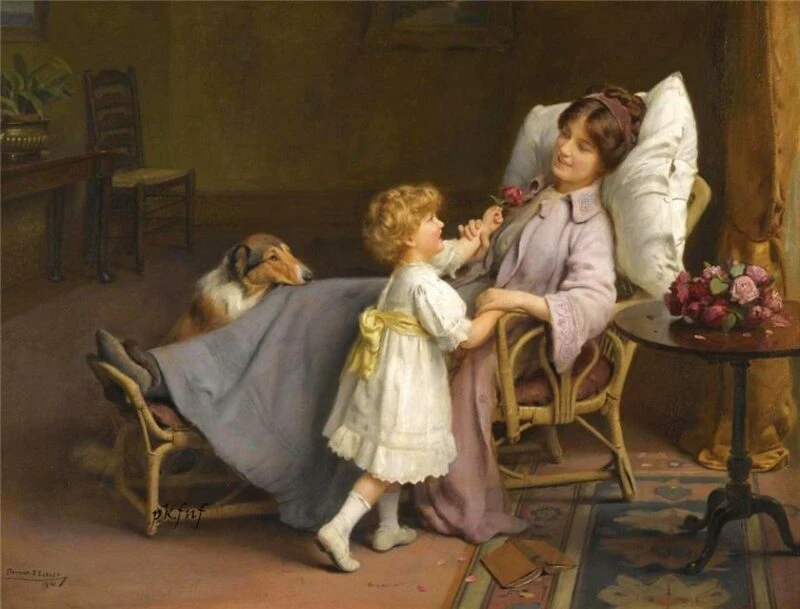
Another prominent expert, Pye Henry Chavasse, argued that children should be kept away from anything "containing green or yellow pigments." Even green tea was off-limits! Chavasse claimed green tea made people nervous, posing a grave danger to a child's fragile psyche. Today we know green tea contains caffeine, a stimulant, so he wasn't entirely wrong—though he certainly exaggerated the danger.
Silly as it sounds, the advice to avoid green foods actually made a degree of sense in the 19th century. Avoiding green didn't just mean skipping cucumbers and spinach—it also meant steering clear of artificially dyed foods.
In the 18th and 19th centuries, arsenic was widely used to produce vivid green dyes. This toxic substance coated everything from wallpaper and evening gowns to artificial flowers. While adults knew better than to put random objects in their mouths, children have always struggled with that concept. A blanket ban on green foods may well have been intended to cultivate a cautious attitude toward toxic, brightly colored items.
Poison and Cure: A Fine Line
While Victorians tried to shield children from arsenic, they routinely prescribed equally dangerous poisons as medication. "Soothing syrups" for teething babies were considered perfectly harmless remedies. Their effectiveness was unquestionable: they were loaded with alcohol at best, and heavy opiates at worst. 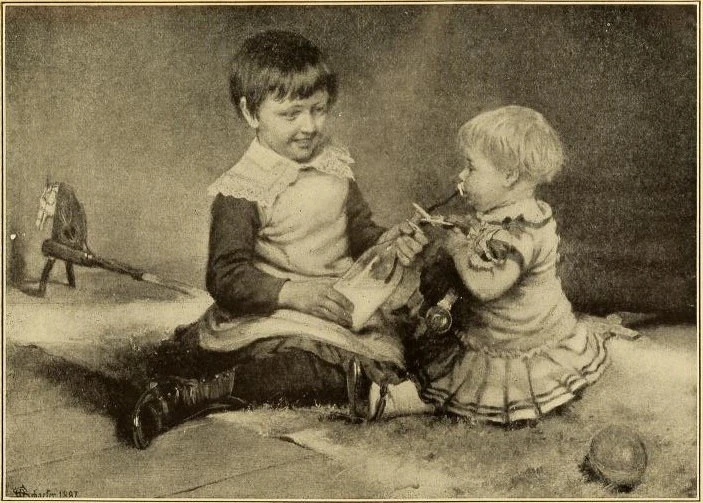
Sometimes, a single medicine contained both. A prime example was "Mrs. Winslow's Soothing Syrup," immensely popular in the late 19th century, which boasted just two active ingredients: alcohol and morphine.
The potion's creator promised it would not only soothe a fussy baby but also stop diarrhea. Parents bought it in droves: half a million bottles of Mrs. Winslow’s miracle syrup were sold annually across the UK and its colonies.
Mercury was another favorite ingredient in 19th-century internal and topical medicines. In his 1834 guide
The Home Book of Health and Medicine
, Dr. William Horner recommended mercury for dozens of ailments. 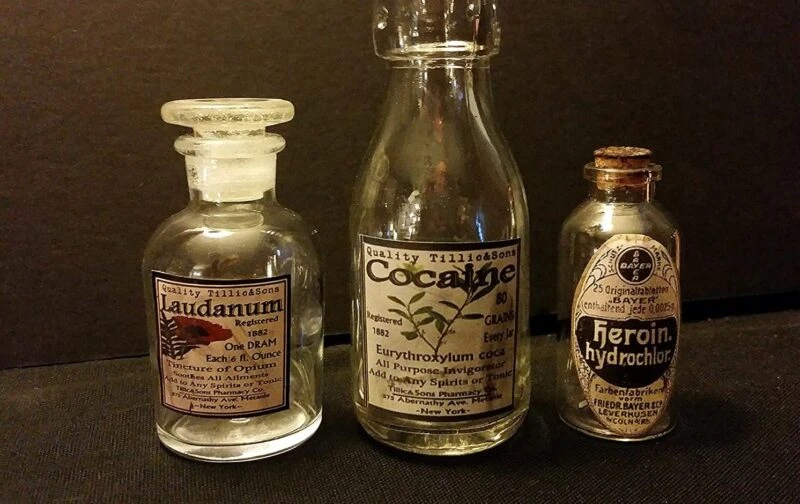
To his credit, Horner repeatedly warned readers to be extremely cautious with the treacherous metal and never exceed recommended dosages. Yet, without a second thought, he advocated applying mercury ointment to remove children's freckles.
Opium was the Victorian era’s go-to painkiller, frequently prescribed for children. Available over the counter at any apothecary, parents used it freely to break a child's fever or quiet a crying infant.
Branded opiate mixtures were also widely commercialized. Among the most famous was "Dr. McMunn’s Elixir of Opium." Prescribed to children and adults alike, it promised to relieve "pain and irritation, nervous excitement, and morbid states of body and mind"—essentially a total cure-all.
No Reading, Just Mud: Hardcore Victorian Play
Modern parents often struggle to get their kids to read, but the Victorians had the opposite problem. Educational manuals urged parents to strictly limit their offspring’s reading. Experts of the day genuinely believed that literature could harm a child’s developing brain. 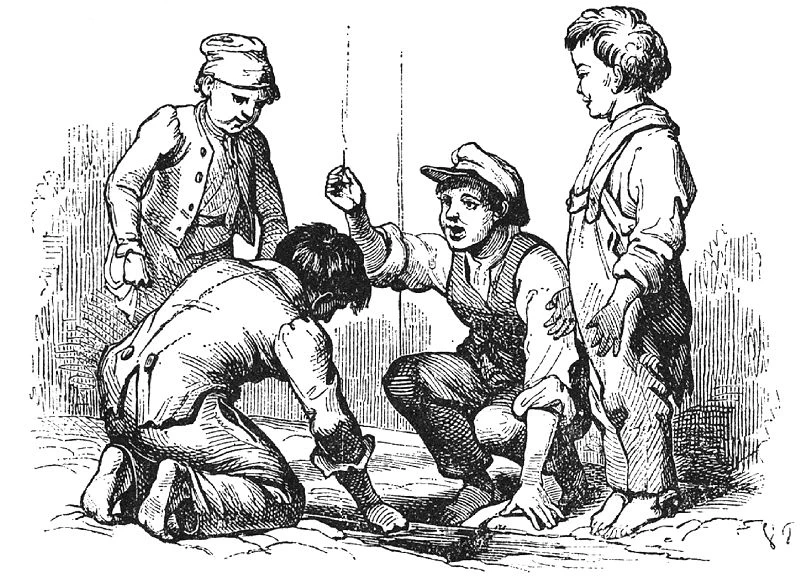
Educator William Jones wrote in
Letters from a Tutor to His Pupils
that everything except textbooks should be confiscated from young people. Fiction, he argued, was "the root of weakness in the human mind." Young women were especially warned against romantic novels, which were thought to warp their view of the world and human nature.
If reading was bad, how were children supposed to stay entertained? Manuals offered plenty of suggestions. One parenting guide, for instance, recommended giving young boys a pile of dirt so they could make "mud pies." 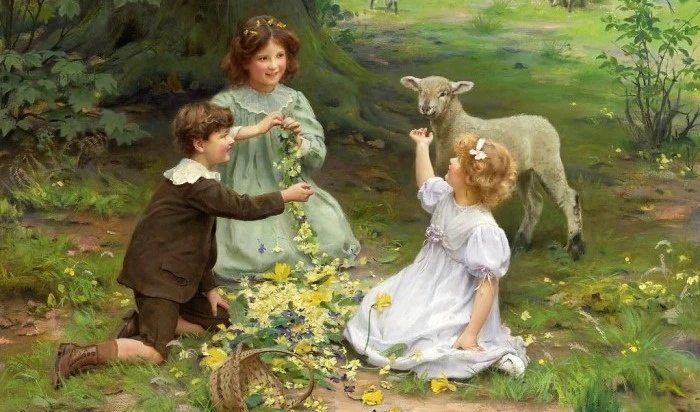
Buying ready-made toys was seen as spoiling children, so parents were encouraged to make them by hand. Lydia Maria Child recommended making paper dolls or crafting them from papier-mâché for young girls—a rare piece of sensible advice for encouraging creativity and fine motor skills.
Discipline and Punishment
Any discussion on child-rearing eventually turns to discipline. The vast majority of Victorian authors endorsed corporal punishment, writing on the subject with disturbing expertise. An 1884 book titled
A Few Hints to Mothers on the Management of Children
advised against following modern trends, insisting that the best punishment remained spanking with a thin, soft piece of old leather or a slipper. 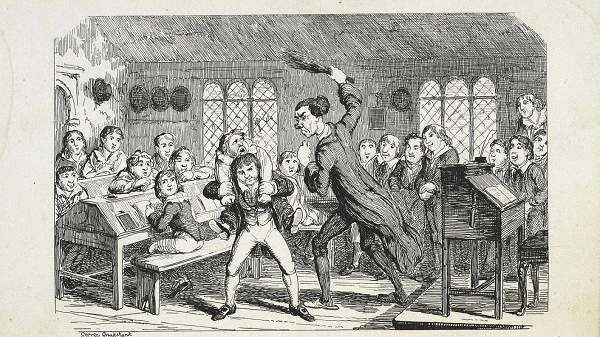
The author did add a caveat that parents should ensure blows never landed on the child's face or ears. Meanwhile, Orson Squire Fowler argued in
Self-Culture and Perfection of Character
that spanking was ineffective, recommending instead that parents douse unruly children in ice-cold water or submerge them in a cold bath to restore order.
Suddenly, the way your own parents raised you doesn't sound so bad after all. At least you weren't fed opiates and mercury, stripped of fresh fruit, or dumped into ice baths for misbehaving!