Have you ever caught yourself using a product name and wondering where it actually came from? We decided to pull back the curtain on how some of the world’s most familiar everyday words came to be. Often, behind these generic terms lies a story far more interesting than just felt-tip pens or flush toilets. Brand names typically become generic words for one of two reasons: a total absence of existing vocabulary for a new invention, or a catchy trade name that simply overshadowed the original product description. Read on to discover which famous trademarks turned into household words—and how it happened. 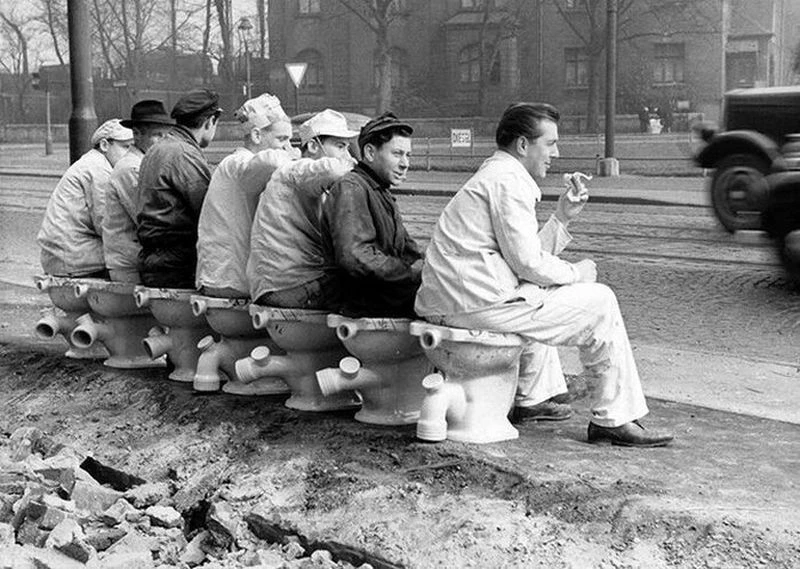
Xerox
Today, few people give much thought to where this odd little word came from, but almost everyone knows that “xeroxing” means making a copy. In many countries, people routinely refer to any photocopier as a “xerox”—even though that is technically incorrect. The generic term stems from a world-famous brand. In 1947, office equipment giant Haloid (later renamed Xerox) acquired the commercial rights to a copying process invented by physicist Chester Carlson. Carlson named his invention using the Greek roots
xeros
and
graphia
, literally meaning “dry writing.” 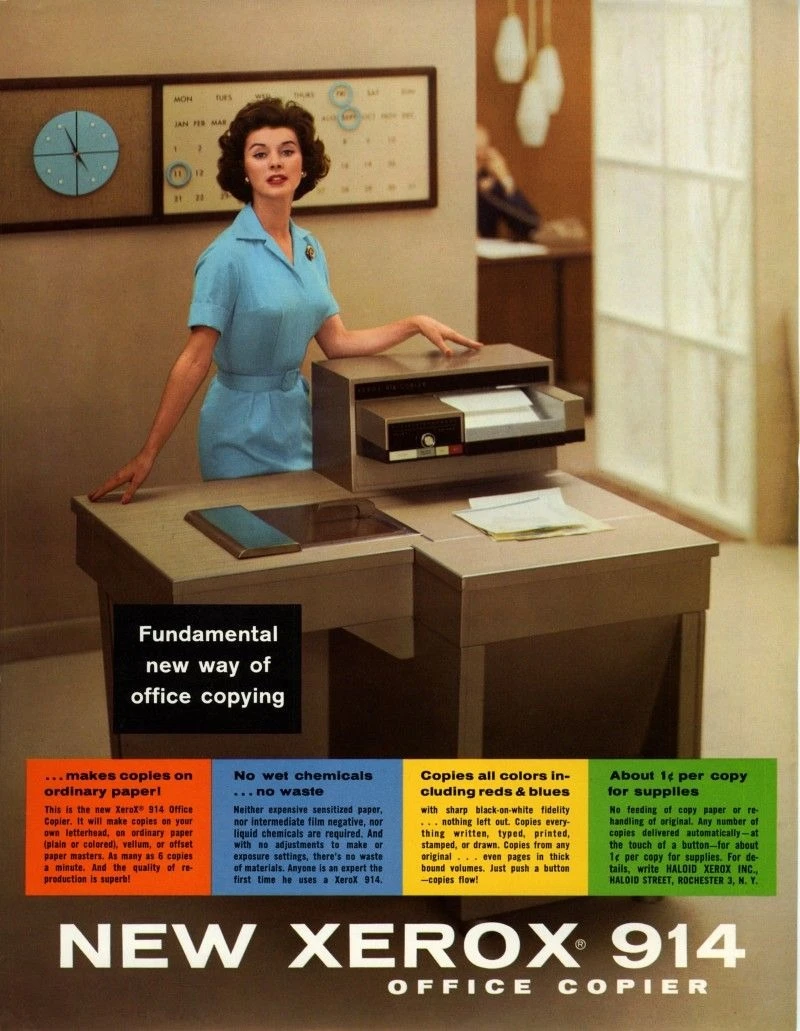
Xerox copiers outpaced the competition, producing crisp, high-quality duplicates and quickly dominating the market. This overwhelming market dominance led directly to the brand becoming a generic verb and noun. Interestingly, while English speakers eventually leaned toward the descriptive term “photocopier,” in many languages, copy machines are almost exclusively called “xeroxes,” regardless of who built them. The company tried repeatedly to combat this usage, running ad campaigns emphasizing that Xerox is a registered trademark and not a verb. Consumers, however, largely ignored the effort.
Flo-Master
In March 1960, a strange new writing tool hit the market. A brand named Flo-Master introduced consumers to a device that wrote with vivid, quick-drying ink fed through a felt tip. Yukio Horie had actually invented the felt-tip marker back in 1942, but the novelty only gained traction in the European market around 1960 through the German company Edding. 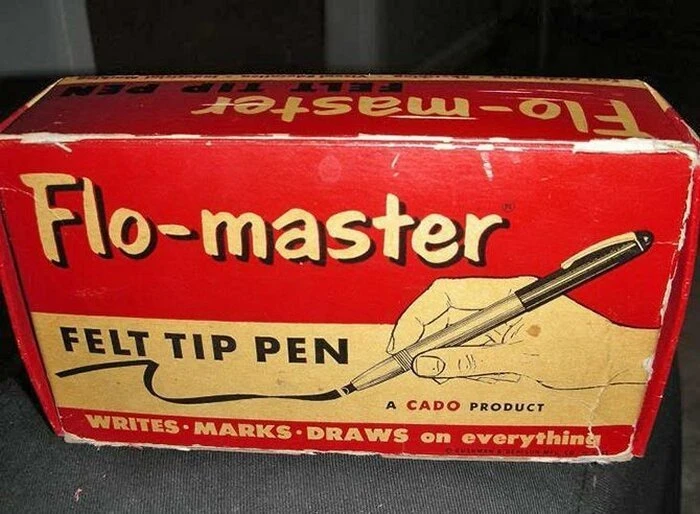
English speakers dubbed the new tool the “felt-tip pen,” but that generic phrase didn't catch on everywhere. In many parts of the world, including Eastern Europe, people simply adopted the brand name, calling all markers
flomasters
.
There are two primary theories behind the origin of this word:
It comes directly from the Japanese brand Flo-master;
It derives from Flowmaster, a German manufacturer that produced specialized marker inks. 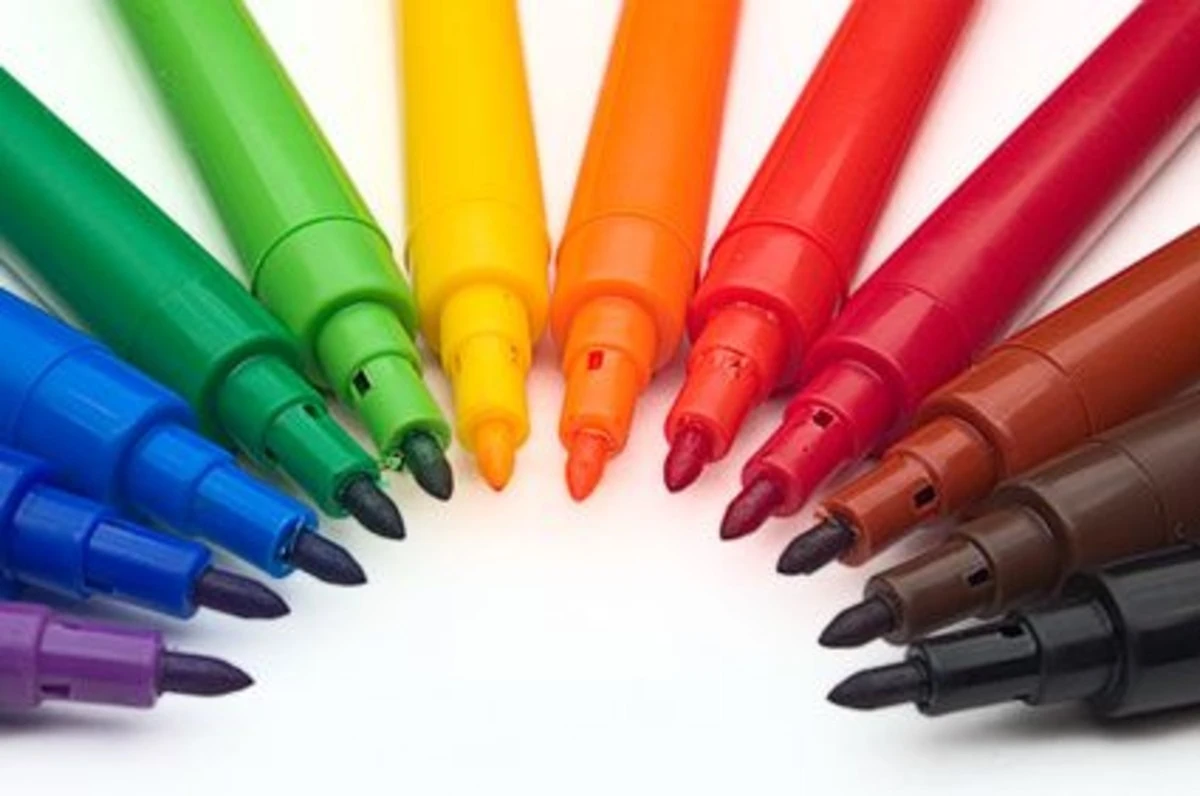
Whichever story holds true, felt-tip markers are still referred to by variations of the Flo-Master brand in numerous languages today—a quick translation query will prove as much.
Vaseline
Today, this ubiquitous petroleum byproduct used across the cosmetics industry is known everywhere as vaseline. Yet few realize that Vaseline remains a registered trademark owned by Unilever (originally established by its creator and long held by Chesebrough-Pond’s). 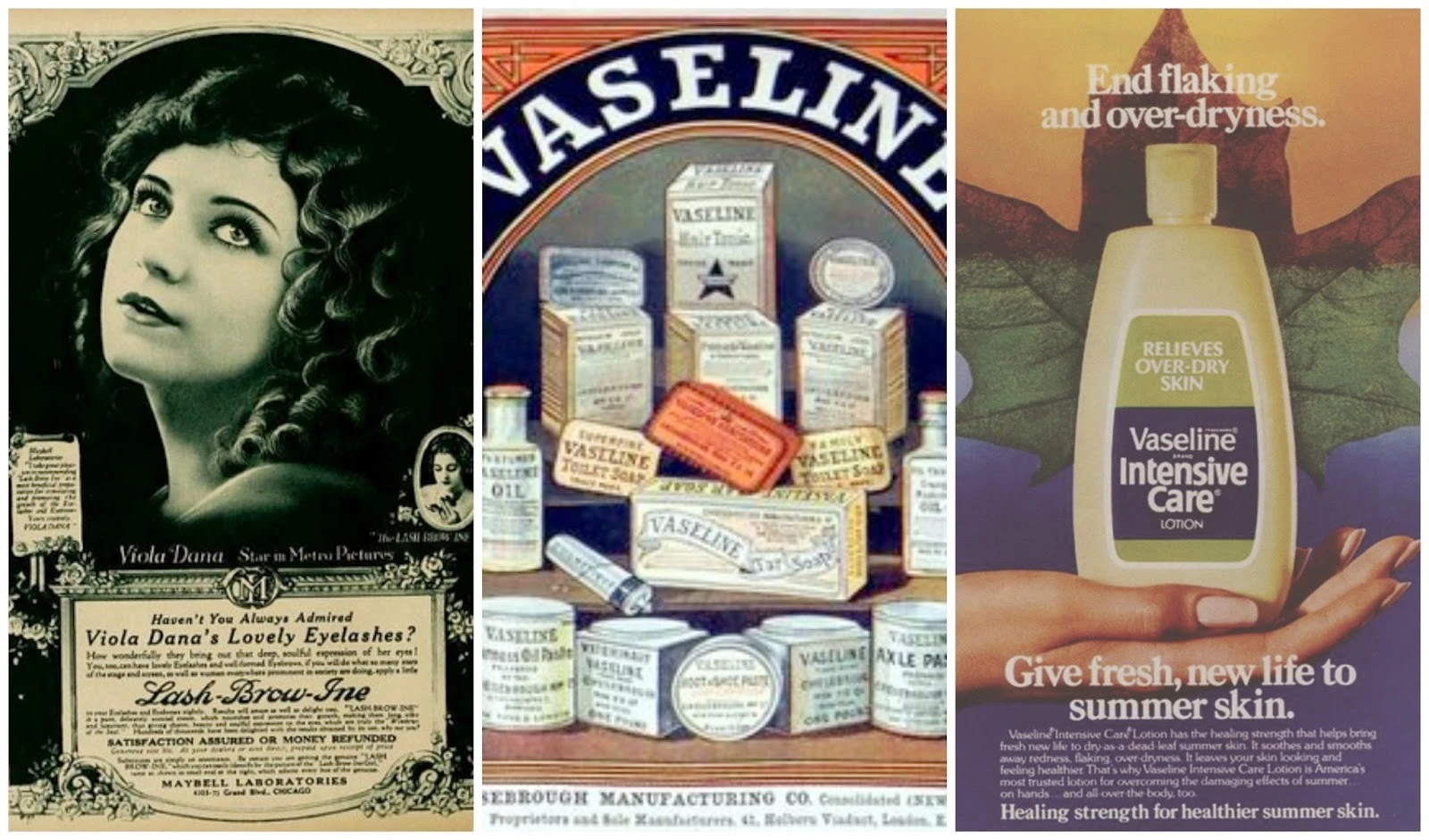
In 1859, British-born chemist Robert Chesebrough developed an odorless, tasteless ointment derived from a mixture of mineral oils and solid paraffin wax. Initially, he named his creation “Petroleum Jelly,” but consumers found the name unappealing and industrial. Chesebrough decided to rename it “Vaseline,” blending the German word
Wasser
(water) with the Greek
elaion
(olive oil). He obtained a US manufacturing patent in 1872 and registered Vaseline as a trademark in 1878.
Eskimo Pie
Chocolate-coated ice cream bars on a stick are recognized by similar names in languages around the globe, though accounts of how the term originated differ. 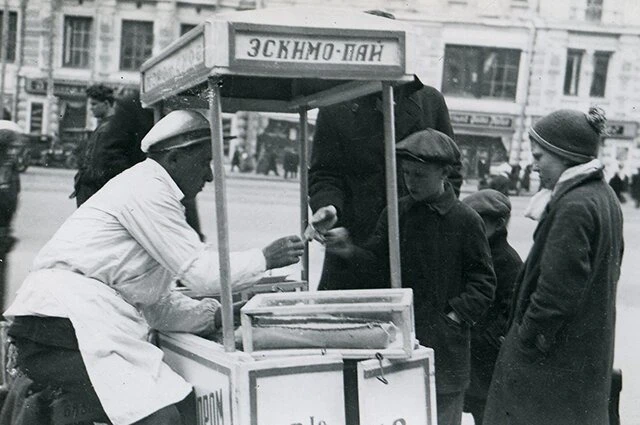
Some credit the name to Danish confectioner Christian Kent, who accidentally spilled melted chocolate glaze over ice cream blocks, turning a kitchen mishap into a wildly popular treat he called an “Eskimo pie.” Another version points to Danish-American candy shop owner Christian Nelson, who patented the “Eskimo Pie” chocolate-covered ice cream bar in the United States in 1922. 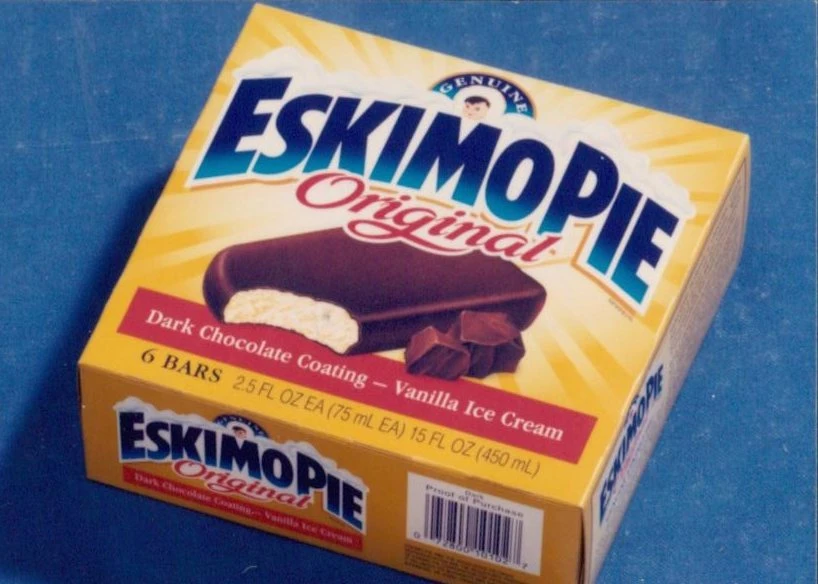
In 1934, the French dairy brand Gervais (later part of Danone) became the first in Europe to mass-produce the chocolate-covered ice cream bar on a wooden stick. The treat retained its original trademarked moniker before eventually being shortened in common parlance simply to “Eskimo.”
Unitas
Until the late 19th century, people largely relied on chamber pots, outhouses, and rudimentary latrines. The precursor to the modern flush toilet began taking shape in the 1770s, with later refinements by pioneers like English plumber Thomas Crapper, who developed valve mechanisms for controlled water flushing. 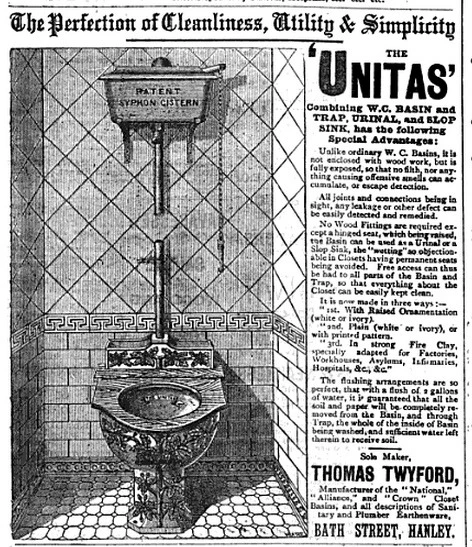
Another Englishman, Thomas Twyford, revolutionized indoor plumbing. Building on earlier designs, in 1883 he unveiled the world’s first free-standing, one-piece ceramic flush toilet. He named his masterpiece
Unitas
—Latin for “unity” or “oneness.” The design earned Twyford a gold medal at the International Health Exhibition in London for its outstanding contribution to public hygiene.
Two theories explain how
Unitas
became the generic term for flush toilet bowls in several European and Slavic languages. The first credits Twyford’s original trade name. The second points to the Spanish manufacturer Unitas, which originally produced electrical supplies before manufacturing sanitaryware starting in 1909. Their ceramic toilets flooded the European market, firmly cementing the brand name as a generic noun in dictionary entries.
Dictaphone
Today, nearly every smartphone features a built-in voice recorder—a convenient tool we take entirely for granted. Yet not long ago, a voice recorder was a standalone piece of equipment with its own power supply and recording media. A century ago, it was a complex, bulky stationary machine affordable only to corporate offices. 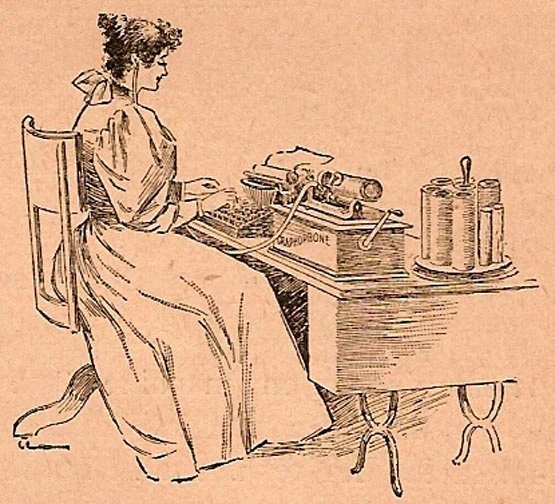
The concept of a dictation machine using wax cylinders was first introduced by Thomas Edison following his invention of the phonograph. Later analog dictation machines were essentially modified tape recorders featuring extra controls to simplify dictation, playback, and secretarial transcription. 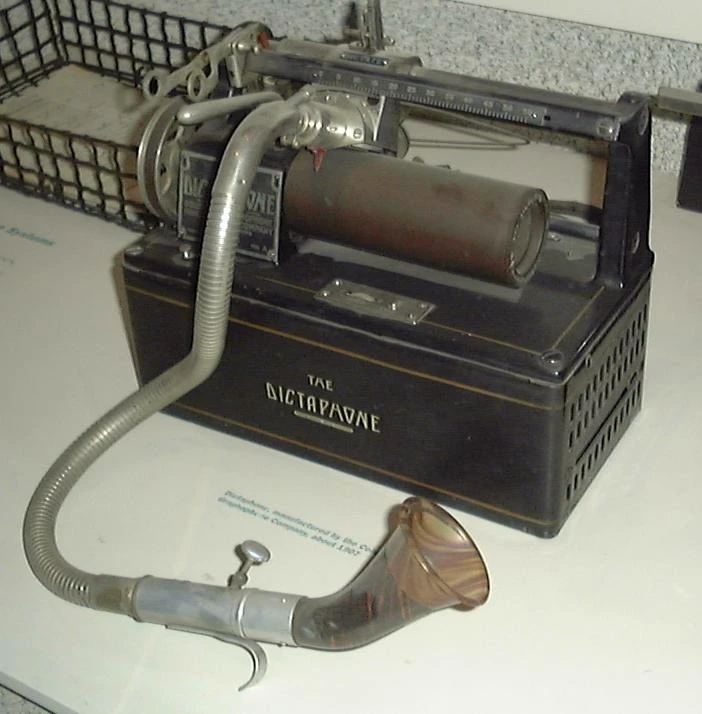
The generic term originates from Dictaphone, a trademark registered in 1907 by the Columbia Phonograph Company. Over the decades, the Dictaphone brand changed ownership multiple times and is currently a division of Massachusetts-based Nuance Communications.
Jeep
Long before “jeep” became a general descriptor for any off-road vehicle or SUV, it was a proprietary trademark. The origins of this unusual name go back to a popular comic strip launched in 1936 featuring Eugene the Jeep, a strange, magical creature. Readers fell in love with the character, and soldiers soon began using his name as slang for quirky people and unproven military equipment. 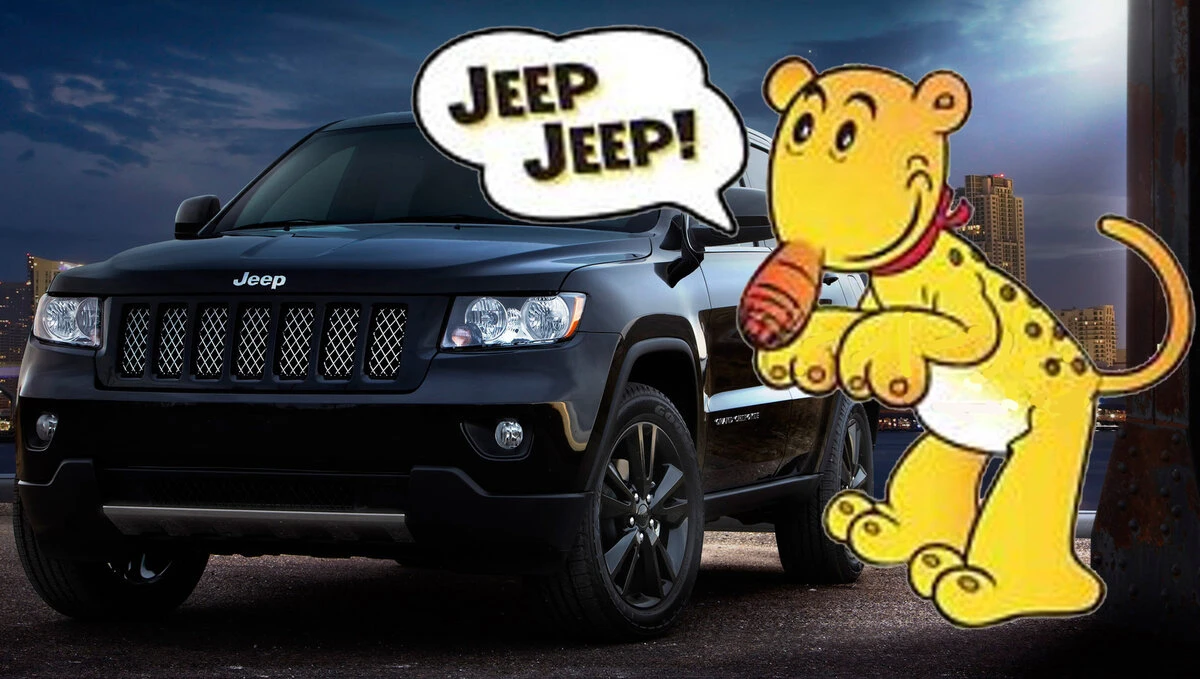
During World War II, military personnel routinely referred to their light utility 4x4 vehicles as “jeeps.” Following the war, Willys-Overland trademarked the Jeep name for its commercial line of rugged civilian vehicles. Despite decades of legal efforts by the brand to defend its trademark, the word rapidly entered everyday vocabulary worldwide. Today, drivers everywhere casually call almost any 4x4 an off-road jeep without giving the vehicle's actual make a second thought.
Pampers
In many regions, traditional words for “diaper” have been largely displaced by a single corporate brand: Pampers. Parents and grandparents routinely use the brand name to refer to any disposable diaper, regardless of who made it.
The story of modern disposable diapers began in 1961 when Procter & Gamble launched its first line of mass-produced diapers featuring an absorbent core. The invention was spearheaded by P&G chemical engineer Victor Mills, who had been tasked with babysitting his three young grandchildren. Tired of washing cloth diapers over and over, the frustrated grandfather set out to engineer a convenient, single-use alternative. 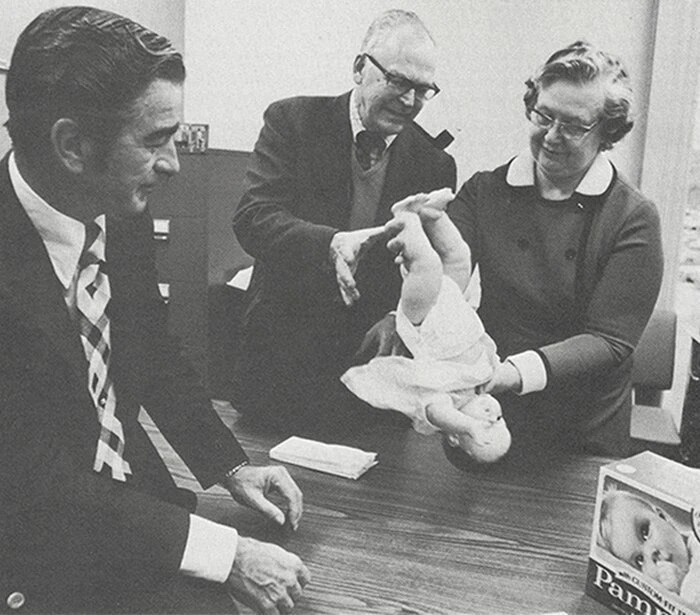
Procter & Gamble went on to expand the Pampers line into a full range of baby care products. Derived from the English verb *to pamper*, the brand name caught on so quickly that consumers around the globe adopted it as the standard generic term for all disposable diapers.
Metro
City dwellers across the world use the word “metro” or “metropolitan” to refer to urban underground transit systems. Surprisingly, the word owes its existence to a corporate brand. In 1863, London’s Metropolitan Railway opened the world’s first underground passenger line, its name translating literally to “capital city railway.” 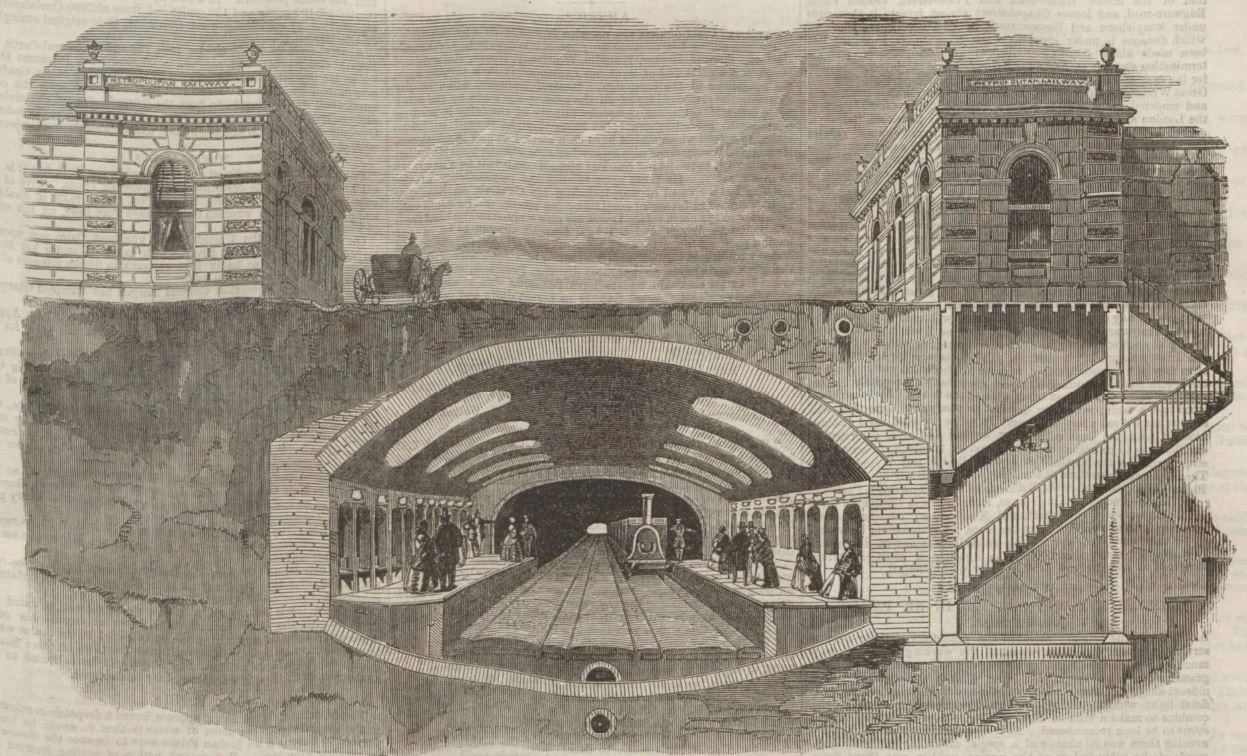
While Londoners eventually settled on calling their transit system the “Underground” or the “Tube,” it was the French who turned the original company name into a generic noun. The company that built the Paris underground system was named the *Compagnie du chemin de fer métropolitain de Paris*, which locals quickly shortened to *métro*. From Paris, the snappy new word swept across Europe and the rest of the world.
Yo-Yo
The yo-yo—a dual-disc spool attached to a string—is one of the oldest toys in human history, rivaled only by the doll. Its roots trace back at least 2,500 years to ancient Greece, as shown by surviving terra-cotta vases depicting a youth playing with a spool, alongside ancient clay disks recovered by archaeologists. 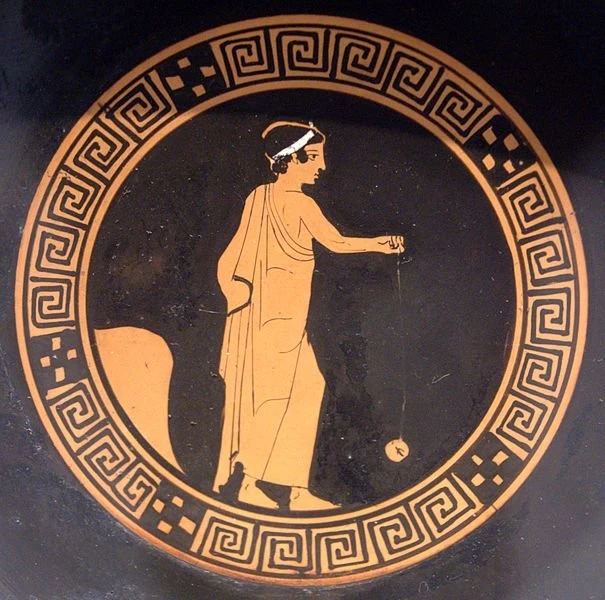
The modern toy acquired its trademarked name in 1928 with the founding of the Yo-Yo Manufacturing Company in Santa Barbara, California. It was opened by Pedro Flores, a Filipino immigrant who brought a traditional Philippine toy design to the United States and began handcrafting them. 
In 1928, entrepreneur Donald F. Duncan saw Flores demonstrating tricks to a fascinated crowd. Recognizing the toy’s immense potential, Duncan purchased not only Flores’s manufacturing business but also the trademark rights to the name.
At its peak, Duncan’s factory churned out nearly 300,000 yo-yos per day. Initially carved from wood, the spools were later molded from plastic. As materials improved and tricks became more complex, global sales skyrocketed. 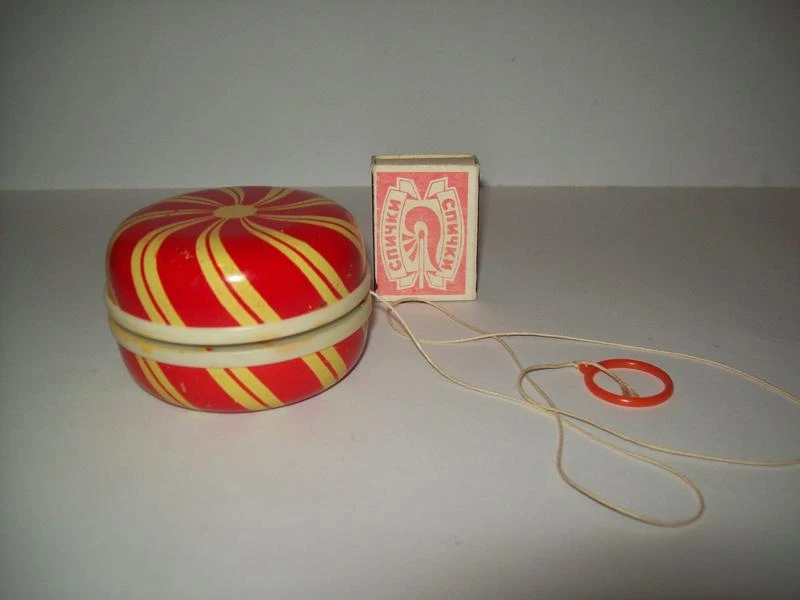
By 1962, Duncan had sold a record-breaking 45 million yo-yos in a country with a youth population of just 40 million. The toy became so universal that in 1965, a US federal court ruled that Duncan had lost trademark rights to the word, officially declaring “yo-yo” a generic term free for any manufacturer to use. Today, the word remains a permanent fixture of everyday language.
Add your comment
You might be interested in:











How Rowan Atkinson transforms into Mr. Bean

A single gesture that made someone’s day: a man gives a

A display of skill: masterful nunchaku handling

A clear demonstration of the difference between a $1, $5,

An orchestra plays a prank on their conductor during his
A dad made a realistic WALL-E costume for his daughter

An American man reveals a bunker he spent 3 years preparing

Pete the donkey calls out Taking Luna, who is blind, for a

Witches on roller skates—brooms included
