Better Than Any Textbook: 20+ Human Anatomy Images That Will Blow Your Mind (24 photos)
"Anatomy class is so boring," most students think. But the human body is actually far more fascinating than any puzzle! And you don't need to pore over mountains of textbooks to understand how it works.
We've put together over 20 photos, 3D models, illustrations, and GIFs that answer some of the most intriguing questions about human biology. Trust us—you'll never look at this "boring" subject the same way again. 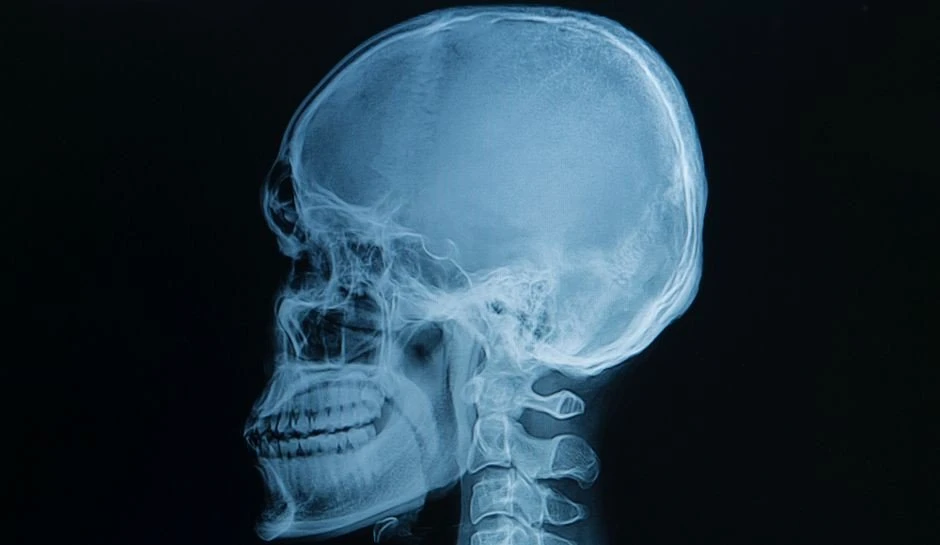
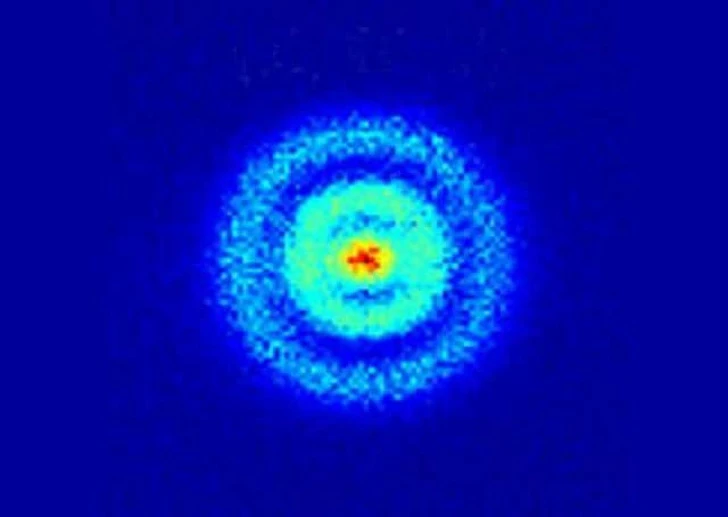
Bet you'll never guess what this is. Alright, we won't keep you guessing... This is what a hydrogen atom looks like. 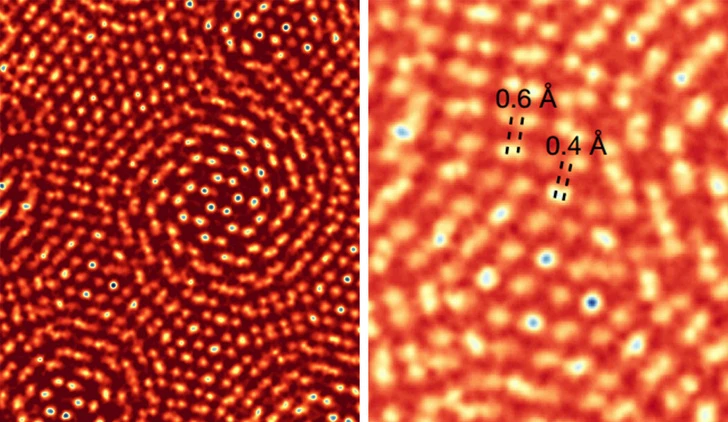
Here are a few more atom images captured using an ultra-powerful Electron Microscope Pixel Array Detector (EMPAD). It allows scientists to observe objects at a record-breaking resolution of 0.39 Å. 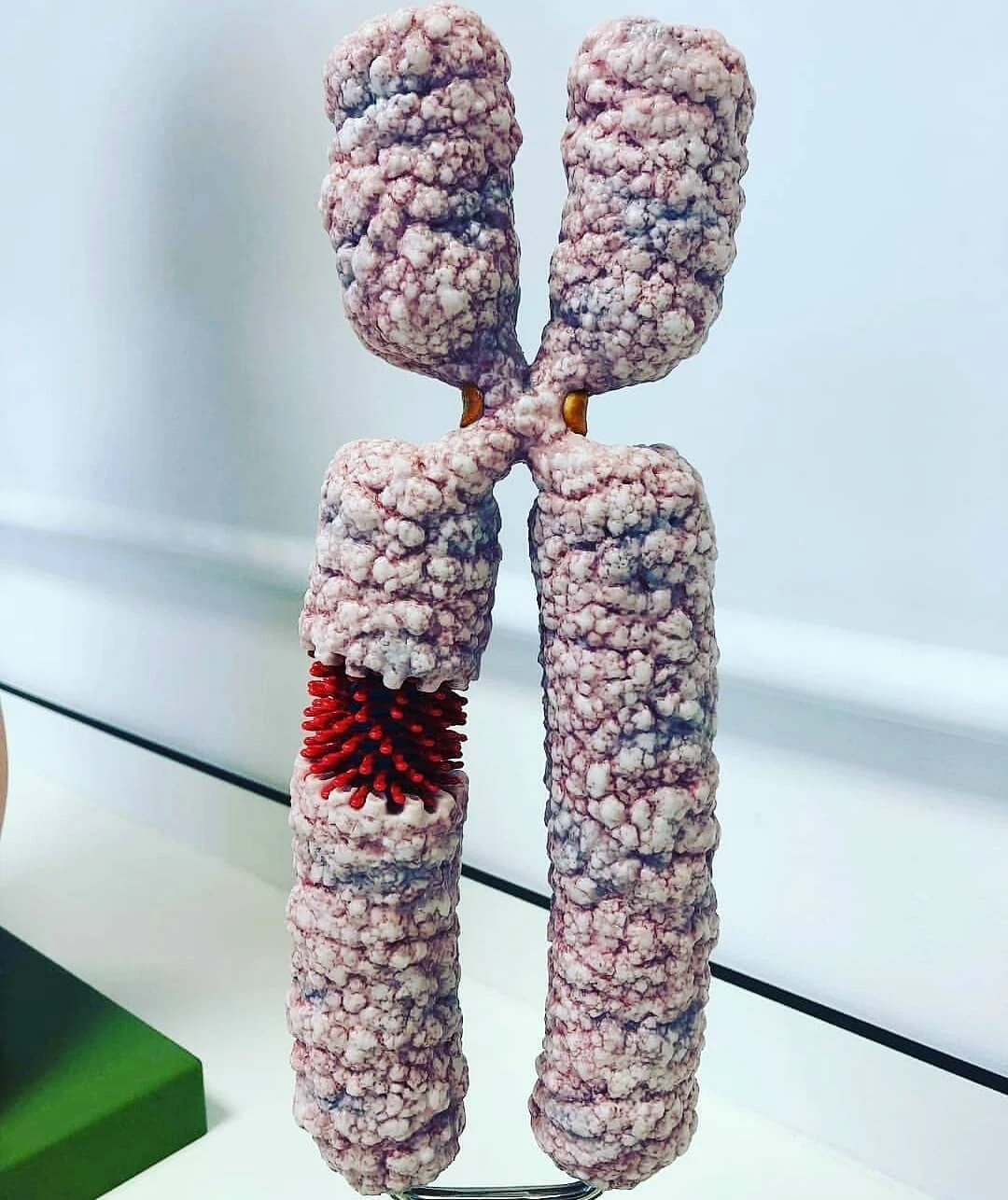
Think this is some intricate piece of modern art? Think again! This is a 3D model of a chromosome. 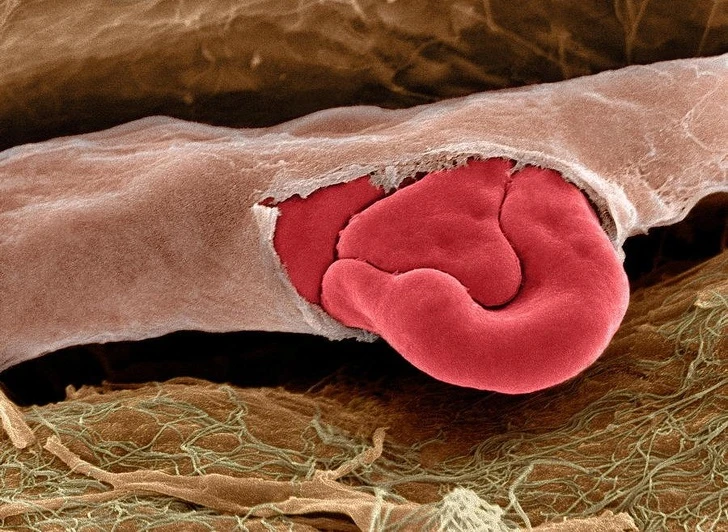
This is what a damaged capillary and a red blood cell look like under a microscope. 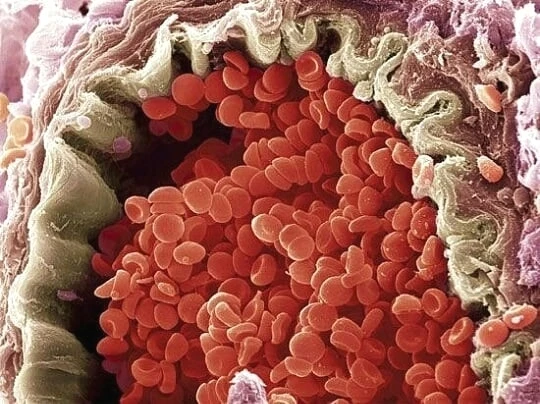
And here's an even more detailed close-up of a blood vessel. 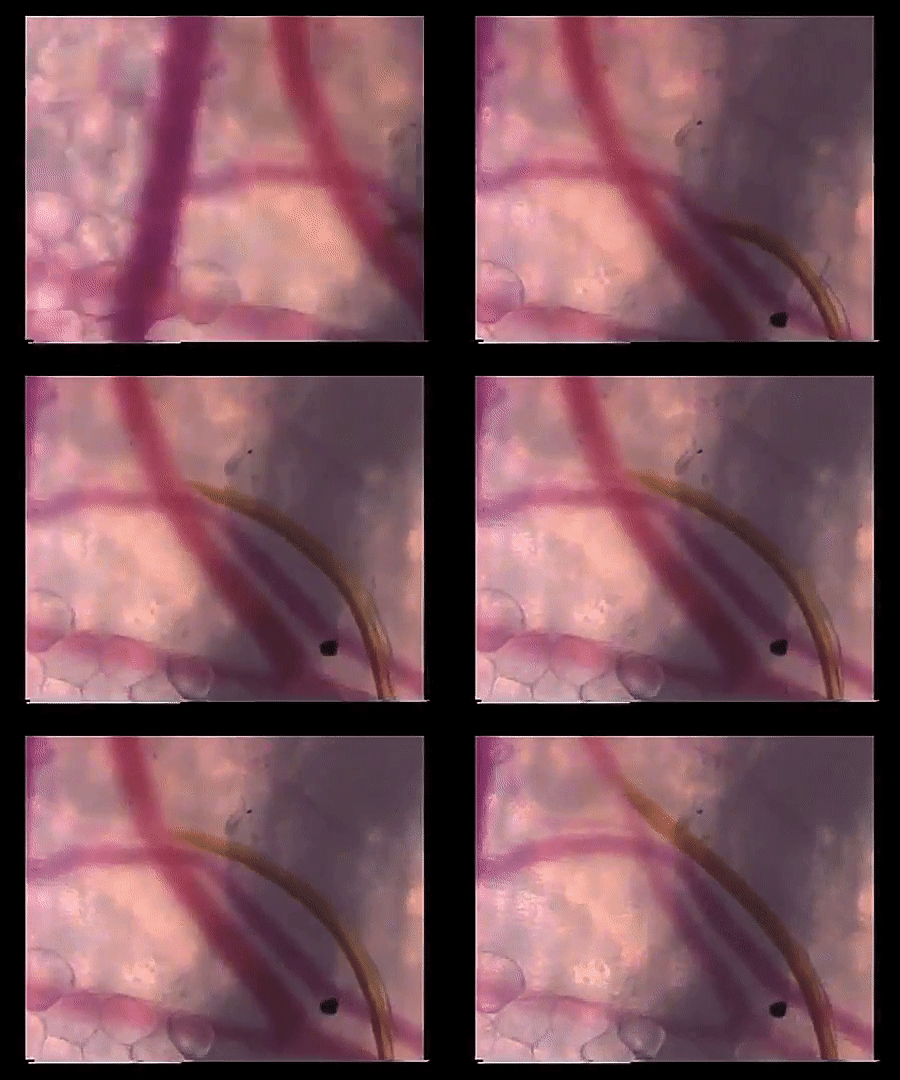
Not for the faint of heart... A mosquito hunting for a capillary to get its blood meal. 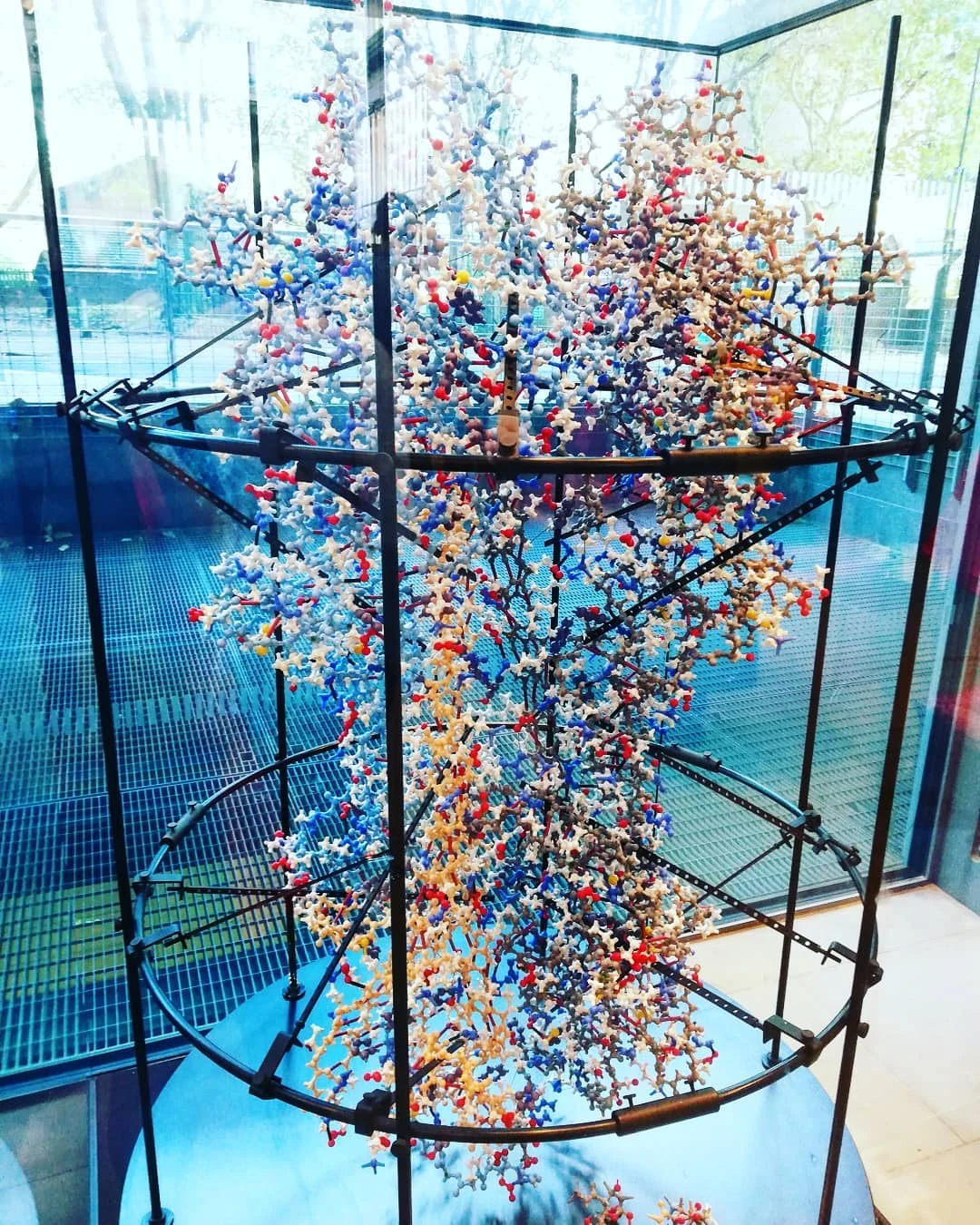
A molecular model of the flu virus. Surprisingly beautiful! 
This mysterious "creature" is a bacteriophage—a virus that infects bacteria. 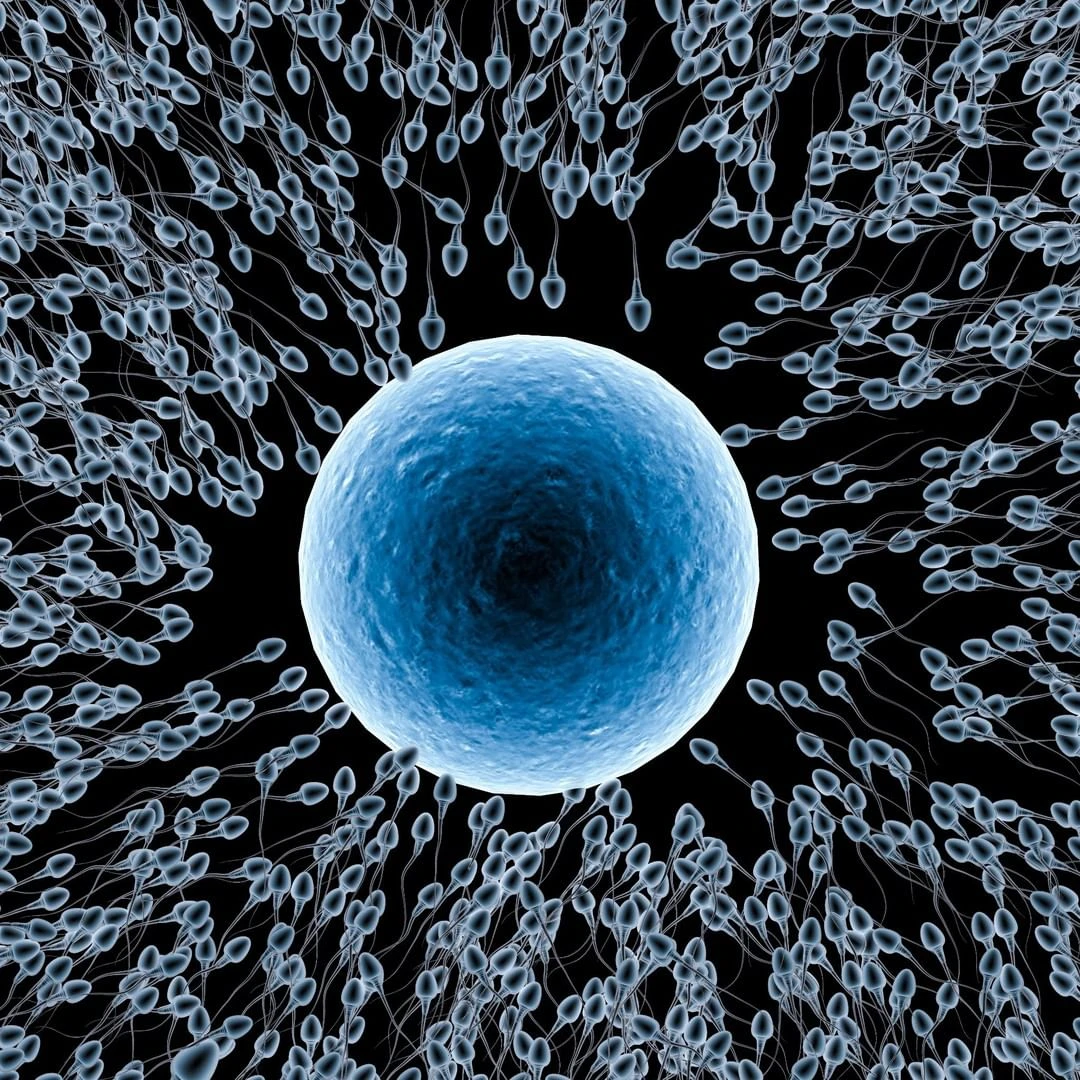
The beginning of a new life: an egg surrounded by sperm. 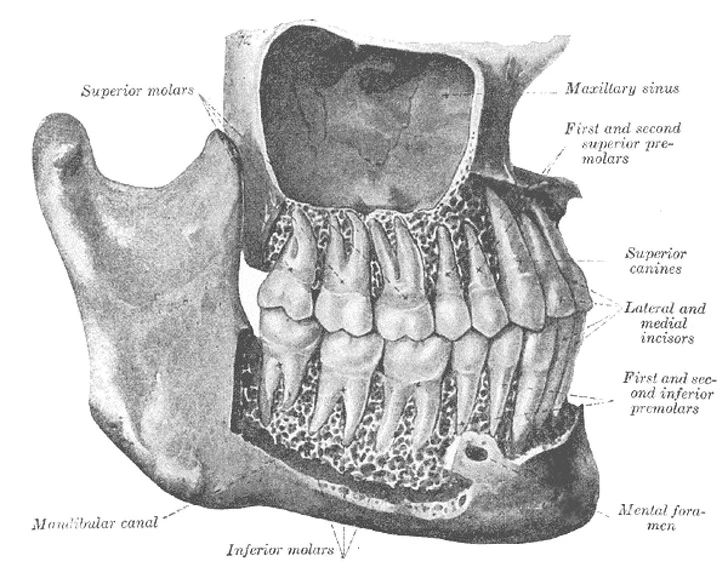
An image that has sent shivers down many spines: this is what human teeth look like inside the jaw. 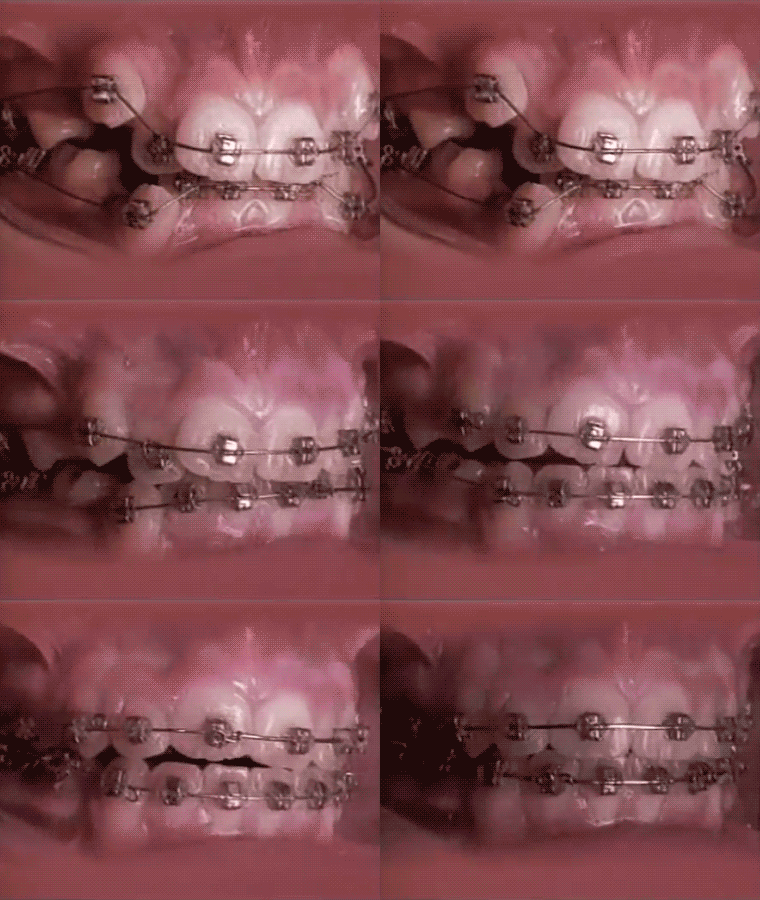
And here is a time-lapse showing how braces straighten teeth—a process that normally takes several years. 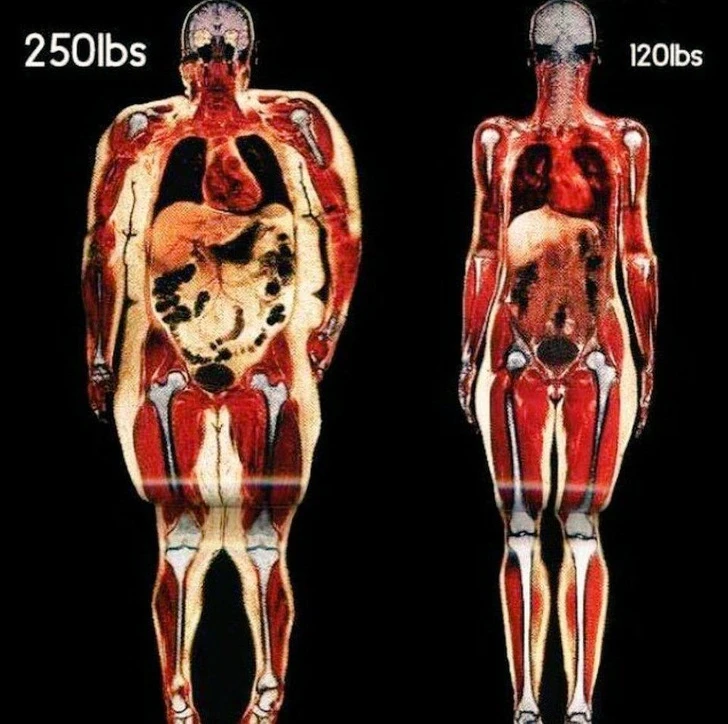
Still believe in being "big-boned"? 113 kg (250 lbs) on the left, 54 kg (120 lbs) on the right. 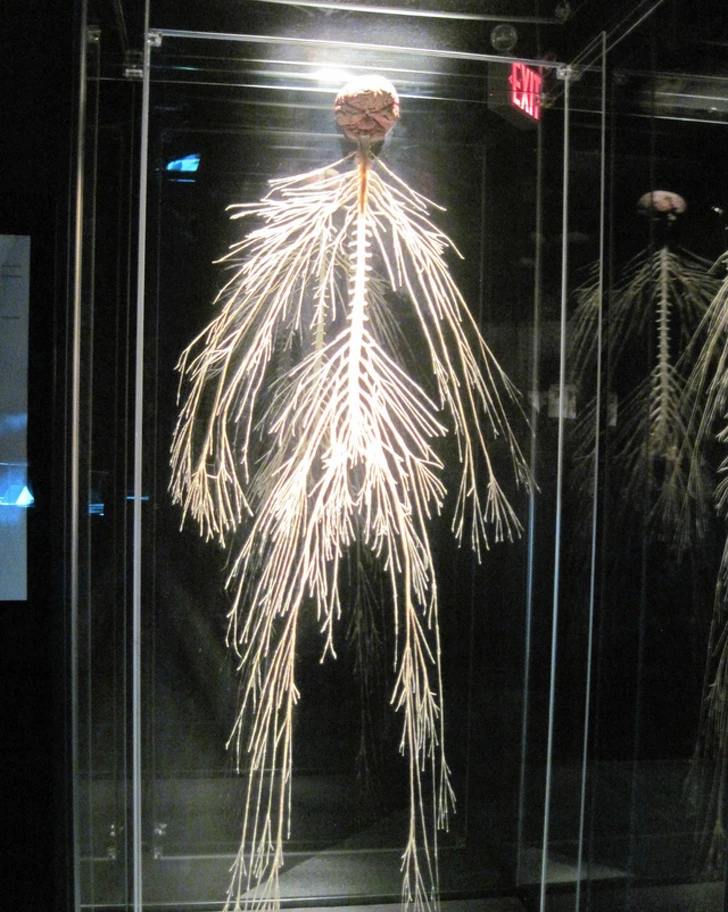
This model of the human nervous system looks a bit like a Christmas tree. 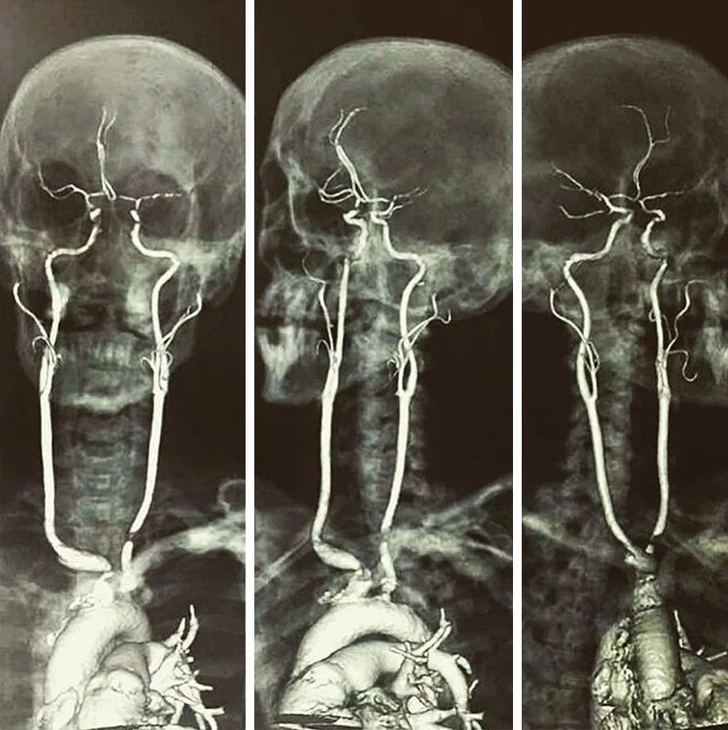
This is what the carotid arteries look like. 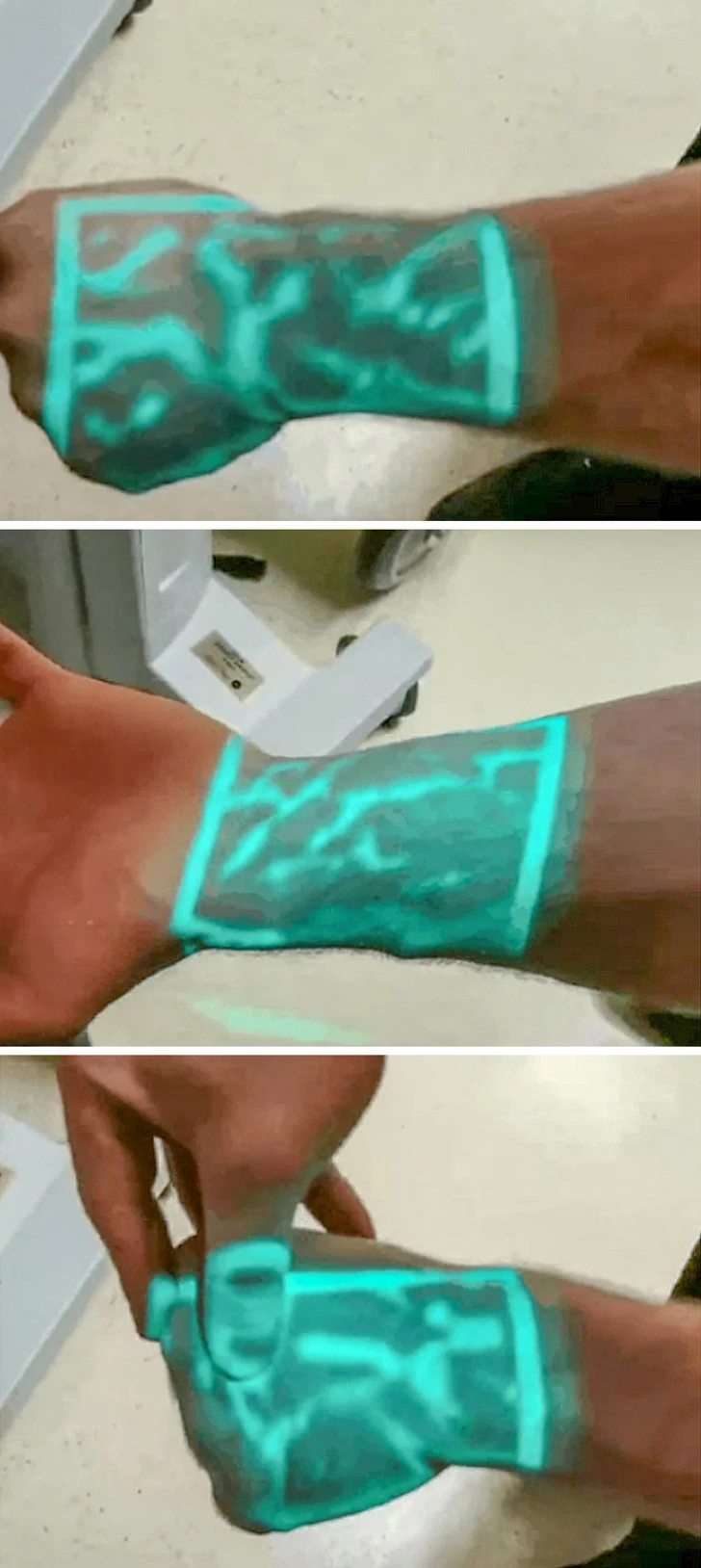
This real-time vein scanner helps doctors locate veins instantly. Incredible how far technology has come! 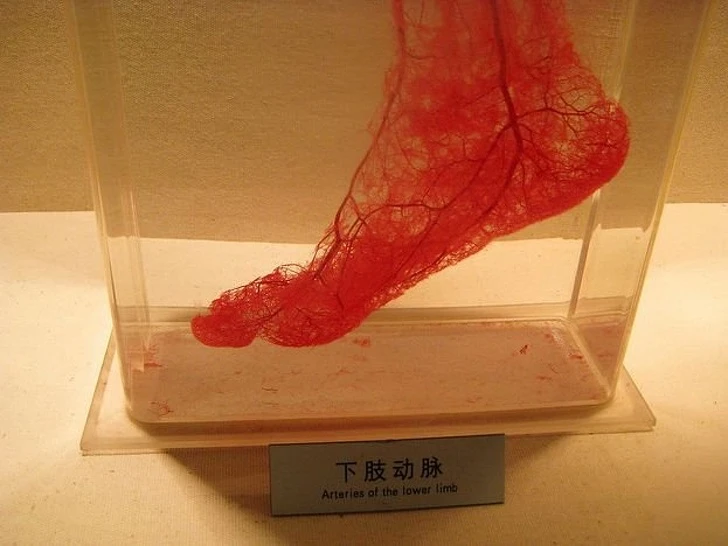
A true work of art! Blood vessels in the human foot. 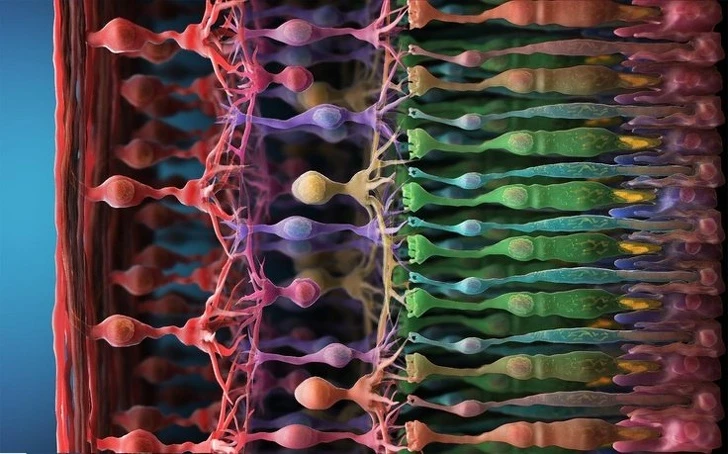
Under high magnification, the rods and cones in the eye look like an artist's sketch. 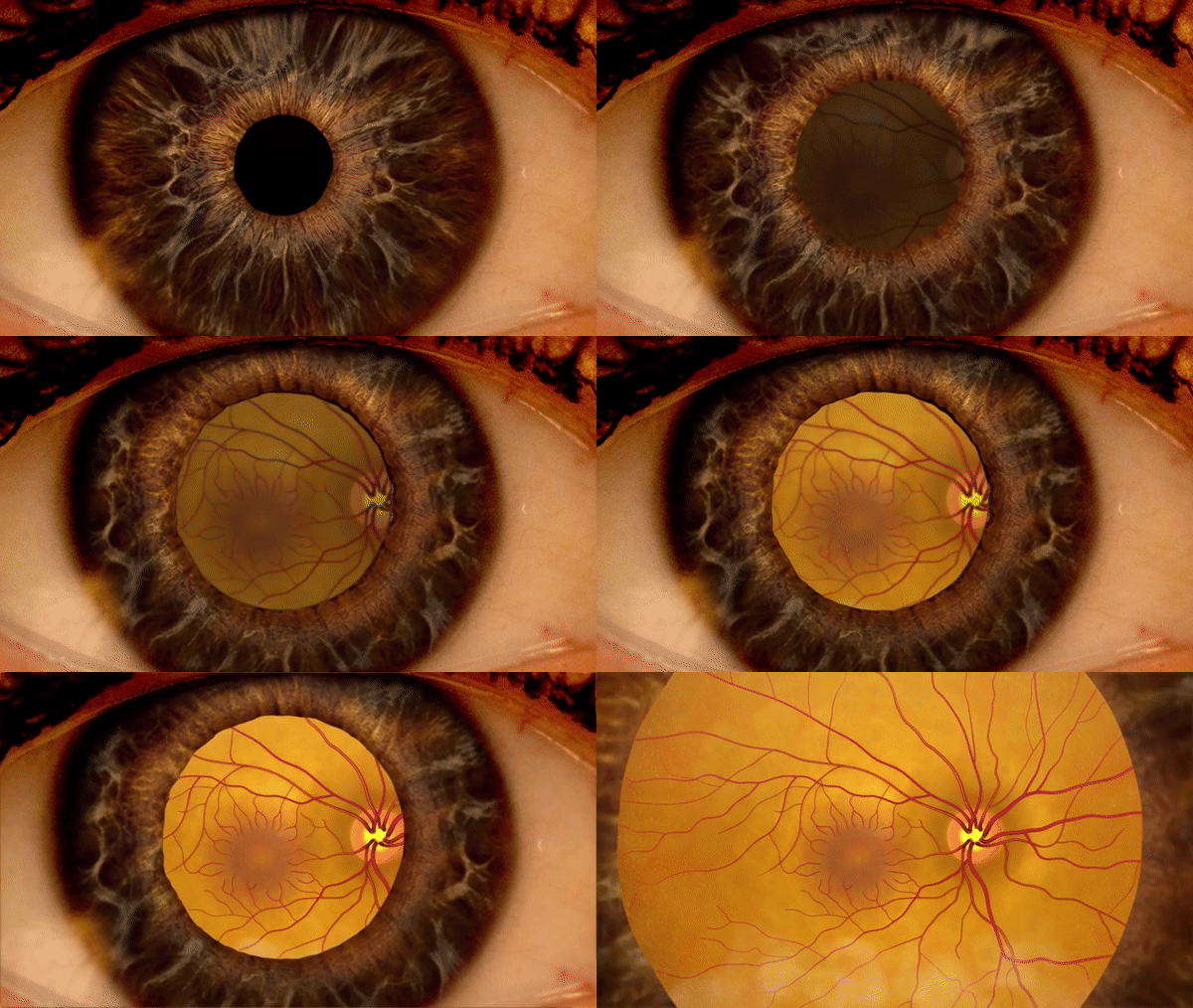
And this is what ophthalmologists see when they dilate a patient's pupils. 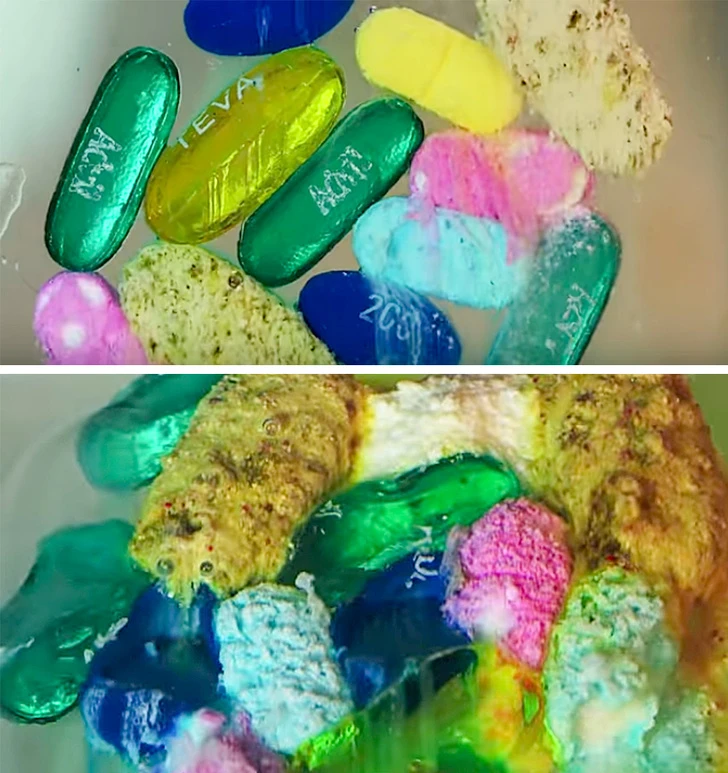
This is roughly how pills dissolve in the human stomach. 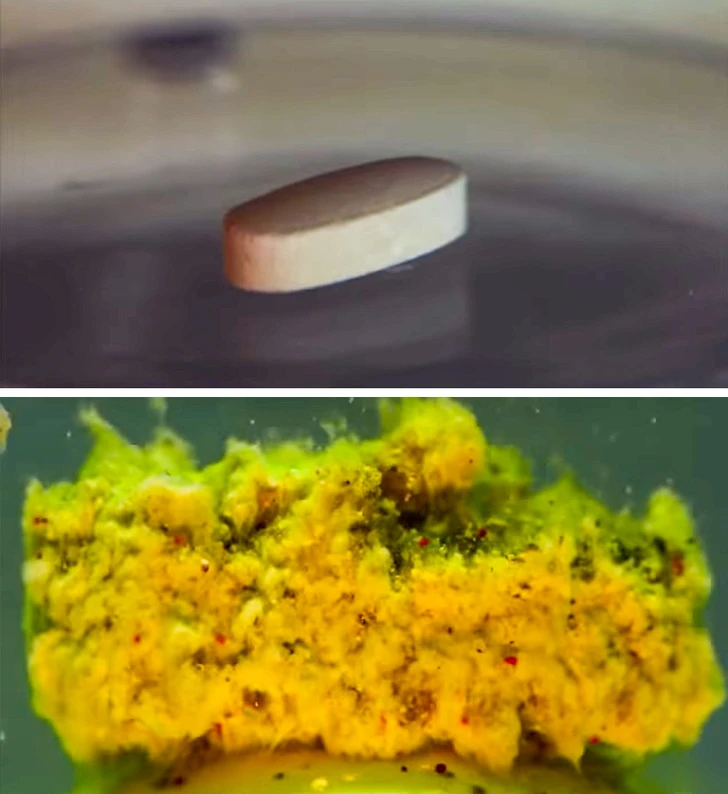
And another example. As you can see, gel capsules take much longer to break down. 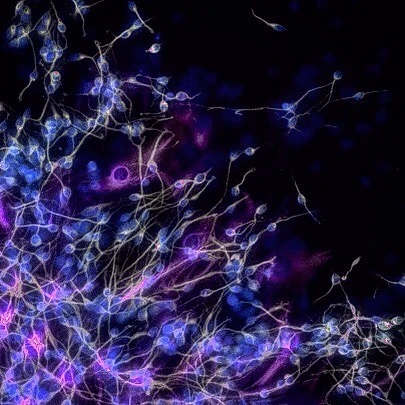
Just imagine: every single memory you have is produced by this cluster of cells. 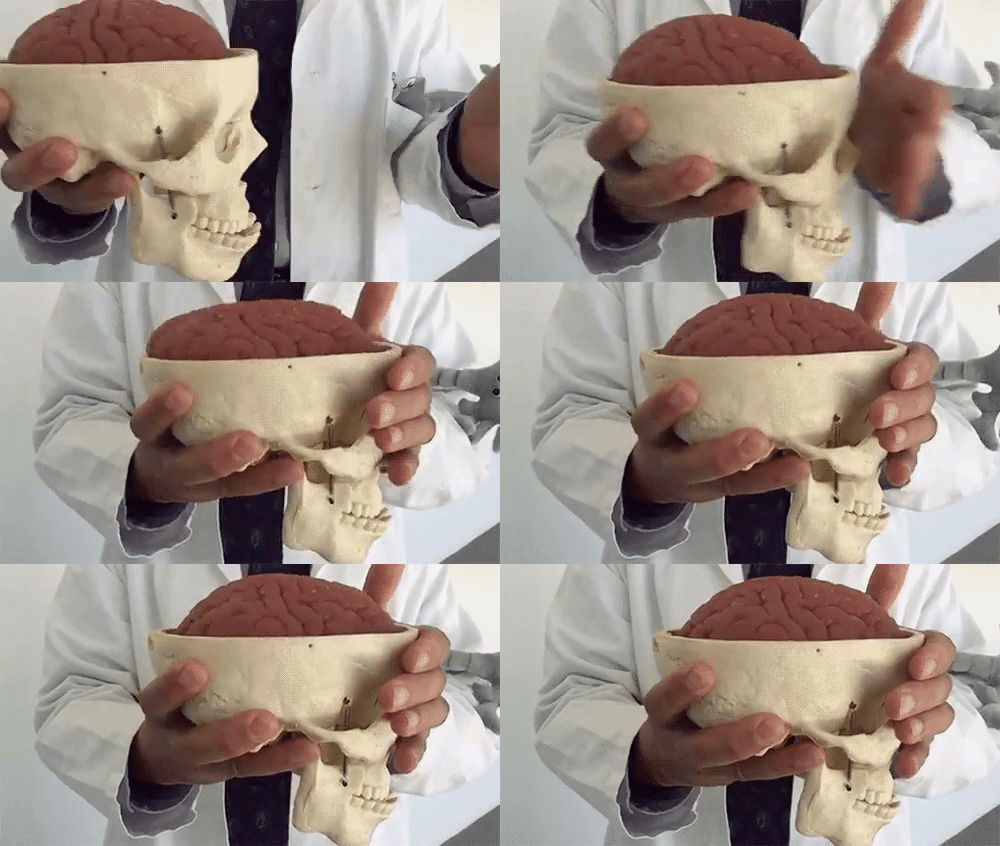
Here you can see a concussion in action. 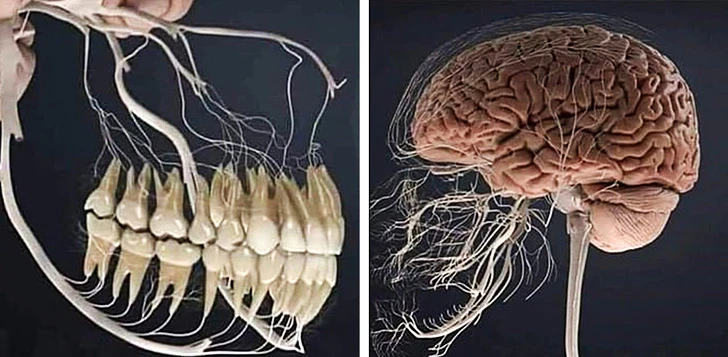
A clear visual explanation of why a toothache so often comes with a headache.
These are just a few of the secrets hidden within the human body. Which of these surprised you the most?