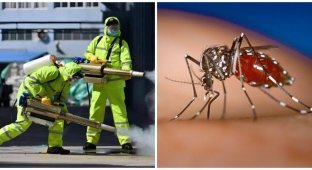
How Mosquitoes Are Sterilized in Spain to Fight Dengue and Other Diseases (11 photos)
With climate change, tiger mosquitoes, which carry dengue fever and other dangerous diseases, have become more common in Europe. Spanish scientists are combating this invasive insect species by releasing laboratory-reared and sterilized mosquitoes into the wild. Watch how it works. 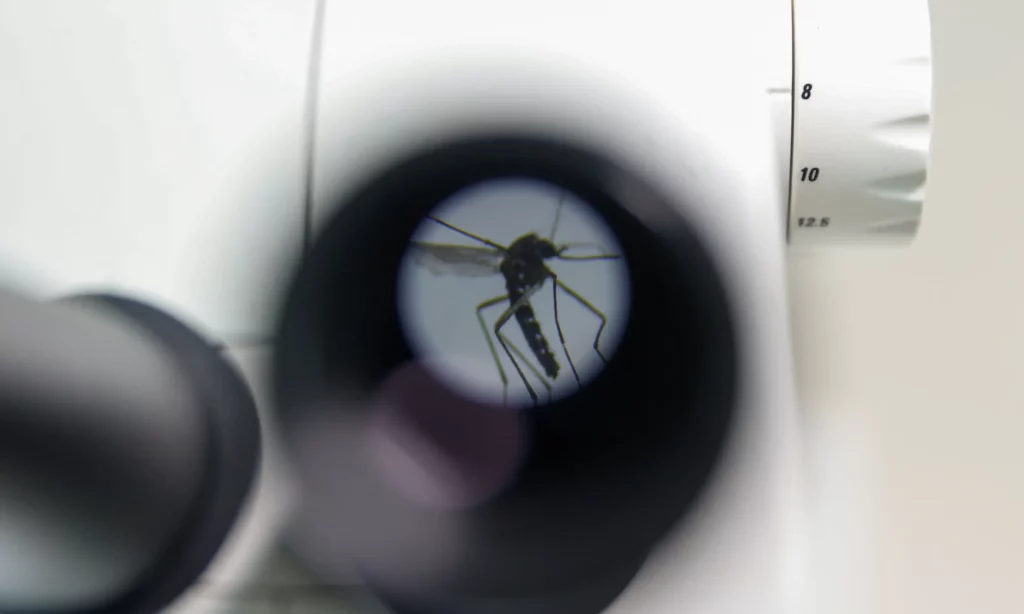
A laboratory in Valencia is breeding and sterilizing thousands of tiger mosquitoes to combat dengue fever and other diseases, as global warming fuels the spread of invasive species across Europe. 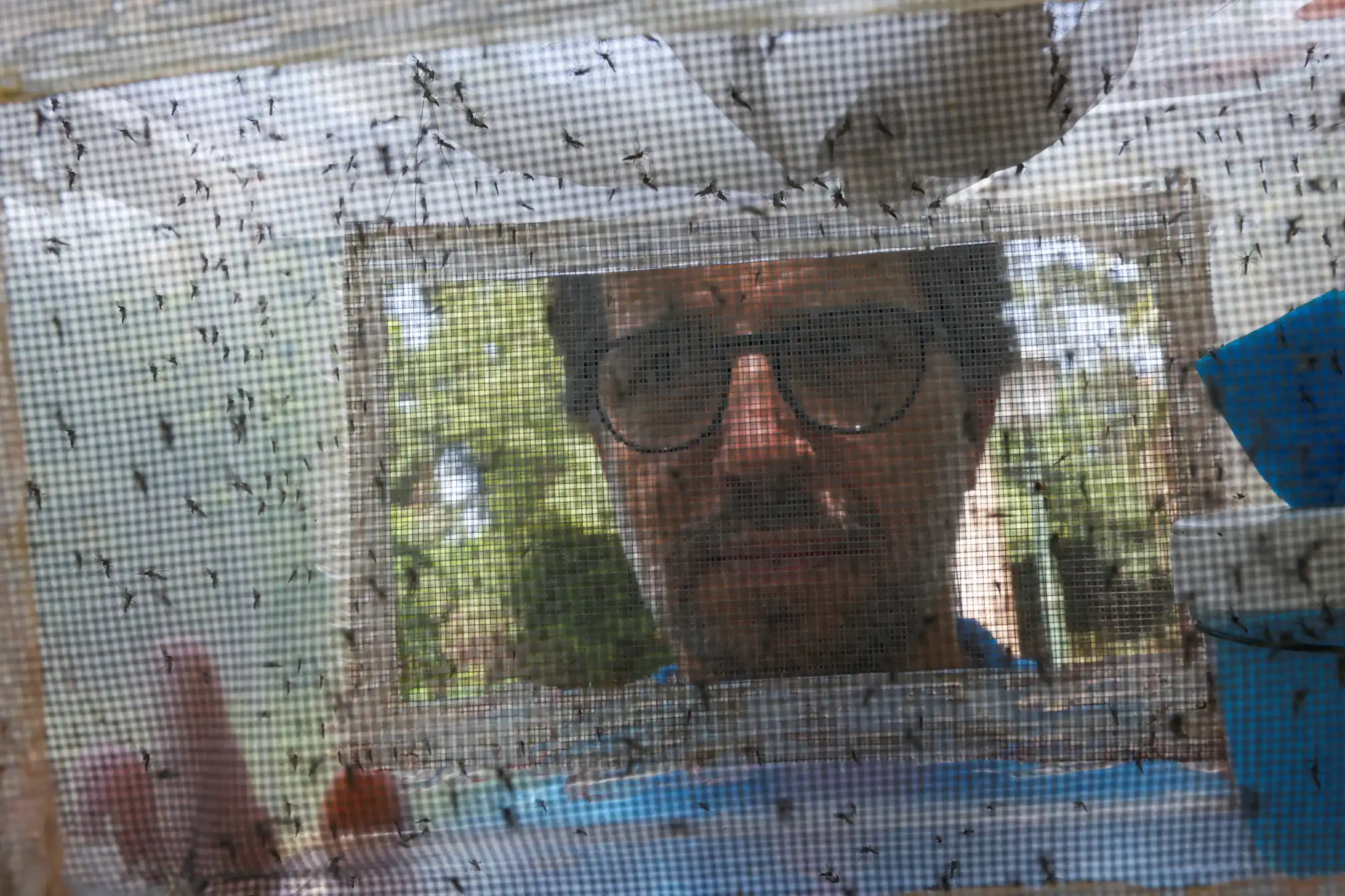
Scientist Ignacio Pla inspects a cage containing male tiger mosquitoes sterilized with ionizing radiation, which are to be released into the wild. Park
The Center for Biological Pest Control in Valencia uses a particle accelerator to sterilize insects. Each week, approximately 45,000 sterilized males are released into the wild, where they mate with females whose bites transmit diseases to humans. The females ultimately do not produce offspring, which leads to a reduction in the population of dangerous mosquitoes. 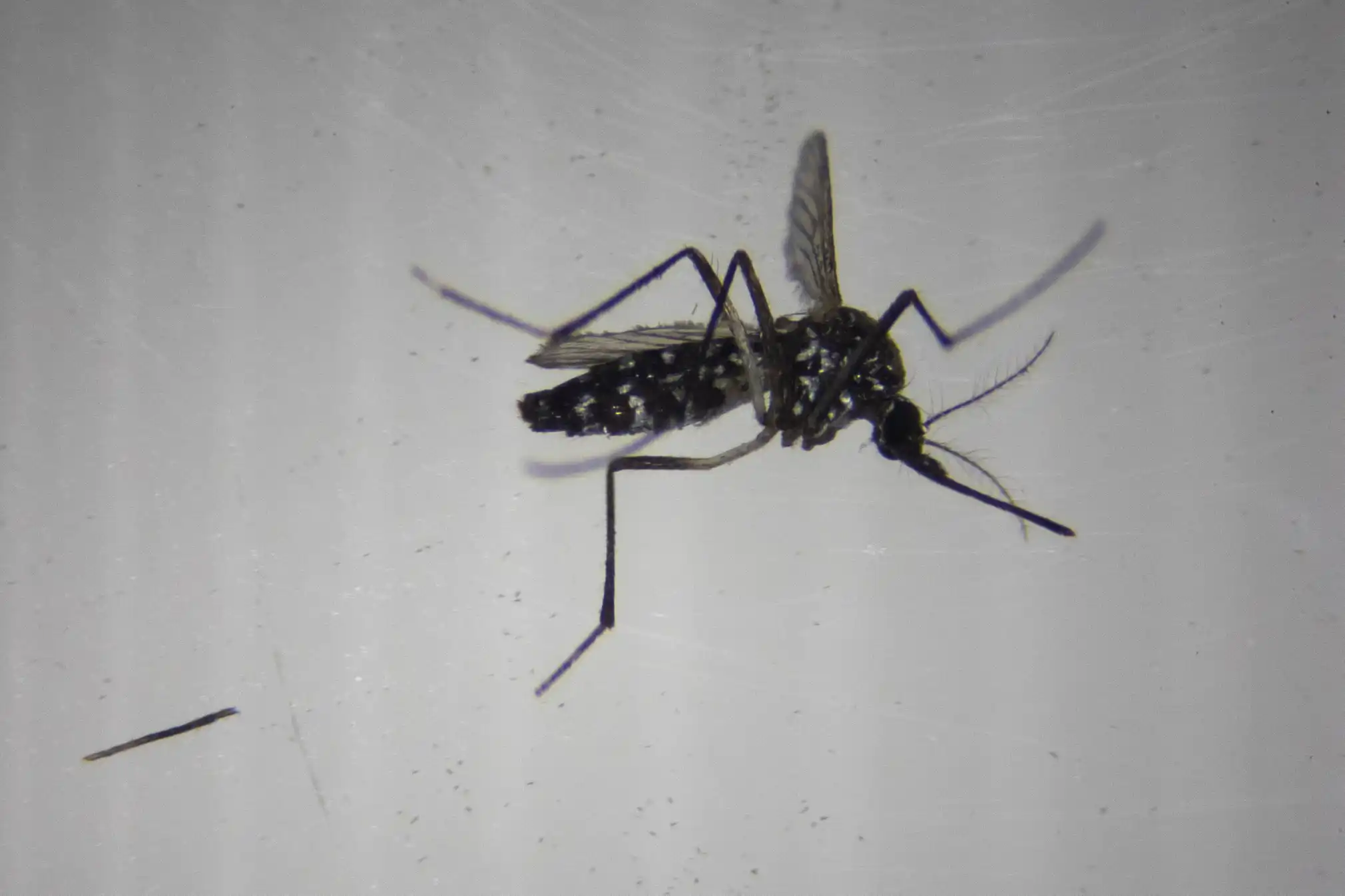
Tiger mosquito (Aedes albopictus), photographed through a 20x optical microscope
"This species is becoming increasingly common due to climate change." "There are favorable conditions for its development over longer periods of the year, and its population is constantly growing," Reuters quotes Vicente Dalmau of the Valencia Region Department of Health, Agriculture, and Fisheries as saying. 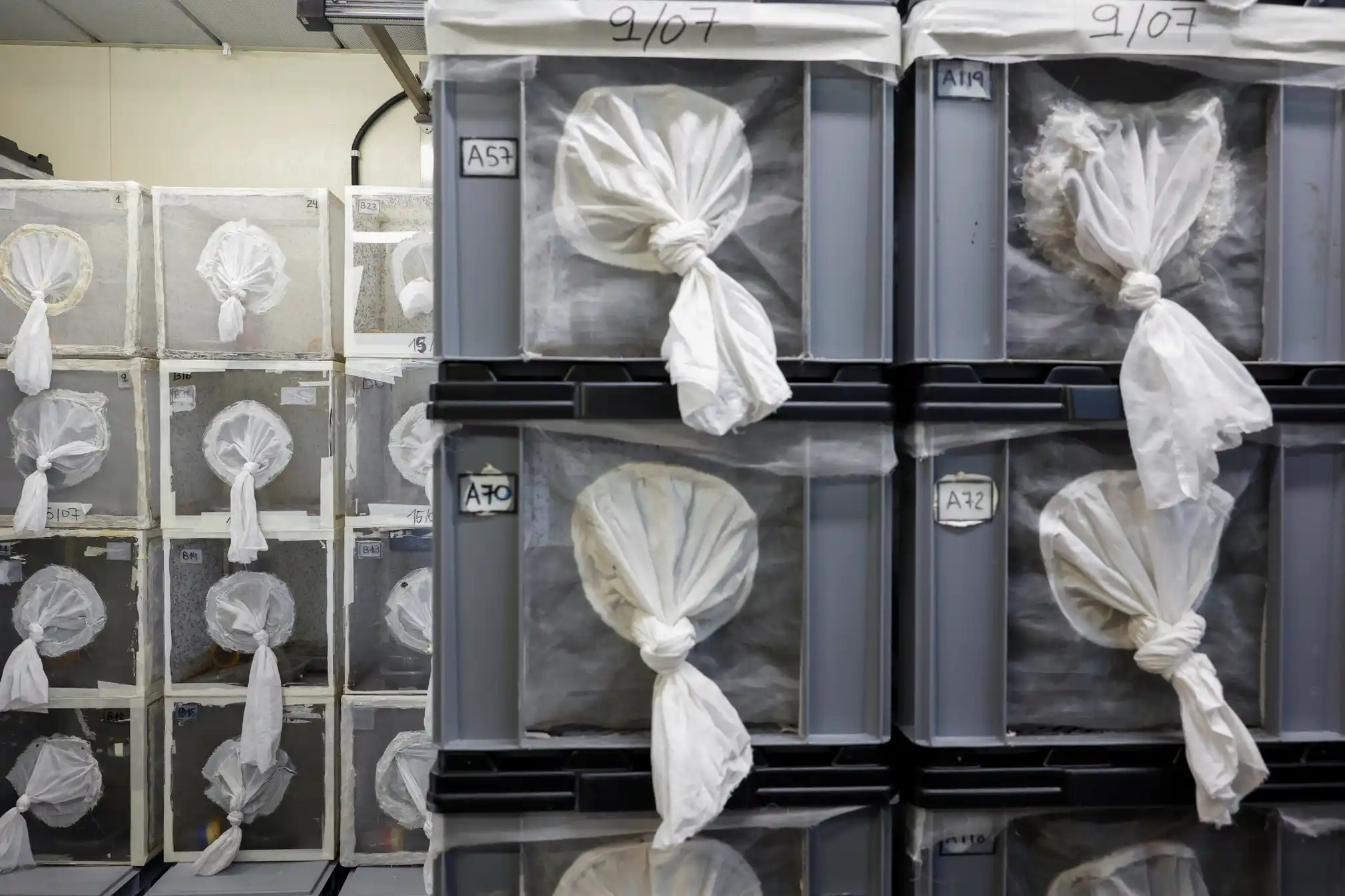
Cages containing tiger mosquitoes, where they mate and females lay eggs.
Reproduction samples are collected in the same location, in Valencia. Female pupae are separated from males, and then the males are sterilized using radiation. This method is used worldwide, but the Valencia laboratory is the first to use it on tiger mosquitoes. 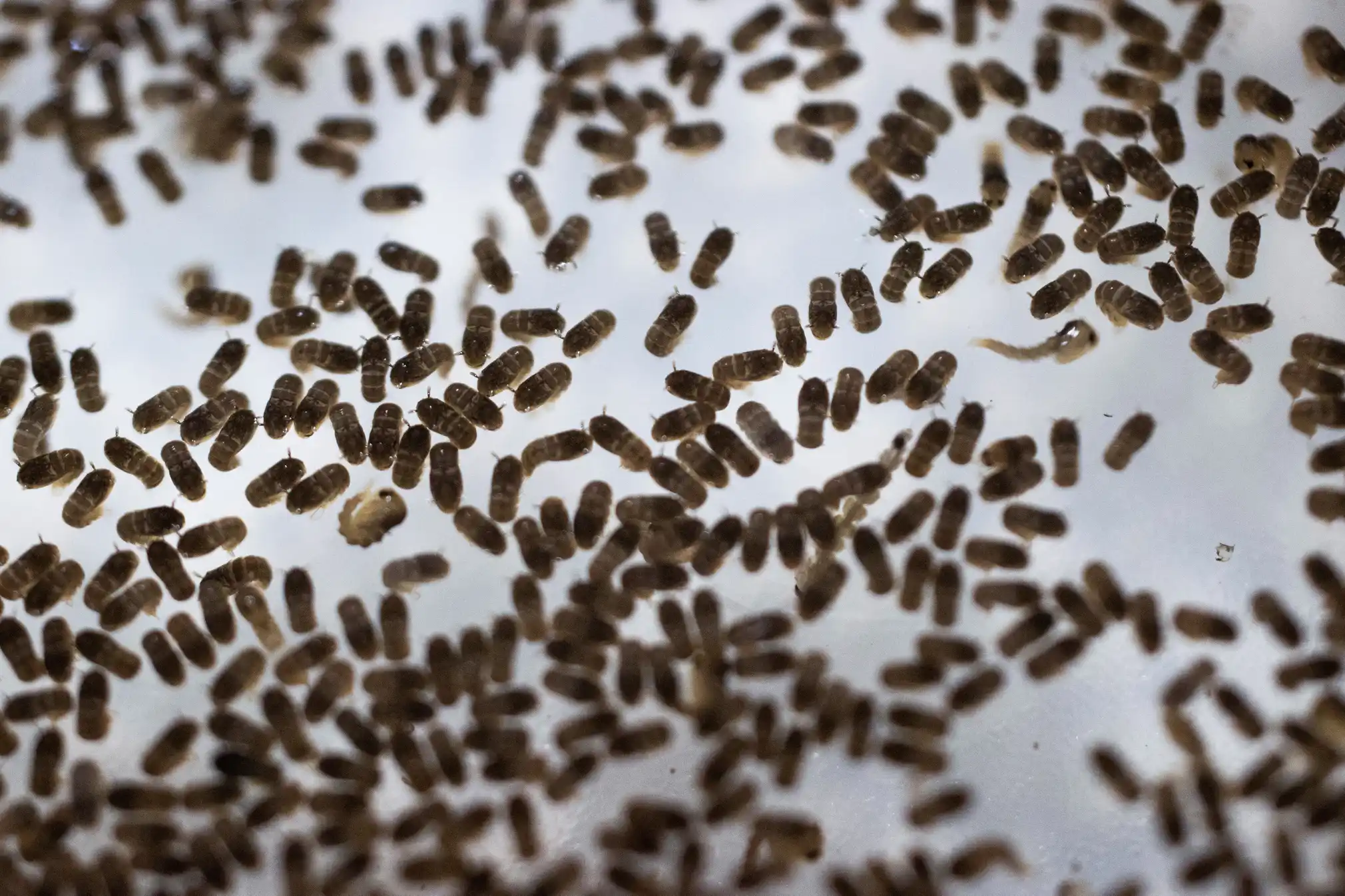
This is what male tiger mosquito pupae look like, which will then be sterilized by irradiation after being sorted in a sex sorter.
Recently, concerns have grown in Europe regarding the dengue, Zika, and chikungunya viruses carried by tiger mosquitoes. Data from the European Centre for Disease Prevention and Control indicate an increase in imported cases from regions where dengue is endemic, as well as an increase in local outbreaks of West Nile fever and dengue in Europe. 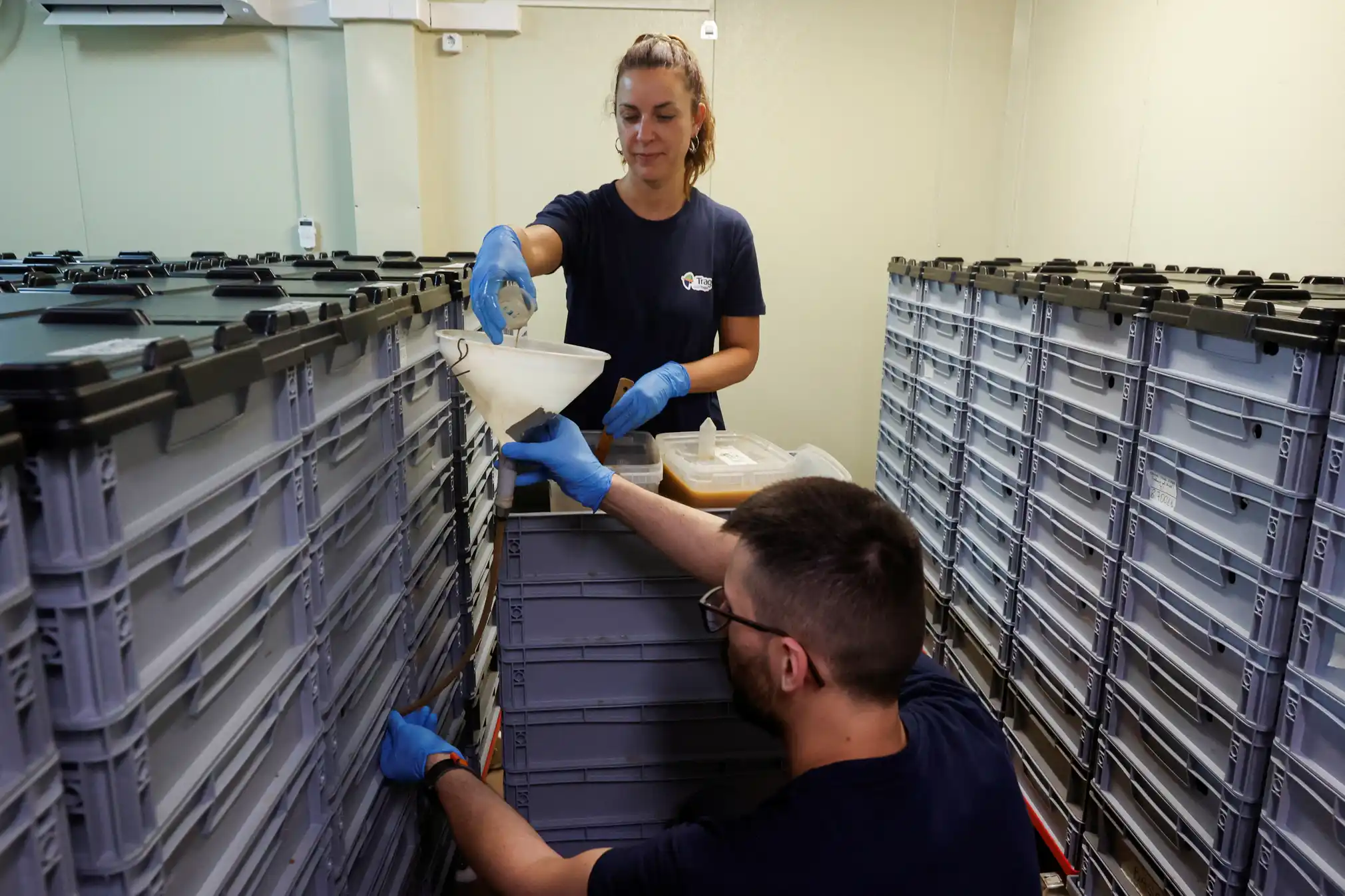
Two lab technicians add food to trays containing tiger mosquito larvae.
Dengue is dangerous because it is a viral disease transmitted by the bites of infected mosquitoes. It can cause severe symptoms such as high fever, severe headache, muscle and joint pain, and skin rashes. In severe cases, dengue can lead to life-threatening complications such as hemorrhagic fever and dengue shock syndrome, characterized by bleeding, organ damage, and a sharp drop in blood pressure. Without prompt treatment, these complications can be fatal. 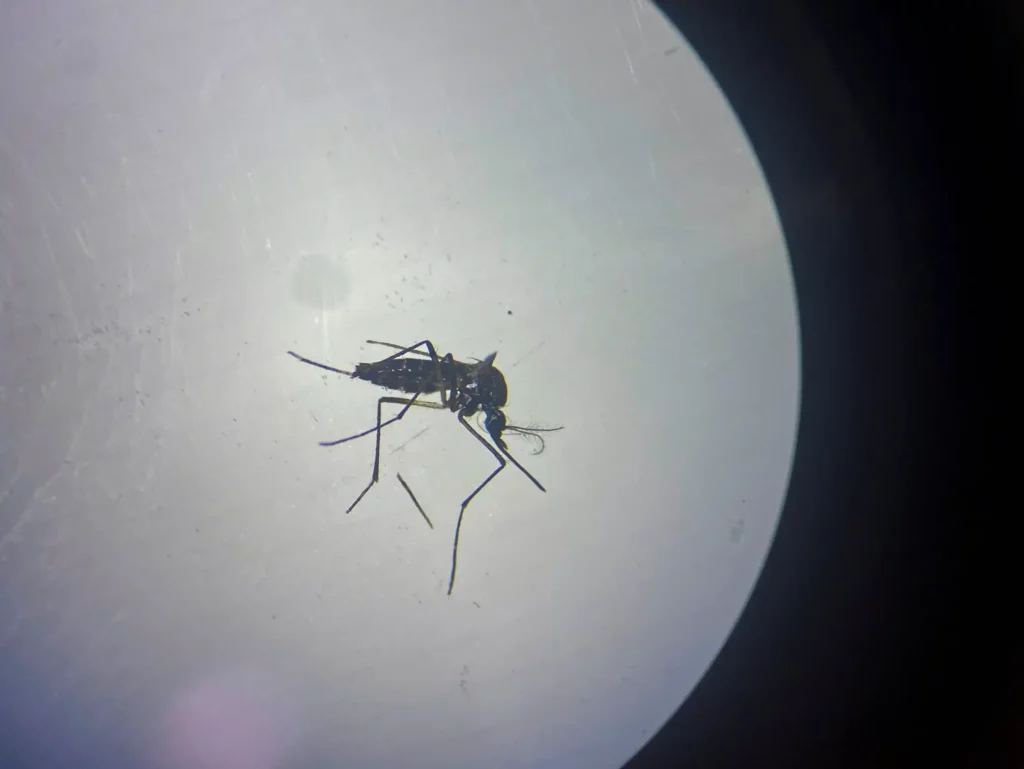
The range of the striped tiger mosquito (Aedes albopictus) is expanding: it is moving north, east, and west of Europe. Currently, its populations are developing independently in 13 countries, including Spain. 
Irradiation of mosquitoes is one of the main methods of sterilization. Male mosquitoes are exposed to ionizing radiation (usually gamma rays or X-rays), which damages their genetic material. As a result, these males become sterile, meaning that mating with females does not produce offspring. 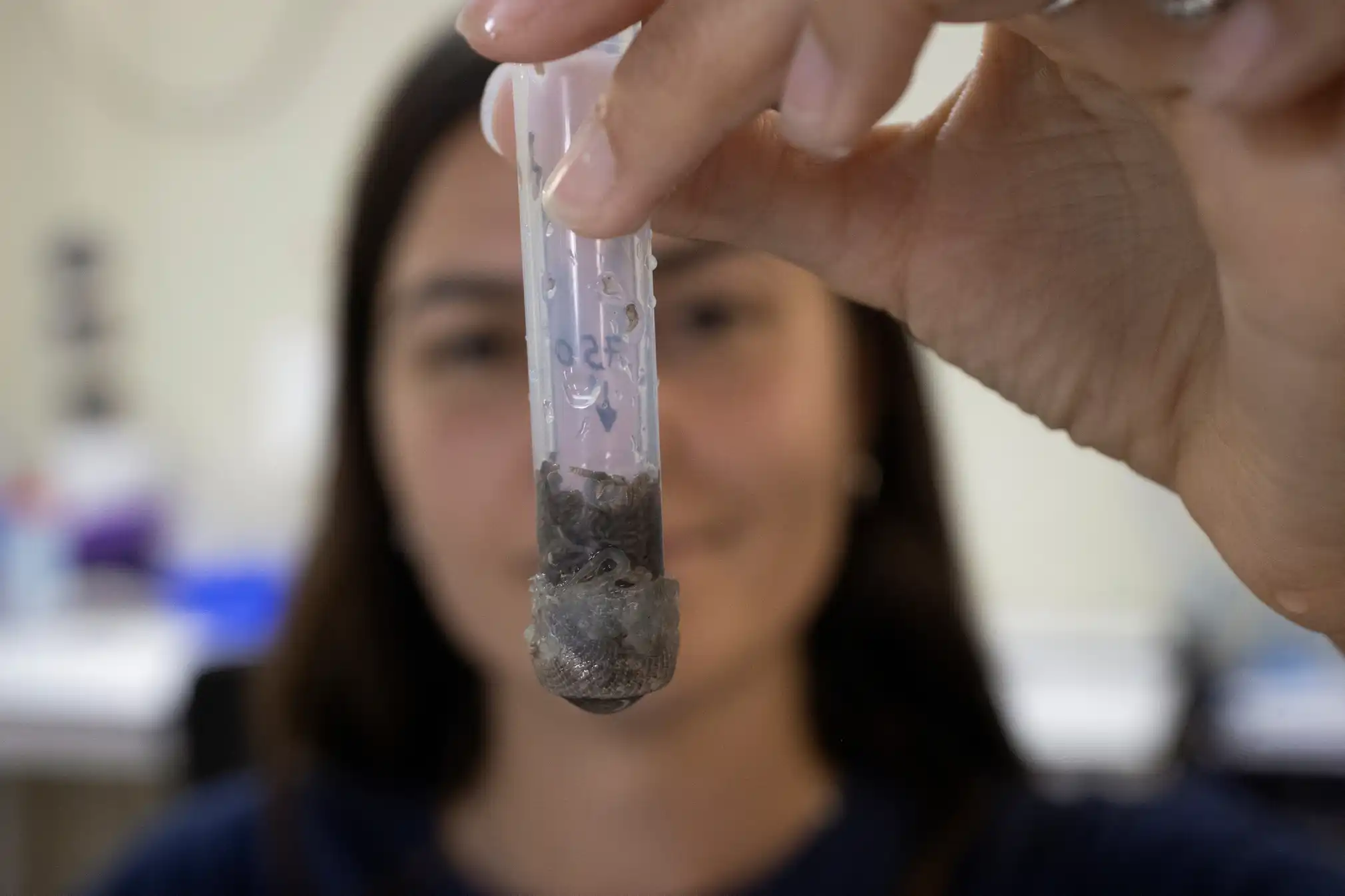
Some countries, such as Brazil, are releasing genetically modified mosquitoes. When they mate with wild mosquitoes, they transmit a gene that kills their offspring, thus reducing the vector population. 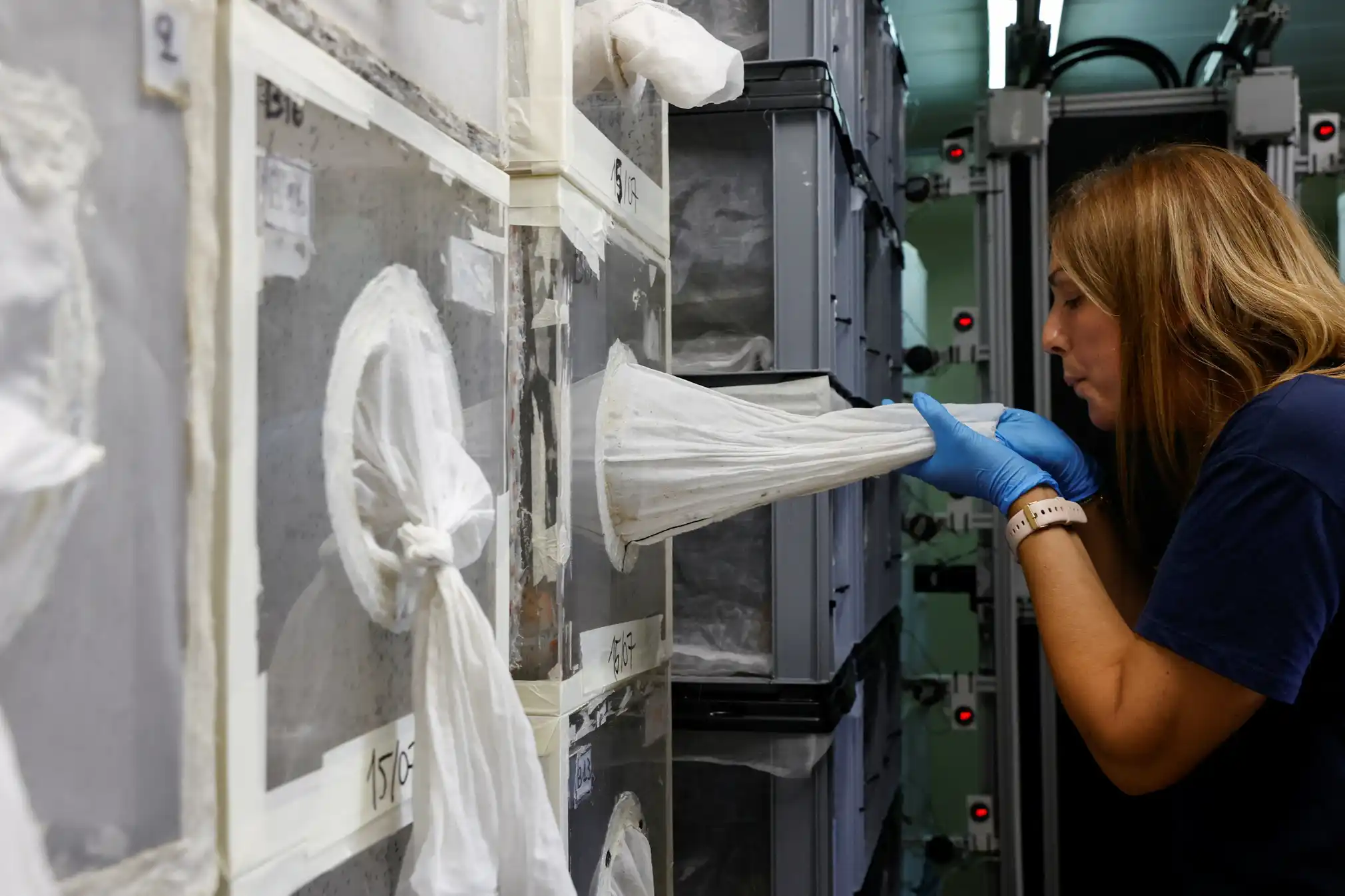
There is also a method in which mosquitoes are injected with the Wolbachia bacterium, which infects males and prevents their offspring from developing. This is also a method of biological sterilization, although the process itself is somewhat different from classic sterilization through irradiation. 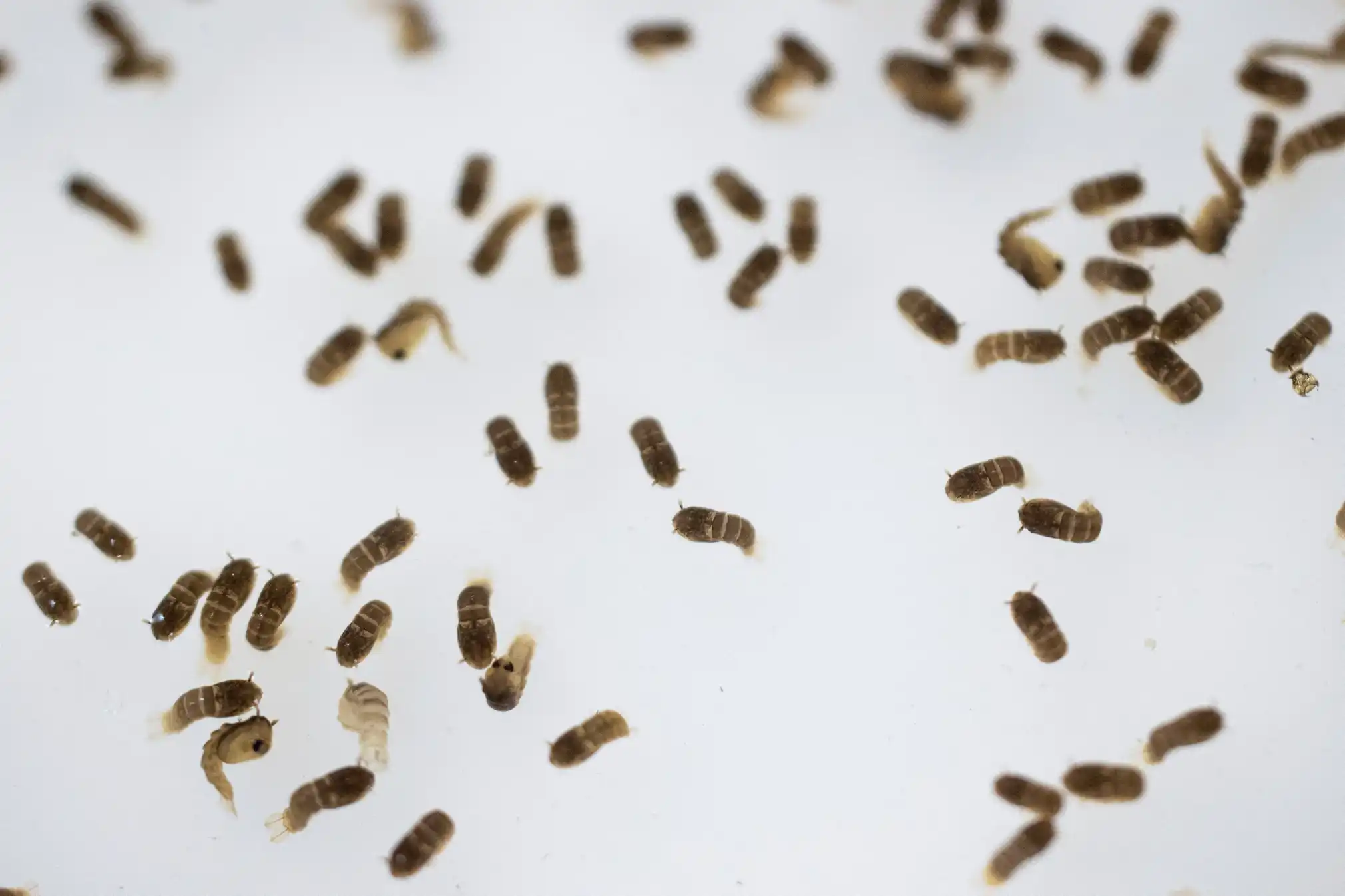
Sterile males are released into natural mosquito habitats. Importantly, the males do not bite and therefore pose no threat to humans. This method is safe for humans and other animals, as it targets only the target mosquito population. However, in some cases, sterilization may be less effective if wild mosquito populations are too large or if sterile males do not compete sufficiently with wild mosquitoes.