Australia to Build $20M Barrier to Halt Army of Toxic Cane Toads (4 Photos)
Australia has officially greenlit and funded what might sound like one of the most absurd—yet absolutely vital—ecological projects in its history. Local authorities and scientists have joined forces with corporate giants to build a massive line of defense against... cane toads. A staggering $20 million USD has been allocated to the ambitious project. 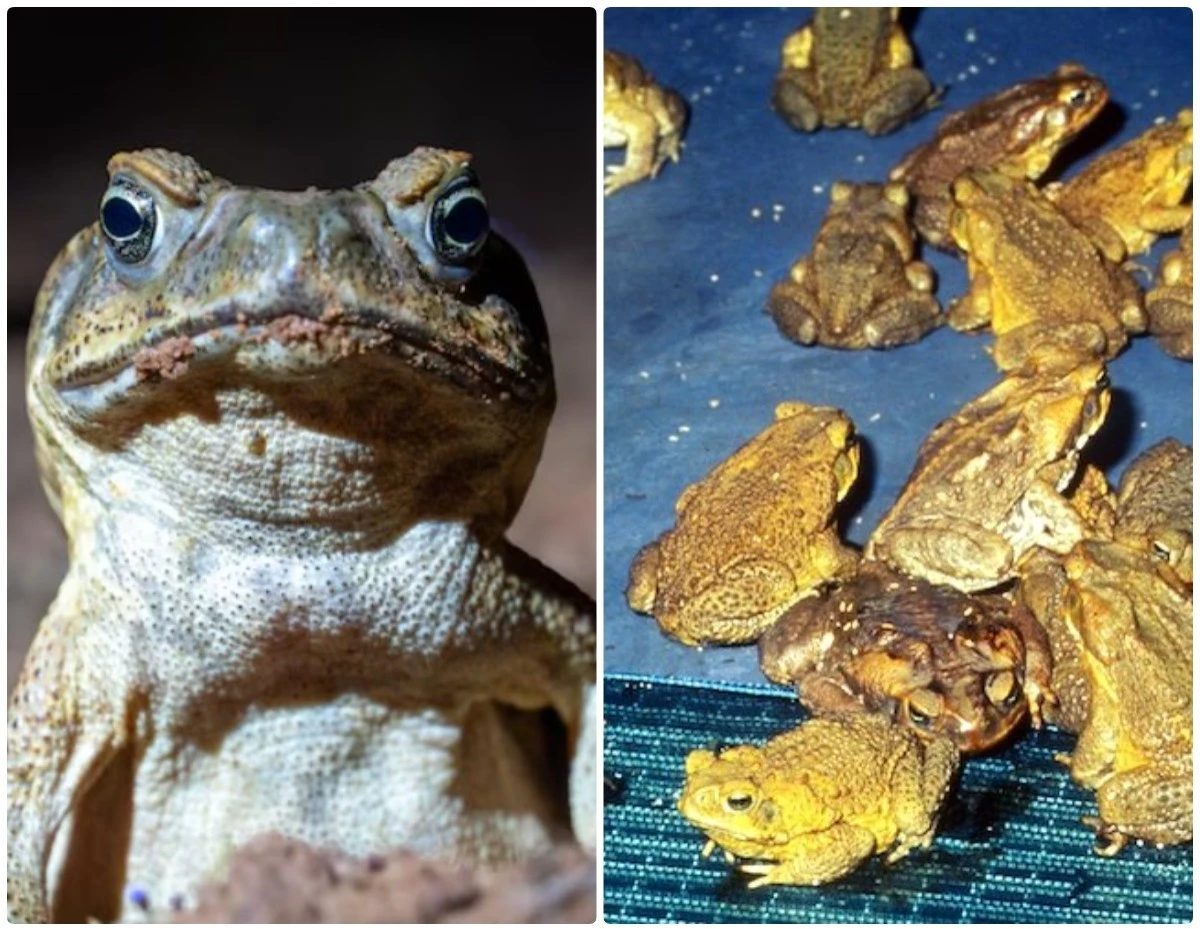
The defensive perimeter will span a massive 7,500 square kilometers (an area more than three times the size of Moscow). Interestingly, researchers have no issue with Australia's notorious native fauna—the dog-sized spiders, venomous snakes, and creepy-crawlies are all part of the ecosystem. The toads, on the other hand, are ruthless, hopping invaders.
Cane toads are an invasive species in Australia. Back in 1935, some "genius" imported just over a hundred of these amphibians from Hawaii to devour beetle pests in sugarcane plantations. The plan backfired spectacularly: the toads couldn't care less about the beetles, but they certainly took a liking to breeding exponentially. Today, their population in Australia has skyrocketed into the hundreds of millions. 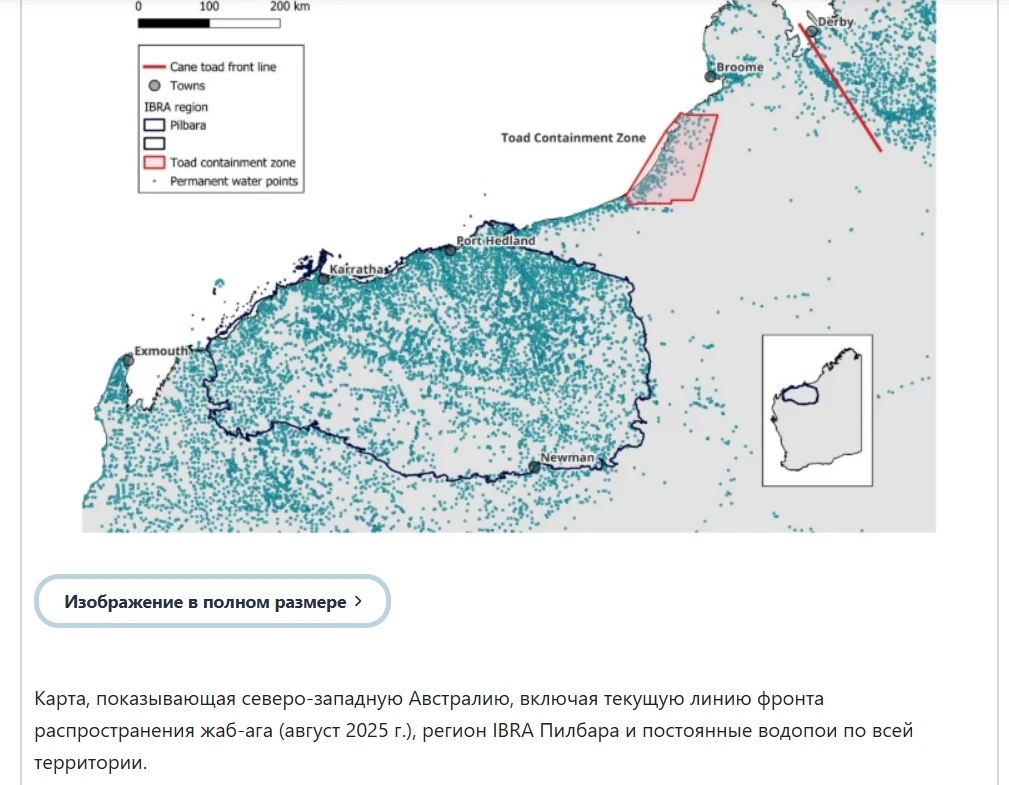
They are huge—with some specimens weighing over a kilogram—and overwhelmingly toxic. Any local predator, whether it's a snake, monitor lizard, or even a young crocodile, dies an agonizing death within minutes of taking a bite out of one. In regions invaded by these amphibians, entire species of native wildlife are being wiped out. Biologists pull no punches, describing the situation as a national catastrophe. 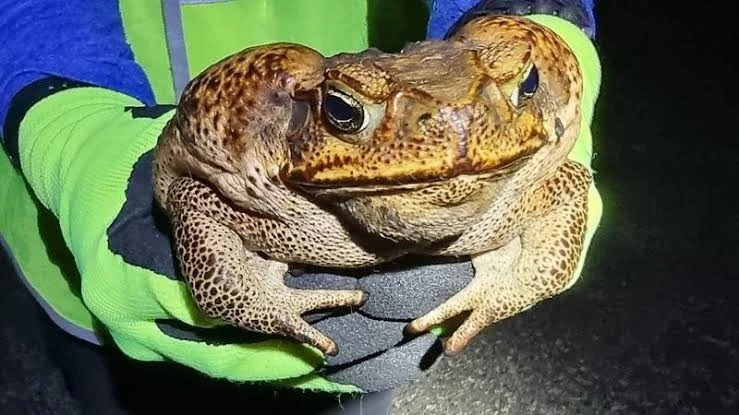
Building a traditional wall to stop millions of toads would be useless—they’d simply hop over or dig under it. So researchers from Curtin University came up with a cleverer tactic: creating a "waterless barrier."
The invading toad army is currently pushing into Western Australia, targeting the pristine Pilbara region. To get there, they must cross an arid corridor sandwiched between the desert and the ocean. While the toads can travel during the wet season, they survive the long dry spells solely by relying on artificial water sources—ranch wells, reservoirs, and livestock troughs. 
The five-year project is fully funded by mining giant Rio Tinto. Teams will head to local cattle stations to modify nearly 700 artificial water bodies, fitting them with specialized toad-proof barriers and piping. The idea is that the invading toads will hit a 150-kilometer "dry zone," find no water, and die off en masse before ever reaching the unique wilderness preserve. That is, if all goes according to plan.