Here is a far-from-complete look at 12 foods—both exotic and surprisingly ordinary—that have been banned across the United States for a variety of reasons. 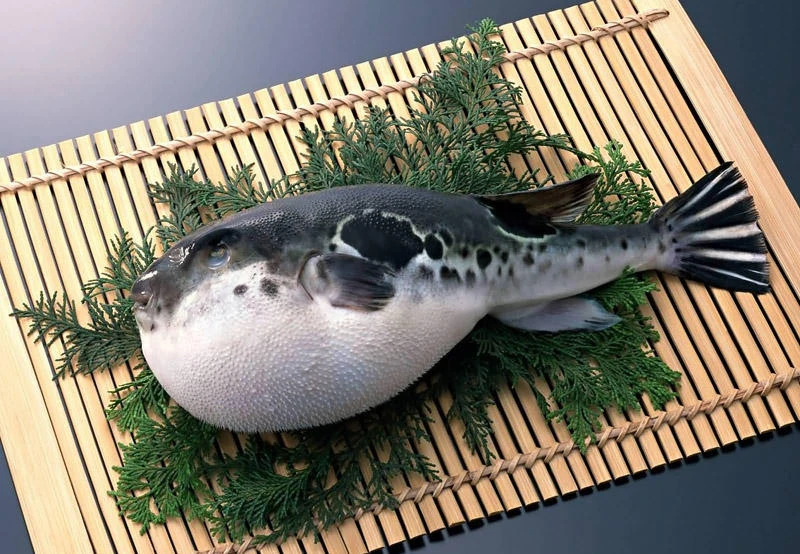
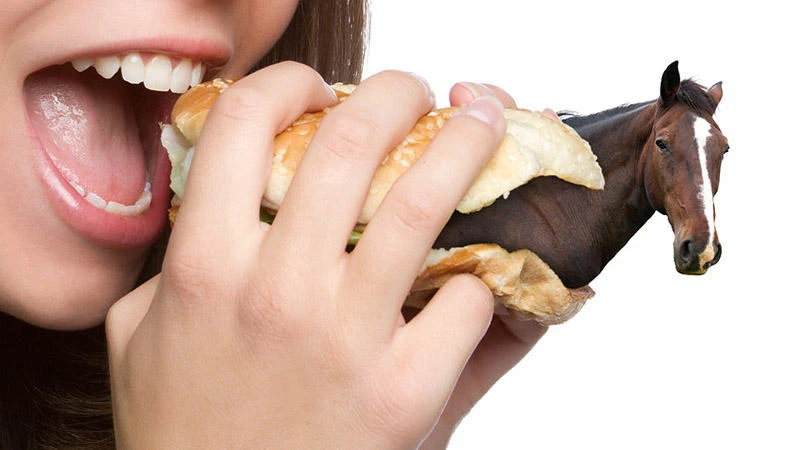
1. Horsemeat
While eating horsemeat is theoretically legal in most states, slaughtering horses for human consumption is banned across the country. Even so, some U.S. slaughterhouses historically exported horsemeat abroad. In June 2010, Congress voted to extend protection under the Wild Free-Roaming Horses and Burros Act, effectively prohibiting the slaughter of these animals. 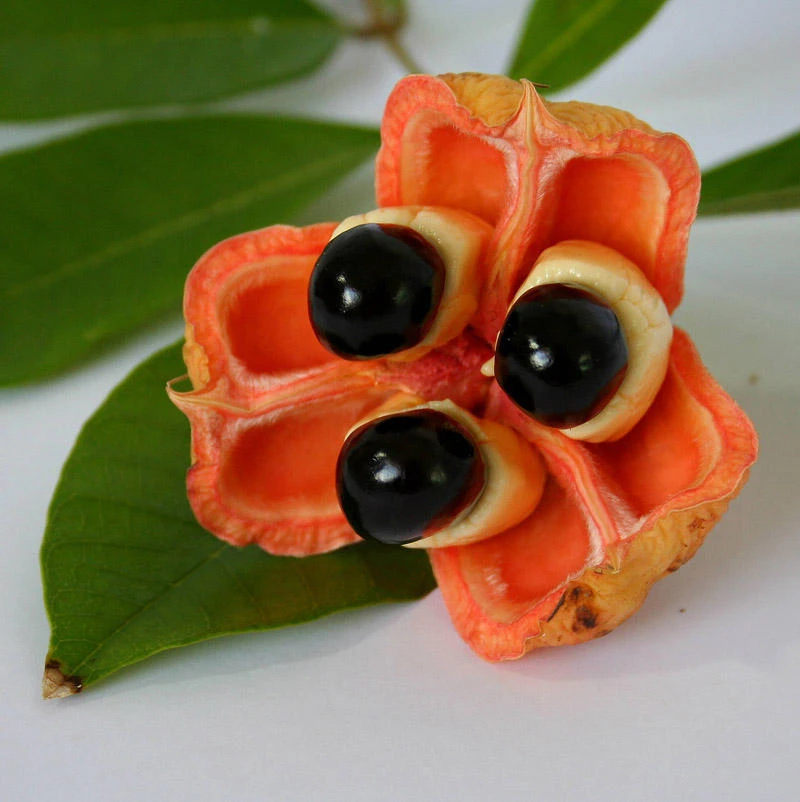
2. Ackee
Due to its toxicity, cultivating or importing this pear-shaped fruit is illegal in the U.S. Ackee is Jamaica's national fruit, but it contains hypoglycin—a dangerous toxin that can cause severe poisoning, coma, or even death. 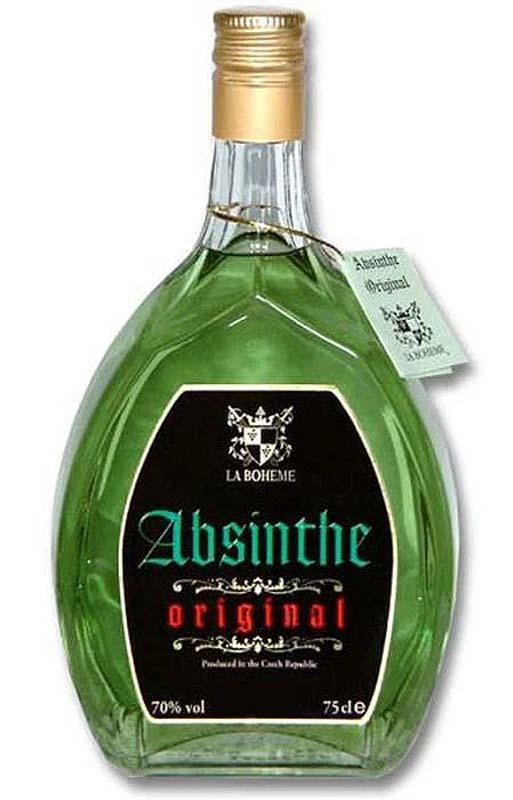
3. Absinthe
Absinthe was banned in the U.S. in the early 20th century, though imports were finally permitted in 1997 under strict regulation by the Food and Drug Administration (FDA). The ban stemmed from wormwood, the main herb used to produce absinthe, which contains thujone—a compound long believed to act as a powerful, addictive hallucinogen. 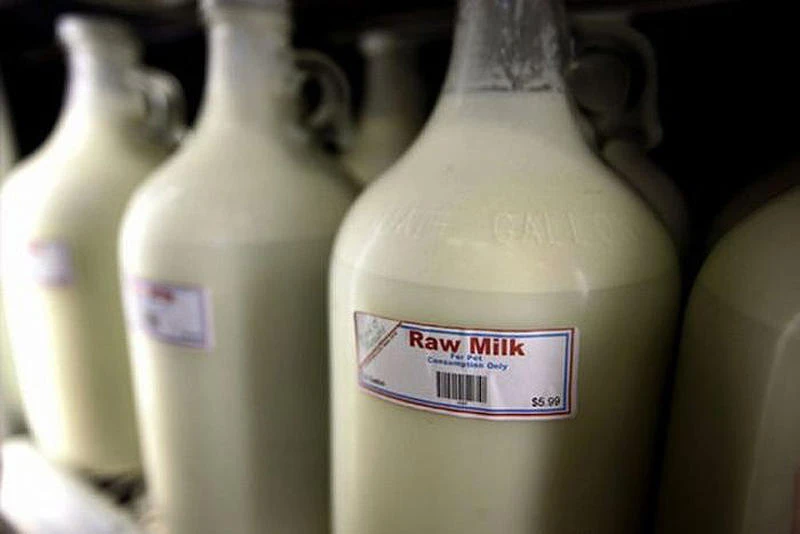
4. Unpasteurized Milk
More than 20 U.S. states ban the sale of raw milk outright, though some allow small-scale sales directly from private farms. Unpasteurized milk was a daily staple until the early 19th century, when pasteurization technology was introduced to make dairy products safer.
Laws banning raw milk aim to protect consumers from harmful microbes and bacteria. However, advocates of unpasteurized milk argue that modern agricultural sanitation standards yield milk that is completely safe to drink. 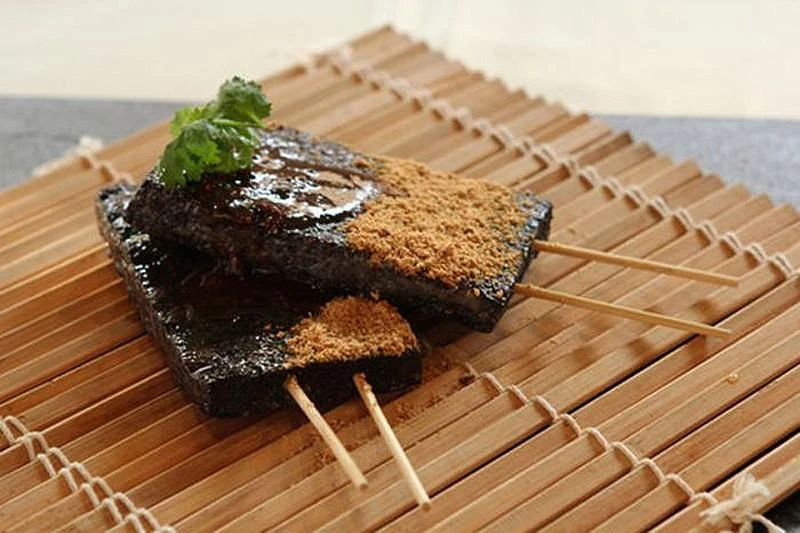
5. Pig's Blood Cake
This Taiwanese delicacy is made from sticky rice and pig's blood served on a stick. While it may be no less healthy than a standard American hot dog, pig's blood cake is banned in the U.S. because food safety regulators deem it unsanitary. 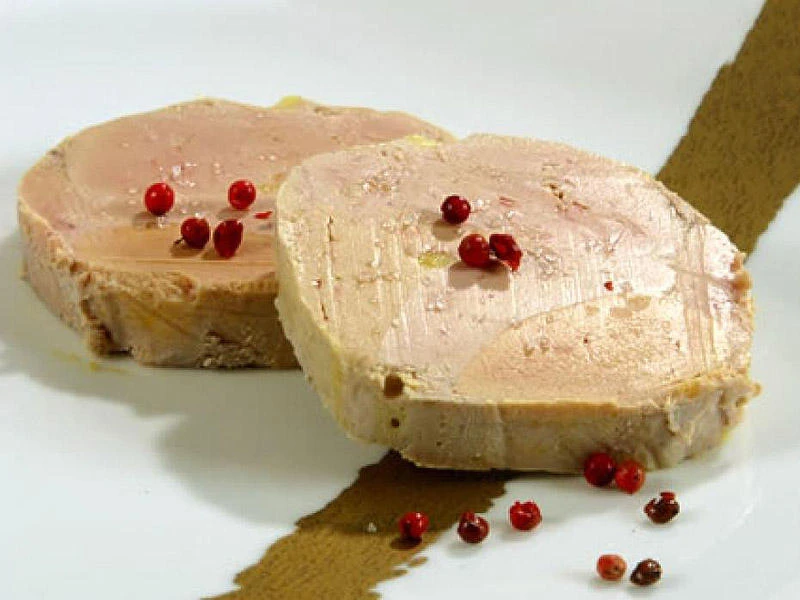
6. Foie Gras
This delicacy, made from duck or goose liver, was banned in Chicago from 2006 to 2008 after city council members declared the force-feeding process inhumane. For eight days prior to slaughter, birds are force-fed massive amounts of corn mash, swelling their livers to ten times their normal size. In 2012, California enacted a statewide ban on force-feeding animals for food production. 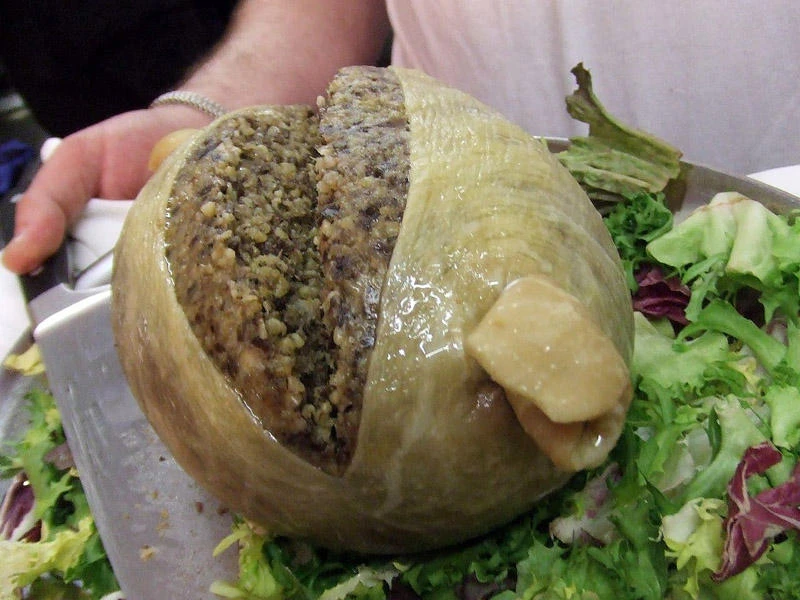
7. Haggis
Traditional Scottish haggis is banned in America because one of its key ingredients is sheep's lung. While the sheep's heart, liver, and stomach featured in the dish are considered fit for consumption by U.S. authorities, lung tissue is strictly prohibited. 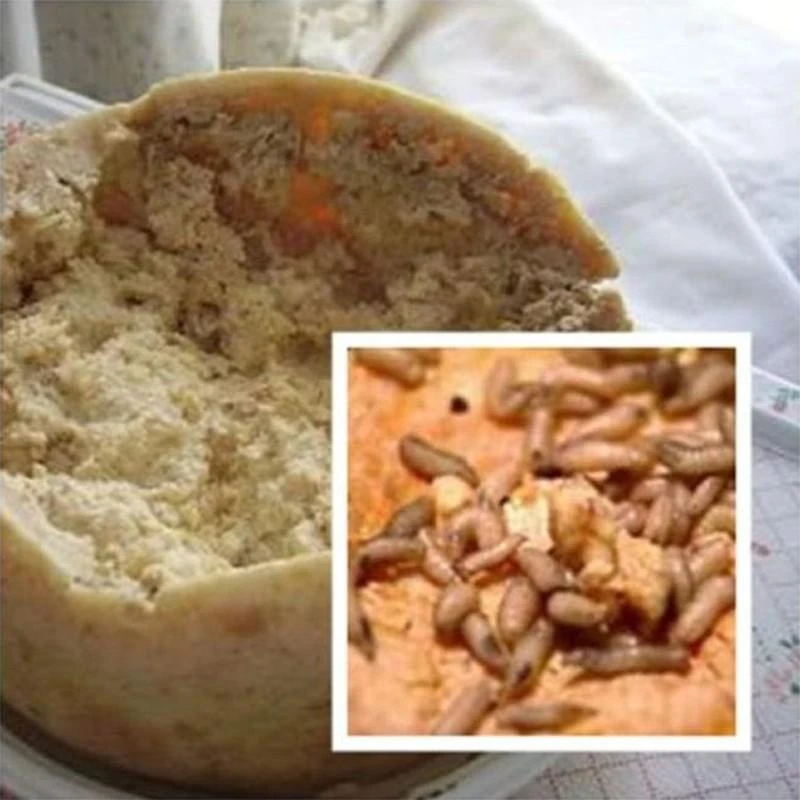
8. Casu Marzu
This traditional Sardinian cheese is derived from pecorino, but it is aged past normal fermentation to a state of decay driven by the digestive activity of cheese fly larvae. The maggots accelerate the breakdown of fats, making the cheese extraordinarily soft and creamy.
Anyone brave enough to try casu marzu is advised to shield their eyes while eating, as the larvae can leap up to six inches. Some diners pick out the maggots beforehand, while others prefer to eat the cheese larvae and all. 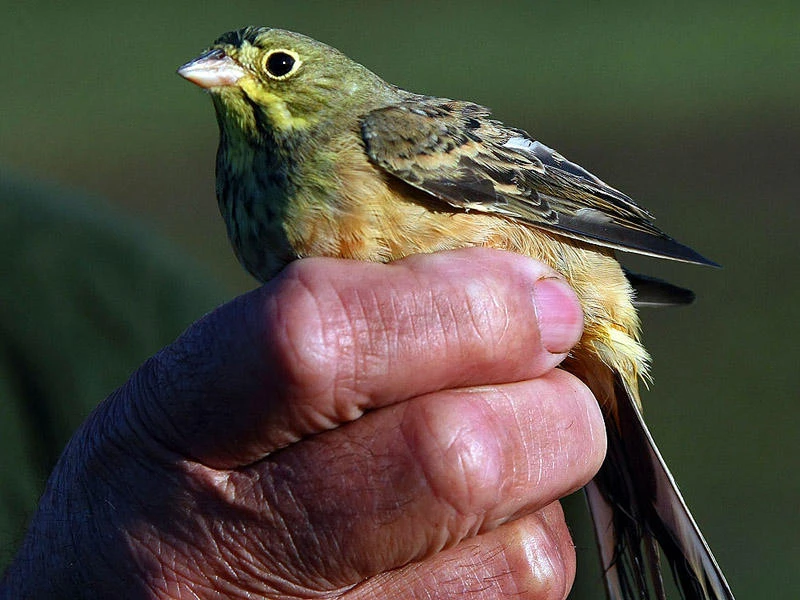
9. Ortolan Bunting
Protected by law across Europe, smuggling ortolan buntings into the United States is a federal crime. French gourmands long prized the tiny bird's exquisite flavor, causing populations to plummet until hunting them was eventually outlawed.
Traditionally, the birds were captured, blinded, and kept in dark cages where—much like geese raised for foie gras—they were force-fed until ballooning in size. They were then drowned in brandy, roasted, and eaten whole. 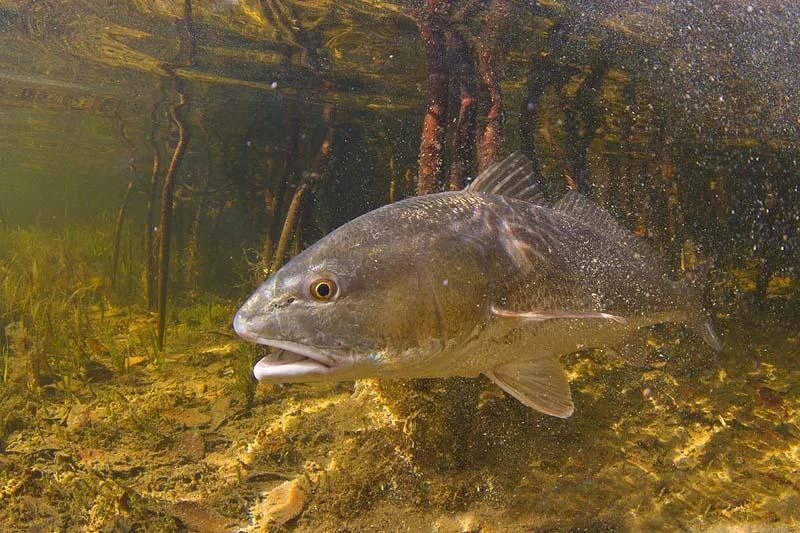
10. Redfish
Commercial sale of wild redfish is banned across most of the U.S. to protect the species. The U.S. Department of Commerce first restricted redfish harvesting in 1986 to help rebuild populations that had been severely depleted by nationwide culinary demand. 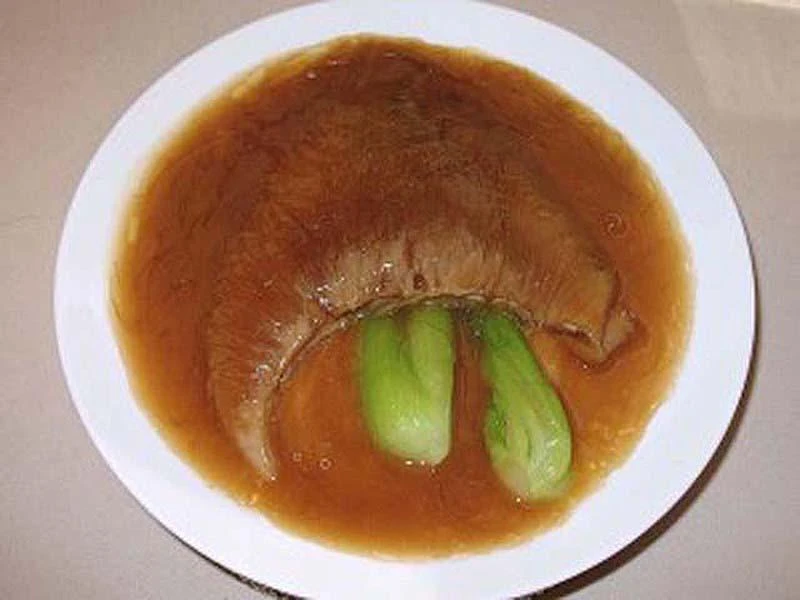
11. Shark Fins
Shark finning is banned in the U.S. because the process leaves maimed sharks unable to swim or hunt after being thrown back into the ocean, resulting in a slow death. While harvesting fins is illegal, dishes made from shark fins are still considered a luxury and remain legally permitted in some jurisdictions. 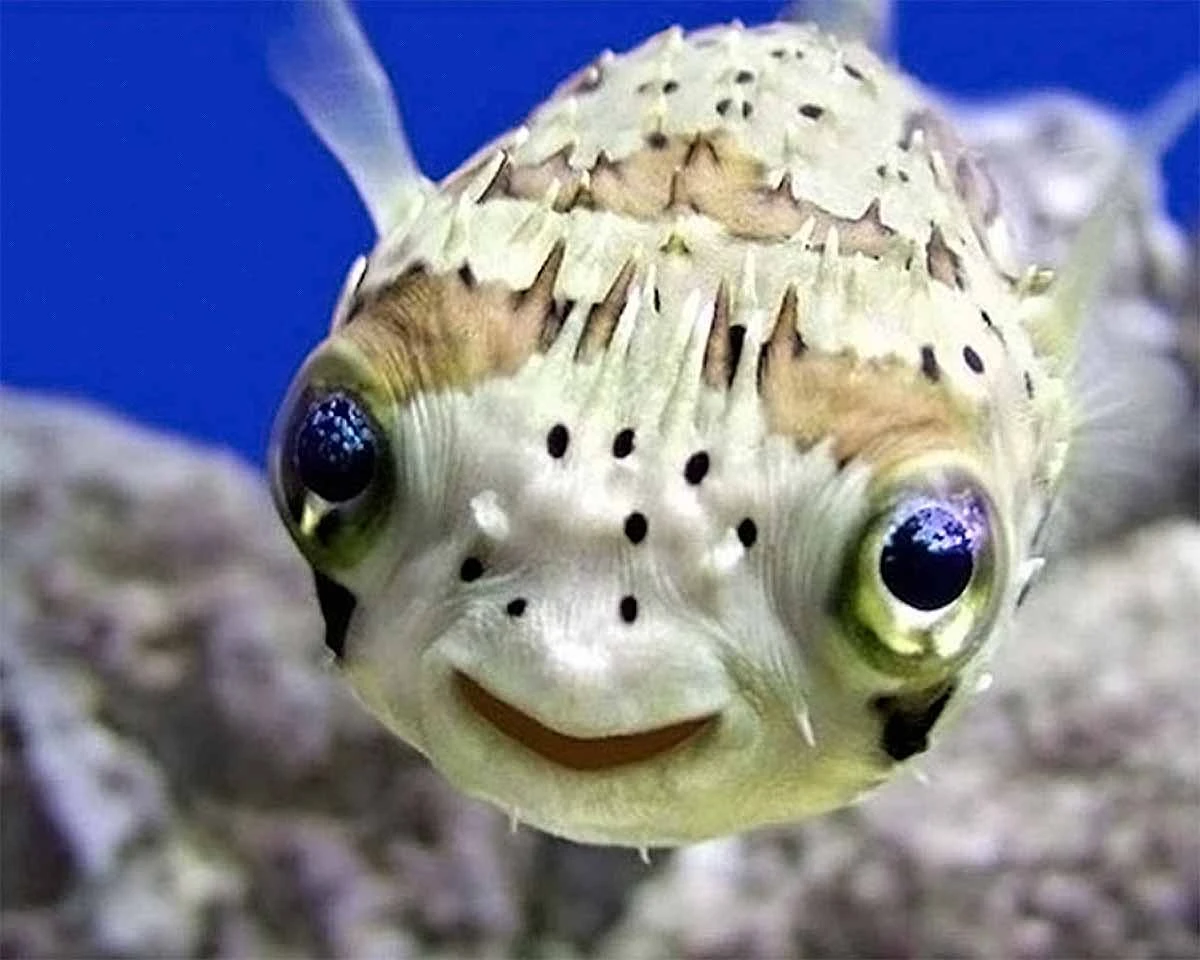
12. Fugu (Pufferfish)
Preparing or selling pufferfish without a license is illegal in the U.S., and trading it is completely banned across the European Union. The skin and internal organs of fugu contain tetrodotoxin, a lethal neurotoxin that causes paralysis and asphyxiation. In Japan, however, the ban was lifted long ago, and fugu dishes are prized delicacies served in specialized restaurants.
Add your comment
You might be interested in:












How Rowan Atkinson transforms into Mr. Bean

A single gesture that made someone’s day: a man gives a

A display of skill: masterful nunchaku handling

A clear demonstration of the difference between a $1, $5,

An orchestra plays a prank on their conductor during his

A dad made a realistic WALL-E costume for his daughter

An American man reveals a bunker he spent 3 years preparing

Pete the donkey calls out Taking Luna, who is blind, for a

Witches on roller skates—brooms included
