"The Scandal of the Century." That's what the newspapers called the murder of Clotilde Marchand. 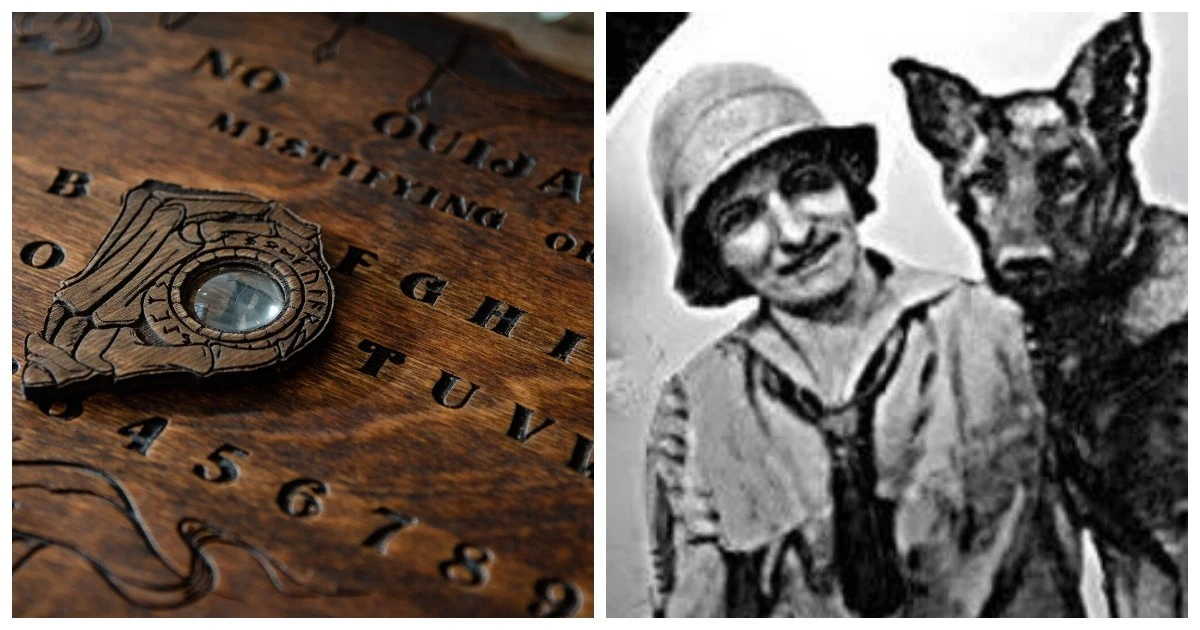
Clotilde (née Dro) Marchand died 96 years ago, on March 6, 1930. Her death was the result of a brutal murder that contemporaries called nothing less than "the scandal of the century." 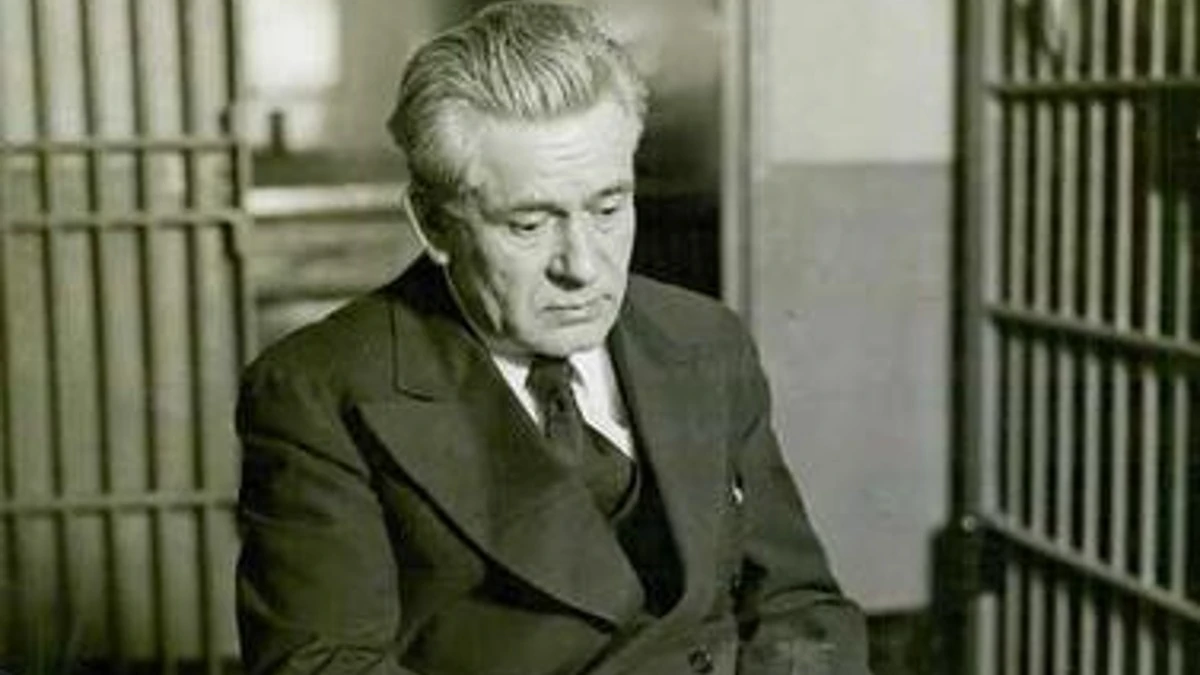
Henri Marchand
Clotilde was the wife of Henri Marchand, a French artist and renowned sculptor. Henri studied under Rodin himself and later became a recognized master of dioramas and hyperrealistic wax models.
In the early 1900s, Henri and Clotilde, who was also an artist, emigrated to the United States. Marchand found work as a diorama artist at the New York State Museum. He gained particular recognition for his work on the Iroquois dioramas, unveiled in 1918.
In 1925, the family moved to Buffalo, where Henri, along with his sons Paul and George, began creating dioramas for the Society of Natural Sciences.
A Fateful Acquaintance 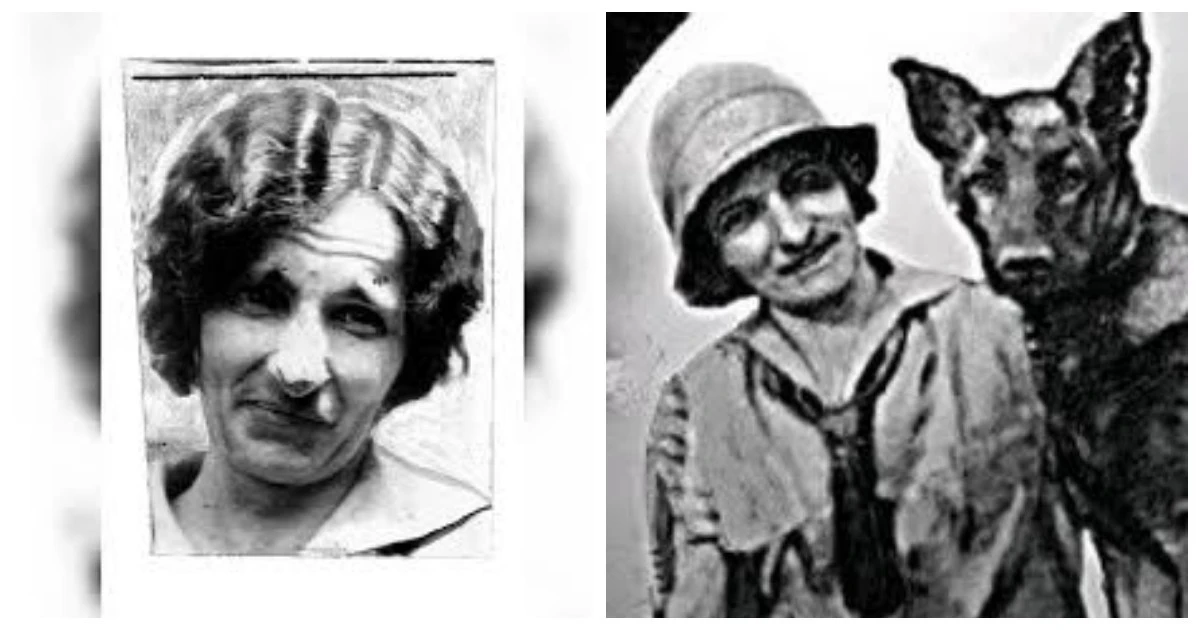
Clotilde Marchand
While working on the dioramas, Marchand worked closely with the Seneca Indians. He became close with a young woman named Lila Jimerson, who posed for his sculptures.
Death at Noon 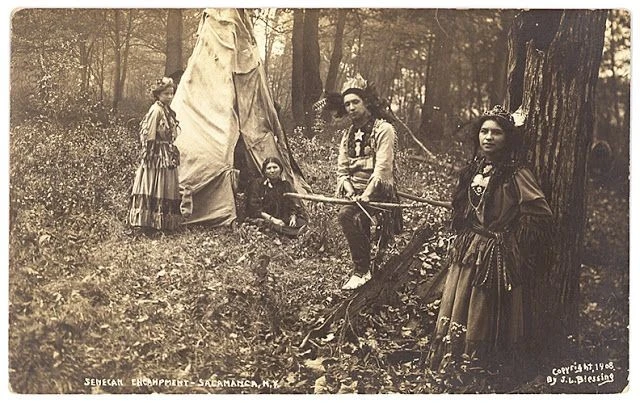
Members of the Seneca Tribe
On March 6, 1930, the Marchands' youngest son, also named Henri, came home from school. What he saw shocked him: his mother lying unconscious on the first-floor landing.
At first, the police thought Clotilde had fallen down the stairs. However, the medical examiner quickly discovered lacerations on the frail Frenchwoman's body, smelled chloroform, and revealed clear signs of a violent struggle.
Conspiracy and Witchcraft 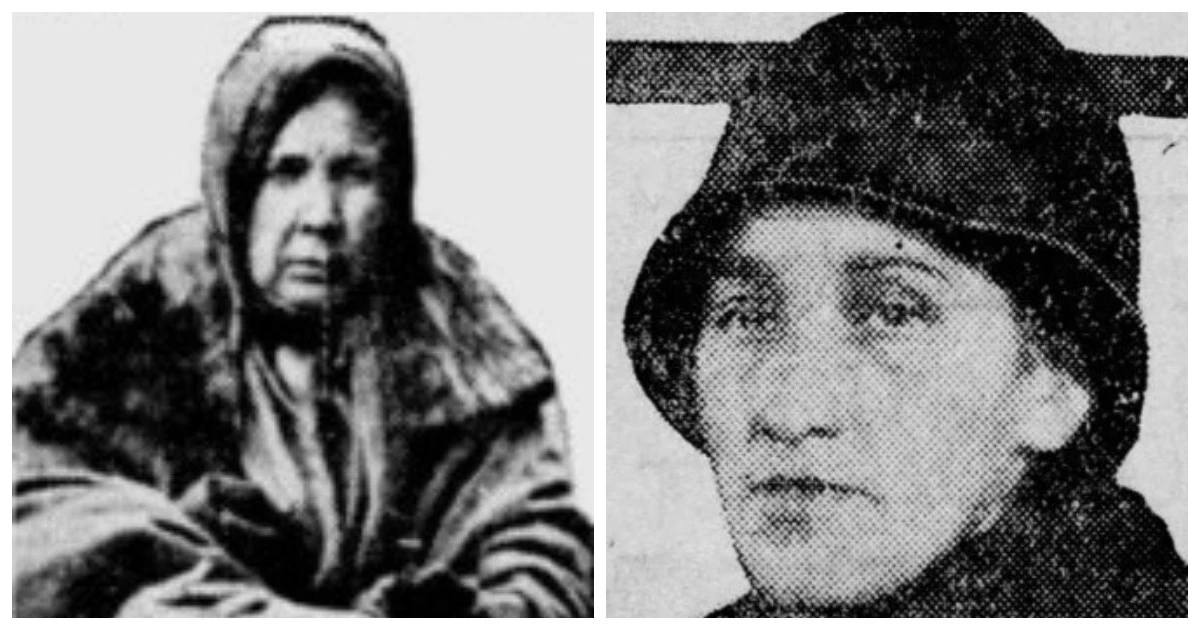
Nancy and Lila
After questioning her husband, detectives tracked down Lila Jimerson and her accomplice, sixty-eight-year-old Nancy Bowen, a Seneca medicine woman.
Lila was arrested and immediately implicated Nancy. The investigation revealed that Jimerson had convinced Bowen that Clotilde Marchant was a white witch. She claimed to have used magic to murder Nancy's recently deceased husband, Charlie Bowen, also a medicine woman, who was also a witch.
And how did the women "solve" this terrible crime? With the help of a Ouija board. Searching for answers about Charlie's death, the board slowly produced a chilling message from Sassafras himself: "They killed me." "Who?" the women asked. The board began tapping out the answer letter by letter: "C-l-o-t-i-l-e-d-a." Moreover, the spirit also revealed the witch's exact address on Riley Street in Buffalo.
Lila was struck by the coincidence. She actually knew a woman with such a strange name—Clotilda Marchand, the wife of the man for whom she posed.
After the séance, Bowen received several letters signed "Mrs. Dooley." They explained that Clotilda Marchand was a witch who, out of envy, had cast a spell on Sassafras. "Her witchcraft didn't work properly, so she decided to kill him," one letter read. The poor witch finally believed that Clotilde had murdered her husband. And that she was next.
The Execution 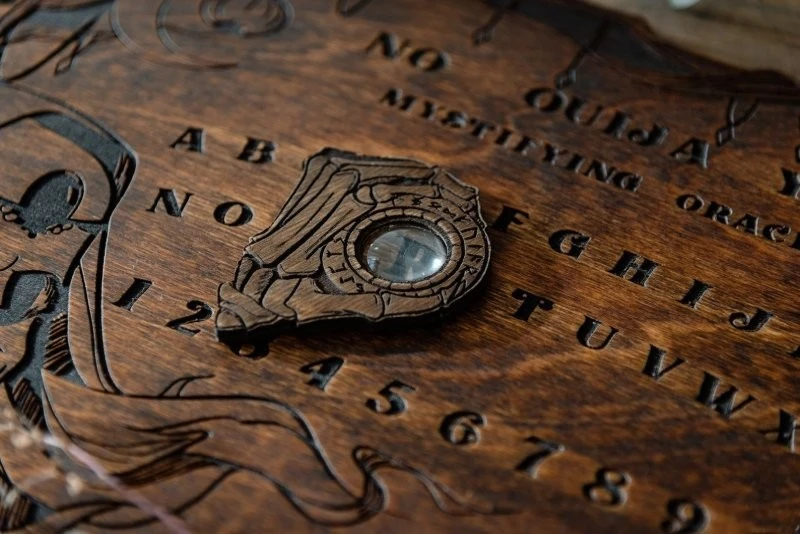
On the fateful day of the murder, Bowen came to the Marchands' house and knocked on the door. When Clotilde opened the door, Nancy, in broken English, accused the French artist of witchcraft, grabbed a hammer, and began beating her victim. To ensure the "witch" wouldn't survive, the old woman forced paper soaked in chloroform down her throat.
Trial and Acquittal 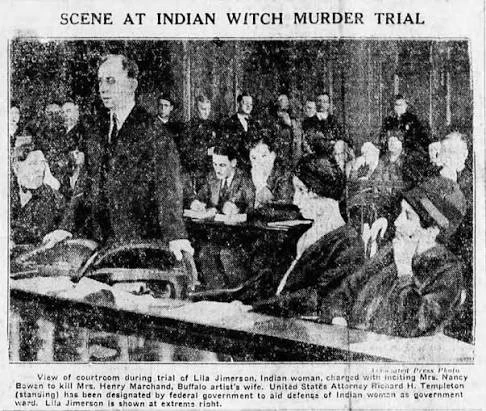
Court Hearing
Two trials took place. The star of the first was Henri Marchand himself. He publicly admitted that Lila was one of his many lovers. "Too many to count," he declared, including numerous Native American women. He claimed that seducing them was a "professional necessity" because it made them more accommodating when it came to posing nude for his dioramas. He added that his wife was agreeable to his free lifestyle.
However, in the midst of the trial, Lila suffered a respiratory attack, and the judge declared the trial invalid. Jimerson later pleaded guilty to second-degree murder from her hospital bed, but almost immediately recanted. Famed defense attorney Clarence Darrow was brought in to ensure Lila received a fair trial, but ultimately decided not to take the case.
At the second trial, a year later, Lila claimed she had been in love with Marchand but was not an accomplice to the murder. Furthermore, she incriminated Henri himself, claiming he had told her how tired he was of Clotilde. Jimerson was acquitted and released. Nancy Bowen was released after being found guilty of manslaughter and given credit for time served in custody.
So what's the bottom line? 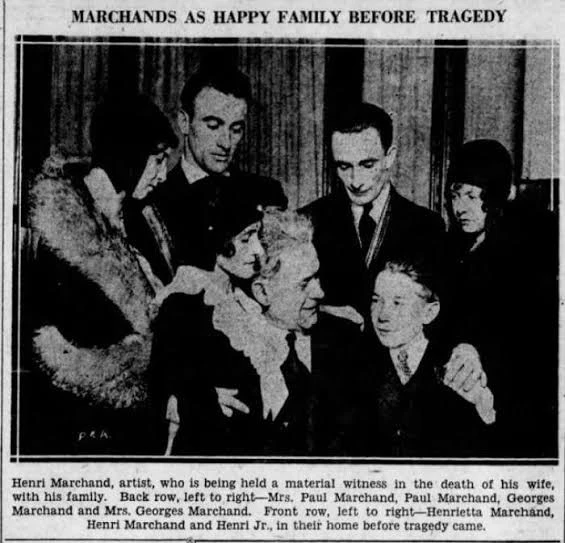
Family After the Tragedy
By the time of the second trial, Marchand had already moved to Albany and married… his late wife's eighteen-year-old niece. He was never prosecuted for complicity. Henri Marchand died in 1950.
Lila Jimerson married a local man and lived a long life in Perrysburg, New York, near her old reservation. She died in 1972.
Clotilde Marchand's paintings were exhibited only once, at a memorial exhibition in 1930. Her daughter Henrietta said at the time: "She was a true artist who was never given a chance." Clotilde Marchand, who never received justice, is buried in Forest Lawn Cemetery in an unmarked grave.
Add your comment
You might be interested in:













street performer

A great artist is growing

A street artist can surprise

Toyota Updated the Luxury Century Sedan for the First Time

Growing artist sings while driving

An Italian paints hospitals to cheer up children (26 photos)

The artist, breathing fire, set fire to the musicians who

Cool luxury from the past: 1999 Toyota Century

A show car with sliding doors Toyota Century decided to put

Persistence in achieving a goal

A biker prevented a hit-and-run driver from escaping

Not everyone is having fun on the amusement ride

The cutest lunch delivery ever

A book titled "A Guide to Rebuilding

Young women, Dancing and George Michael: nothing superfluous

An apology delivered with a running start

A steam locomotive for "big boys"

Bollywood never ceases to amaze
