These photos were taken in black and white during the 20th century; today you have the opportunity to see them in color. Enjoy the outdoors and have a great time!
A polar bear cub named Snezhok, 1963. 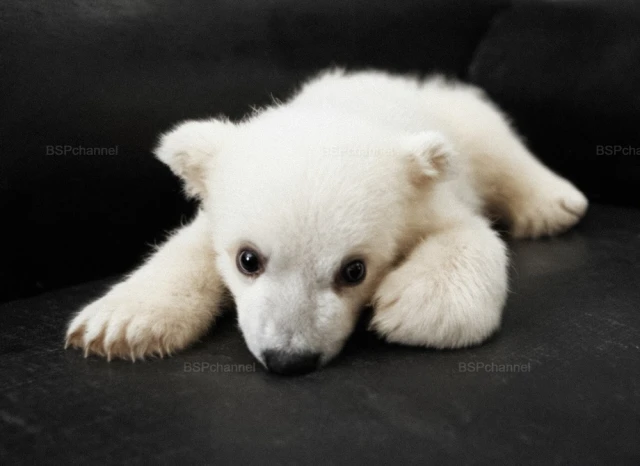
A polar explorer with a polar bear cub, 1967. 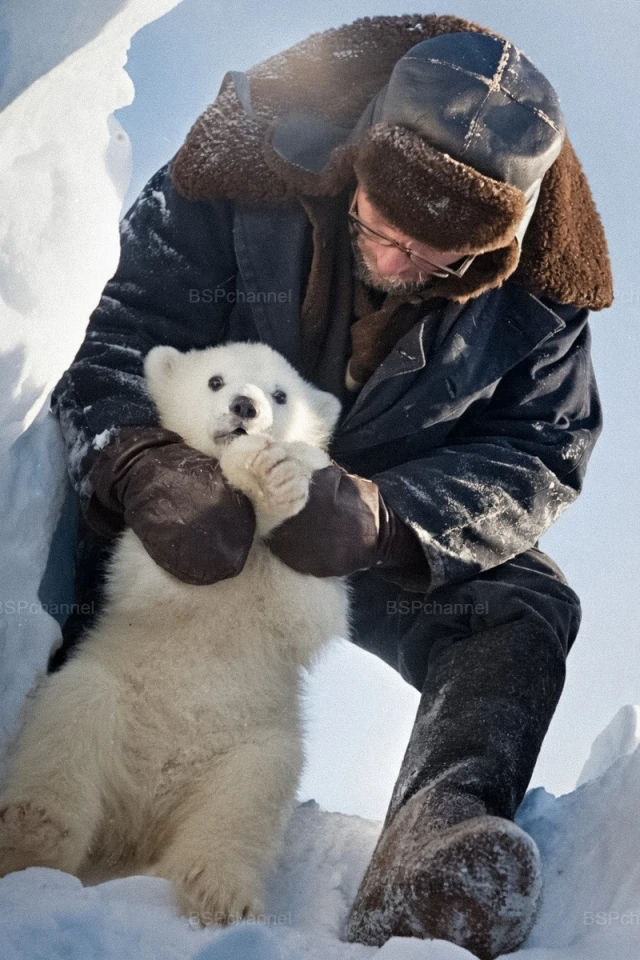
Horses. France, Burgundy, 1974. 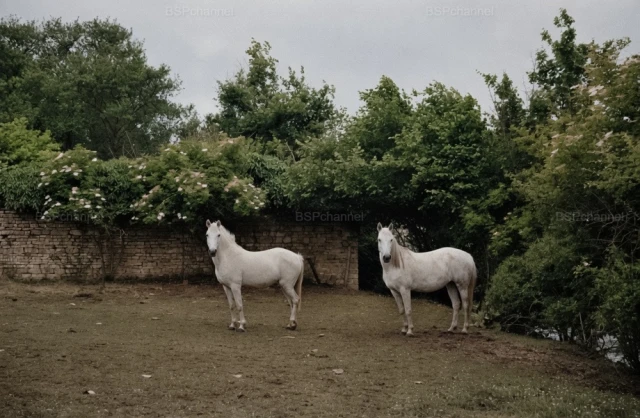
A researcher shows off the guinea pigs that successfully completed their space journey on the fourth Sputnik spacecraft on March 9, 1961. 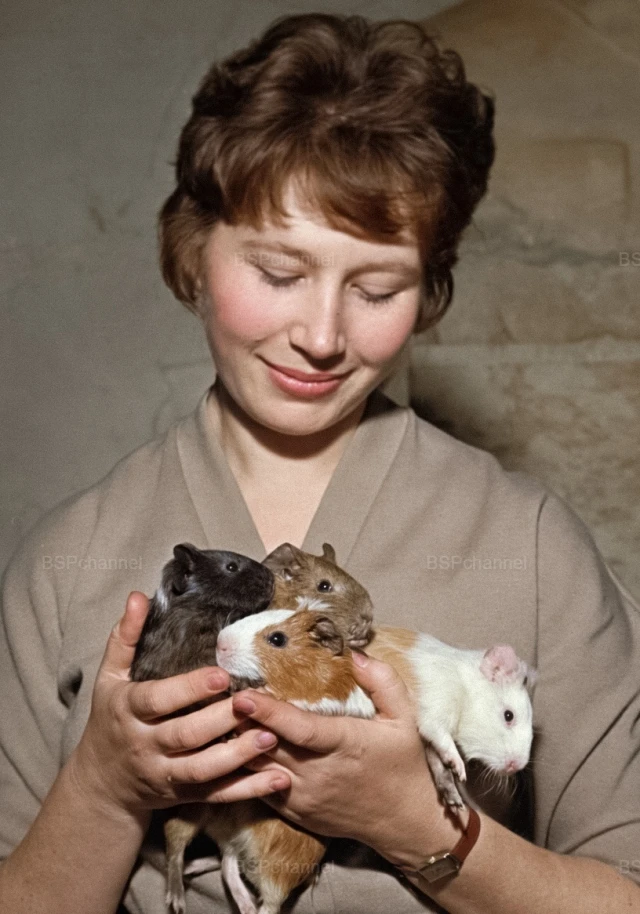
A beloved pet. London, 1952. 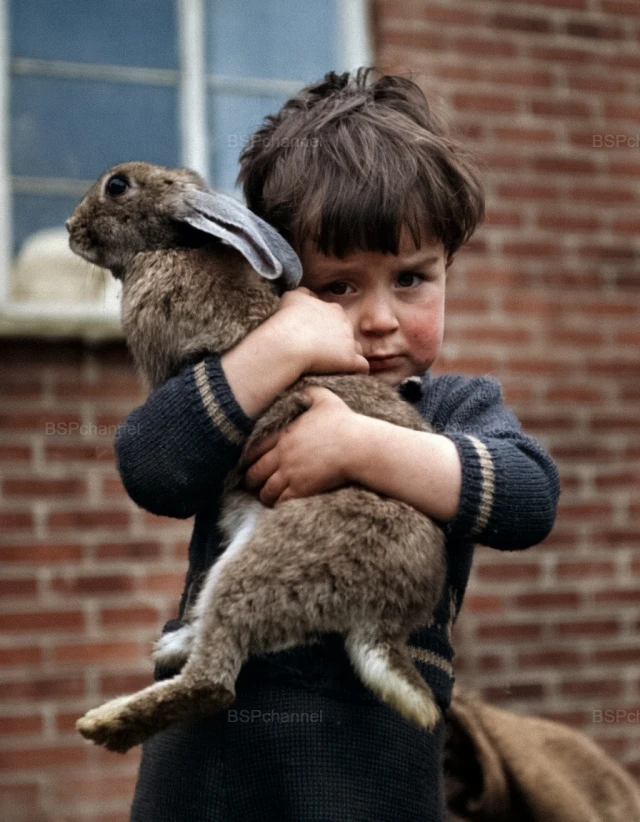
Raccoon dog. Byelorussian SSR, 1967. 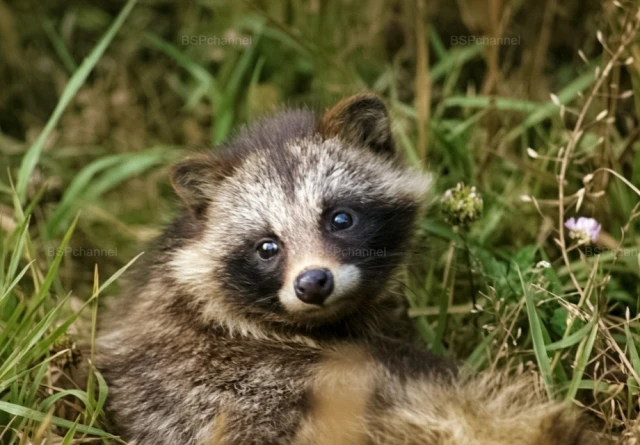
The raccoon dog, despite its name, is only distantly related to raccoons. Essentially, it is a northern forest fox with an unusual appearance: a squat body on short legs, thick, fluffy brown-gray fur, and a dark mask on its face, which creates a deceptive resemblance to the American raccoon.
A member of Sir Robert Fossett's family circus tends to a boxing kangaroo, 1940. 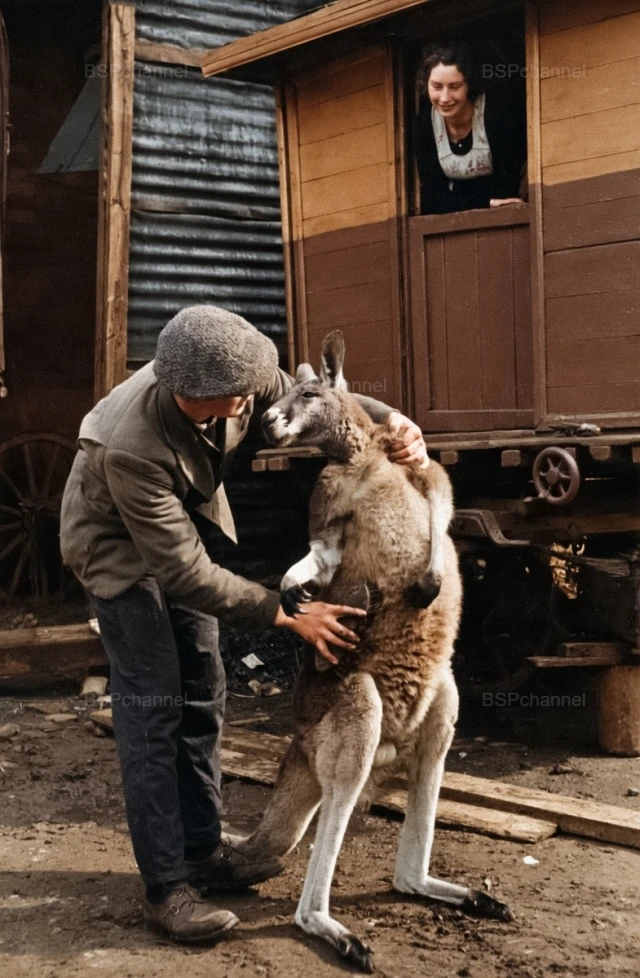
Kangaroos aren't just hopping marsupials with powerful legs. Equally impressive are their forelimbs (short but with strong claws), as well as their fighting technique, which humans have dubbed "boxing." If a kangaroo feels threatened (including by a person or dog), it can stand up and "box," warning, "Keep away." Kangaroos' true destructive power lies not in their forelimbs, but in the kick of their hind legs, supported by their tail. Their forelimbs act more like grabs. But from the outside, this process looks very much like a boxing match—hence the name.
A roe deer in the Maidan forestry of the Skole Beskids. Ukrainian SSR, 1981. 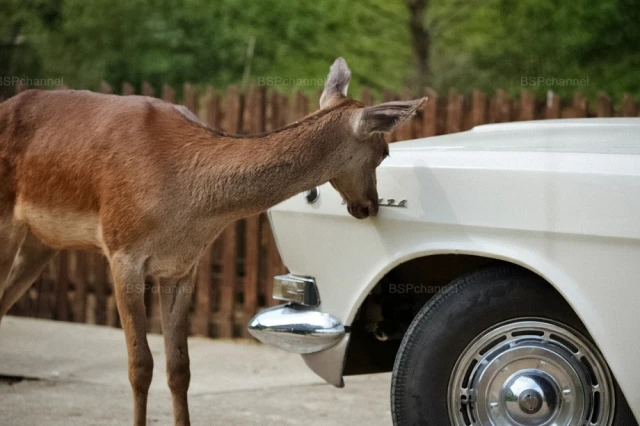
An employee of the moose farm in the village of Sumarokovo with a domestic moose. Kostroma Region, 1979. 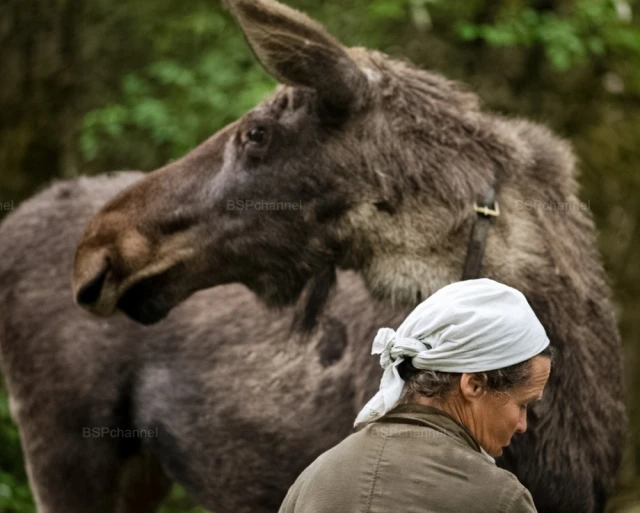
A young Evenki woman with a deer and a dog, 1962. 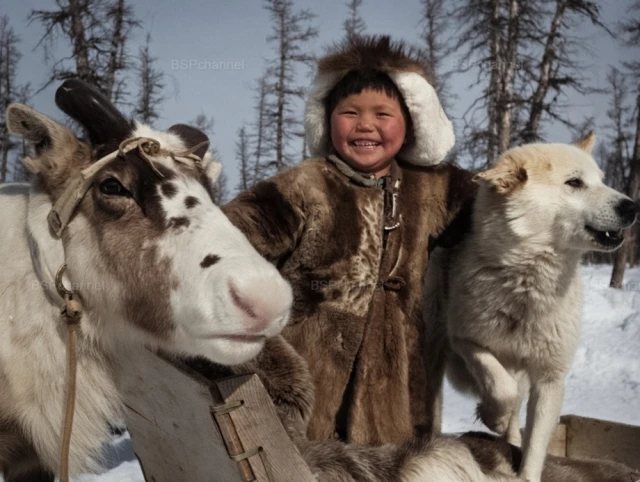
Children in kindergarten play with a guinea pig, 1977. 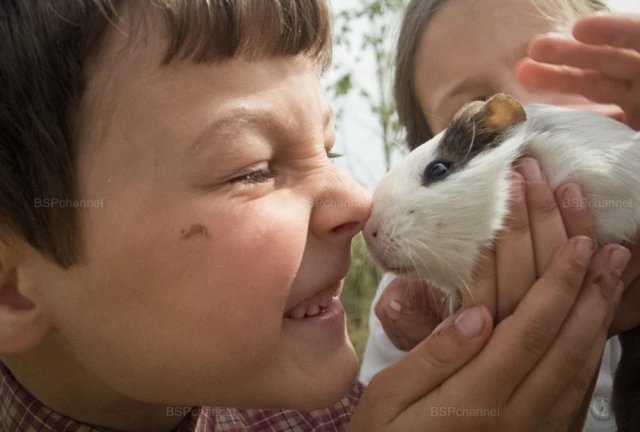
A pair of penguins nest near one of the houses where the members of the 25th Soviet Antarctic Expedition live, 1980. 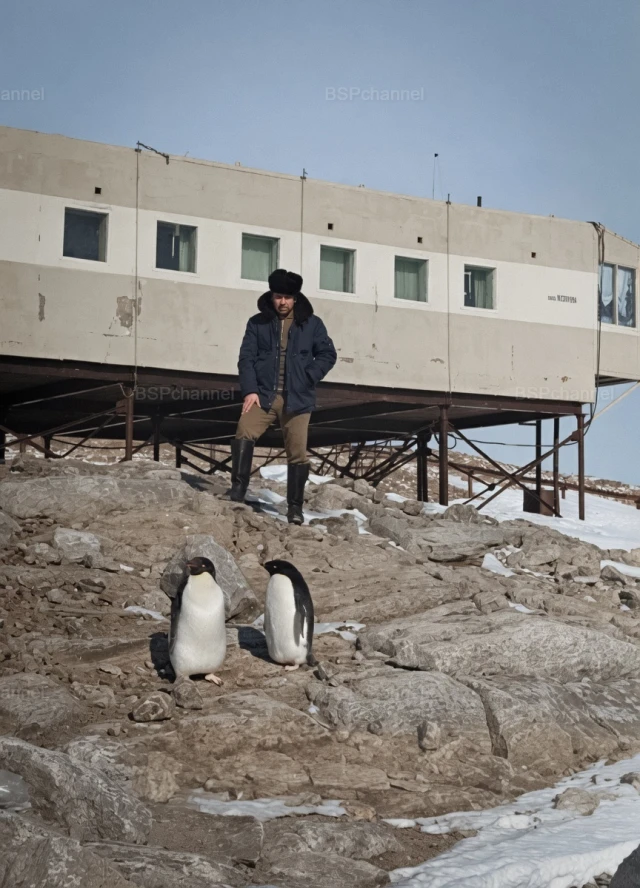
Penguin pairs are an example of true avian fidelity. Once they start a family, penguins stay together for a long time, often for life. Their "wedding" resembles a touching spectacle: the partners bow, stretch their beaks skyward, and seem to converse with special cries, recognizing each other among thousands of voices. When an egg hatches, caring for it becomes a shared task. Among emperor penguins, for example, the female literally hands the egg over to the male "from paw to paw" during the harsh Antarctic winter, while she herself goes off to feed. Penguins never abandon each other in times of need—they are perhaps some of the most loyal birds in the animal kingdom.
Petrovsky Fur Farm. Fur farm worker N. Yaroshenko with an Arctic fox. Ukrainian SSR, 1975. 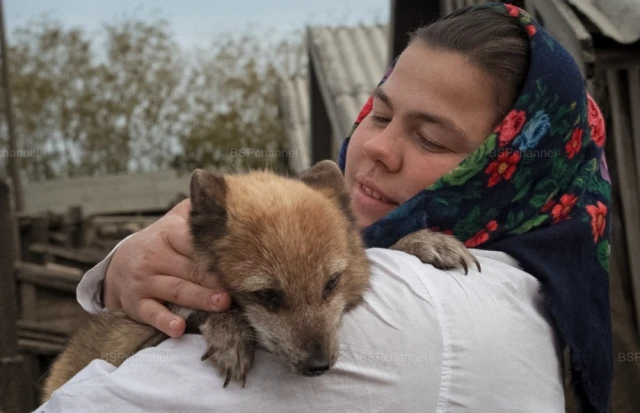
Anna Vladimirovna Durova, daughter of the famous animal trainer V. Durov and director of the "Durov's Corner," trains a porcupine, 1961. 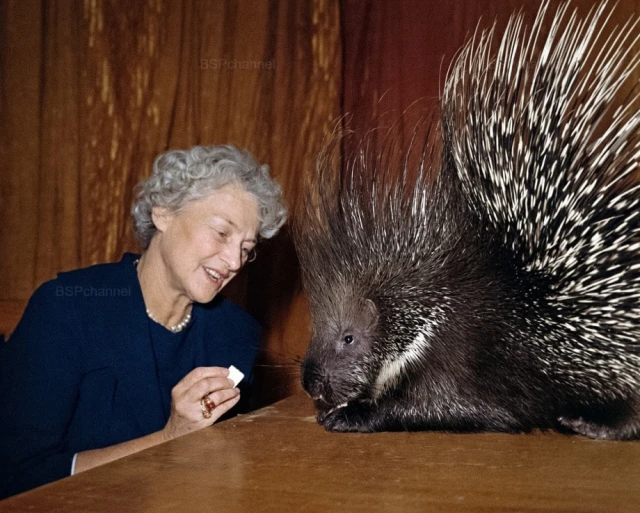
The porcupine is one of the most recognizable rodents on the planet (second in size only to the capybara and beaver). Its main weapon and defense are the long, sharp quills covering its back and sides. They are hollow, relatively light, and yet very sharp. In some species, the quills reach 30–40 cm in length.
An animal caretaker takes moose calves for a walk. Pechora-Ilych Nature Reserve, 1993. 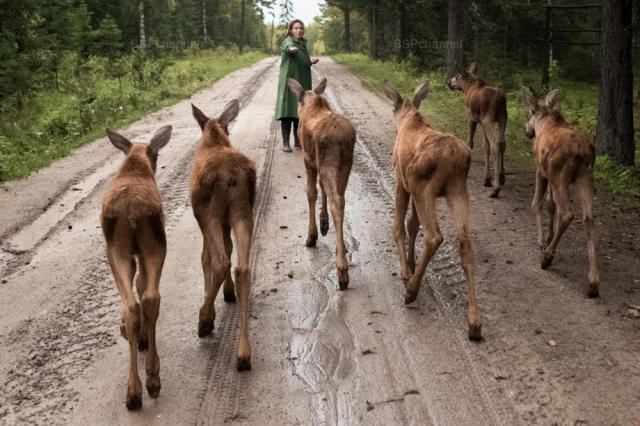
Northern Sea Route. Polar bear with cub, 1982. 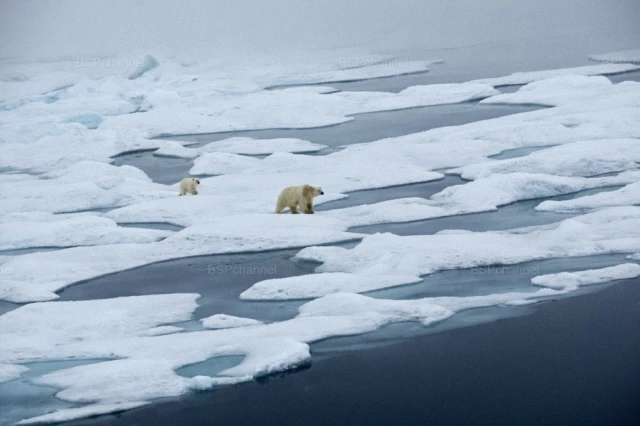
Syktyvkar Secondary Comprehensive Boarding School No. 1 for Orphans and Children Left Without Parental Care. Boarding school students care for animals on the school farm, 1989. 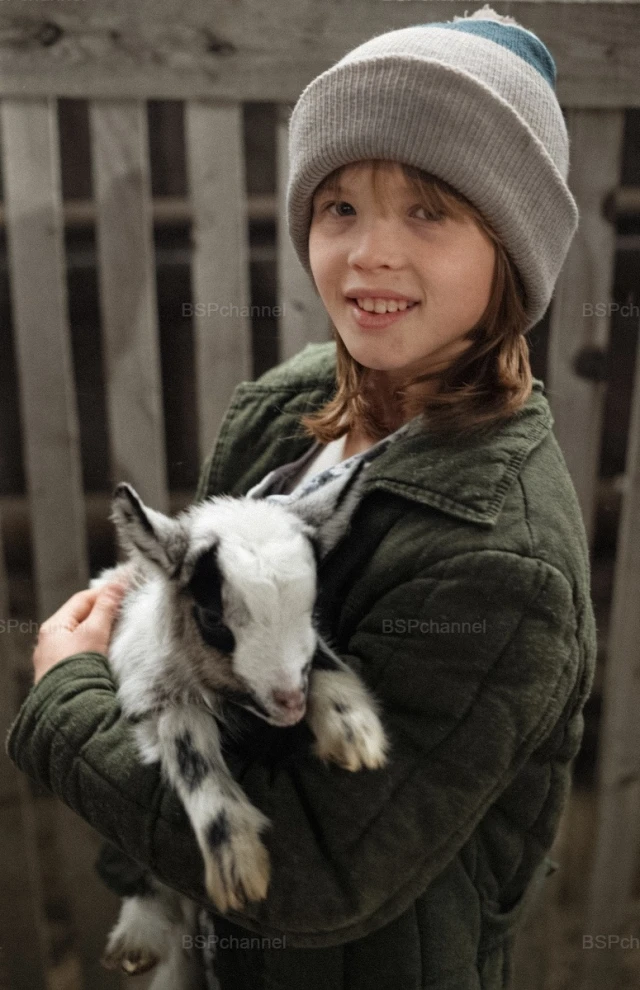
Dirk Schwartz feeds Pogie the porcupine an ear of corn. USA, 1952. 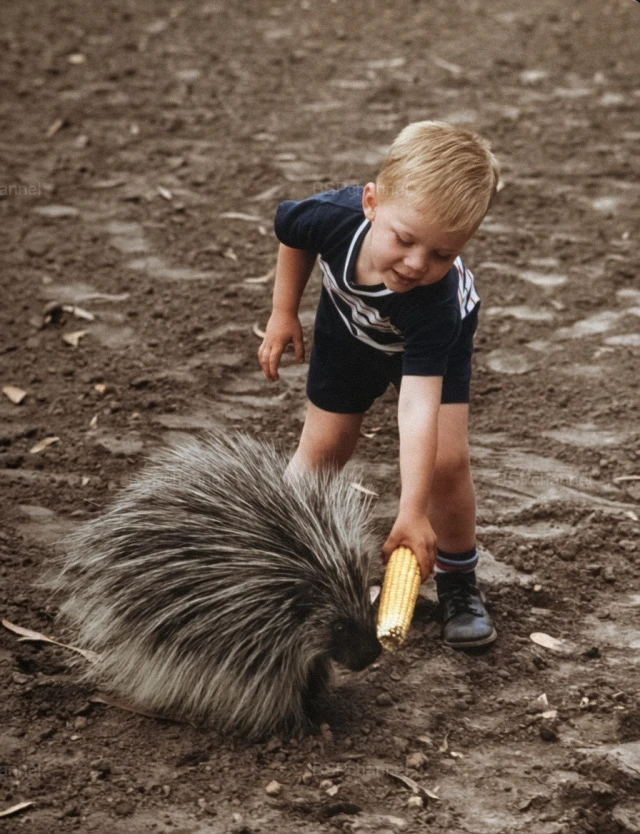
Soviet circus performer and lion trainer Irina Nikolaevna Bugrimova, 1964. 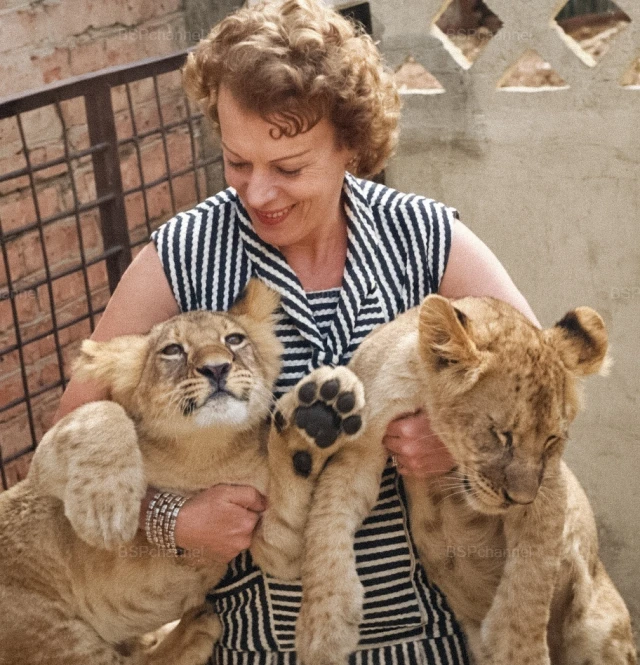
Contrary to the saying "live like cat and dog," cats and dogs often get along well in the same home, and even become friends, especially if they feel their owner loves them equally, 1979. 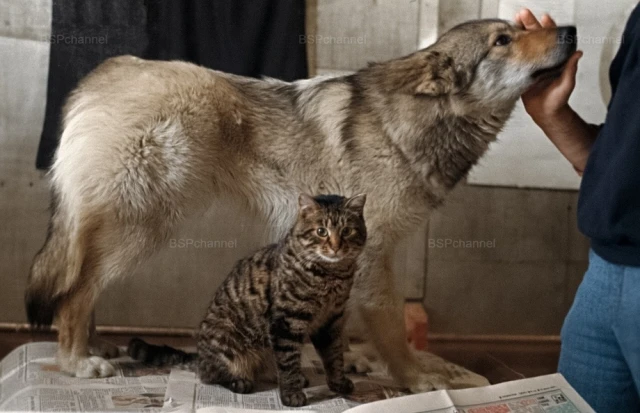
Add your comment
You might be interested in:









Persistence in achieving a goal

A biker prevented a hit-and-run driver from escaping

Not everyone is having fun on the amusement ride

A book titled "A Guide to Rebuilding

Young women, Dancing and George Michael: nothing superfluous

An apology delivered with a running start

A steam locomotive for "big boys"

The cutest lunch delivery ever

A race for a parking spot
