27 Proofs That Cats Have Ruled the World Since Ancient Times (28 Photos)
Humans were obsessed with cats long before the internet, as proven by hundreds of artifacts scattered across museums worldwide. The ancient Egyptians mummified them and dedicated goddesses in their honor, the Greeks struck their images on coins, Peruvians molded cat-shaped pottery, and Japanese artisans carved them from ivory. Felines have played a starring role across every era and continent—never just background pets, but figures of true significance. Here are 27 artifacts from various civilizations that prove cats have always run the show. 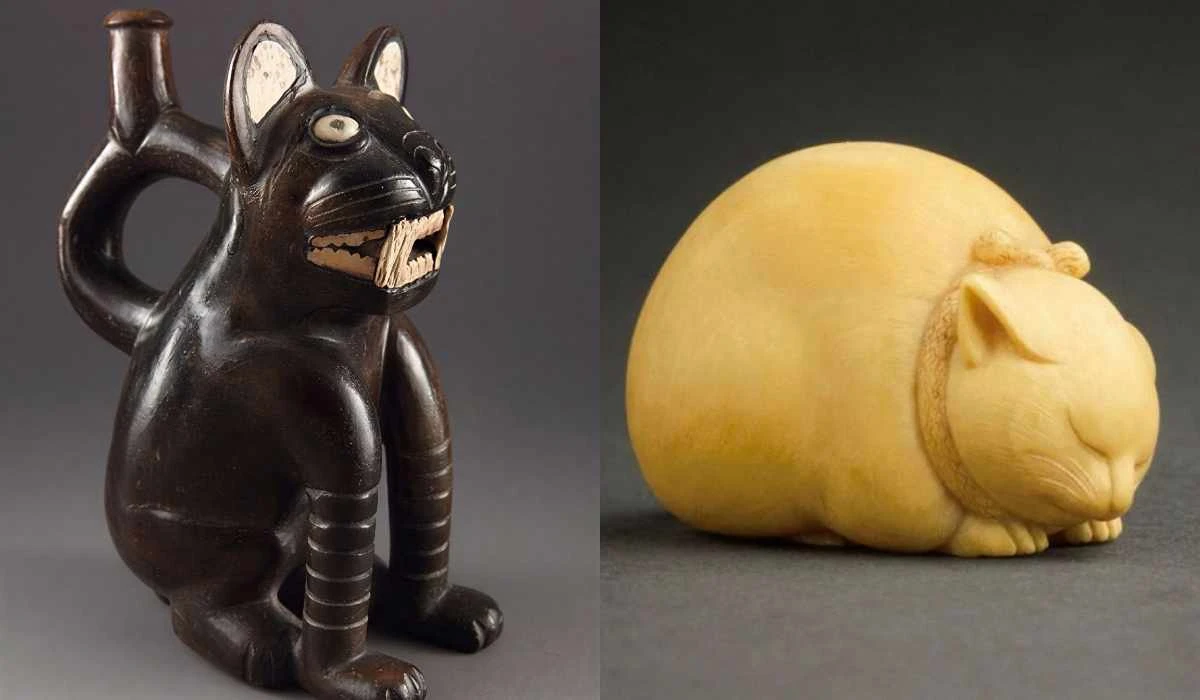
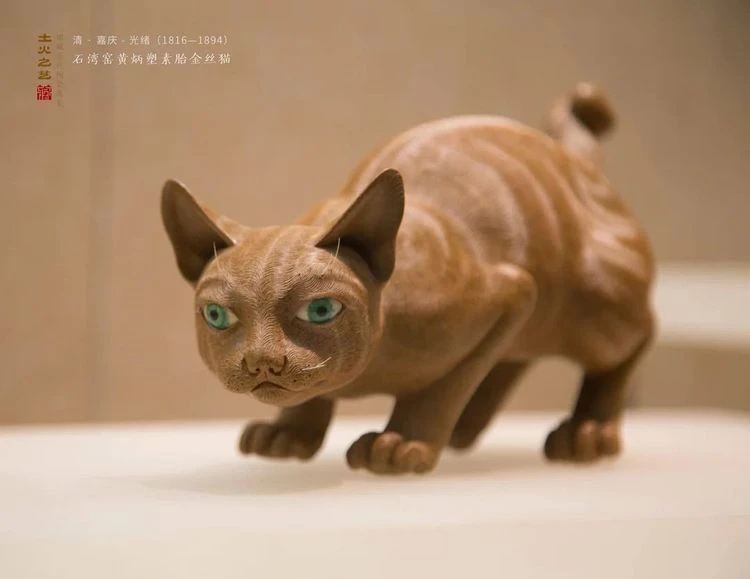
Ceramic "Golden Cat" by master craftsman Huang Bing. Shiwan kilns, Qing Dynasty, 1816–1894. 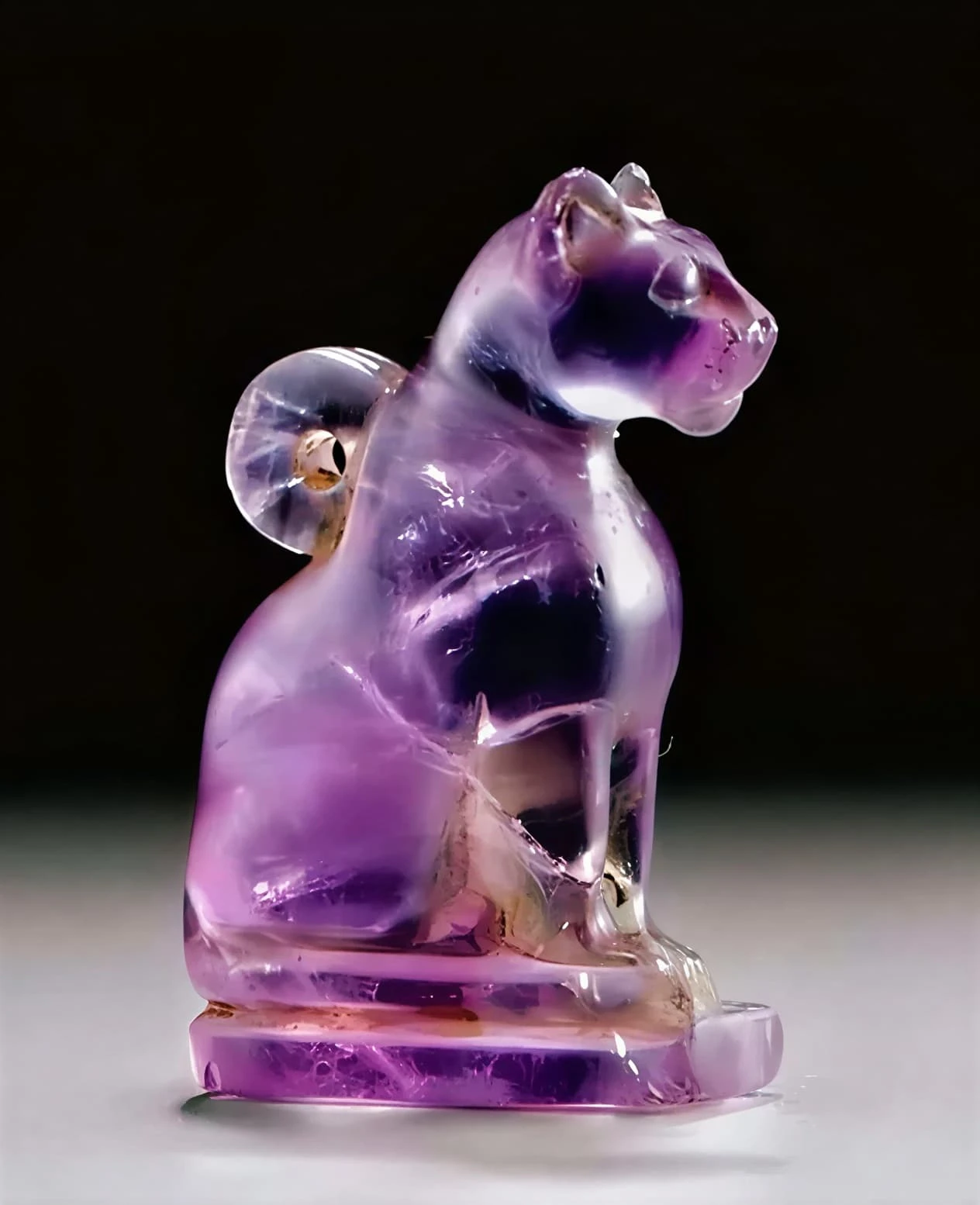
Ancient Egyptian amethyst cat amulet. Worn around the neck as a protective talisman, 7th century BC. 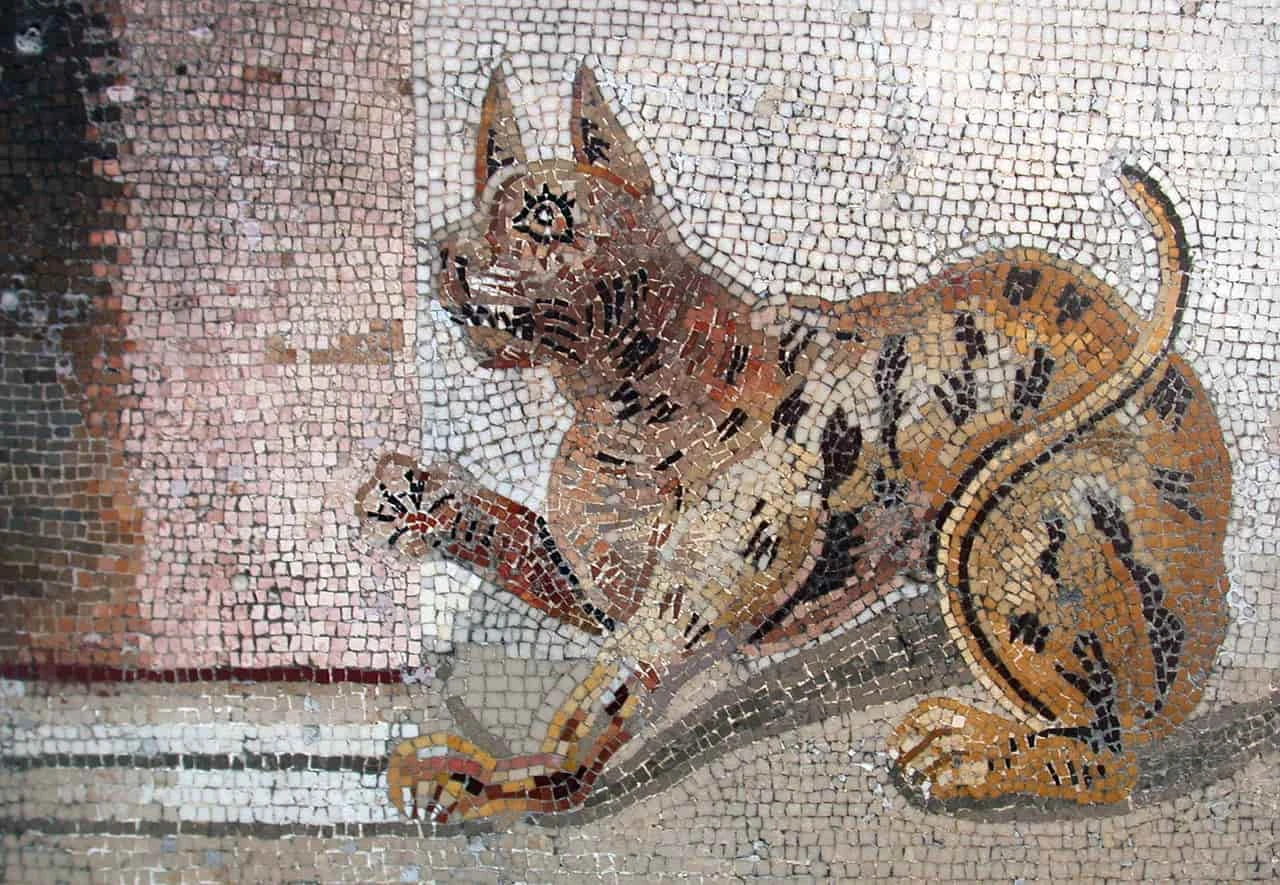
Mosaic featuring a feline from Pompeii. Likely depicting a wild cat or panther, 1st century AD. 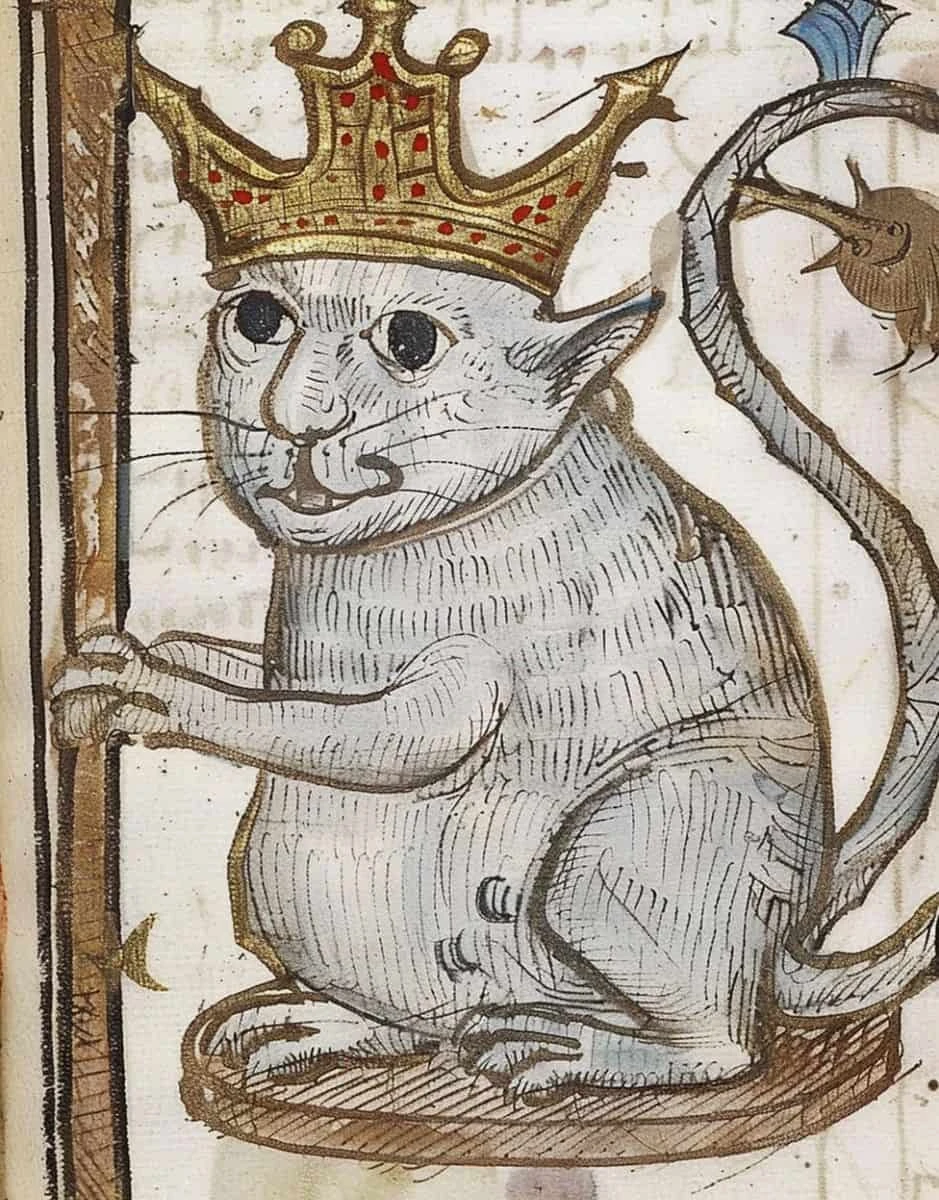
Miniature from a German manuscript depicting a cat. Circa 1450. 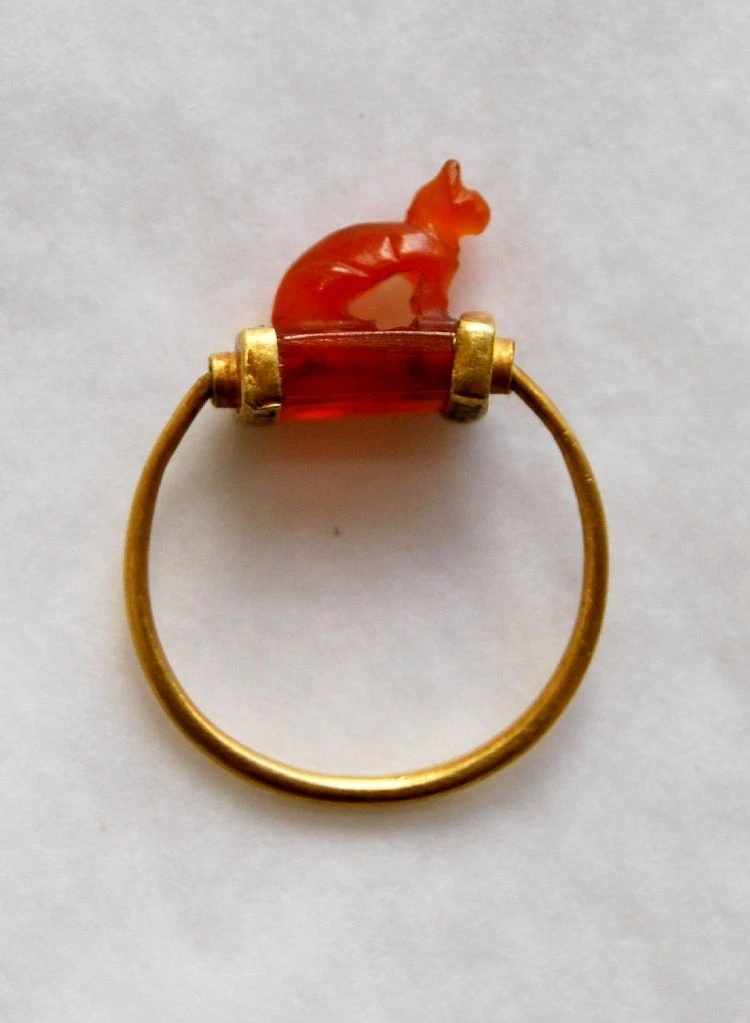
Gold ring with a cat-shaped carnelian setting. Egypt, Third Intermediate Period, 1070–712 BC. 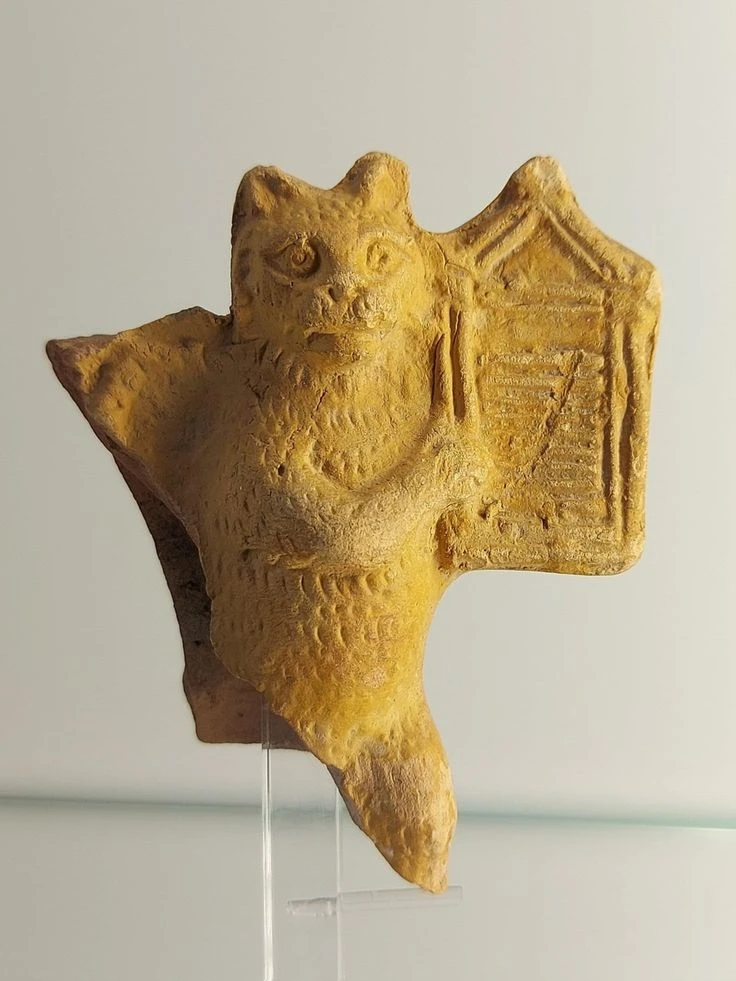
Terracotta figurine of a cat playing a harp. Roman Egypt, 1st century AD. 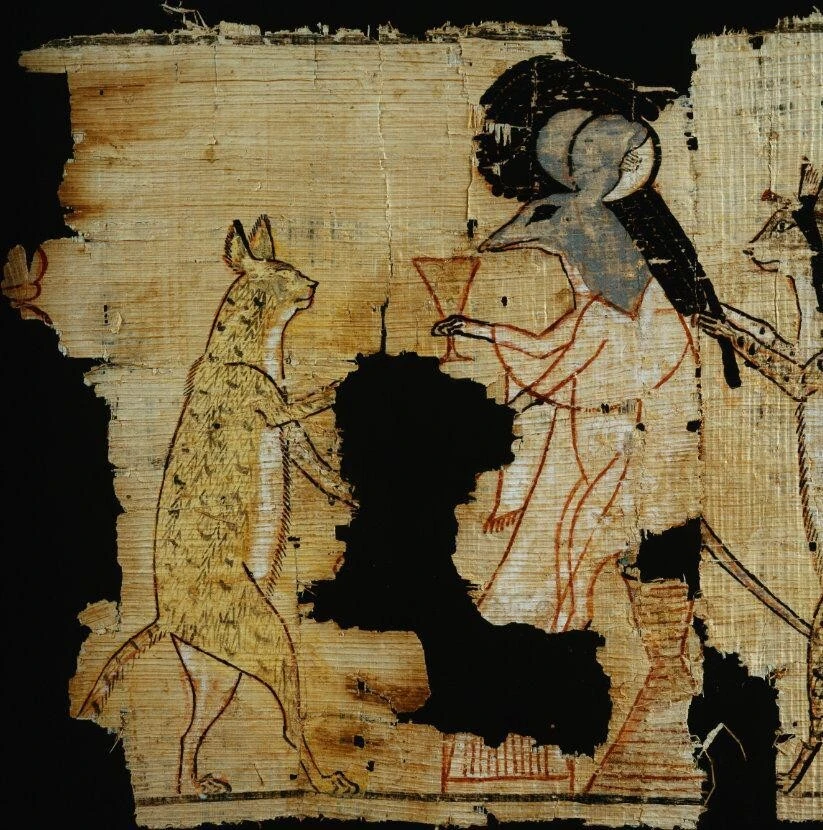
Satirical papyrus: a cat drinking wine alongside a mouse. Tuna el-Gebel, circa 1129–1111 BC. 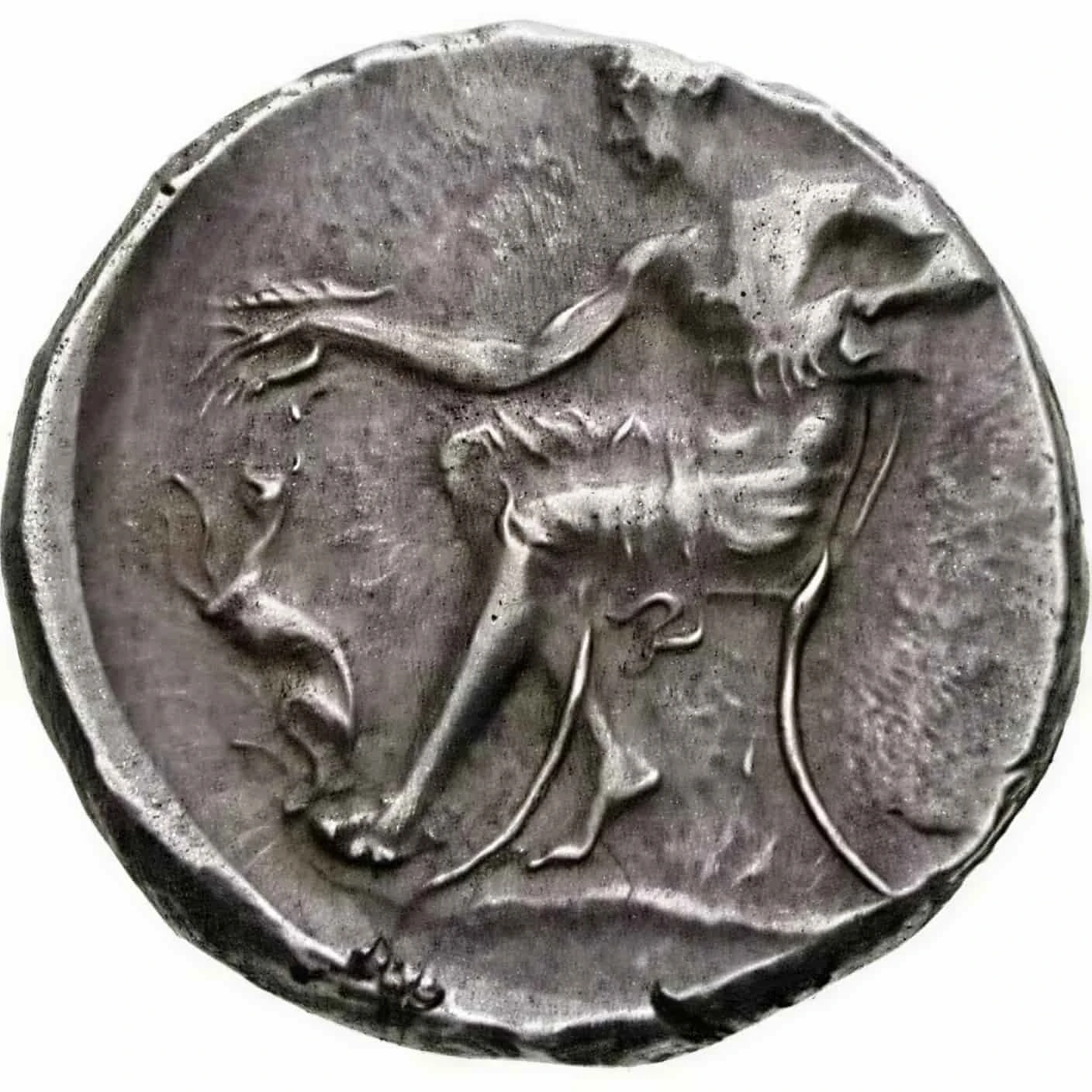
Silver coin from Tarentum (Magna Graecia) depicting a human playing with a cat. Circa 5th century BC. 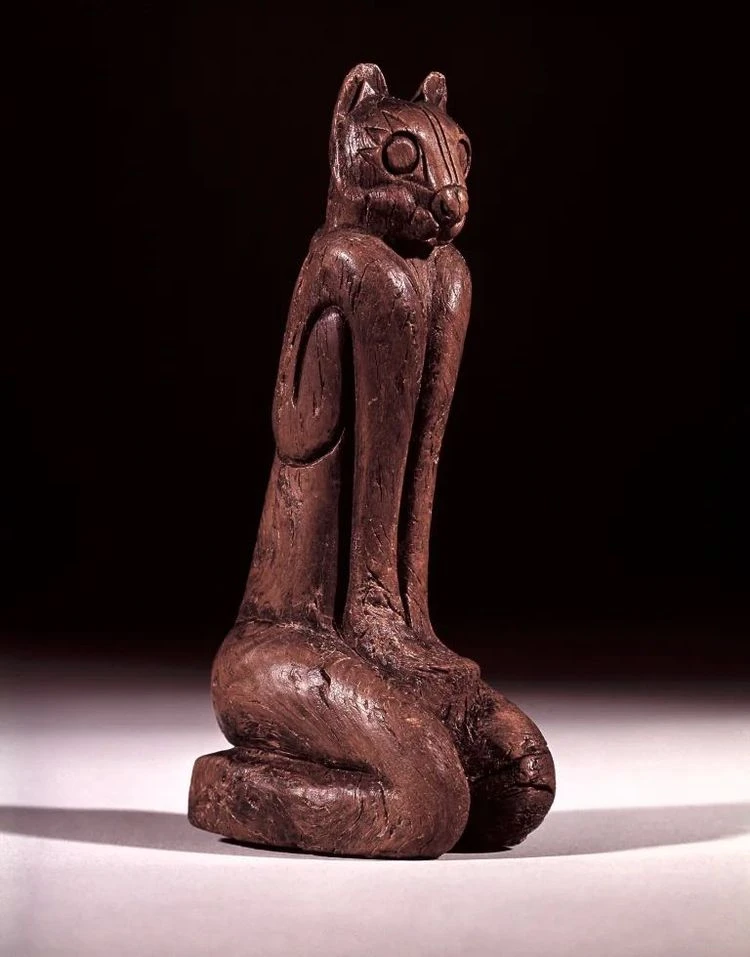
The "Key Marco Cat"—a pre-Columbian Native American artifact discovered on Marco Island, Florida, in 1896. 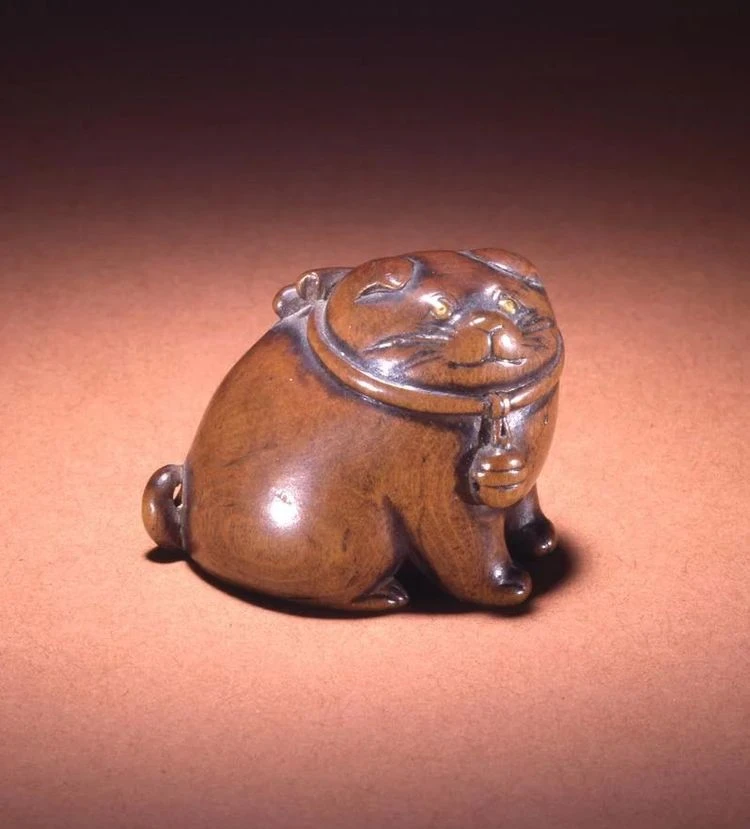
Cat-shaped netsuke. Japan, late 18th century. 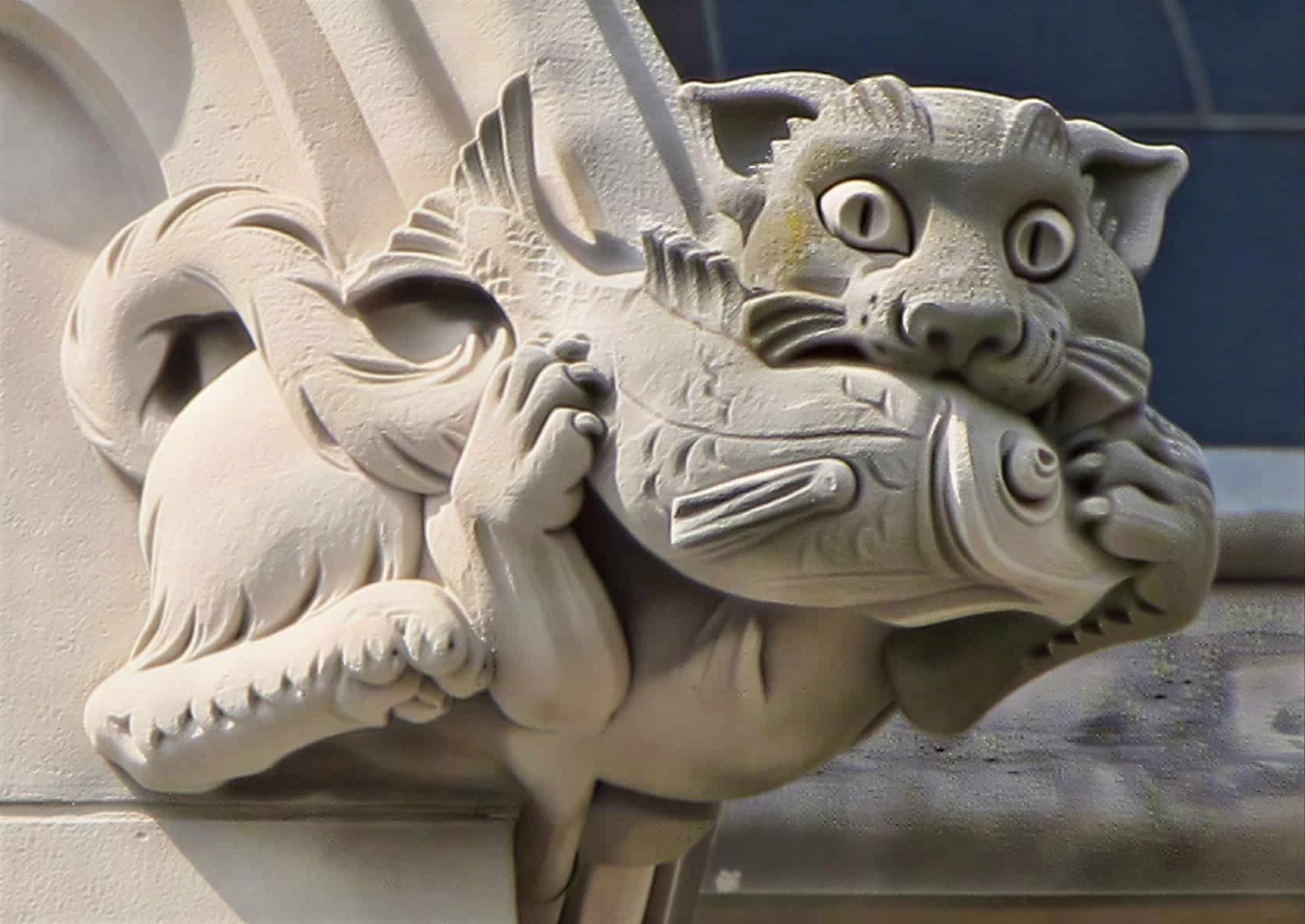
Medieval gargoyle depicting a cat with a fish. Exact date unknown. 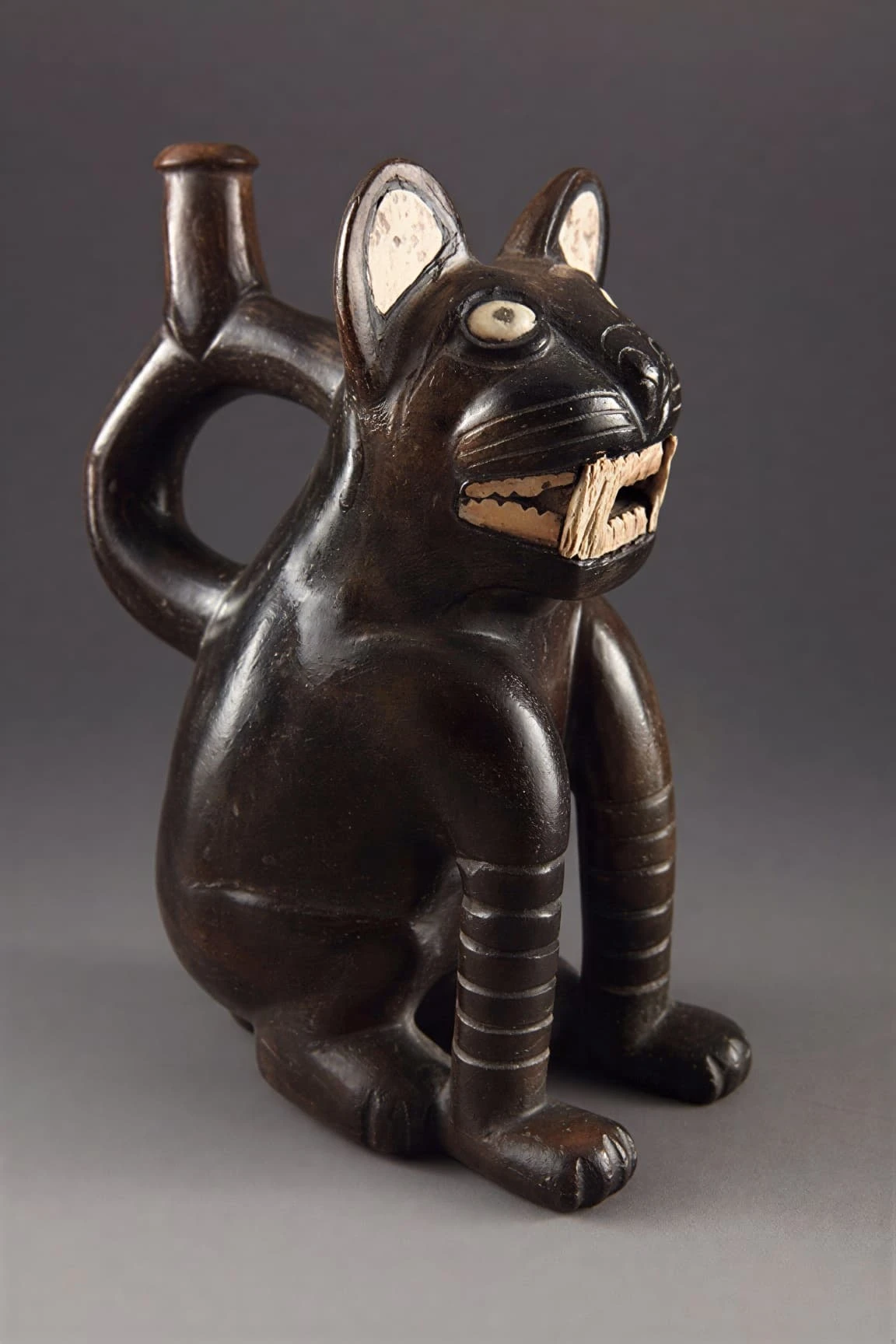
Cat-shaped gourd vessel from the Moche culture (modern-day Peru). Created between 1 and 800 AD. 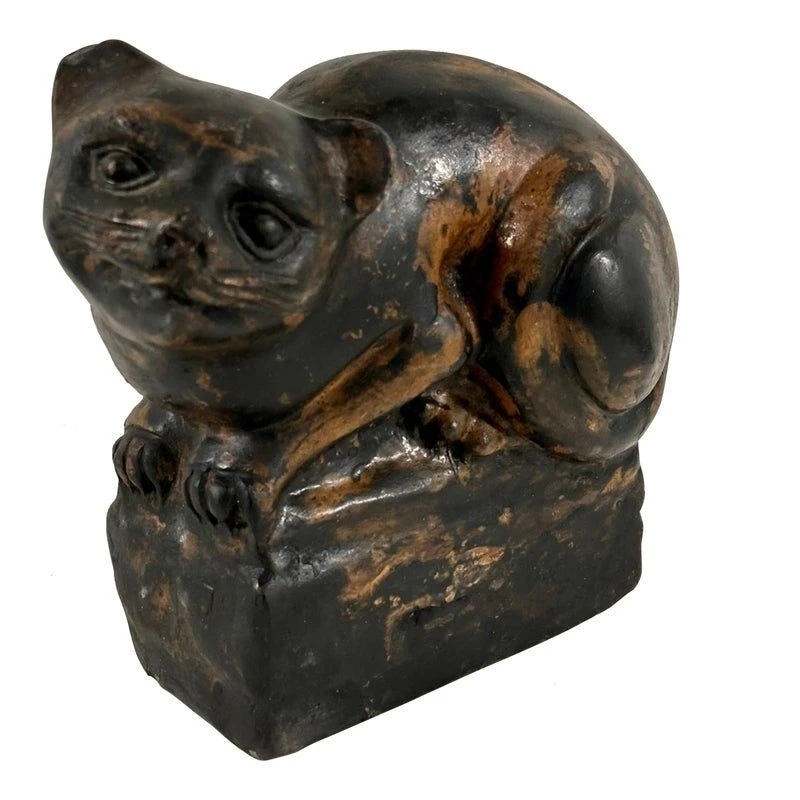
Clay cat figurine. China, 1880. 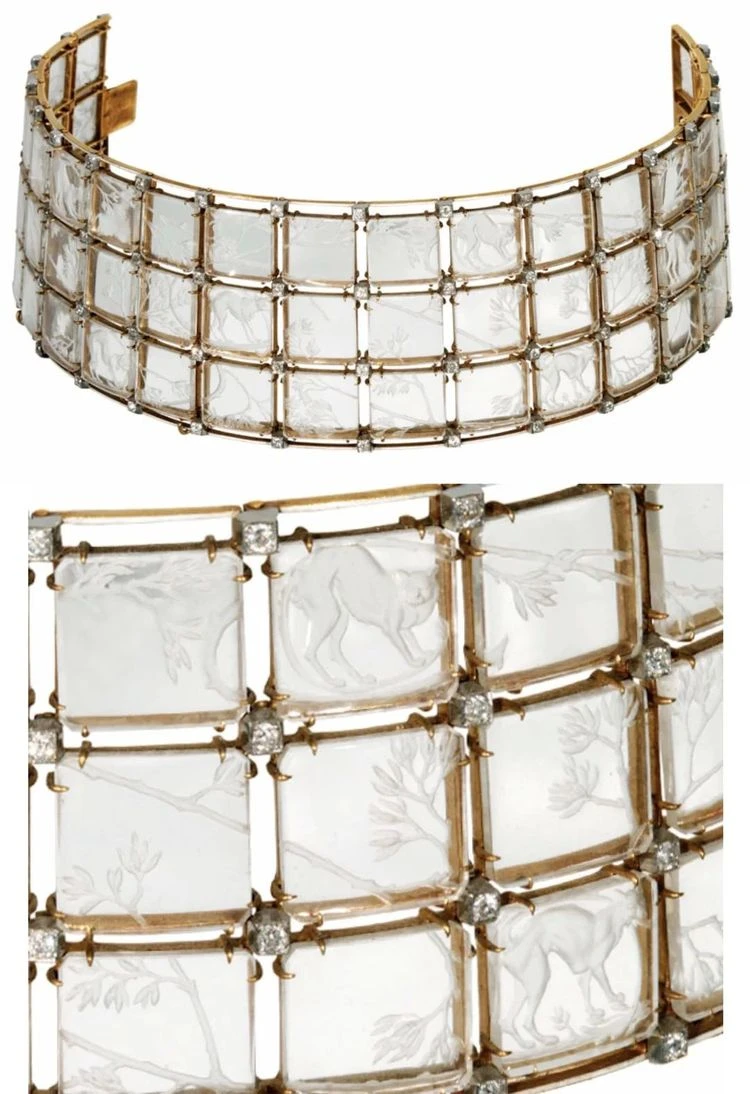
René Lalique's "Cats" necklace. France, 1906–1908. Glass, enamel, and gold. 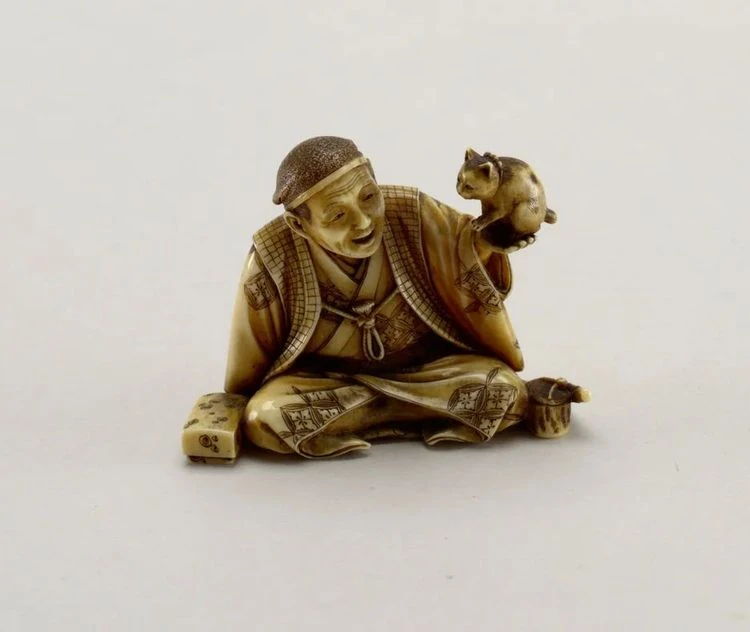
Carved ivory figurine of a man holding a cat. China, 19th century. 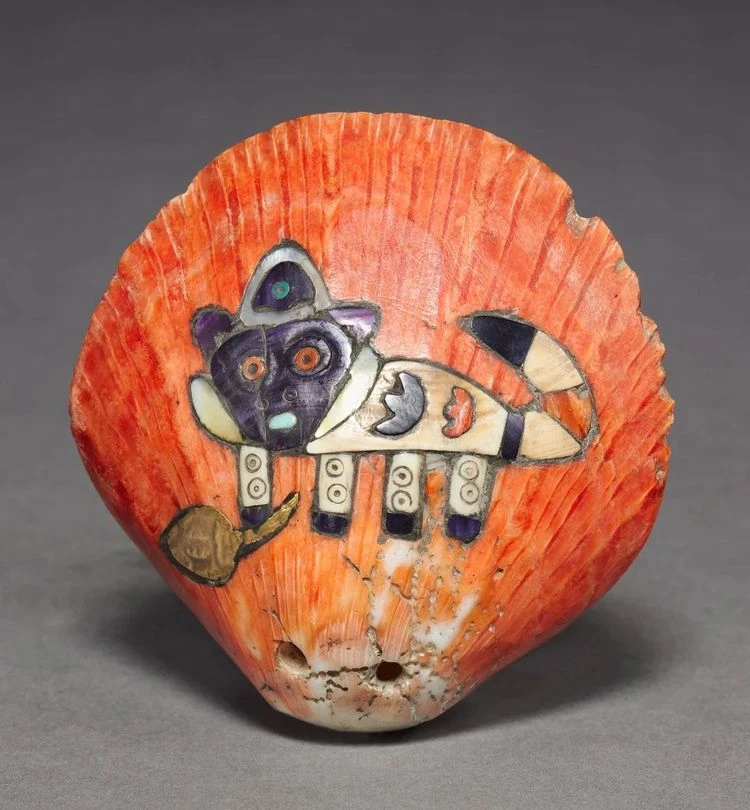
Inlaid shell depicting a cat holding fruit. Nazca culture, Peru, 100 BC–700 AD. 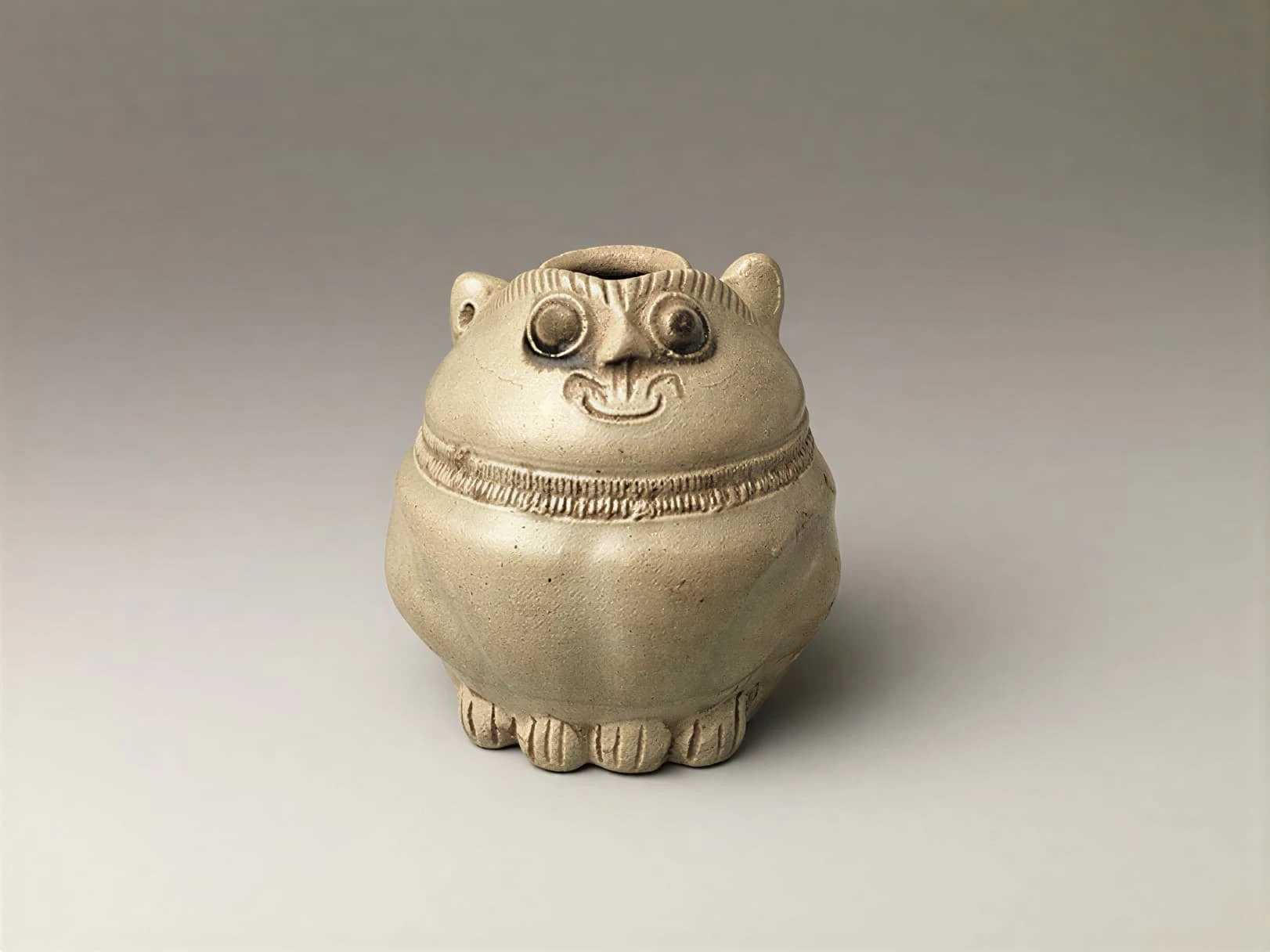
Cat-shaped lime vessel. Khmer Empire (Buriram Province, Thailand), 802–1431. Housed at the Metropolitan Museum of Art. 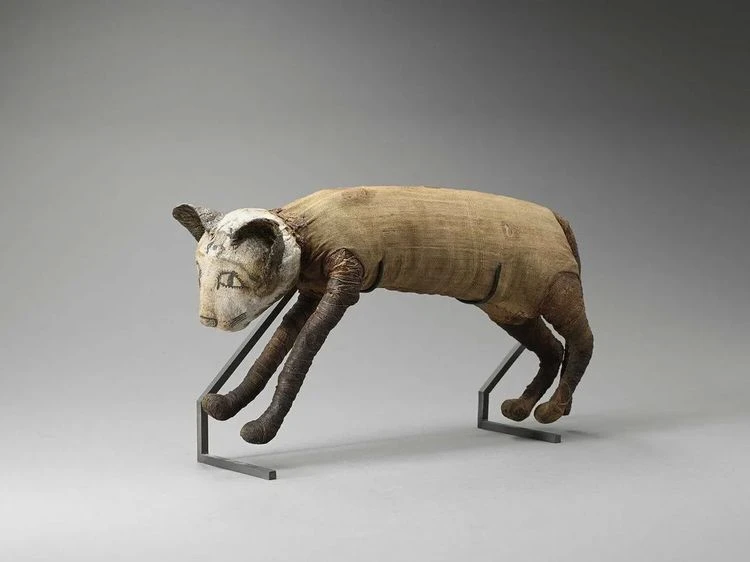
Mummified cat, Egypt. Late Period, 664–332 BC. Cats were mummified as offerings to the goddess Bastet. 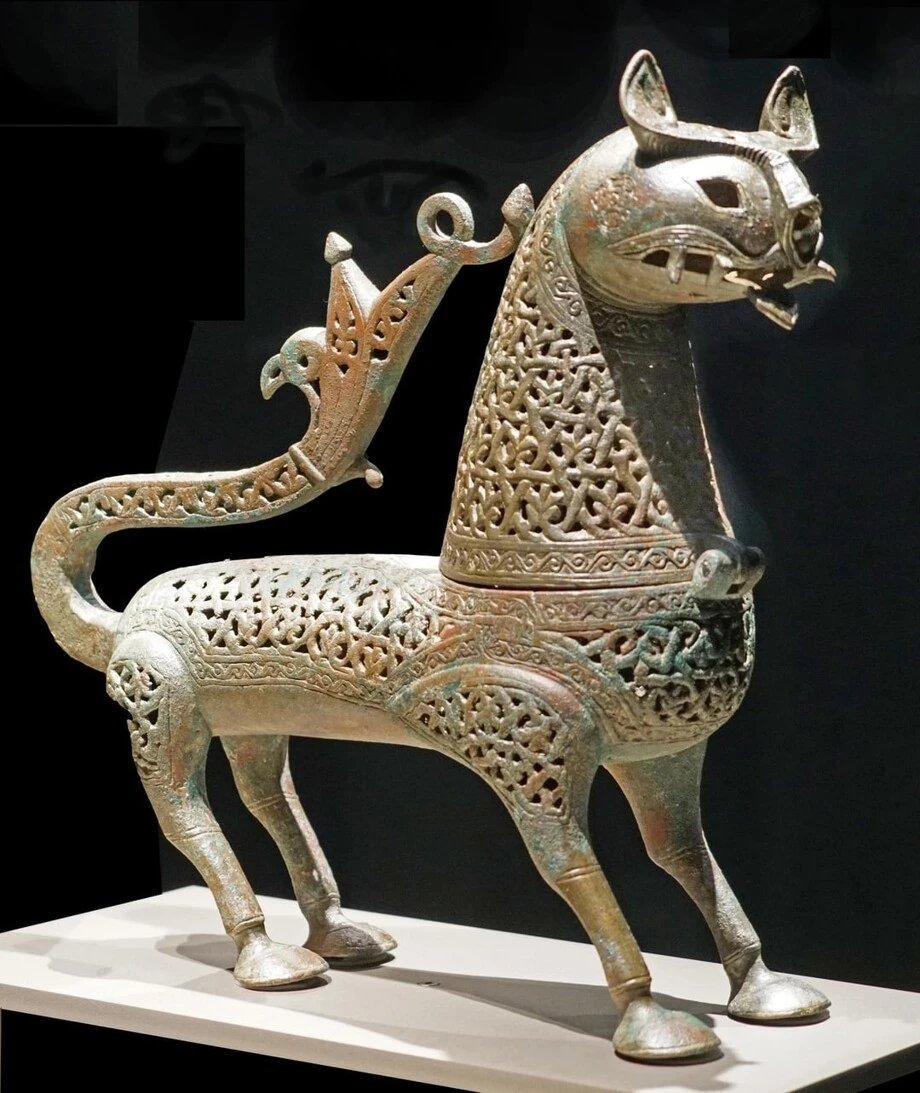
Bronze cat-shaped incense burner. Iran or Afghanistan, Ghurid Dynasty, 1050–1150. 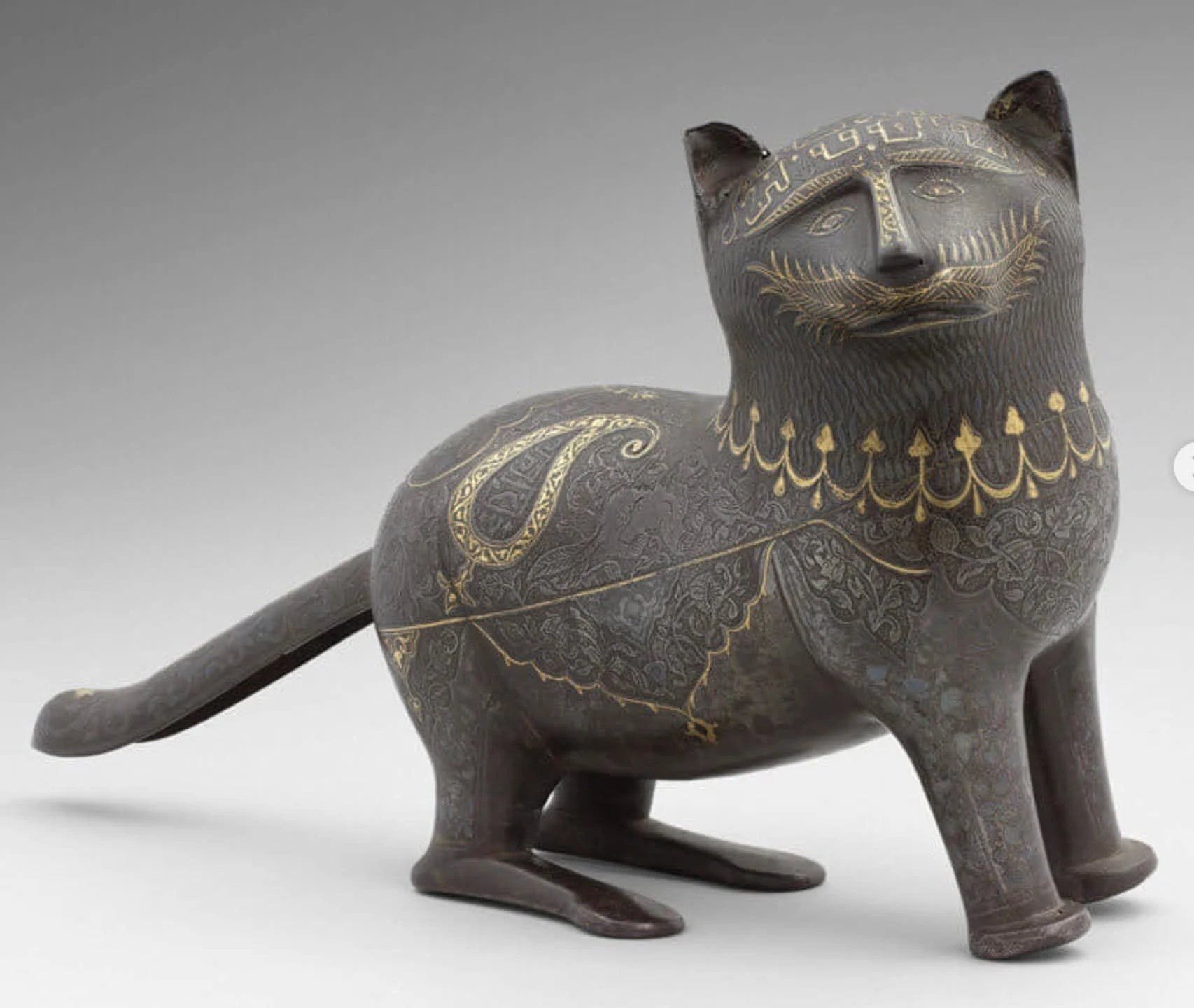
Forged steel inlaid with gold and silver. Persia (Iran), Qajar period, late 19th century. 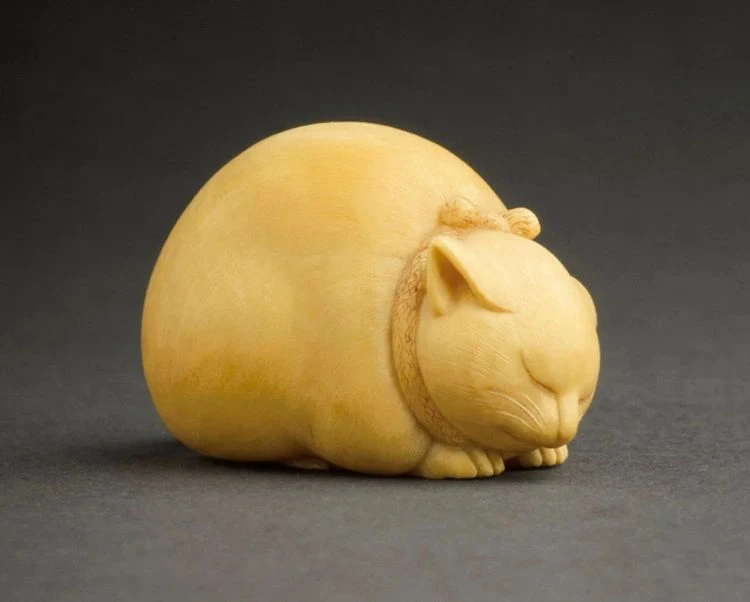
Ivory netsuke of a sleeping cat. Japan, 19th century. Crafted by Kaigyokusai Masatsugu. 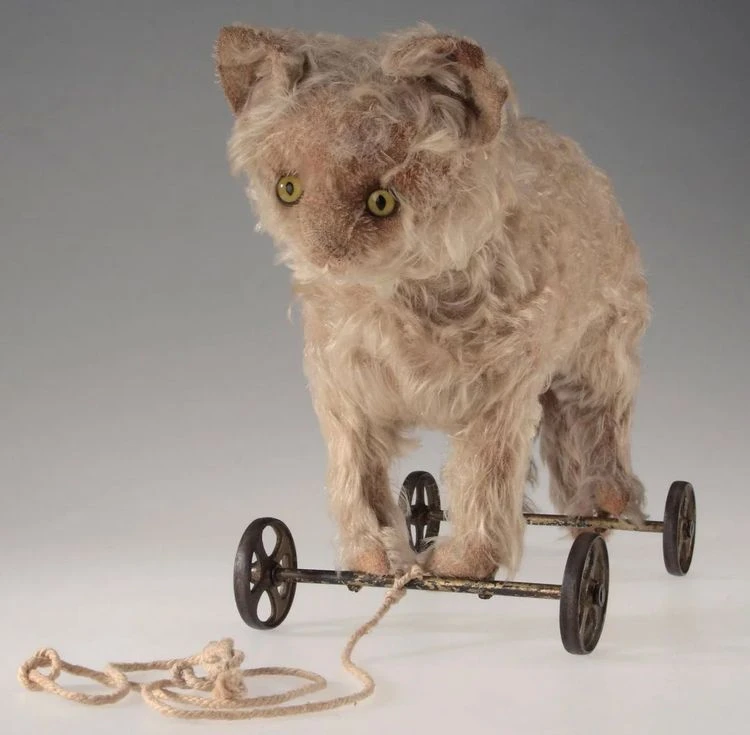
Steiff cat toy on wheels. Germany, 1890—one of the earliest mass-produced stuffed animals. 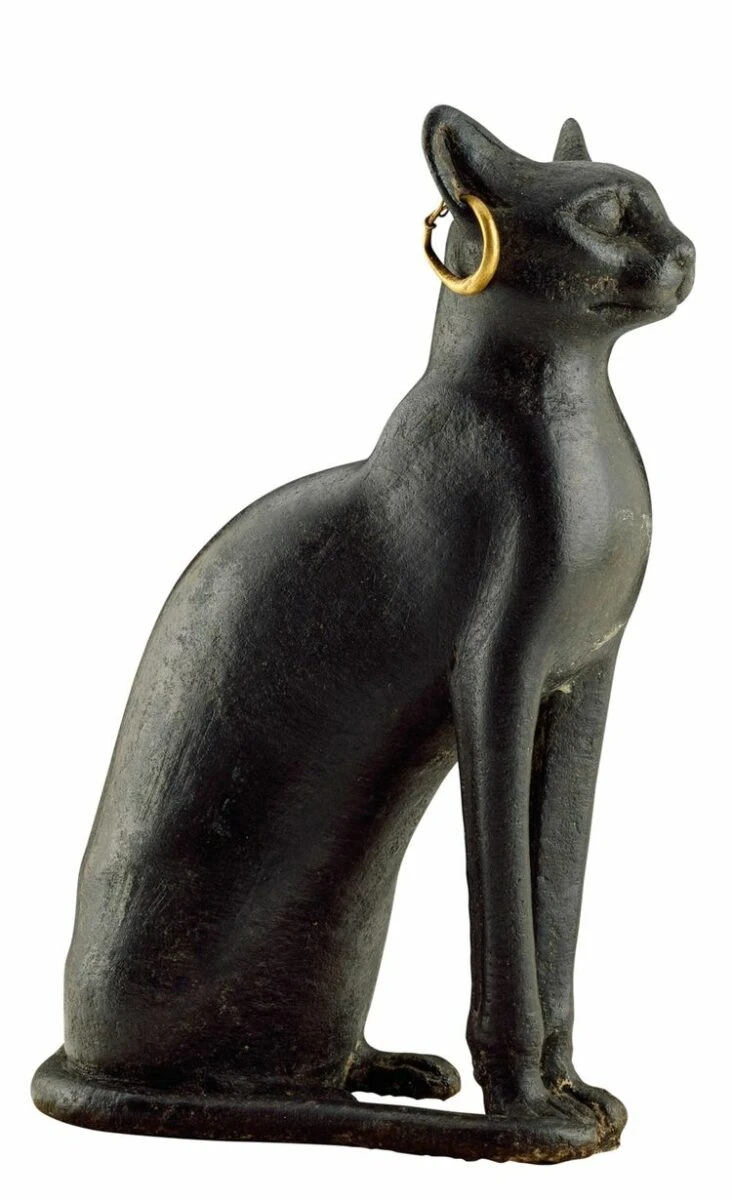
Bronze statue of the goddess Bastet wearing a gold earring. Egypt, 715–343 BC. 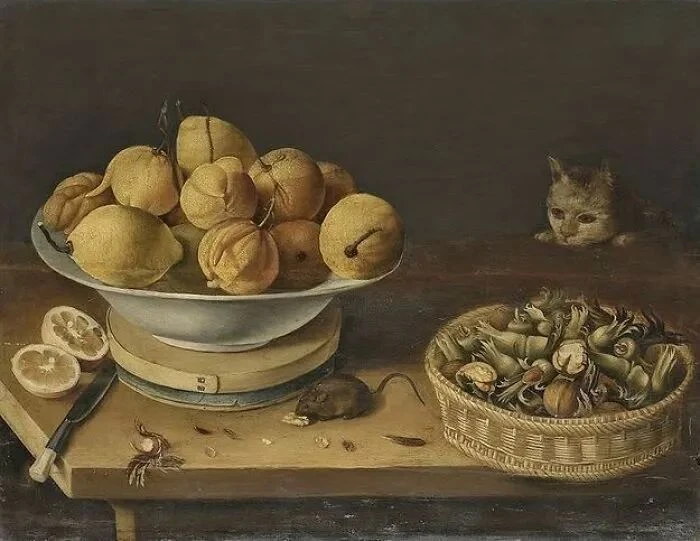
A cat featured in a painting by Dutch artist Georg Flegel (1566–1638), a master of Flemish still life painting. 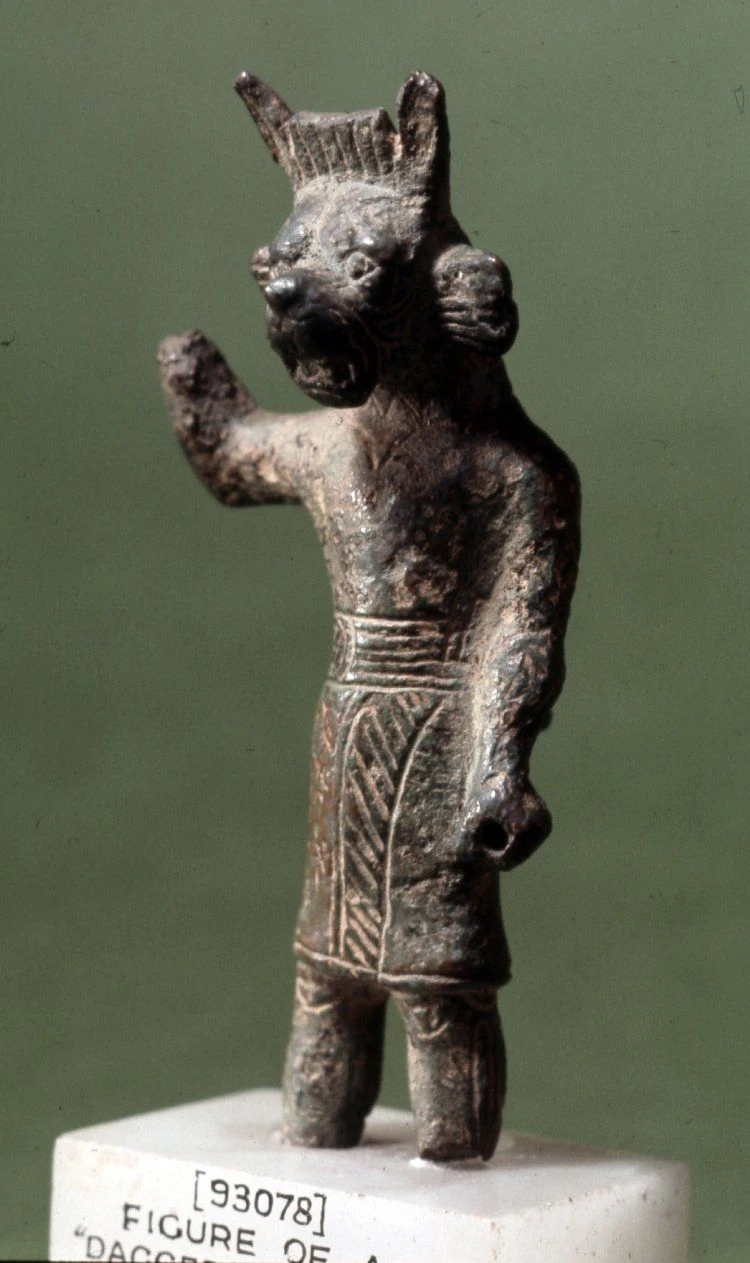
Votive lion-headed figurine from Mesopotamia. Neo-Babylonian period, 700–600 BC. 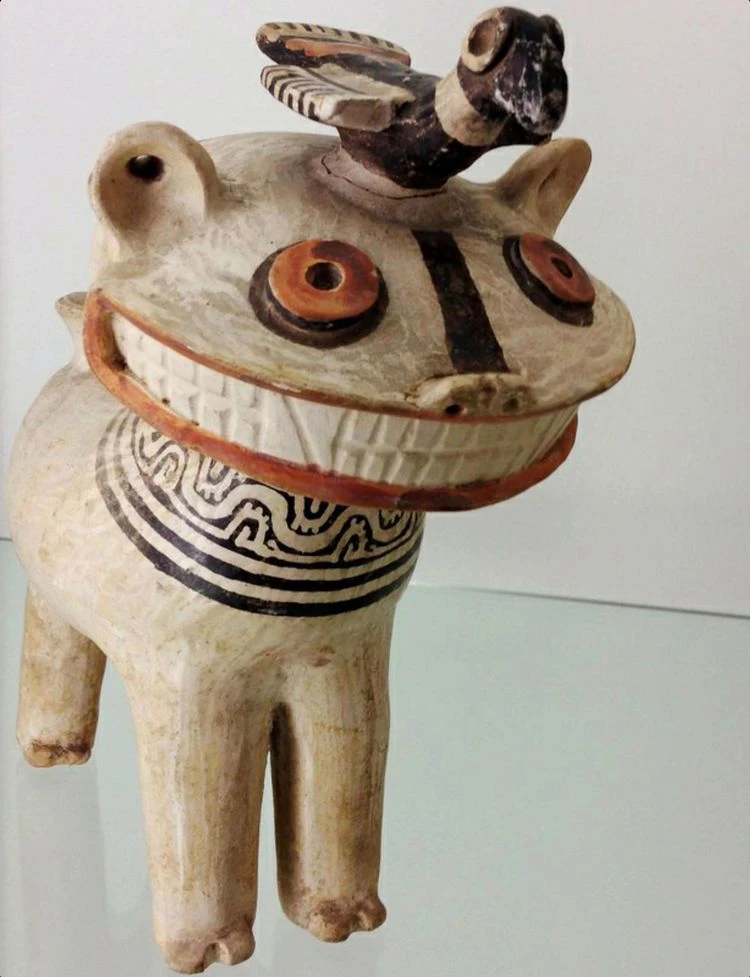
Peruvian vessel shaped like a wild feline—likely a jaguar or puma—with a bird perched on its head. 200–700 AD. 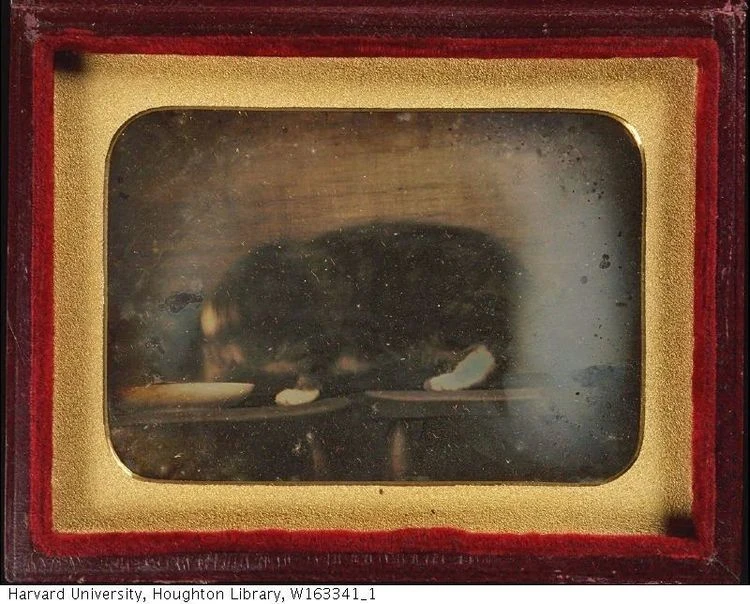
Daguerreotype of a cat beside its food bowl. From the 1840s—the early decades of photography, and cats were already posing for the camera.
Which of these artifacts surprised you the most?