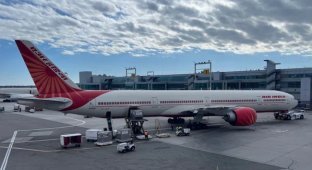
The anti-terrorist cockpit door failed to protect against its own pilot (11 photos)
The reinforced cockpit door has stood as the ultimate symbol of aviation security since September 11, 2001. Billions of dollars and two decades were spent protecting flight decks from external threats. Yet on September 30, 2026, the first officer of FlyDubai Flight FZ 1073 attacked the captain with a knife right at the controls. The airliner plummeted over 14,000 feet (4,300 meters) in just 30 seconds. Here is a look at how armored cockpit doors work, why the "two-person rule" was repeatedly adopted and abandoned, and what remains their biggest blind spot. 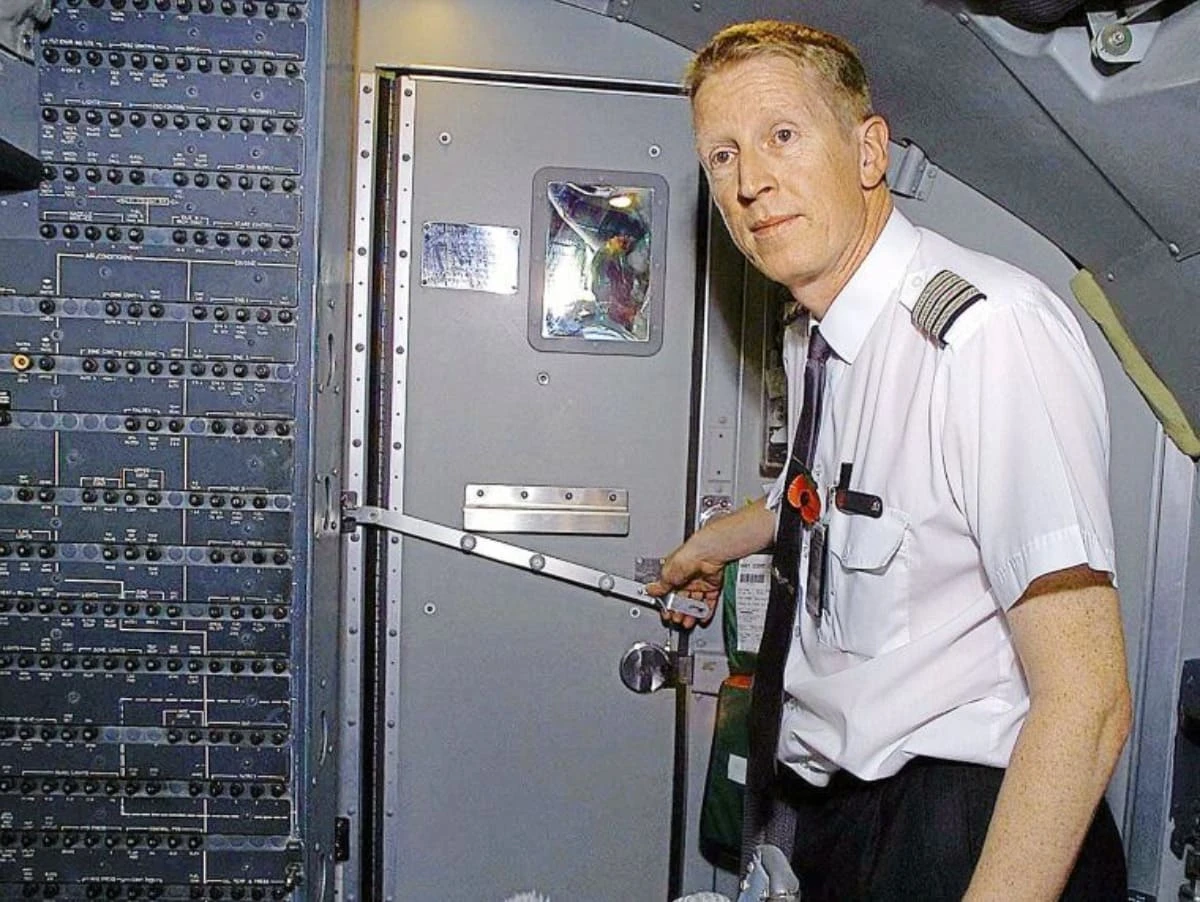
Before 9/11: An Open Cockpit Door
Before 2001, cockpit doors were often made of wood or thin plastic. Sometimes they were left unlocked during flights. Passengers could peek inside to say hello or pose for pictures at the controls—a favorite inflight treat for children. 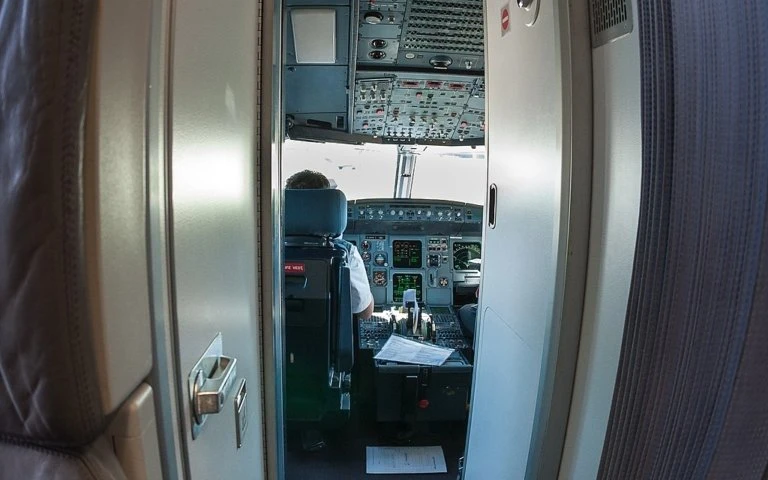
Before 2001, passengers were often allowed to peek into the cockpit mid-flight.
Back then, a hijacking meant negotiations and hostage demands, not a crash attempt—the perpetrators wanted money or political asylum, not mass casualties. Everything changed on September 11, 2001. Four teams of terrorists hijacked four commercial airliners and weaponized the cockpits themselves. Nearly three thousand people lost their lives in the attacks.
How the Reinforced Door Works
Following the tragedy, global aviation regulators mandated bulletproof, reinforced cockpit doors—a requirement phased in by 2003 and enforced on all passenger flights ever since. These doors are designed to withstand crowbar attacks and small arms fire. 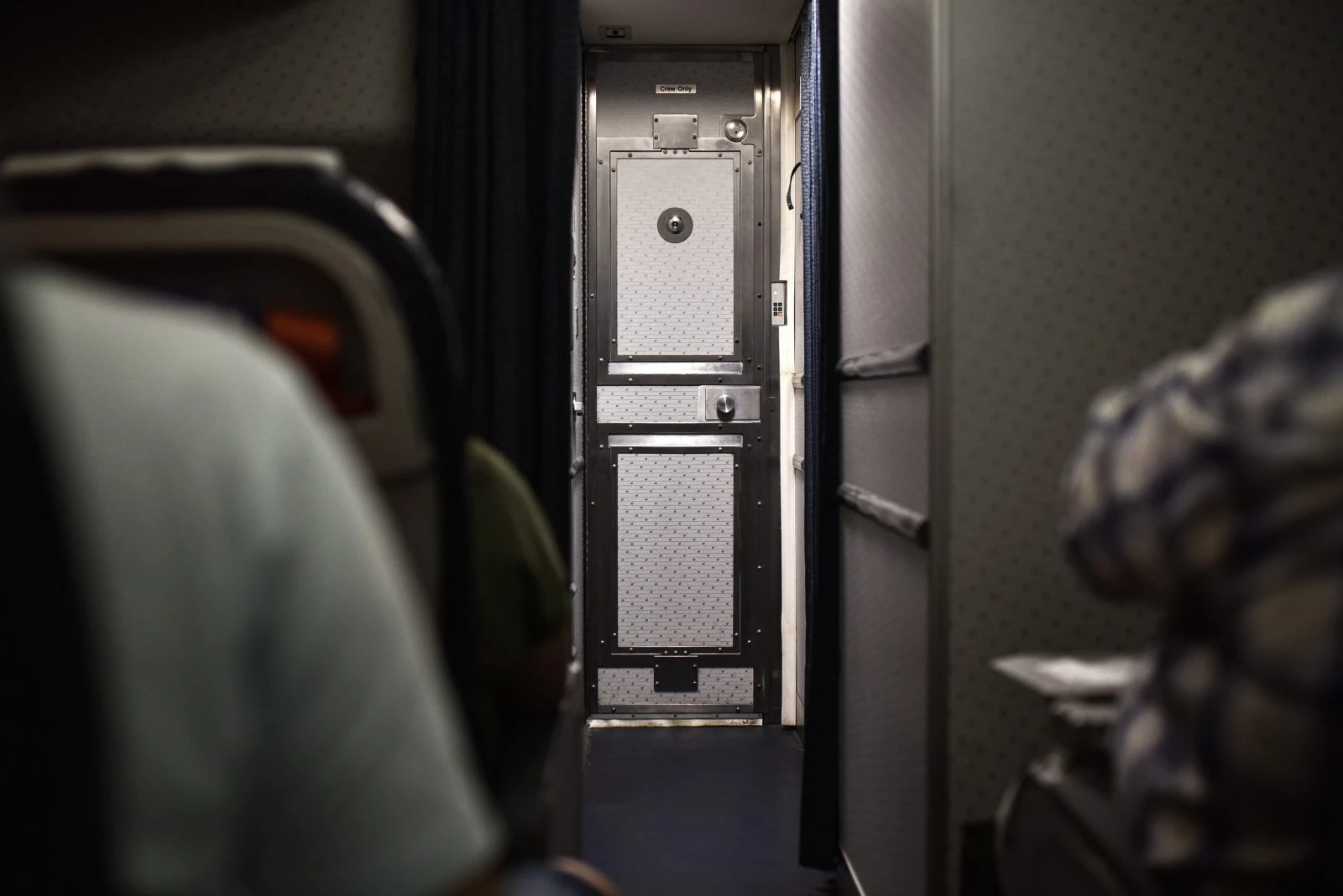
View from the cabin: a peephole, a "Crew Only" sign, and a small keypad to the right of the doorframe.
Outside, there is a keypad and a camera feed. If the flight crew does not respond to an emergency access code, the door automatically unlocks after 30 to 60 seconds. However, a pilot inside can override the system at any time, manually locking the door for 5 to 20 minutes—rendering even the correct access code useless. 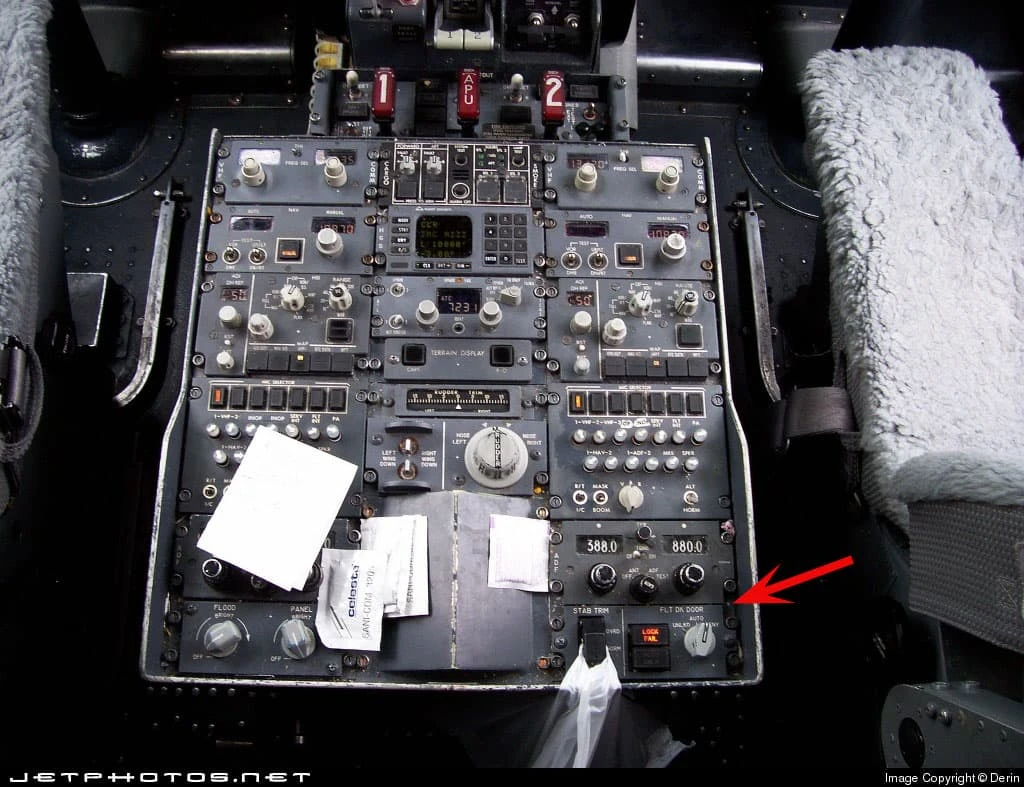
The FLT DK DOOR switch is located on the center pedestal (indicated by the arrow on this Boeing 737 control panel, bottom right). Airbus uses the same principle: three positions—LOCK, NORM, UNLOCK—along with indicator lights.
The mechanism was designed to counter external threats. Yet the very switch that keeps a hijacker out can just as effectively trap an injured pilot inside or shut out help.
Germanwings: When Protection Turned Deadly
On March 24, 2015, Germanwings Flight 9525 departed Barcelona bound for Düsseldorf with 144 passengers and six crew members aboard. When the captain stepped out of the cockpit, First Officer Andreas Lubitz locked the door from the inside, leaving himself alone at the controls. 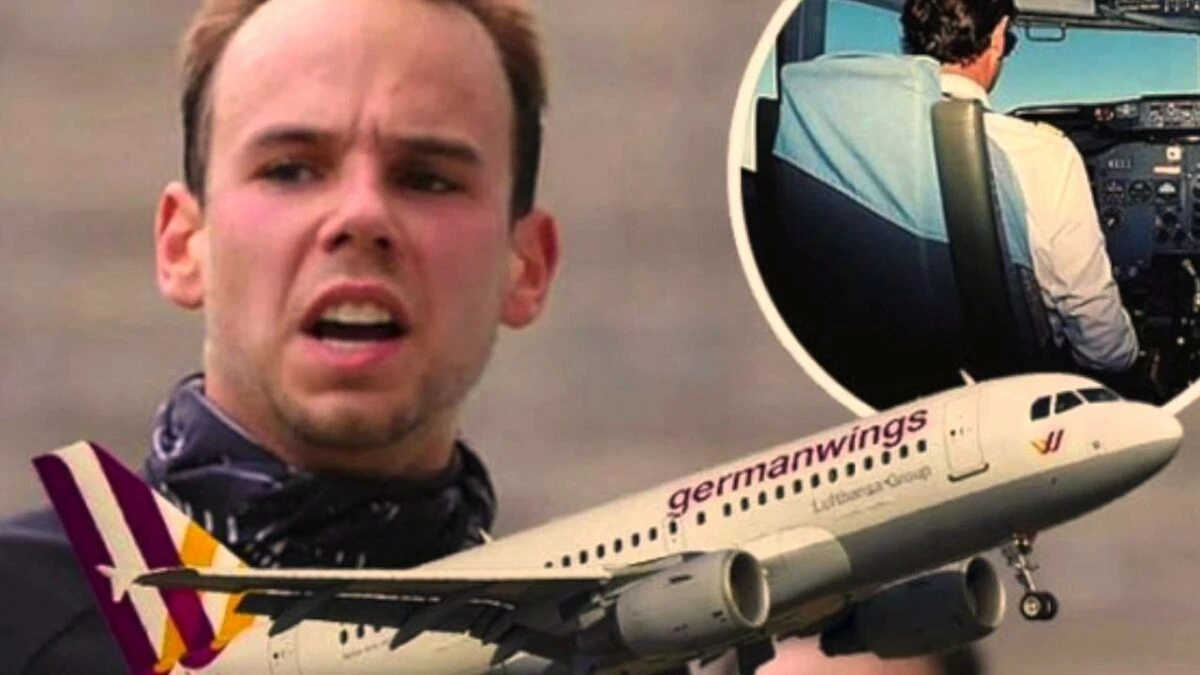
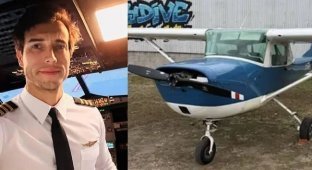
Flight 9525 First Officer Andreas Lubitz had concealed his medical condition from his employer.
Lubitz deliberately put the Airbus A320 into a dive towards the French Alps. The captain tried to break through the door with a crowbar, but the reinforced barrier held. All 150 people on board were killed. Investigators later revealed that Lubitz was being treated for severe depression and vision problems, which he had hidden from the airline. 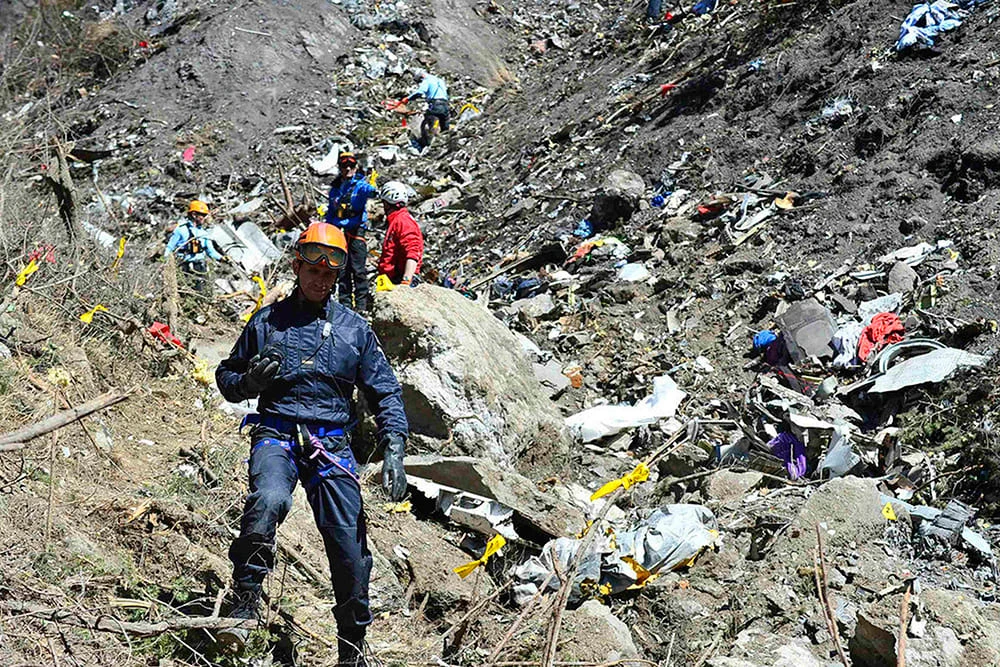
A memorial to the victims was later erected near the crash site of Flight 9525 in the Alps.
The Germanwings tragedy was not an isolated incident of deliberate pilot action. In all such cases, the armored door performed exactly as engineered—it was simply protecting against the wrong enemy.
The "Two-Person Rule": Introduced and Abandoned
In the wake of the Germanwings crash, the European Aviation Safety Agency (EASA) rushed to mandate a "two-person rule," requiring at least two crew members in the cockpit at all times. If a pilot needed to step out, a flight attendant would temporarily take their place. Lufthansa, Emirates, Etihad, and major carriers worldwide adopted the policy almost overnight. 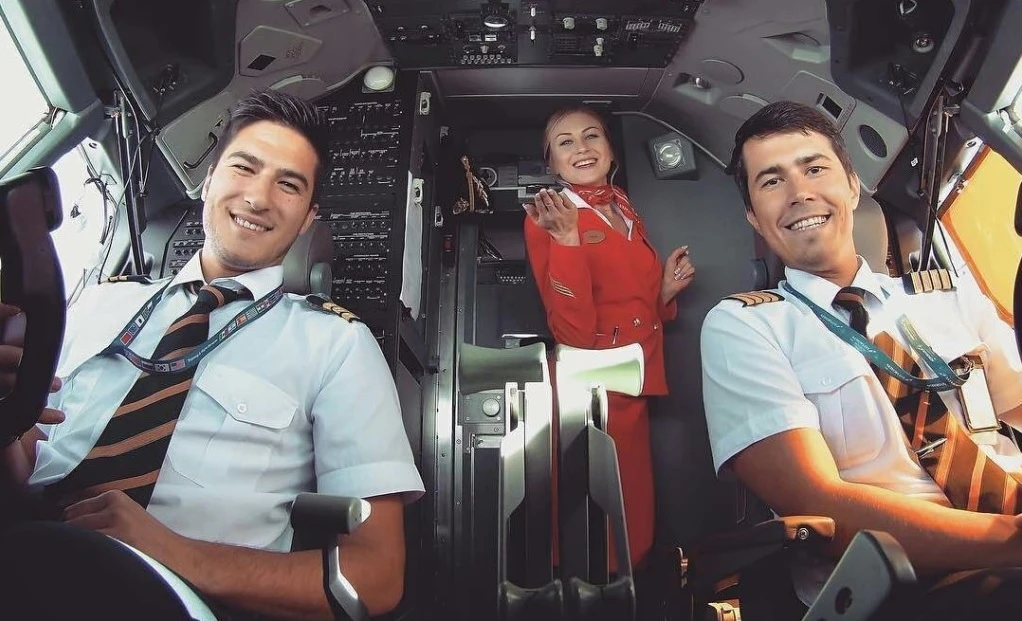
The two-person rule mandated that a flight attendant temporarily step in whenever a pilot left the cockpit.
By the summer of 2016, EASA softened its mandate into a recommendation, leaving the choice to individual airlines. Effective May 1, 2017, Lufthansa Group—including Lufthansa, Austrian Airlines, and Swiss—scrapped the rule across its entire network.
The rationale was straightforward: repeatedly opening the door introduced a security risk in itself. Pilots' unions also pushed back against the rule, dismissing it as a public relations gesture rather than a meaningful security measure.
Flight FZ 1073: Airborne Assault
On September 30, 2026, FlyDubai Flight FZ 1073 was en route from Dubai to Tel Aviv carrying 174 passengers—including 27 children—and crew. The flight was commanded by Captain Smith Machchar, an Indian national, alongside an Omani first officer who had been with the airline for nine months. 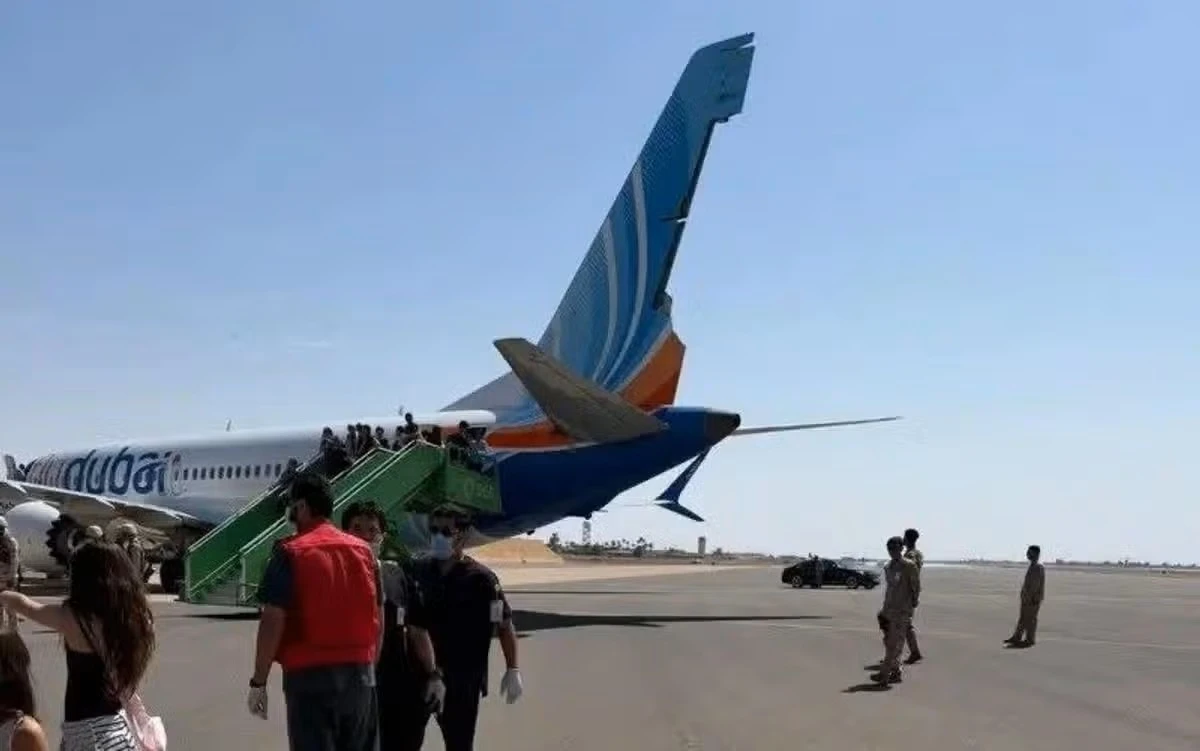
The crew landed the compromised Flight FZ 1073 at Tabuk Regional Airport in Saudi Arabia.
Mid-flight, the first officer launched a knife attack on the captain. According to Israeli officials, he attempted to disable the aircraft's control systems. The jet plummeted over 14,000 feet (4,300 meters) in just 30 seconds, leaving terrified passengers fearing the worst.
Fearing a hijacking, Israel scrambled fighter jets to intercept the airliner. One passenger later recalled hearing screams and seeing blood pouring from the stabbed captain while the plane plummeted erratically.
Emergency Landing in Tabuk: How the Flight Was Saved
Despite his severe injuries, Captain Smith Machchar managed to unlock the door from within. Passenger Zvika Manes and a flight attendant rushed into the cockpit, joined shortly by Yaniv Hayun and Shota Musaev. They pulled the assailant off the captain and spent nearly 30 minutes wrestling him to the ground before restraining him with a headphone cord. An off-duty flydubai crew traveling as passengers then stepped in to land the plane. 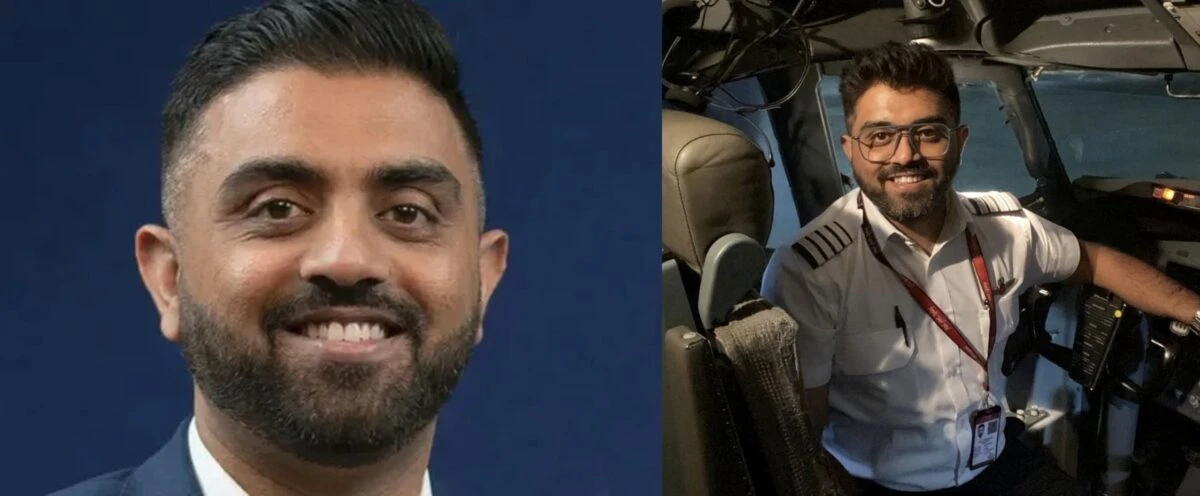
Captain Smith Machchar unlocked the door from the inside despite his injuries, allowing passengers to enter the cockpit.
The aircraft touched down safely at Prince Sultan Bin Abdulaziz Airport in Tabuk, Saudi Arabia, about an hour after issuing a distress signal. Both the captain and first officer were hospitalized, and the attacker was taken into custody by Saudi authorities.
Israeli Prime Minister Benjamin Netanyahu praised Captain Machchar as a "true hero," stating he saved 174 lives. In the Germanwings crash, the threat came from within while the defense locked out help; on Flight 1073, the threat was inside while the door remained locked shut. In neither case did the reinforced door prevent catastrophe.
The Blind Spot: Psychological Screening
The core issue lies not in the door, but in pilot screening. Lubitz hid his medical diagnosis from his employer; German investigators later discovered torn-up doctor's notes in his apartment covering the day of the crash. Routine annual flight physicals rarely include comprehensive psychological evaluations. 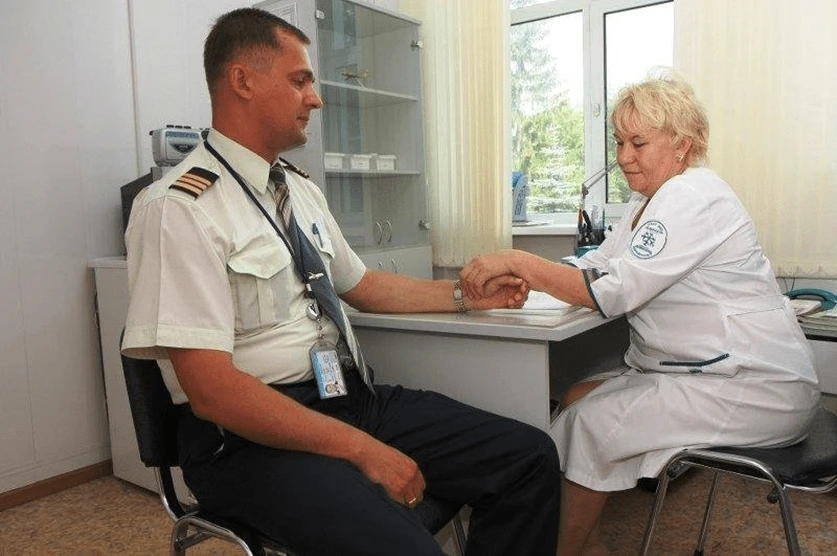
Annual flight physicals rarely include comprehensive psychological evaluations.
The FZ 1073 first officer had cleared standard screenings nine months earlier and was cleared for duty. While pilots are required to self-report mental health issues, a powerful disincentive remains: admitting to a struggle can mean immediately losing their medical certificate and livelihood.
Following Germanwings, a few airlines introduced confidential peer-support programs allowing pilots to seek help without facing an immediate flight ban. However, these programs remain voluntary and are far from universal.
What Comes Next
Israeli Transportation Minister Miri Regev ordered an immediate suspension of all FlyDubai flights to Israel. Officers from Shin Bet, Israel's internal security agency, flew to Dubai to join Saudi and Emirati officials in the investigation. 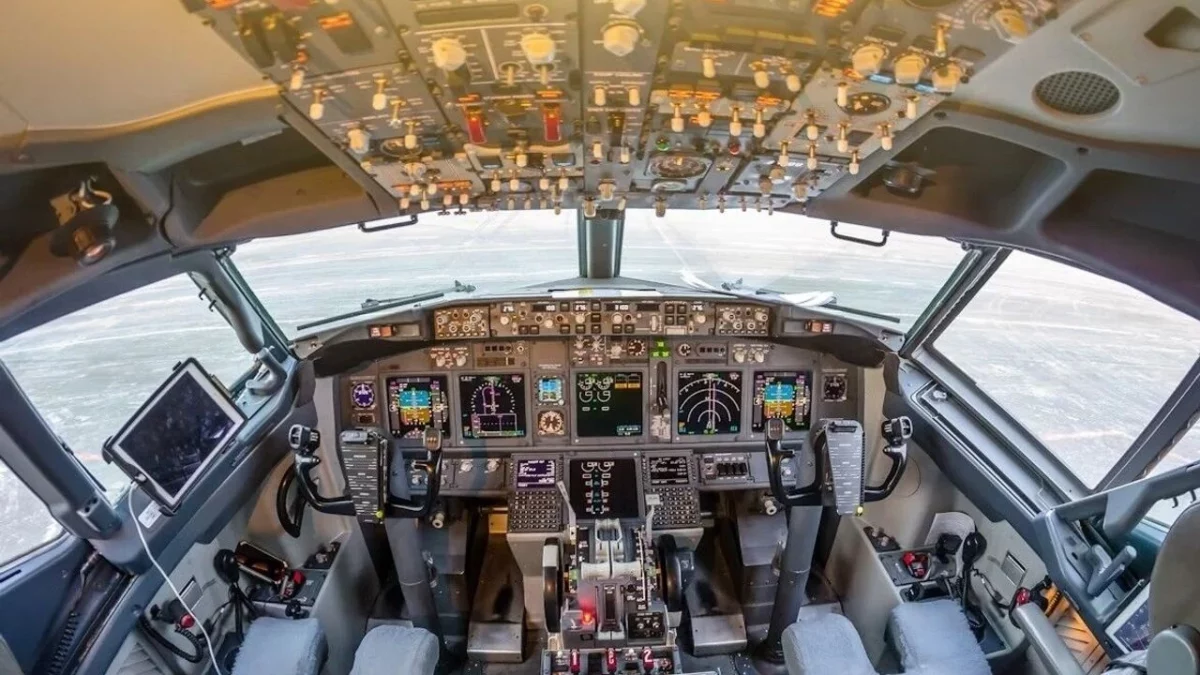
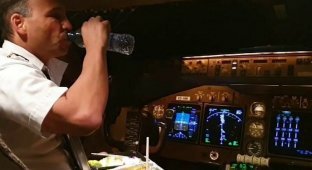
Several airlines are already testing pilot behavior monitoring systems for flight decks.
Israel's defense minister described the incident as an attempted terror attack. According to Netanyahu, Saudi authorities have placed the first officer under arrest. The precise motive remains under investigation.
The real solution lies in rigorous psychological monitoring and confidential support networks. Aviation has successfully fortified the cockpit against external threats. The threat from within, however, remains an unsolved crisis.
Which risk would you choose: an open door vulnerable to external threats, or a locked door vulnerable from within?