The Tragic Life of Jean Seberg: Actress and Human Rights Activist (13 photos)
Although born and raised in the United States, Jean Seberg went on to become a luminous star of French cinema. She was celebrated not only for her talent, but also for her kindness, courage, and unyielding principles. Regrettably, for a public figure in the spotlight, such qualities can prove fatal. Seberg's fierce stand against injustice ultimately led to her tragic end. 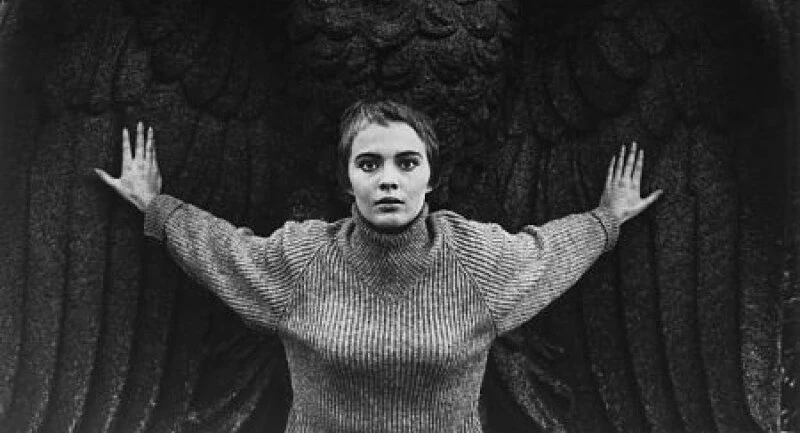
Born in 1938 to an ordinary American family with no ties to the arts, Jean was convinced from an early age that she was destined for greatness. There was no denying her natural talent—even in her school years, she stood out among her peers. She sang and danced, but truly shone in high school theater productions. While her passion for performing often got in the way of her studies, both Jean and her classmates were certain her future lay in Hollywood. 
First Successes and First Love
After graduating high school, the ambitious young woman enrolled in the dramatic arts program at the University of Iowa. Her big break came soon after. Upon seeing a casting call for the role of Joan of Arc in Otto Preminger’s film, Jean auditioned and effortlessly landed the part. The young actress seemed tailor-made for the role and delivered a brilliant performance. Film critics, however, panned the movie, putting Seberg's breakout moment on hold. 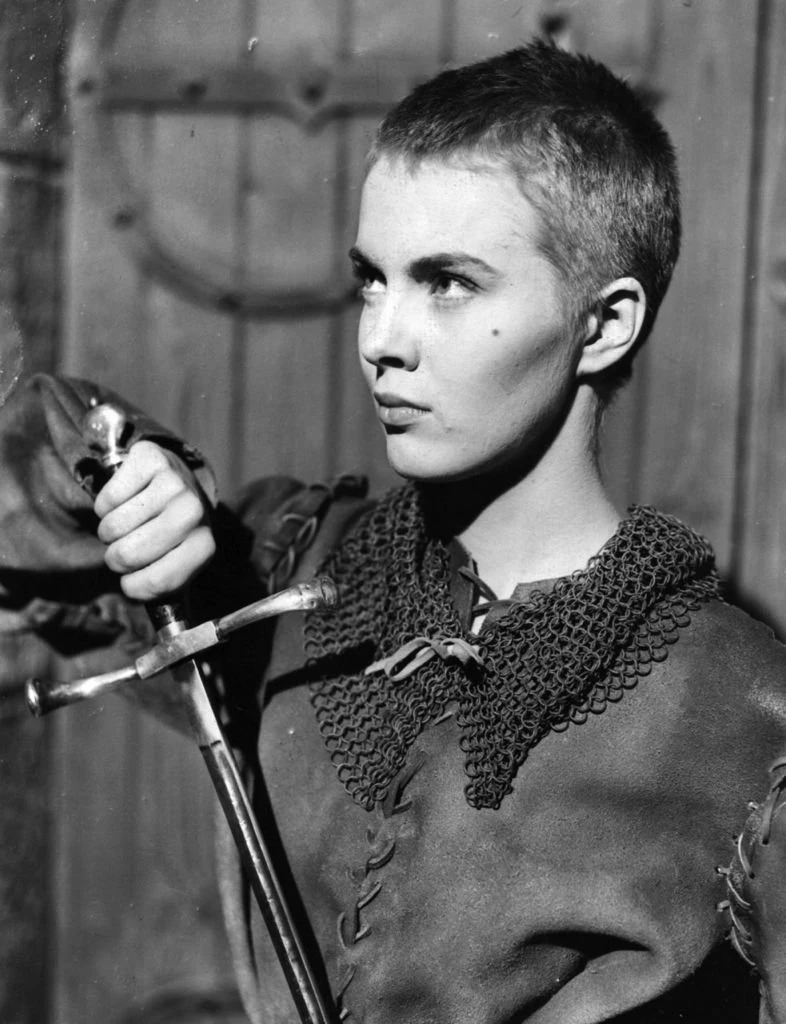
Undeterred, Preminger retained full faith in his young protégé and cast her in his next project,
Bonjour Tristesse
. This time, the gamble paid off and Jean caught the industry's eye. While it didn't turn her into an overnight sensation, other directors took notice. Before long, she was offered a role alongside Jean-Paul Belmondo in Jean-Luc Godard’s iconic French film
Breathless
. The role catapulted Seberg to international stardom—especially in Europe. 
While working on
Bonjour Tristesse
, Jean met popular French comedian François Moreuil. The two soon wed, but the marriage proved short-lived. Jean quickly realized they had rushed into things and were simply incompatible. She sought a divorce, but Moreuil refused to let her go easily. 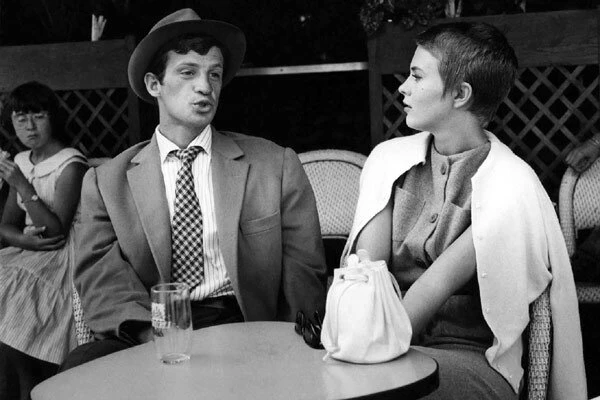
Jean Seberg and Jean-Paul Belmondo
The Love of Her Life and the Black Panthers
The divorce was eventually finalized after Jean fell in love again. Her new suitor was Romain Gary—a French diplomat, acclaimed novelist, military aviator, and decorated World War II hero. Jean called it love at first sight, describing an instant spark the moment they were introduced. Gary and Seberg were kindred spirits: both possessed a fierce sense of justice and never hesitated to fight for truth, consequences be damned. 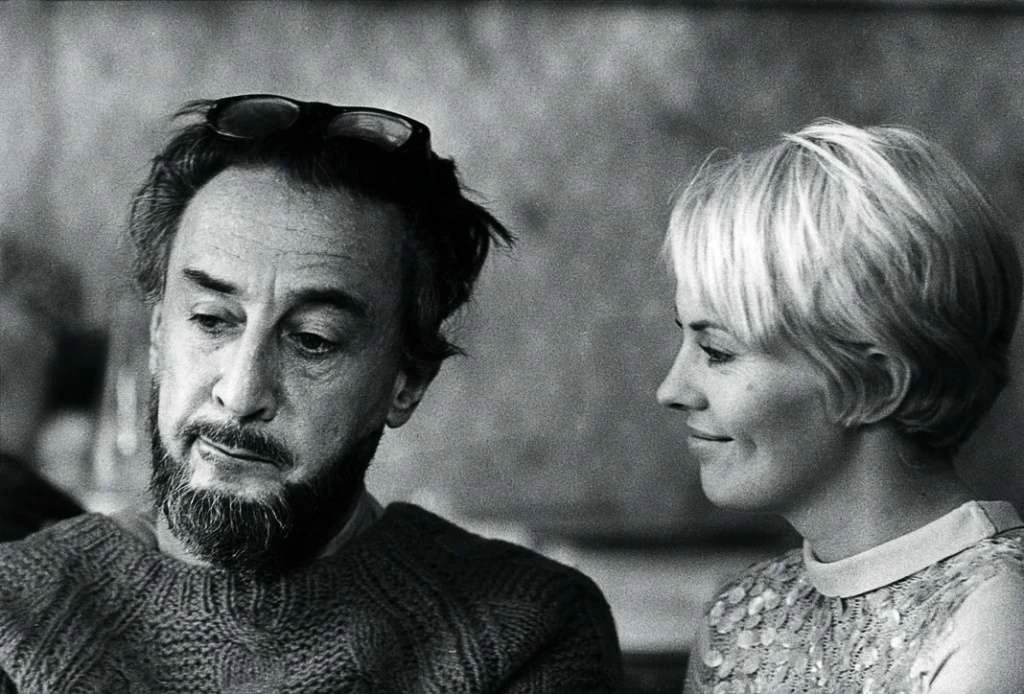
Jean Seberg and Romain Gary
Gary was also married at the time, but promptly divorced his wife. Jean and Romain soon wed, building a happy life together. In 1962, they welcomed a son, Alexandre Diego. Though deeply in love, their relationship was plagued by Gary’s obsessive jealousy. Suspicious of everyone around his wife, he eventually insisted on accompanying her to film sets to keep her under constant supervision—a suffocating arrangement that disrupted Jean's work and unsettled her deeply. 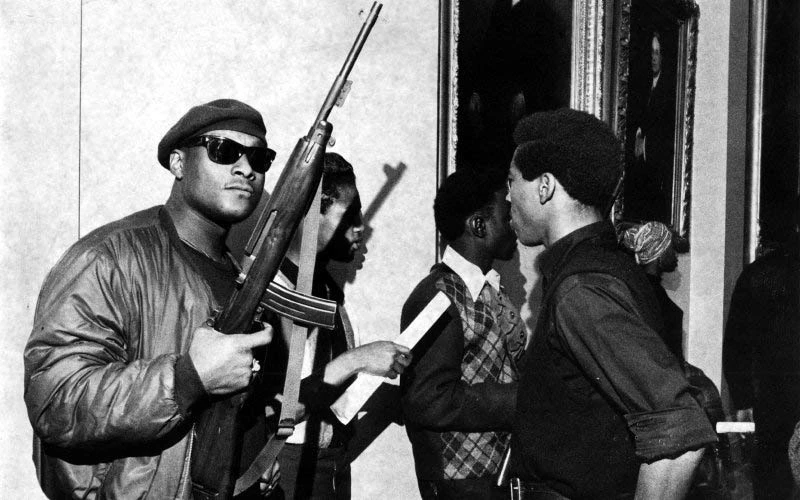
The Black Panthers
As domestic friction grew, Jean found herself increasingly turning elsewhere for fulfillment, pouring her passion into political activism. She aligned herself with the Black Panthers, a radical civil rights group. Seberg became both a financial backer and a prominent public figure for the movement, attending major rallies and demonstrations. However, because the Black Panthers were targeted as a militant threat, Seberg quickly fell under the surveillance of the powerful FBI. 
Persecution and Depression
Determined to silence the actress, the FBI launched a targeted smear campaign to discredit her. When Seberg announced her second pregnancy, rumors were planted in the media alleging the baby's father was not Gary, but Black Panther leader Robert Seale. The relentless media houndings took a heavy toll, costing her numerous friends and fans. Though Gary stood by his wife, his clumsy attempts to defend her publicly did little to stop the fallout. 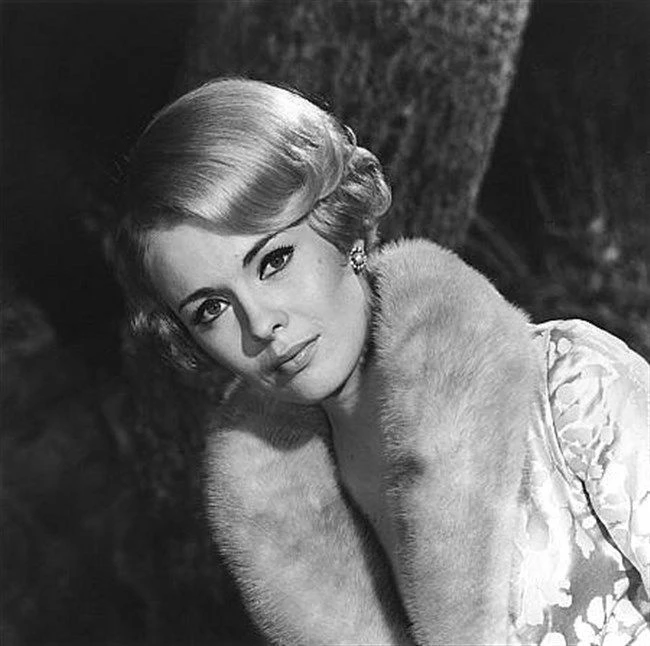
The overwhelming stress resulted in complications, and Jean went into premature labor. Her baby daughter died just days after birth. Devastated, Seberg held an open-casket funeral and invited the press so the world could see that her infant had been white. Unable to bear remaining in the United States after the tragedy, Seberg and Gary relocated to France. 
They hoped to start fresh across the Atlantic, but Jean could not leave the past behind. Shattered by her loss, she sank into a profound depression. She turned to alcohol, prescription pills, and eventually illicit drugs to numb the pain. Though Gary tried in vain to help her, their marriage eventually unraveled—driven not by her struggles, but by her involvement with another man. 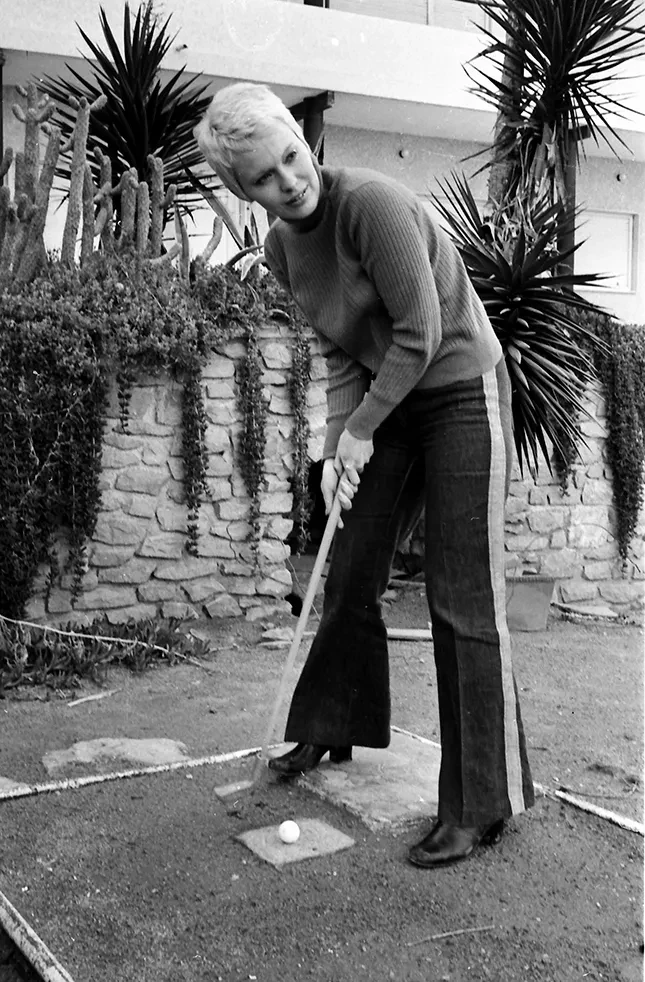
Her Final Months
Despite their divorce, Seberg and Gary remained close friends. Jean moved in with a new partner, but financial hardship quickly set in. Her lover had little money, and Jean was rarely receiving acting offers. Gary stepped in, pulling strings with industry contacts to get her roles while quietly supporting both Jean and her new partner financially. 
While the turmoil had broken Jean, Gary channeled his anguish into creative work. Following the divorce, he published several acclaimed books and won the prestigious Prix Goncourt for a second time. A film based on his novel
Woman Light
premiered on August 29, 1979. Gary invited Jean to the screening. It was the last time she was ever seen alive. 
Jean vanished immediately after the screening. Ten days later, her body was discovered on the outskirts of Paris in the back seat of her white Renault, wrapped in a blanket. A suicide note was clutched in her hand. An autopsy revealed a lethal overdose of barbiturates combined with alcohol. Authorities quickly ruled the death a suicide and closed the investigation shortly thereafter.
The love of her life, Romain Gary, survived her by just over a year before taking his own life. In his suicide note, he explicitly requested that his death not be linked to the loss of his former wife, though he never revealed his true motives.