One in five people worldwide suffers from seasonal pollen allergies, yet few ever get to see what these microscopic particles actually look like. This gallery showcases colorized scanning electron microscope (SEM) images of the microscopic culprits behind our seasonal misery. Magnified millions of times, their intricate beauty is simply mesmerizing. 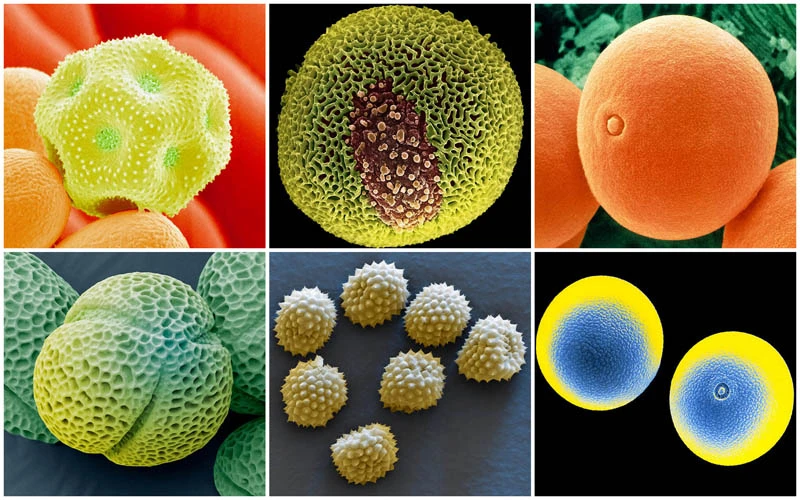
Pollen allergy, also known as pollinosis or hay fever, is a widespread allergic reaction triggered by plant pollen. During the blooming season for trees, grasses, and weeds, millions of people experience frustrating symptoms like sneezing, a runny nose, itchy eyes and throat, and nasal congestion. 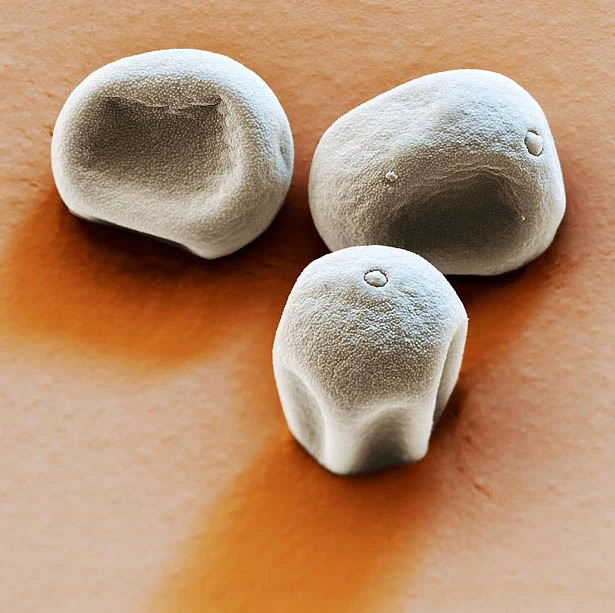
A colorized scanning electron micrograph of grass pollen. Grains like these are a leading cause of hay fever. 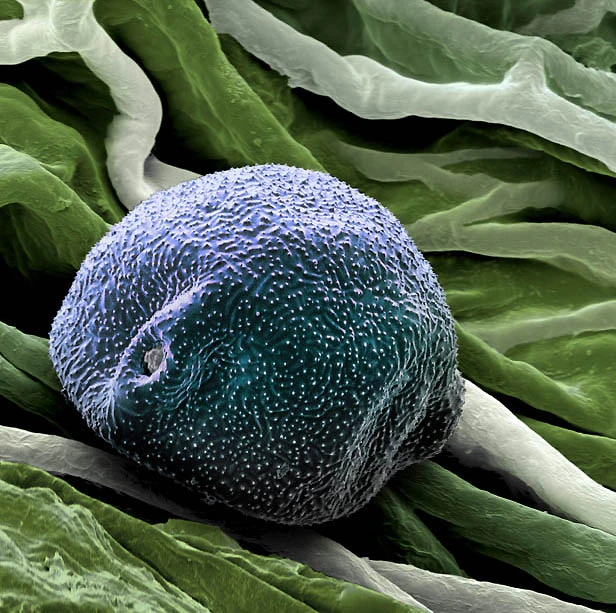
Birch pollen is another major culprit.
"A single birch catkin can release five and a half million pollen grains," says Steve Gschmeissner, a former scientist from Bradford. "A single tree has thousands of catkins. Just imagine how much pollen an entire birch grove pumps into the air!"
This is what an individual pollen grain looks like. Wind-pollinated birch pollen is smooth and non-sticky, allowing it to travel distances of up to a thousand kilometers. 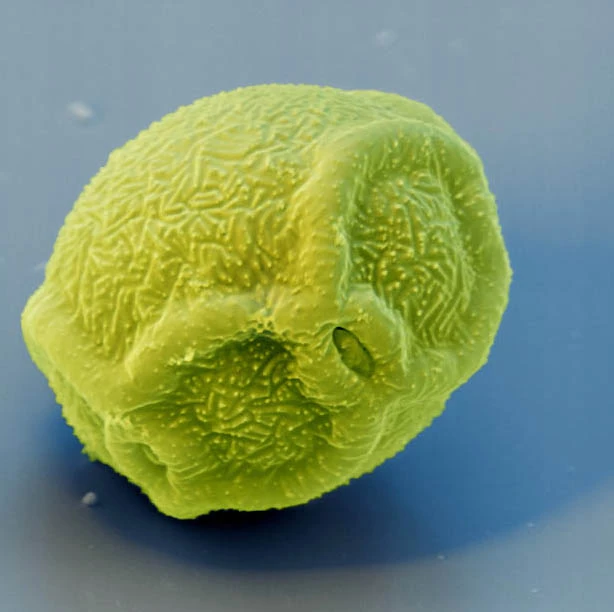
An alder pollen grain.
Allergies are among the most common chronic conditions globally. According to the World Health Organization (WHO), roughly 20% to 30% of the world's population suffers from some form of allergy. Pollen allergies specifically affect around 10% to 30% of adults and up to 40% of children. The condition can severely impact quality of life, especially for those who spend a lot of time outdoors. 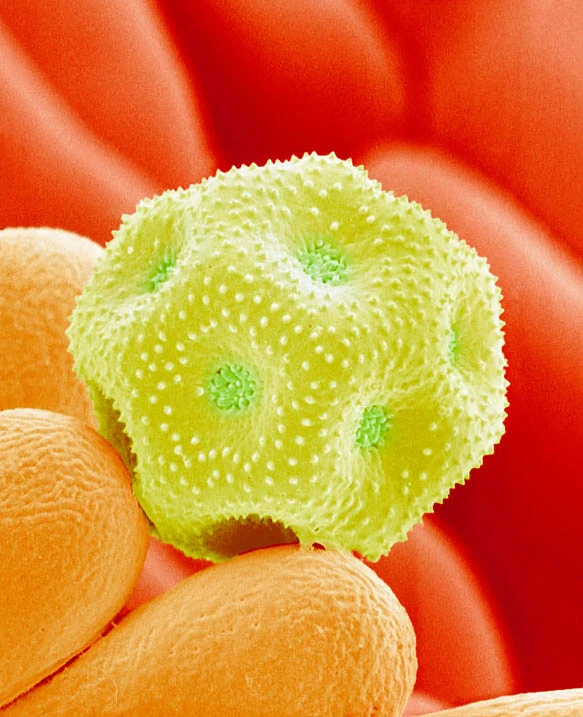
A sandwort flower pollen grain.
Different types of pollen trigger allergies throughout the year. Trees such as silver birch, poplar, oak, and London plane cause flare-ups in early spring. Grasses are the main trigger in summer, from May to August. Weeds like nettle, sorrel, mugwort, and plantain often cause trouble in late summer and autumn. 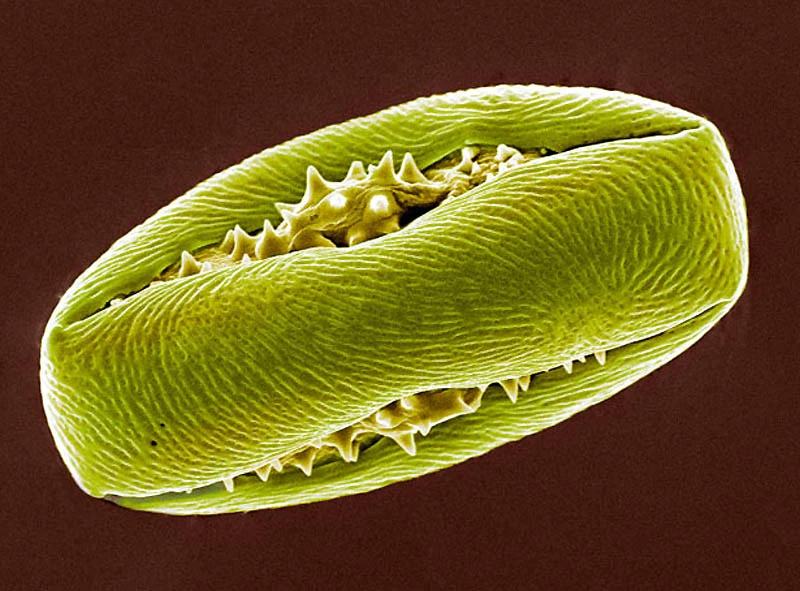
A horse chestnut pollen grain. 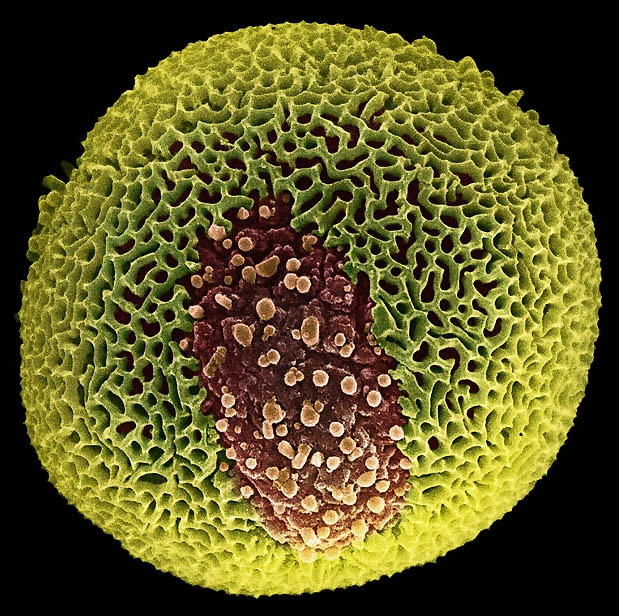
A pollen grain from a London plane tree, another notorious allergen. 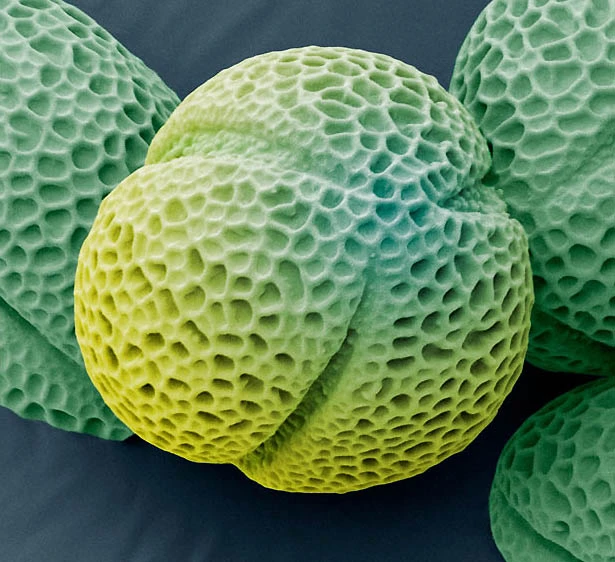
Hellebore pollen. 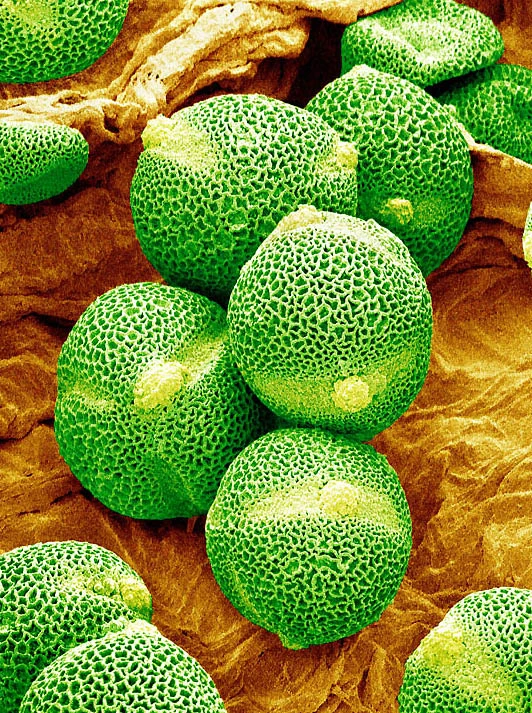
These tiny "lemons" are actually cucumber pollen grains. 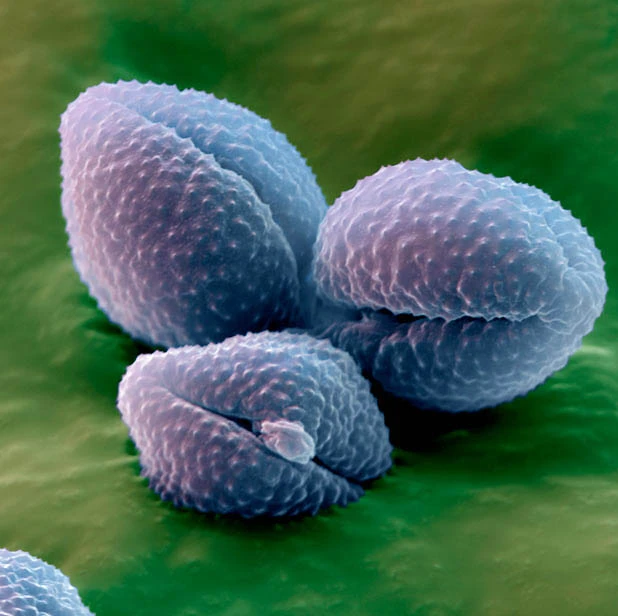
And this is mugwort pollen, one of the most widespread seasonal allergy triggers. 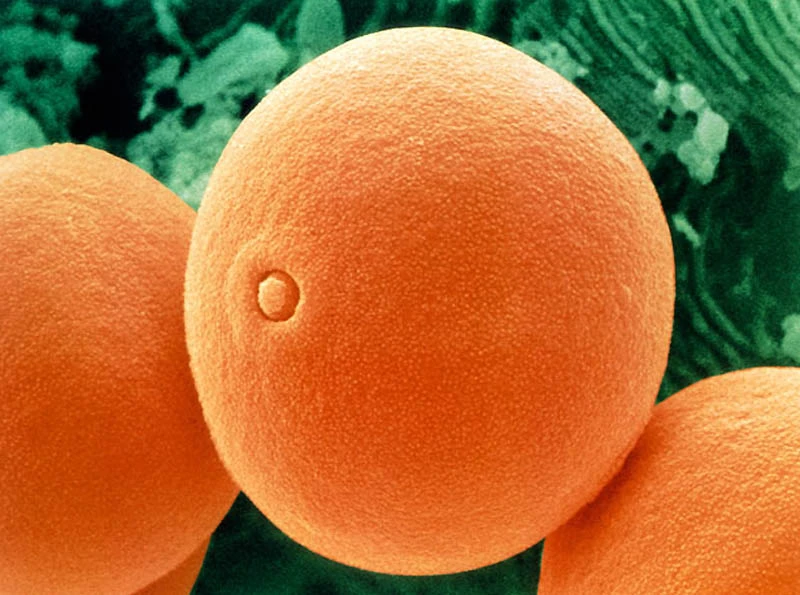
No, it's not an orange—this is a timothy grass pollen grain. 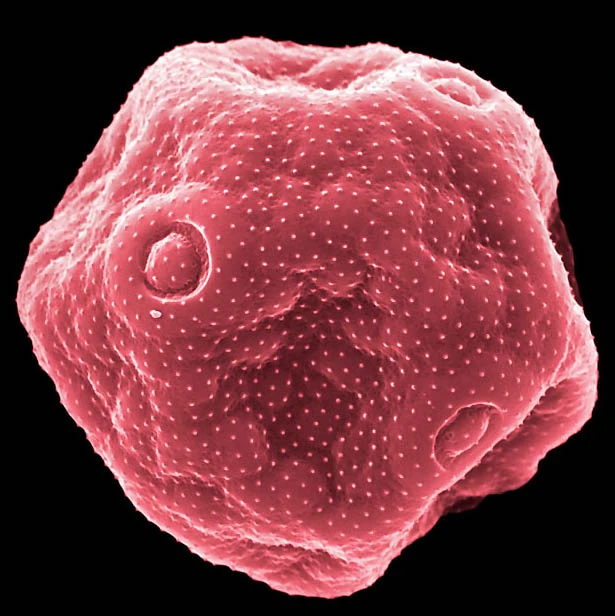
A plantain pollen grain. 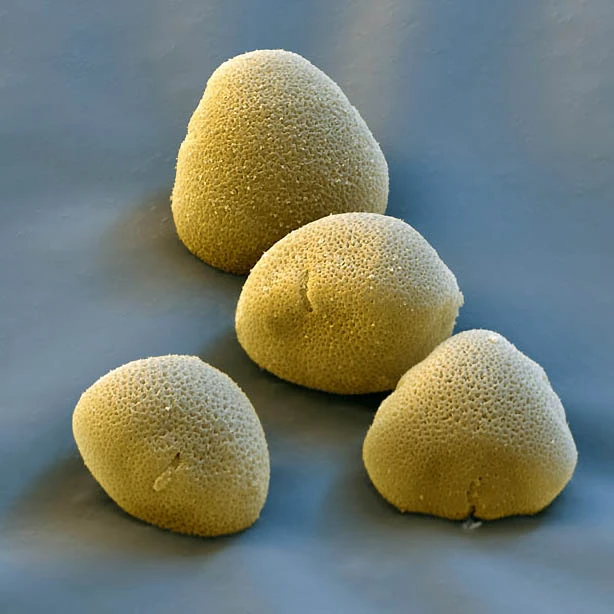
Littleleaf linden pollen grains, which can also trigger severe allergic reactions. 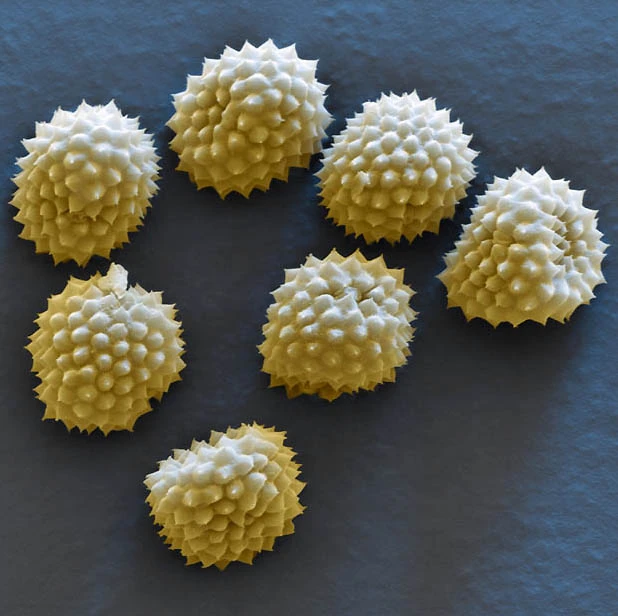
These spiky "hedgehogs" are ragweed pollen grains. 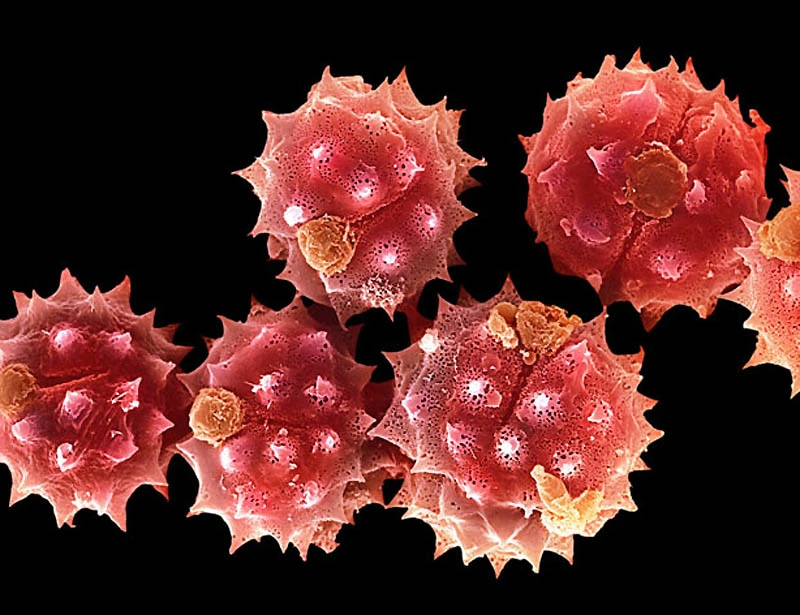
Daisy pollen. 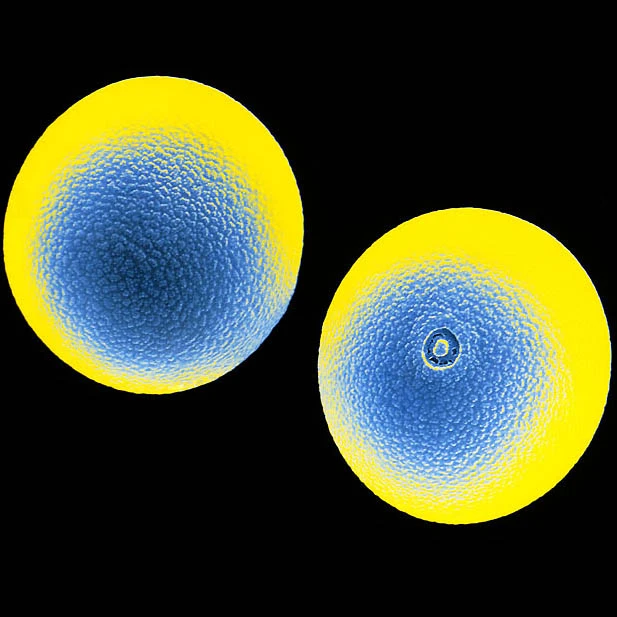
Cocksfoot grass pollen.
Add your comment
You might be interested in:











Soviet village in the 40s (26 photos)
25 Photos That Will Give Visual Learners an Aesthetic

How to make yourself feel better using everyday items (16

People magazine named 57-year-old actor Patrick Dempsey the

The Art of Not Giving a F*ck: People Who Don't Care About

People magazine announced the sexiest man alive living -

There are only two types of people that humanity is divided

Anne Hathaway, "the most beautiful star in the

Millions of dollars (26 photos)

How Rowan Atkinson transforms into Mr. Bean

A single gesture that made someone’s day: a man gives a

A display of skill: masterful nunchaku handling

A clear demonstration of the difference between a $1, $5,

An orchestra plays a prank on their conductor during his

A dad made a realistic WALL-E costume for his daughter

An American man reveals a bunker he spent 3 years preparing

Pete the donkey calls out Taking Luna, who is blind, for a

Witches on roller skates—brooms included
