Famous Brands That Go by Completely Different Names Abroad (10 Photos)
Have you ever traveled abroad and noticed store shelves filled with products that look suspiciously like the ones you buy at home, except for their names? Many global companies market the exact same products under different names depending on the country. 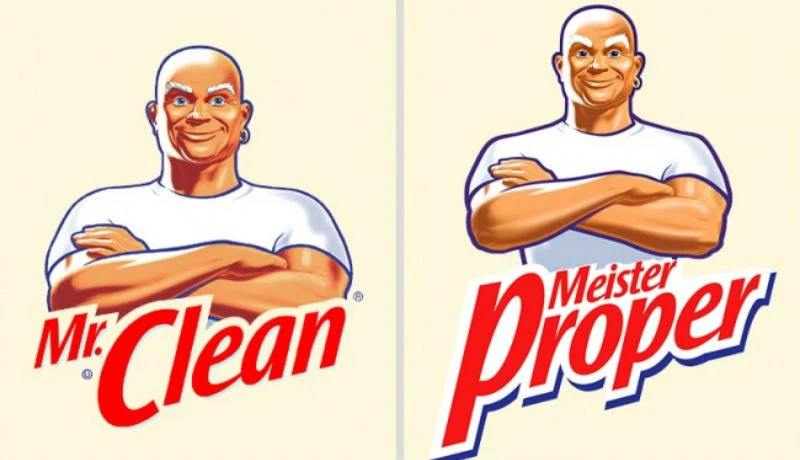
Why do they do it? Sometimes it comes down to linguistic flow and local associations in a given language. Other times, upon entering a new market, a company discovers that its trademark is already registered locally and is forced to rename the product. Here is a look at some familiar household brands hiding under different names on international shelves. 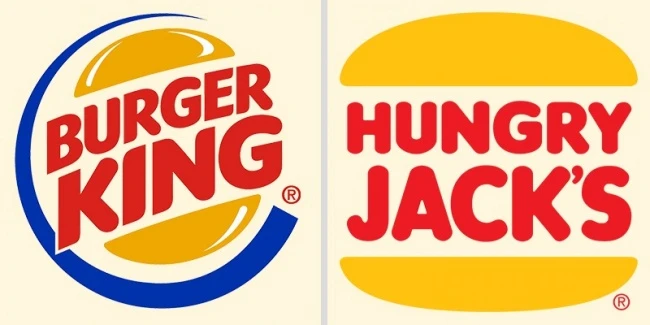
Burger King
The story of the Burger King fast-food chain began in the US in 1954. Following the success of its flagship restaurant, the chain rapidly expanded across the globe. But when the time came to open in Australia, company executives found that a local brand was already using the name. As a result, the chain was rebranded as Hungry Jack’s specifically for Australian customers. 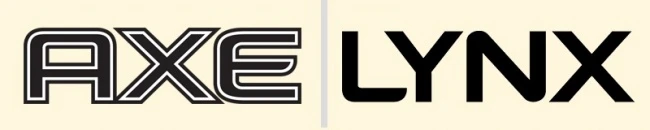
Axe
Unilever's Axe brand was created in France, but when expanding abroad, the company found that the trademark was already taken in several countries. Furthermore, in English, the word "axe" literally refers to a chopping tool—hardly an appealing image for a personal fragrance! To sell its products in the UK, Ireland, Australia, New Zealand, and China, the brand was renamed Lynx, which comes from the Latin word for the wild cat. 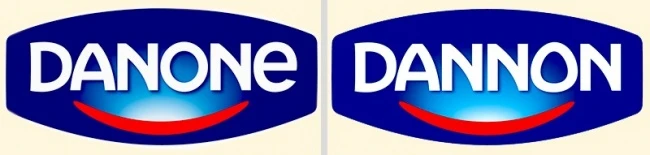
Danone
Spanish pharmacist Isaac Carasso founded Danone and named it after his son Daniel, whose family nickname was Danone. In the U.S., however, the exact same yogurt is sold as Dannon. This wasn't an accident: American consumers tended to split the original name into two words, pronouncing it "dan-one." To make it easier for U.S. shoppers to pronounce correctly, the company updated the brand's spelling for the American market. 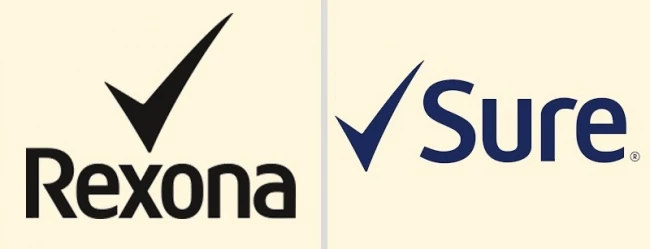
Rexona
Like Axe, Rexona is owned by Unilever. The manufacturer chose to rebrand the deodorant in several major markets. That's why consumers in the UK know it as Sure, Americans buy Degree, Japanese shoppers look for Rexena, and South Africans know it as Shield. 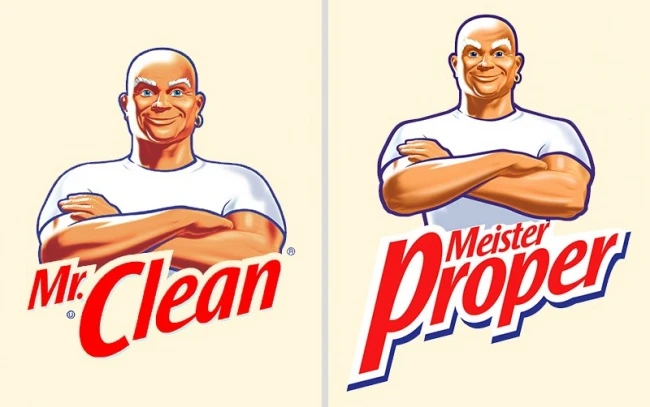
Mr. Proper
The cleaning product brand commonly known as Mr. Proper holds a real record for aliases. It operates under a unique name in almost every major market. Among others, it's known as Mr. Clean in the US and Canada, Meister Proper in Germany, Monsieur Propre in France, Maestro Limpio in Mexico and Latin America, and Mastro Lindo in Italy. In the UK and Ireland, however, he drops the title altogether and is simply called Flash. 
Blend-a-med
Procter & Gamble has been manufacturing toothpaste under the name Crest since 1955. However, in Germany, Poland, Bulgaria, Ukraine, and several other countries, the exact same toothpaste is sold as Blend-a-med. 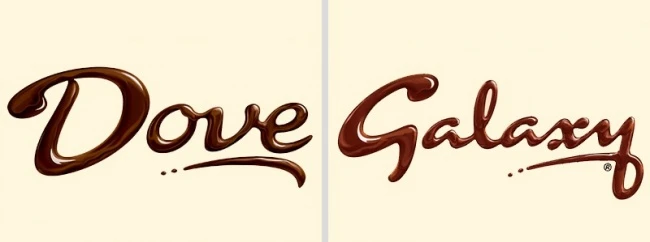
Dove
Dove chocolate is sold around the globe, but consumers in the UK, India, and Egypt know it under the name Galaxy. 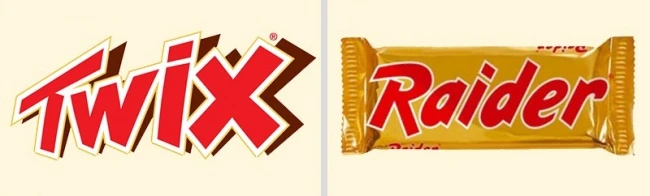
Twix
This chocolate bar was originally launched in the UK in 1967 under the name Raider. Twelve years later, the product debuted on the US market as Twix. However, in many European countries, it continued to appear on store shelves under its original Raider branding for years afterward. 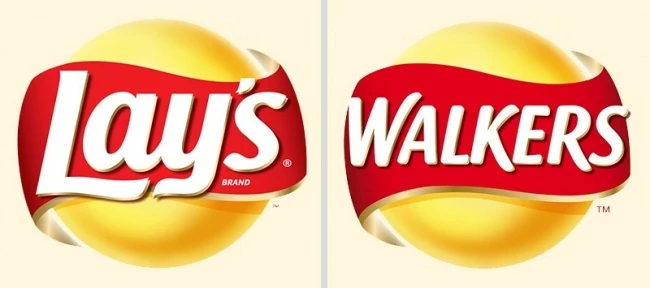
Lay’s
Walkers crisps first appeared on the British market in 1948. In 1989, PepsiCo, the maker of Lay’s potato chips, acquired Walkers. Following the takeover, PepsiCo redesigned the British brand's packaging to align with Lay’s visual identity, but chose to keep the familiar Walkers name intact.