How a Black African Warrior Became the Samurai Yasuke (7 Photos)
Nearly 500 years ago, an African warrior arrived in Japan and became the country's first foreign samurai. Impressive height, physical strength, bravery, and unwavering loyalty helped this outsider enter the military elite, turning him into a legend. How did the "black man" known as Yasuke end up in the Land of the Rising Sun, and what deeds earned him his legendary status? 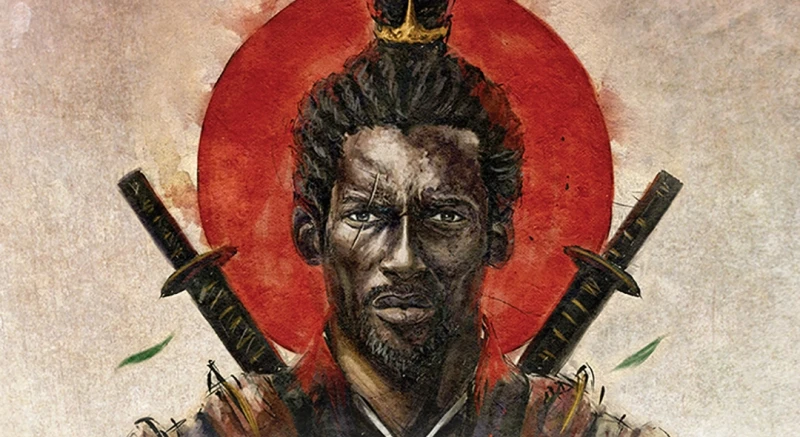
Unfortunately, little is known about his country of origin or his life back home. Some sources suggest he was born in Mozambique, while others point to Nigeria. Yasuke arrived in Japan in 1579 alongside Alessandro Valignano, a Jesuit missionary. 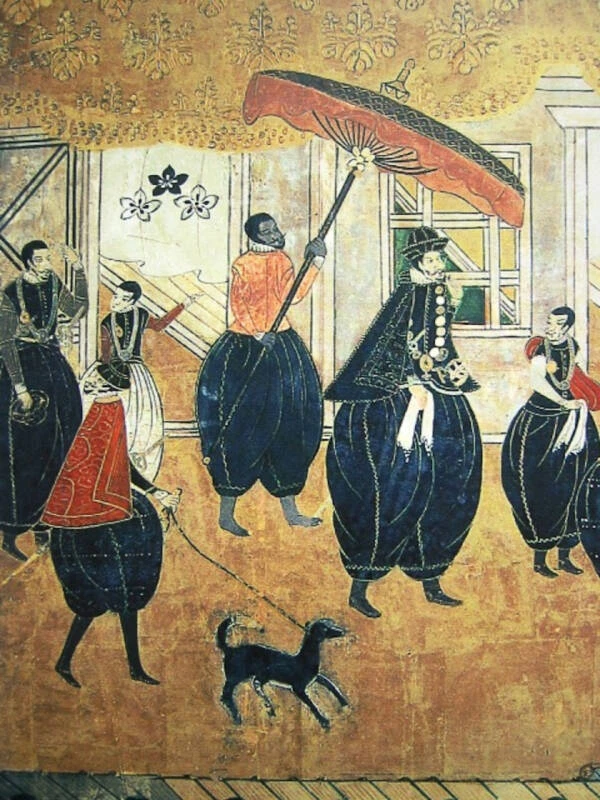
The arrival of Alessandro Valignano and Yasuke in Japan
A Warm Welcome
Some claim he was a slave, though there is no evidence to support this. Historians believe Yasuke possessed extensive military experience—otherwise, his meteoric rise within the Japanese military elite would be impossible to explain. The African warrior’s appearance was striking. Samurai Matsudaira Ietada, one of the first to see Yasuke, described him as follows:
"His height was 6 shaku 2 sun (about 6 ft 2 in/ 188 cm)... he was black, and his skin was like charcoal." 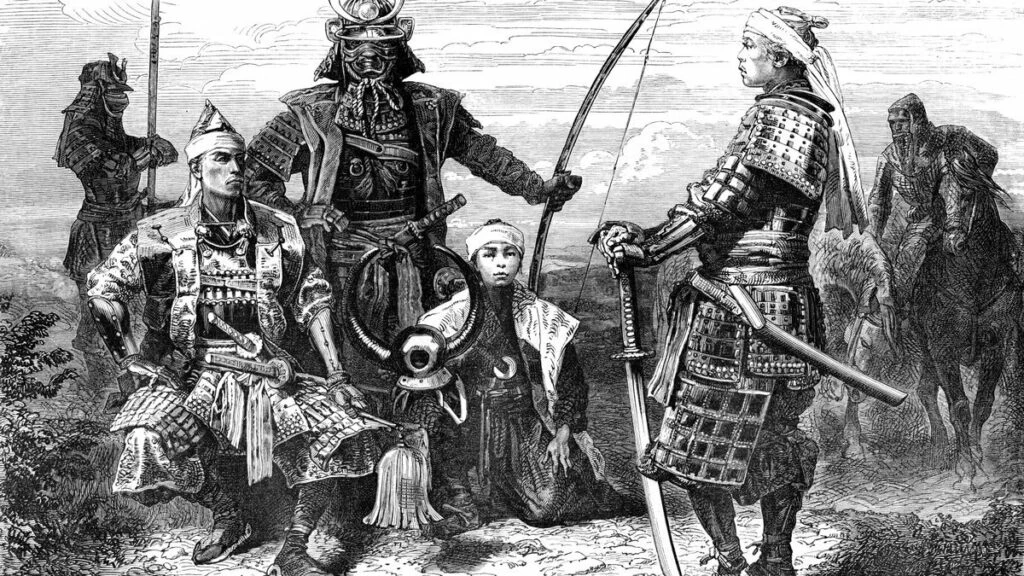
While that might not sound towering today, context matters. In the 16th century, the average Japanese man stood at just 157 cm (5 ft 1 in). Naturally, the foreigner was seen as a giant. Shortly after his arrival, Yasuke met Oda Nobunaga in Kyoto. Nobunaga was a powerful warlord and one of the three great original daimyo who sought to unify Japan.
The daimyo was stunned by the overseas visitor's appearance. At first, convinced the man was covered in black ink, he ordered his attendants to scrub his skin clean. Realizing the pigment was real, a delighted Nobunaga invited Yasuke to his castle. 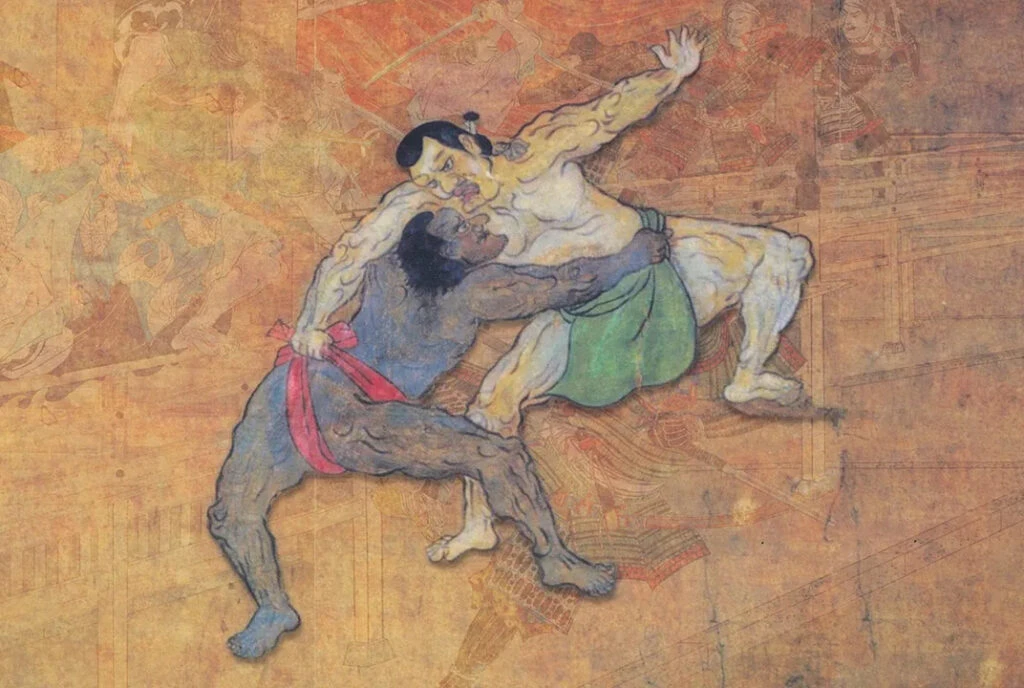
Yasuke learning sumo wrestling
The guest impressed his host with his fluent Japanese and fascinating tales of distant lands, detailing life in Africa, Arabia, and India. Pleased with the encounter, the warlord instructed his nephew to bestow lavish gifts upon the stranger. Yasuke was soon invited back for further conversations, paving the way for a deep friendship between the two men.
The Warlord and the Black Samurai
Nobunaga himself was hardly a typical figure for his era. His contemporaries viewed him as eccentric, partly because he frequently wore European clothing. A passionate martial artist, he was deeply intrigued by foreign military tactics and weaponry. He also possessed a strong intellectual curiosity, never missing an opportunity to learn from foreigners. 
Serge Bilé with his book "Yasuke"
French-Ivorian writer Serge Bilé, author of a biographical novel about Yasuke, is considered one of the foremost experts on his life. Speaking about the Black warrior, he noted:
"Yasuke was a warrior at heart. He understood Japan's cultural code, yet he also enjoyed dancing and reciting utenzi—a genre of Swahili epic poetry. This leads some historians to believe he was born in modern-day Mozambique, where Swahili is still spoken in the north. Nobunaga, meanwhile, was a patron of the arts and a fan of Noh theater, a classical form of Japanese musical drama."
These two forward-thinking men from vastly different worlds instantly connected. Oda Nobunaga grew fond of the Black warrior, treating him like family. The African samurai was among the select few permitted to dine with the powerful ruler. 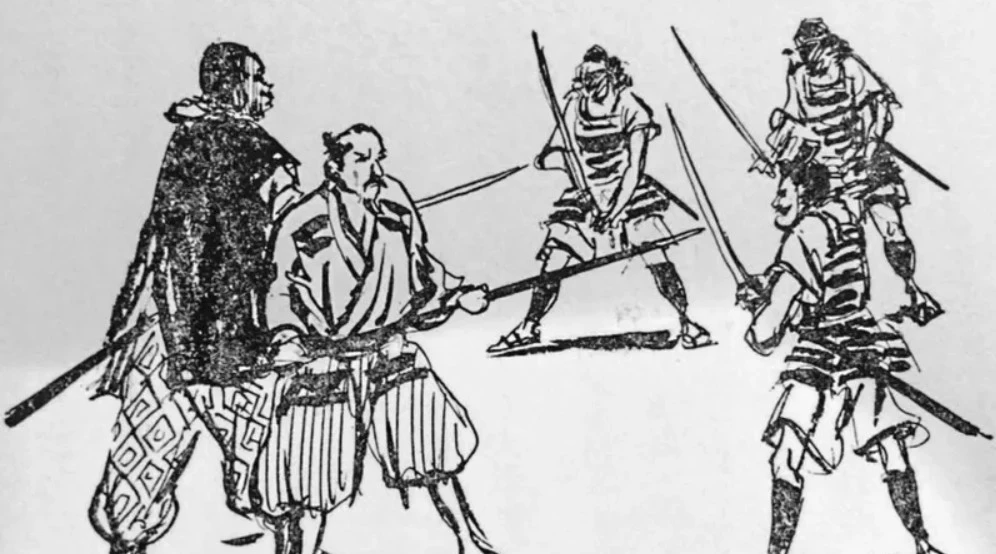
Yasuke and Nobunaga fighting shoulder to shoulder. Modern artwork
Within a year, Nobunaga bestowed upon Yasuke the status of samurai. It was unprecedented—no foreigner had ever been granted such an honor. While Englishmen and Dutchmen were later welcomed into the samurai ranks, Yasuke was the pioneer. Yasuke fought alongside the daimyo in numerous battles. Contemporaries noted that the African possessed the strength of ten men and was completely fearless.
The End of Yasuke's Story
Yasuke remained by his friend and lord's side until the very end. In 1582, Nobunaga was betrayed by one of his closest generals, Akechi Mitsuhide. Mitsuhide’s troops surrounded Nobunaga's quarters and set them ablaze, aiming to capture the warlord alive. Yasuke and the daimyo found themselves trapped in a burning room. Nobunaga committed ritual suicide (seppuku), entrusting Yasuke with the solemn duty of decapitation to complete the rite. 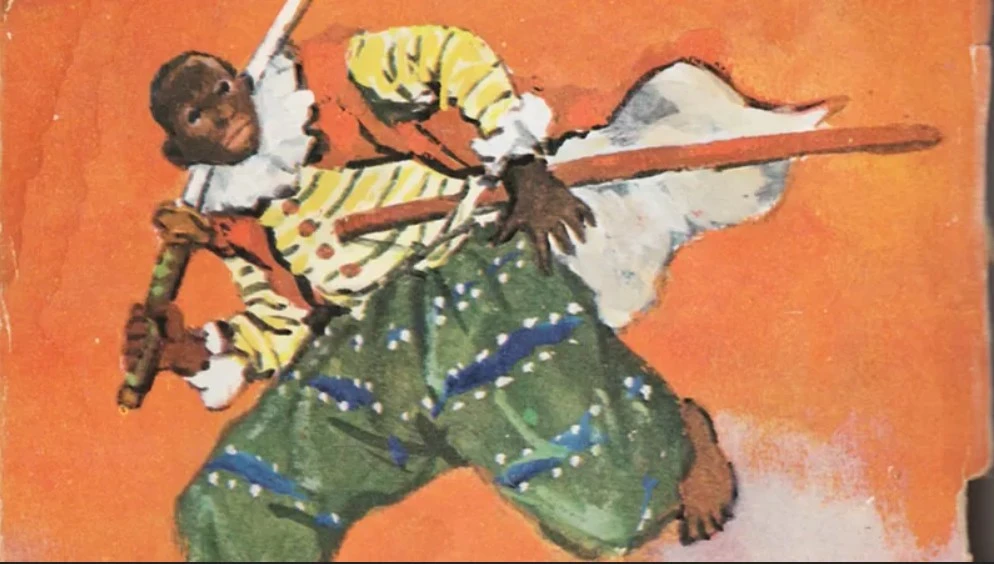
Yasuke as depicted in the children's book "Kurosuke"
Before dying, Oda Nobunaga asked Yasuke to bring his head and sword to his son. Such a task was a mark of supreme trust, a duty traditionally reserved for close family. The Black samurai managed to escape the burning temple and carried out his lord's final request. Unfortunately, this is where the historical record of Yasuke abruptly ends. What became of the African samurai afterward remains a mystery.
The documented period of Yasuke's life spans just three years, from 1579 to 1582. Despite this brevity, he remains a beloved and respected figure in Japan. He is the subject of books, anime, and manga. Generations of Japanese children grew up reading "Kurosuke" (from "kuro", meaning black), a picture book by Yoshio Kurusu. More recently, the tale of the Black warrior caught the eye of Hollywood filmmakers, with a major feature film about his life currently in development.