Translations That Shaped History—and Those That Nearly Broke It (13 photos)
On September 30, the world celebrates International Translation Day. Established in 1991, the date was chosen to honor Saint Jerome, the patron saint of translators who rendered the Bible into Latin. While the translator's work often goes unnoticed behind the scenes, a single word has at times decided whether a war would break out, whether serfdom would be abolished, or whether a child hiding in occupied Amsterdam would get the chance to be heard 70 years later. Here are 11 stories of translations that saved—or nearly shattered—entire eras, from Martin Luther to Hiroshima. 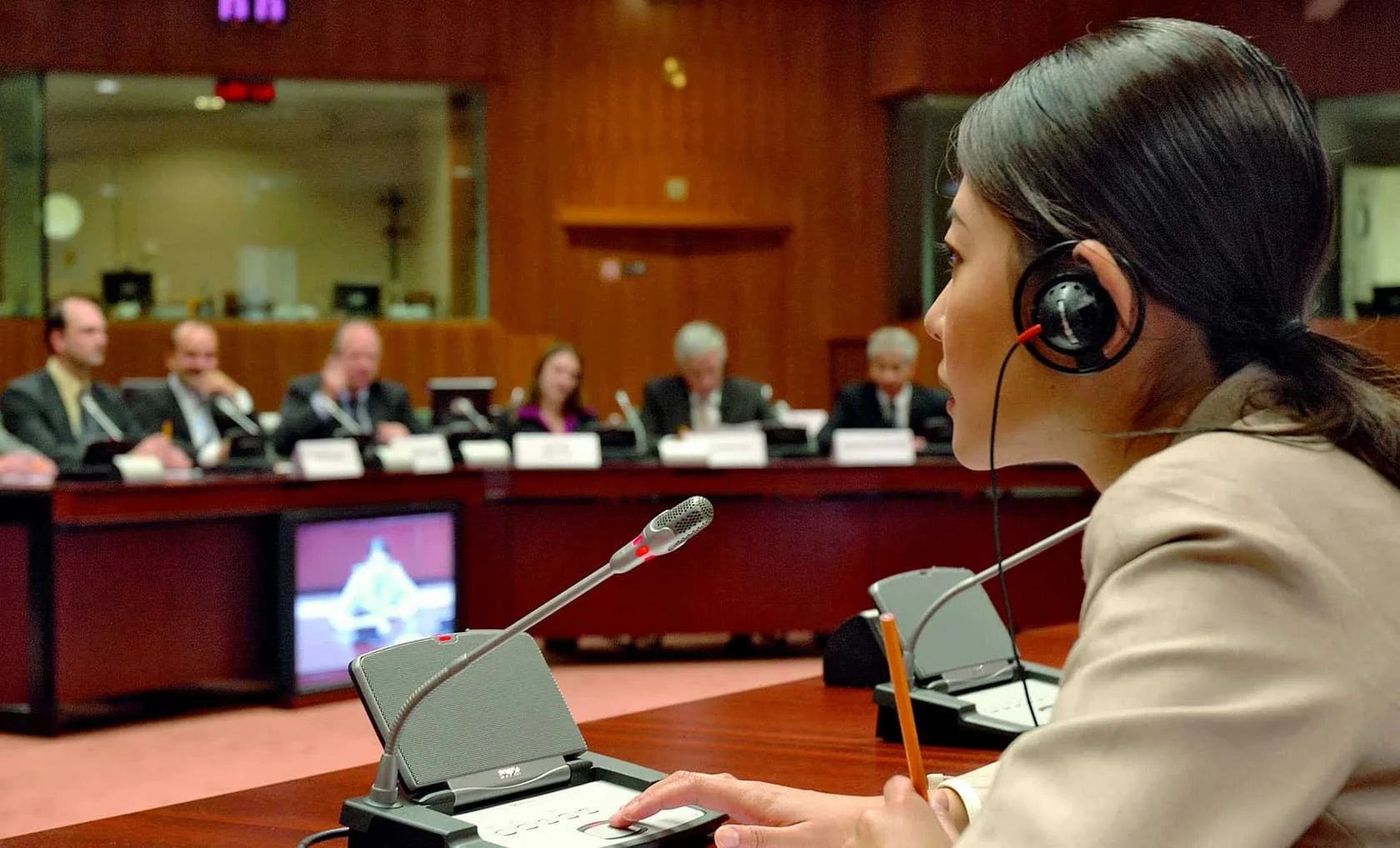
Luther’s Bible (1522): The Birth of the German Language
In 1521, Martin Luther was declared an outlaw for his criticism of the Catholic Church. Allies hid him at Wartburg Castle near Eisenach. There, operating under the pseudonym Knight George, Luther translated the New Testament from Greek into German in just 11 weeks. 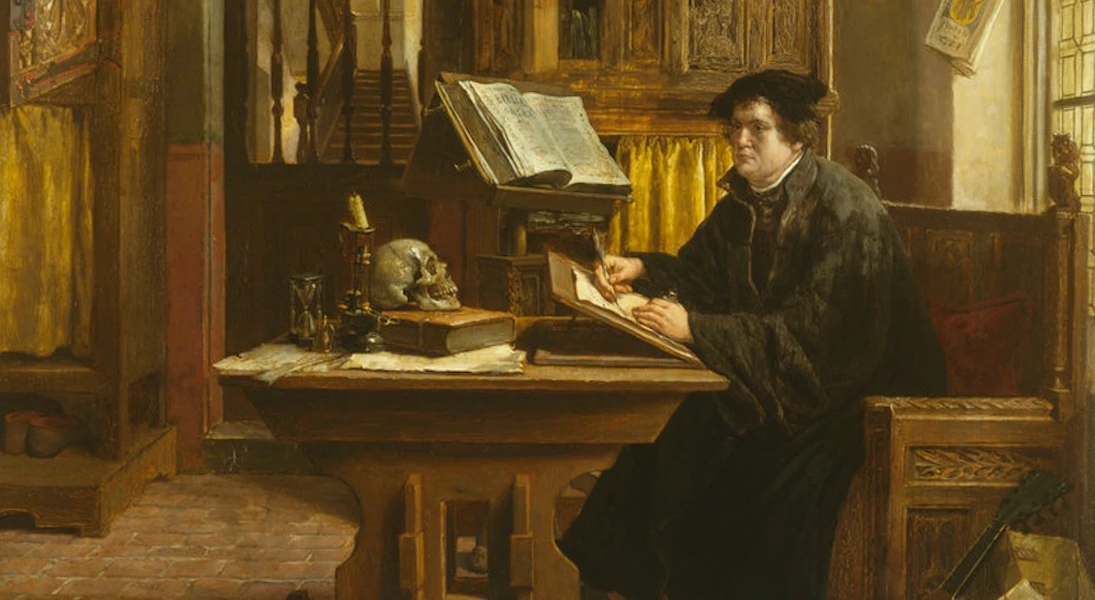
Martin Luther as Knight George—the disguise he adopted at Wartburg Castle while translating the New Testament.
Before Luther, a unified German language didn't exist—only a patchwork of regional dialects. Luther deliberately wrote in the vernacular of everyday market-goers rather than scholarly theologians. His text laid the foundation for modern German and gave millions of believers their first opportunity to read the Bible without a priest acting as an intermediary.
Chapman’s
Iliad
(1611) and Keats’s Sonnet
Until the 17th century, Homer was accessible in England only to those who could read Ancient Greek. Poet George Chapman changed that by rendering the
Iliad
into vibrant, resonant English verse. 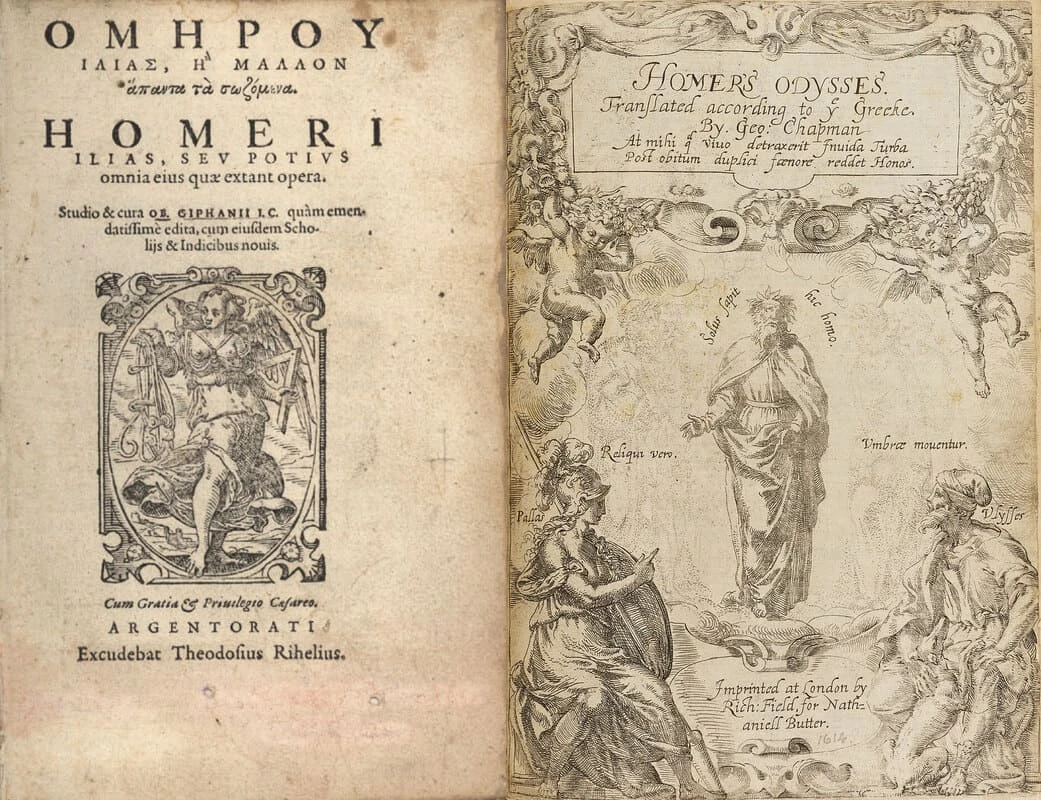
The title page of Chapman’s
Iliad
—the translation that inspired a young John Keats two centuries later.
In 1816, 20-year-old John Keats devoured the translation in a single night. By morning, he had composed "On First Looking into Chapman's Homer"—one of the most celebrated sonnets in English poetry. Without Chapman's translation, that sonnet would never have existed. 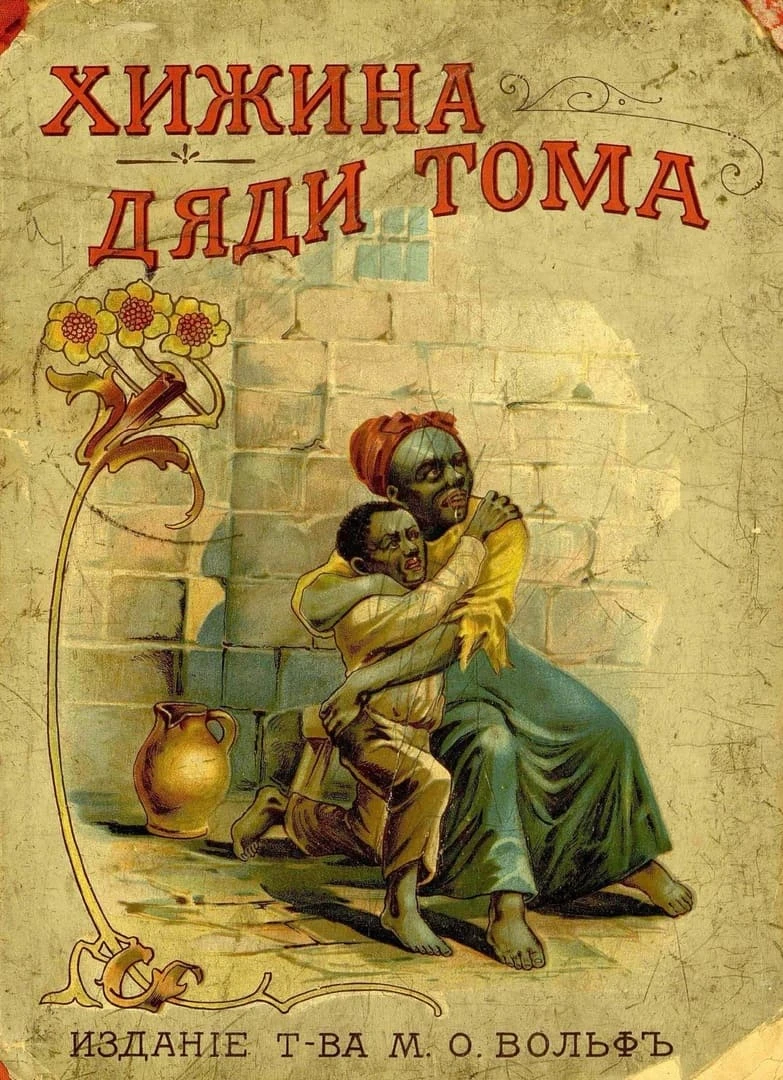
An edition of
Uncle Tom’s Cabin
—the book generated widespread debate even before its official translation was published.
According to contemporaries, Tsar Alexander II read the novel and was deeply moved by it. While historians do not directly attribute the 1861 Emancipation Reform to the book alone, the novel’s fierce anti-slavery sentiment aligned with the growing debate over abolishing serfdom in Russia—and certainly added fuel to the fire.
The Nuremberg Trials (1945–1946): The Birth of Simultaneous Interpretation
Before Nuremberg, simultaneous interpretation in courtrooms simply didn't exist—only consecutive interpretation, where the speaker pauses for translation. The trial of Nazi war criminals was conducted simultaneously in four languages: English, French, Russian, and German. IBM hastily developed customized audio equipment to enable real-time translation through headphones. 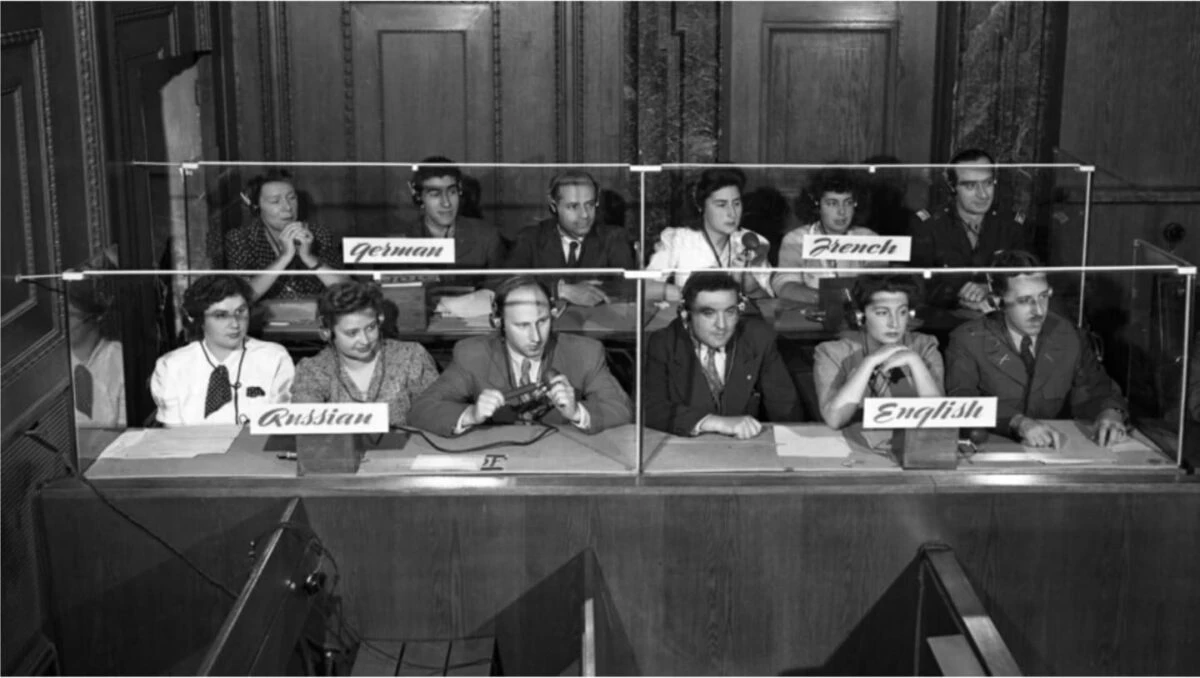
Simultaneous interpretation booths at the Nuremberg Trials—where the modern profession of simultaneous interpreting was born.
Among the interpreters was 22-year-old Richard Sonnenfeldt, a German Jew who had fled the Nazis to England and later the United States. He became the chief interpreter for the American prosecution team and personally interrogated Hermann Göring. Nuremberg marked the dawn of professional simultaneous interpretation, an essential fixture today at the UN and every major international summit.
“Mokusatsu” (1945): The Word That May Have Hastened Hiroshima
In July 1945, the Allies issued the Potsdam Declaration demanding Japan's unconditional surrender. At a press conference, Prime Minister Kantarō Suzuki was asked about the government's stance. Suzuki responded with the word
mokusatsu
. 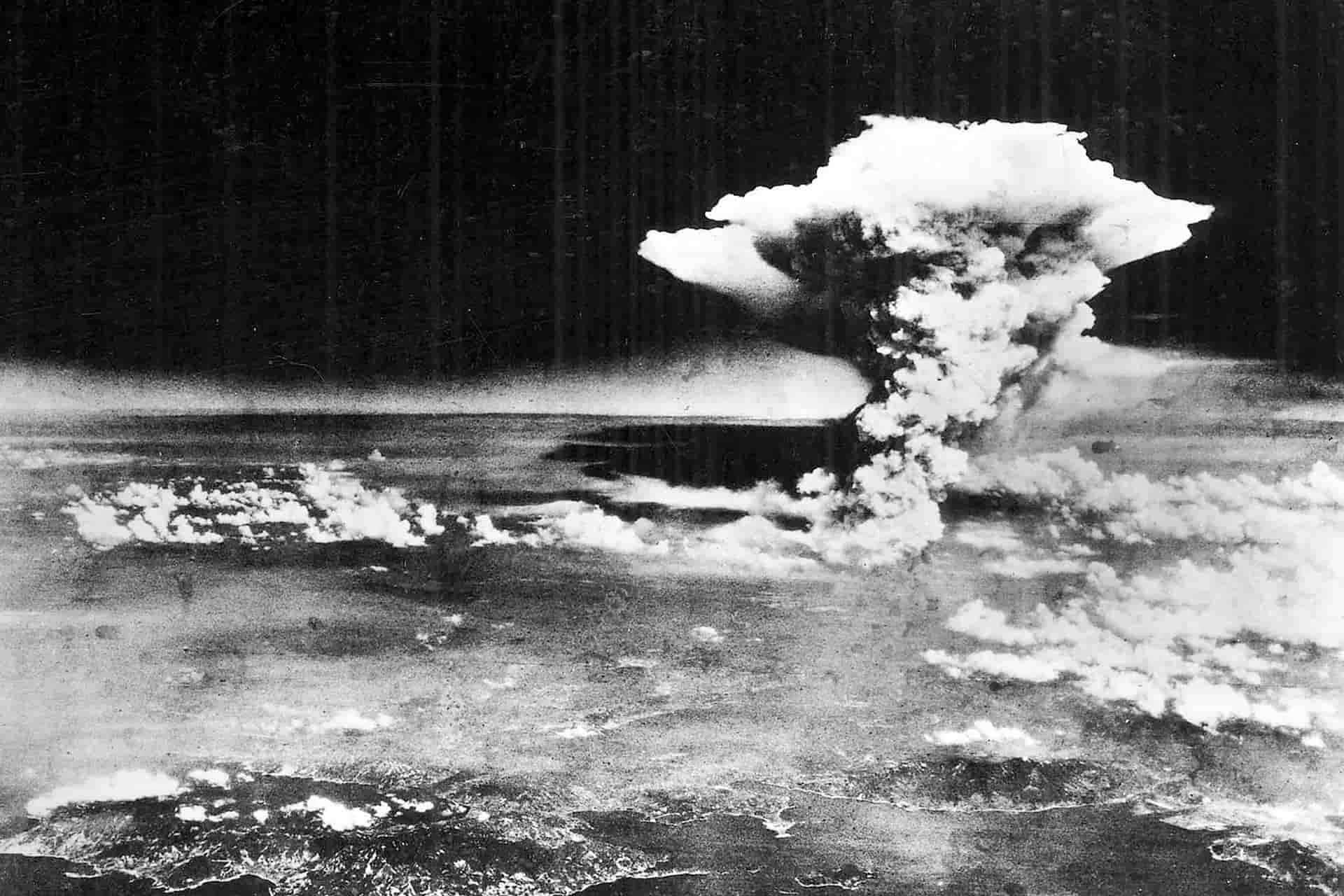
The mushroom cloud over Hiroshima, August 6, 1945—a tragedy whose origins historians still scrutinize for the role played by a single mistranslated word.
The term carried two distinct meanings: "to withhold comment" or "to treat with silent contempt." The Japanese news agency Domei opted for the latter in its English translation, and the American press quickly seized on it. On August 6, 1945, an atomic bomb was dropped on Hiroshima. While order preparations for the bombing were already underway, some historians argue the translation catalyzed the fatal outcome—keeping the debate over this single word alive to this day.
“We Will Bury You” (1956)
On November 18, 1956, at a reception at the Polish Embassy in Moscow, Nikita Khrushchev addressed Western ambassadors with the phrase “Мы вас похороним.” His interpreter, Viktor Sukhodrev, rendered it literally: “We will bury you.” 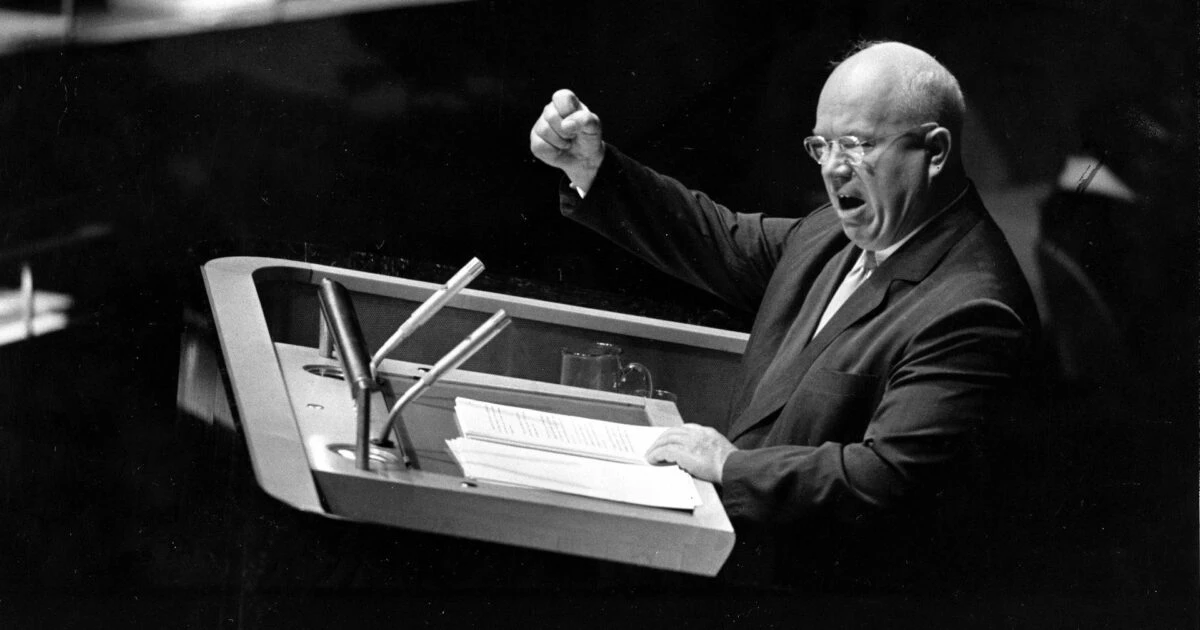
Nikita Khrushchev at a diplomatic reception—his remark about "burying" capitalism made headlines worldwide.
The literal translation sounded like a direct military threat and spread through the Western press within days. In Russian, however, the idiom carried a different nuance: "we will outlast you"—economically and historically, rather than physically. Khrushchev later clarified that he meant communism would outlive capitalism, but the explanation lacked the punch of the original misstep.
The Cuban Missile Crisis (1962): Negotiations Without Interpreters
In October 1962, the world stood closer to nuclear war than ever before. Soviet Ambassador Anatoly Dobrynin and Robert F. Kennedy conducted secret negotiations to forge a way out of the crisis. 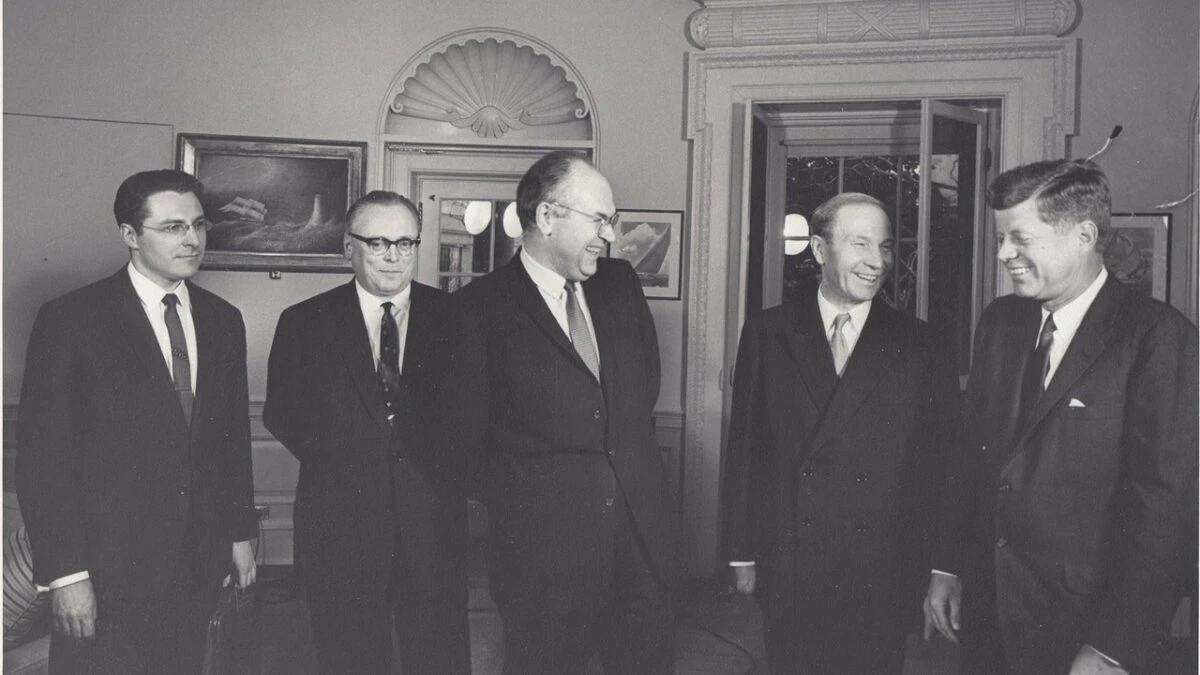
Talks during the Cuban Missile Crisis took place without official interpreters—both sides relied on written notes and bilingual intermediaries.
Several meetings occurred without staff interpreters, requiring the key players to communicate directly and exchange written notes. Any misinterpretation of terms could have derailed the fragile dialogue. Ultimately, a deal was reached, but historians emphasize that the fate of the world hung on the precise phrasing of a few crucial messages.
The Million-Dollar Comma (2006)
In Canada, legal documents are drafted in both official languages—English and French—with both versions holding equal legal weight. In 2006, telecom giant Rogers Communications signed an agreement with Aliant to lease utility poles. 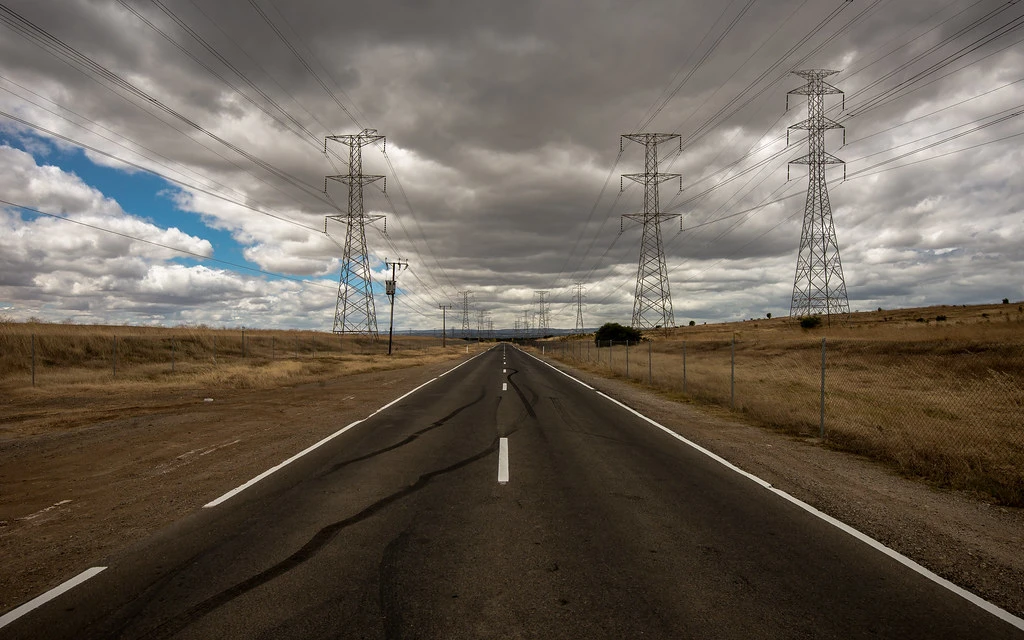
Ordinary utility poles in Canada became the centerpiece of a million-dollar legal dispute—all over a single comma.
The dispute hinged on the placement of a comma in the English text, which created ambiguity over whether the contract could be terminated early. Aliant cancelled the agreement based on that comma. Rogers countered with the French version, where the punctuation was unambiguous. Regulators eventually ruled in favor of Rogers, but the legal battle cost the companies well over a million Canadian dollars.
The $71 Million Word
In 1980, 18-year-old Willie Ramirez was rushed unconscious to a Florida hospital. His Spanish-speaking family tried to explain what had happened, describing him as
intoxicado
. 
A hospital emergency room—where a single mistranslated word changed a patient's life forever.
In Spanish,
intoxicado
refers to general poisoning, such as food poisoning. A bilingual staff member translated it as "intoxicated"—assuming Ramirez was suffering from a drug or alcohol overdose. Doctors treated him accordingly while he was actually suffering from an intracerebral hemorrhage. By the time the true condition was diagnosed, the delay had left the young man quadriplegic. The hospital subsequently paid a $71 million malpractice settlement.
The Rosetta Stone (1822) and Champollion
The last known inscription in Egyptian hieroglyphics was carved in AD 394. For nearly 1,400 years afterward, no one on Earth could read them. The key to unlocking the ancient code came with the discovery of the Rosetta Stone, which featured the same decree inscribed in three scripts. 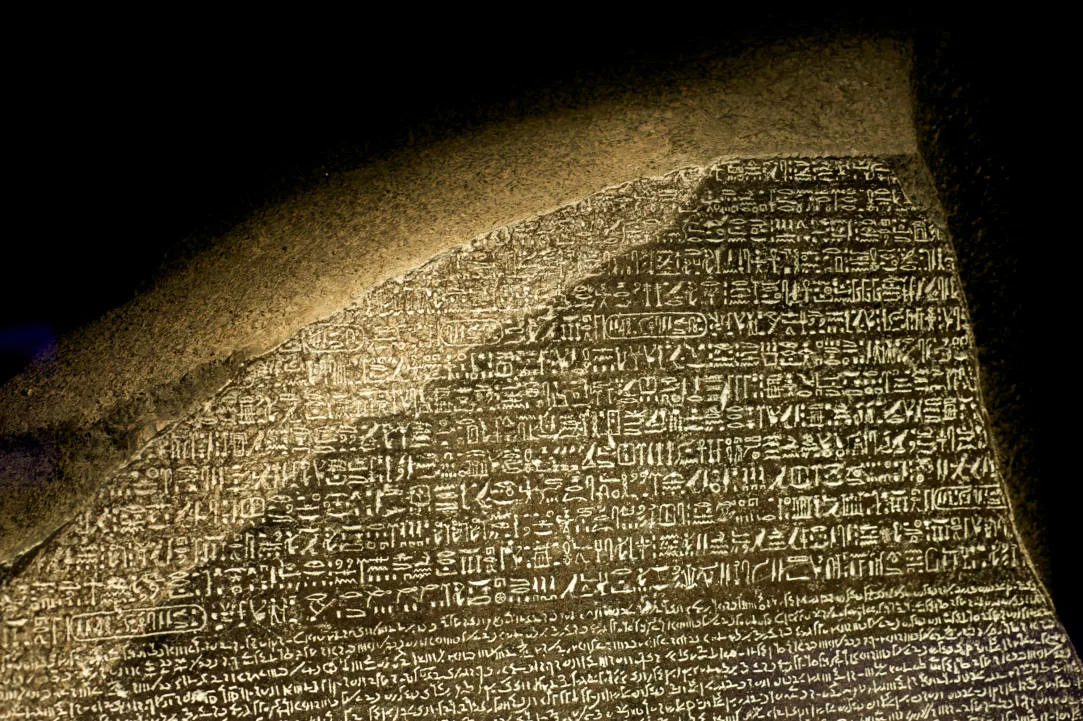
The Rosetta Stone—three versions of the same decree in different scripts served as the key to deciphering ancient hieroglyphs.
Jean-François Champollion studied the stone for 14 years. On September 14, 1822, he burst into his brother's office shouting, “Je tiens l’affaire!” (“I’ve got it!”)—and promptly collapsed from exhaustion and excitement. He officially announced his breakthrough on September 27 of that year. His decipherment unlocked three millennia of Egyptian history for the modern world.
The Diary of Anne Frank (1952)
Anne Frank wrote her diary in Dutch while hiding from the Nazis with her family in Amsterdam. After her death in a concentration camp, her father, Otto Frank, struggled to find a publisher, as the manuscript was rejected by several publishing houses. 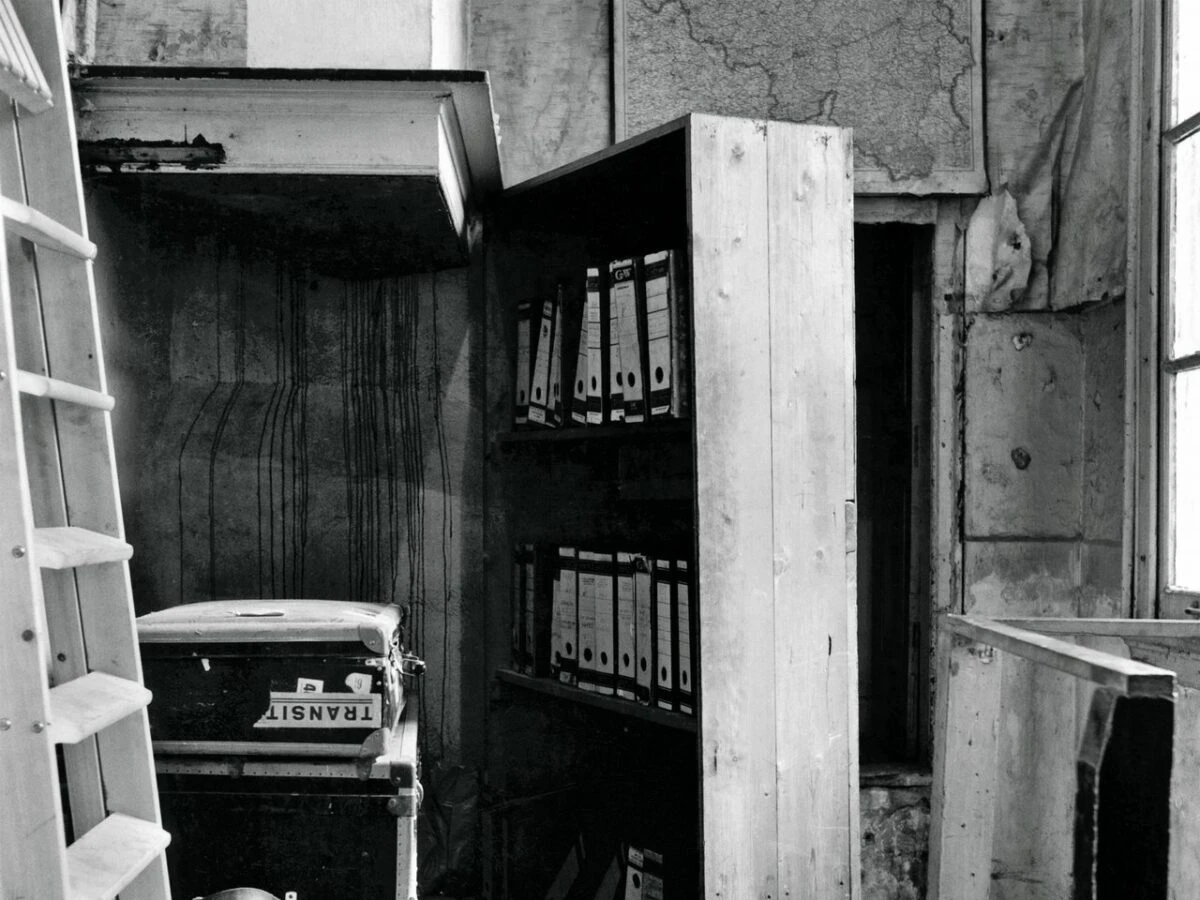
A canal house in Amsterdam—where Anne Frank kept the diary that would later be translated into over 70 languages.
Barbara Mooyaart-Doubleday’s English translation was published in 1952, transforming the diary into a global phenomenon. Today, the book has been translated into more than 70 languages and has sold over 30 million copies. It remains one of the most poignant testaments to the Holocaust—and one of the most widely translated works of the 20th century. 
One translator can alter the course of conflict with a single misplaced word, while another bridges centuries to connect Homeric antiquity with a 21st-century reader. International Translation Day on September 30 is a fitting moment to remember that behind every book we enjoy in our native tongue lies the dedicated, often invisible work of a translator.
Have you ever encountered hilarious or frustrating translation fails in movies, user manuals, or restaurant menus? Share your stories in the comments below!