How Mount Everest Became the World's Highest Trash Dump (9 photos)
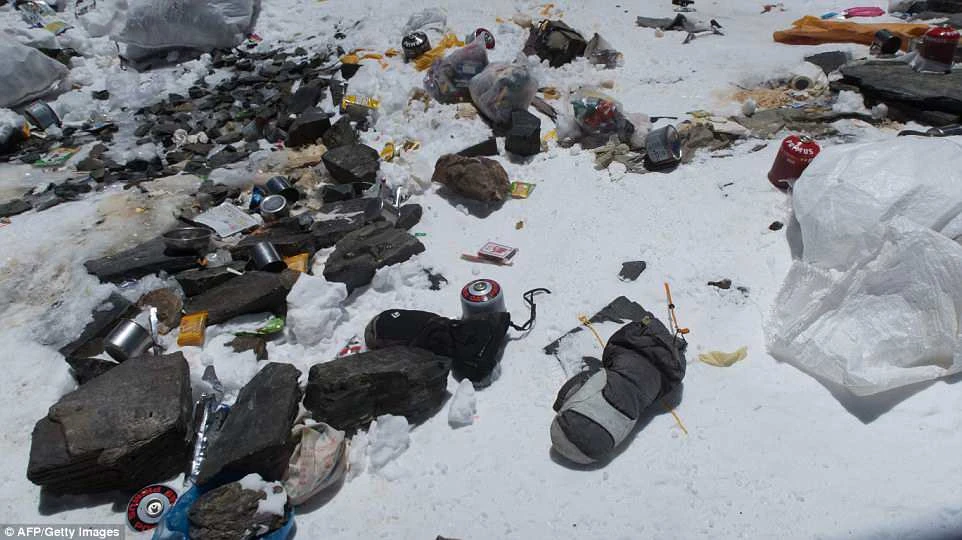
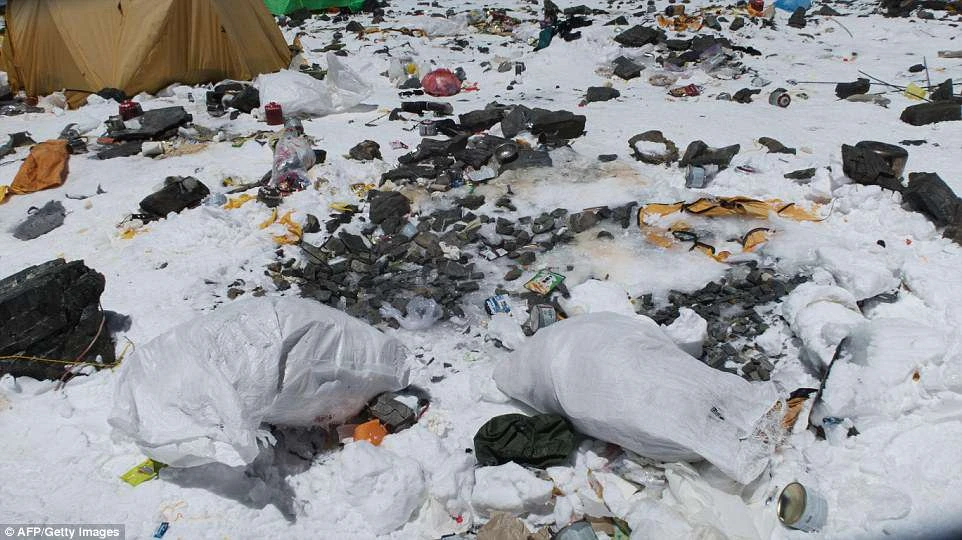
Mount Everest, the highest peak on Earth, has now earned another title: the world's highest garbage dump. And the problem is only getting worse. As the number of climbers eager to conquer the summit continues to surge, so does the mountain of trash left in their wake.
Fluorescent tents, discarded climbing gear, empty canisters, and even human waste line the route to the 8,848-meter summit—left behind by climbers who clearly couldn't care less about the environment. 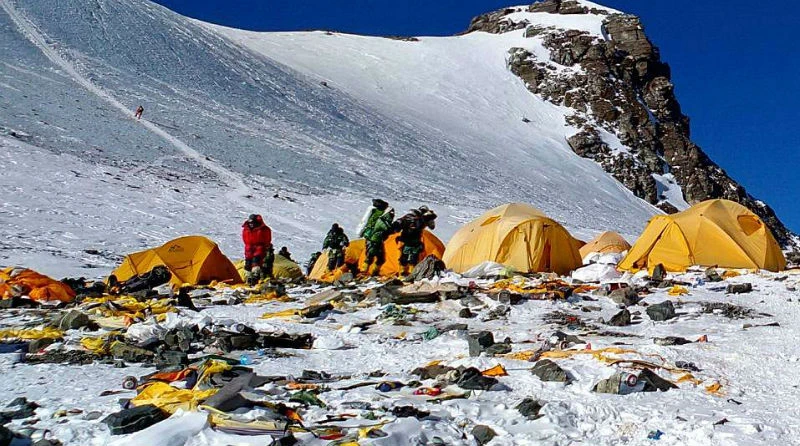
"It’s disgusting, a real eyesore," said Nepalese climber Pemba Dorje, who set the world record for the fastest Everest ascent. "The mountain is covered in tons of trash."
To make matters worse, melting glaciers are exposing rubbish that has been buried since Sir Edmund Hillary and Tenzing Norgay first reached the summit 69 years ago. 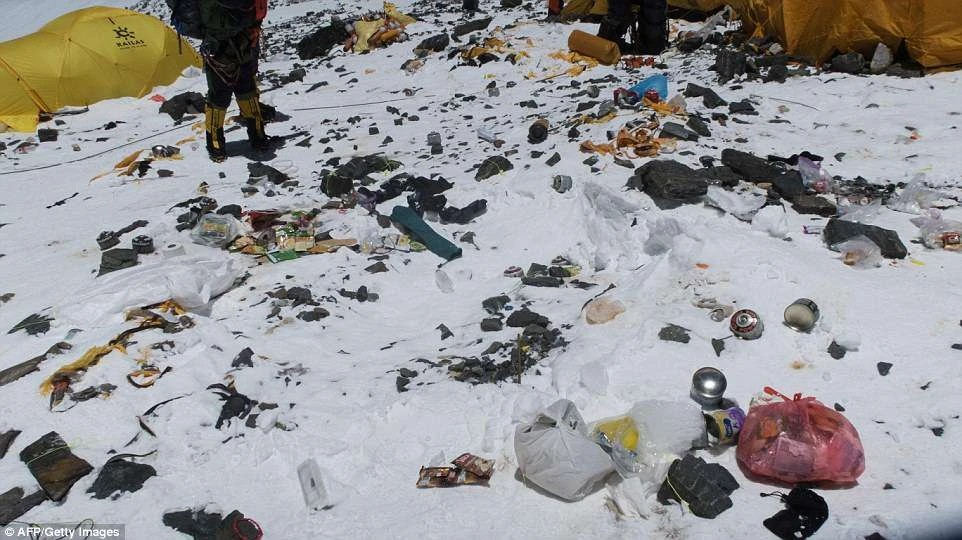 Five years ago, Nepalese authorities introduced a $4,000 garbage deposit for climbing teams, refundable only if each team member brings back at least eight kilograms of trash. On the Tibetan side of the Himalayas, climbers must bring down the same amount or face a fine of $100 per kilogram.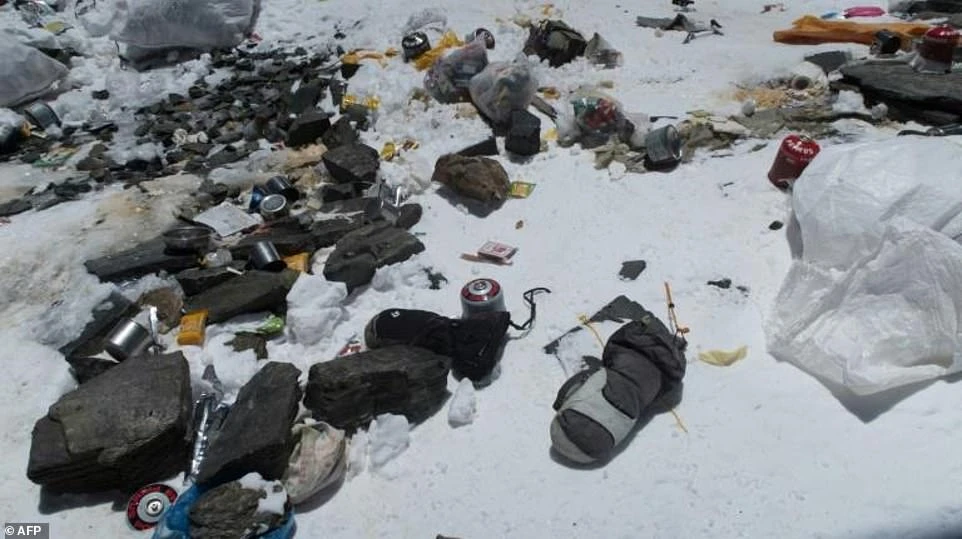
According to the Sagarmatha Pollution Control Committee, climbers in Nepal brought down around 25 tons of trash and 15 tons of human waste in 2017. Even more waste was removed this season, but it is just a fraction of the nightmare unfolding at high altitudes—a crisis that grows worse with every passing year. 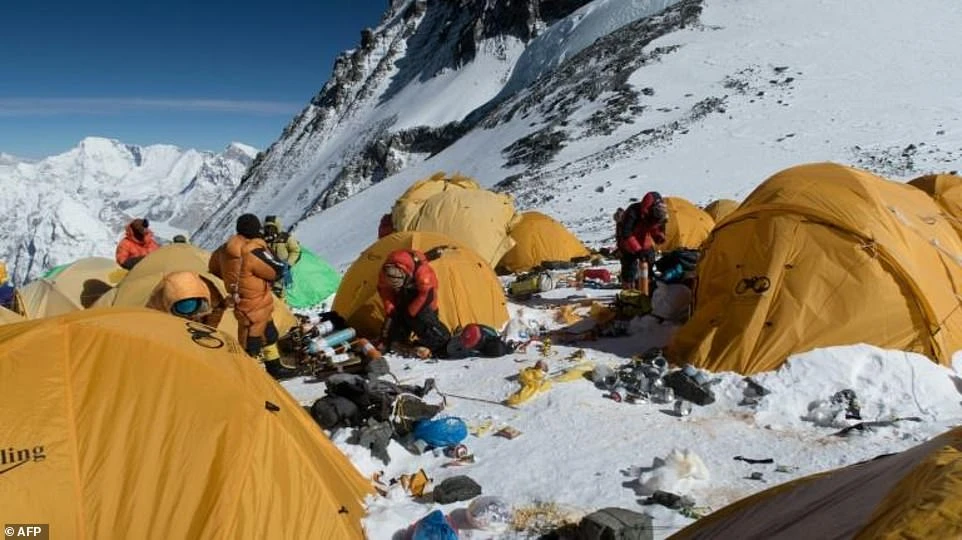 Many climbers simply forfeit the deposit, which is pocket change compared to the total cost of an expedition, ranging anywhere from $20,000 to $100,000. On top of that, corrupt officials often accept bribes instead of enforcing penalties.
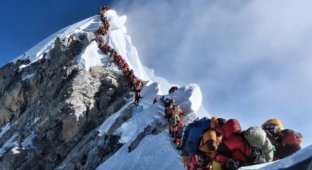
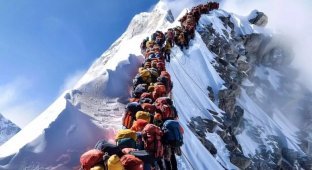
  The commercial climbing industry on Everest has boomed over the last 20 years. This rapid expansion has raised serious concerns over overcrowding and budget expedition operators taking on inexperienced clients—whose lack of preparation only exacerbates the trash problem.
 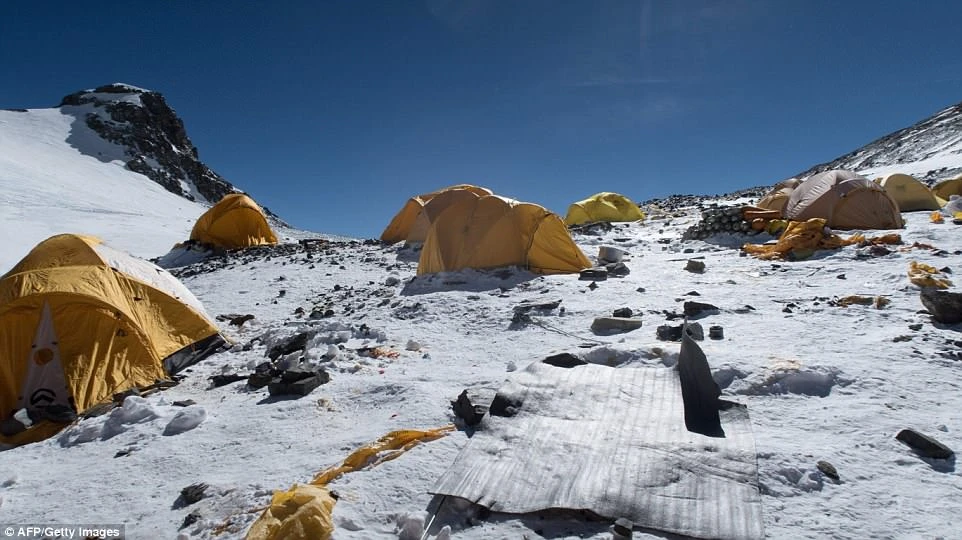 Sherpas—local guides and porters—are hired to haul heavy loads, including tents, extra oxygen tanks, and ropes. In the past, most climbers carried their own gear, food, sleeping bags, and oxygen. Today, climbers increasingly rely on Sherpas for everything, leaving the porters with no capacity to bring down garbage.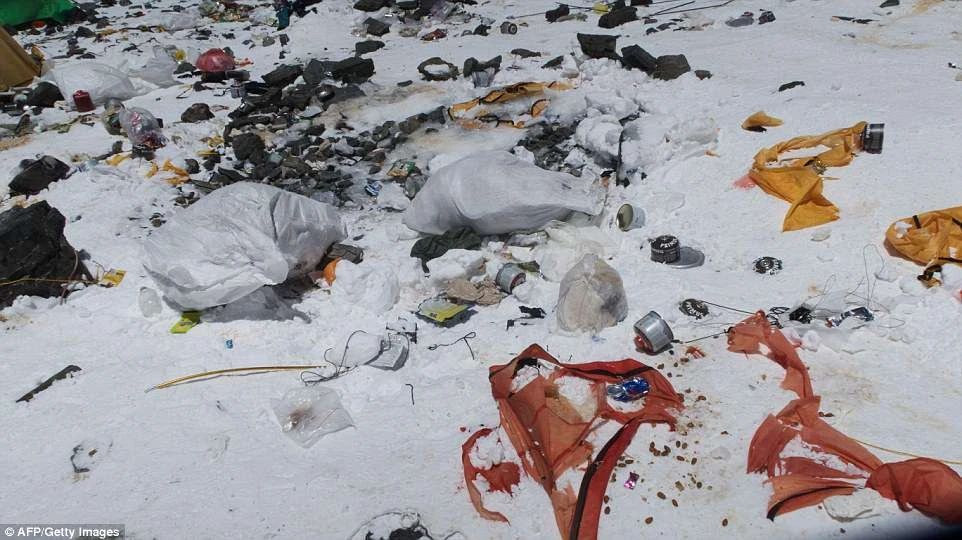
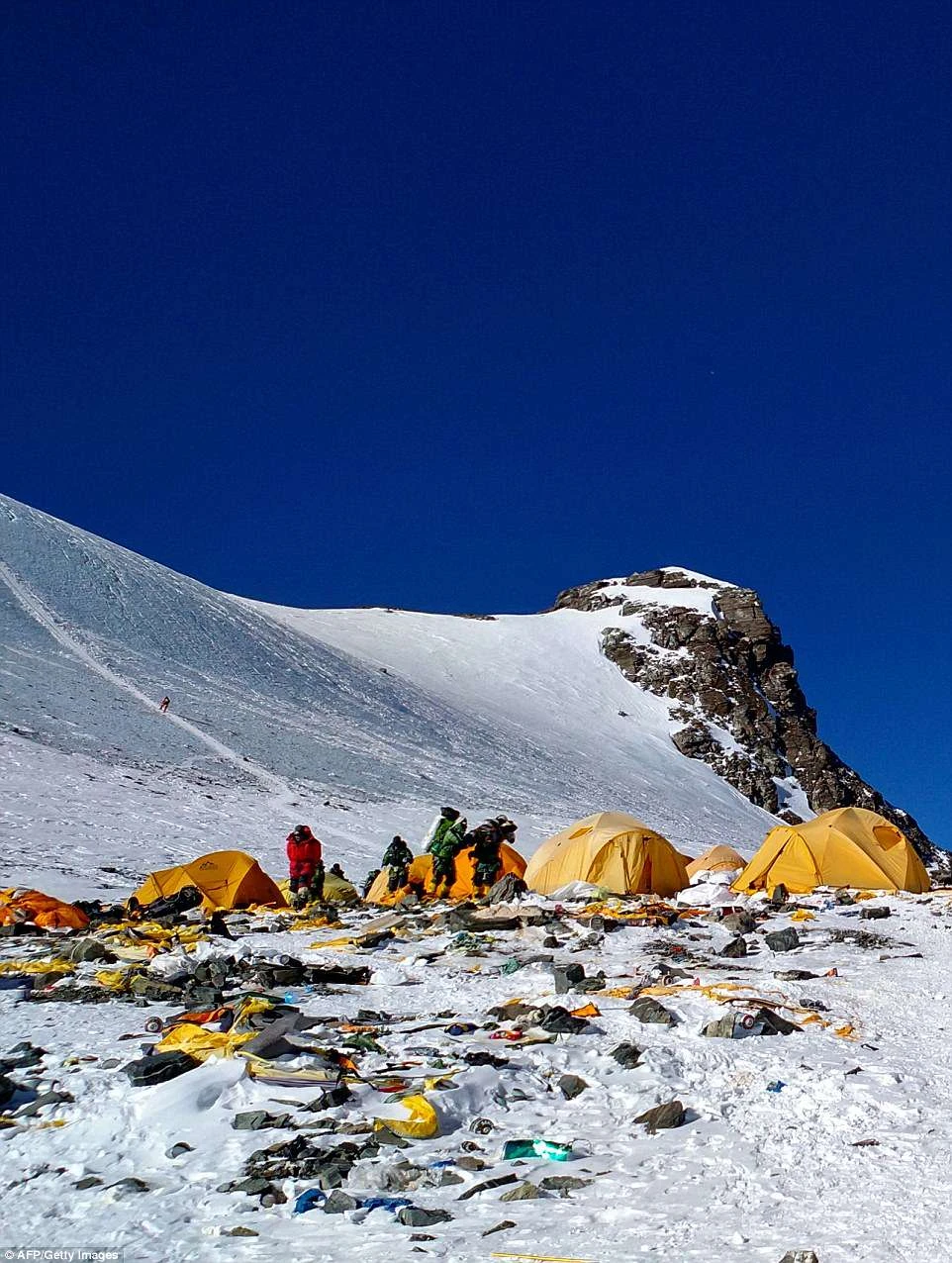 Environmentalists worry that pollution could contaminate water supplies flowing down into the valley below. Currently, untreated sewage from the high-altitude base camp is dumped into pits near a neighboring village, which washes directly into the river during the rainy season.
  Experts are exploring the possibility of installing a biogas plant near Everest Base Camp to turn human waste into usable fertilizer. Another proposed solution is deploying dedicated cleanup teams specifically tasked with collecting trash from the mountain.