10 "Healthy" Habits That Do More Harm Than Good (11 Photos)
Living a healthy lifestyle is all the rage right now. People are loading up on extra vitamins, chugging fresh juices, and cutting out bread. But many of these so-called "good" habits aren't actually good for you at all. We took a closer look at popular wellness trends to see which ones are worth keeping—and which you should drop. 
Fear of Public Restrooms
Plenty of people dread catching an infection in a public bathroom. They line the seat with layers of toilet paper, douse it in sanitizer, and recoil at the thought of skin contact. While public restrooms are admittedly not always a paragon of cleanliness, the most dangerous viruses simply don't survive there. 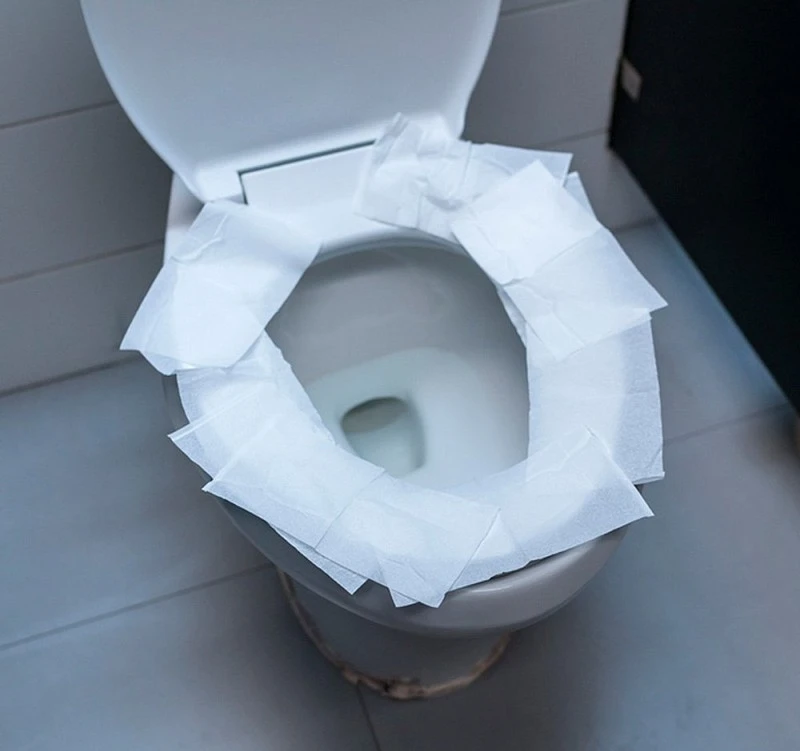
Pathogens responsible for conditions like HIV, herpes, and other sexually transmitted infections thrive in warm, living environments—not on cold porcelain or tile. Once removed from the human body, they die off quickly. The only people who really need to be cautious are those with deep cuts or open wounds on areas coming into direct contact with the seat.
Ditching Bread
"Gluten is public enemy number one for your health!" wellness advocates insist.
Suddenly, it seems as though nearly every other person has developed a gluten sensitivity. It’s remarkable how someone who devoured baked goods with impunity a year ago now claims an intolerance. But gluten isn't nearly as terrifying as Western media portrays it to be. 
According to numerous studies, actual celiac disease or gluten allergies affect only about 1 percent of the global population. Uncomfortable symptoms like bloating, gas, and indigestion are usually just the result of poor food combinations rather than a true gluten intolerance.
Vitamin C Overload
With everyone obsessed with healthy living, dietary supplements have taken center stage—and affordable, accessible Vitamin C has become a fan favorite. 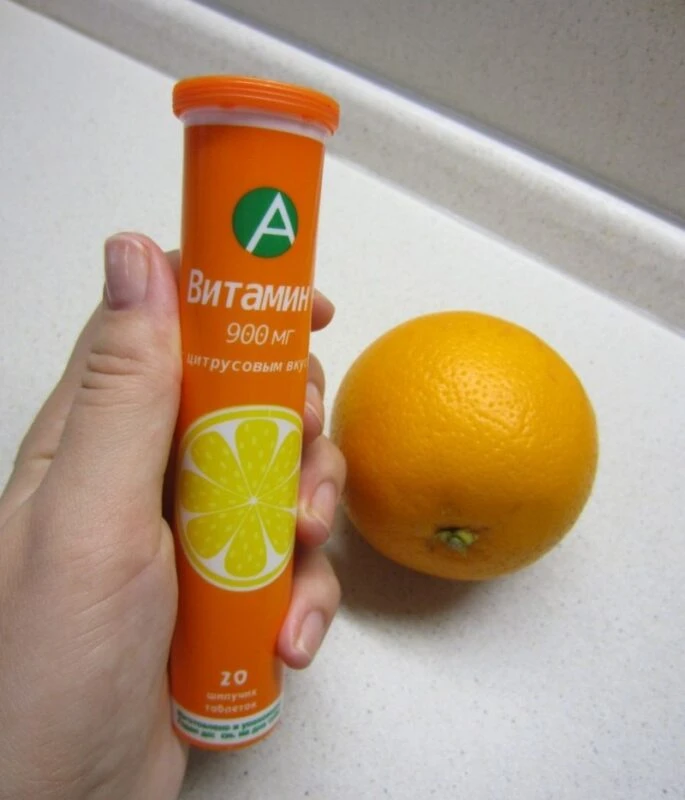
In moderate doses, it does boost immune function. But many people treat these tangy chewables like candy, popping them by the handful—and that can spell trouble. The upper limit for Vitamin C is 2,000 mg a day. Exceeding this limit can lead to diarrhea, stomach upset, nausea, headaches, and allergic reactions.
Using Antibacterial Soap
Whenever sickness spikes, sales of antibacterial products skyrocket, and antibacterial soap is no exception. But don't be fooled. First, marketing claims don't tell the whole story. Second, your skin relies on beneficial microorganisms to protect the epidermis and regulate sebum production. Antibacterial cleansers wipe out the good bacteria right along with the bad. 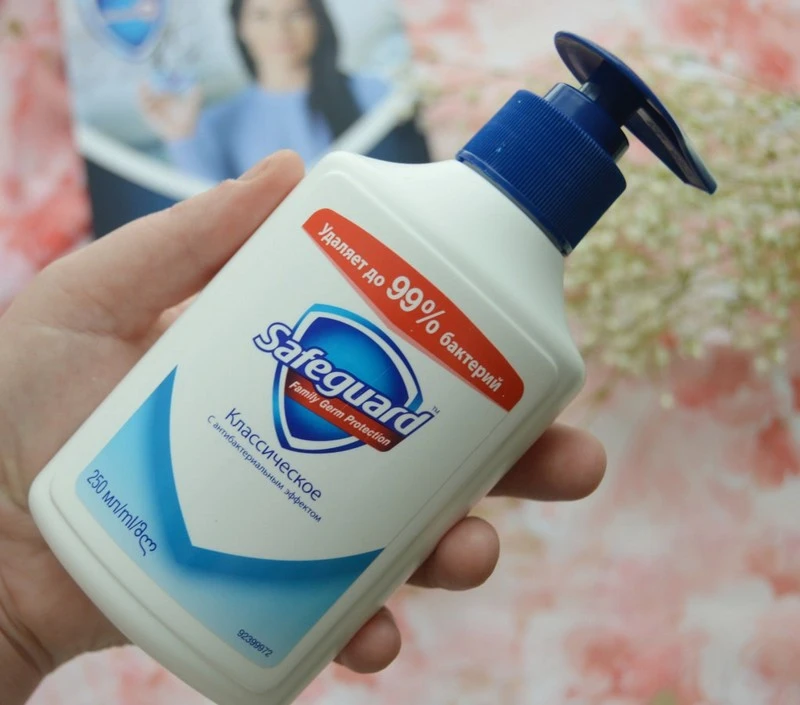
In short, save your money. Stick to regular soap—just make sure to wash your hands a little longer.
Never Cracking Your Knuckles 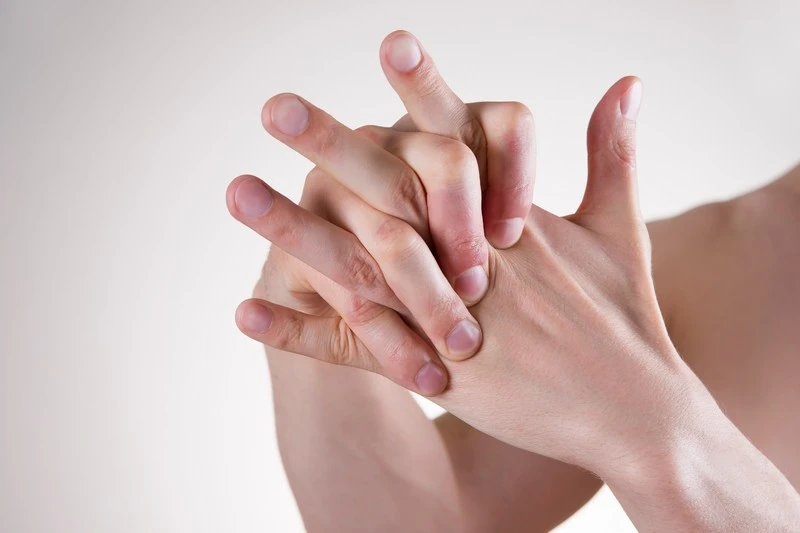
You’ve almost certainly heard warnings that cracking your knuckles will give you arthritis or tremors down the road. Rest assured, this is a total myth. The cracking sound is completely harmless; it’s simply caused by gas bubbles bursting in the fluid that lubricates your joints. In fact, researchers say a loud pop is often a sign of healthy, flexible joints.
Detoxing
"Detox" is another buzzword that has taken the health community by storm. Health-conscious individuals routinely put themselves through juice cleanses or fasting days to "flush out" their systems. 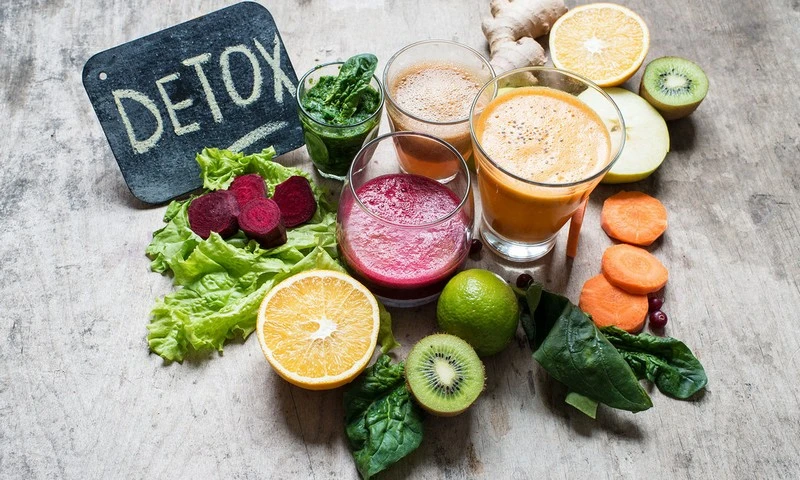
However, medical experts point out that the human body doesn't need artificial help to detoxify. Your internal organs already excel at filtering out waste on their own. Commercial detox products are largely marketing gimmicks—medical detoxification is only necessary in cases of severe poisoning.
Eating Low-Fat Foods
Back in the 1990s, the USDA conducted studies suggesting that low-fat foods were superior to full-fat options. Food manufacturers jumped on the bandwagon, flooding store shelves with low-fat yogurts, skim milk, and sour cream, while promoting margarine as a butter substitute. 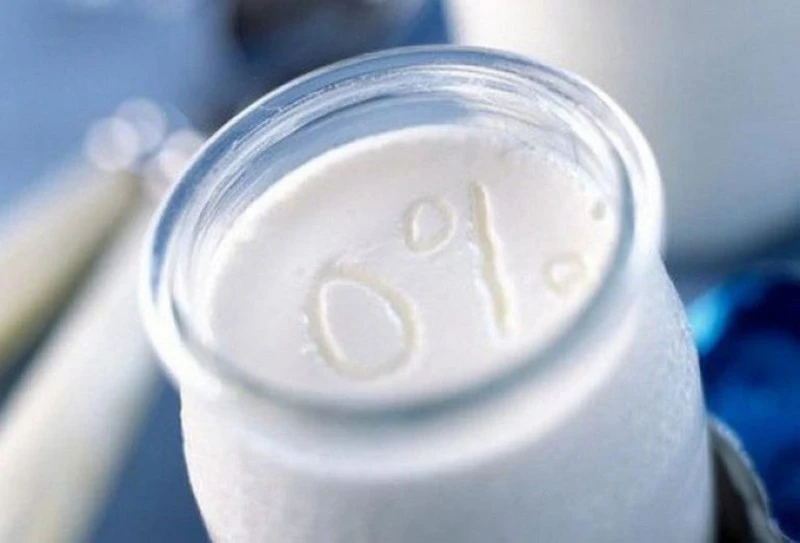
Much has changed since then, and scientists have since debunked the low-fat craze. Research shows that cutting out dietary fat doesn't aid weight loss or prevent cardiovascular disease. On the contrary, depriving your body of healthy fats leaves you feeling irritable, sluggish, and tired.
Drinking Fresh-Squeezed Juices 
Think a glass of fresh juice is just as good as eating whole fruit? Think again. Nutritionists emphasize that the most valuable part of fruits and vegetables is dietary fiber. Juicing strips this away, leaving behind mostly concentrated sugar. As for store-bought juice, it offers little more health benefit than a soda, loaded with added sugar and preservatives.
Avoiding Microwaves 
Microwaves have long been plagued by alarmist rumors. Critics claim they emit dangerous radiation and destroy the nutrients in your food. To set the record straight, Harvard researchers thoroughly studied microwave cooking and confirmed that it is completely safe—and retains nutrients just as well as stovetop cooking.
Hiding From Germs 
When health fears run high, jumping out of the way of coughing or sneezing passersby becomes second nature. However, doctors note that trying to cover your face or hold your breath after someone sneezes is largely pointless.
Sneezes propel respiratory droplets at speeds up to 100 mph (160 km/h)—by the time you react, it's already too late. If you really want to protect yourself, gently ask anyone showing symptoms to cover their mouth and nose.