13 "Healthy" Habits You Should Actually Quit (14 photos)
We all want to look after ourselves and our loved ones, and we're constantly bombarded with advice on what we should and shouldn't do for our health. Unfortunately, modern pop culture has ingrained some utterly absurd health myths into our daily routines.
Here are 13 habits we mistakenly consider good for us. 

1. Using a standing desk.
Standing desks have been the ultimate wellness trend in recent years. The general consensus was that sitting is terrible for you and standing is the cure. But is that actually true?
A long-term study following 4,000 American adults revealed that using a standing desk doesn't lower your chances of developing chronic diseases linked to a sedentary lifestyle.
On the flip side, standing does burn slightly more calories. So if you're just looking to shed a few pounds, it might still be worth a try. 
2. Hovering over public toilet seats out of fear.
In reality, sexually transmitted viruses, including HIV and herpes, are far more fragile than most people think. Once outside the warm environment of the human body, they die almost instantly—often before the person even walks out of the stall.
Numerous studies have explored this topic, and all point to the same conclusion: dangerous pathogens simply aren't transmitted this way.
Plus, your skin acts as an effective natural barrier against microbes.
The only exception is open wounds. If you have cuts, sores, or deep scratches on your legs or buttocks, taking extra precautions in a public restroom is a smart move! 
3. Cutting out bread completely.
Ditching bread has become extremely popular. We're constantly told that carbs make you gain weight and that "gluten sensitivity" is sweeping the population.
But if you dig a little deeper, true gluten intolerance or celiac disease affects less than 1% of the population. For everyone else, bloating, gas, and digestive discomfort are usually caused by something else entirely! 
4. Drinking fresh-squeezed juice.
Fresh fruit and vegetable juices sound like the ultimate health beverage, don't they?
In truth, their benefits are wildly exaggerated. Juicing strips away dietary fiber—the key ingredient that supports gut health, keeps your mood stable, and keeps you feeling full.
Store-bought packaged juices are even worse: you're getting liquid sugar rather than vitamins. The result is sudden hunger spikes, mood swings, fatigue, and muscle loss over time.
Remember: eat your fruit, don't drink it! 
5. Mega-dosing Vitamin C to keep from getting sick.
Yes, Vitamin C helps support your immune system. But getting too much of it can be just as problematic as a deficiency, and it can actually make you feel ill!
The safe upper intake limit for Vitamin C is 2,000 mg per day. Exceeding this amount can trigger diarrhea, nausea, vomiting, heartburn, headaches, and a host of other unpleasant side effects. 
6. Eating only egg whites instead of whole eggs.
Diet gurus spent years convincing millions of people that egg yolks are nothing more than a cholesterol bomb. However, a growing body of research shows that dietary cholesterol from whole eggs has very little impact on blood cholesterol levels.
Unless you have a specific cardiovascular condition, there is no reason to worry.
Good morning, Eggs Benedict! 
7. Buying antibacterial hand soap.
Constantly washing your hands with antibacterial products is not only unnecessary, but it can also be harmful. Your skin naturally harbors plenty of beneficial bacteria alongside the bad.
Don't fall for the advertising hype. Plain soap and water work just fine. 
8. Taking daily multivitamins.
Nearly half of all American adults take a multivitamin every single day—a testament to the incredible power of supplement marketing!
Yet decades of research consistently show that multivitamin pills offer little to no health benefit for the average person.
That doesn't mean you don't need vitamins. But first, you should get them from whole foods like fruits and vegetables, as synthetic nutrients in pills aren't absorbed nearly as well. Second, the vast majority of people get all the vitamins they need directly from a balanced diet.
If you're already healthy, why waste money on pills? 
9. Holding your breath when someone sneezes or coughs.
When someone coughs or sneezes without covering their mouth, respiratory droplets fly through the air at speeds up to 200 mph. Trying to protect yourself by holding your breath for two seconds is completely useless!
You're better off politely asking the person to cover their mouth or sneeze in another direction. 
10. Worrying that cracking your knuckles will ruin your joints.
For a long time, nobody fully understood what caused that popping sound. Why do some people's joints crack so loudly, and why do yours do it too?
It turns out it isn't bones grinding together at all. It's simply the sound of gas bubbles collapsing in the fluid that lubricates your joints.
Recent studies suggest that popping joints aren't a sign of damage at all. As Dr. Greg Kawchuk, a professor at the University of Alberta and lead researcher on the topic, explains:
"We often assume joint popping is a bad sign, but the reality might actually be the opposite. The presence of that gas shows the joint fluid is healthy and lubricated, and there is zero evidence linking knuckle cracking to arthritis." 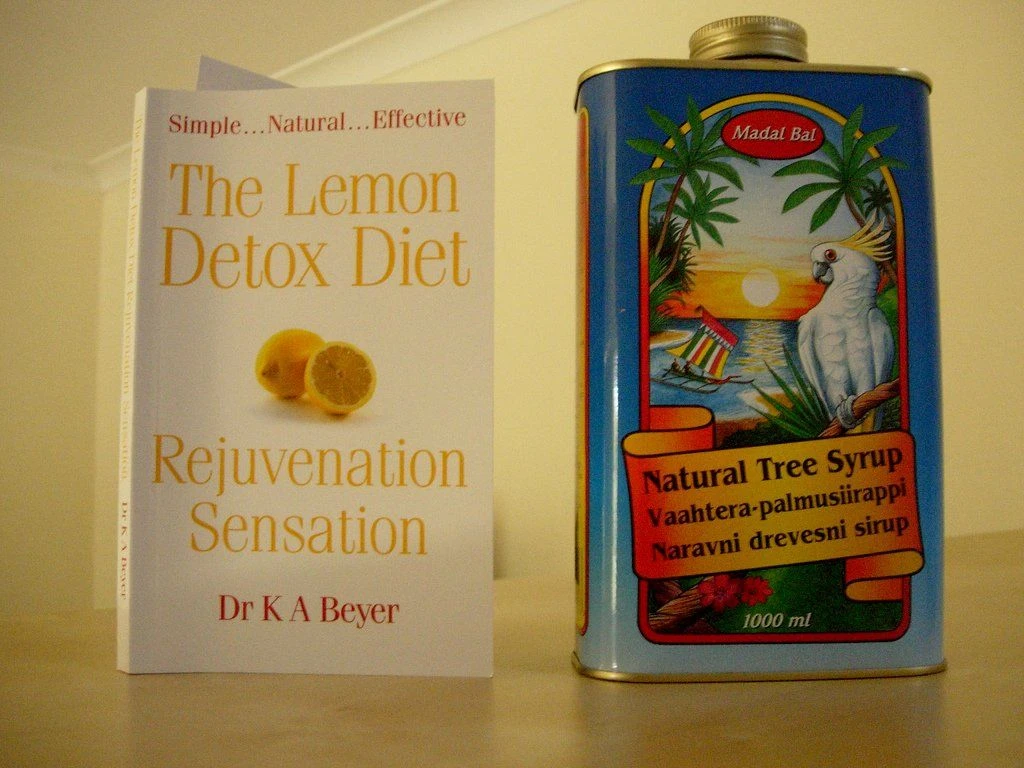
11. Going on periodic "detox" cleanses.
No healthy person needs to go on a detox plan. It's just another cash grab invented by slick marketers and wellness gurus!
Unless you have been clinically poisoned, you already possess a state-of-the-art filtration system that processes everything you consume: your liver and kidneys.
Your kidneys continuously filter waste out of your blood, while your liver processes any chemicals you ingest. Together, they do a far better job of cleansing your body than any expensive detox tea ever could. 
12. Loading up on low-fat products.
Back in the 1990s, dietary guidelines convinced millions of people that low-fat products were the key to health. That sparked a wave of margarine, egg substitutes, and fat-free yogurts hitting the shelves.
Decades later, science has thoroughly debunked the low-fat craze.
A landmark eight-year Harvard study involving nearly 50,000 women showed that people who stick to low-fat diets have no lower risk of heart disease or cancer. Low-fat products don't help with weight loss either, and stripping healthy fats from your diet only leaves you feeling sluggish, irritable, and unsatisfied. 
13. Avoiding microwaved food.
We've all heard the rumor that microwaving food destroys its nutrients. Fortunately, that's completely false—and experts at Harvard Health agree!
How does a microwave work? It uses radiofrequency waves to cause water molecules in food to vibrate rapidly, generating heat.
While heat can break down certain vitamins, that happens with any form of cooking. Whether you heat your meal on a gas stove or in a microwave makes virtually no difference.
In fact, because microwaving cooks food quickly and uses less liquid, it often retains more nutrients than traditional boiling or frying.