Badyaga: The Go-To Bruise Remedy You Didn't Know Isn't a Plant (7 photos)
Badyaga (sometimes spelled
bodyaga
) has been a go-to bruise remedy for generations. It is hard to overestimate the value of this traditional treatment for hematomas: most of us have relied on it at least once to quickly erase a nasty mark and look presentable again. Yet very few people actually know what badyaga is—at best, someone might tell you it comes from the water. So what exactly is this mystery remedy, and why does it work so well? 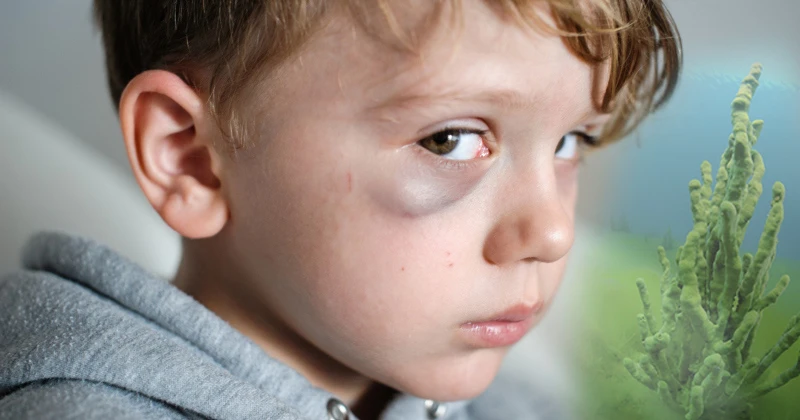
Known scientifically as
Spongilla
, badyaga is a green, immobile bottom-dweller—but despite appearances, it isn't a plant at all. This natural medicine actually belongs to the animal kingdom, specifically to the sponge family. And no, it doesn't live in a "pineapple under the sea" like SpongeBob; badyaga is strictly a freshwater creature, and a picky one at that, thriving only in clean, unpolluted water. 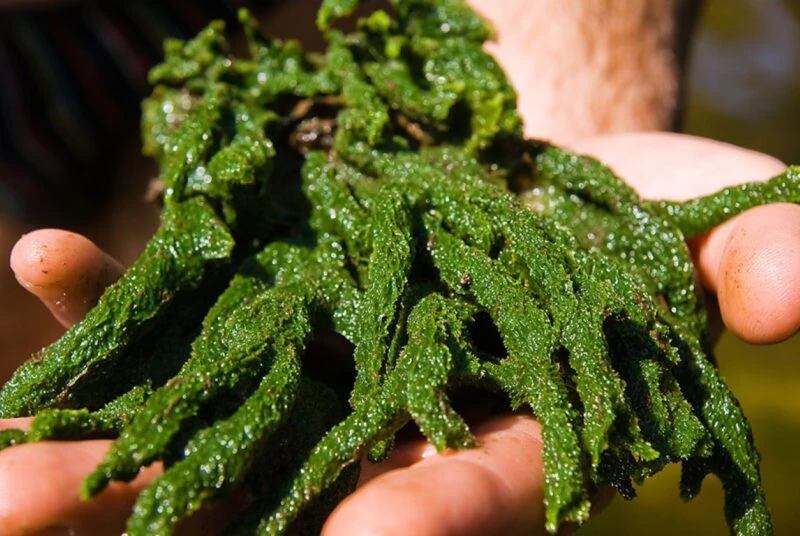
These sponges live in colonies in rivers, streams, and lakes. While scientists distinguish between lake and river species, an average observer—even a sharp-eyed one—would be hard-pressed to tell them apart. Life for this curious creature is quiet and unremarkable: it simply filters water, absorbing whatever nutrients it can find.
And it isn't picky—any fine organic material, whether plant or animal, will do. Badyaga sponges are surprisingly industrious: a single specimen just 5 to 7 cm tall can filter up to 20 liters of water a day! 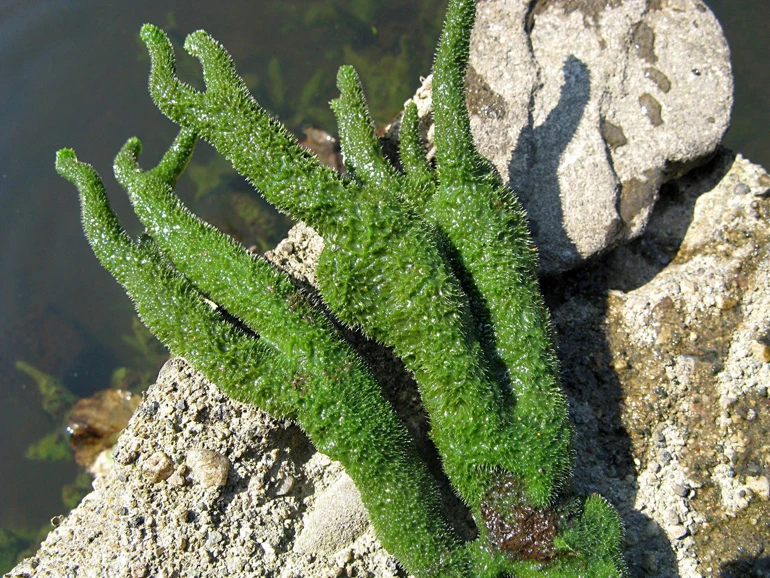
Crystal-clear water isn't a requirement for these colonies to thrive. In fact, murky water rich in organic nutrients is often preferred. However, badyaga cannot tolerate chemical pollution: petroleum products, pesticides, detergents, and industrial runoff are all deadly to
Spongilla
.
The structure of a badyaga sponge is simple yet remarkably efficient. Its porous branches allow water to pass through effortlessly while trapping solid particles. The sponge features a structural framework made of microscopic silica elements called spicules, bound together by spongin—a specialized protein. While the silica spicules form the rigid skeleton, spongin gives the sponge's body its elasticity. 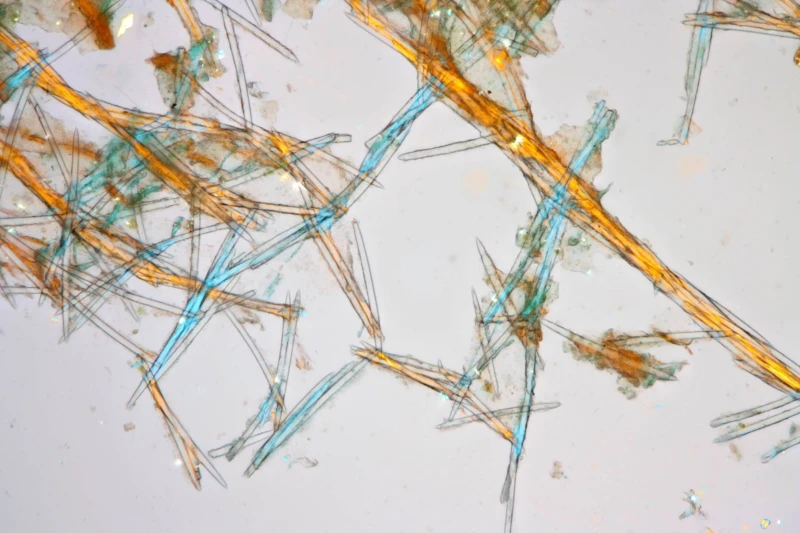
Silica skeleton of a badyaga sponge
These same spicules and spongin are responsible for the sponge's healing properties. When rubbed into bruised skin, the tiny needles stimulate blood circulation in the affected tissue, helping hematomas clear up dramatically faster than they would on their own.
However, applying raw, fresh badyaga can do more harm than good. The concentration of active compounds is so intense that it can easily burn the skin on top of the existing bruise. Moreover, raw harvested sponge is hardly hygienic, as live colonies harbor all sorts of microorganisms and tiny organisms. 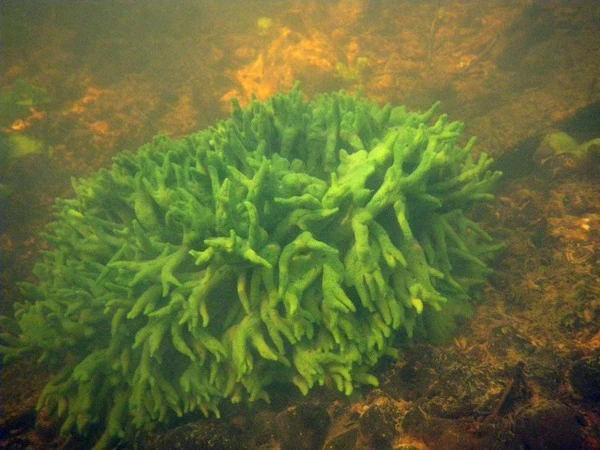
So if you happen to spot badyaga in a river or lake, it's best to leave it undisturbed. In many areas, these sponges are protected by law as threatened species. For medicinal use, stick to pharmacy remedies: prepared gels and ointments containing
Spongilla
are both safe and far more effective.
Badyaga is often mistaken for a plant not only because of its branching structure, but also because of its green color. That green hue, however, isn't natural to the sponge itself—it comes from symbiotic algae living inside it. Naturally, a pure sponge takes on the color of the sediment it filters, ranging from grey to muddy brown depending on its surroundings. 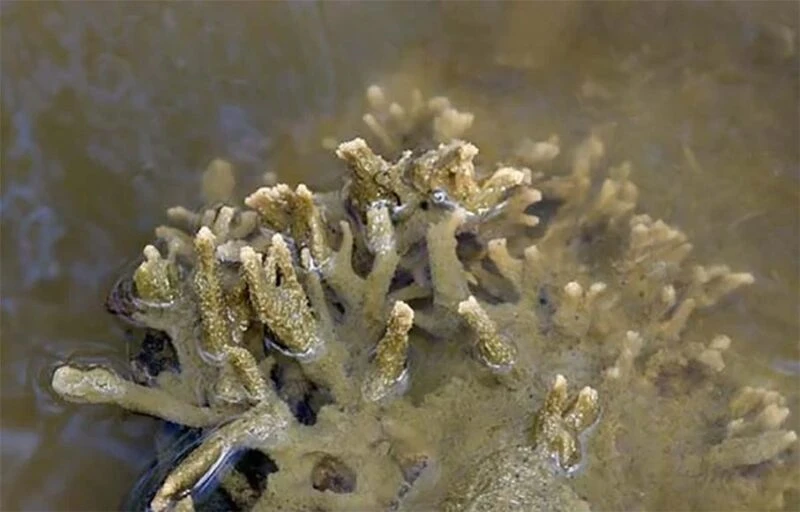
Like most animals, freshwater sponges reproduce sexually. Lacking specialized reproductive organs, male sponges simply release sperm into the water column, leaving it up to chance whether the currents carry it to a female sponge.
Once fertilized, the egg develops into a free-swimming larva known as a planula. After drifting for a while, it settles on the riverbed or submerged objects. The survival of the young sponge depends heavily on where it lands; many larvae succumb to physical damage, predators, chemical pollution, or starvation. 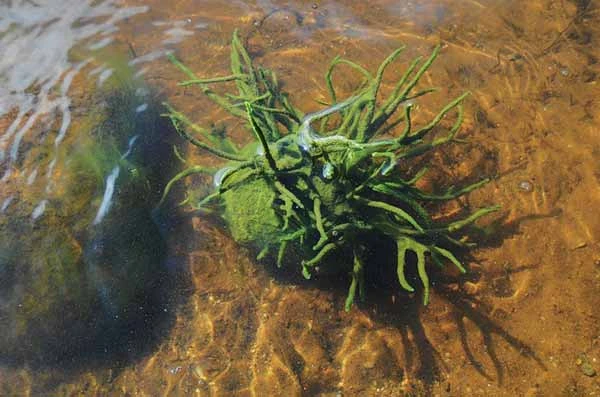
Those that manage to attach securely and find ample nutrients gradually mature into adult sponges. It takes at least five years for a sponge to reach a respectable size, and even longer to grow large enough to be harvested for medicinal use.
Today, badyaga isn't as ubiquitous as it was 30 or 40 years ago. Back then, alongside brilliant green antiseptic and plantain leaves, this humble sponge was a staple first-aid remedy for Soviet citizens who had few other options.