20 Everyday Items That Are Actually Dirtier Than a Toilet Seat (22 Photos)
We naturally think of toilets as germ-ridden places—and for good reason. Even a toilet that looks and smells spotless is actually a hotbed for countless bacteria and viruses excreted by the human body. Completely eradicating them would require a full-scale, costly deep-cleaning and disinfection process. 
However, toilets aren't the only place where bacteria, viruses, and parasite eggs—the most dangerous type of microscopic grime—tend to hide.
Here are 20 everyday items that are actually far dirtier than a toilet seat under a microscope.
1. Ice 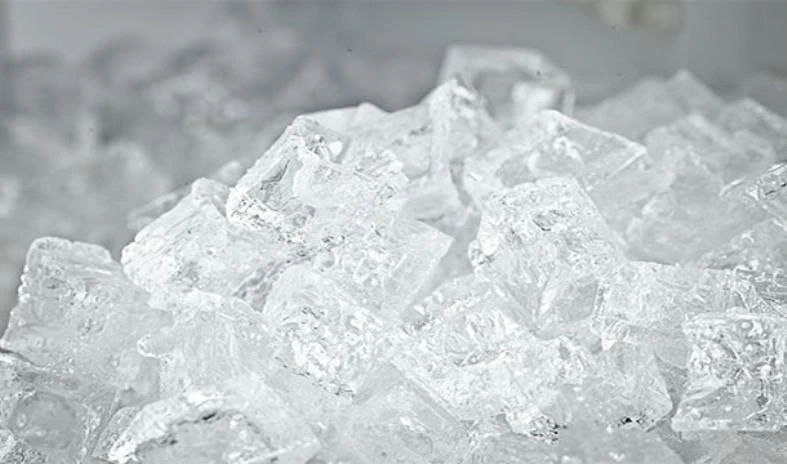
Ice is just frozen water, so if the water source or ice machine is contaminated, the ice will be too. Unfortunately, many restaurants overlook ice machine sanitation. A US study found that 70% of ice served in restaurants contained more bacteria than toilet water. What makes matters worse is that most viruses and bacteria easily survive freezing temperatures.
2. Office Desks 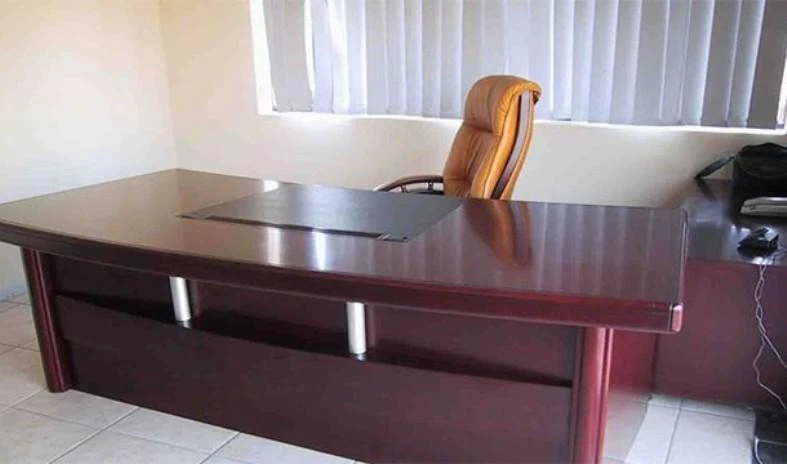
The average office desk harbours nearly 400 times more bacteria than a toilet seat.
3. Computer Keyboards 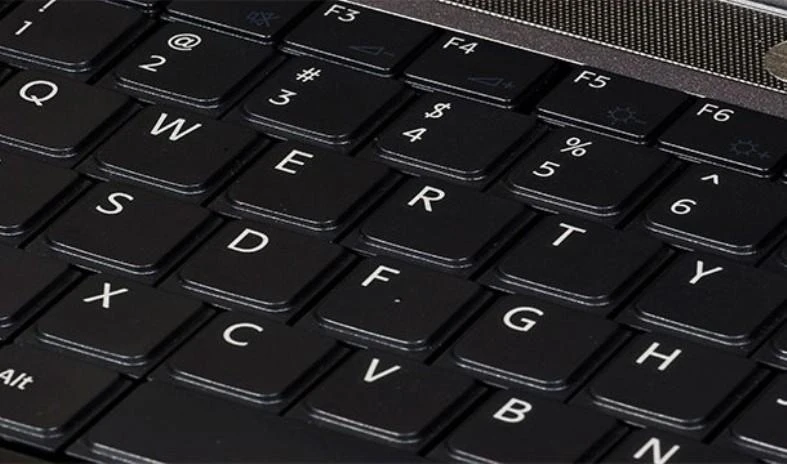
Constant contact with our fingers combined with hard-to-clean crevices makes computer keyboards a breeding ground for germs—holding roughly 200 times more bacteria than a toilet seat.
4. Mobile Phones 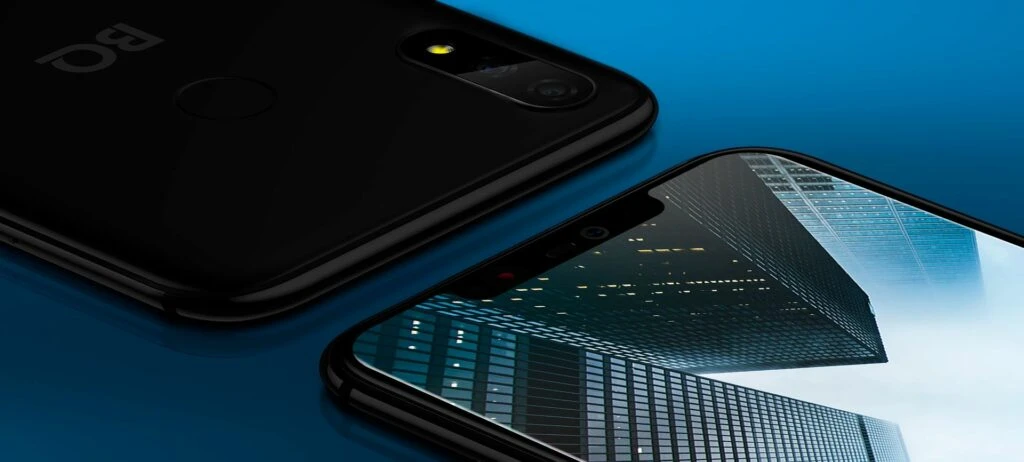
Smartphones suffer a similar fate, harboring up to 10 times more bacteria than a toilet seat. The silver lining? If you're the sole user, the microbes on your phone largely mirror the bacteria already living on your skin. Holding someone else's phone to your ear, however... well, let's just say you wouldn't want your face anywhere near the equivalent.
5. Restaurant Menus 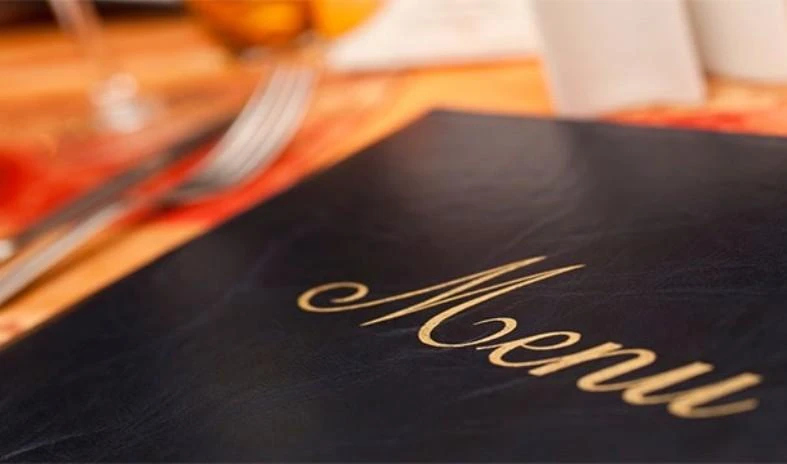
Menus are passed from hand to hand all day long and rarely disinfected. As a result, a typical menu can carry up to 100 times more bacteria than a toilet seat.
6. Cutting Boards 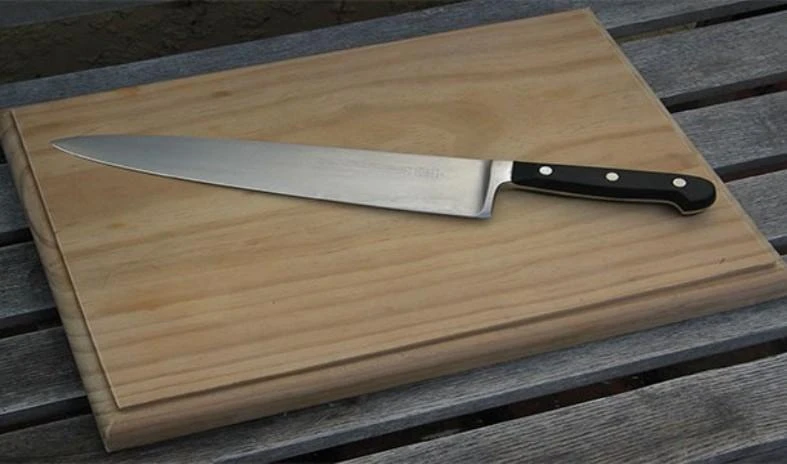
Cutting boards regularly come into contact with raw meat and unwashed produce, both loaded with bacteria. Microscopic grooves left by knives make them tough to sanitize thoroughly, which is why replacing your cutting boards regularly is essential.
7. Carpets 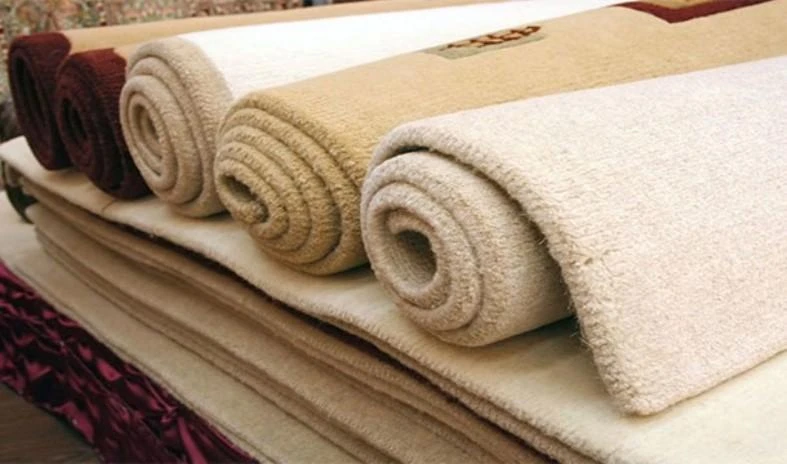
Carpet fibers are a magnet for bacteria, dust mites, and dead skin cells. In fact, a square inch of average carpeting can harbour up to 4,000 times more bacteria than the same area of a toilet seat.
8. Reusable Grocery Bags 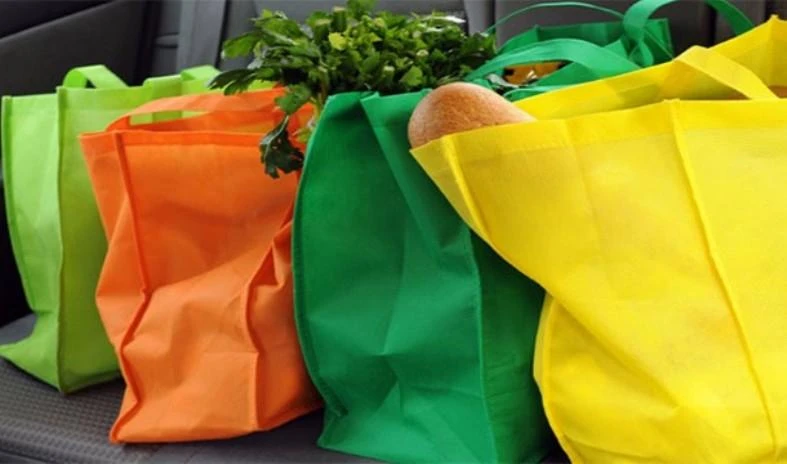
Microscopic analysis reveals that reusable shopping bags can be significantly dirtier than unwashed laundry.
9. TV Remote Controls 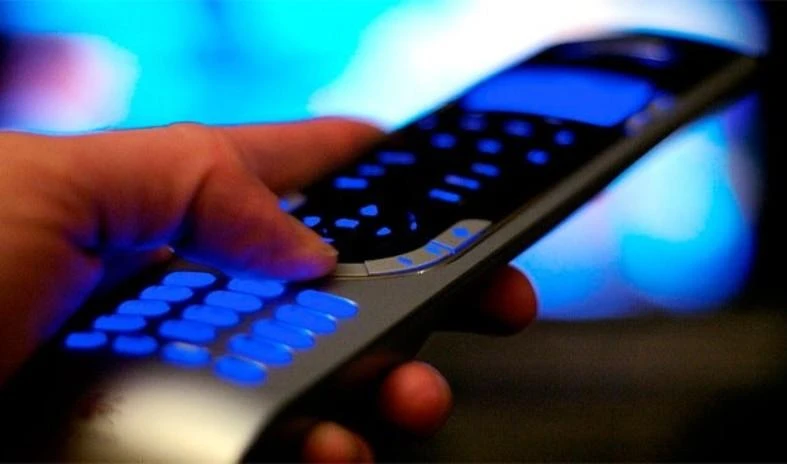
TV remotes are often even filthier than mobile phones—which are already 10 times dirtier than a toilet seat.
10. Doorknobs and Handles 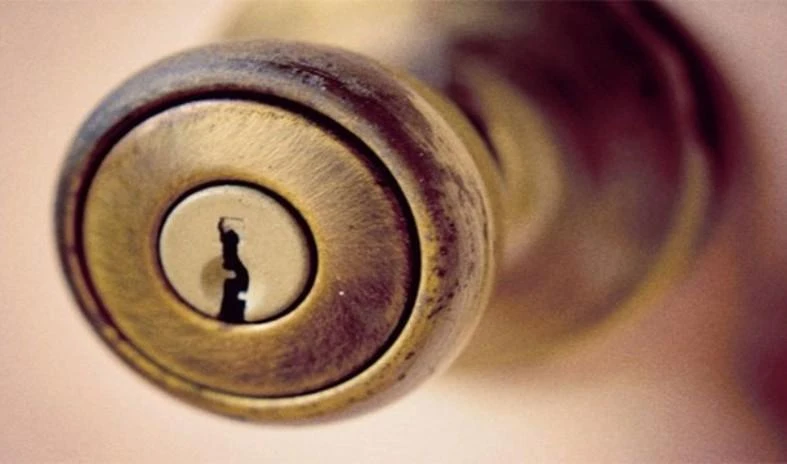
Unsurprisingly, doorknobs are hotbeds for germs. Handled by countless people daily, they collect a growing layer of bacteria, skin oils, dead cells, and whatever else people happen to have on their hands.
11. Light Switches 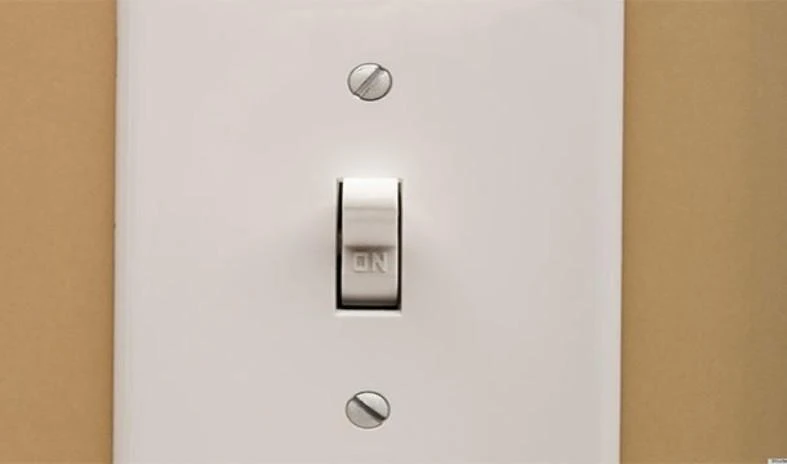
Most light switches harbour significantly more bacteria than a toilet seat.
12. Kitchen Sinks 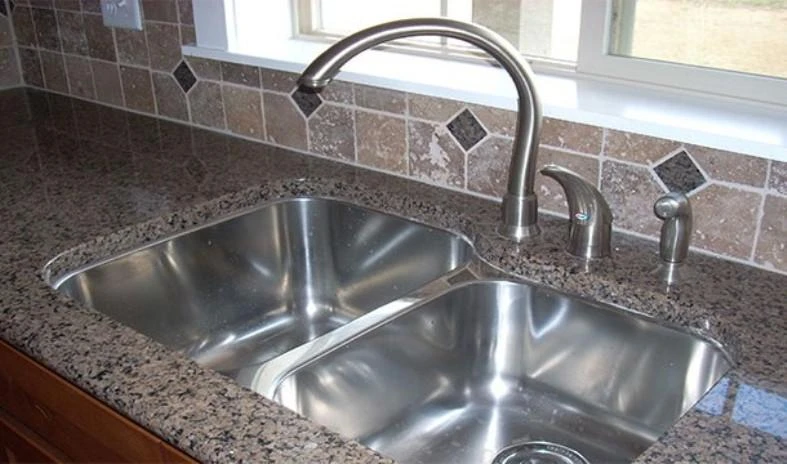
Moisture and food residue create the perfect environment for bacteria to multiply. If not disinfected regularly, a kitchen sink can quickly become dirtier than a bathroom toilet.
13. Bathtubs 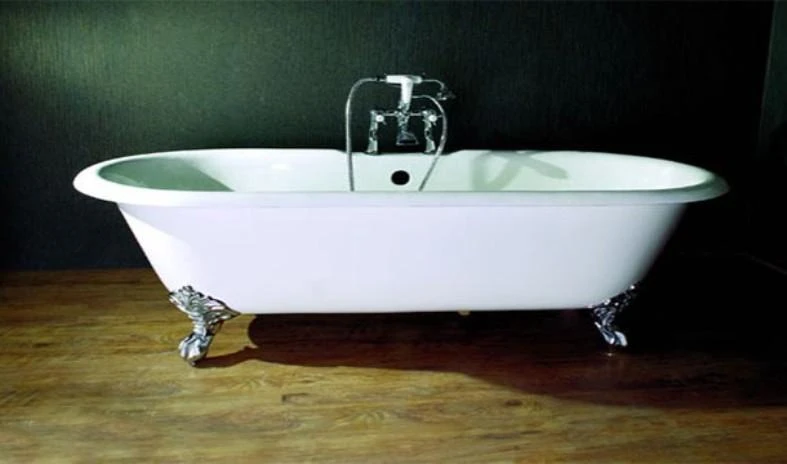
The dirtiest spot in any bathtub is around the drain, where massive colonies of bacteria settle and thrive.
14. Pillows 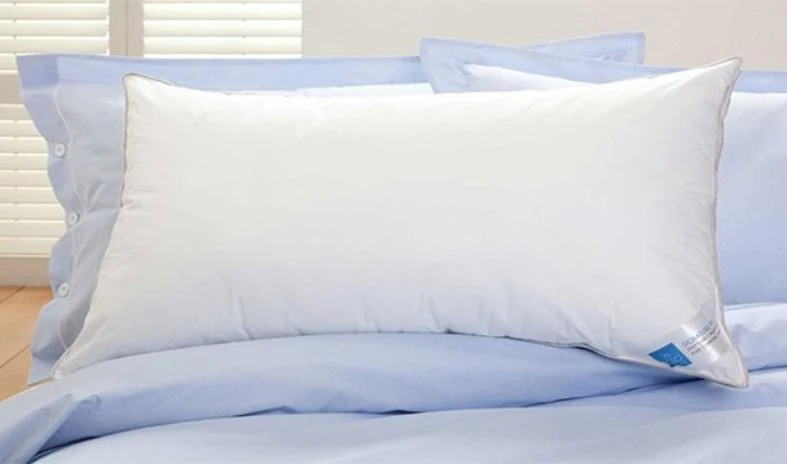
Absorbent fabrics paired with a constant supply of dead skin cells, sweat, sebum, and natural skin flora make pillows a thriving ecosystem for bacteria, dust mites, and microscopic mold.
15. Mattresses 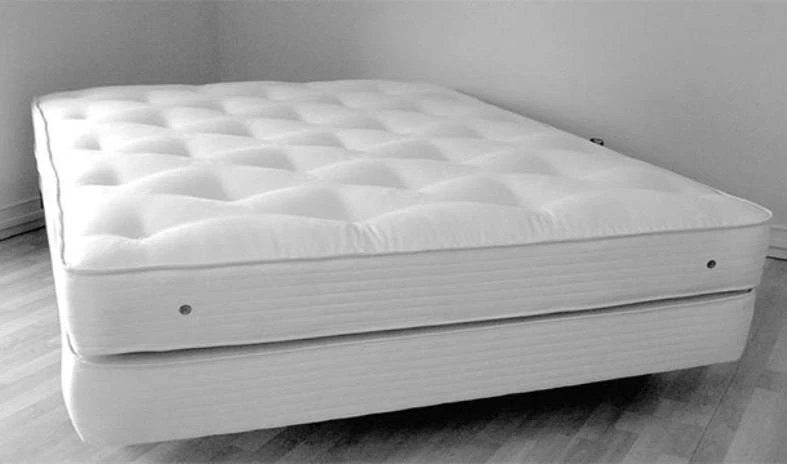
The same goes for mattresses. Over the years, they inevitably become home to dust mites. While invisible to the naked eye and harmless to living tissue, these microscopic creatures feed on accumulated dead skin. Their droppings and debris can trigger chronic sneezing, asthma attacks, and severe allergic reactions.
16. Plastic Pet Bowls 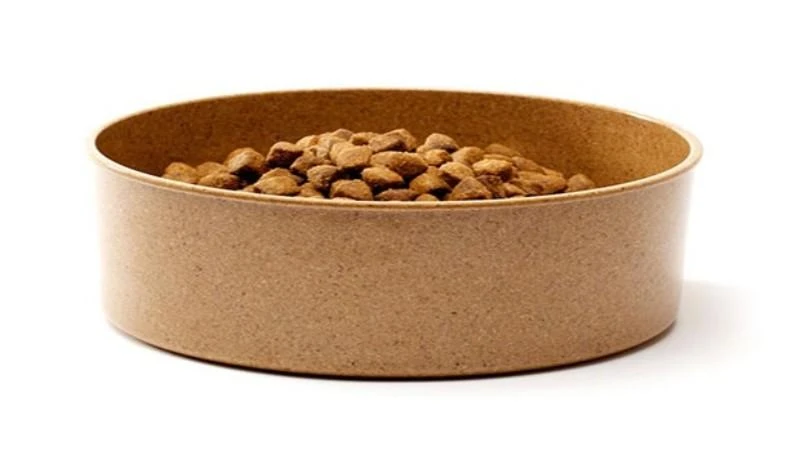
After just a few months of use, the rims of plastic pet bowls can accumulate more bacteria than a toilet lid.
17. Paper Money 
Money might not stink, but paper currency can carry far more bacteria than the unsanitary things it touches.
18. Showerheads 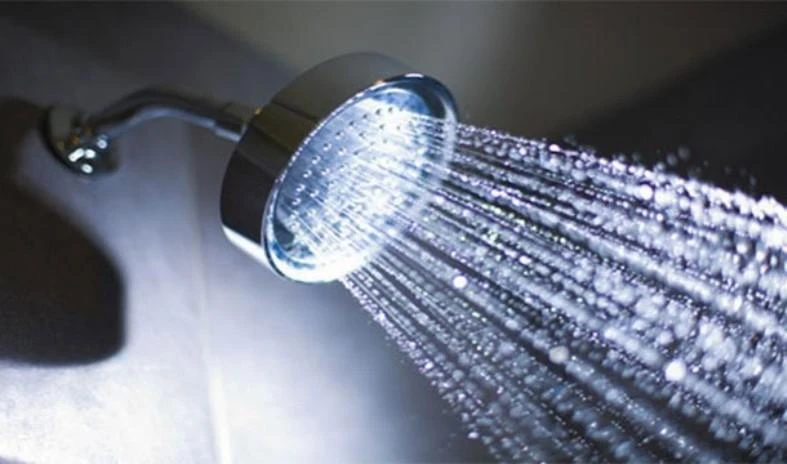
You'd expect a showerhead to be one of the cleanest fixtures in the bathroom, but the damp interior of a showerhead often becomes a breeding ground for various microorganisms.
19. Handbags and Purses 
Carrying germ magnets like cash, phones, keys, and loose coins means handbags and purses quickly pick up impressive amounts of bacteria.
20. Kitchen Sponges 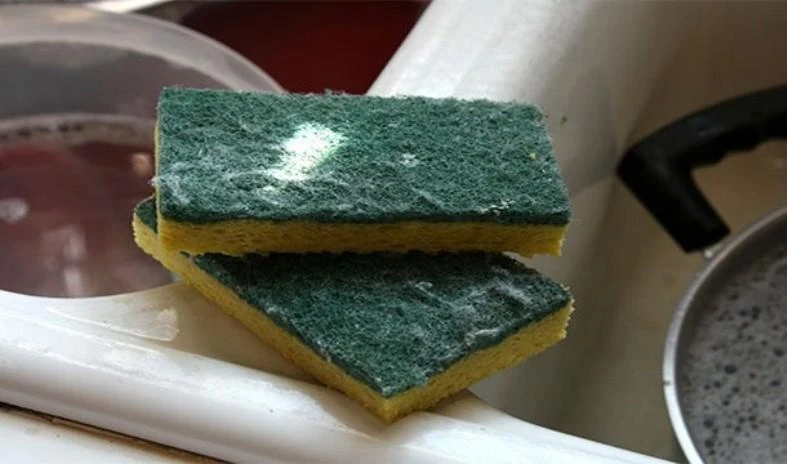
The porous surface of a kitchen sponge creates such ideal conditions for bacteria that even regular dish soap fails to keep them at bay. Consequently, a sponge quickly becomes far dirtier than a toilet seat. 
After reading these alarming microbiological findings, you might wonder how to protect yourself from these dirty household essentials. Fortunately, the solution is simple: stick to basic hygiene. Clean, healthy human skin is remarkably effective at maintaining its own balance, keeping just enough good bacteria to stay healthy and fight off pathogens.