Unraveling the Secret Behind Japan's Drinking Culture (17 Photos)
Inga, a blogger who has lived in the Land of the Rising Sun for years, decided to take a closer look at alcohol consumption in Japanese society. As it turns out, booze here isn't demonized—in fact, it's portrayed as something cozy, fun, and relaxing.
Read on to discover Japan's unique drinking culture, the best spirits to bring home as souvenirs, the ritual of mandatory after-work drinks, and how ads actively encourage Japanese women to unwind with a drink... 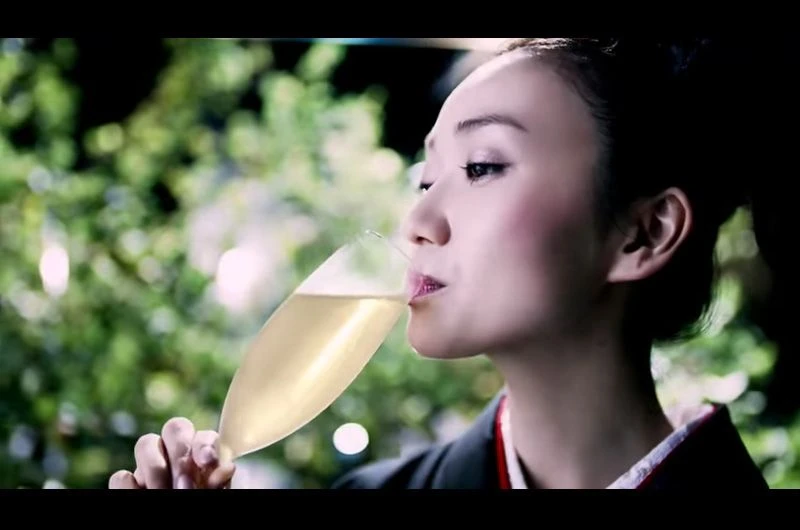
It’s no secret that Japan loves a good drink. Alcohol consumption isn't taboo—far from it, it's presented with real gusto. Granted, if you browse local beverage websites, you’ll likely hit an age-gate reminding you that drinking under 20 is strictly off-limits. But in everyday life, no one judges you for indulging. 
Nomikai
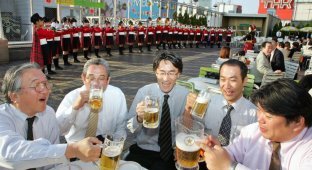
—the traditional mandatory after-work drinking session—happens weekly for some lucky souls. And if your job lacks such bonding rituals, chances are you're having a drink with dinner at home. Though why wait for dinner? While having breakfast at hotels and onsens, we’ve spotted plenty of guests pairing their morning meal with beer or champagne. Naturally, that's just because it's the weekend. Right, we totally believe you! 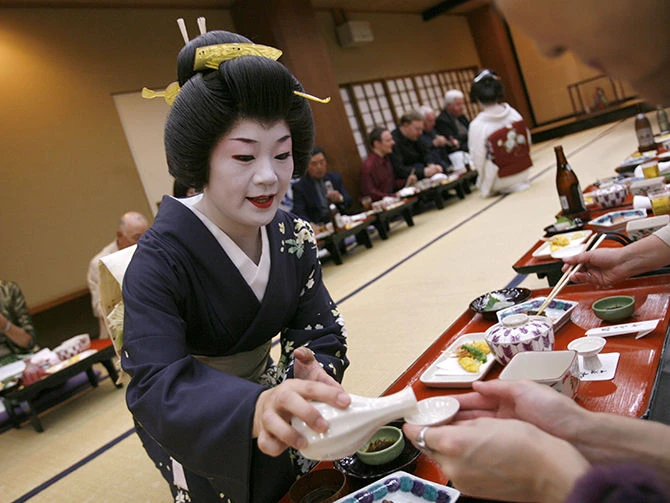
As you can see, I can't resist poking a little fun at the topic. Back home, alcohol often carries a dark stigma, triggering anxiety if not outright disapproval. In Japan, however, people take it all in stride. Perhaps it’s because drinking here isn’t associated with social ostracization, which keeps it free from moral judgment.
Of course, severe alcoholics and homeless individuals do exist—you can find unhoused people even beyond Tokyo’s blue-tarp encampments. But visually, they are few and far between, and you won't see anti-drinking PSAs warning "Drink and you'll end up like this." On the flip side, a lifestyle magazine for young professional women will happily offer tips on "How to debloat the morning after a night of drinking." 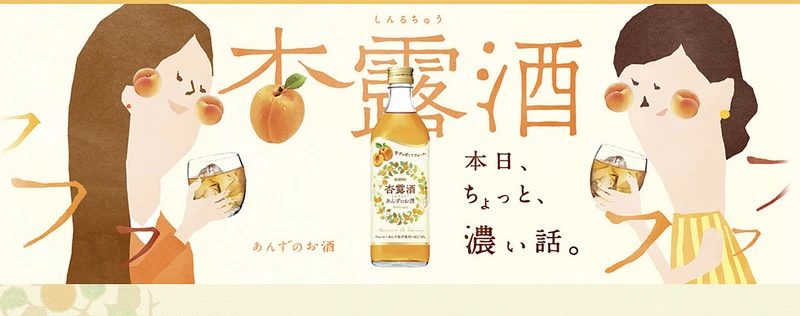
Liquor advertisements frequently feature elegant female models. Beyond that, there's a whole market segment tailored specifically to women: sweet liqueurs, low-ABV canned cocktails, and wine diluted with juices and flavorings. There’s even a fascinating hybrid between a beverage and a herbal tonic called
Herbal Megumi
(ハーブの恵み). It’s recommended to drink it mixed with hot water, and it tastes delicious! 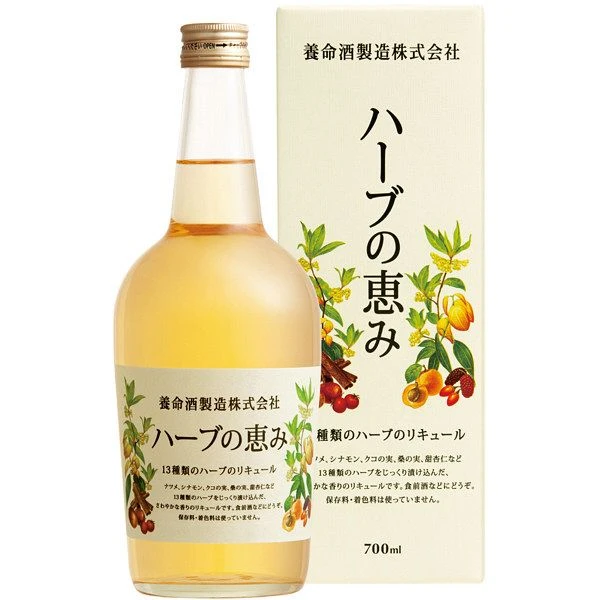
Japanese women even know how to drink beer with elegance, and no one bats an eye. 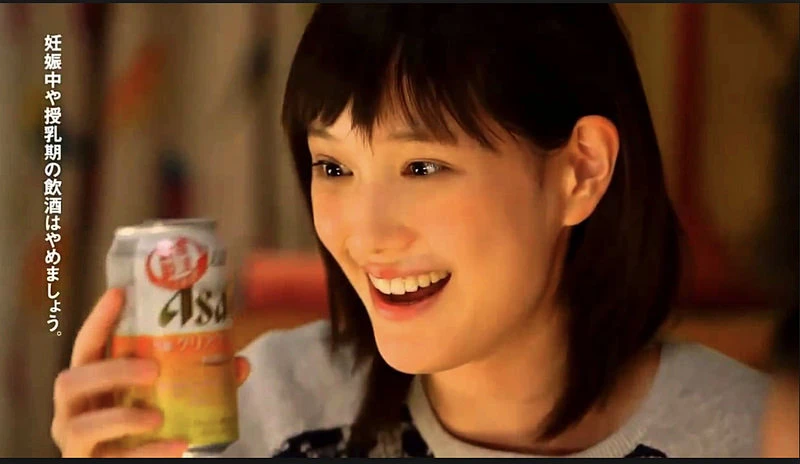
Just look at how happy they are! 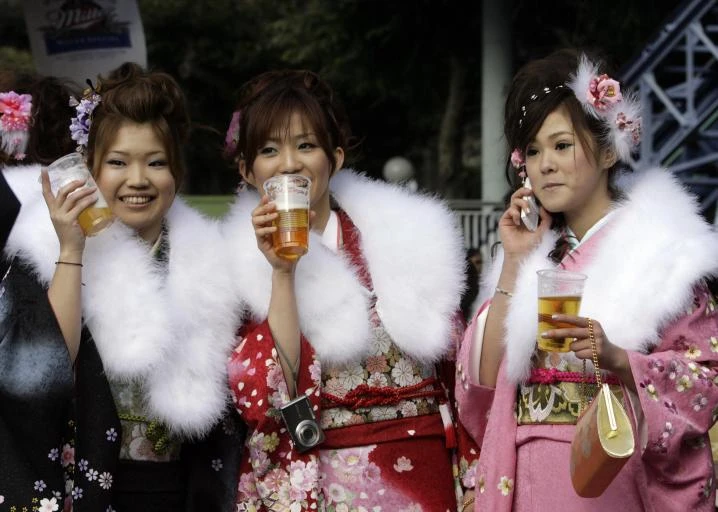
If you ever visit Japan, make sure to save some space in your suitcase for this: classic plum liqueur (umeshu) from the premier brand, Choya. 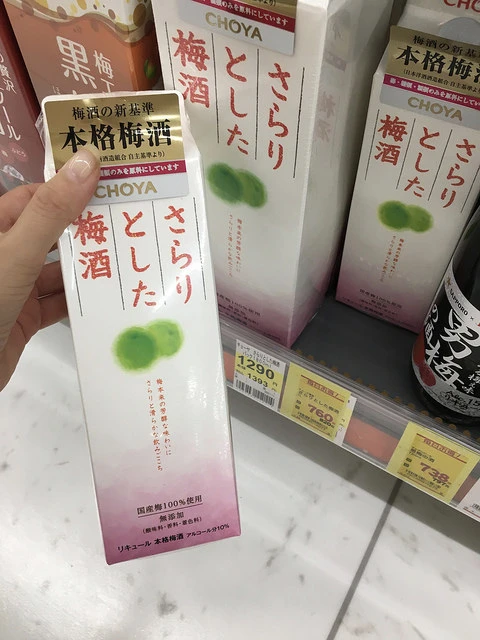
They offer a wide range of products, and even their juice-box carton packaging is surprisingly good quality (plus, easy to pack in checked luggage). You can also find single-serve glass cups with a whole plum resting at the bottom. The one-year and three-year aged liqueurs in elegant bottles are the absolute best. I personally prefer drinking these liqueurs diluted with hot water from a mug, like tea. Neat, they're a bit too syrupy-sweet, and with ice or soda water, they lose some of their magic. Hot water brings out their rich, fruity flavor profile. 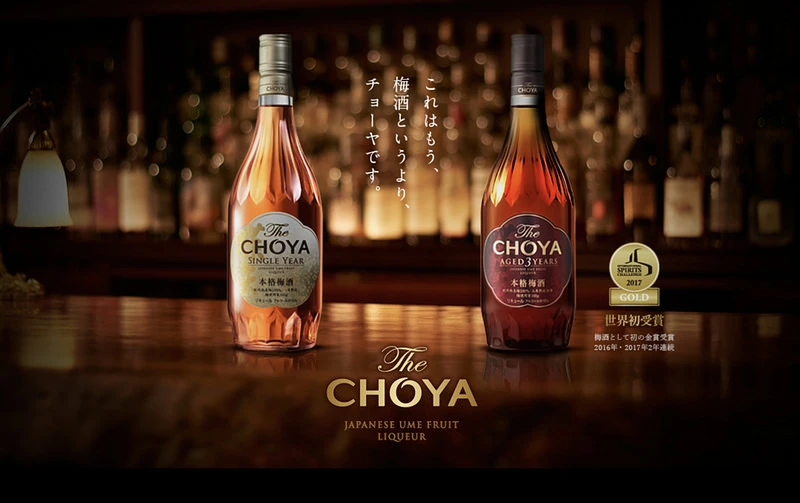
Warm up in winter! 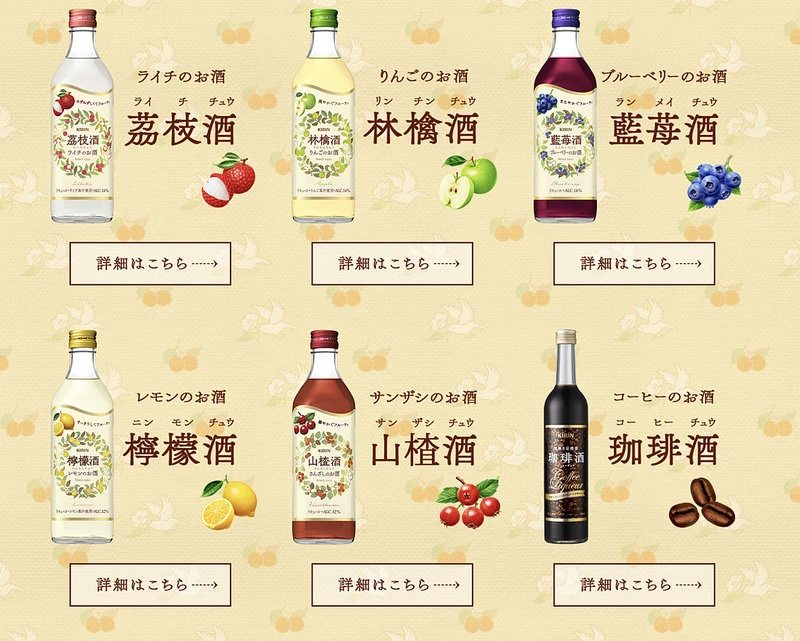
By the way, the Japanese have their own version of hawthorn liqueur too! There it is, right in the middle of the bottom shelf. 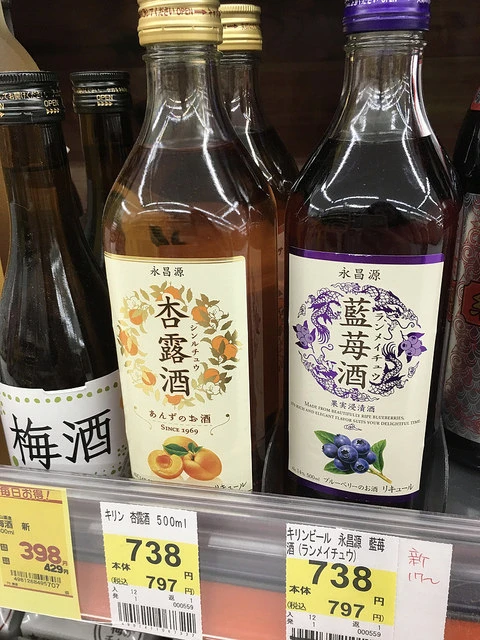
This is a classic apricot liqueur—another must-buy souvenir. 
Japan is also actively developing its own wine industry. While the selection of local wines grows every year, to be perfectly honest, most of it is still mediocre. I haven't tried the high-end bottles (couldn't justify the price), though the one served to Donald Trump during his visit is probably worth a try.
Even our local town has its own winery, producing a cheerful, Beaujolais Nouveau-style wine. This entire display is dedicated to Japanese wines—mostly budget options, alongside a selection of mid-range and premium bottles. Even the humblest supermarket features signs and pre-order forms for Beaujolais Nouveau! The locals take it so seriously that you instantly get what matters here: as soon as the rice harvest is wrapped up, it's time to stock up on Beaujolais—the key is not to miss out! 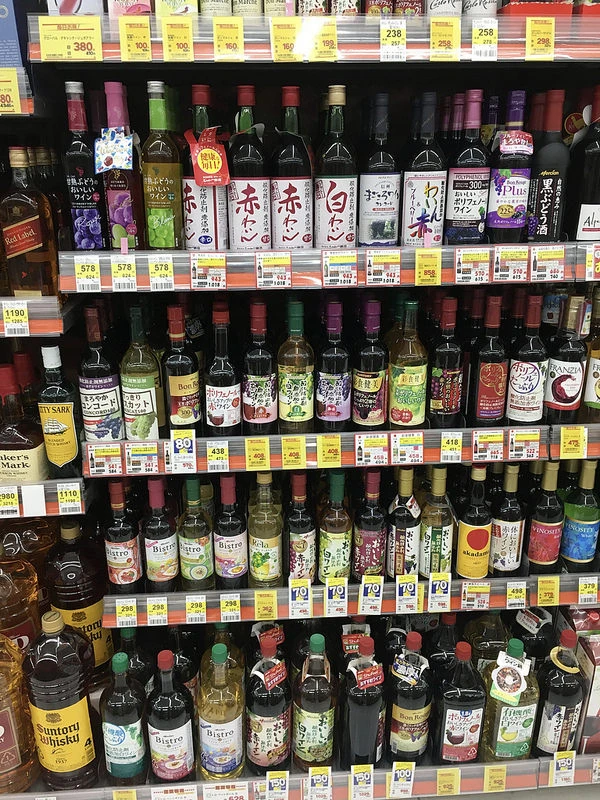
Then there are cooking wines, which you're better off avoiding entirely—they manage to taste artificial, sour, and harsh all at once. A $4 plastic bottle of Spanish or Chilean wine is a vastly superior choice. Interestingly, some local wines come fortified with extra polyphenols or even GABA (gamma-aminobutyric acid)—supposedly to relieve stress and boost memory! 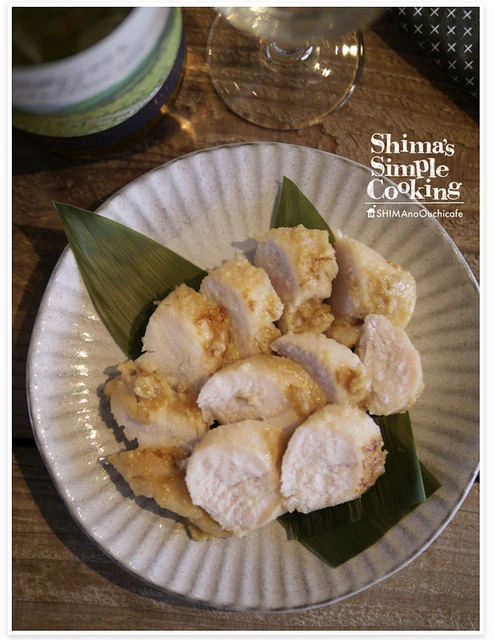
Along with wine, Japan is eagerly embracing Western wine pairing culture. Wherever wine is sold, you'll find specialty cheeses, sausages, and recipes that put a twist on everyday local staples. Take this miso-marinated chicken tenderloin cooked with melted cheese, for example. 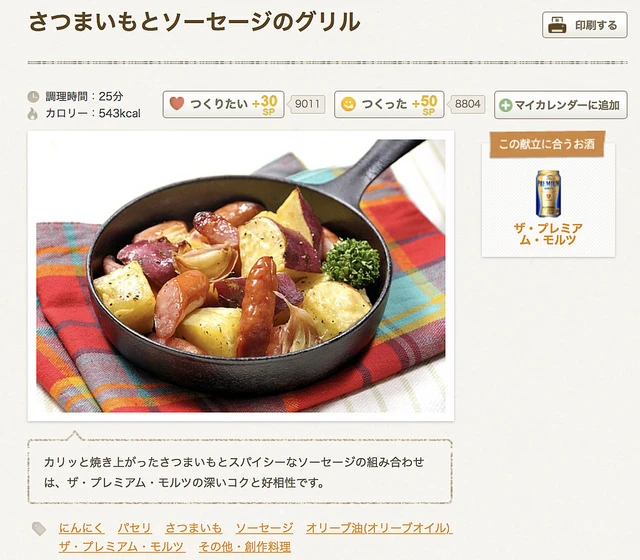
Or grilled sausages served with potatoes—except it's actually sweet potato (
satsumaimo
), which is far more common in Japanese cooking. 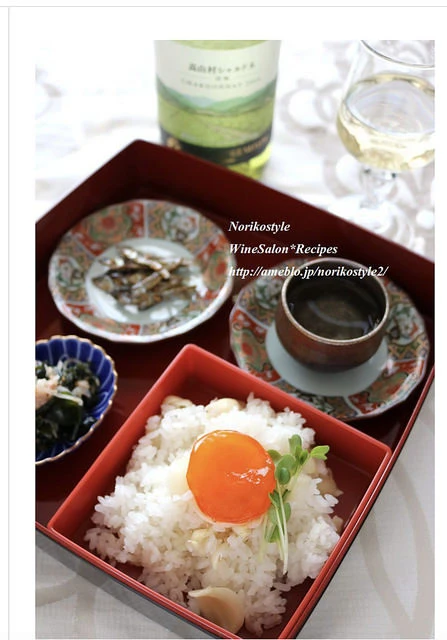
And here's a classic Japanese dish styled specifically to be paired with white wine rather than the usual beer. 
Liquor ads targeted at women speak to desires so relatable, you really can't argue. The pitch goes: you get home after work, and no one is bothering you. You check your feeds, read a book, sip a cocktail—just quality me-time, all to yourself.