Rare Photographs of Early 20th-Century North Korea (18 photos)
Modern-day North Korea is an enigmatic land—a totalitarian time capsule locked away from the rest of the world. Since its founding in 1948, the nation has sunk into deep diplomatic and economic isolation, driven by Kim Il-sung's doctrine of self-reliance. Today, photos of everyday life in North Korea are a rare sight, met with intense curiosity. But it wasn't always like this. For a brief window in the early 20th century—after the fall of the "Hermit Kingdom" in 1910 and before the division of the Korean Peninsula in 1945—Pyongyang was an open, fast-growing city. Take a glimpse back at the North Korean capital in those days, when Pyongyang was known as Heijo. 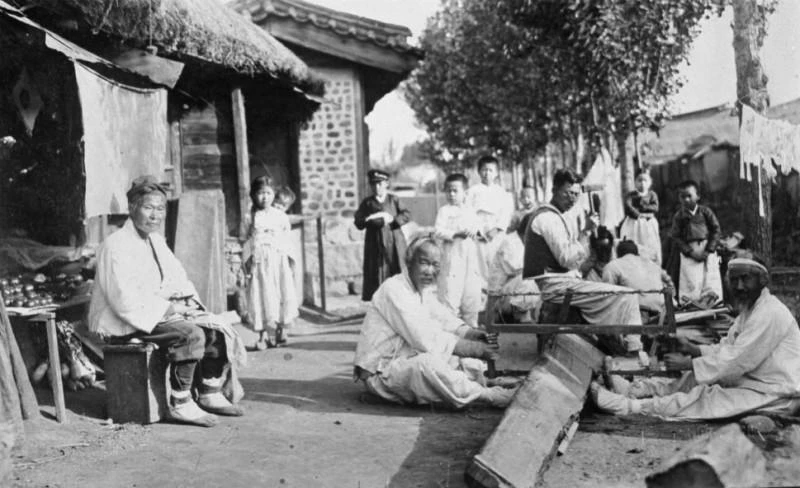
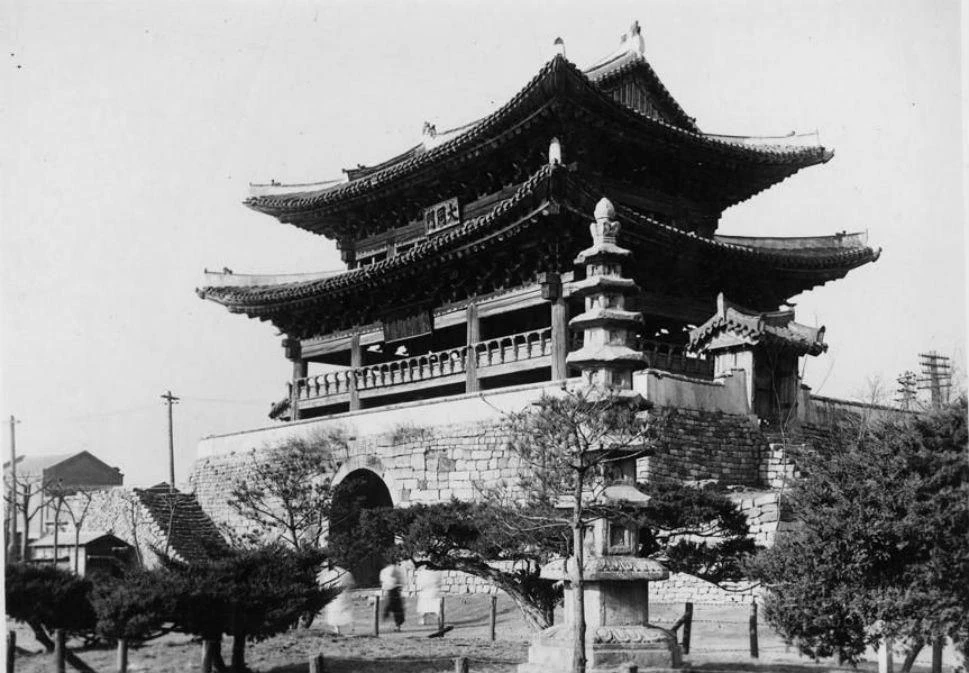
A view of the East Gate of the old city of Pyongyang. Today, the few tourists who visit the city stop by the East Gate, which is cherished as a national treasure. First erected in the 6th century, the current gate was rebuilt in 1635 after its predecessor burned down during the Japanese invasions of the 16th century. It stands as one of the oldest structures in the North Korean capital—a stark reminder that Pyongyang was once a traditional Asian city, not a totalitarian sanctuary. 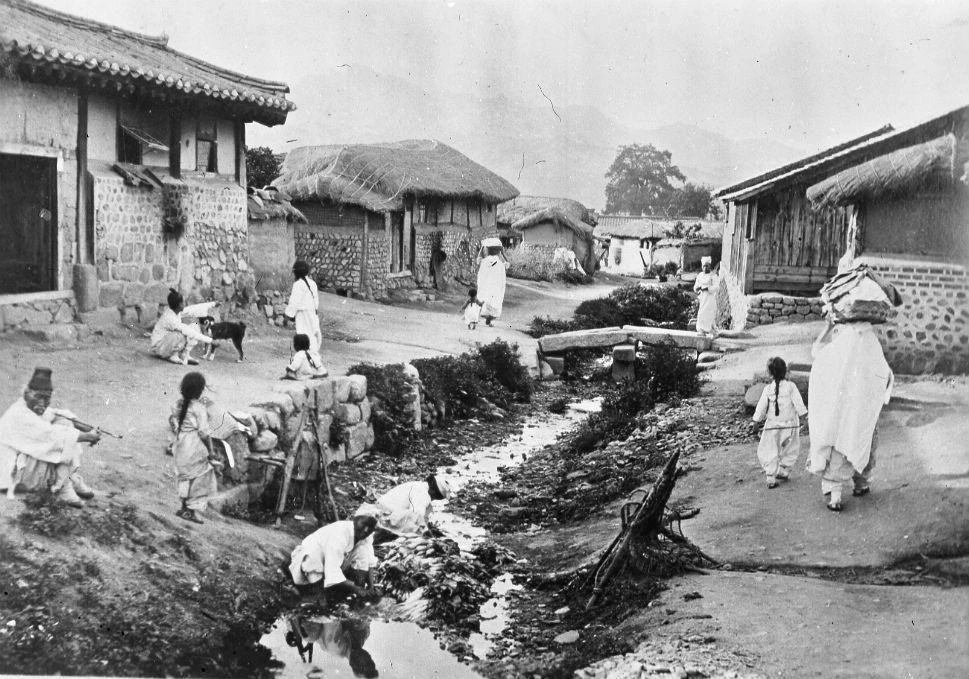
A street in Pyongyang. Under Japanese colonial rule, the city’s population surged past 200,000. Only after the Korean War (1950–1953) did Pyongyang transform into the city we know today, defined by wide avenues and monumental architecture. 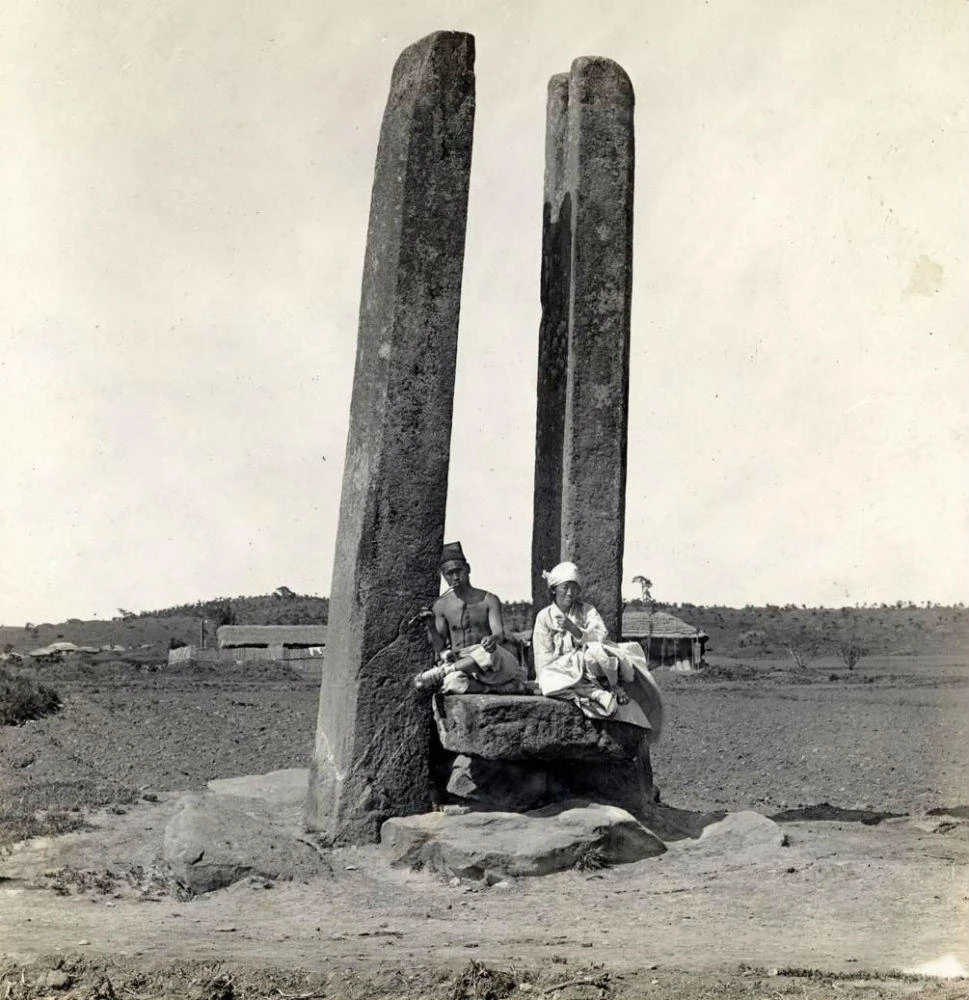
Locals sitting on "anchor stones" in the fields outside Pyongyang. According to Korean folklore, Pyongyang is like a ship floating on the waters of the Taedong and Pothong rivers. Some tales say the city was tethered by two massive stones to keep it from drifting away, while others claim these monoliths served as the masts of the floating island-city. 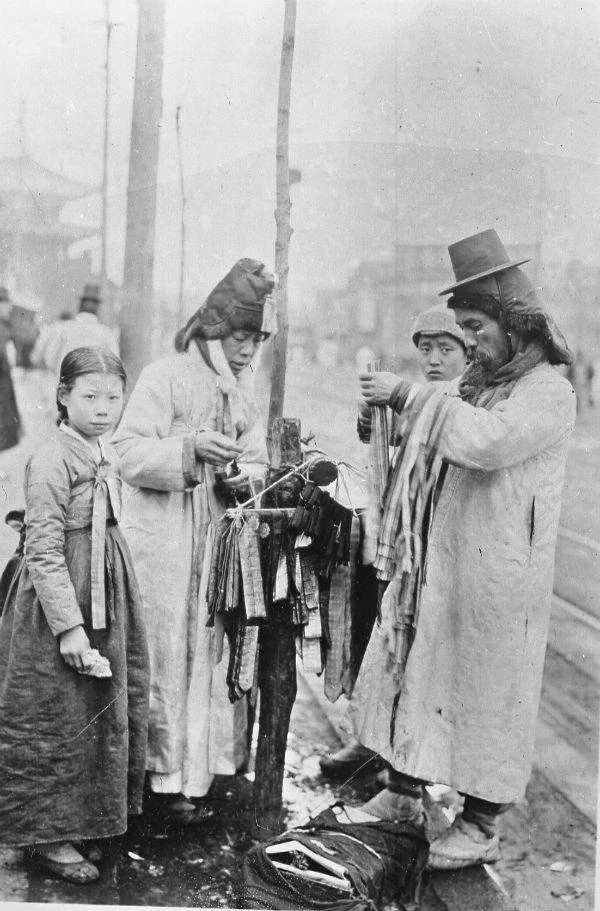
A vendor on a busy street in Pyongyang. 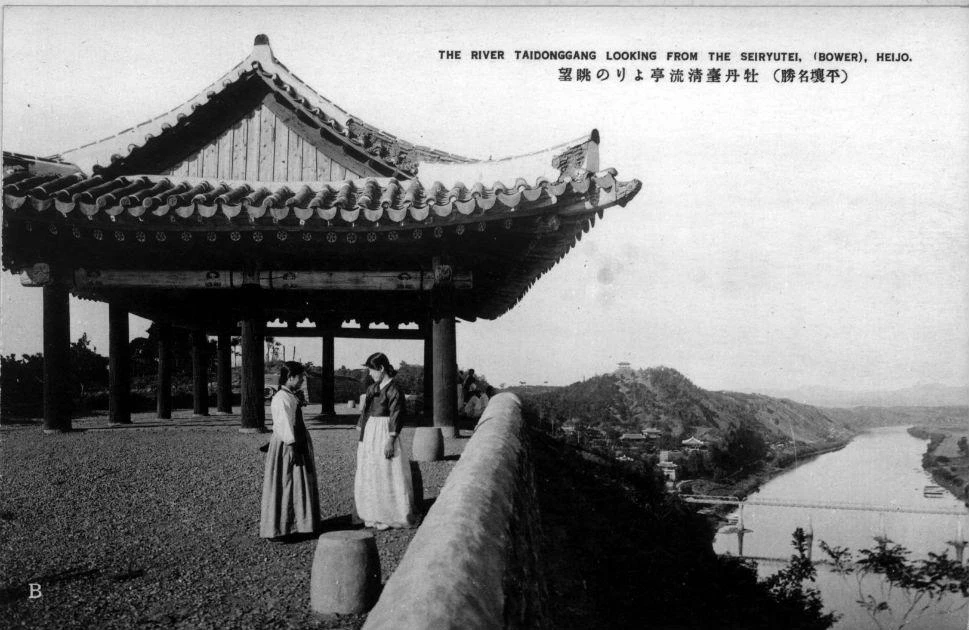
A postcard featuring Japanese characters depicting two women by a pavilion on the banks of the Taedong River. The surrounding cliffs were said to look as though they had been carved by a single strike of a giant's sword. They hold a special place in local lore: according to one legend, the cliffs arose at the request of a young farmer who saved a carp. The carp offered to grant him a wish, and the boy asked to alter the flow of the Taedong River so it would no longer flood his home village's fields. 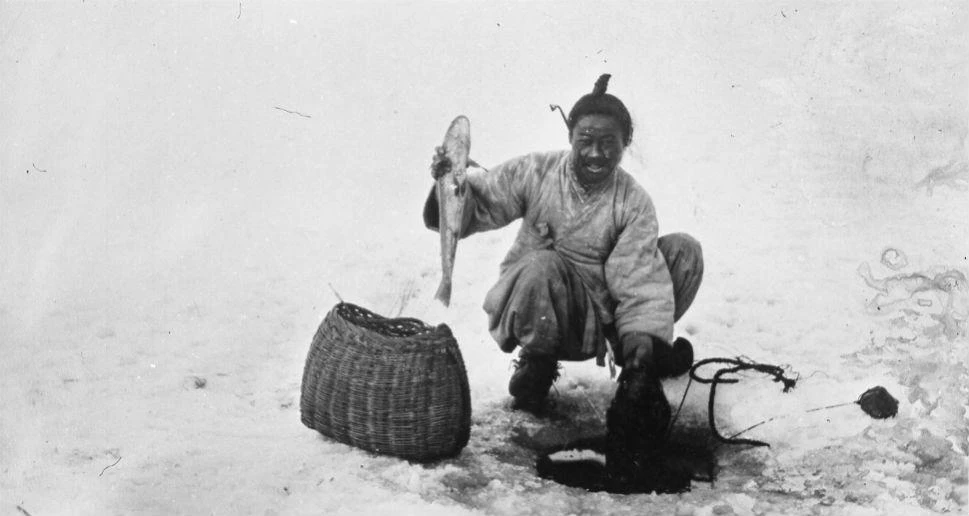
A man holding a fish caught on a frozen river. Taedong River trout soup is a signature Pyongyang dish, and ice fishing remains a favorite Korean pastime to this day—with South Korea even hosting an annual winter fishing festival. 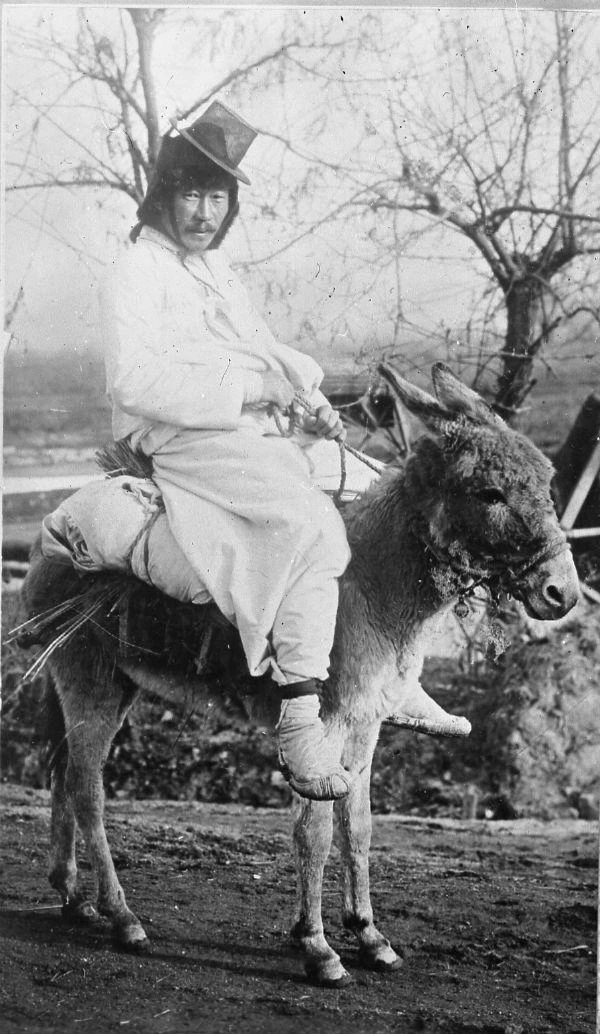
A man riding a donkey across a barren landscape, wearing a traditional Korean hat known as a gat.
Typically crafted from horsehair and bamboo, these hats originated during the Joseon Dynasty and were traditionally worn by high-ranking men to denote social status. 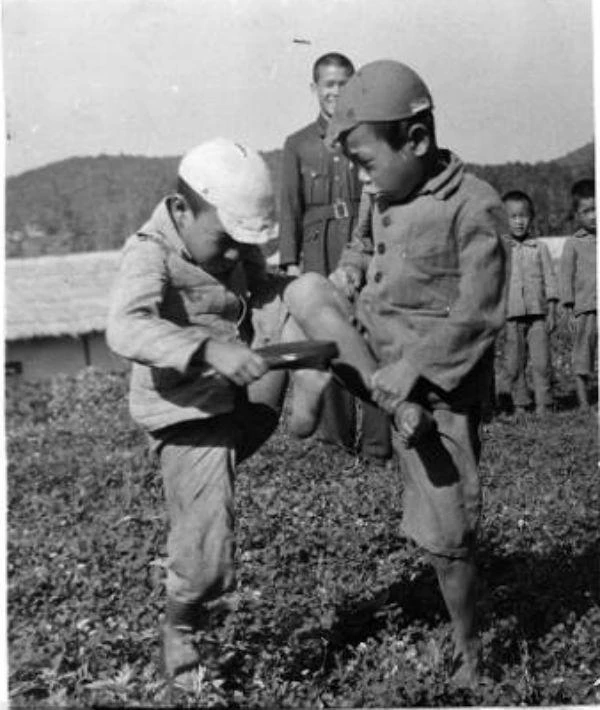
Two young boys playing outside a school.
During the colonial occupation, the Japanese attempted to erase Korean cultural identity: the Korean language was banned in schools, and citizens were forced to adopt Japanese names. 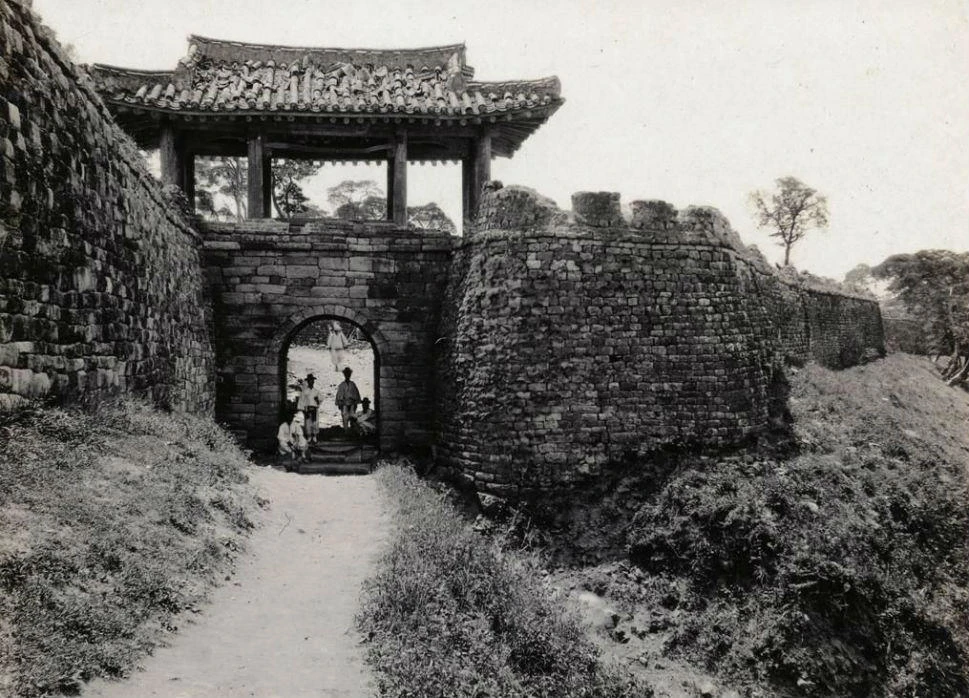
Men gathered beneath the Seven Star Gate. The name refers to the Big Dipper constellation, which points to the North Star, fitting for a gate positioned on the city's northern side. In the early 20th century, parts of the ancient city were demolished to make room for streetcar lines, but several gates were preserved as historical monuments. The Seven Star Gate still stands in Pyongyang's Moran Park today. Notably, the first land combat shots of the war were fired from this very gate. 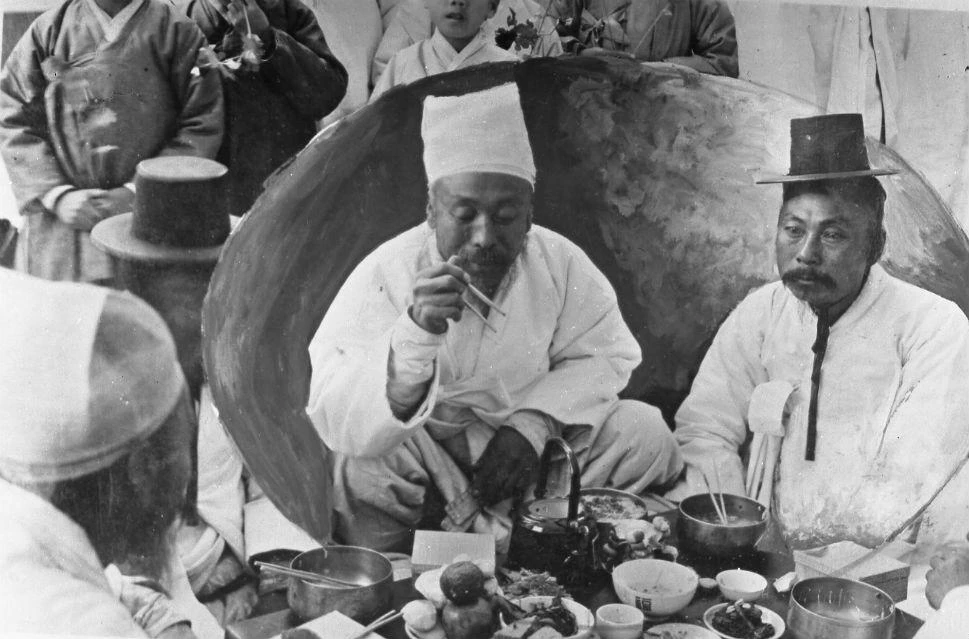
A man dining on a traditional Korean meal of small side dishes and rice. Before Japanese rule, the peninsula was divided into administrative provinces, each with its own distinct culinary traditions. Today, Pyongyang cuisine heavily features grains and meats—hearty fare built to weather the harsh winters—supported by food depots located across the country. 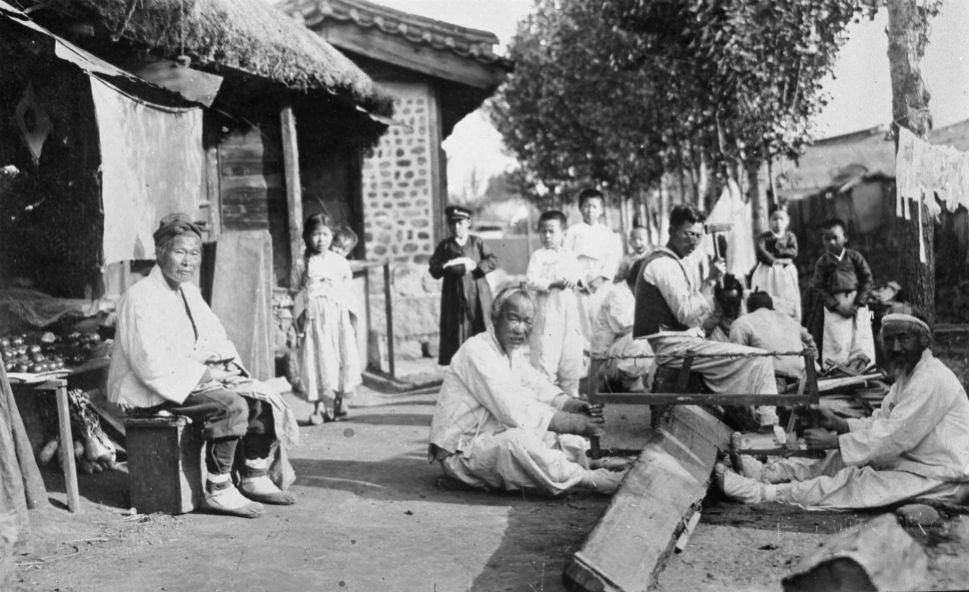
Two men sawing a log. 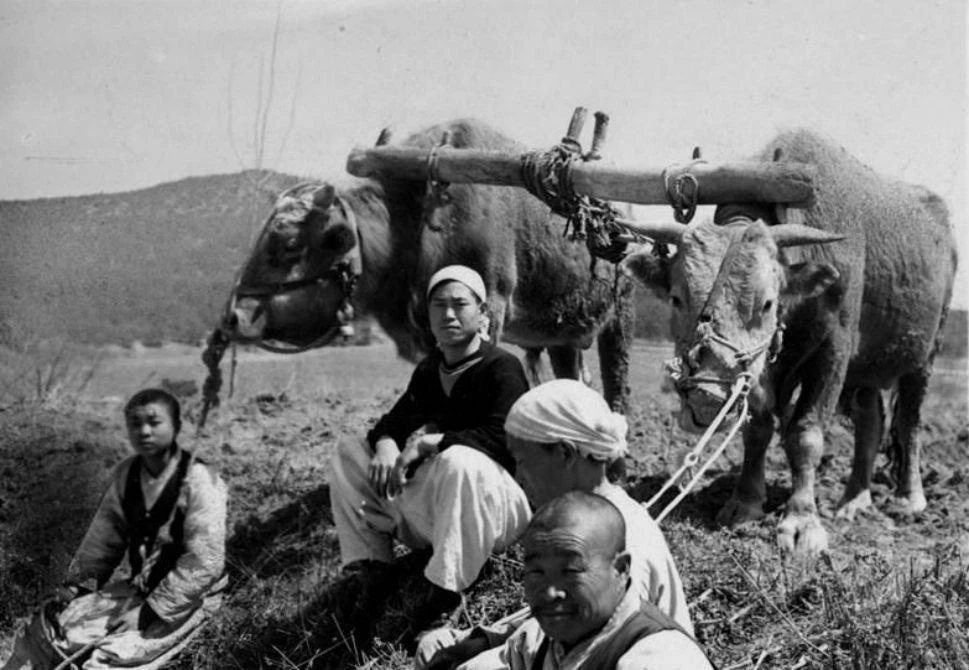
Farmers tending to a field with their oxen. Under colonial rule, North Korea's agricultural sector was repurposed to supply food resources to Japan. Today, with less than 25% of its land arable, the country remains deeply reliant on agriculture, even deploying military personnel to work the fields. As one soldier put it: "North Korea cannot raise crops or livestock without the military... Our primary mission is eliminating malnutrition." 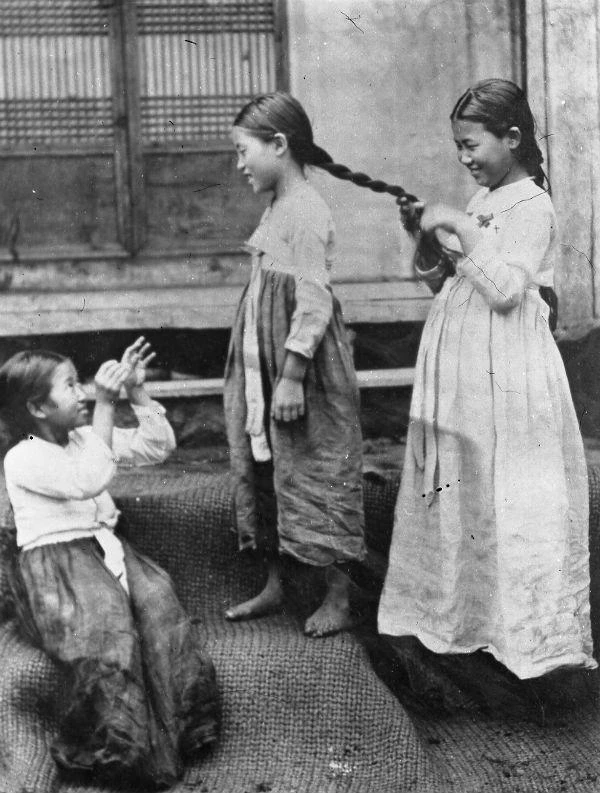
Three young girls playing on the steps of a building.
At the turn of the 20th century, Christian missionaries established schools for girls, granting Korean women access to modern education for the first time. Following the 1945 partition of the Korean Peninsula, North Korea embraced communist ideals of gender equality, placing strong emphasis on women's workforce participation—a stance maintained to this day. 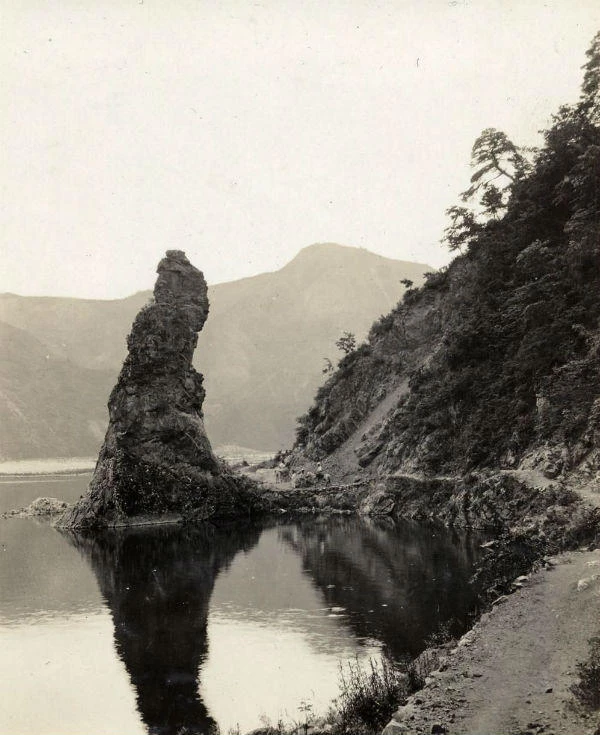
Scenic landscapes surrounding Pyongyang.
Mountains cover more than 80% of the country, playing a pivotal role in North Korea's political life past and present. Regime lore claims Kim Il-sung launched his resistance against the Japanese from a mountain peak on the Chinese border, where Kim Jong-il is also said to have been born. Due to the nation's isolation and rugged terrain, many of these peaks remain unexplored. 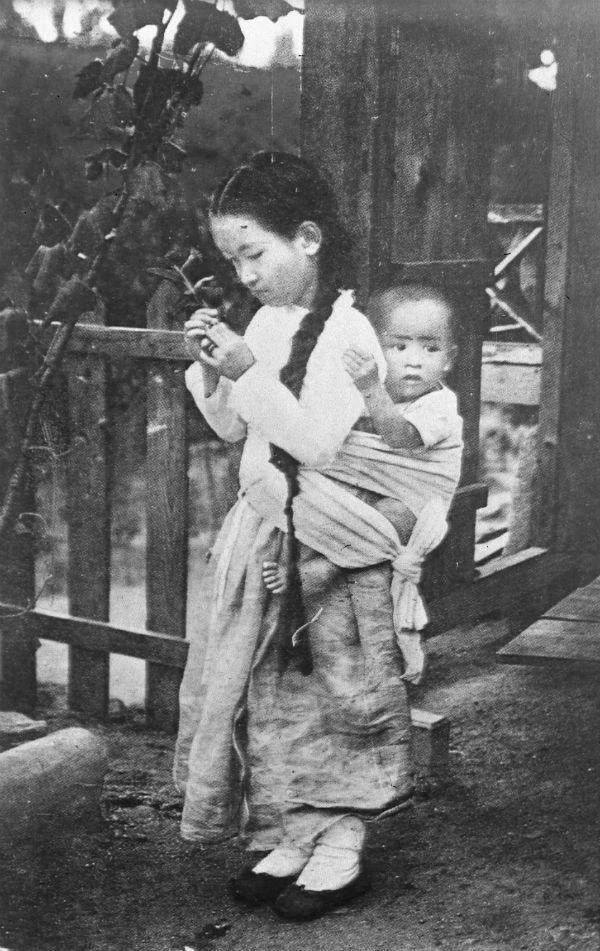
A young girl carrying her little brother on her back. 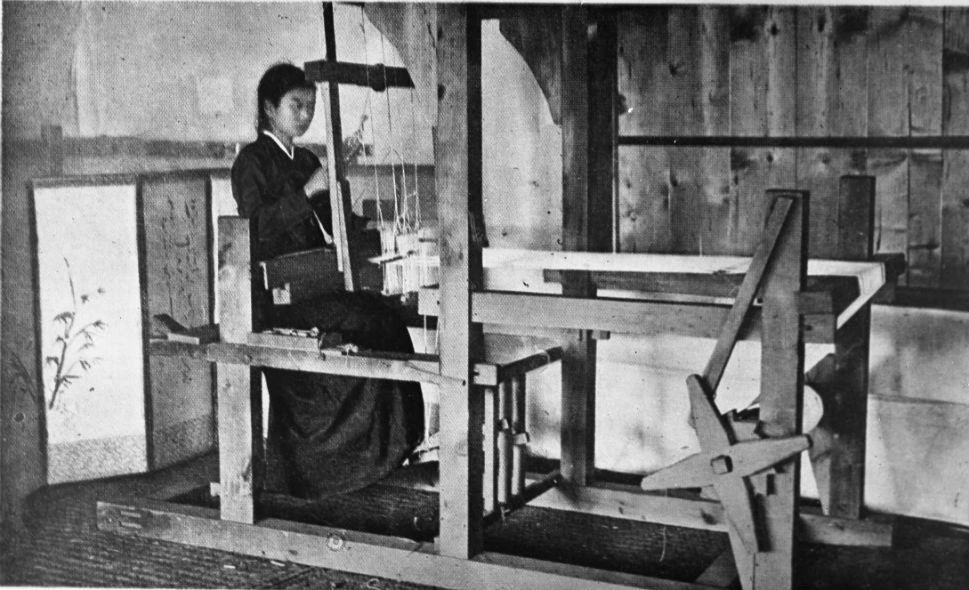
A woman working at a loom. Then as now, North Korea's economy relied heavily on textiles, which served as one of the country's primary exports. Like many industries, it suffered greatly following the division of the country—with measures such as European Union import quotas placing strict limits on North Korean textiles. 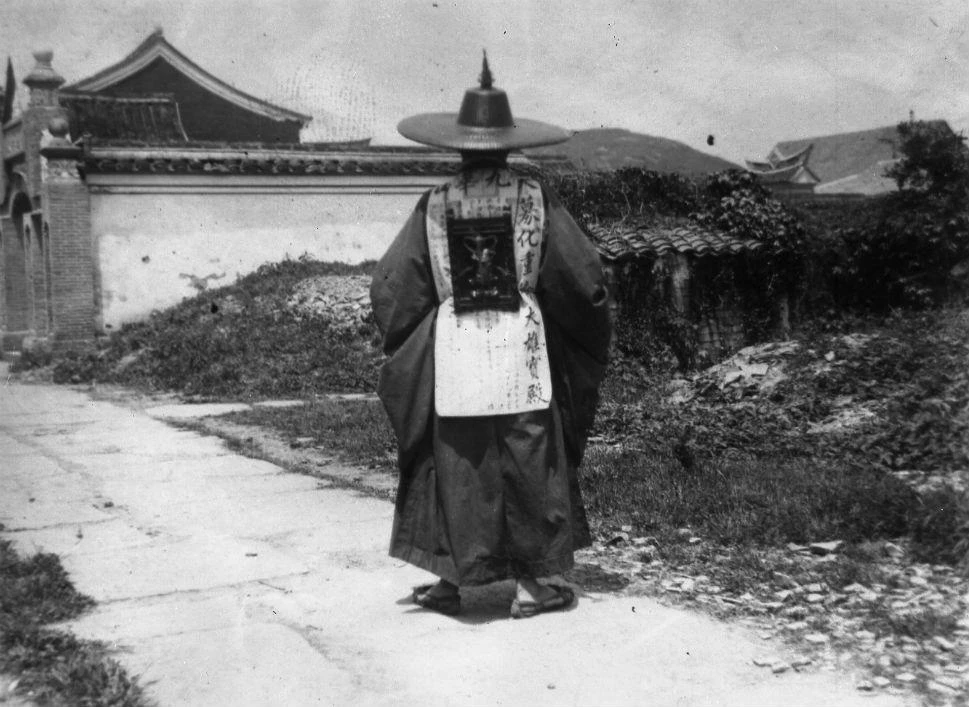
A man walking down a street in Pyongyang.