The Genius Who Fled Fame: The Tragic Story of Child Prodigy William Sidis (10 photos)
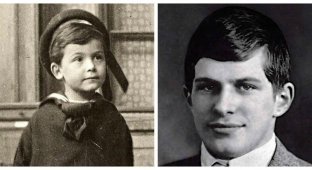
William James Sidis was once a household name splashed across front pages. Hailed as the greatest child prodigy of the 20th century, he learned to read at age two, wrote academic treatises by four, entered Harvard at eleven, and spoke over 40 languages and dialects by sixteen. His brilliant mind captivated scientists, journalists, and educators alike. Yet despite the glowing expectations, he did not become a modern Newton—instead, he faded from the spotlight, choosing a quiet and unassuming life in solitude. 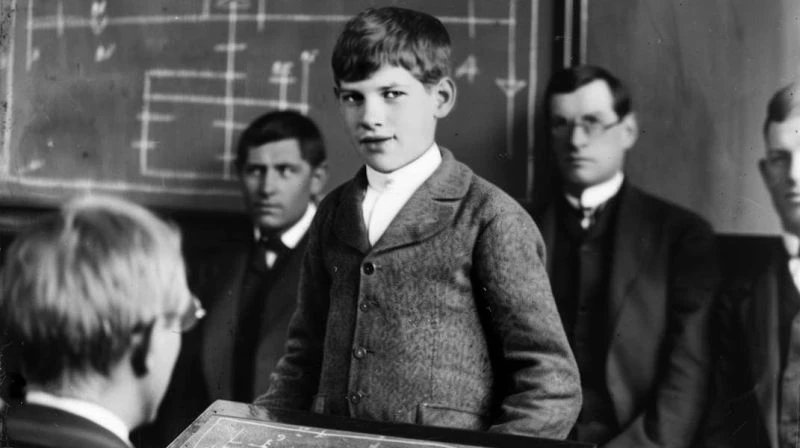
A Childhood Under the Microscope: Raising a Prodigy
William was born on April 1, 1898, in New York City to Jewish immigrants from Ukraine. His father, Boris Sidis, had fled political persecution to become a prominent psychologist and Harvard lecturer. His mother, Sarah, had earned a medical degree—a rare achievement for a woman at the time. Believing firmly in the power of early education, both parents set out to nurture their son’s intellect from infancy, turning William into a subject of their educational experiments. 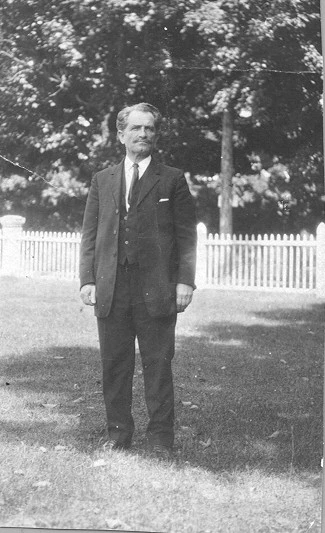
Boris Sidis, father of William James Sidis
The boy was taught to read and write as soon as he could speak. By eighteen months, the toddler was already reading The New York Times. By age five, he had memorized train schedules. When he turned six, his parents enrolled him in a public school in Brooklyn; within six months, William had breezed through seven years of curriculum, catching the eye of major Boston newspapers. At eight, while his peers were just adjusting to school life, Sidis was fluent in eight languages, including Latin. By nine, he had devised his own duodecimal logarithmic system. 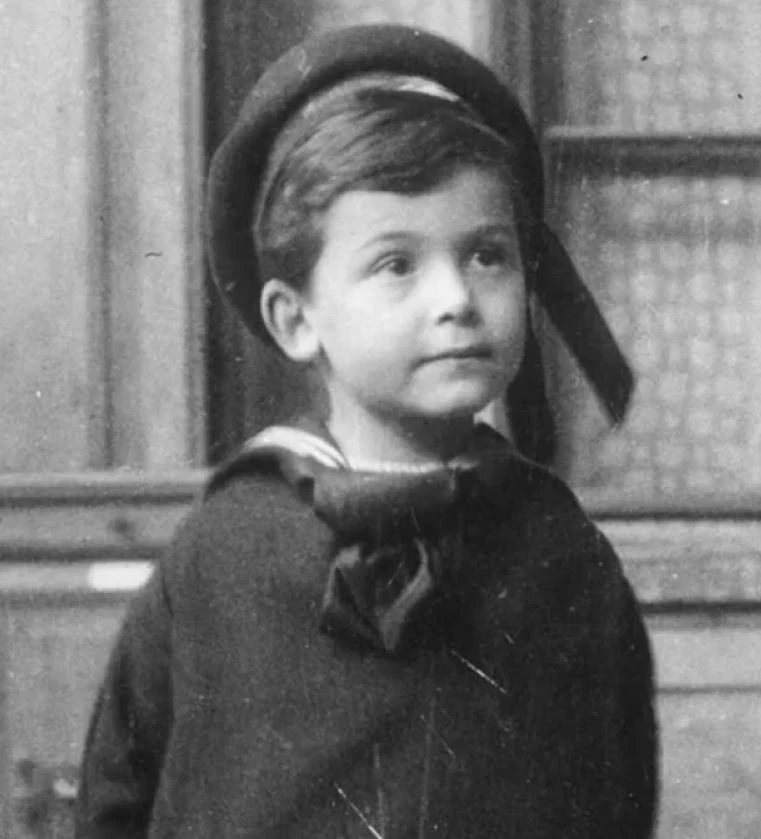
A childhood portrait of William Sidis
His parents took great pride in their remarkable child, holding him up as "living proof" of the power of a scientific approach to child-rearing. William became a sensation, with reporters portraying him as someone destined to revolutionize the world with his future discoveries. But this fame came at a heavy cost. William never knew a normal childhood—no playing with friends, no carefree afternoons. His life was entirely consumed by academics, and his father even resorted to hypnosis to accelerate his learning. Hounded by reporters tracking his every move, the boy found the pressure overwhelming.
Harvard and Fame: The Beginning of the End
In 1907, at nine years old, William applied to Harvard. The university rejected his application, citing "emotional immaturity." Two years later, at eleven, he successfully enrolled, becoming the youngest student in Harvard's history. In 1910, Sidis delivered a two-hour lecture on four-dimensional space before the Harvard Mathematical Club. The audience gave him a standing ovation, and newspapers raced to cover the story of the "boy genius." 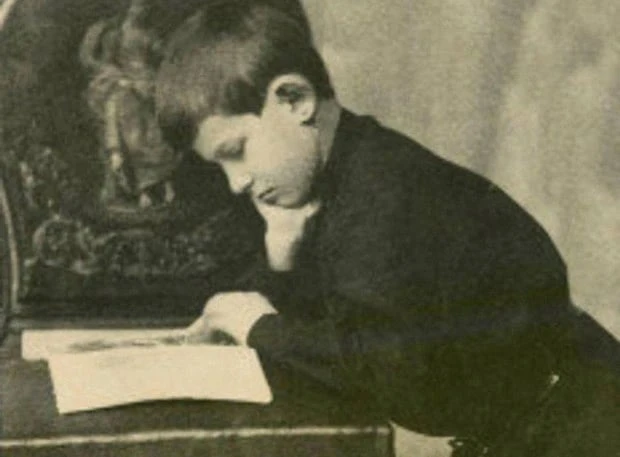
11-year-old Harvard student William Sidis
While professors and reporters marveled at William's intellect, his fellow students kept their distance. Many viewed him as an odd eccentric, obsessed with academics and lost in his own world. Sidis had no interest in sports or socializing, consistently preferring solitude. The unrelenting media spotlight also took a toll: at twelve, he suffered a nervous breakdown and was sent to a sanatorium. Upon returning to Harvard, he became even more withdrawn and depressed. He stopped delivering public lectures, and close human interaction brought him nothing but discomfort. 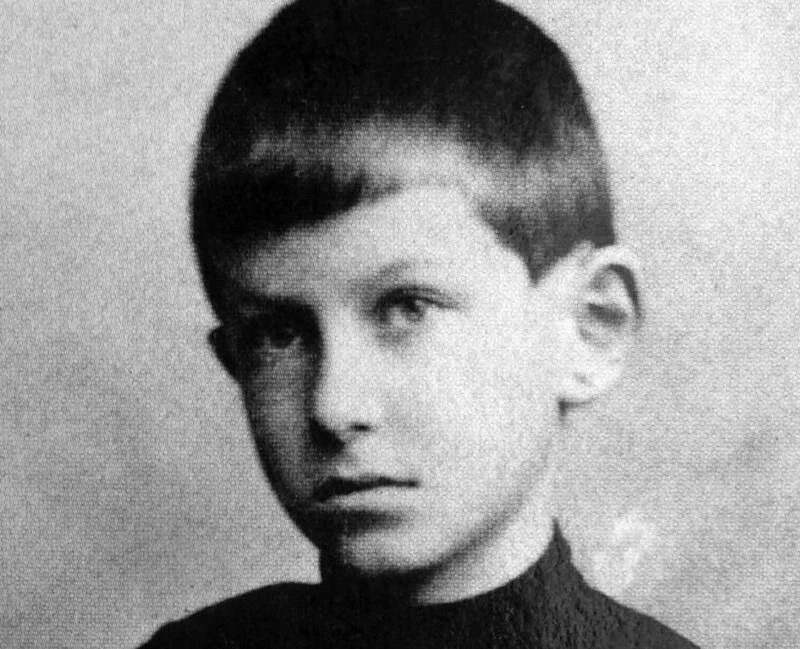
Although William loved studying as a child, his perspective shifted in adulthood
At sixteen, William Sidis graduated from Harvard. Following graduation, he informed his parents of his desire to live independently, longing for peace and quiet. During an interview with the Boston Herald, a reporter badgered the sixteen-year-old with intrusive questions about his sex life. Sensationalized headlines claiming the prodigy had taken a vow of celibacy soon reached The New York Times, turning his private life into a laughingstock across America.
At seventeen, he took a position teaching mathematics at Rice Institute. However, he struggled in the role. Despite his phenomenal mind, William was thoroughly unprepared for independent life. His students, most of whom were older than he was, relentlessly made fun of their young instructor. Female students added to his discomfort by teasing him and pretending to be in love with him. After just eight months, Sidis resigned. He then decided to pursue further studies, enrolling in Harvard Law School, but dropped out during his third year.
Arrest, Ideology, and Love
Sidis was unable to find the solitude he craved. Wherever he went, journalists and curious onlookers hounded him, eager to glimpse the child prodigy. Whenever asked about his future plans, Sidis offered the same steadfast response:
"I want to live the perfect life. The only way to live a perfect life is to live it in seclusion."
16-year-old William James Sidis in 1914
Despite his reclusive nature, Sidis took a keen interest in politics, identifying as a socialist and participating in anti-war demonstrations. In 1919, amid the rising panic of the First Red Scare in the United States, he was arrested during a May Day rally while carrying a red flag. The young man was sentenced to eighteen months in prison for rioting. His influential father stepped in, pulling strings and reaching an agreement with prosecutors to keep his son out of prison. Instead of serving jail time, William spent about a year confined to a private psychiatric clinic.
Although Sidis firmly rejected the idea of marriage, he fell unrequitedly in love with a woman named Martha Foley. A young Irish woman and an active anti-war campaigner, she had met William at a political rally. Though a romantic relationship never materialized, he carried her photograph in his pocket for the rest of his life.
Escaping Expectations: A Life in the Shadows
By the early 1920s, William Sidis had grown disillusioned with both academia and politics. The former prodigy quietly took low-level clerical jobs at various companies. To evade unwanted media attention, he frequently worked under assumed names, holding positions such as an adding machine operator and factory clerk.
Despite his efforts to fly under the radar, someone would eventually recognize him, forcing Sidis to pack up and move on. In 1924, a reporter for The New York Herald Tribune tracked him down at a Wall Street office. "The boy prodigy of 1909 is now a $23-a-week adding machine clerk," newspapers declared, mocking the perceived waste of his genius. 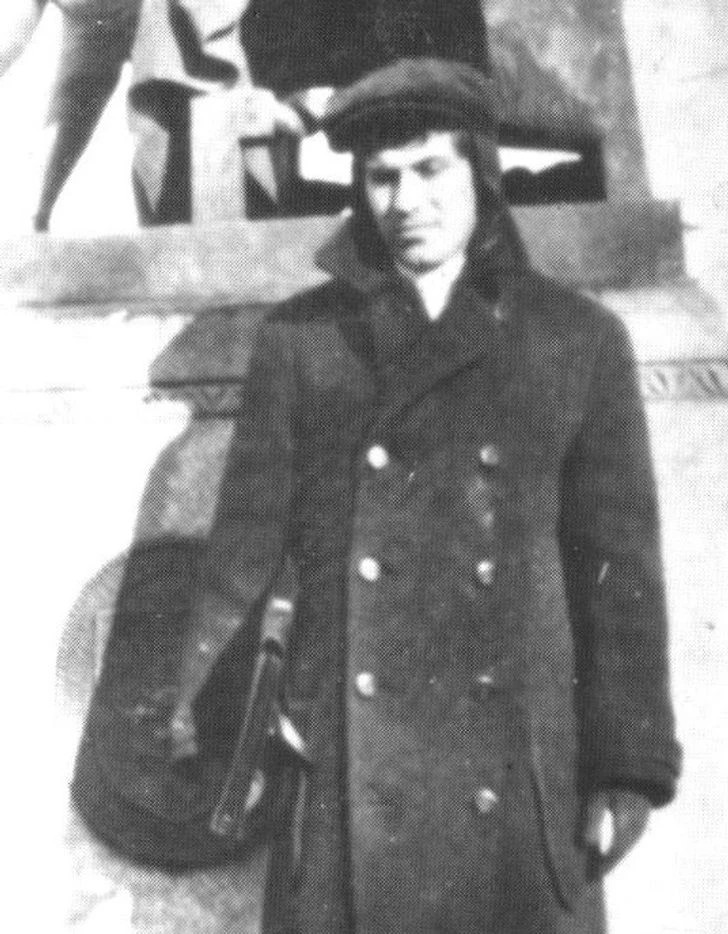
Following that incident, "the smartest man in the world" managed to vanish from the press for over a decade. He lived quietly and comfortably away from the public gaze, spending his spare time writing books and scholarly essays on topics ranging from biology to history. In 1925, he published a book titled The Animate and the Inanimate, which went largely unnoticed. His main hobbies included collecting streetcar transfers and researching Native American history. Any inquiries about his prodigy past met with fierce irritation. When his father passed away in 1923, William refused to attend the funeral, blaming him for ruining his life.
The Final Years of William Sidis
In 1937, the wall of anonymity Sidis had so painstakingly built came crashing down. He made the mistake of granting an interview to an acquaintance, which became the basis for an article in The New Yorker. Published as part of the magazine's "Where Are They Now?" series on forgotten celebrities, the piece painted a deeply unflattering portrait, describing him as a "heavyweight" with "a protruding jaw, a thickish neck, and a reddish mustache." The article emphasized his awkward demeanor, childlike refusal to take on adult responsibilities, and difficulty articulating his thoughts. 
William James Sidis at age 45
Deeply hurt by the scathing profile, Sidis sued The New Yorker for invasion of privacy. However, the court ruled against him, deciding that he remained a public figure and that his life, including his perceived failures, remained a matter of public interest.
A Tragic End: The Genius Who Just Wanted Peace
By the 1940s, William's health was declining. He suffered from obesity, high blood pressure, and chronic stress. In July 1944, his landlady found him unconscious in his rented room in a Boston boarding house. William Sidis died later that day from a cerebral hemorrhage. He was only 46 years old. 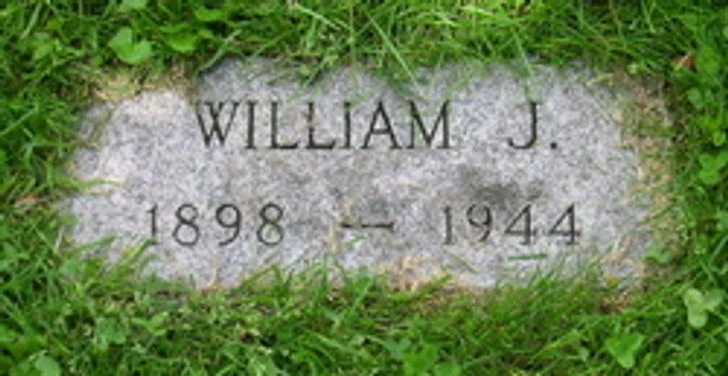
Penniless and alone, he passed away without ever fulfilling the world's grand expectations. Society had demanded groundbreaking discoveries from him, but William chose anonymity and peace instead. Perhaps it was his ultimate act of defiance against a system that had turned his childhood into a media circus.
To this day, scholars and psychologists debate whether Sidis was—like so many other child prodigies—a victim of parental ambition and shattered potential, or simply a man who consciously chose a life of solitude. His story is more than a biography; it is a sobering reminder to reflect on the cost of genius, the freedom of personal choice, and what society truly considers success. 
Was William Sidis's life a tragic failure, or was it the deliberate choice of a genius who refused to live by anyone else's script? Share your thoughts in the comments.